Inherited silence

-
Dates2024 - 2025
-
Author
- Topics Contemporary Issues
- Location China
History itself makes no sound
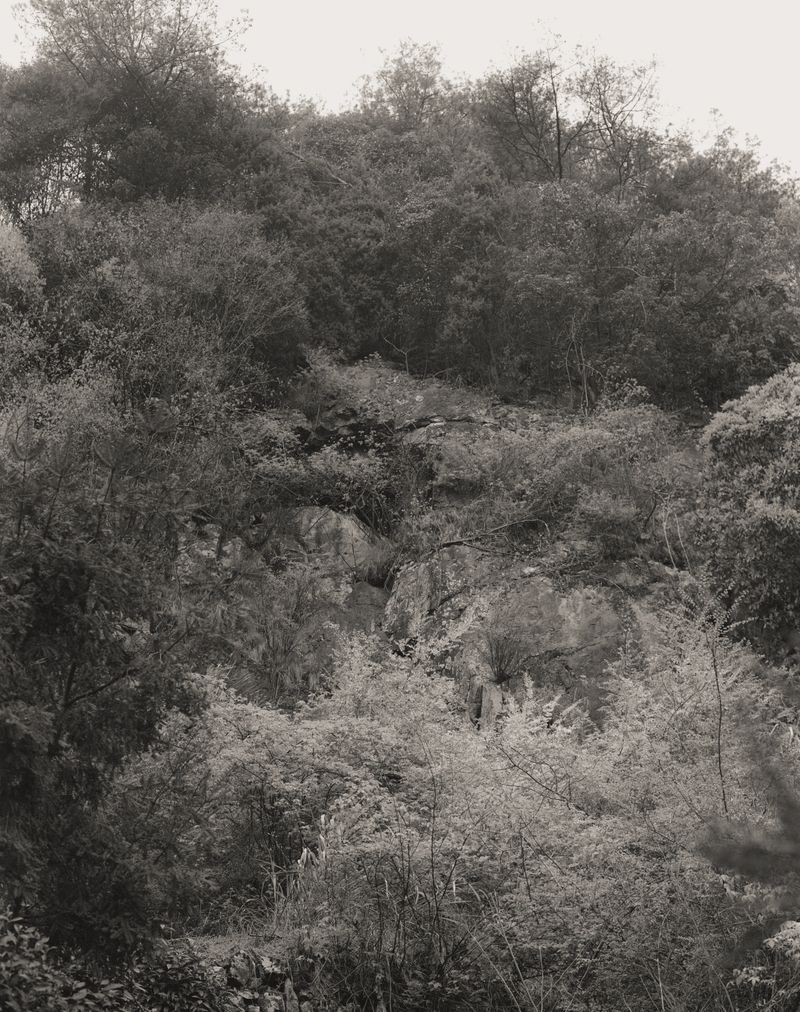
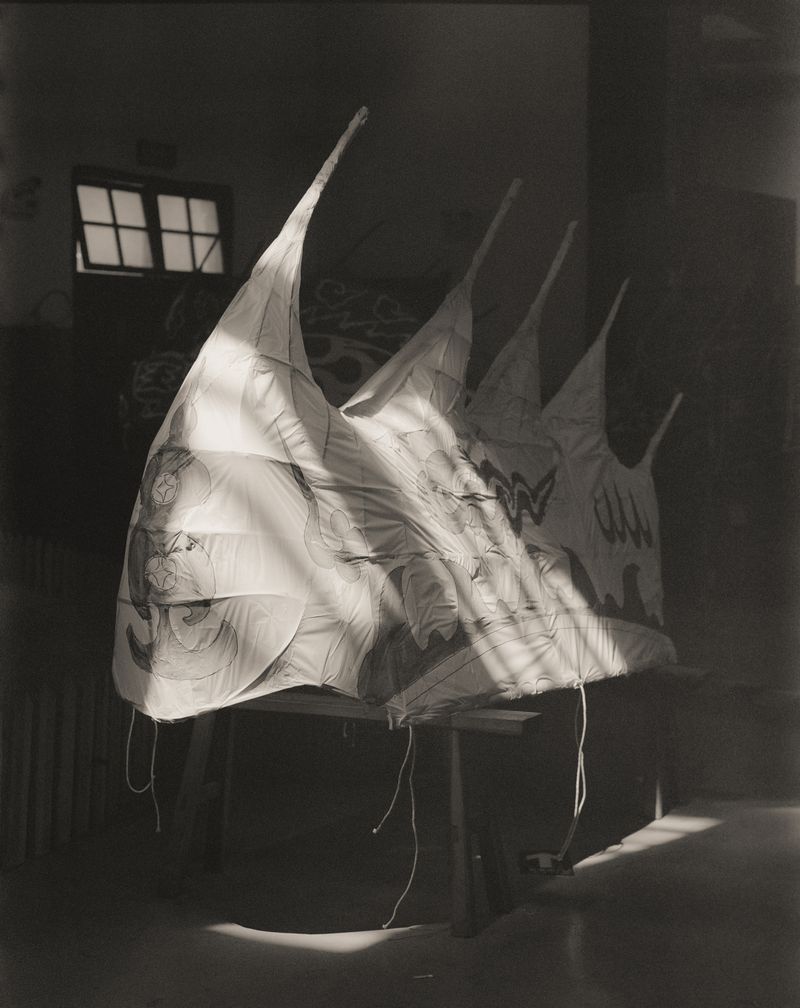
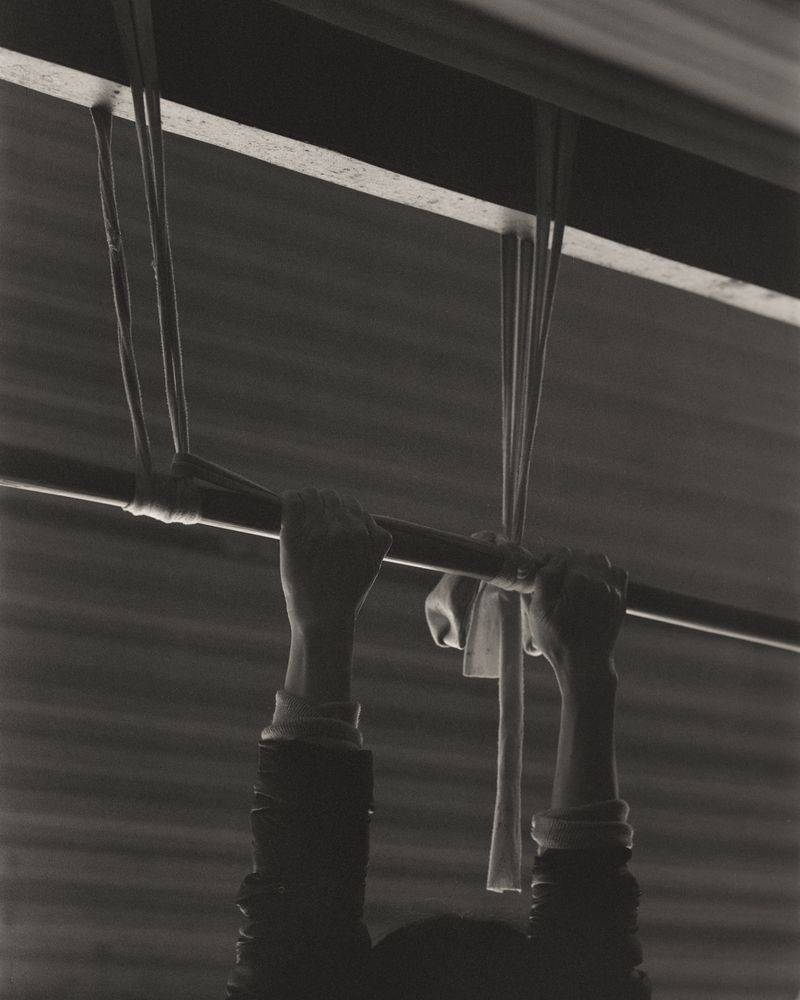
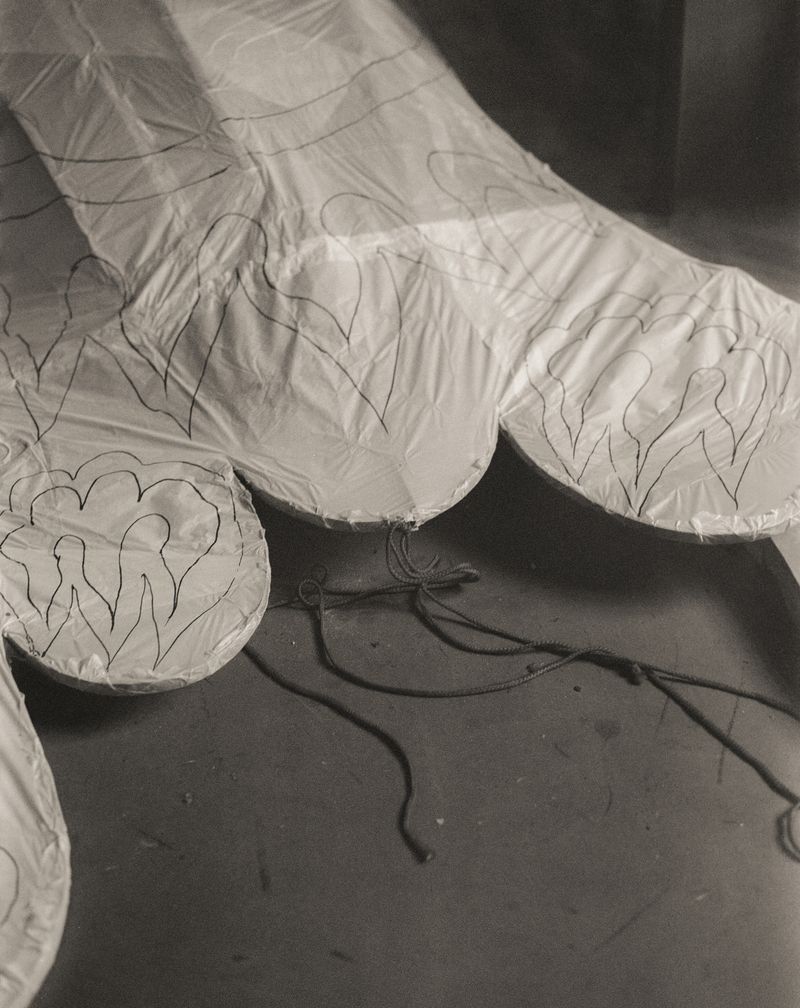
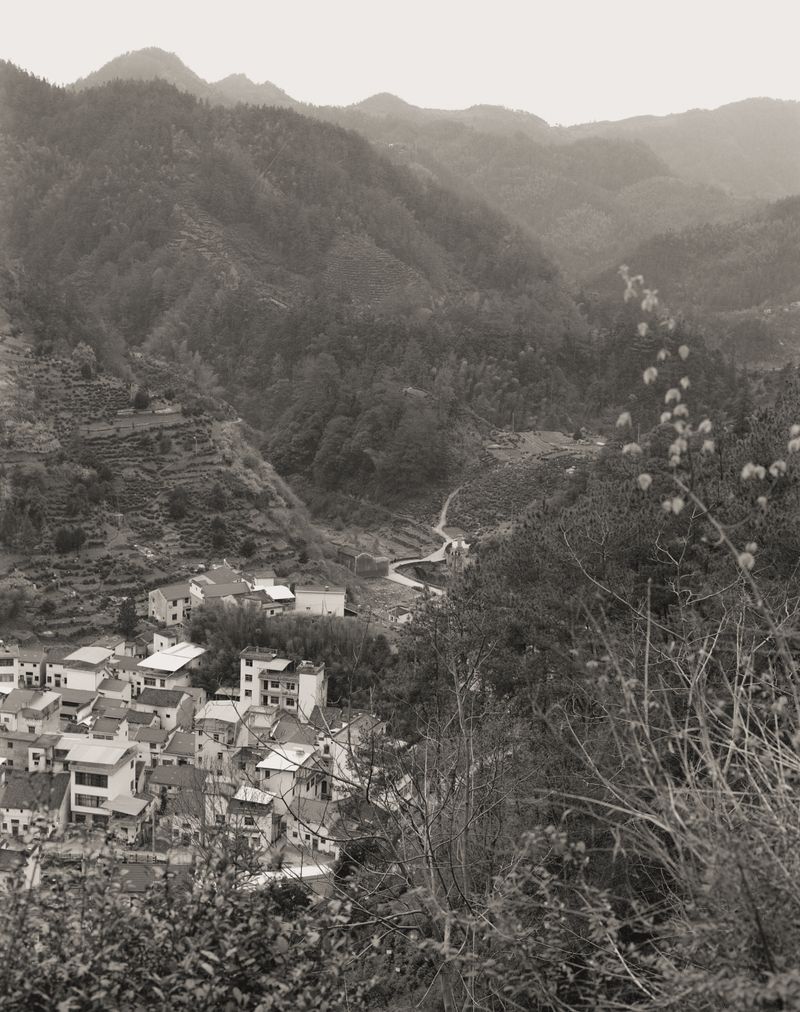
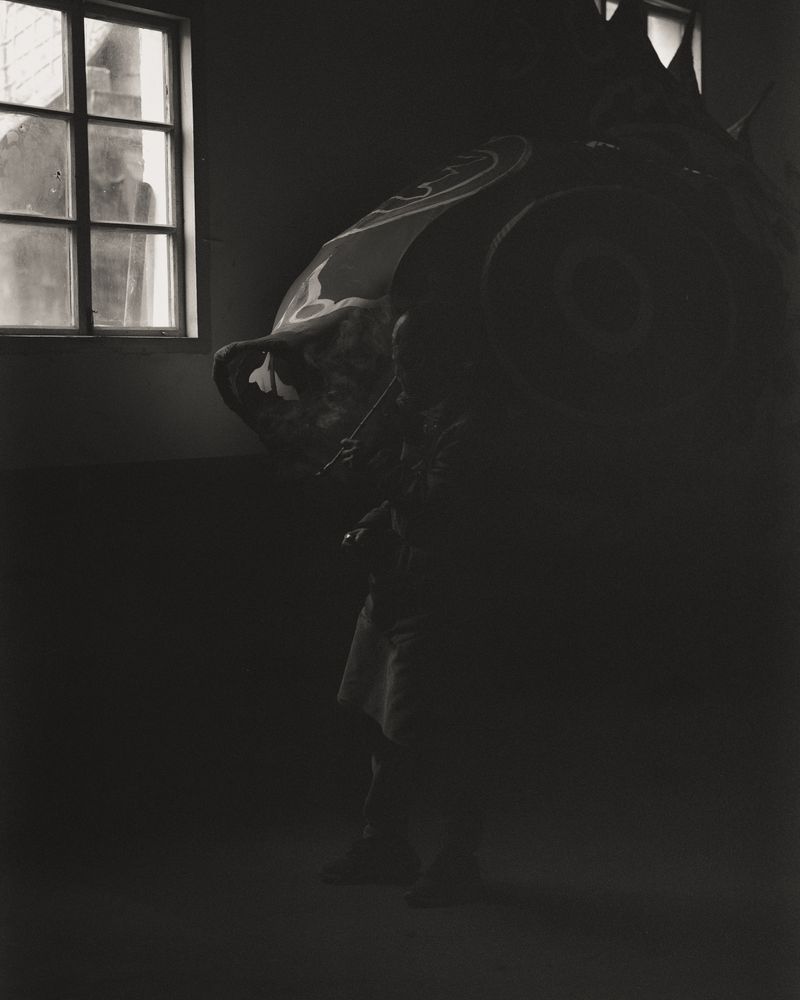
What began as an ordinary editorial assignment led me to a village hidden in the mountains of Anhui, China, where fish have long been revered as a sacred symbol. At the beginning of each new year, villagers build enormous fish lanterns and carry them in procession through the settlement.
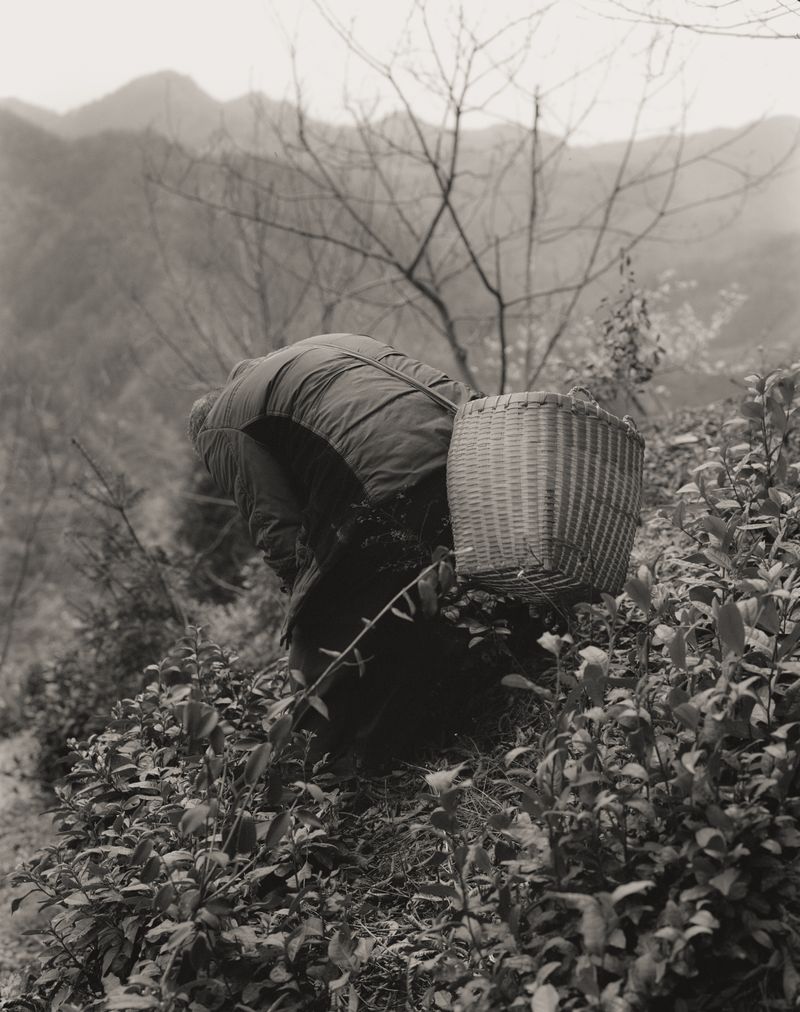
The difficult mountain roads have made the village somewhat slower to respond to the passage of time, but they have also helped preserve a certain purity. For generations, the community quietly sustained this tradition with little attention from the outside world—until the years following the pandemic.
In periods of uncertainty, traditional festivals are often mobilised as instruments of national cultural promotion. For the first time, the village was thrust into the spotlight, becoming a place of celebration, spectacle, and noise.
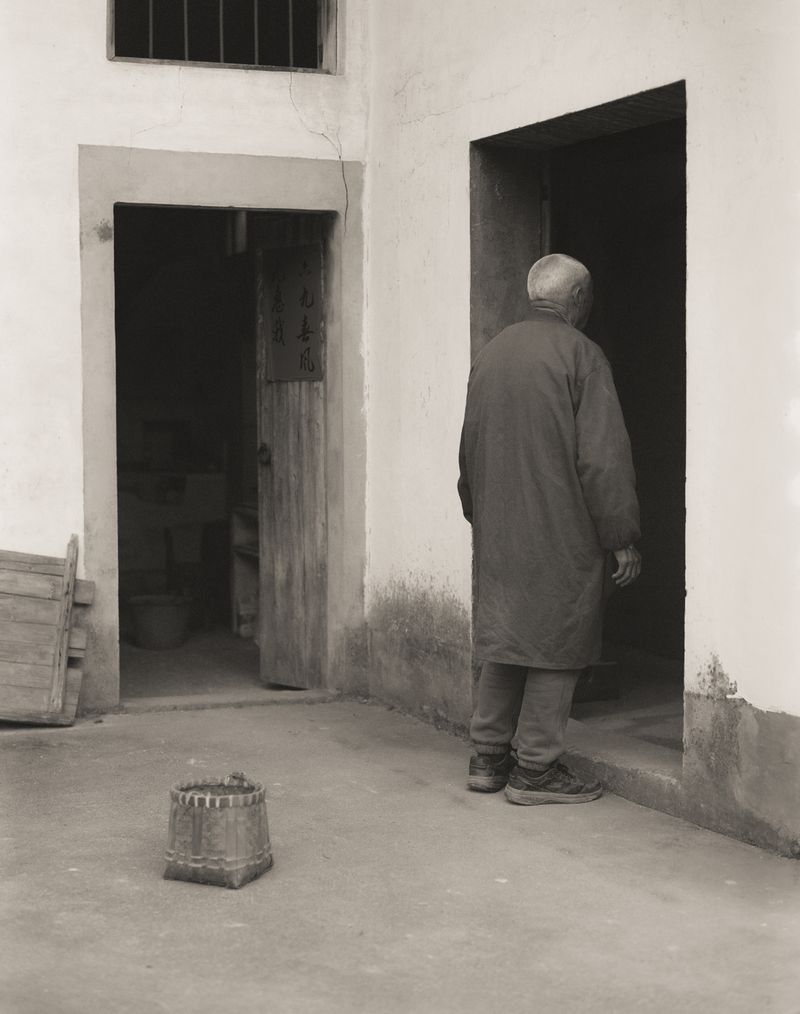
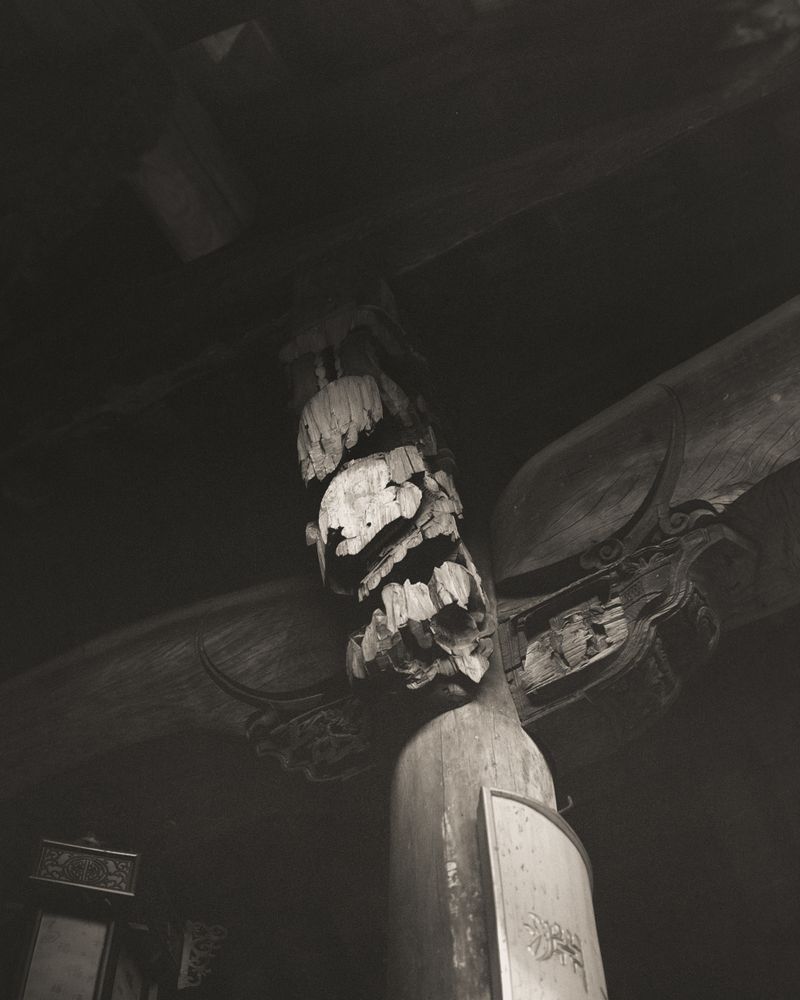
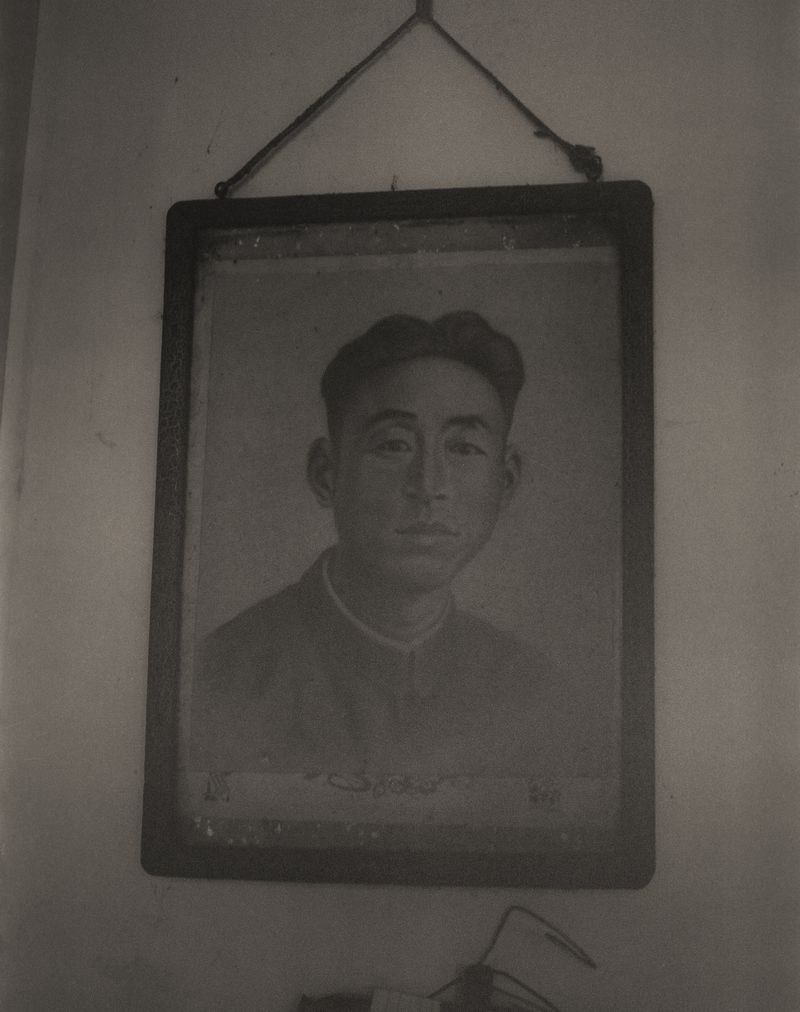
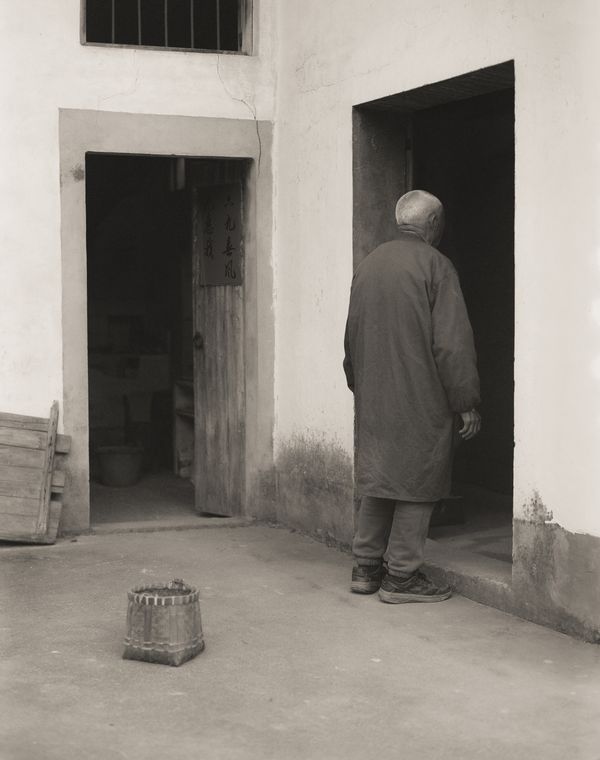
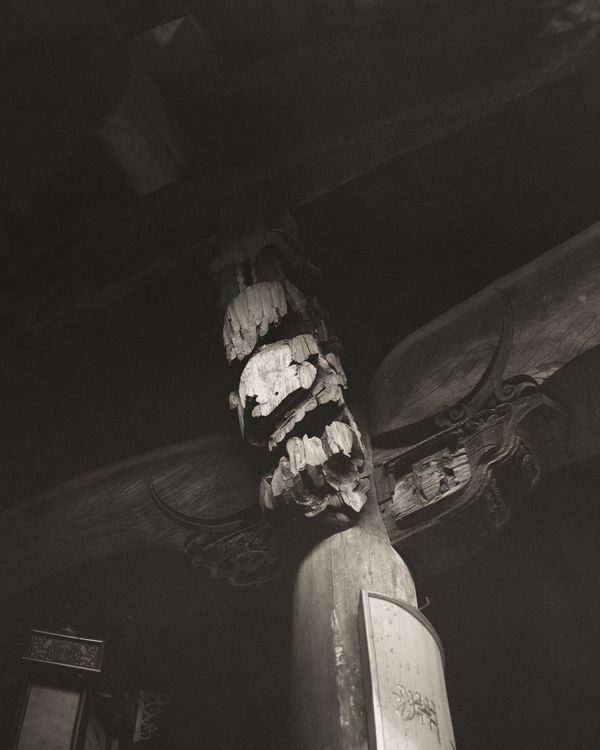
As I continued to return, more layers gradually revealed themselves. Beneath the excitement, something deeper and more enduring was at work. The festival, almost unintentionally, had become a record of histories more profound than the tradition itself. These histories were neither as singular nor as complete as mainstream narratives often suggest; some were even quietly avoided.
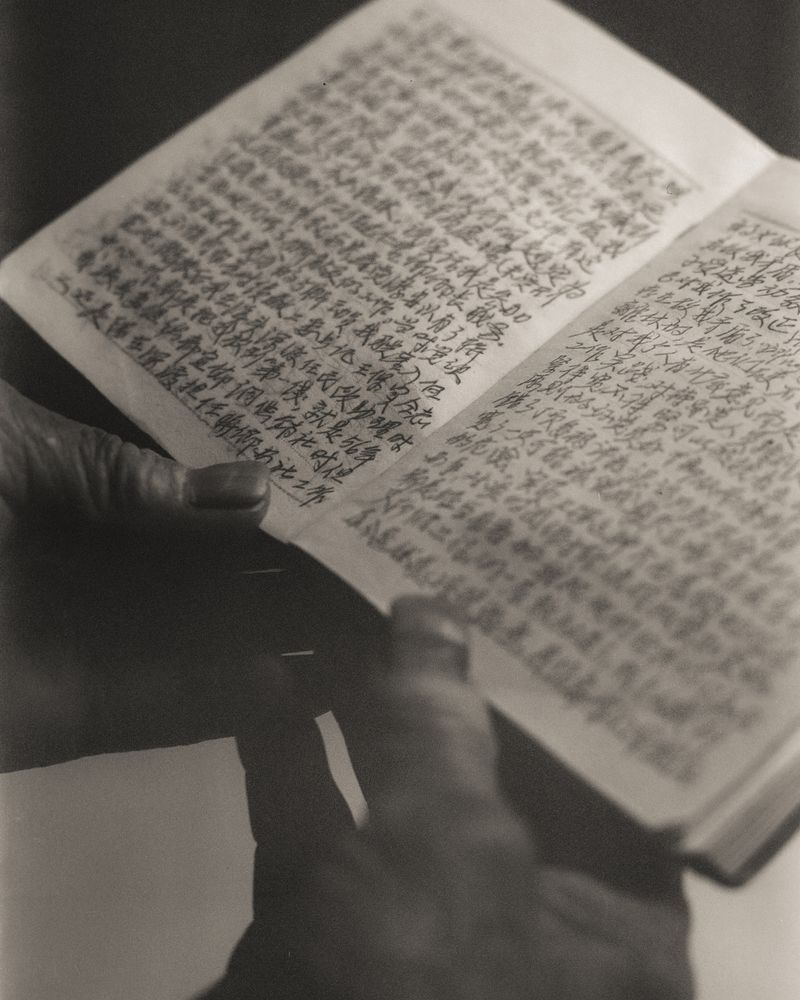
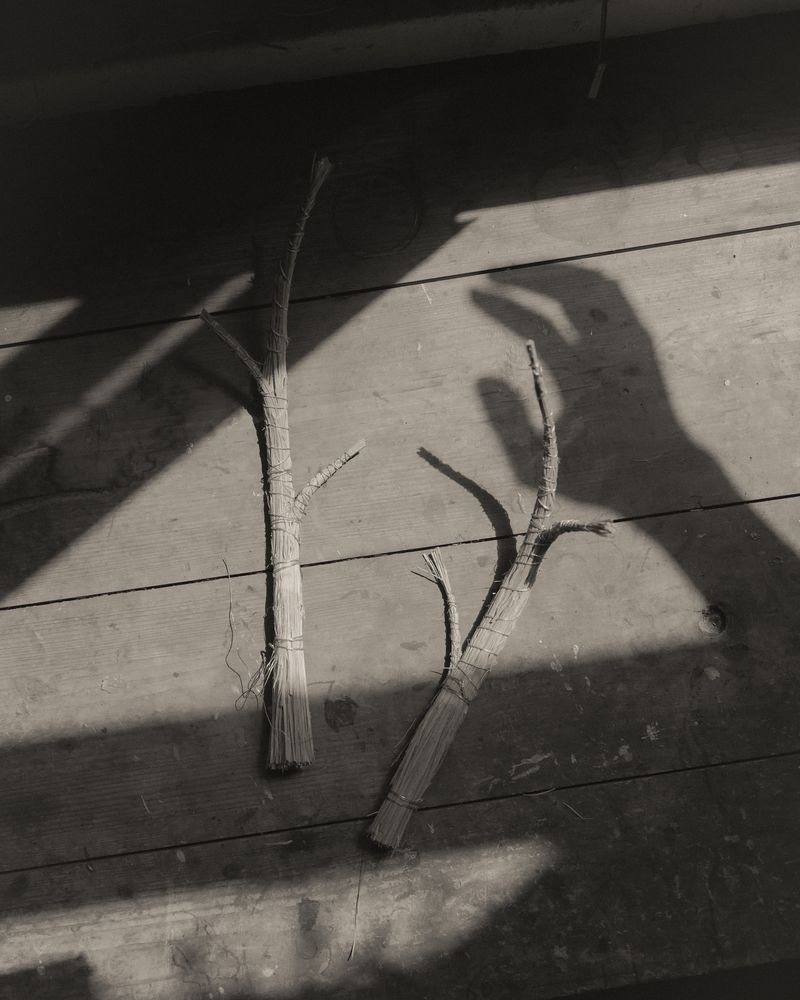
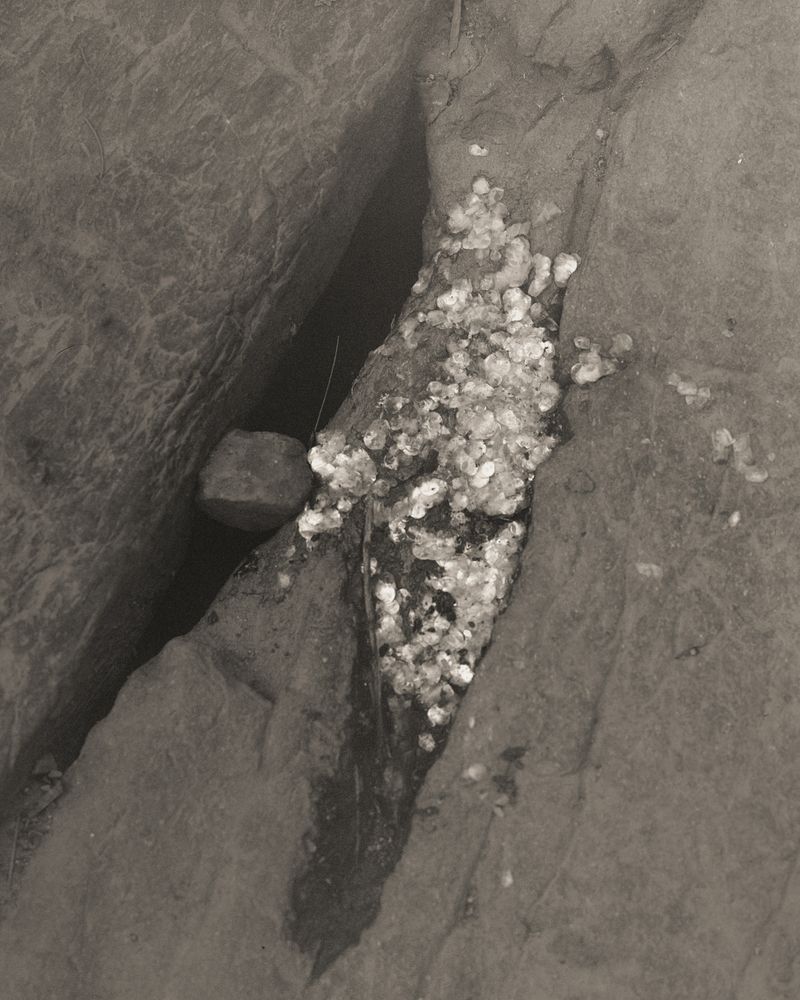
Beyond the original commission, I began trying to portray what I saw on the reverse side of the spectacle. In doing so, I came to realise that within traditions lacking written records, what matters is not how one explains their existence, but whether one believes in the explanation one chooses. Some stories are told for outsiders. Yet they are also the words villagers quietly repeat to themselves when faith begins to waver.