In This Body
-
Dates2026 - Ongoing
-
Author
- Location Perth, Australia
In This Body is a photographic and oral history project exploring how women live with invisible disabilities and chronic health conditions. Through intimate analogue portraits and their own words, it asks what it means to build a life in a changing body.
In This Body is a long-form photographic and oral history project exploring the lives of women living with invisible disabilities and chronic health conditions across Western Australia.
At the centre of the project is a question that has become increasingly important in my own life:
How do you build a life inside a body that changes what is possible, while still wanting things?
Living with an invisible condition can create a strange distance between how a person is perceived and what is actually happening within their body. Pain, fatigue, sensory overwhelm, neurological symptoms and physical limitations can profoundly shape a life while remaining almost entirely unseen. There can also be grief for previous versions of ourselves, uncertainty about the future, changing relationships with work, motherhood, sexuality, independence and ambition, and the constant negotiation between what we want and what our bodies allow.
In This Body is interested in that space.
The project is already in development. I recently launched an open call inviting women across Western Australia to share their experiences and express interest in participating. Eighteen women responded, sharing deeply personal accounts of chronic illness, disability, neurodivergence, pain, medical dismissal, fertility, identity, grief, adaptation and the ways their bodies have shaped their lives. I am currently in the process of selecting the final group of participants, with the intention of creating a body of work that reflects a range of ages, conditions, experiences and relationships with the body.
Over approximately two years, I will work closely with the selected women. Each collaboration will begin with conversation rather than photography. Through recorded, participant-led interviews, they will be invited to speak about their bodies and lives in their own words: what has changed, what has been lost, what remains, what they desire, what they have had to fight to have believed, and how their understanding of themselves continues to evolve.
These conversations will inform the photographs that follow.
Working entirely with analogue photography, I will photograph each woman within her own world: at home, in landscapes and spaces where she feels connected to herself, and through more interpretive portraits developed in response to her individual story. Rather than attempting to make an invisible condition visually “visible”, I am interested in photographing the person who lives within it.
The resulting work will move between intimate portraiture, observation, environment, details and more conceptual imagery. Each woman's chapter will have its own visual language while remaining part of a larger collective narrative.
The words are as important as the photographs. Edited excerpts from the recorded conversations will sit alongside the images, allowing participants to speak for themselves rather than having their experiences interpreted solely through my gaze. Participants will be involved in reviewing how their words and images are ultimately presented, creating a process built around trust, consent and collaboration.
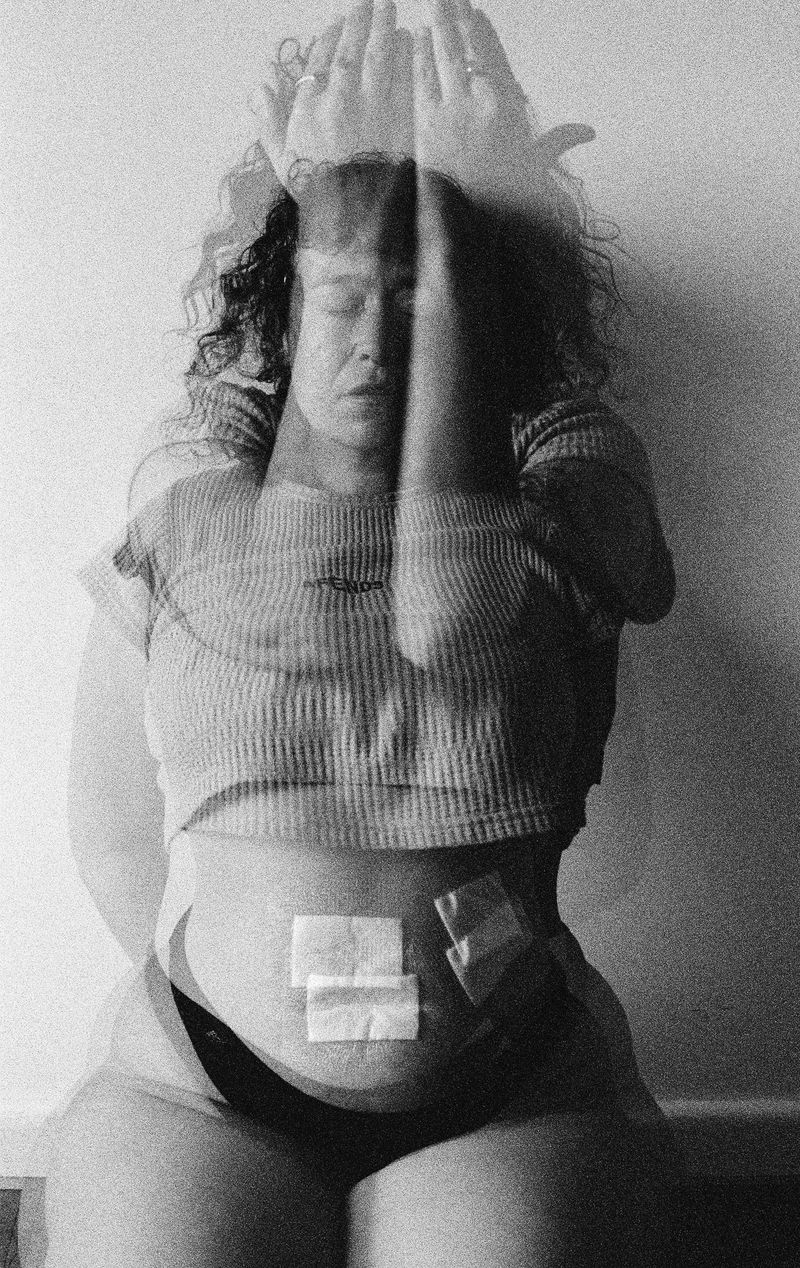
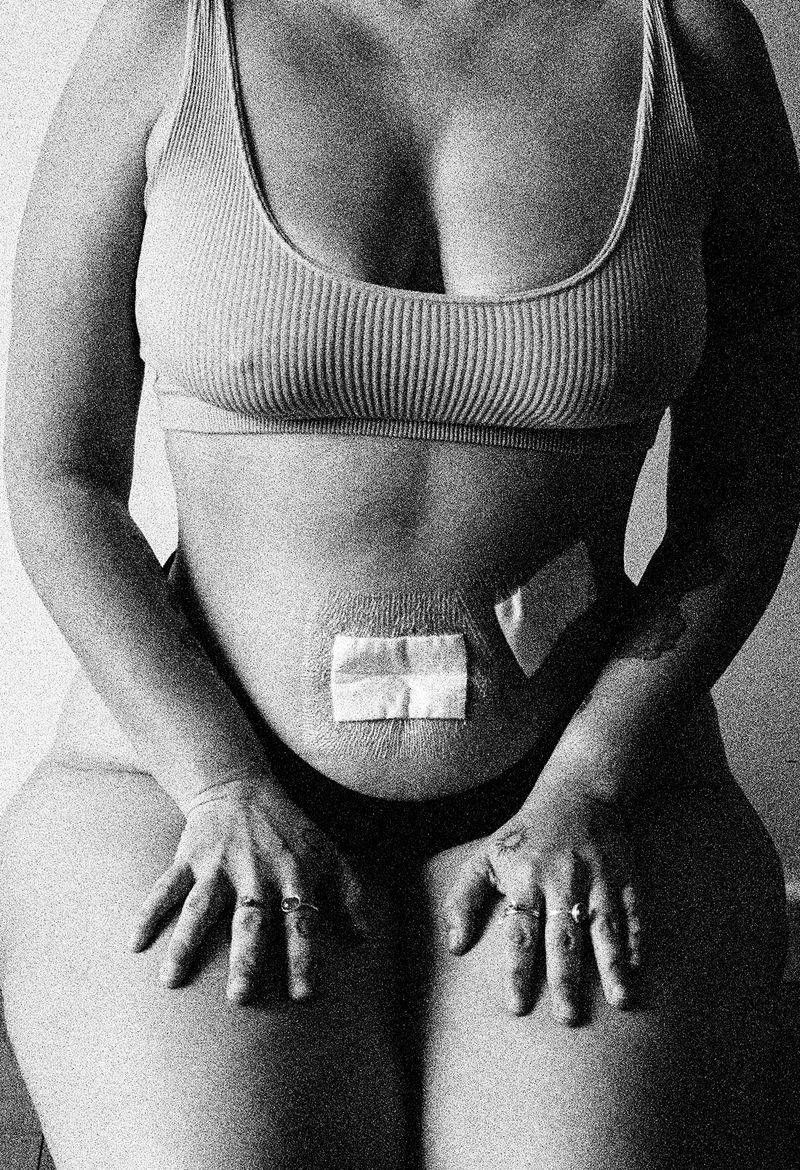
The project is deeply personal. I also live with chronic health conditions, and my own changing relationship with my body has shaped both the questions behind the work and the way I want to make it. The project will intentionally unfold slowly, allowing space for fluctuating health, rest, trust and relationships to develop over time. Rather than working against the limitations of our bodies, the process itself will acknowledge them.
There is a long history of women's pain being minimised, misunderstood, medicalised or spoken about through the voices of others. Invisible conditions create another layer: a person can look well while their entire life is being organised around something nobody else can see.
In This Body does not seek to create a narrative of tragedy, nor one of overcoming adversity. Some women may have found acceptance; others may still be angry, grieving, adapting or searching for answers. There is no expectation that illness must lead to resilience or transformation.
Instead, the project asks what happens to identity when the body changes the parameters of a life, and what it means to continue wanting within those parameters.
Ultimately, In This Body will become an exhibition and artist publication bringing together analogue photographs and first-person testimony. Together, they will form a photographic archive of lives and experiences that are often absent from the visual record: not simply documenting illness, but documenting the women living around, through and alongside it.
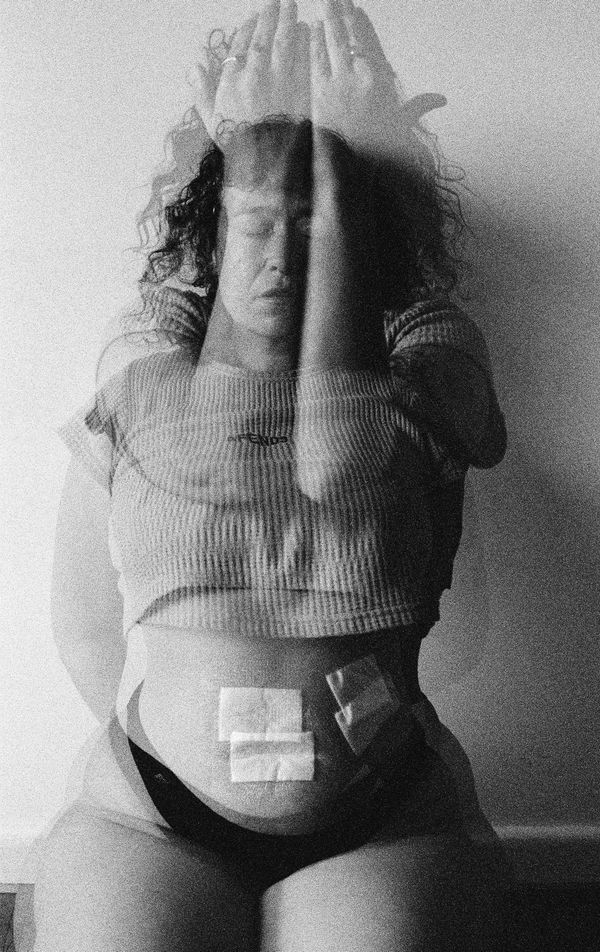
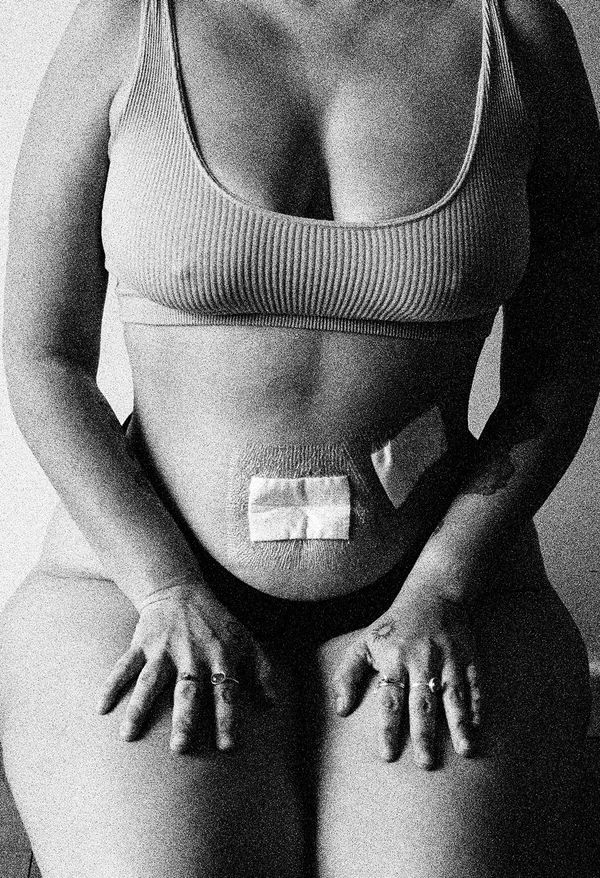
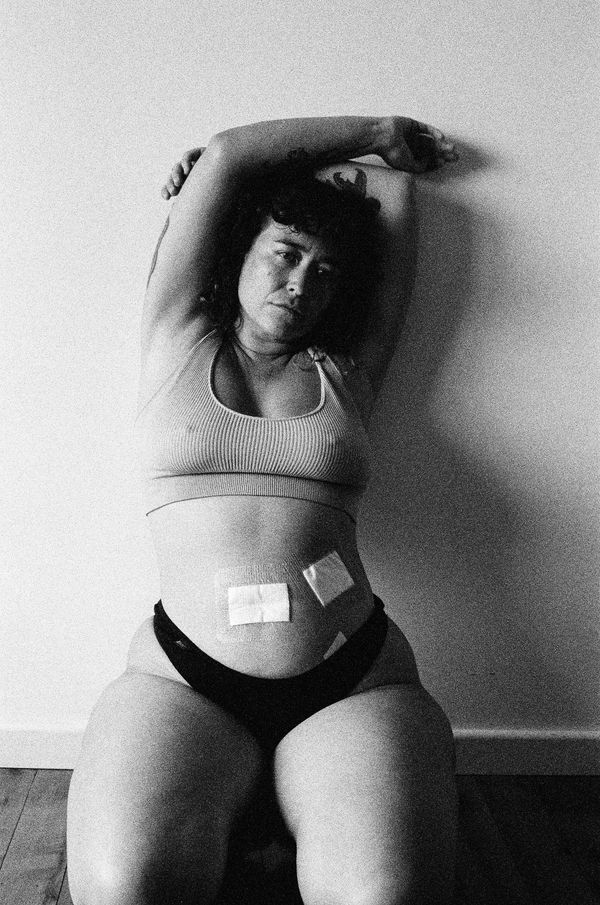
P.S. In This Body is currently in its development and participant selection stage, so no photographs for the project have been created yet. The images submitted here are recent self-portraits made following my latest surgery. They reflect my own experience of living in a changing body and the personal place from which this project has grown.