In the Room IV
-
Dates2017 - Ongoing
-
Author
My work delves into the intangible barriers that exist among individuals of different social classes, often referred to as psychological distance. Whether it's human portraits or cityscapes, my art carries a profound underlying sentiment.
Dear Committee,
I am Mengting Zhou (Matilda), a photographer, retoucher, and visual artist based in New York. My work encompasses a range of media, including film, digital photography, video, and installation, resulting in a diverse and intricate body of work. Notably, my fine art pieces have been featured in various exhibitions, including a solo exhibition at the Lian Zhou Foto Festival in China, as well as group exhibitions at the Greenpoint Gallery, Citybird Gallery, Anna-Maria and Stephen Kellen Gallery, and PHOTOVILLE in New York.
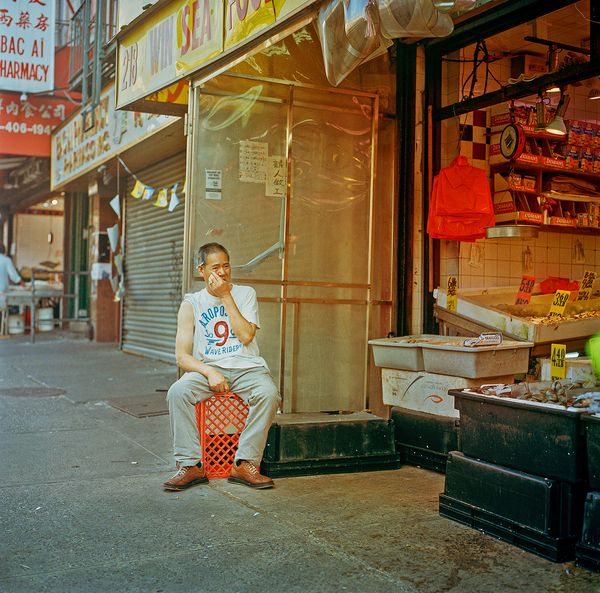
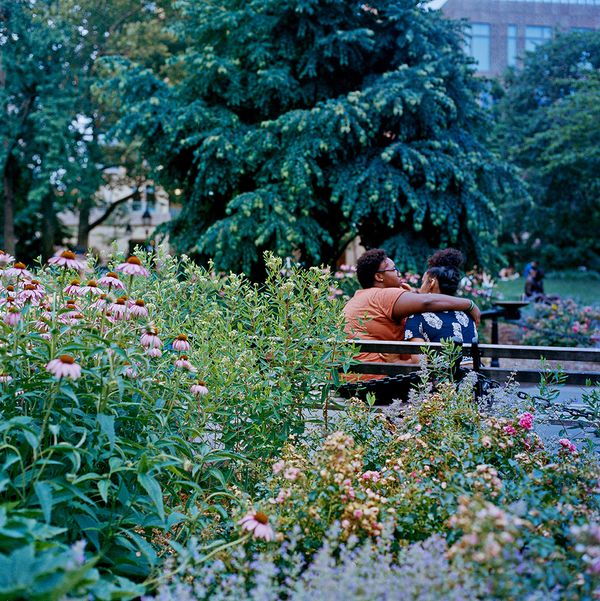
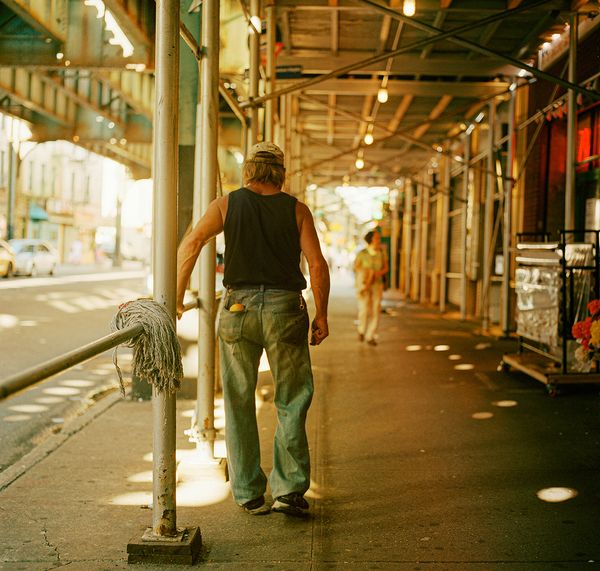
As Lucy Soutter articulates in her book, "Why Art Photography," the viewpoint of an image places us directly on the street, making us keenly aware of the photographer's physical presence. This is one of the reasons I am drawn to street photography.
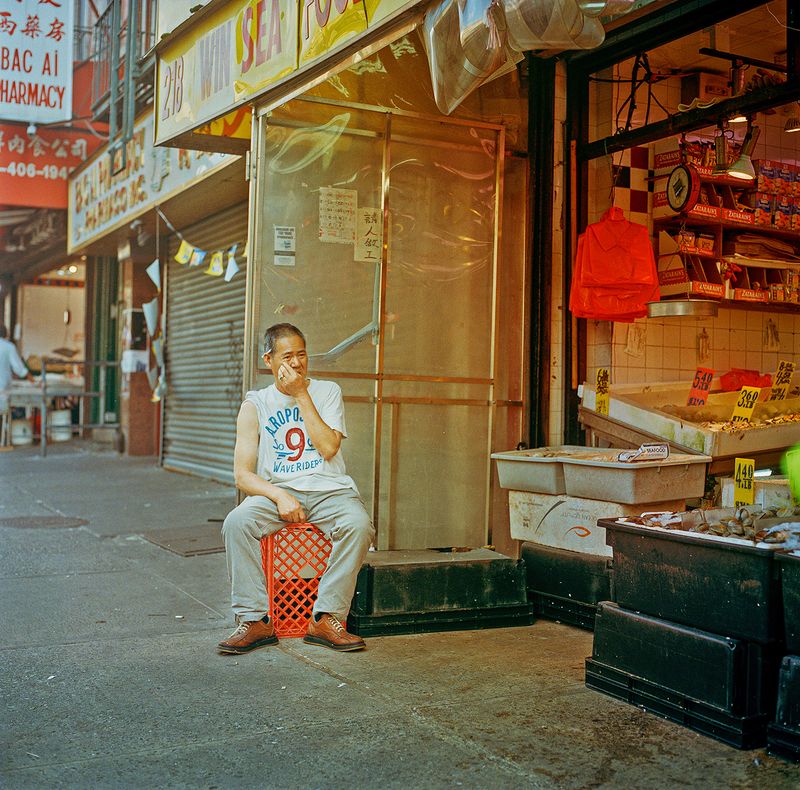
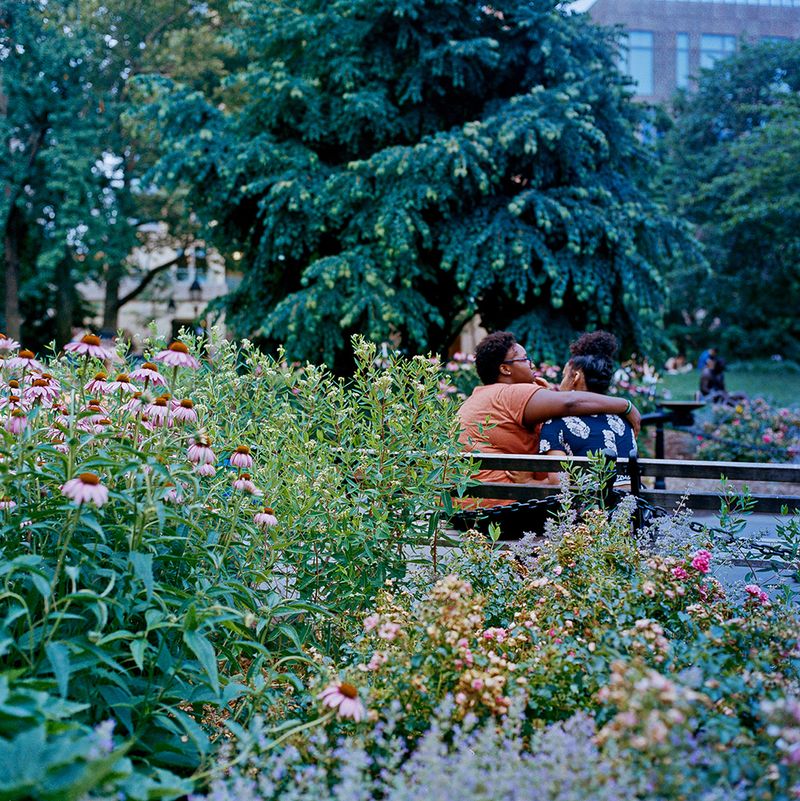
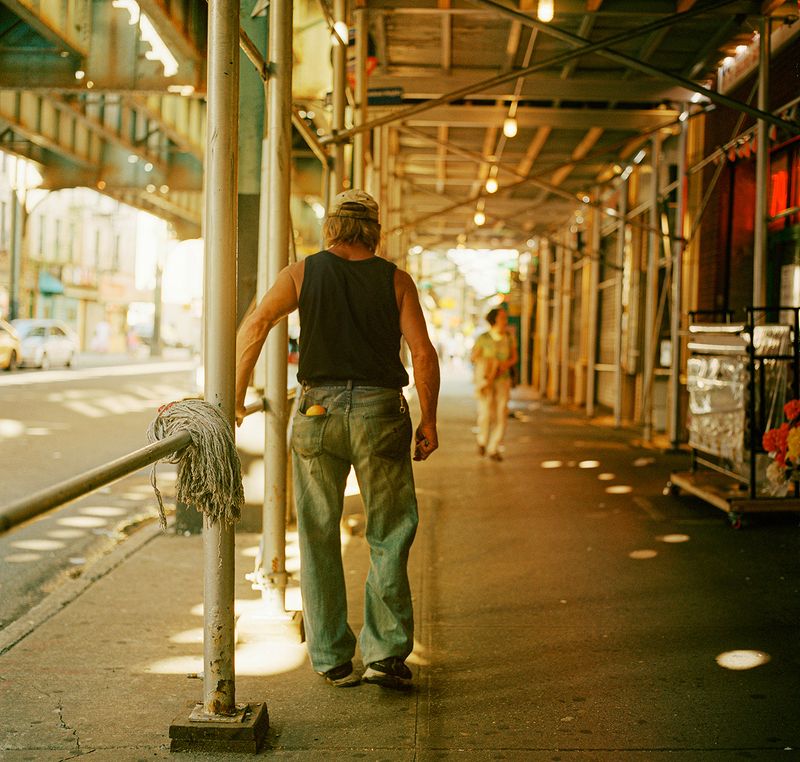
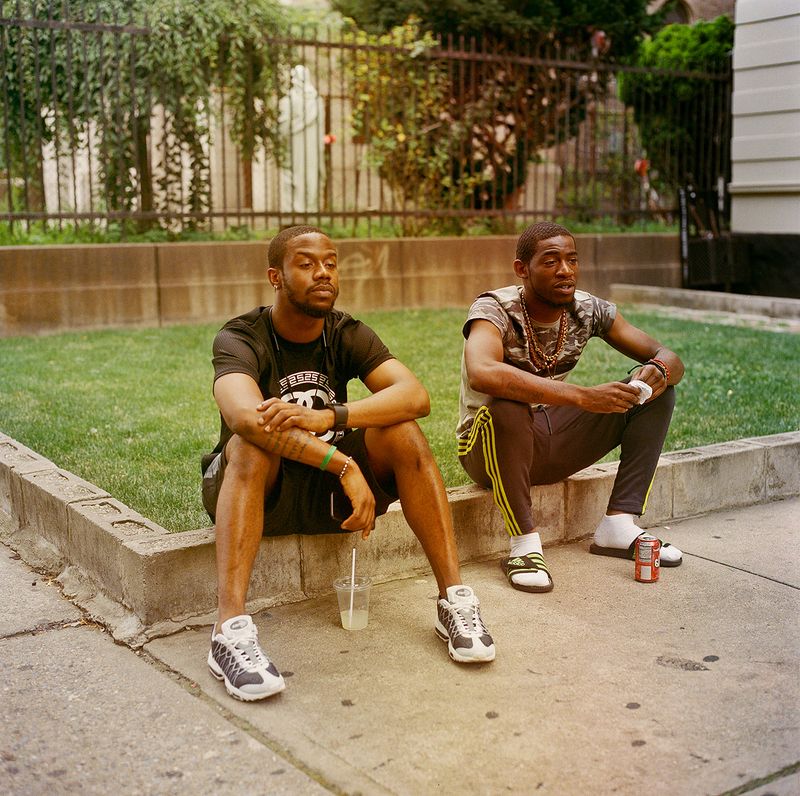
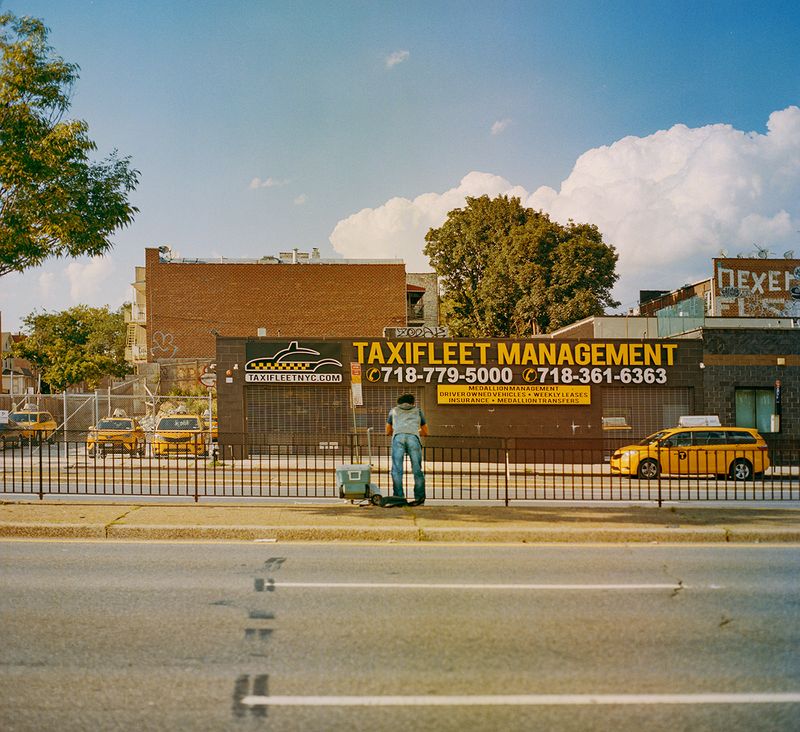
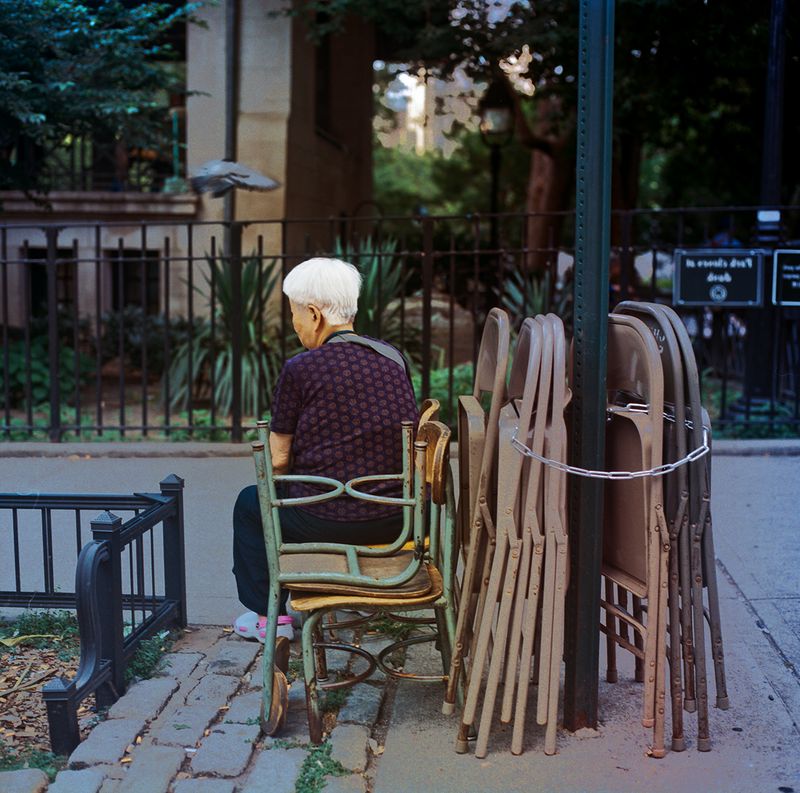
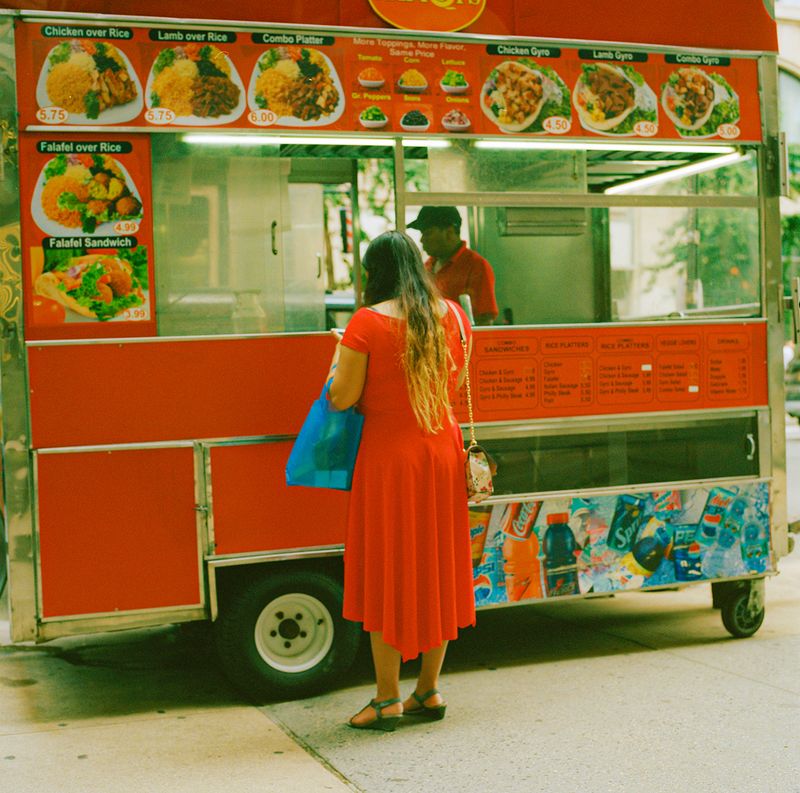
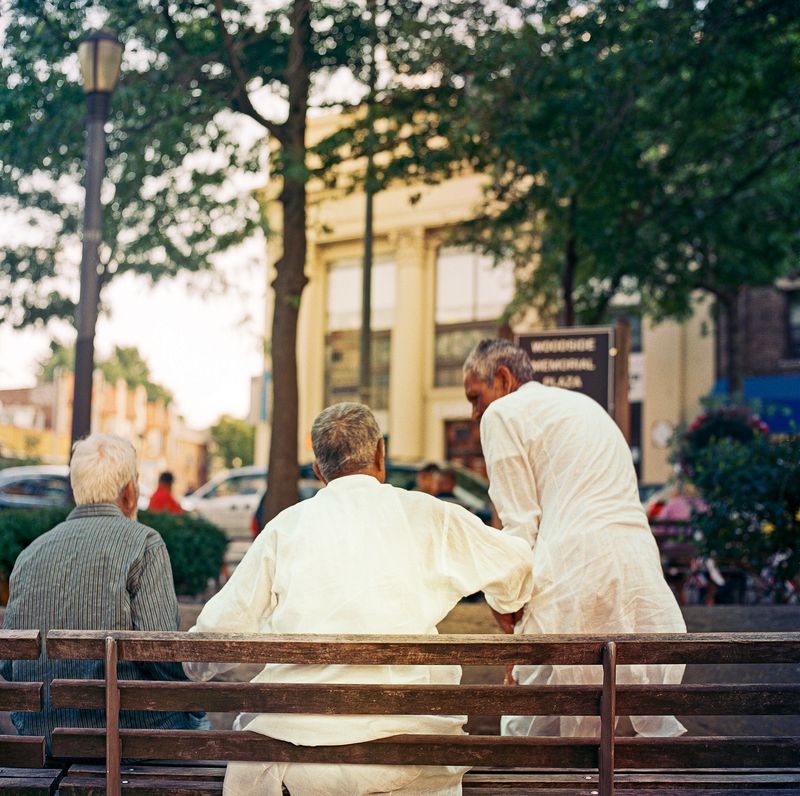
In my creative process, the almost archival form of creation has always fascinated me. This series of works is titled "In the Room Series 4," which is the fourth installment in the "In the Room" series. I began creating the "In the Room" series in 2015, initially naming it "In the Room I." The original concept behind the work was my attempt to enter different people's rooms and capture them in their natural states in their private spaces. This act was not invasive for me; during the shooting, I often engaged in long conversations or moments of silence with the subjects. This was done in a state of mutual trust and relaxation, allowing me to capture the moments when the subjects were most comfortable, natural, and at ease. However, today, there is a pervasive sense of distance and caution among people. The name "In the Room" for this series came from this observation. After completing the first part of the series, I wanted to delve deeper into the concept and continue creating. Throughout the process of creating "In the Room 2" and "In the Room 3," I underwent lengthy periods of reflection and practice. I gradually understood that "In the Room" was not simply a physical space in a literal sense. Merely photographing people in actual rooms was insufficient. "Room" for me no longer represented a mere physical space; it became each person's emotional fortress, the psychological distance each person set between themselves and others. Thus, I began trying to open my mind, walking through the city streets, traveling, and observing strangers, documenting their private moments in public settings, whether they were looking at their phones, daydreaming, or appeared to be entirely focused on themselves. In "In the Room 4," I approached the project with a completely new perspective. I chose two subway lines in New York City, the 7 train and the 4 train. Along these two subway lines, I designed routes and walked through the corresponding streets of Manhattan, Queens, and Brooklyn, mapping my way. Why did I choose the 7 and 4 lines? It's because my first apartment when I moved to New York was in Queens, at 52 Woodside. I commuted to school and traveled on the 7 train. Later, I moved to Crown Heights Utica in Brooklyn, the terminal station of the 4 train. These two lines almost traced my entire life trajectory during my two years in New York. This method of walking along the subway lines was not a random choice to document my journey. During my walks, enduring the scorching New York weather, I had to stay focused to find suitable subjects to photograph. I had to endure the physical fatigue and the suffocating New York heat. This method was not leisurely or entirely comfortable. It was more like a test of willpower, making my actions akin to a devout pilgrimage.