In The Devil's Snare

-
Dates2023 - Ongoing
-
Author
- Locations Massachusetts, Vermont, Maine, New Hampshire, Connecticut, Rhode Island
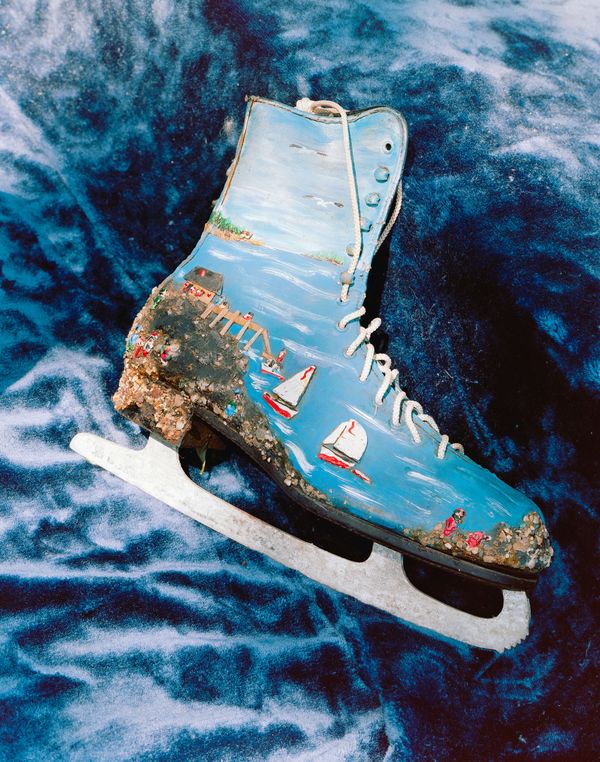
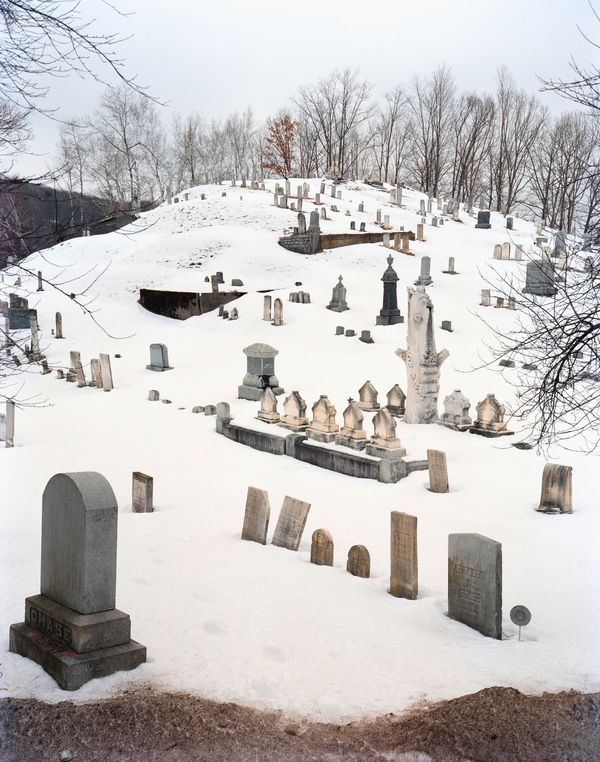
From Salem to Stephen King, New England is where the Devil laid its roots in the American psyche. With a large format camera, Sweeney has set out to record how the region’s history and folklore emerge in its modern landscape.
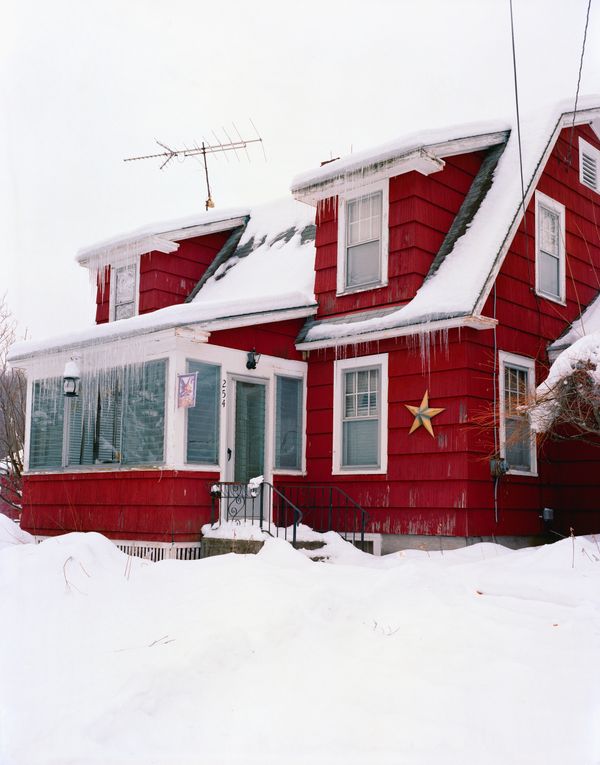
"Beyond the orchard lay a field or two, their boundaries lost under drifts; and above the fields, huddled against the white immensities of land and sky, one of those lonely New England farmhouses that make the landscape lonelier." - Edith Wharton
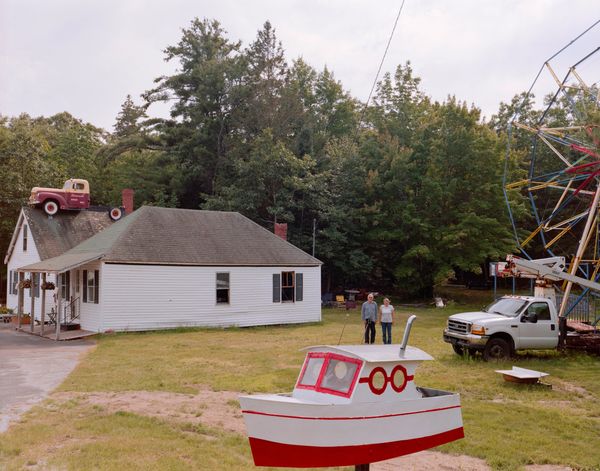
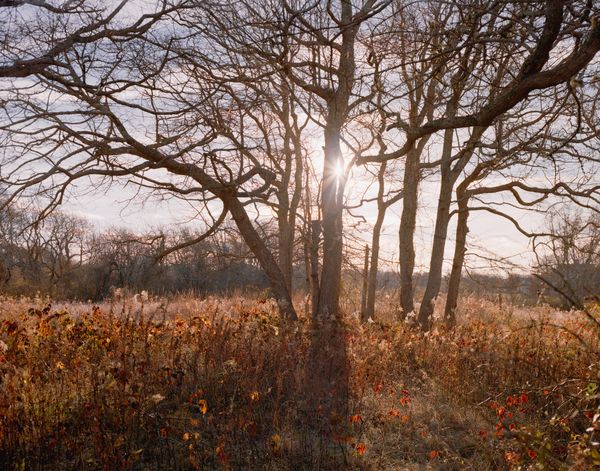
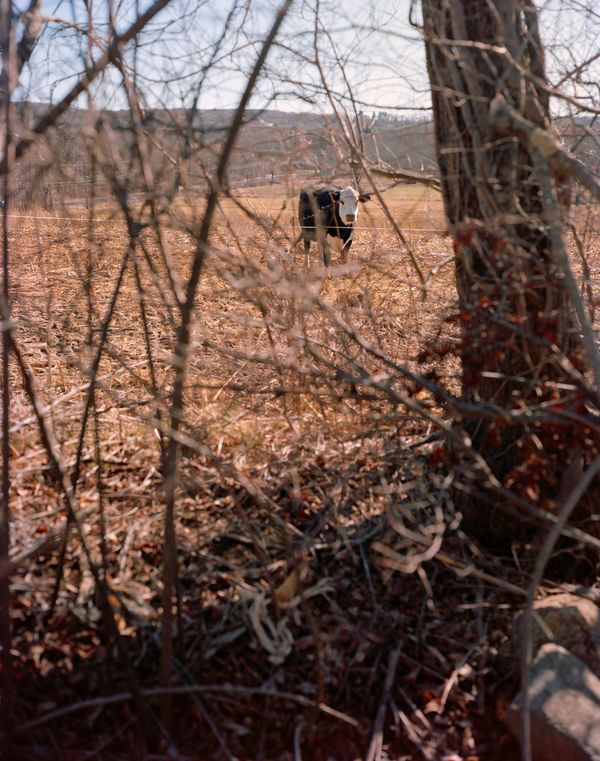
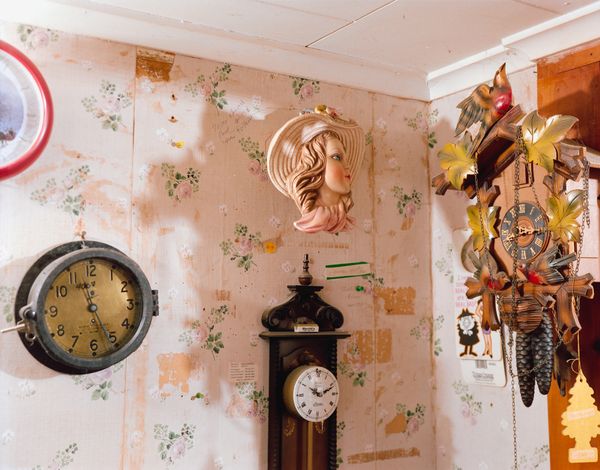
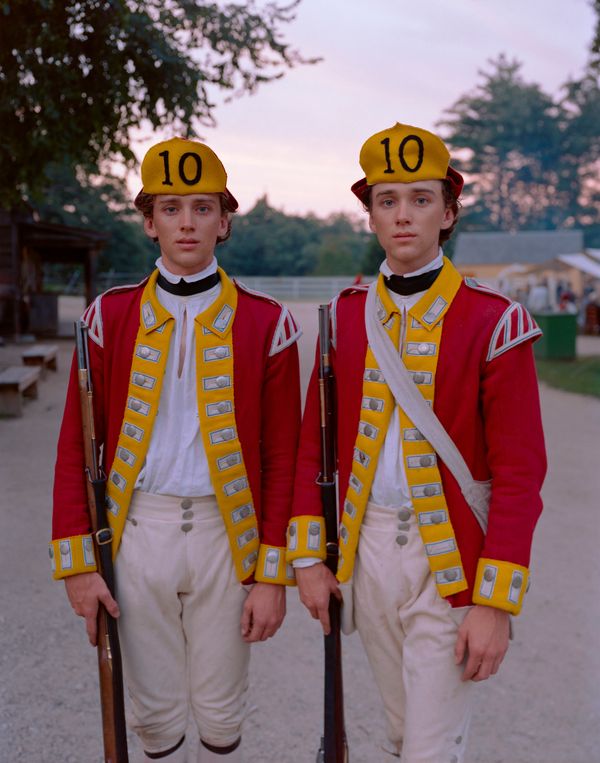
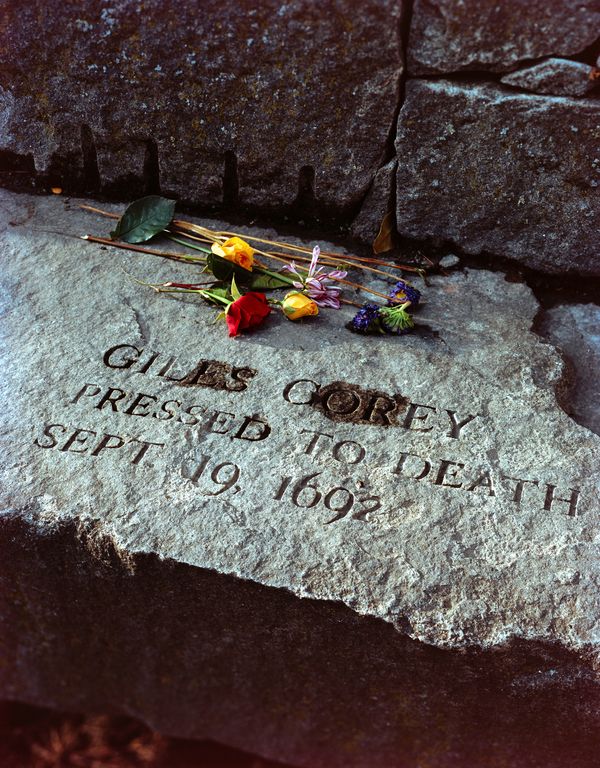
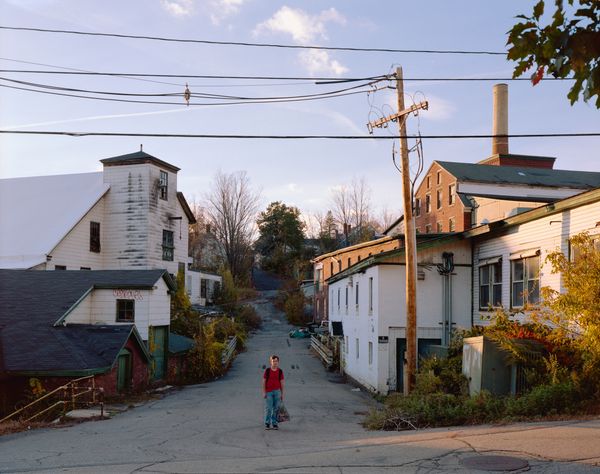
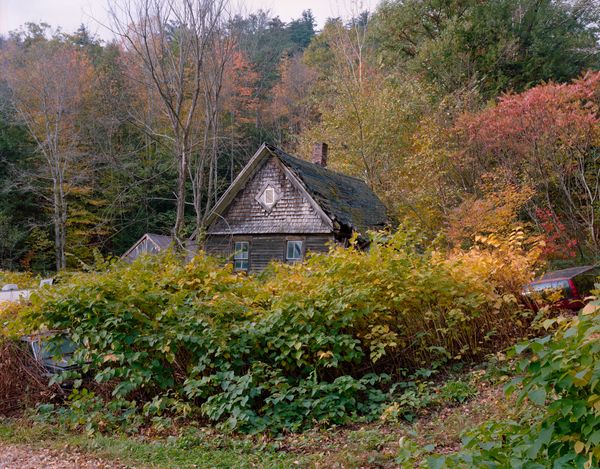
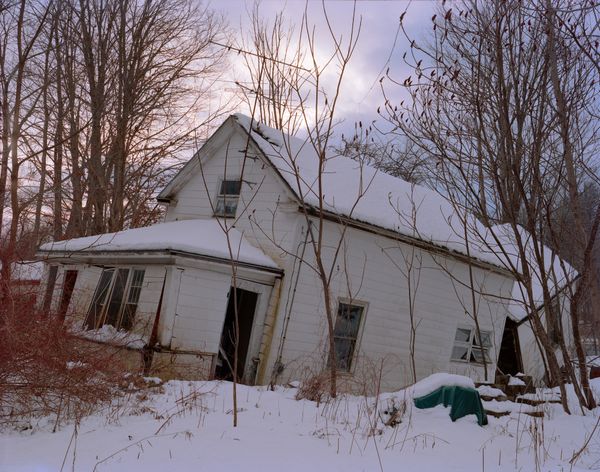
The act of photography is the act of collecting ghosts. Sally Mann wrote in her memoir, "To whatever extent photographs can reveal the dark mysteries of a haunted landscape, I set out to make them." From the Salem witch trials to Stephen King, New England is where Puritanism and the Devil laid their roots in the American psyche. With a large format view camera, I've set out to observe how these roots and the region's collective histories, traditions, ceremonies, and folklore emerge, if it all, in its modern landscape.
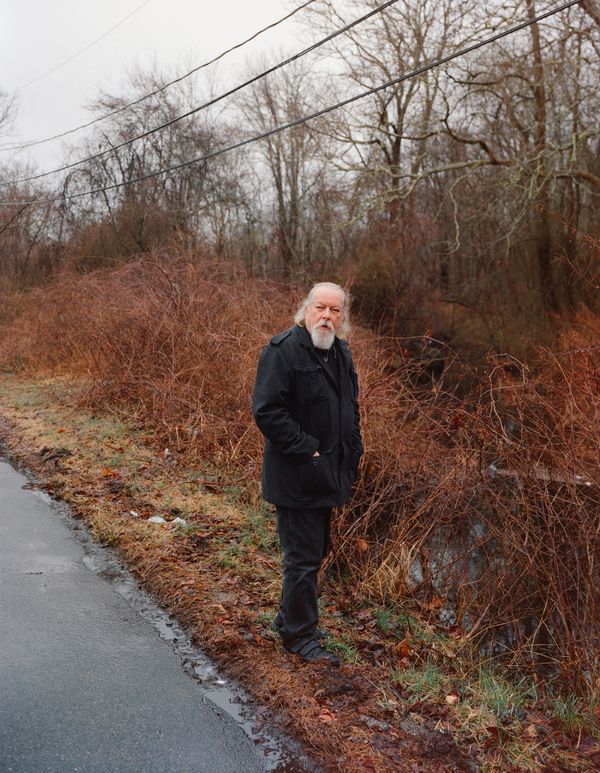
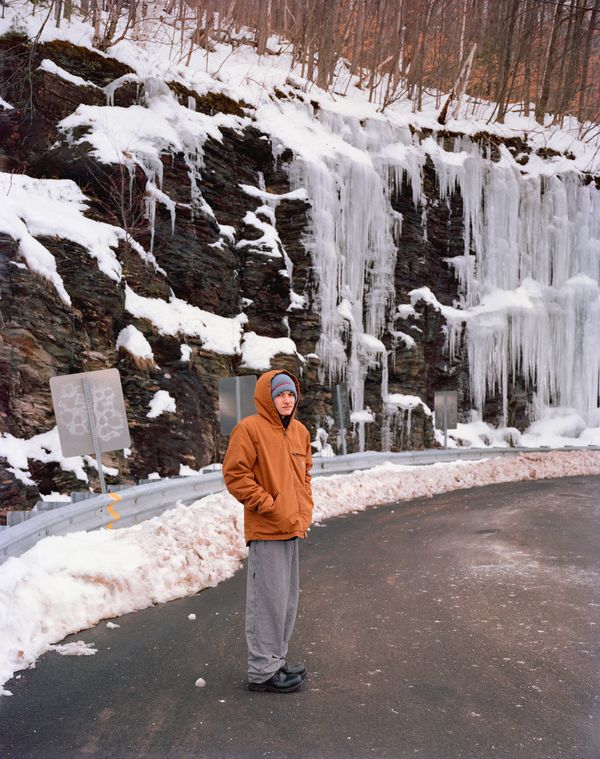
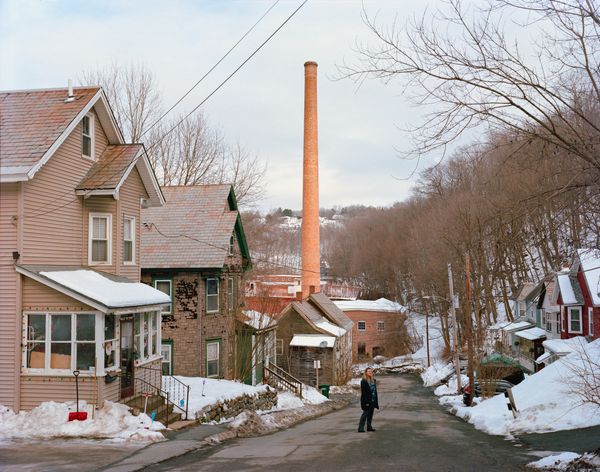
I grew up in an old house. There's dirt underneath the floorboards and horse hair in the plastered walls. The structure was built on one of the oldest roads in New England. It began as a Native American footpath, eventually expanding to accommodate carriages. All sorts of legend and folklore pockmark the road, from hauntings by sea captains to one-eyed witches that lure children to the marshes. It's here that my fascination with place began to take hold. From the beginning, my photographic practice has attempted to capture that feeling of place and how it informs its inhabitants. I want to photograph what makes New England unique as a region: its working waterfronts, forgotten mill towns, and farmhouses on the edges of its dark woods. I want to photograph its people: the lobsterman, the down-and-out townie, the oyster farmer, and the homesteading Yankee.
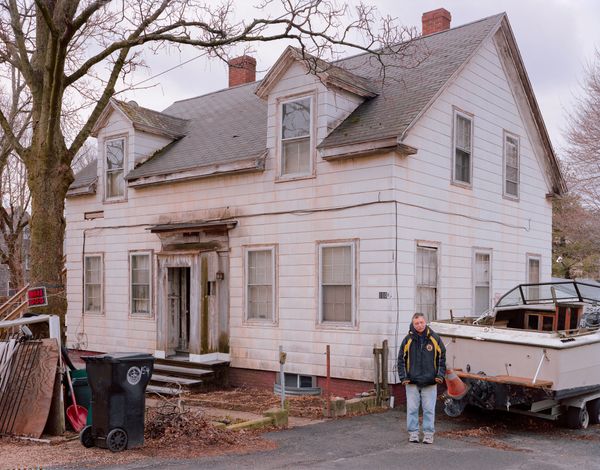
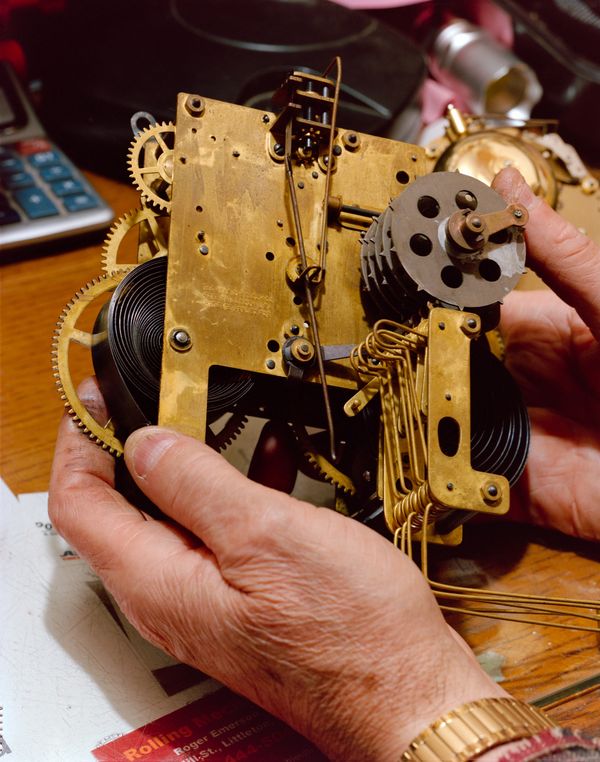
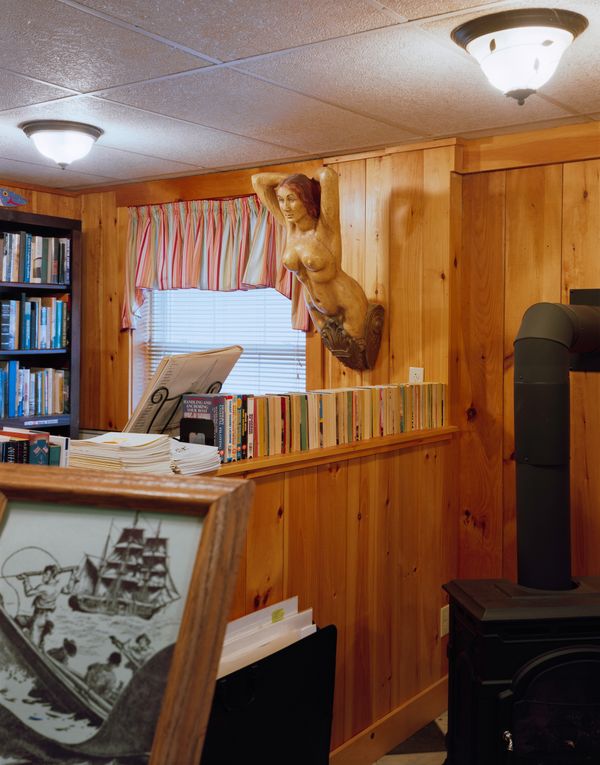
On my first road trip for the project, I stumbled upon a photobook in a used bookstore near the southern coast of Maine. "New England Reflections 1882-1907" is a collection of early photographs by the Howes brothers trio of central Massachusetts. I was struck by the starkness of their portraits, which often had the subject standing within a vast frame, their clapboard homes, and the surrounding landscape almost swallowing them. Here was "people and place" perfectly rendered in a single image. Unconsciously, I began organizing pictures under the dark cloth similarly. These images are juxtaposed with more intimate portraits and still lives throughout the project. The Howes Brothers' practice was purely a business venture at a time when the possibility of photography would have seemed endless. They traveled from town to town, offering a novel way to memorialize a sitter's existence. Using a large format camera today reintroduces that sense of wonder at a time when the very act of photography feels threatened.