In Search of a Lost Tune
-
Dates2021 - Ongoing
-
Author
- Locations Bangladesh, Noakhali
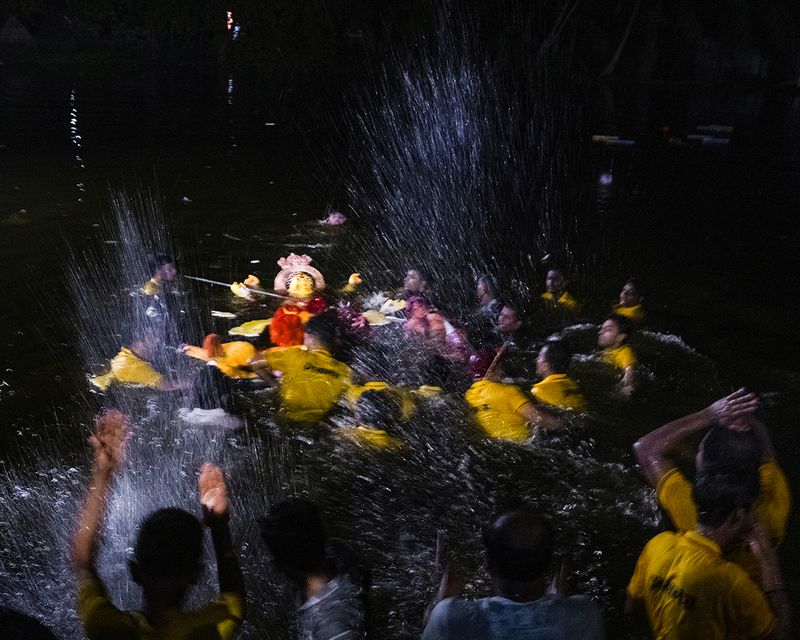
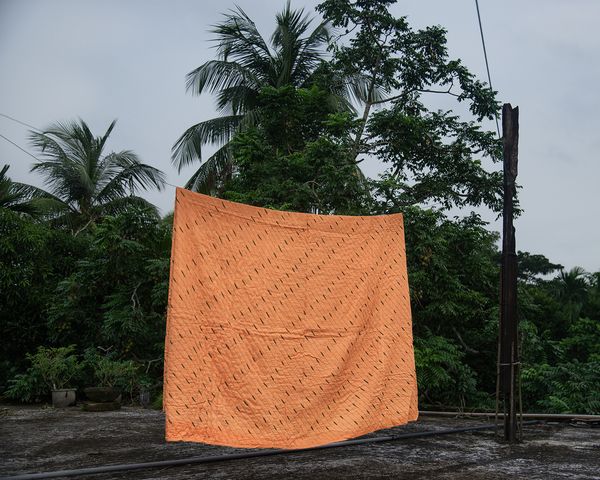
In Search of a Lost Tune explores Bengal’s post-Partition political realities. Centered on Noakhali, Bangladesh, it examines how religious violence and identity politics continue to shape daily life, memory, and belonging.
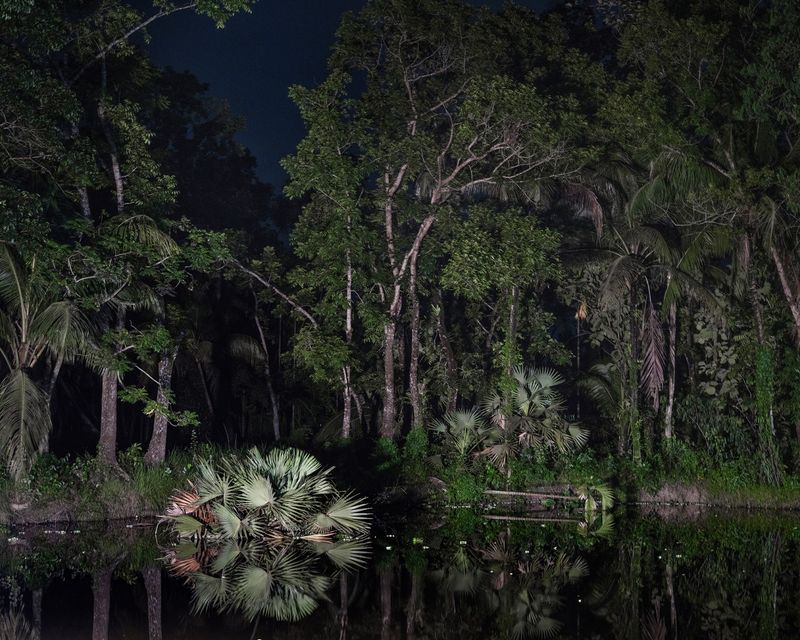
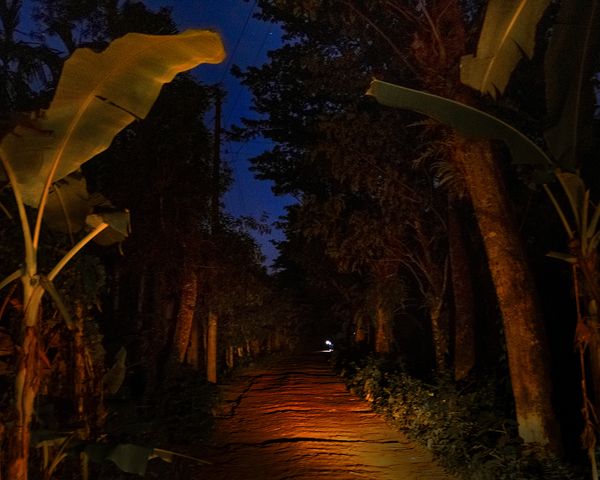
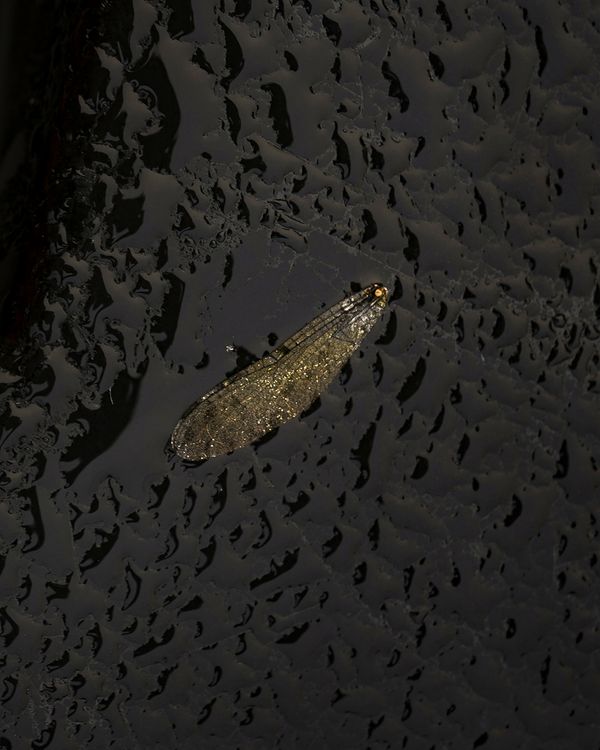
''In Search of a Lost Tune'' is about memory, forgetting, retrieval, and place-making. The project explores the Political histories of Bengal and the Indian Partition through photography as a tool for constructing historical memory, examines how memory and violence are inscribed in place, and how visual practice can reimagine what official narratives have left unsaid. I have focused on Noakhali as a microstudy of the postcolonial political realities of the Indian subcontinent. Noakhali is a southern district in Bangladesh, where I was born and raised. This location has gone through many changes of its rulers by faith and ethnicity in its thousand years of time, and has a significant connection with the pre- and post-British Indian partition-violence.
The Partition created based on religion was one of the largest forced migrations in human history. Noakhali’s pain was not isolated. As Khuswant Singh wrote, “The summer of 1947 was not like other Indian summers. Muslims said the Hindus had planned and started the killings. According to Hindus, Muslims were to blame. The fact is both sides were killed. Both tortured. Both raped. From Calcutta, the riots spread north, east and west: to Noakhali in east Bengal, where Muslims massacred Hindus, to Bihar, where Hindus massacred Muslims.”
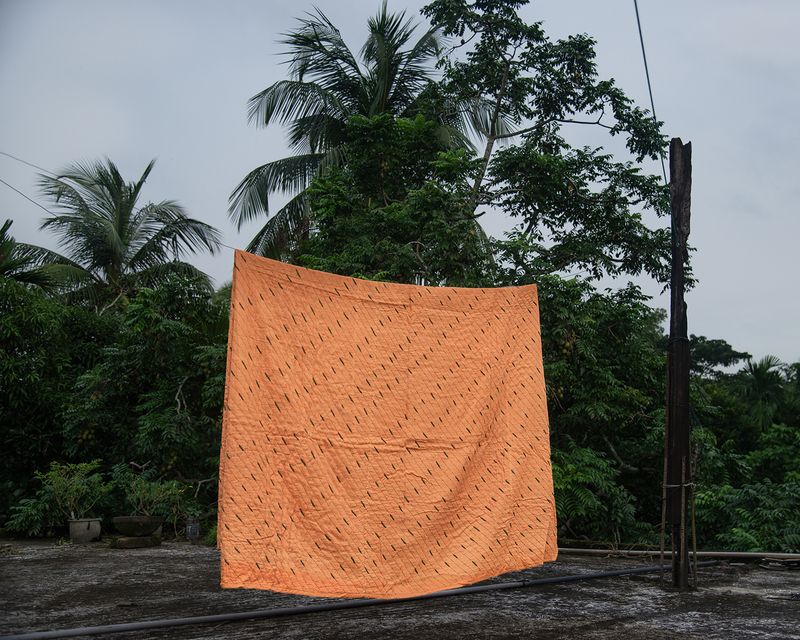
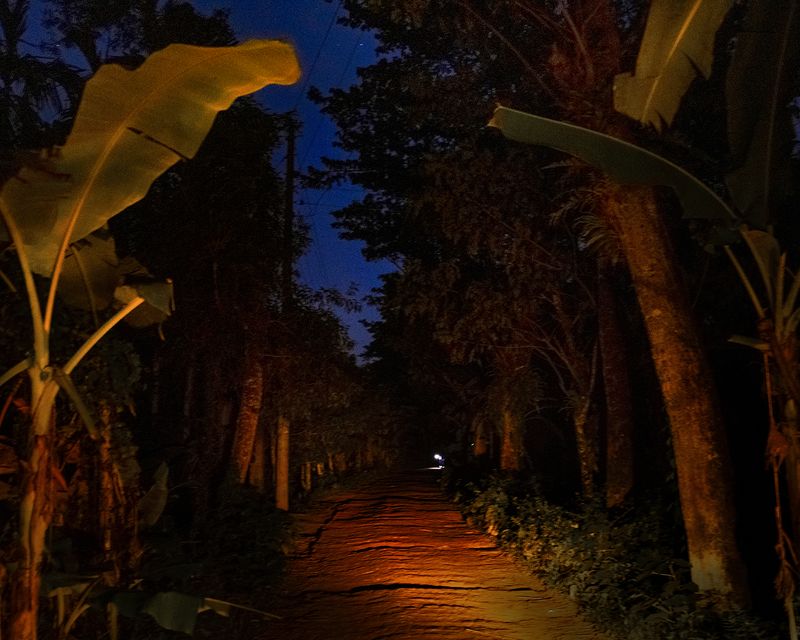
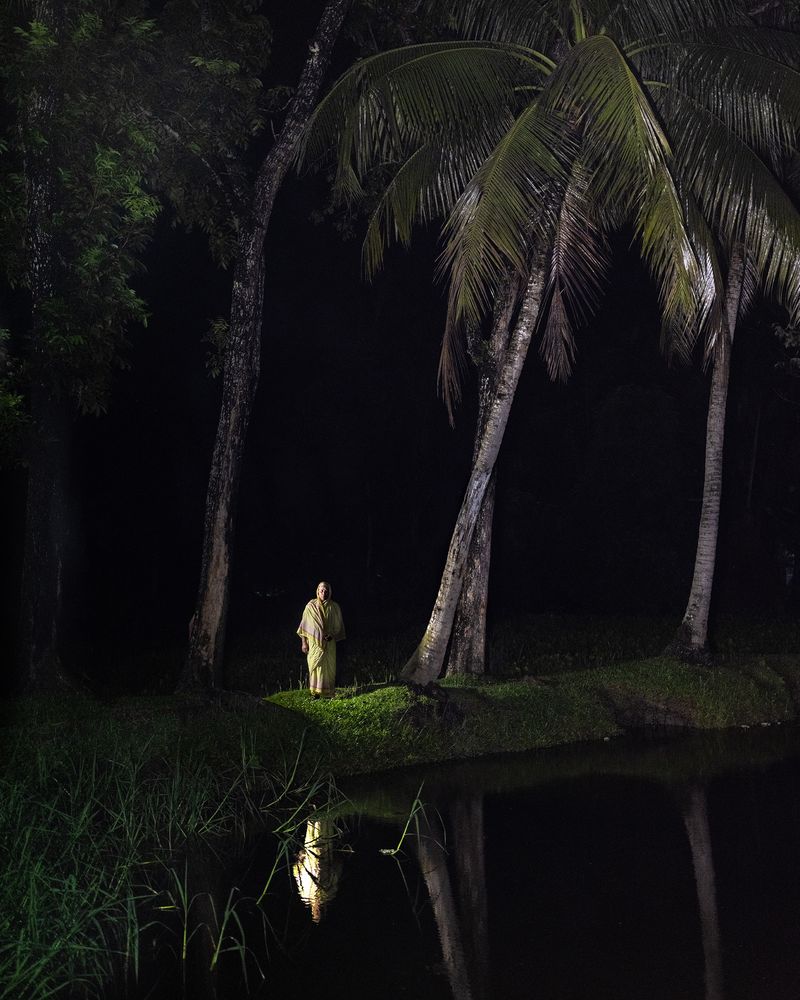
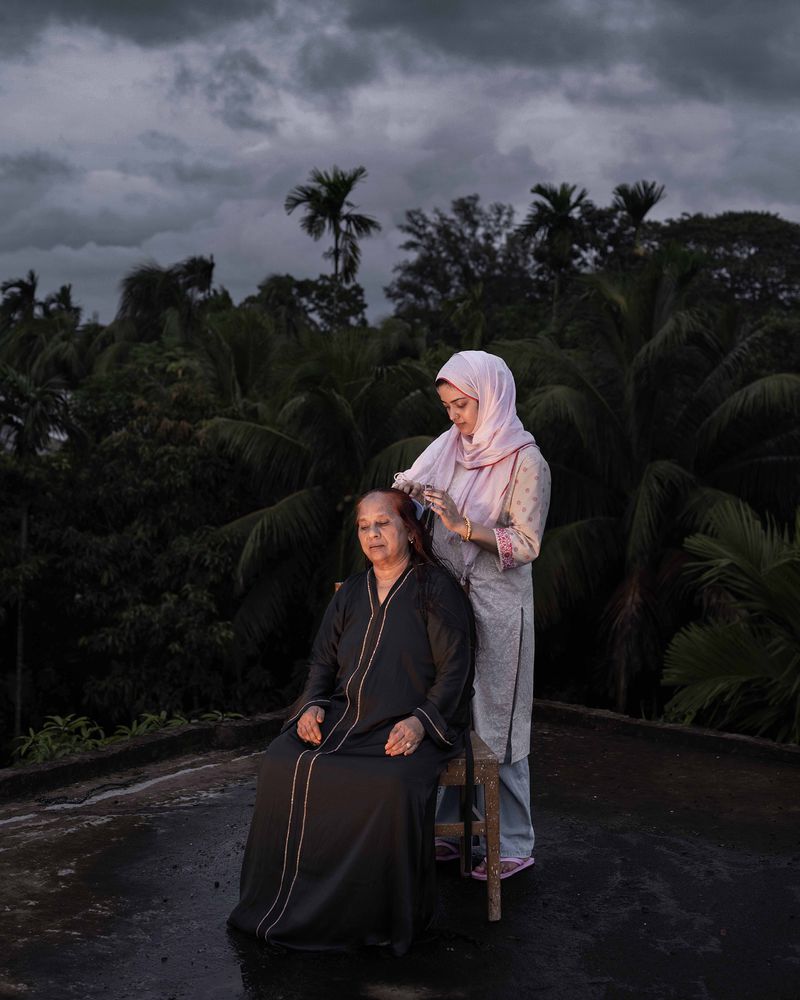
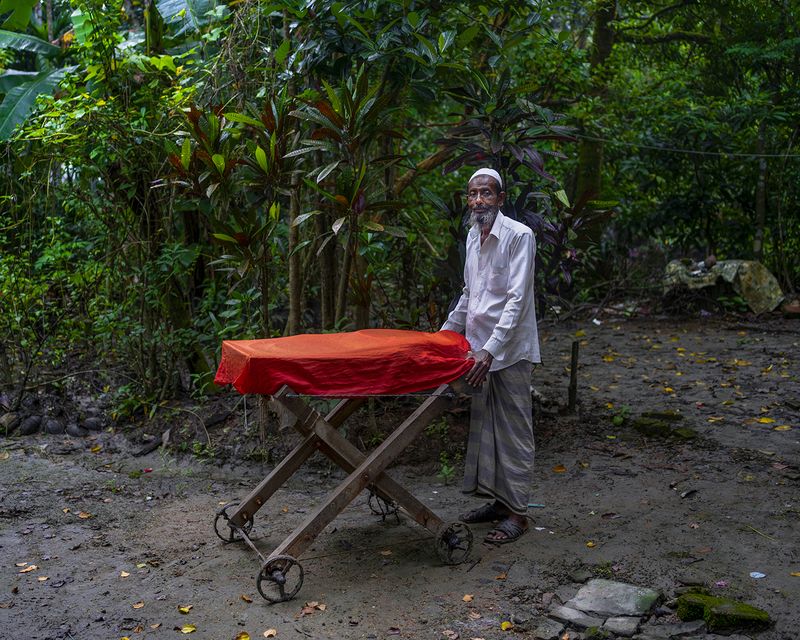
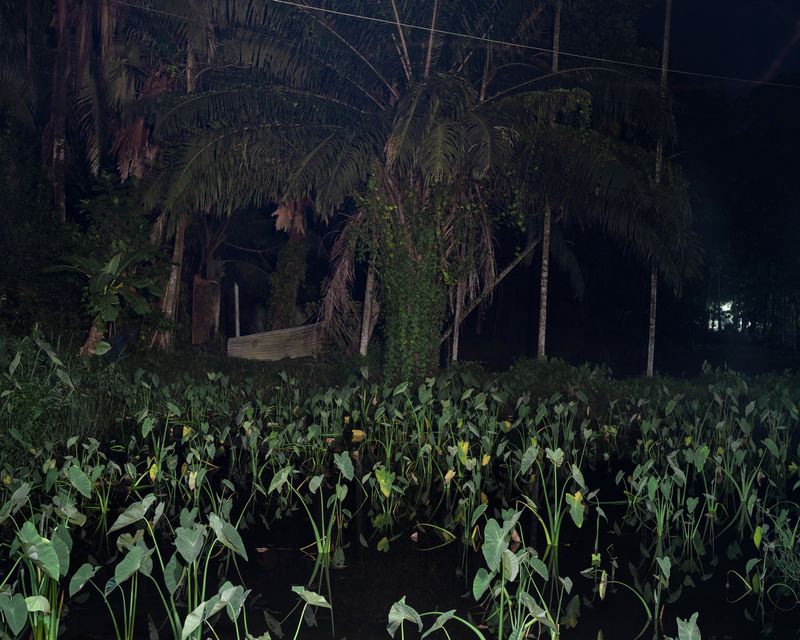
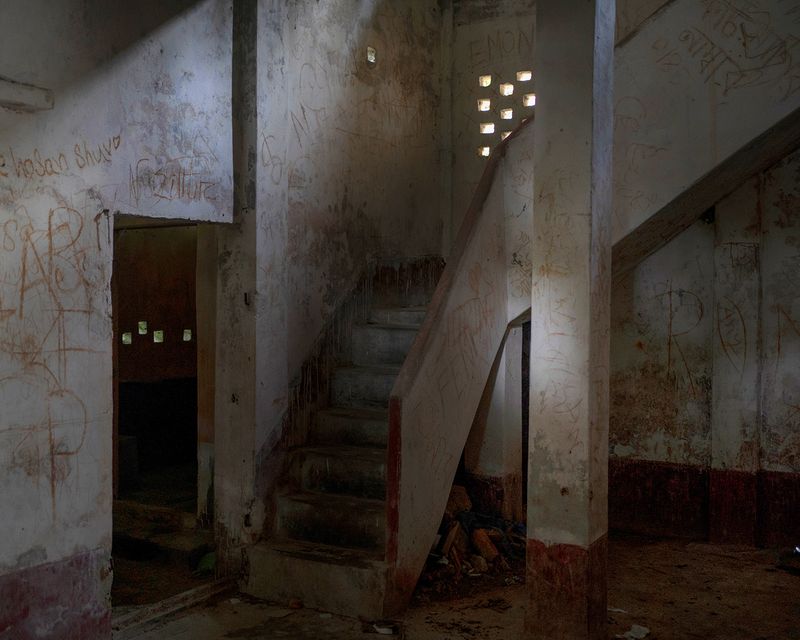
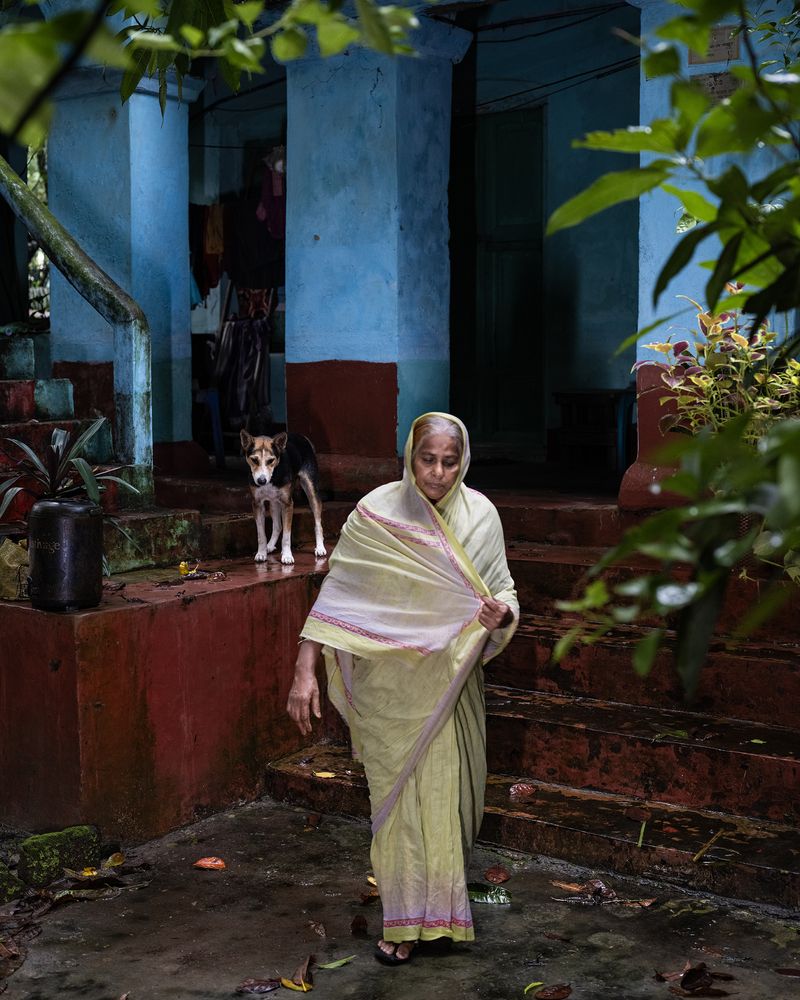
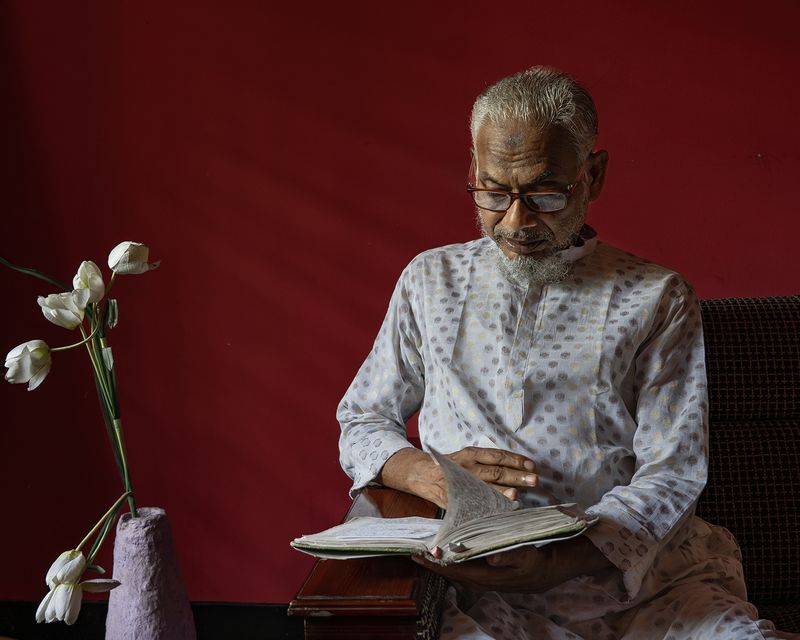
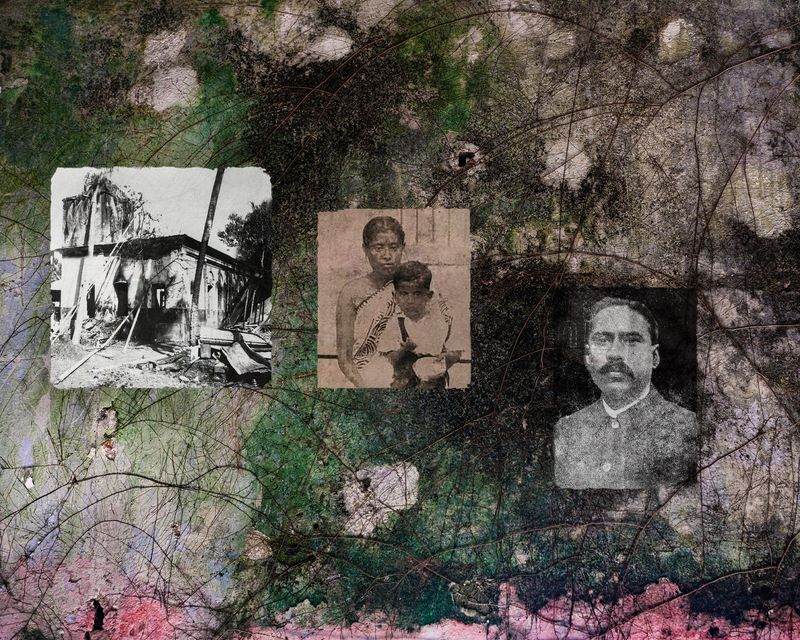
The project combines photography, collected archival photos, and oral testimonies of community members. I have been photographing the lived experiences of Muslims and Hindu communities in Noakhali. Photographing Historical sites and making landscapes by mapping places that remain violent since pre-partition time. Project approaches Photography as a form of listening to activating the place, because silence is erasure, and ignorance normalizes violence, bodily and in separation.
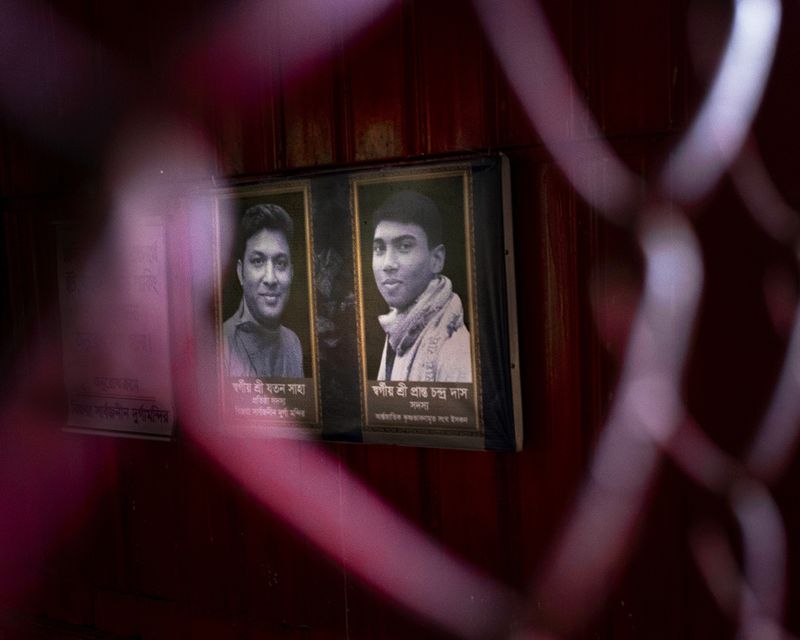
The legacy of that violence did not end with the Partition of 1947. It lingers like a shadow over us, stretching across time and space. I have experience in my life, in friendship, in love, in the unspoken rules that dictate who can and cannot belong. Bangladesh now faces its most politically vulnerable period since independence in 1971, due to the rise of far-right religious politics and anti-Bengali cultural rhetoric. Attack on the press and cultural institutions. Hindu-Muslim polarization in both Bangladesh and India, and use it for electoral purposes.