In my dreams, amaranth bloomed.
-
Dates2022 - Ongoing
-
Author
- Location Chile
“In my dreams, amaranth bloomed” traces the intimate and political history of a family torn apart by the Chilean dictatorship, a family where repression left scars that time has failed to erase.
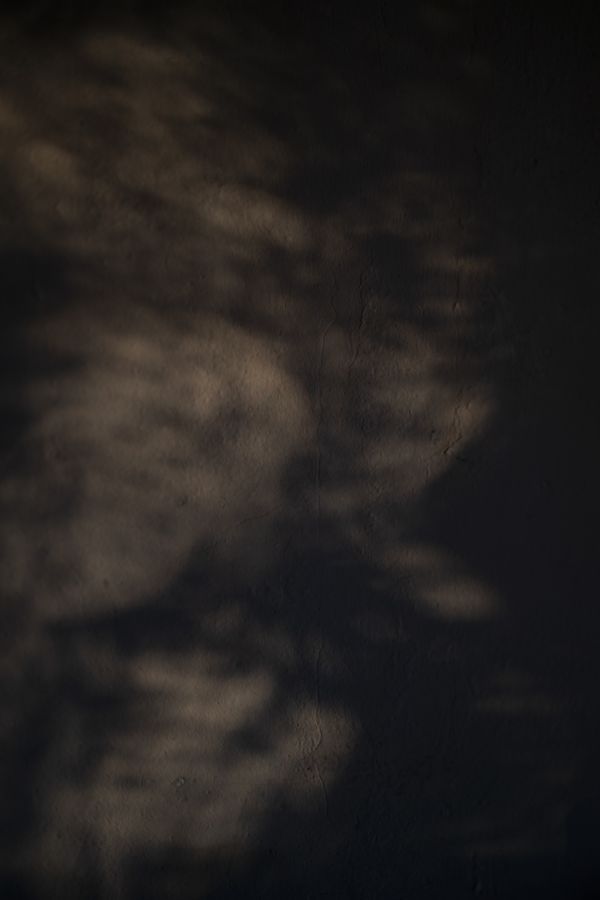
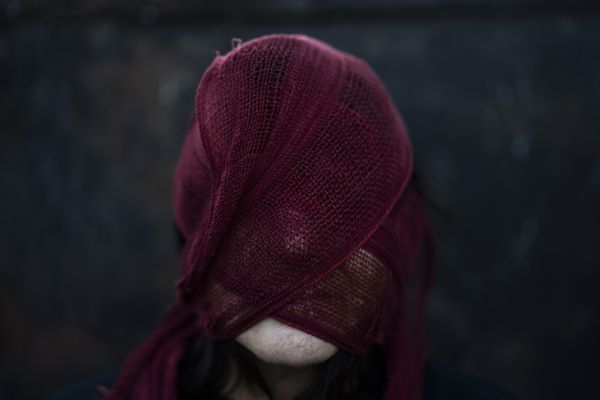
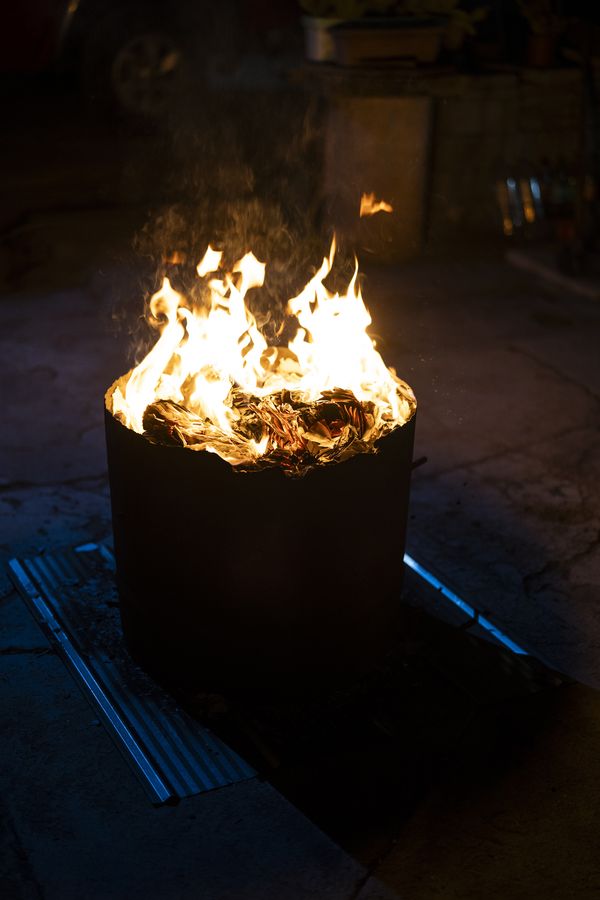
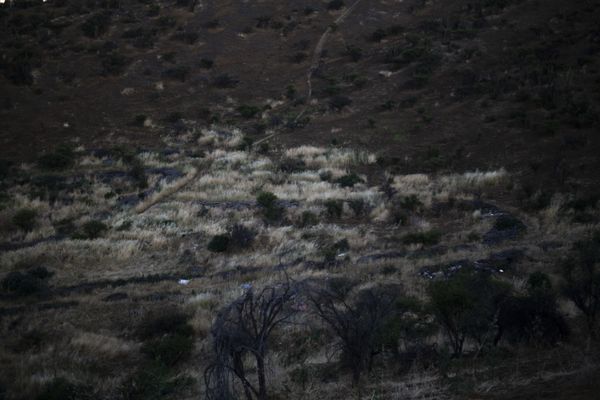
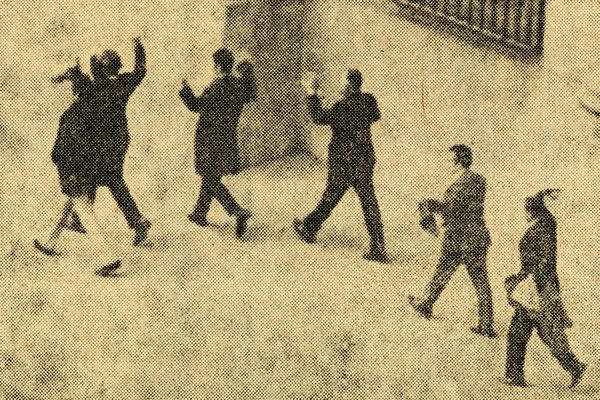
“In my dreams, amaranth bloomed” tells, through different stories, of a memory that germinates underground and, despite the silence, sprouts again. This project traces the intimate and political history of a family affected by the Chilean dictatorship, a family where repression left marks that time has failed to erase.
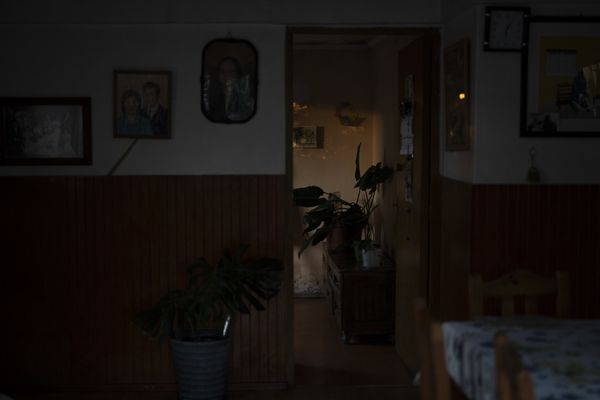
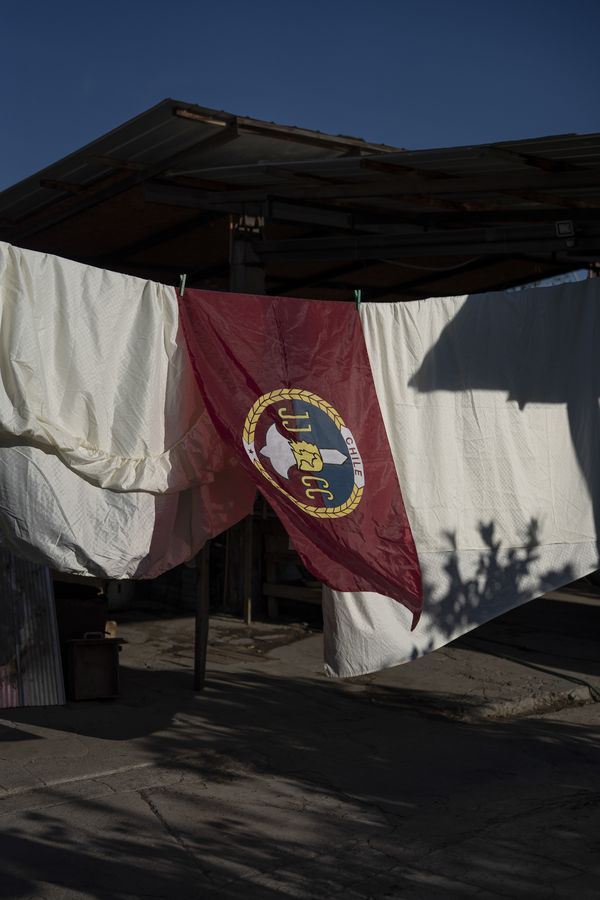
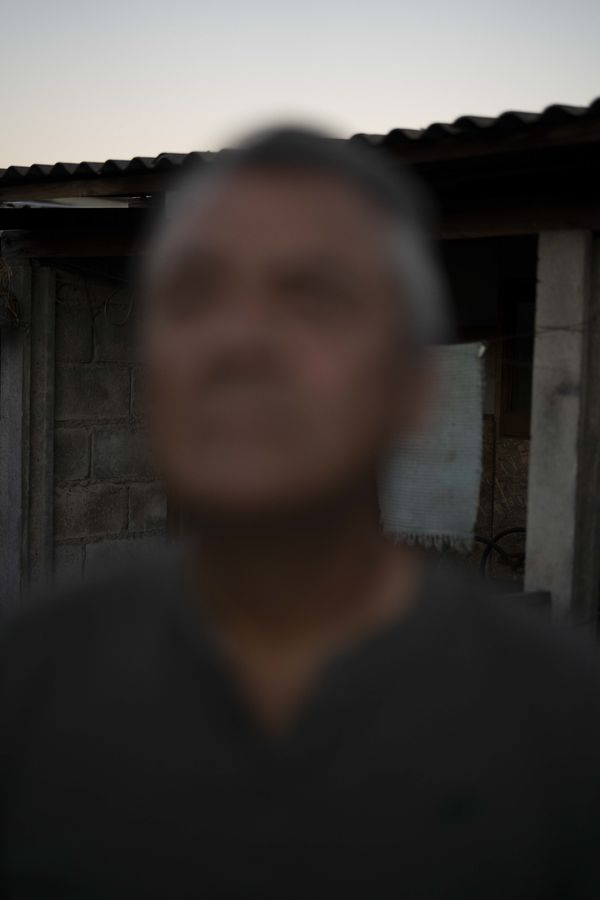
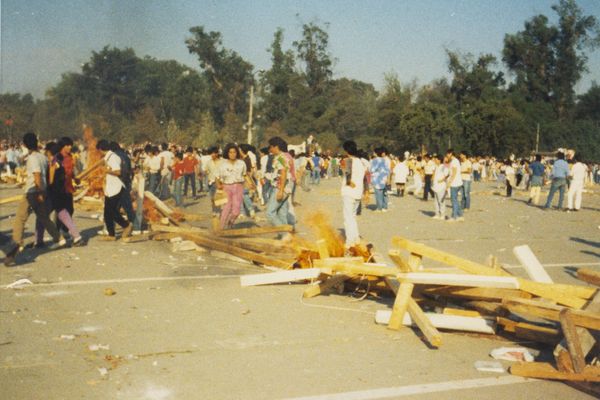
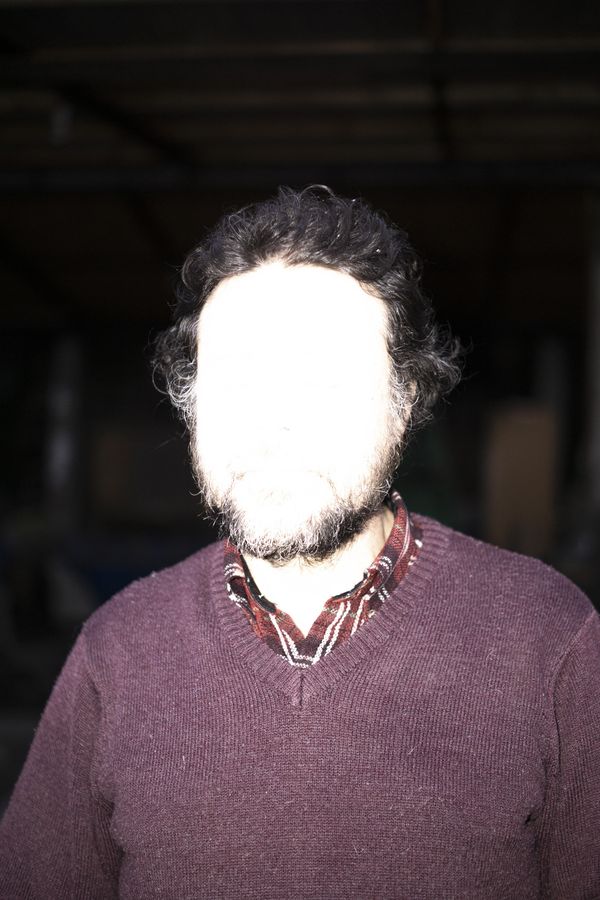
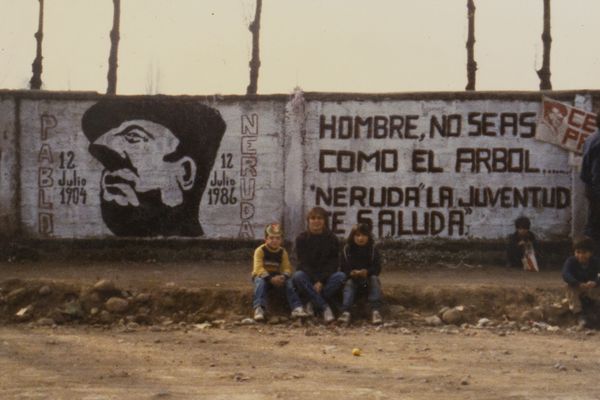
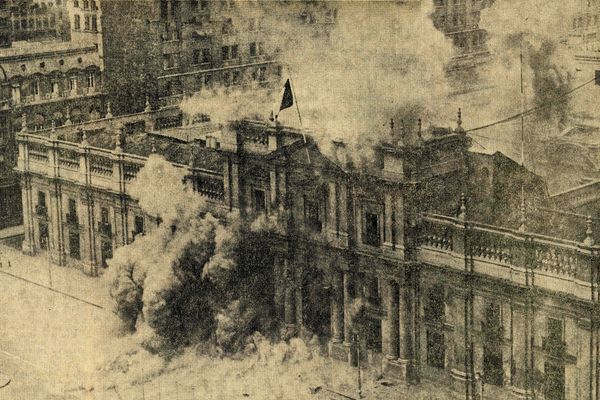
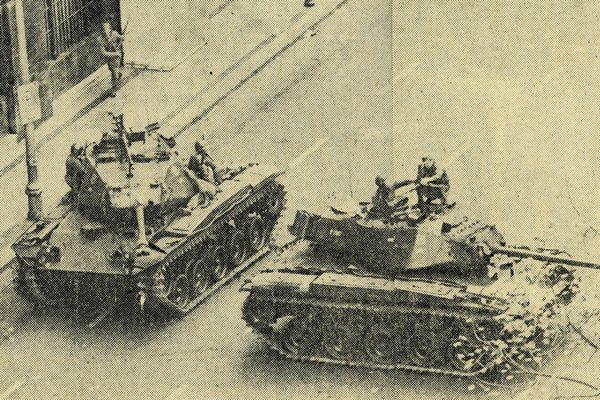
Through images, memories, and voices, this project reconstructs the story of the González Muñoz family, whose lives were affected by the 1973 coup d'état. For years, silence was the only way to carry on. However, with the social unrest of 2019, those dormant memories were reactivated. History came knocking again, bringing with it the faces of Ester and Alfredo, and their sons and daughters: Maria, Miguel, Soledad, Juana, Ana, Rosa, Luis, Estrella, and Sonia, who, in the 1970s, amid precariousness and hope, fought for a different Chile.
The history of this family, in addition to being marked by its political commitment, is also marked by the harsh conditions in which that commitment was forged. The González Muñoz family lived in a reality of daily scarcity, where work was unstable, resources were limited, and opportunities were scarce. They did not know the calm of material security, but they had a deep conviction that a more just country was possible.
This work shows the folds of a story: the different ways in which the dictatorship affected a family, both at the time it occurred and in the aftermath. There are stories of militancy, fear, resistance, and memory. Although the regime ended, what it left behind continues to operate: in the model, in the absences, in the way people still avoid talking about it. This photobook moves between the intimate and the political, and in that duality a broader question arises: what do we do with what we inherit?
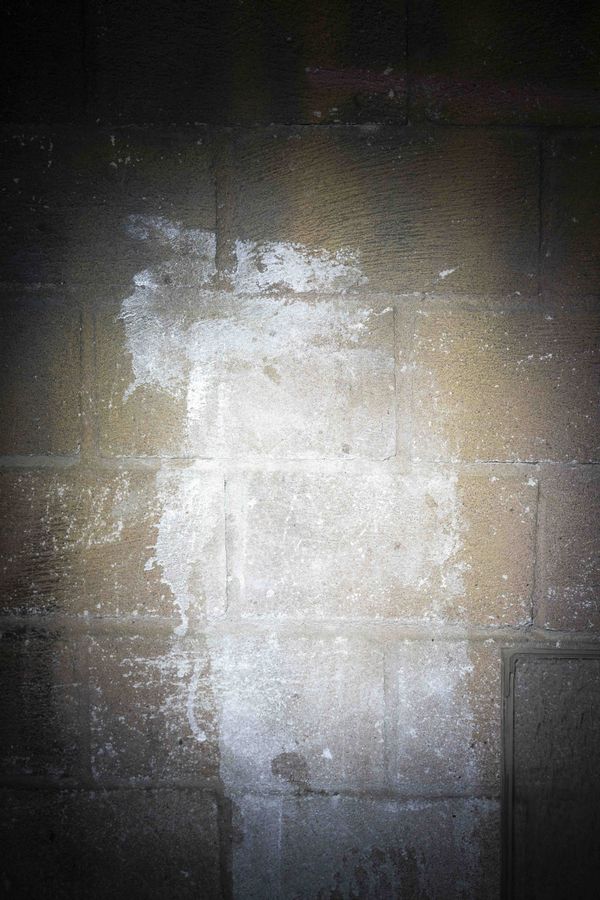
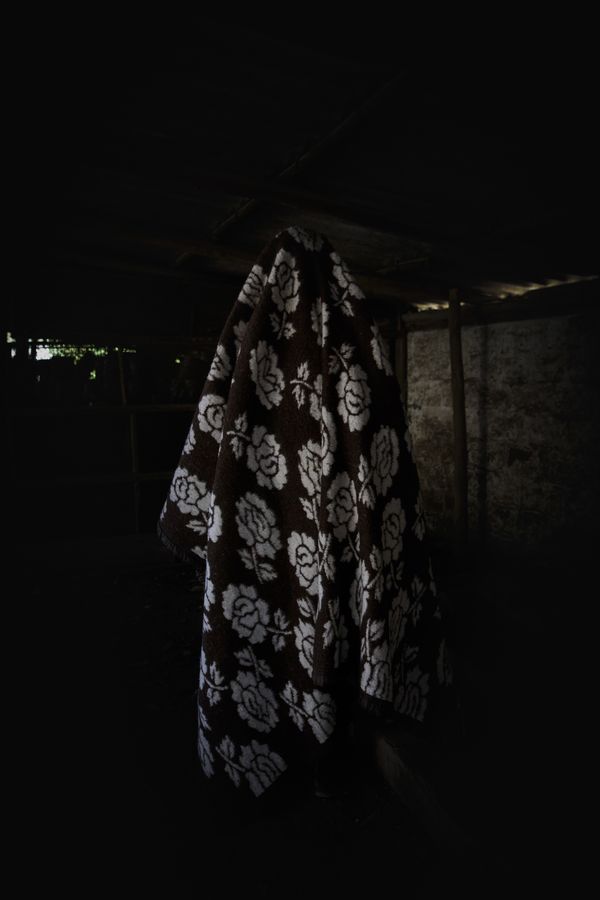
The dictatorship was not just an episode in the past; it was a fracture that seeped into homes and bodies. This work attempts to listen to those buried memories, to allow them to speak. It is an invitation to look squarely at what was meant to be erased, to recognize the traces that persist in ordinary lives and in stories that were never fully told.
T