Impossible Work
-
Dates2016 - Ongoing
-
Author
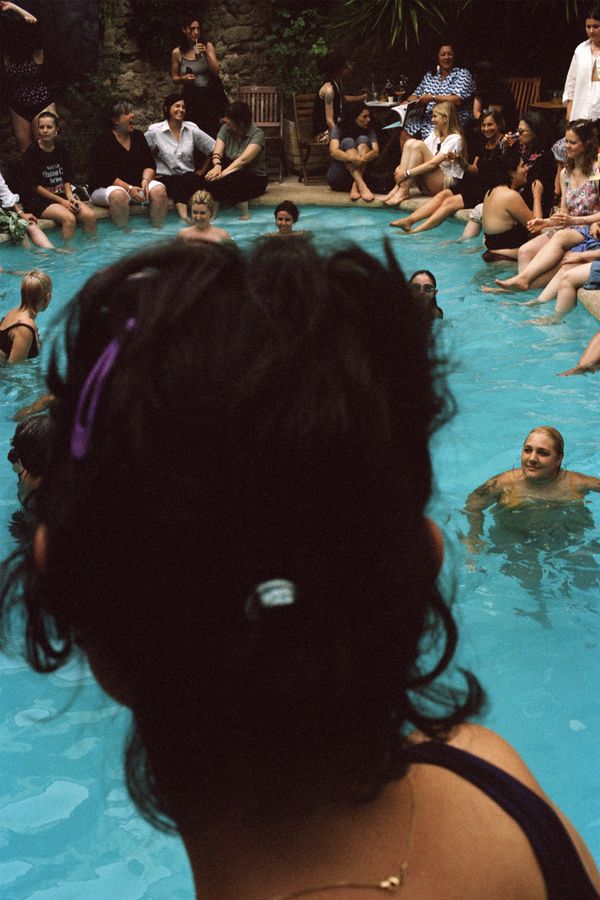
Through photographs, self-portraits, and fragments of speech, Impossible Work reframes domestic abuse as a public health crisis and survival as continuous creative labour — personal, political, and defiantly ambiguous.
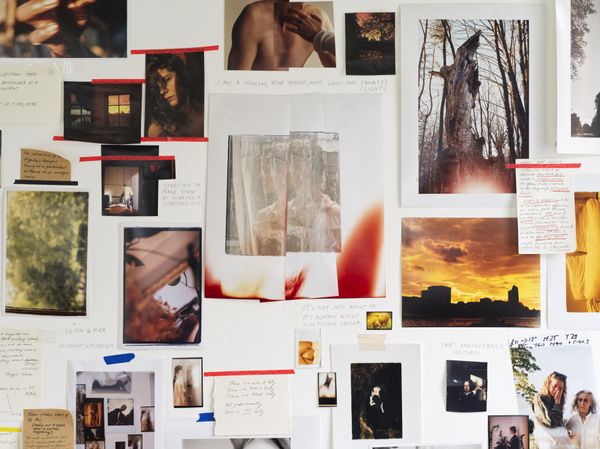
Impossible Work is a fragmentary archive of embodied experiences, assembled from the remnants of coercive control that once suppressed my artistic voice.
The work emerged from my experience of domestic abuse and the years it took me to leave, recover, and reclaim my story. It approaches abuse not as a singular moment of harm, but as something that permeates the everyday — quiet, invisible, and deeply present. It lingers in memory, shapes identity, and filters through relationships. Rather than documenting violence directly, the work engages with its aftermath: how silence, control, and power imprint themselves on daily life, and how one continues in the face of what often feels unspeakable.
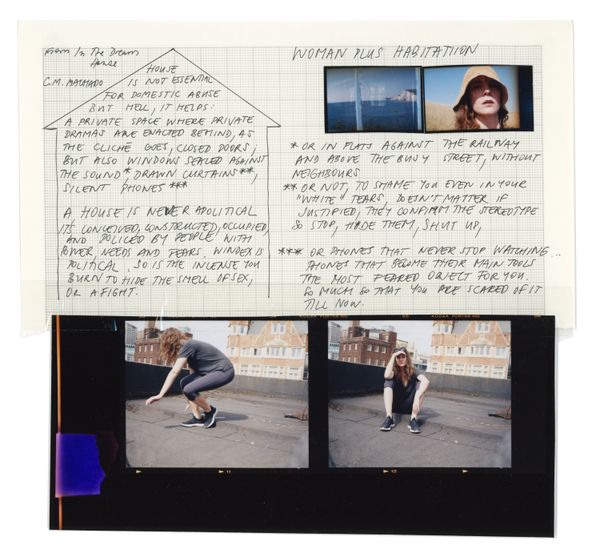
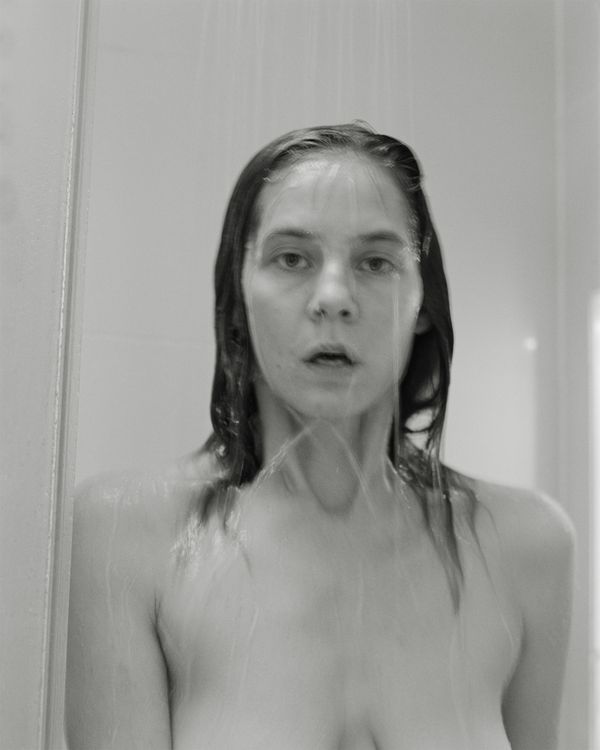
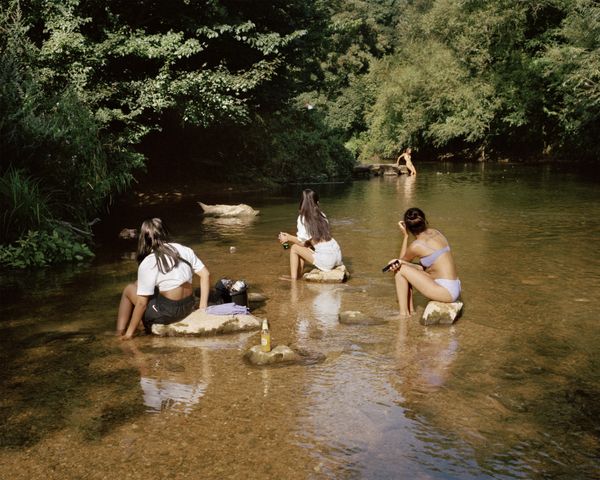
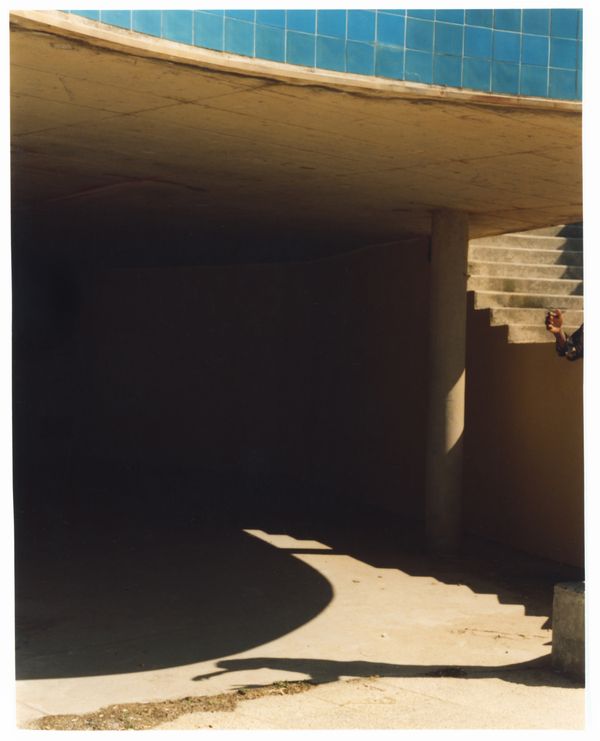
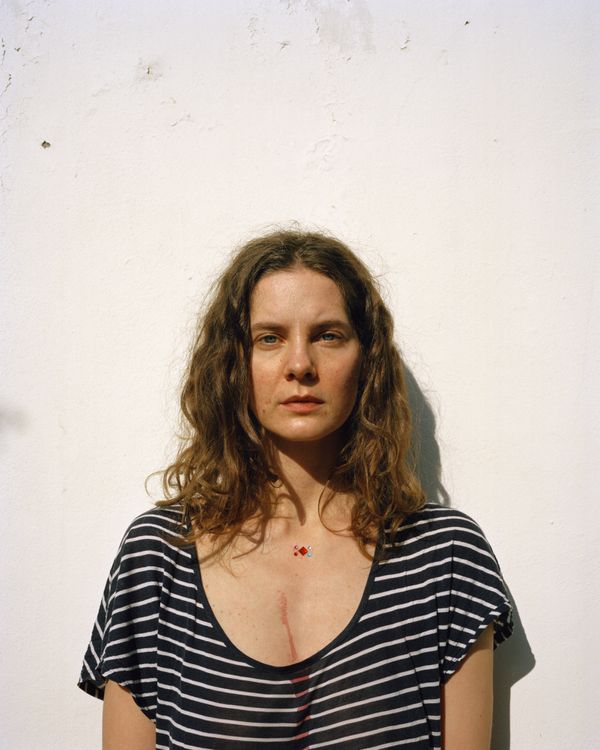
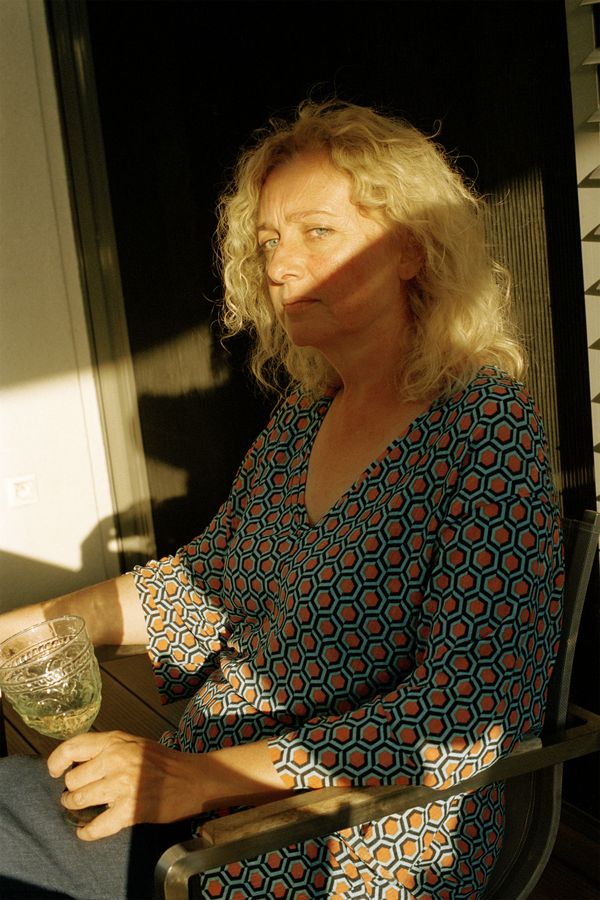
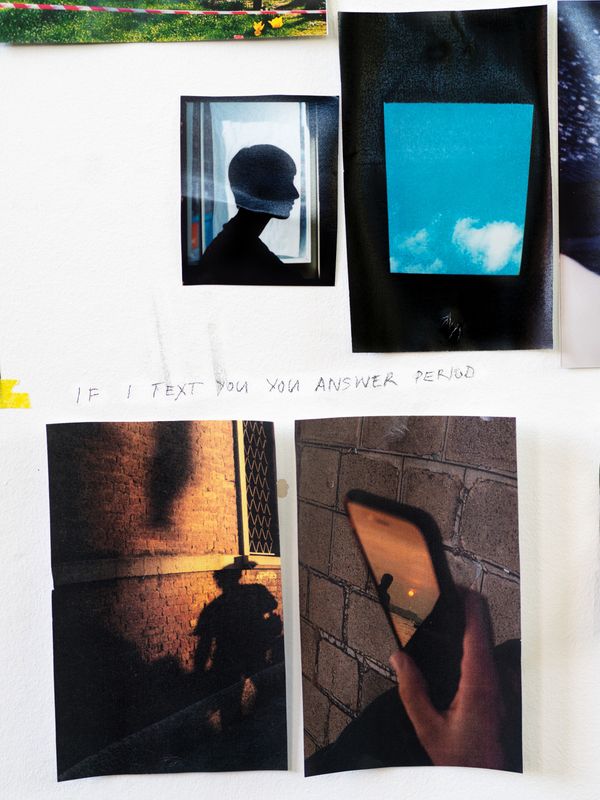
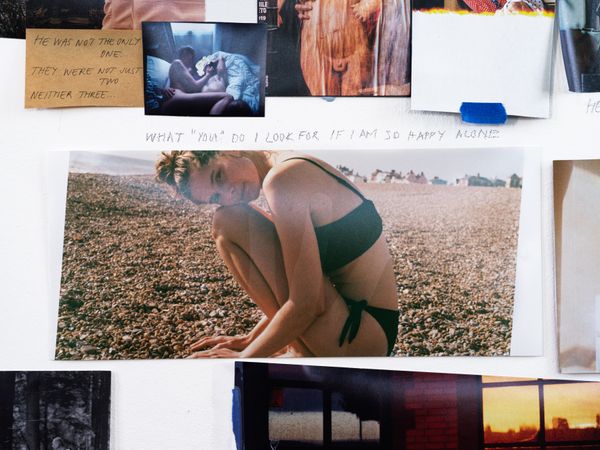
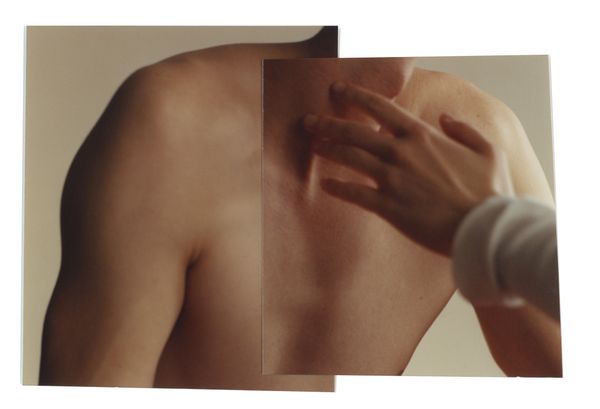
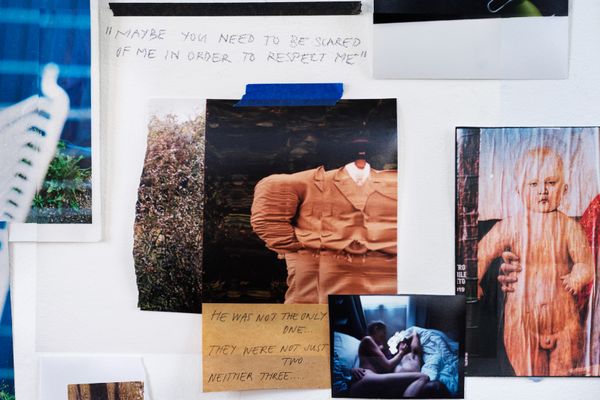
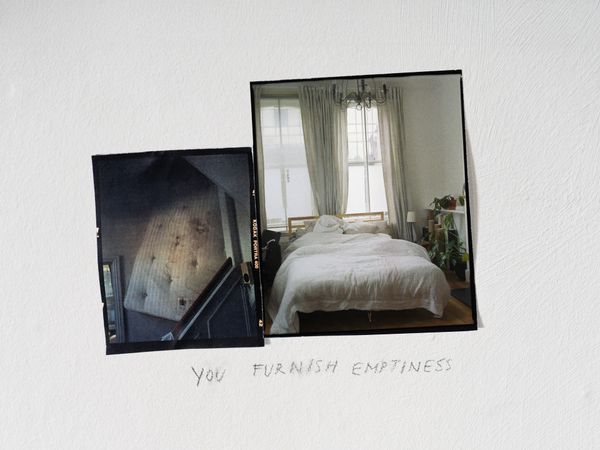
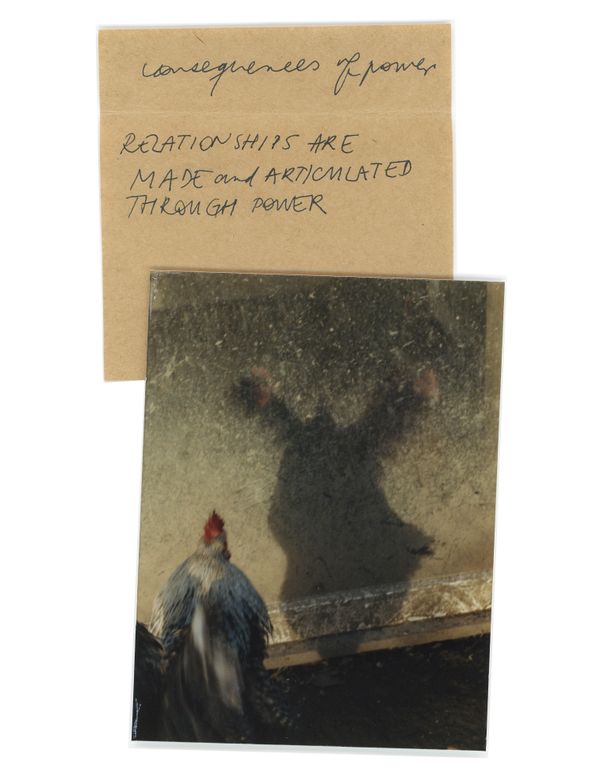
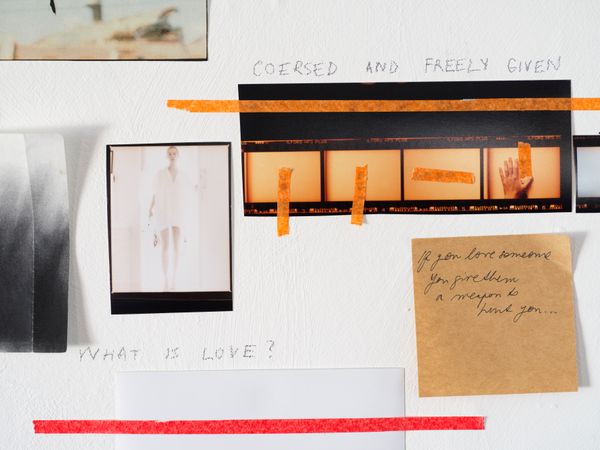
Through photographs, self-portraits, vernacular scenes, and fragments of speech, the work resists simplified narratives of abuse and escape. By layering gestures and destabilising chronology, it challenges the visual language often imposed on trauma and survival, offering instead a space for complexity — where survival is fragmented, ambiguous, and ongoing, and where what endures can be seen without being forced into clarity.
For a long time, shame kept me silent, and I minimised what was happening. During those years, my art practice was repeatedly targeted — my photographs censored, threatened, and used as leverage. I was asked to delete images, erase shared histories, even destroy film negatives. I complied with much of what was demanded of me, but refusing to destroy the negatives became a turning point.
Years later, in my studio, I returned to the images that survived. Deliberately, I made the abuser invisible while allowing their words to remain. Their anonymity shifts the focus away from individuals and toward the wider structures that allow coercion and misogyny to persist in silence.
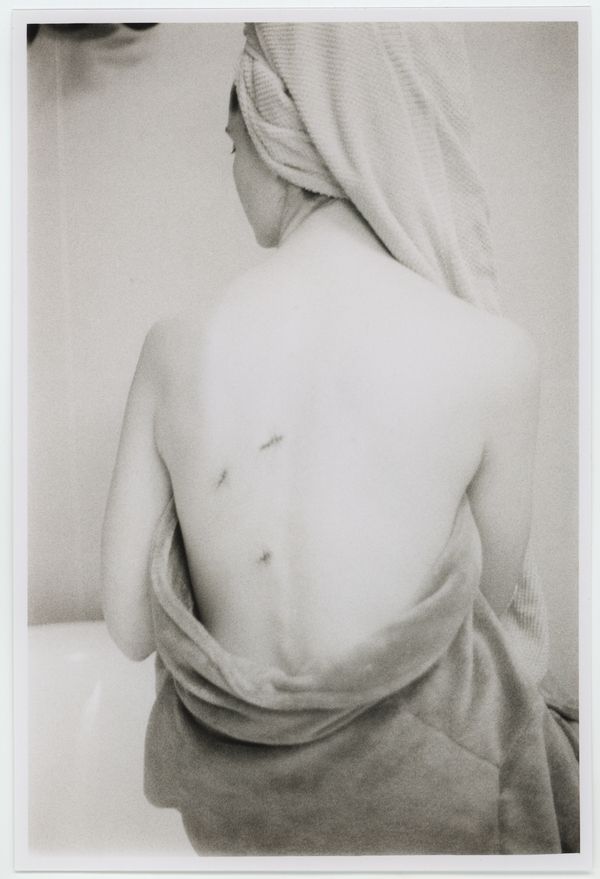
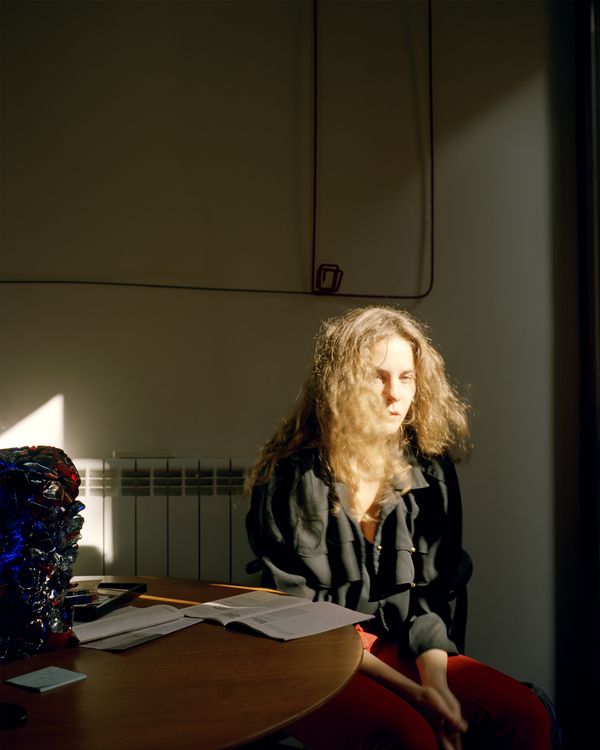
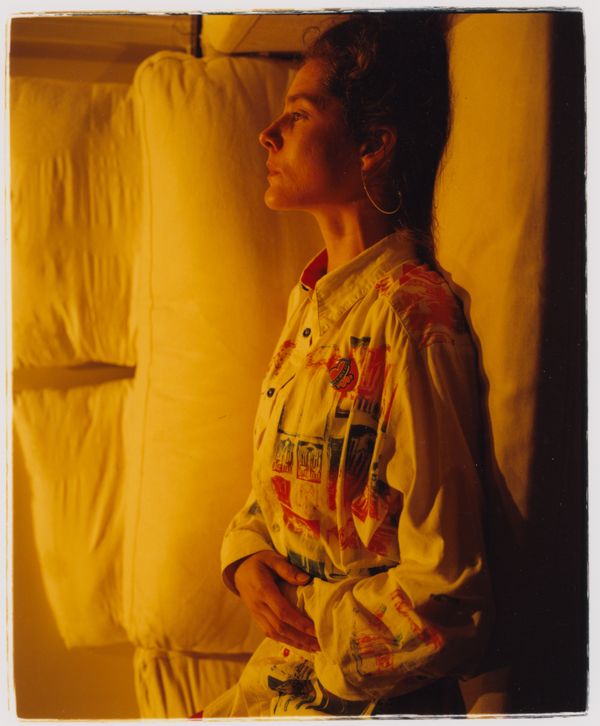
I reclaimed photographs of me taken by former partners on my cameras and placed them alongside self-portraits I made — often in the immediate aftermath of abuse. In these juxtapositions, tender intimacy and frightening control coexist. By choosing to use their frames, I reclaim myself — literally and metaphorically — confronting the censorship of both my work and my life.
Survival is not linear; it is fragmented, ambiguous, and ongoing. Avoiding closure, Impossible Work remains an act of reclamation — reframing domestic abuse as a public and cultural crisis, and survival as continuous creative labour: at once private and political.
This work is both testimony and celebration. It honours the people who did not look away, the parts of myself that endured, and the courage it takes to speak out. Domestic abuse will always be part of my story, but it no longer defines its terms.