I'll See You in the Morning

-
Dates2013 - 2026
-
Author
- Topics Portrait, Daily Life, Contemporary Issues, Fine Art, Documentary, Photobooks
- Location New Jersey, United States
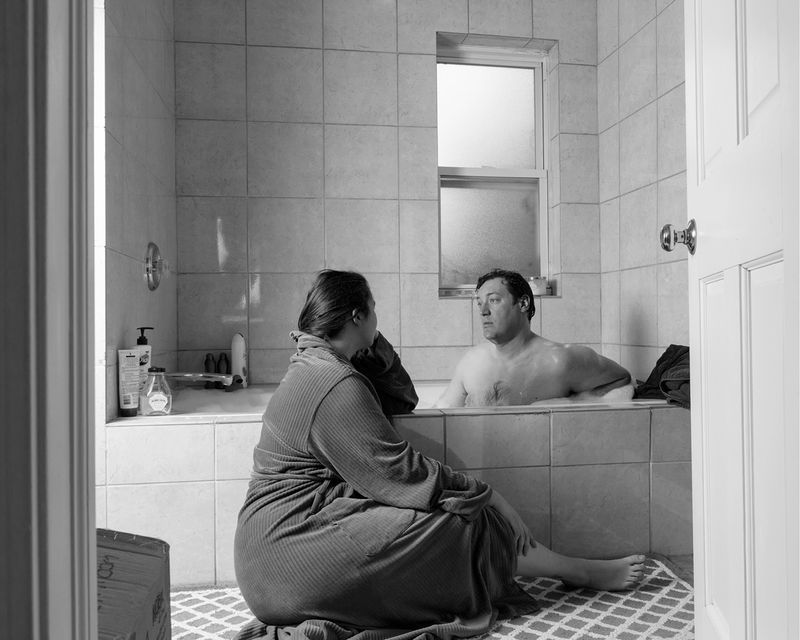
An exploration of intimacy and identity using self-portraiture and images of my partner to question how companionship, tenderness, and power are represented and understood through the hierarchy of the gaze.
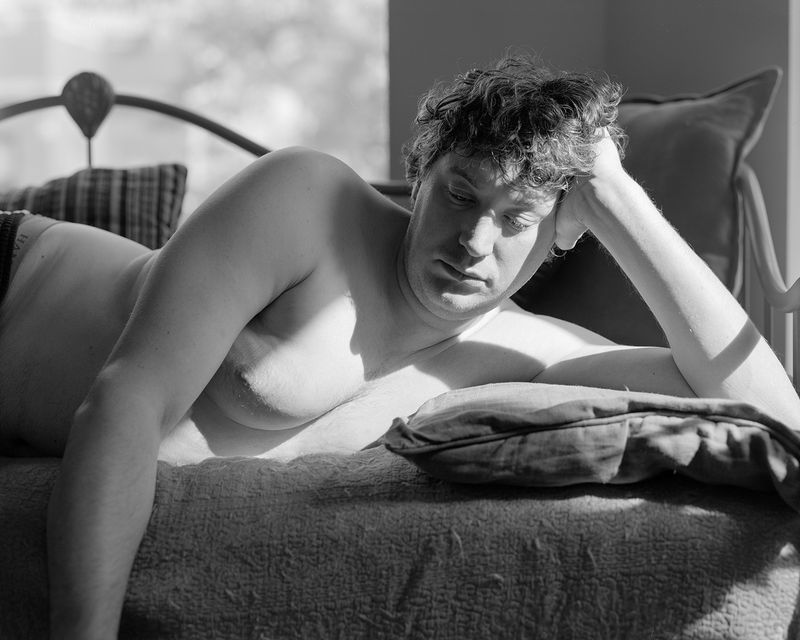
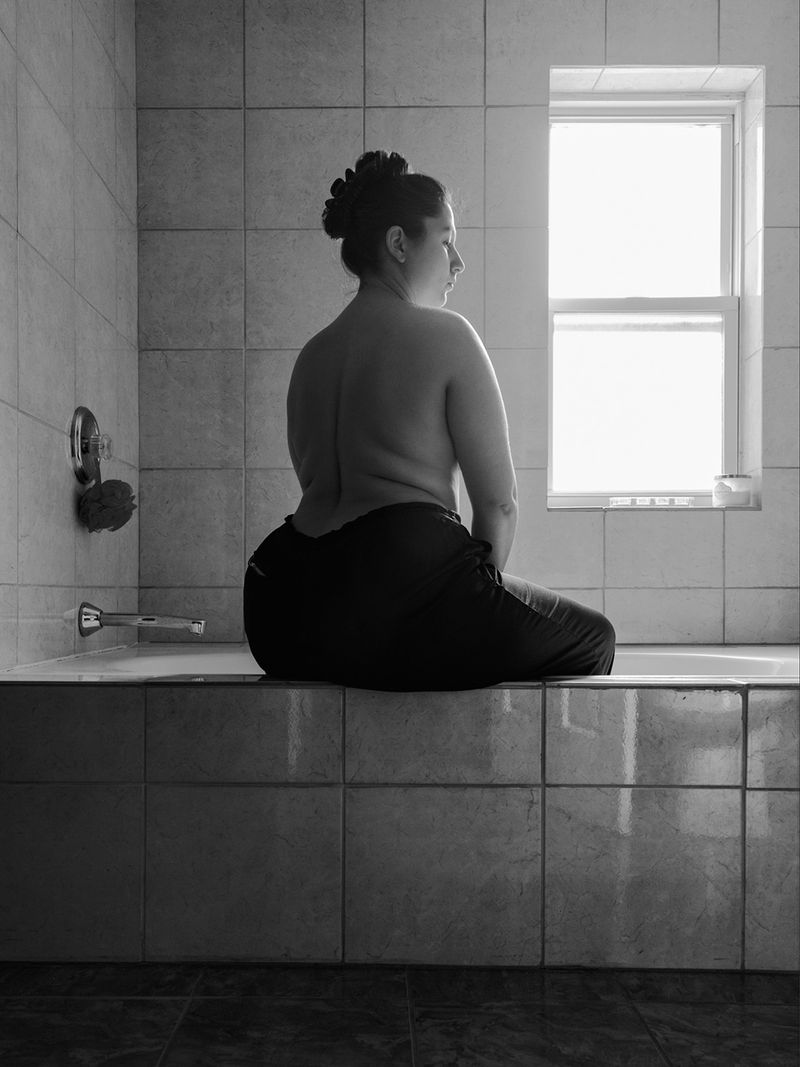
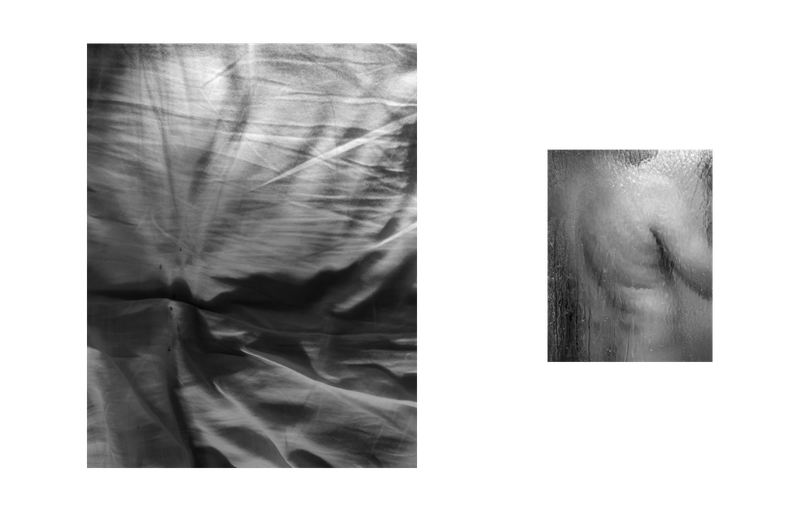
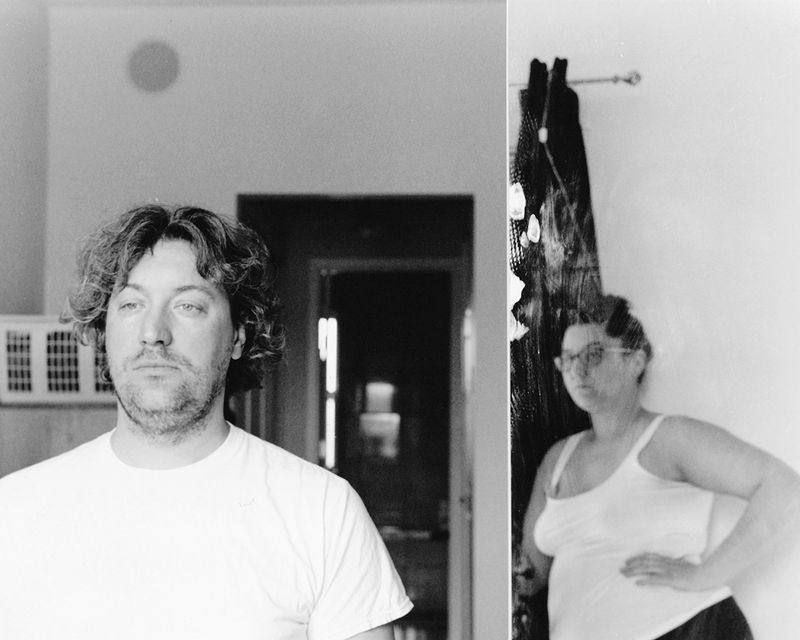
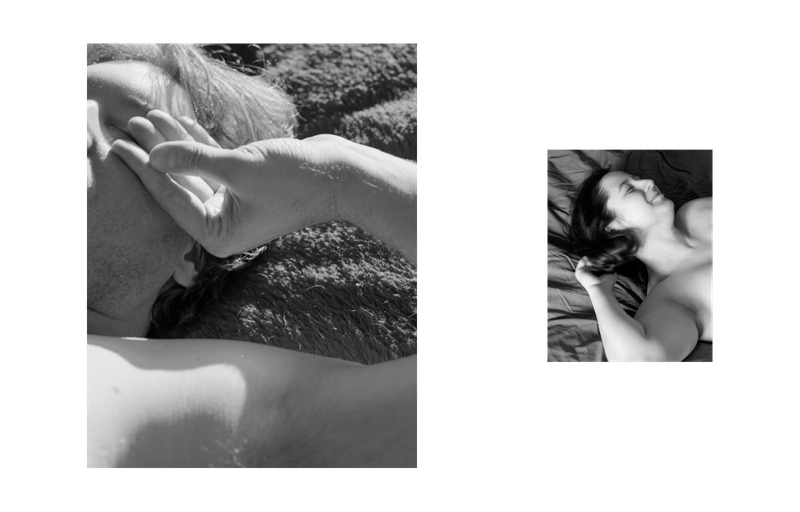
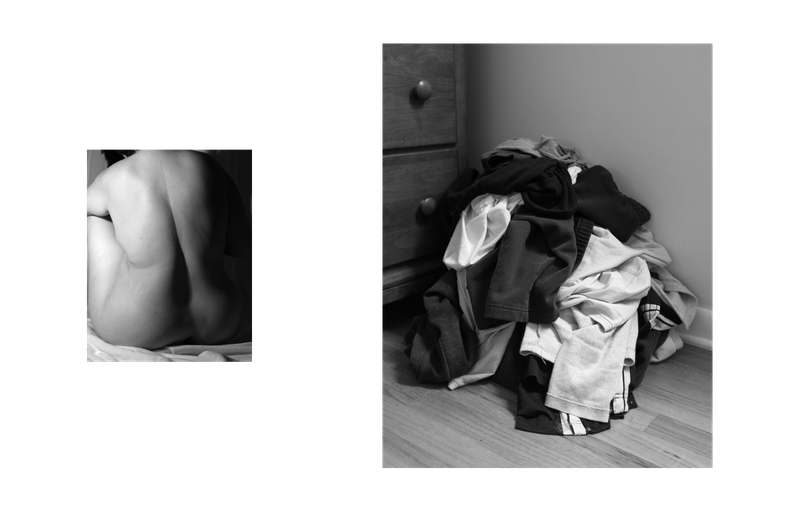
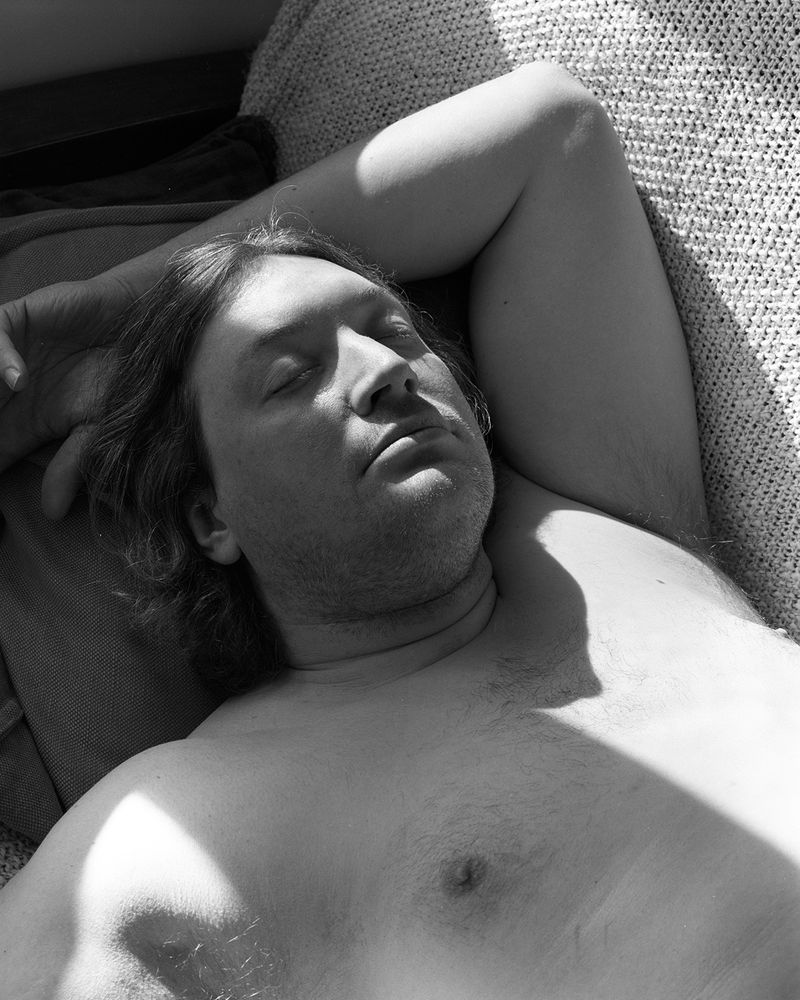
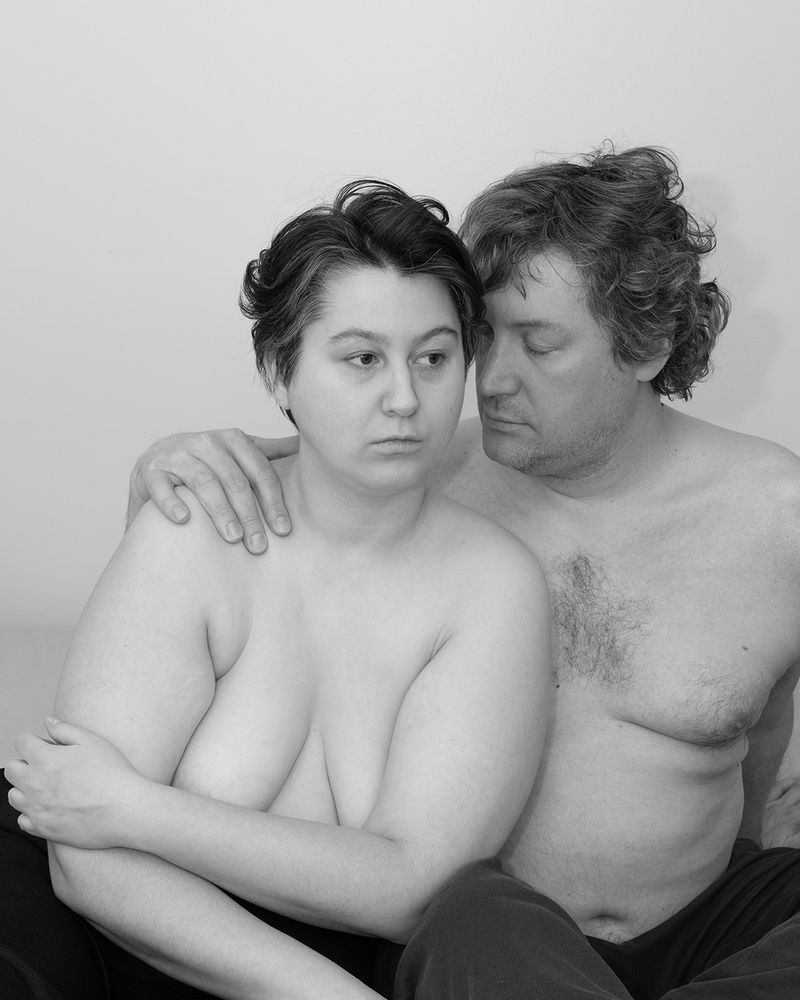
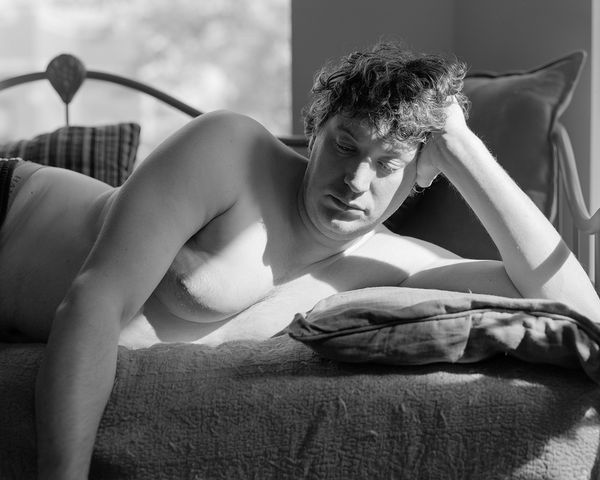
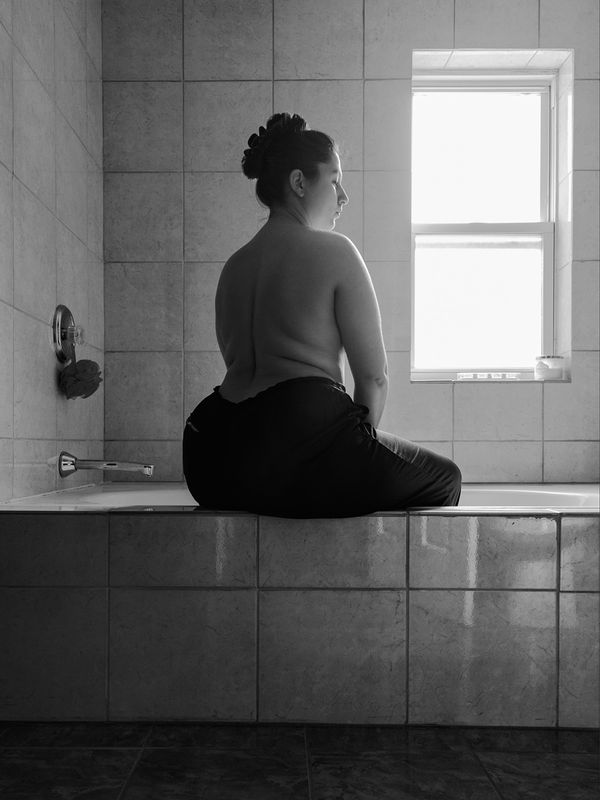
I have been photographing myself and my partner intermittently throughout our decade-long relationship. What began as a diaristic archive of our shared life, the mundane moments at home, the quiet gestures, and the ways we occupy space together, slowly evolved into a means of questioning how companionship, tenderness, and power are represented and understood.
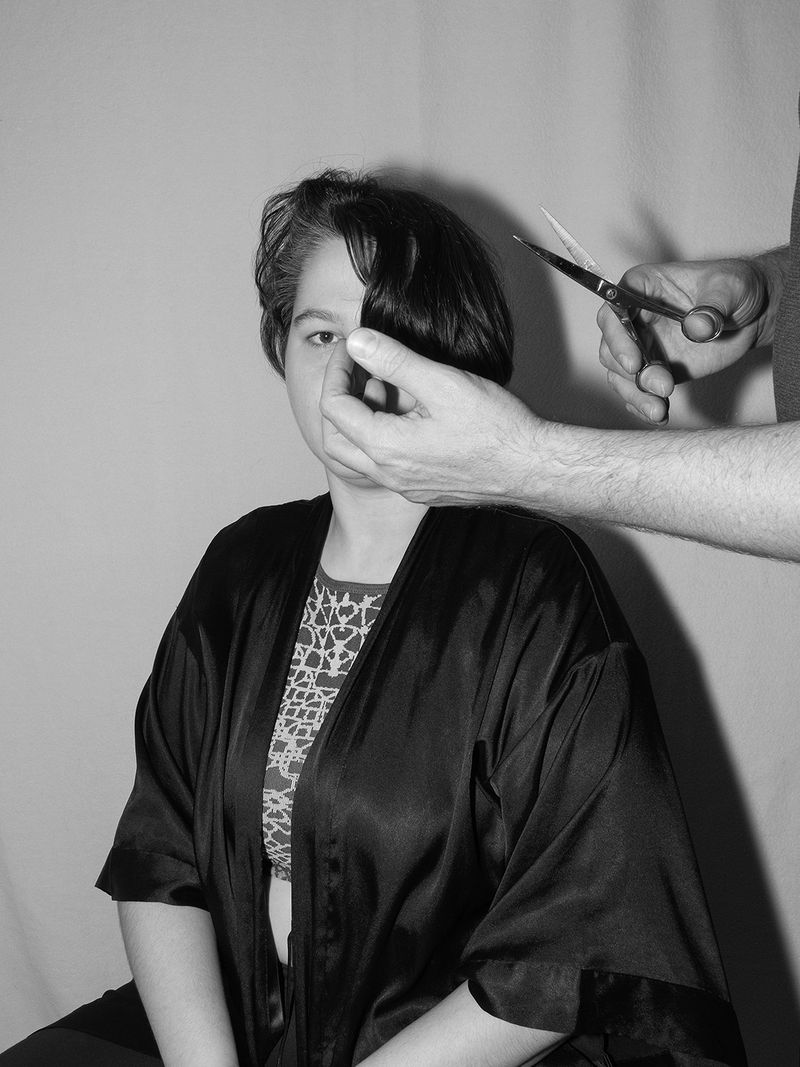
For as long as I can remember, I felt envious of the male sex. Exhausted by the patriarchal gaze that is upheld and rewarded, I began to consider my own outward gaze. I became interested in how women's and men’s bodies have been seen, and what it means to participate in or resist those conventions. The act of making a photograph became a way to embrace and navigate my queer identity as a bisexual, bi-gender woman and to confront the dissonance I have long felt with prescribed femininity. Growing up, I didn’t have the language to understand or express myself. I knew that I didn’t fit neatly into one expected version of womanhood, but I didn’t yet have the words to describe that feeling.
I've come to understand the gaze as a kind of struggle over authority between the subject and the photographer, and ultimately the viewer. Who gets to define whom? Who is allowed to look, and who is looked at? And how does that power dynamic shift when the person behind the camera is also the person in front of it? When the relationship being depicted is deeply personal and long-term?
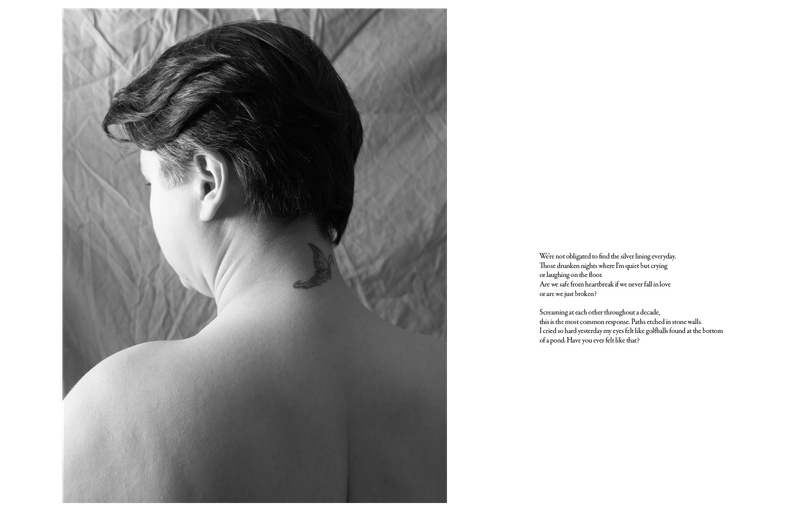
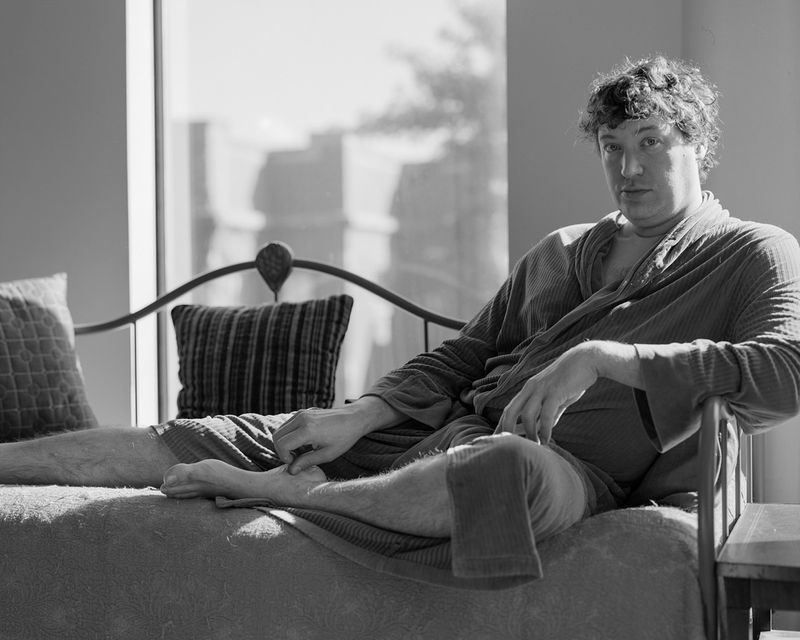
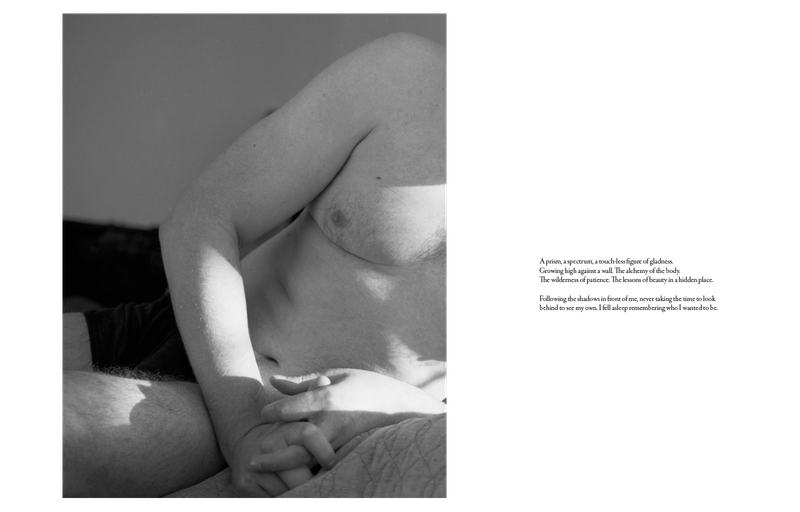
The images, which are accompanied by fragments of poetic prose, trace moments when my partner appears softer and more vulnerable, when I inhabit a more ambiguous role, and when neither of us fits into a simple conventional script. Moving between closeness and distance, tenderness and tension, the project mirrors the ongoing work of understanding ourselves and each other.