I will stand your ground on days you can't.
-
Dates2024 - Ongoing
-
Author
- Location Berlin, Germany
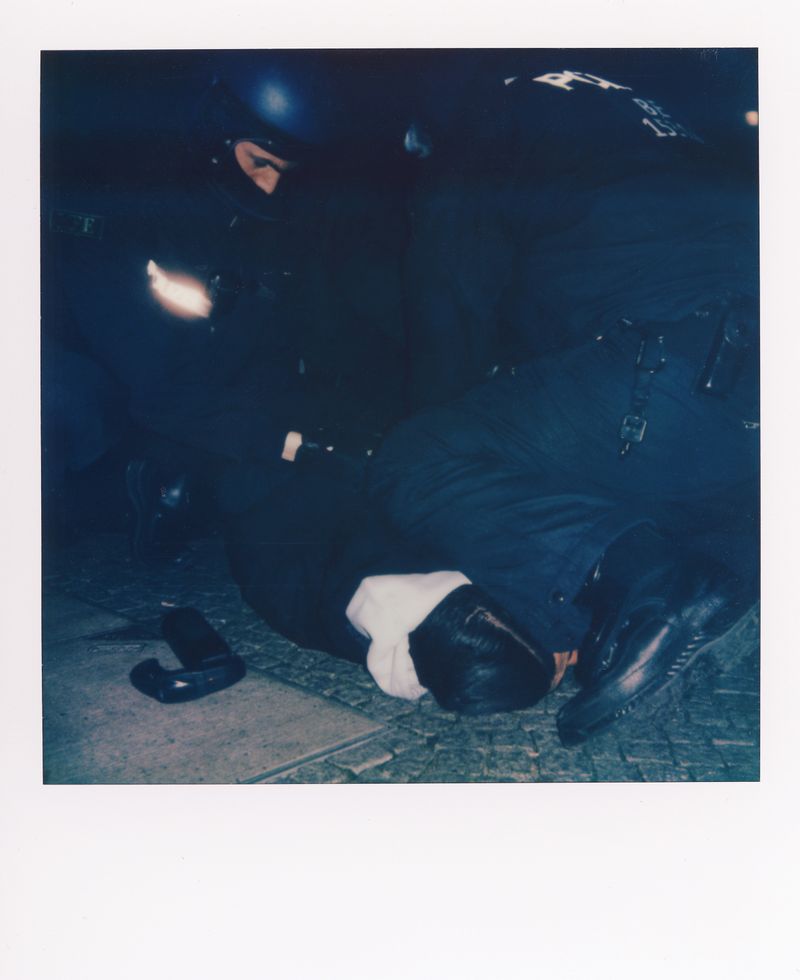
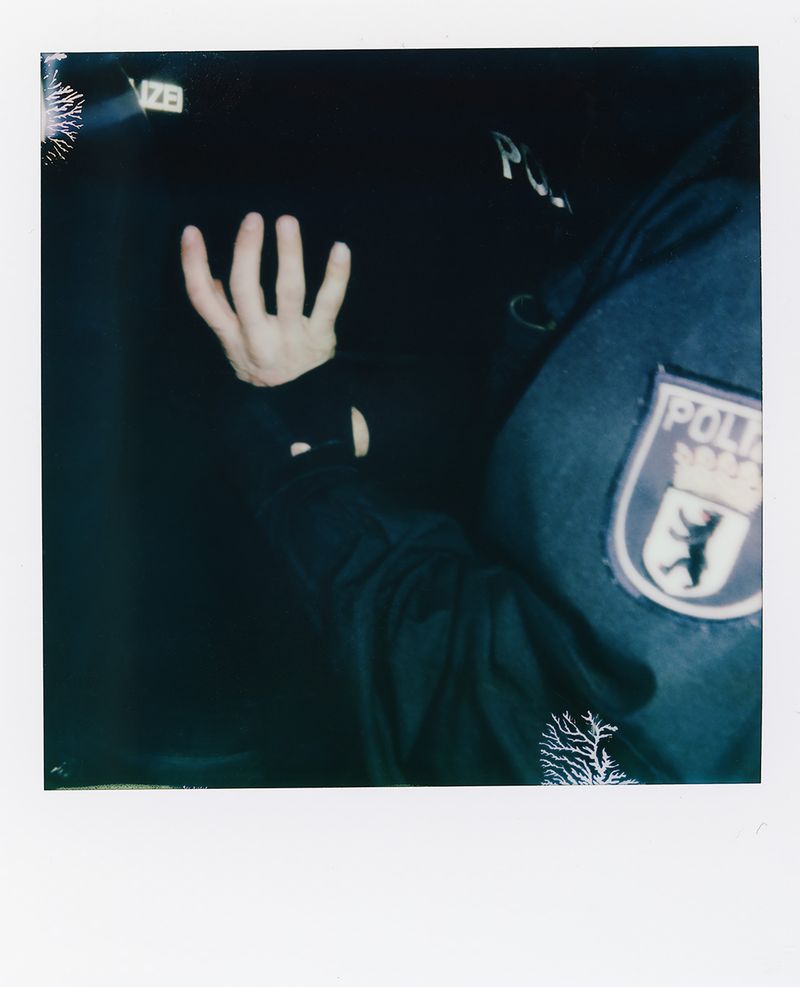
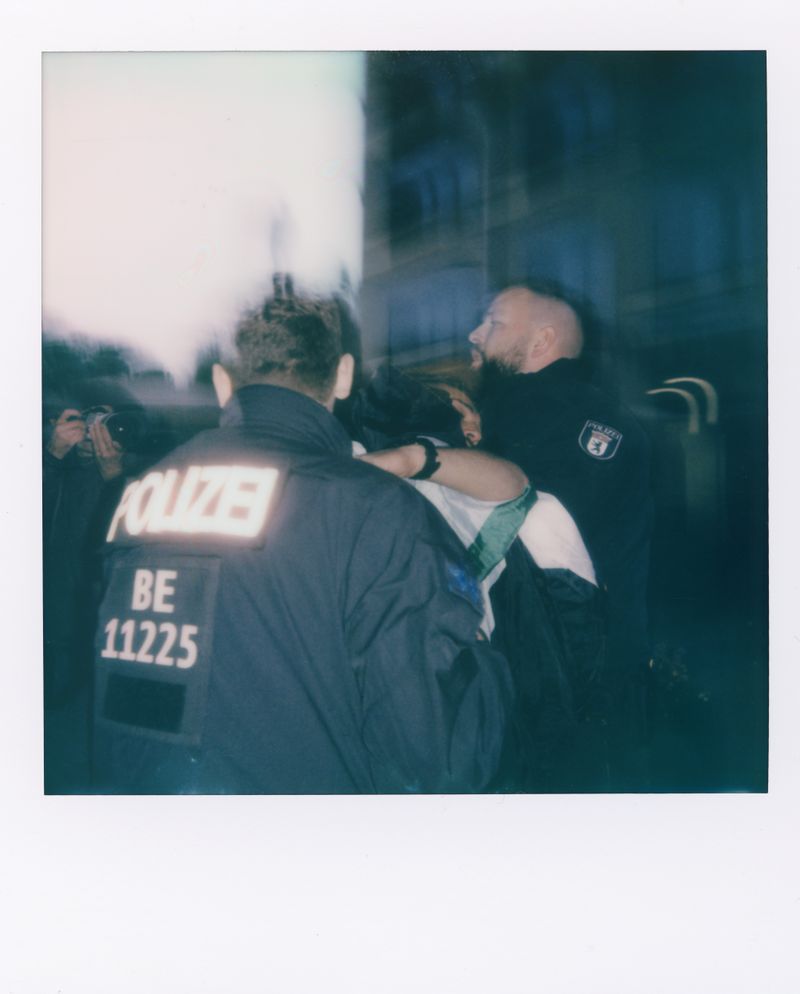
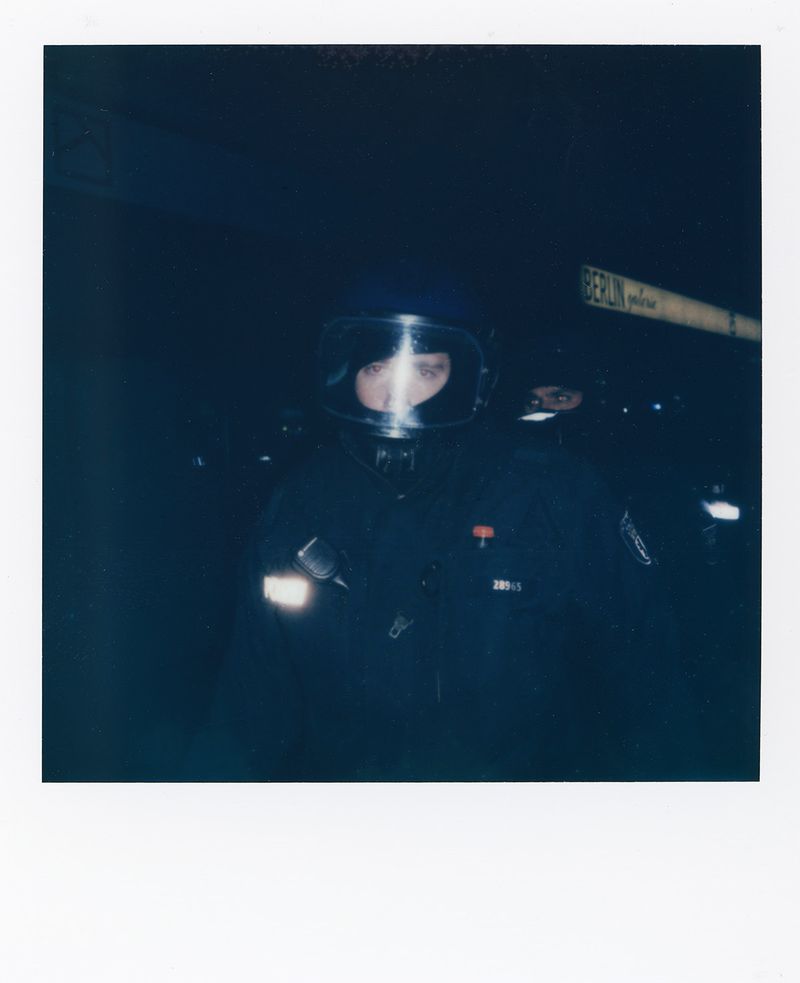
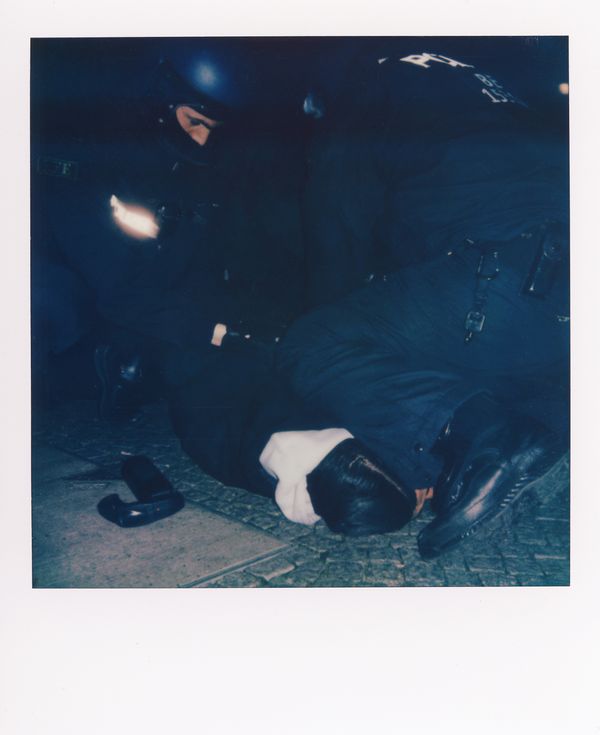
In 2008, Angela Merkel said Israel’s safety is Germany’s reason of state. For two years, Berlin has used violent police force against Palestine solidarity protests opposing Germany’s complicity in what experts call genocide of Palestinians.
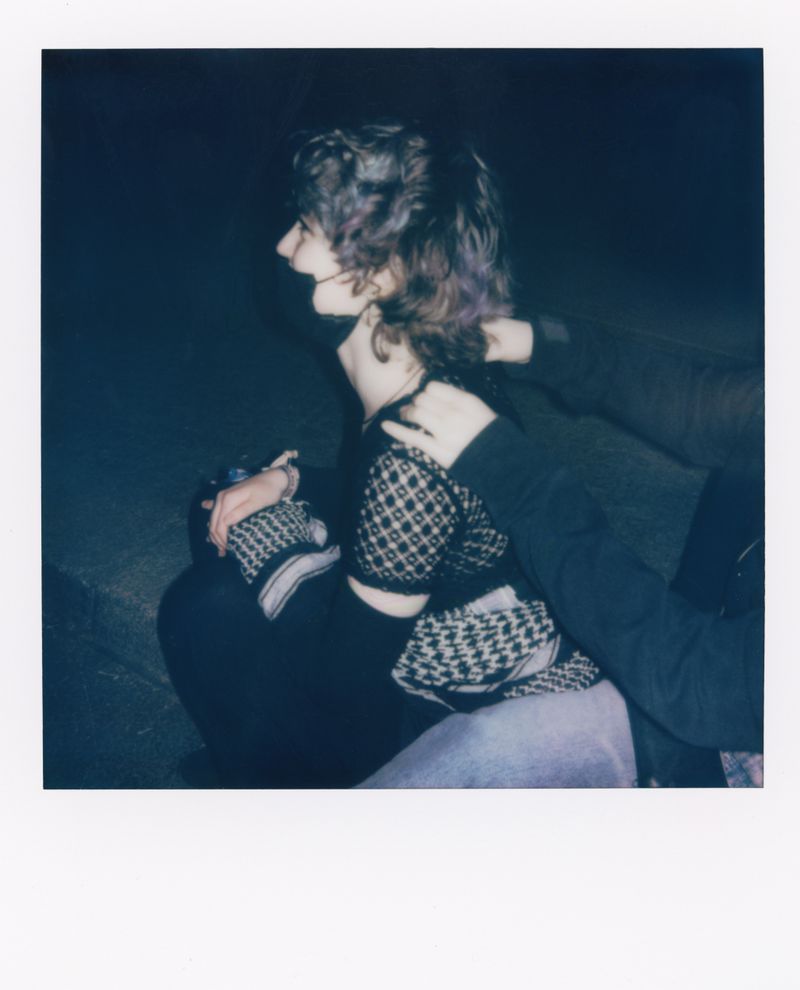
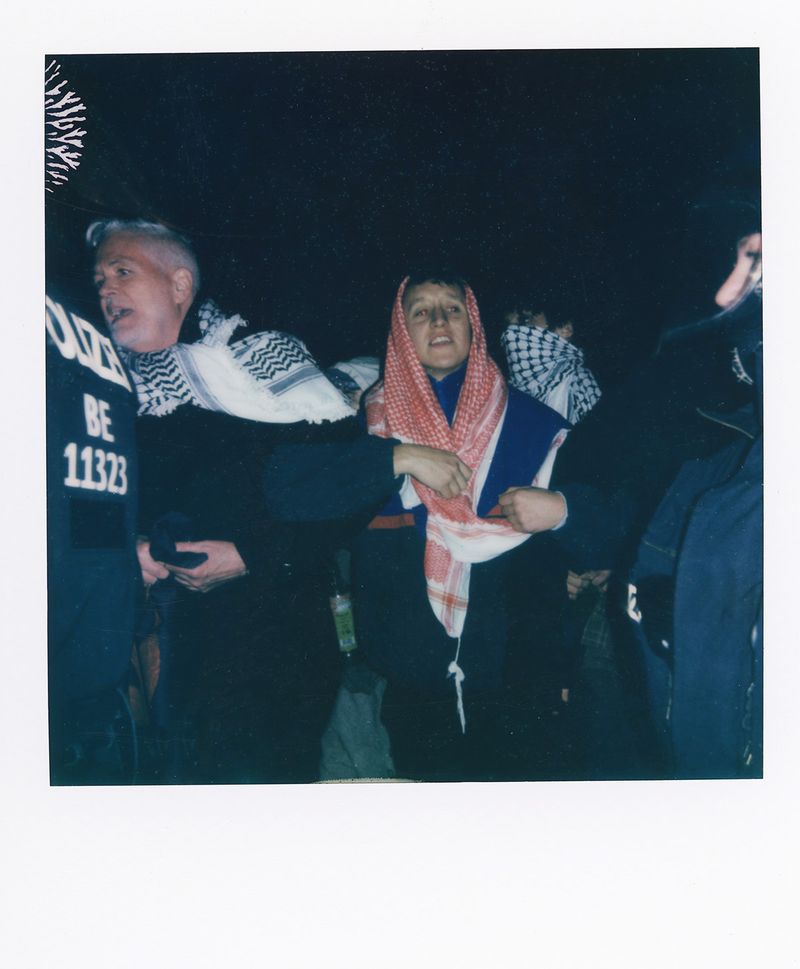
“Resistance is not the endless repetition of pain, but the practice of protecting each other in the midst of violence. People pulling each other out of the kettle. Giving their neighbours breathing space when tear gas burns. Staying shoulder to shoulder while the baton comes down. This is not a clean, heroic gesture, but risky, exhausting, vulnerable—and precisely because of that, radical.” – Lowerclassjane, German Antifascist (Translated from German)
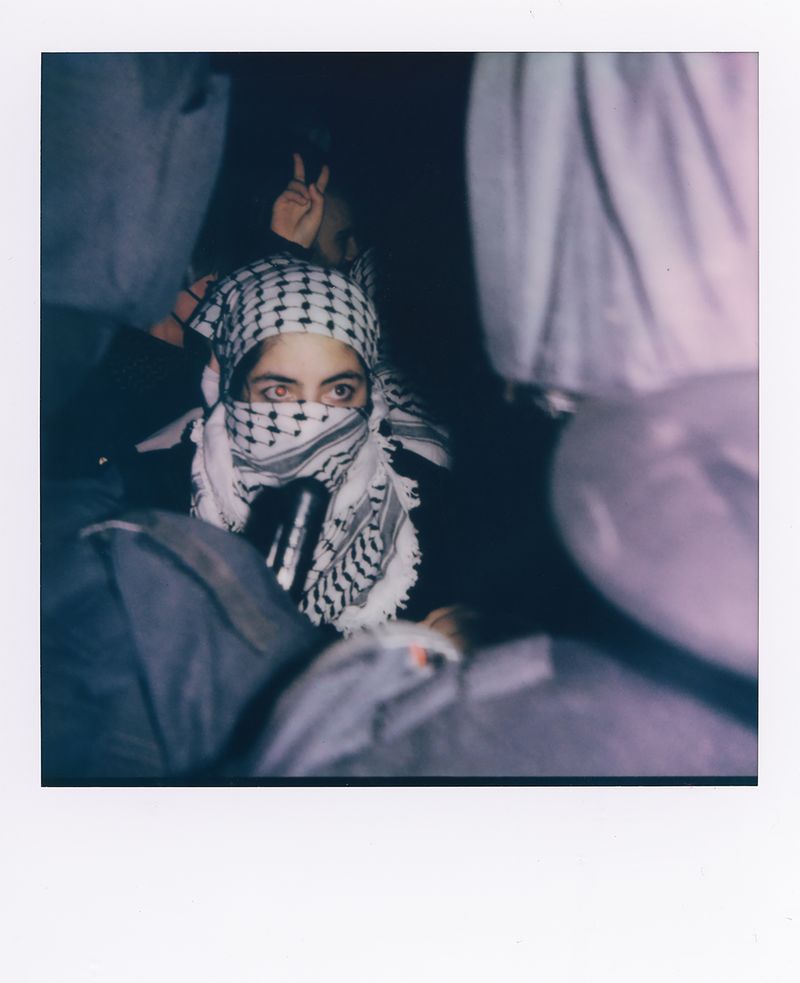
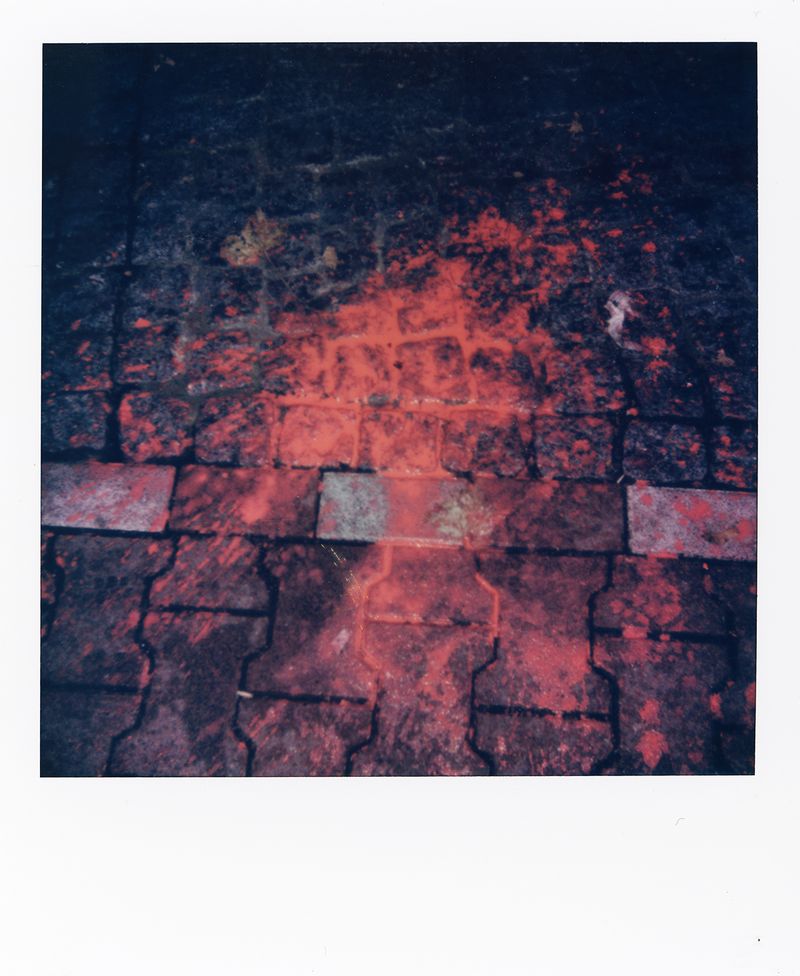
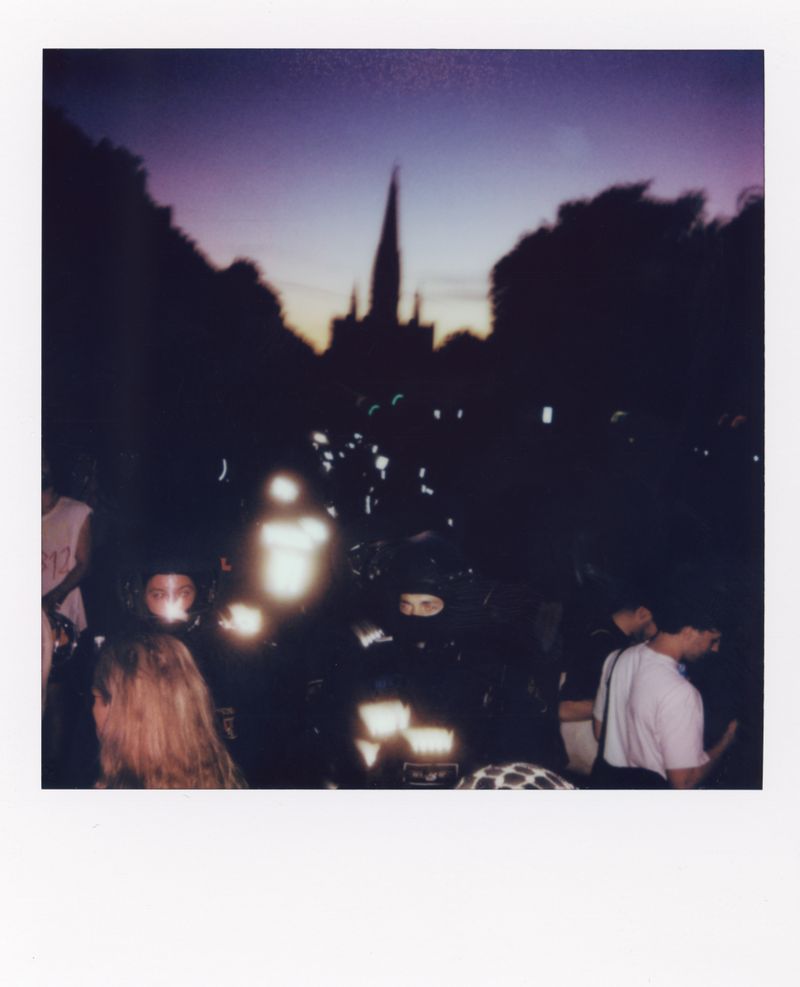
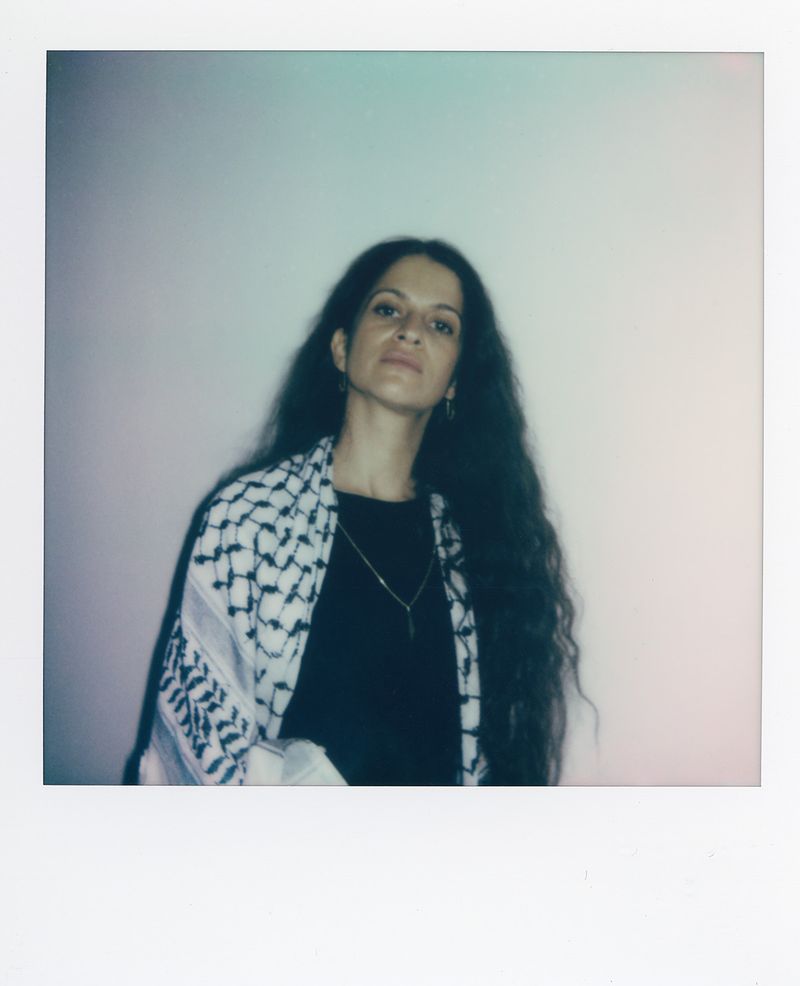
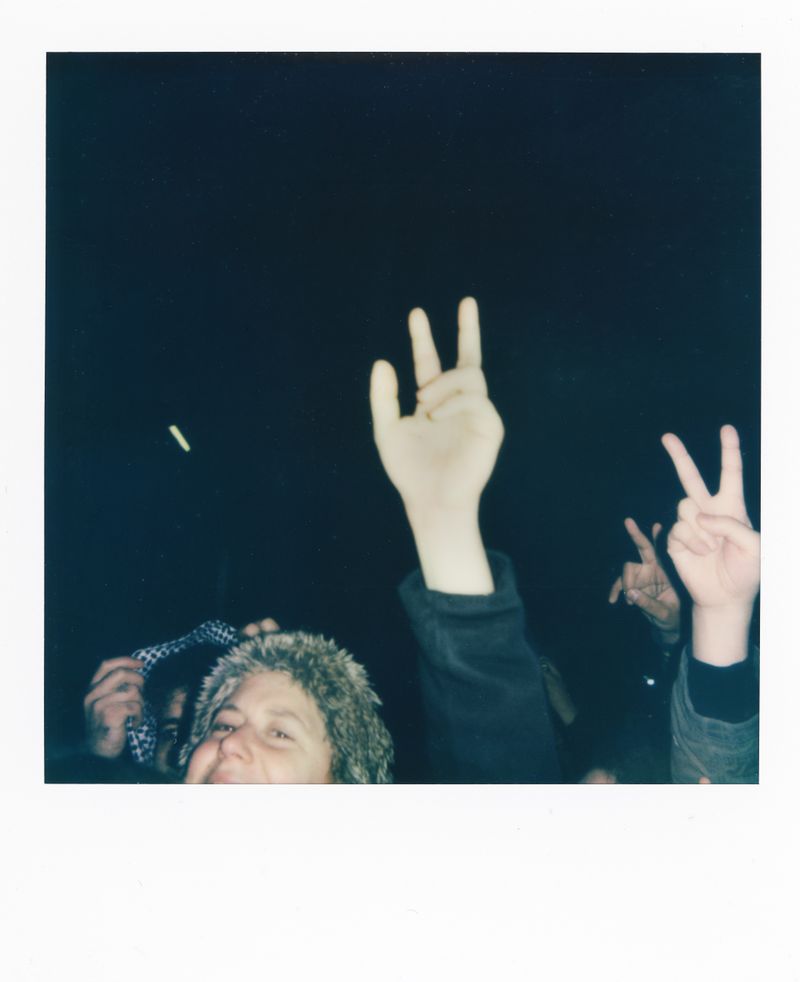
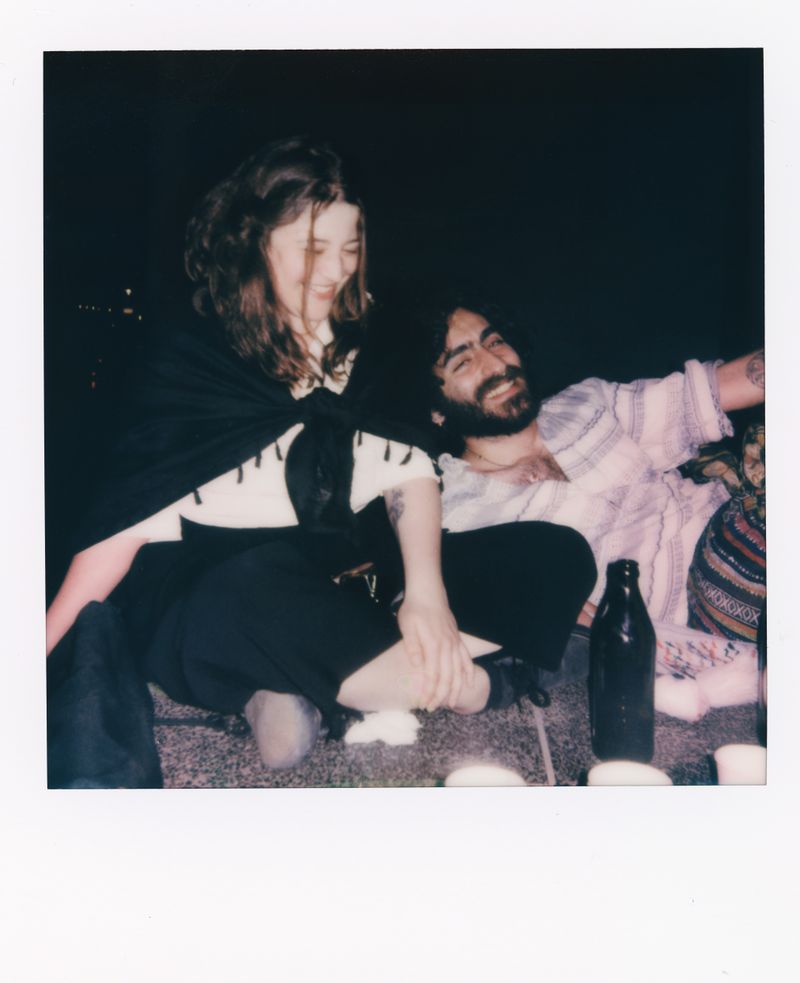
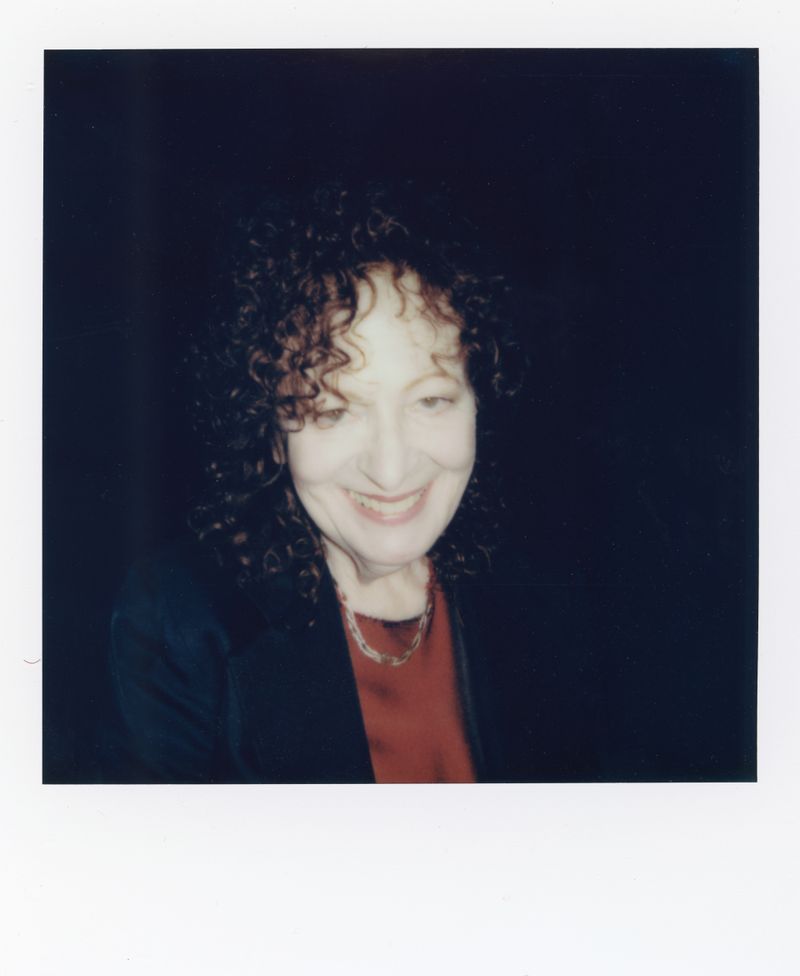
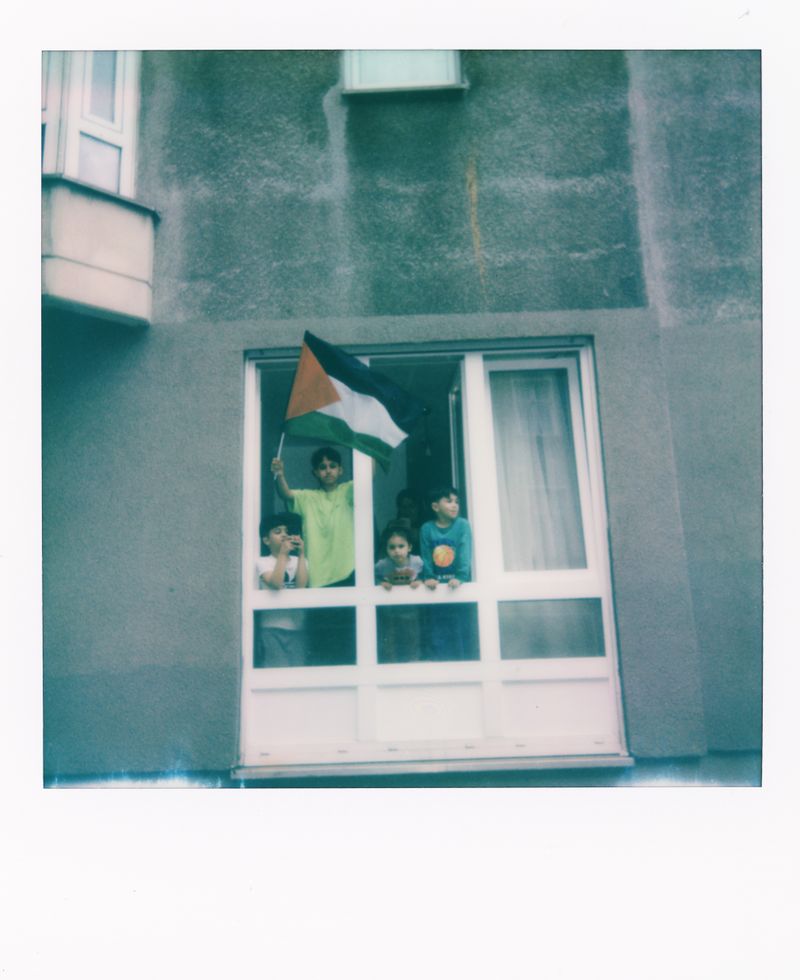
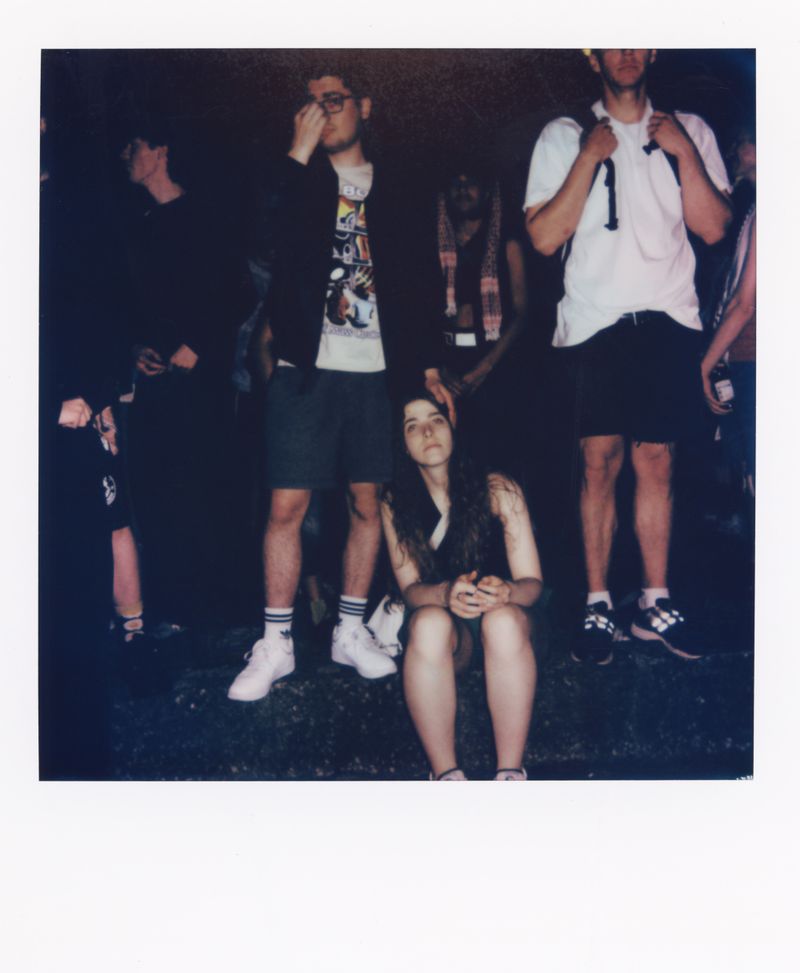
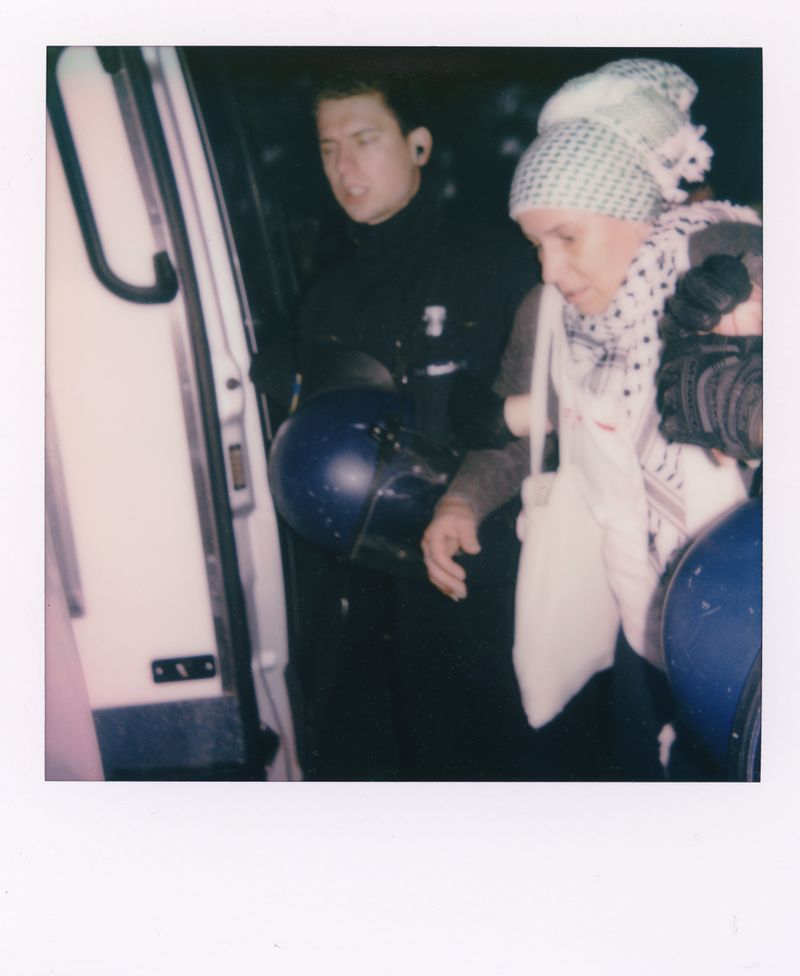
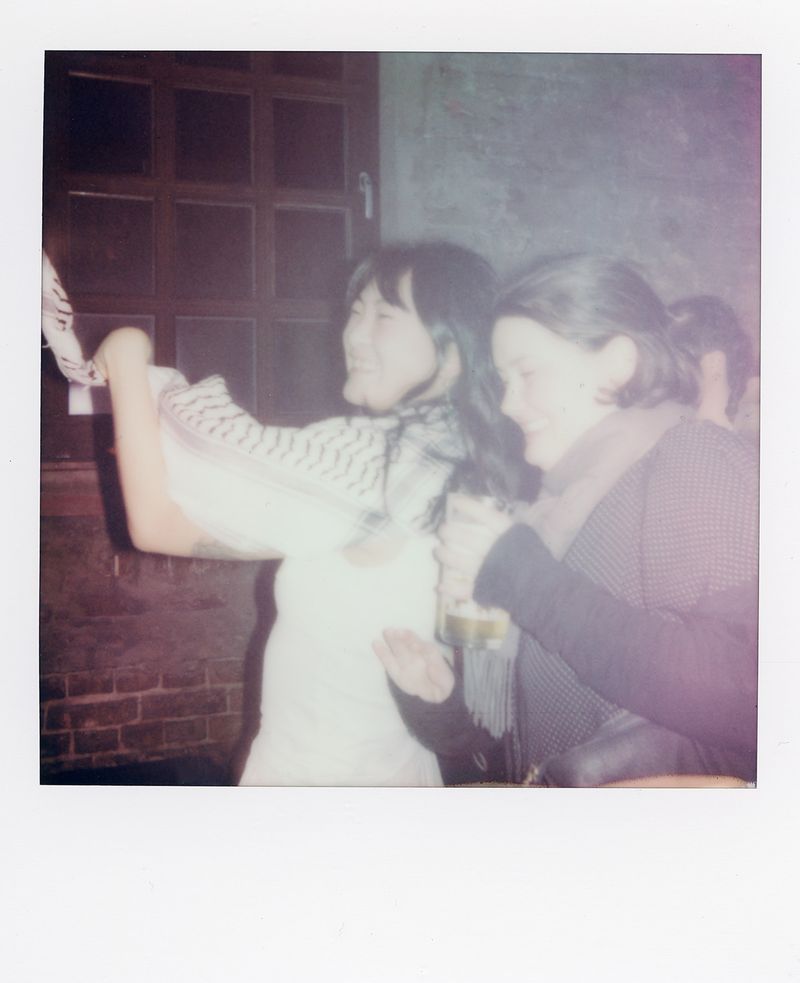
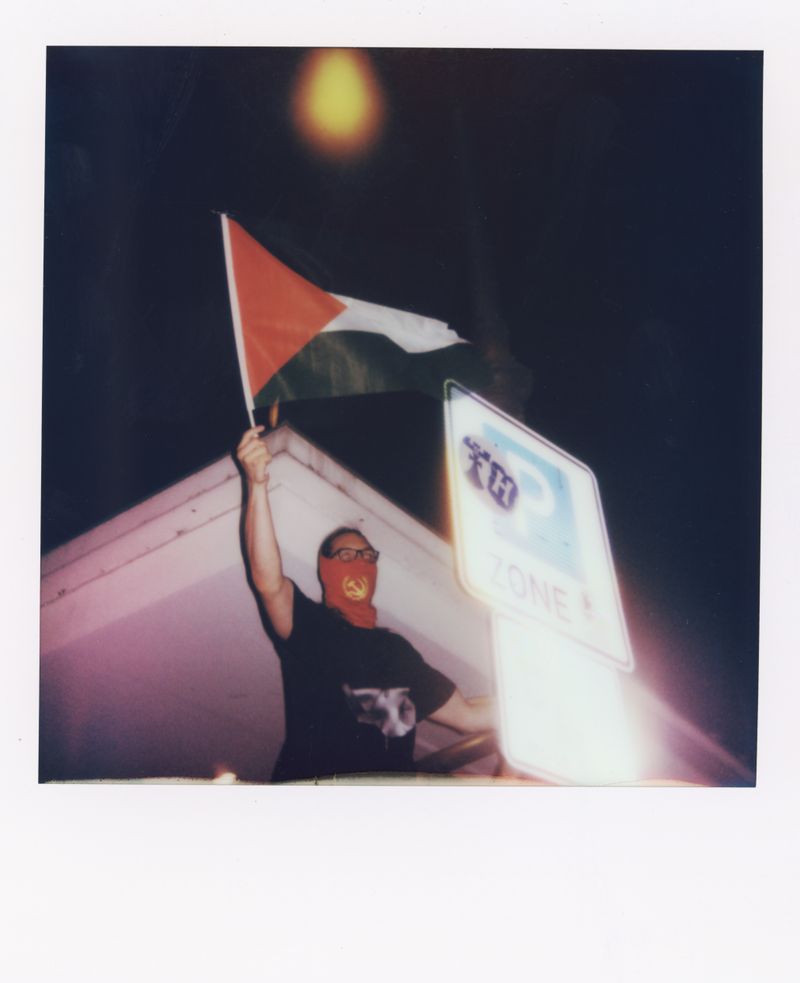
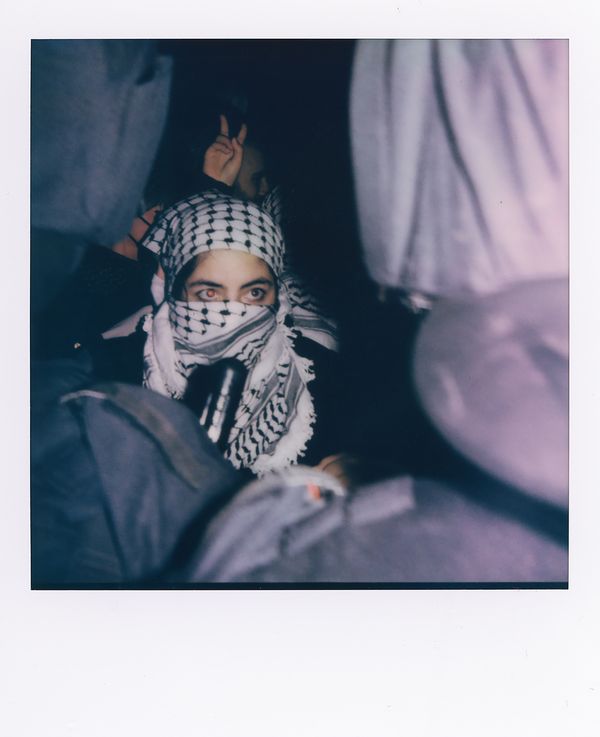
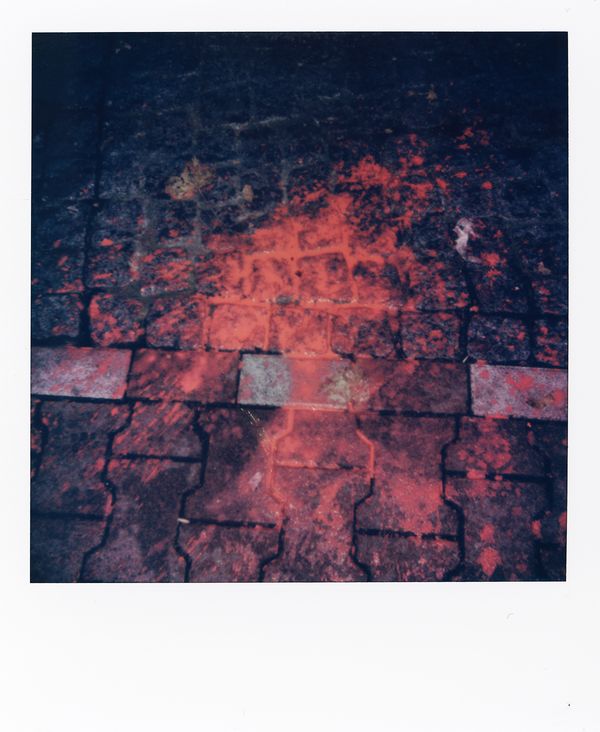
The majority of German news outlets portrays the Palestine Solidarity Movement, especially the members in Berlin, as a violent threat that spreads antisemitism. As a documentary photographer, I have participated in numerous protests over the course of eight months (Oct 2024-May 2025) and found a movement that cares about human rights, life and justice. I witnessed tenderness and care, resistance and pain. I documented moments of comradeship while fighting against police brutality and for the democratic right to protest with a Polaroid camera. Nowadays, Polaroids are widely used as a party gadget to document weddings and other special occasions, representing memory and friendship, but they have also played a role during the Apartheid until 1977 by being the medium used to create passbooks to strictly control the movement of the Black population in South Africa. I am intrigued by the duality of the medium in the context of my work. Its limitations and instant character carry the urgency and momentum of bearing witness to a significant unfolding of history.
Since October 7th 2023, dissent voices have been silenced, censored and sanctioned in Germany: artists’ exhibitions were cancelled, institutions were defunded, people were fired from work, the democratic right to protest was cut by the state, and even jewish people were called antisemites. What they all had in common was demanding the end of German complicity in what the United Nations call the Israeli genocide in Palestine. It is estimated that over 66,000 people have been killed in the Gaza Strip. Even though the International Criminal Court has issued an arrest warrant against the Israeli Prime Minister Benyamin Netanyahu for crimes against humanity, and Amnesty International names Israel an apartheid state, Israel is Germany's reason of state and it supports the Israeli government by sending weapons and violently silencing protestors in Berlin. As many intellectuals, journalists, scientists and historians warn, these restrictions are nurturing ground for the rise of fascism in Germany, a country that vowed never again eighty years ago.
“First they came for the socialists, and I did not speak out —because I was not a socialist. Then they came for the trade unionists, and I did not speak out—because I was not a trade unionist. Then they came for the Jews, and I did not speak out—because I was not a Jew. Then they came for me and there was no one left to speak for me.”
Martin Niemöller (1892-1984) was a german pastor who first sympathized with the Nazis, but after Adolf Hitler came to power in 1933, Niemöller begun to criticize Hitler’s interference in the protestant church. He was arrested in 1937 and spent eight years in Nazi prisons and concentration camps.