I No Longer Love Blue Skies
-
Dates2022 - Ongoing
-
Author
- Location Lausanne, Switzerland
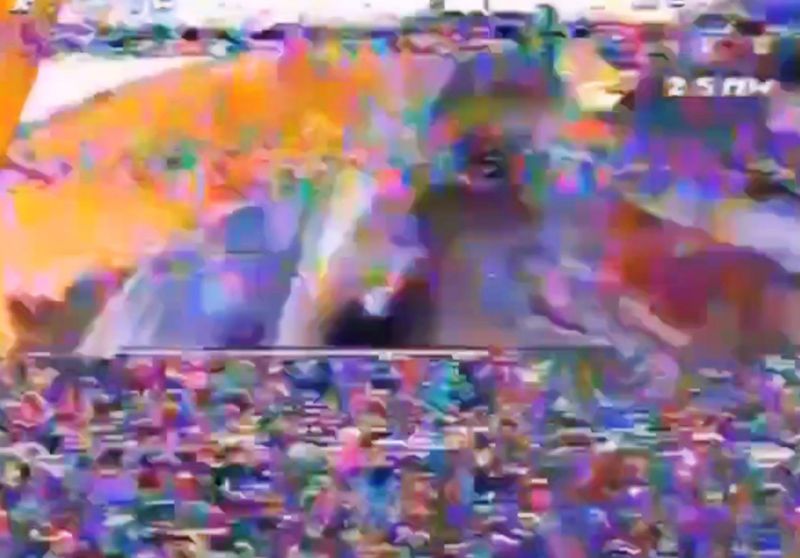
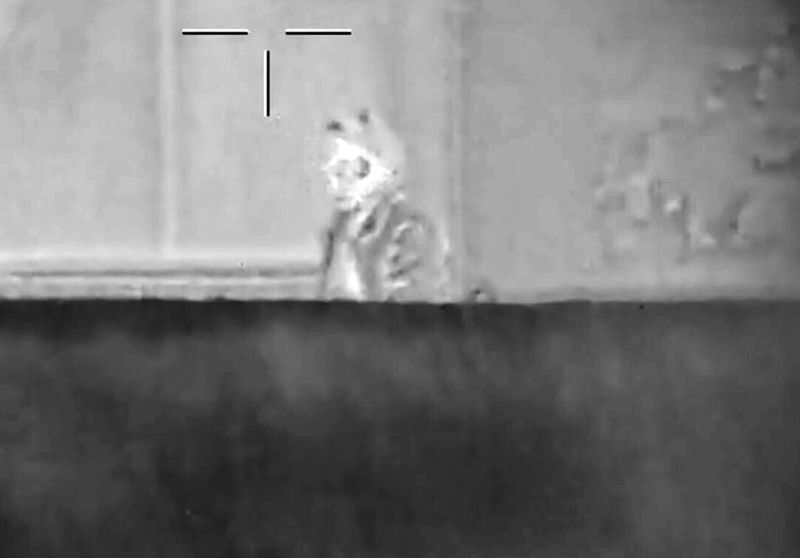
I No Longer Love Blue Skies, an ECAL BA Photography book project supported by RVB Books, delves into drones' impact on modern warfare. It questions machine-driven war representation through collected and reworked Wagner Group Telegram images.
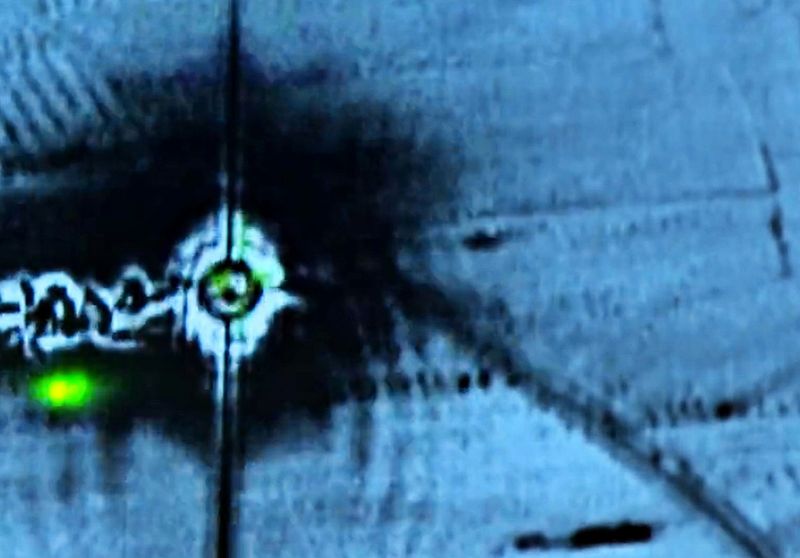
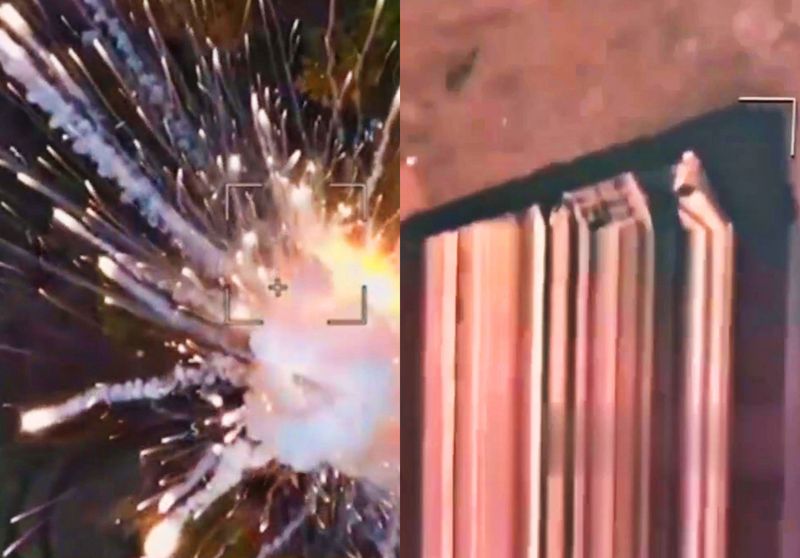
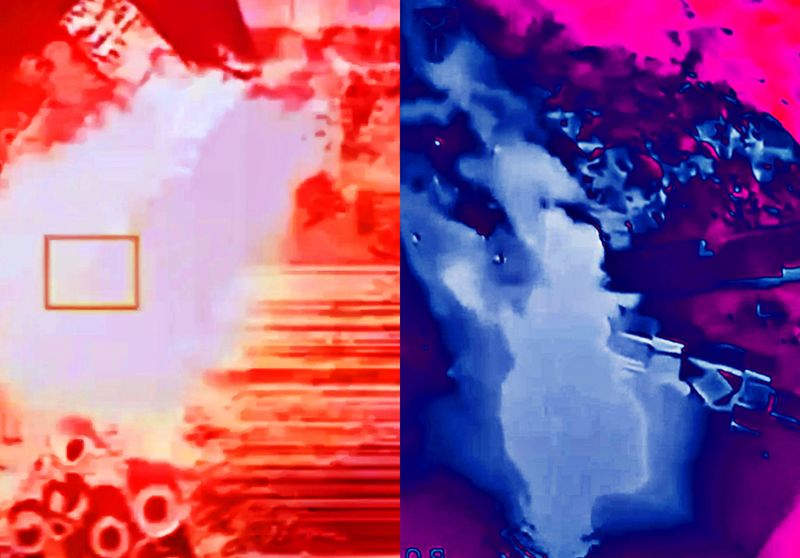
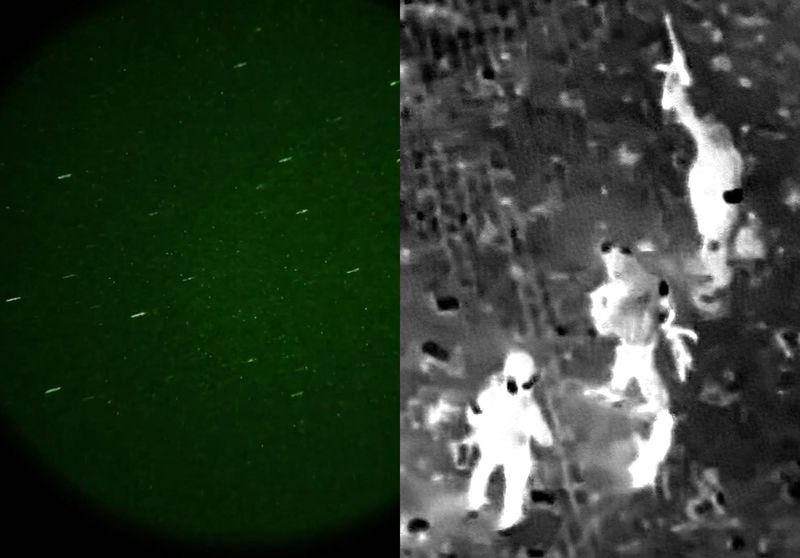
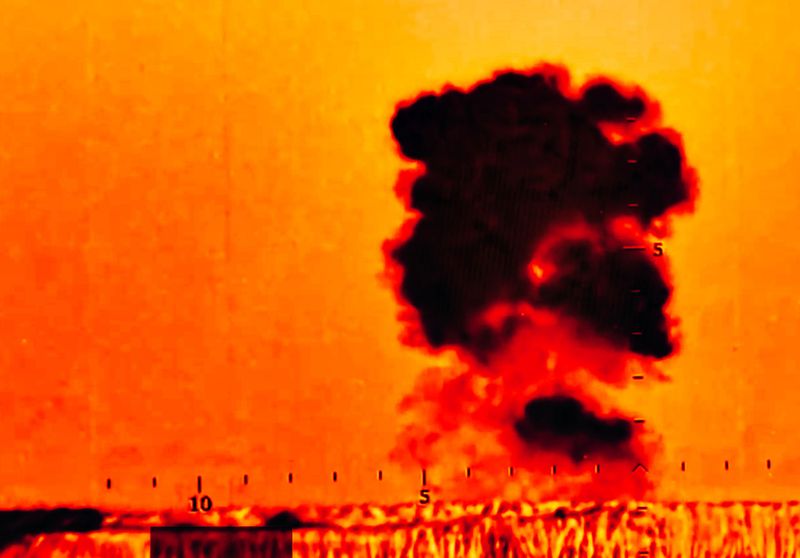
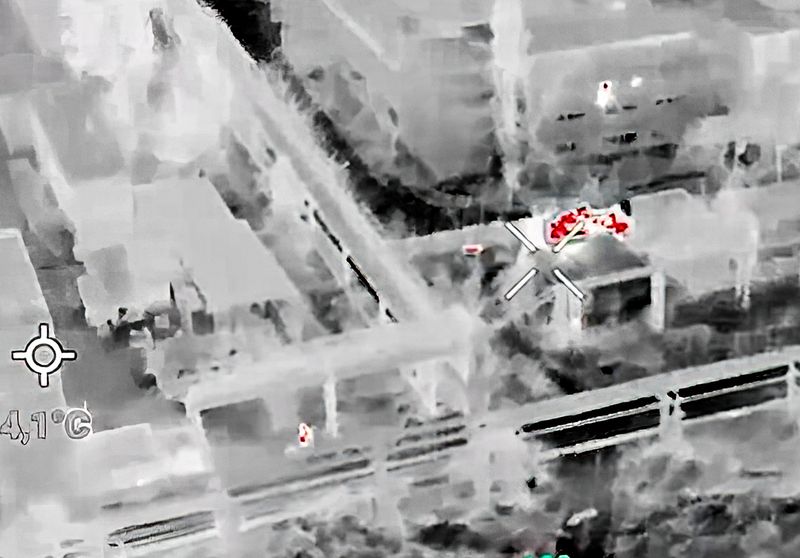
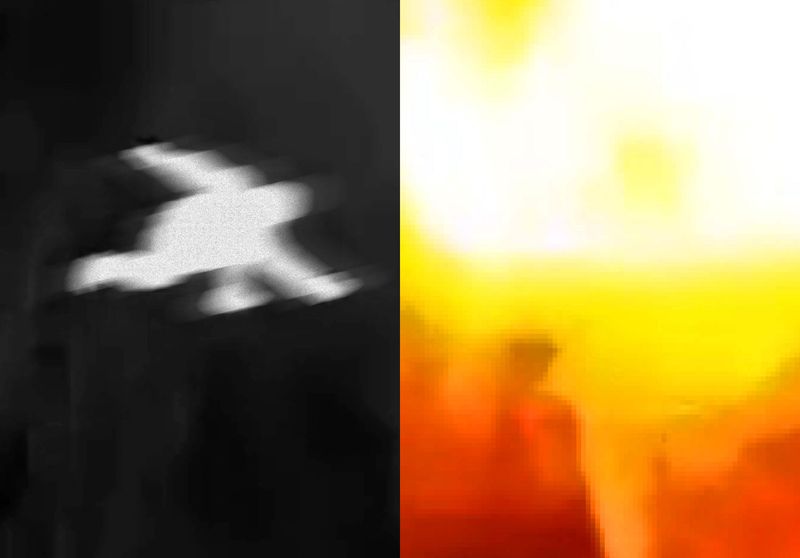
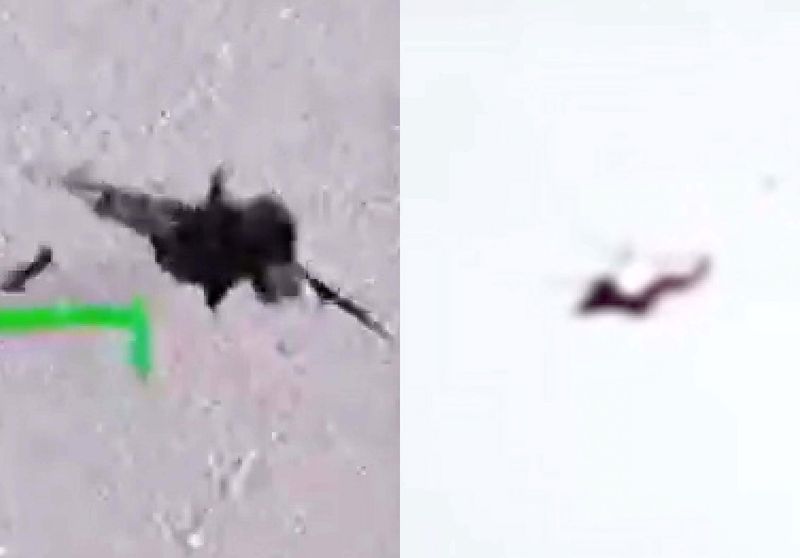
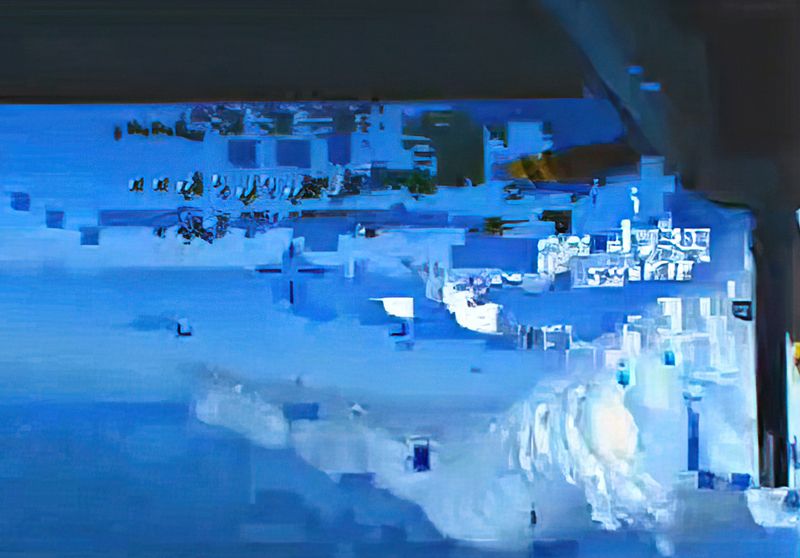
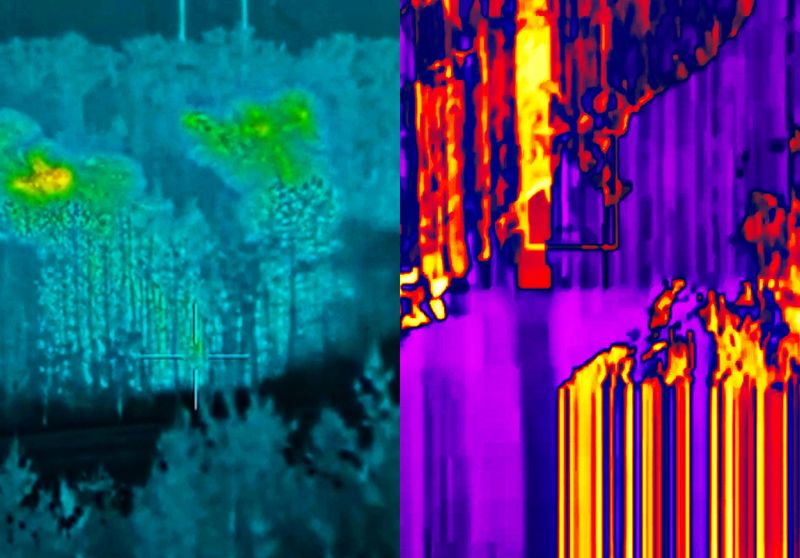
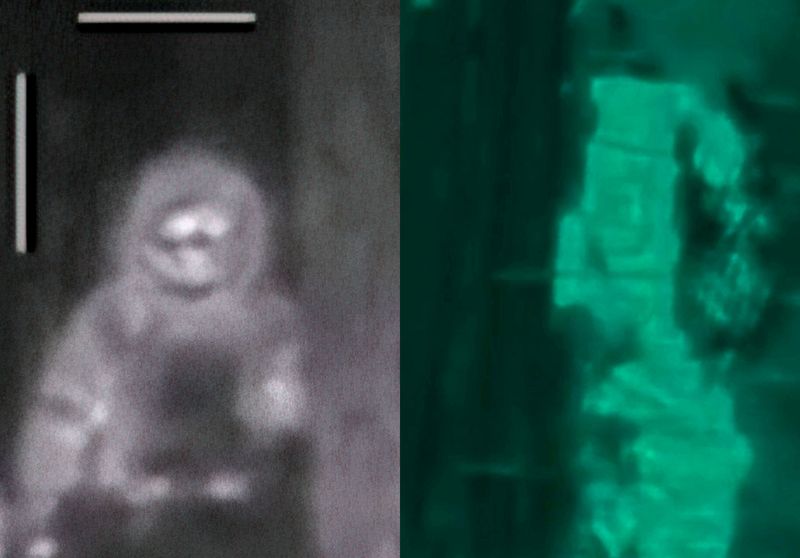
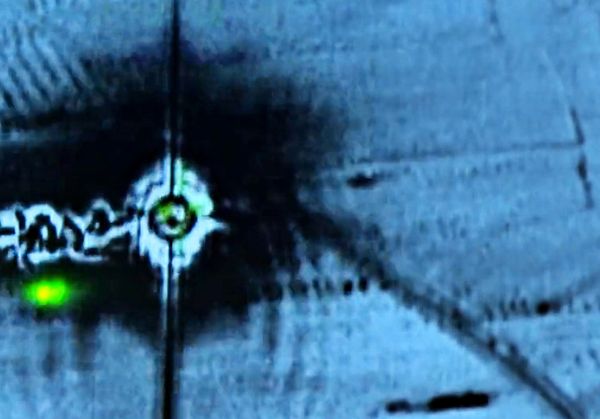
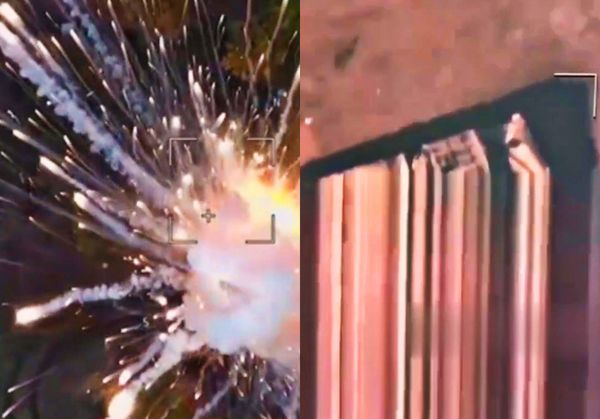
In the context of contemporary warfare, drones are tools and machines for control, surveillance and suppression that are being increasingly used and ever-perfected technologically. Drones interpret and transform the reality on the ground. Often reinforced by thermal imaging cameras or other devices to interpret the scenes they view. Therefore they act as a prism that creates a new reality, a new world where the stakes are redirected and refocused on extreme precision that filters out and eliminates a large part of the real world. The image produced is a kind of mirage, devoid of meaning. The machine enables detachment from a confrontation with death. This apparatus of death has been constructed to offer a certain vision of the world that detaches it from the reality we know. The aim here is to highlight this new reality by collecting, reframing and assembling this type of visual content, and to use it to denounce the absurdity and danger of these mechanisms for exercising violence. The book questions the status of these images, whose plasticity and aesthetics distance and conceal the true nature of their function, namely to control and kill.
Through a selection of images collected from the Telegram channels of the Wagner Group, which is active in most modern conflicts (Syria, Libya, Mali, Central Africa and Ukraine), the book questions how war is represented. Where journalistic images are often framed, if not suppressed, by the belligerents and tend to lose relevance, they are gradually being replaced by these machine-produced images.
The book brings together documentary images in which the author intervenes only minimally. It is not a question of creation here but of representing reality. Attention is also paid to the future in a context where technological developments are taking place at breakneck speed. The distancing and the elimination of personal responsibility in the practice of killing are intensifying, particularly with the appearance of 'slaughterbots' or war equipment controlled by artificial intelligence. They are beginning to be automated and no longer require human intervention to locate and shoot down a target. Artificial intelligence now tends to have the right to decide between the life and death of living beings.