I DUE SILENZI
-
Dates2023 - Ongoing
-
Author
- Location Italy
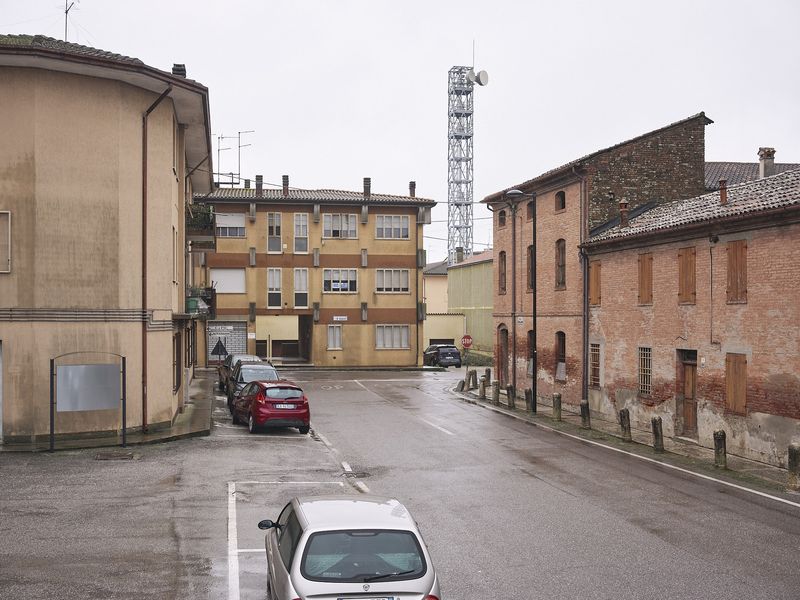
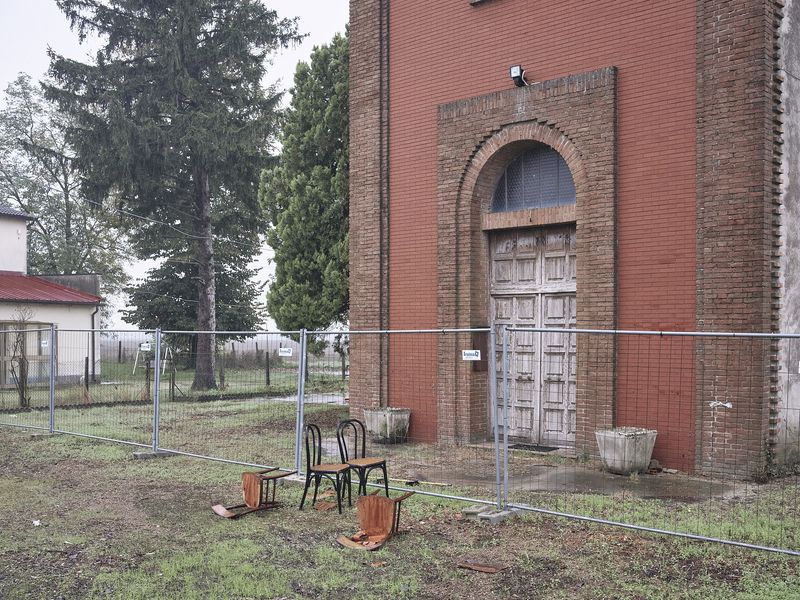
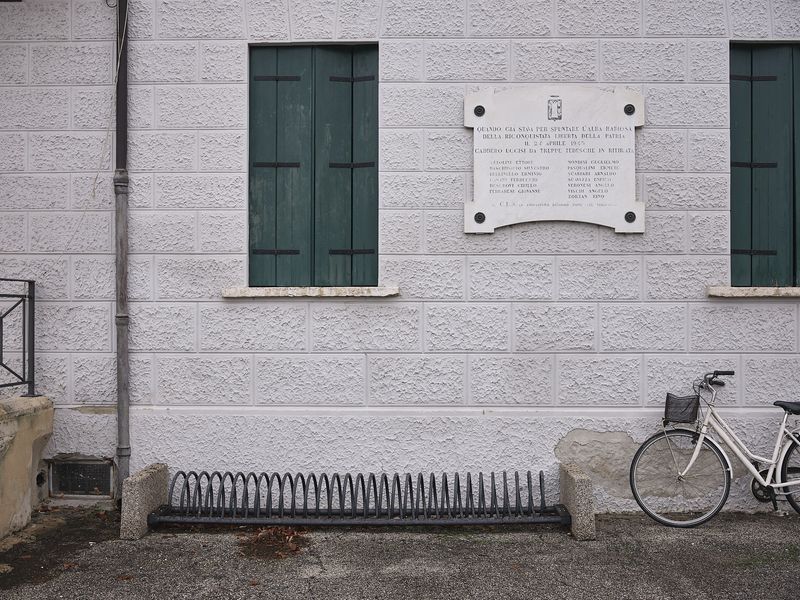
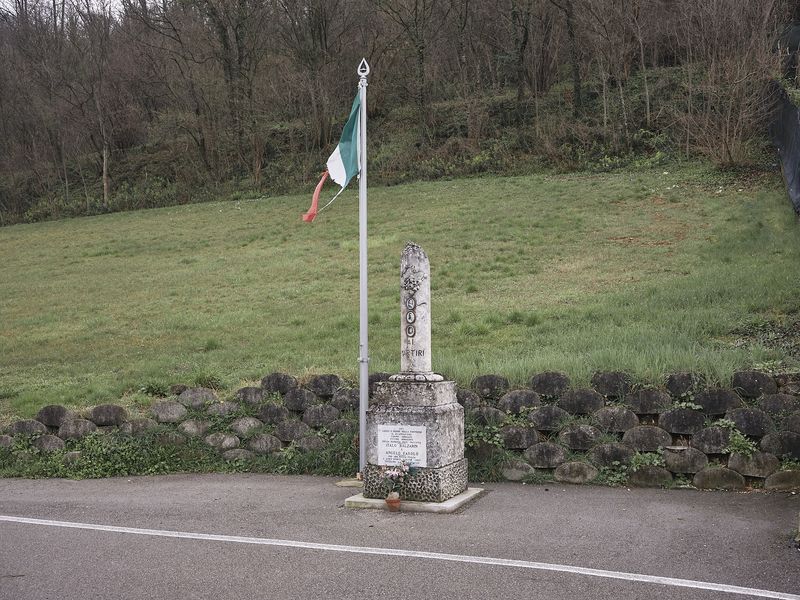
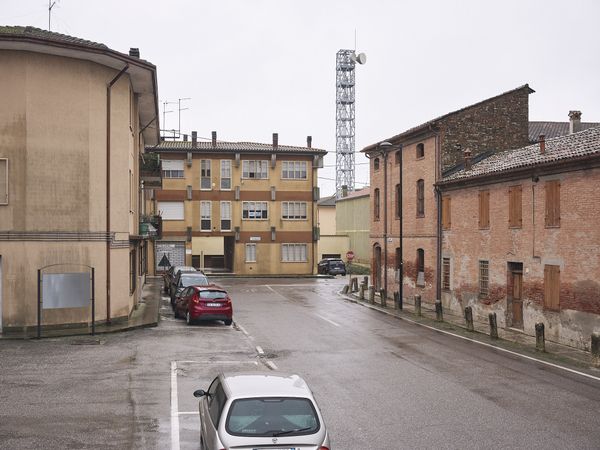
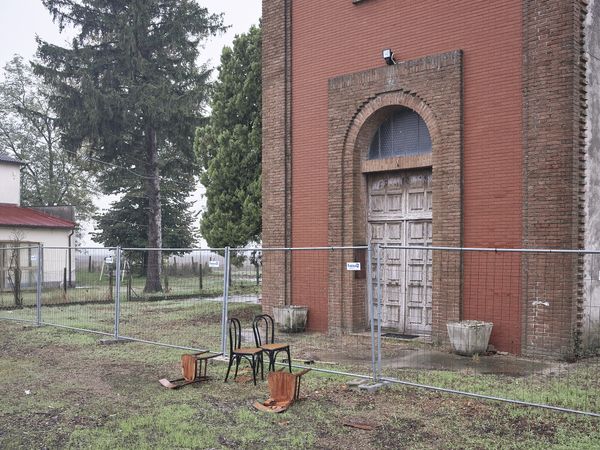
This project documents sites of Nazi crimes during the 1945 German retreat in northern Italy, pairing official memorials with nearby landscapes to explore how memory persists—or fades—in the places where violence occurred.
I can’t say exactly when I began to see these places differently. Maybe it happened the first time I returned to Pedescala, that village in the Val d’Astico where, as a child, I used to go with my father—to fish, or to walk along the Astico river.
Back then, it was just a quiet place, like many others. I had no idea what had happened there in 1945.
When I found out, I started looking at those streets and houses with a sense of disorientation. How can a place remain the same, and yet hold within it a story so different from the one I thought I knew?
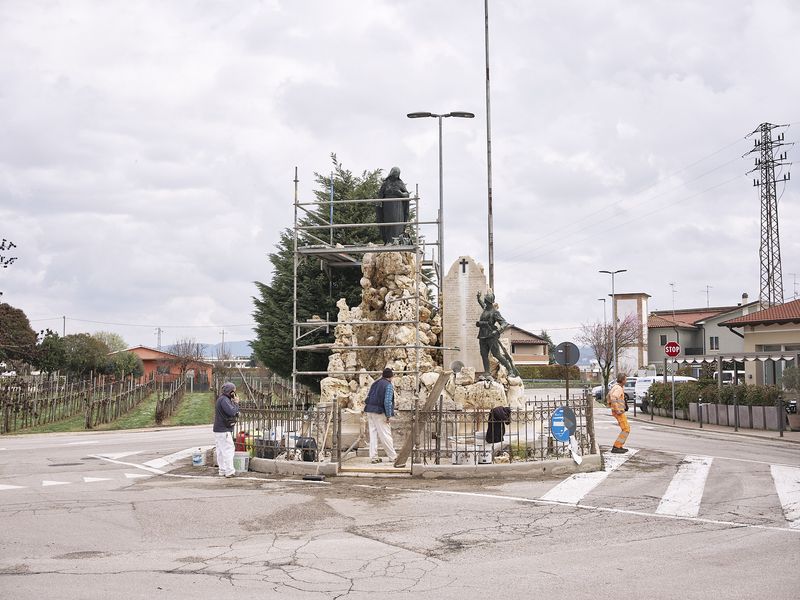
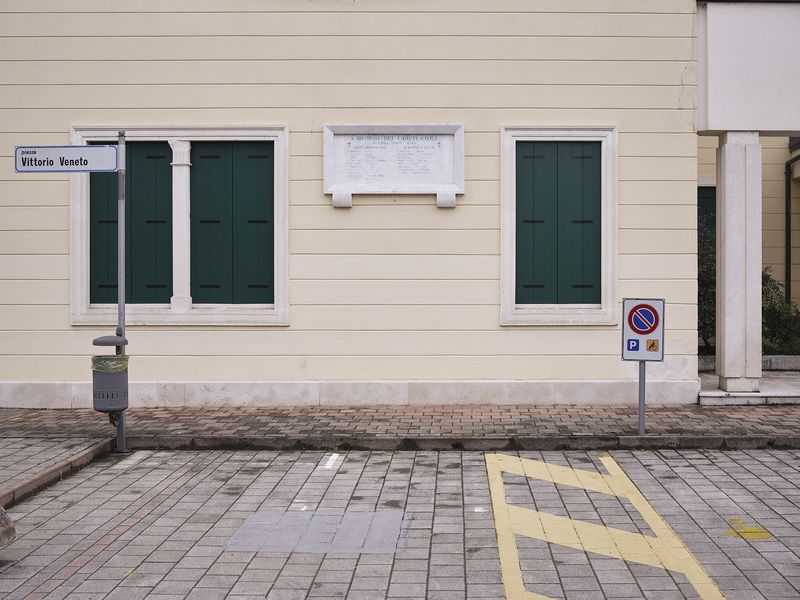
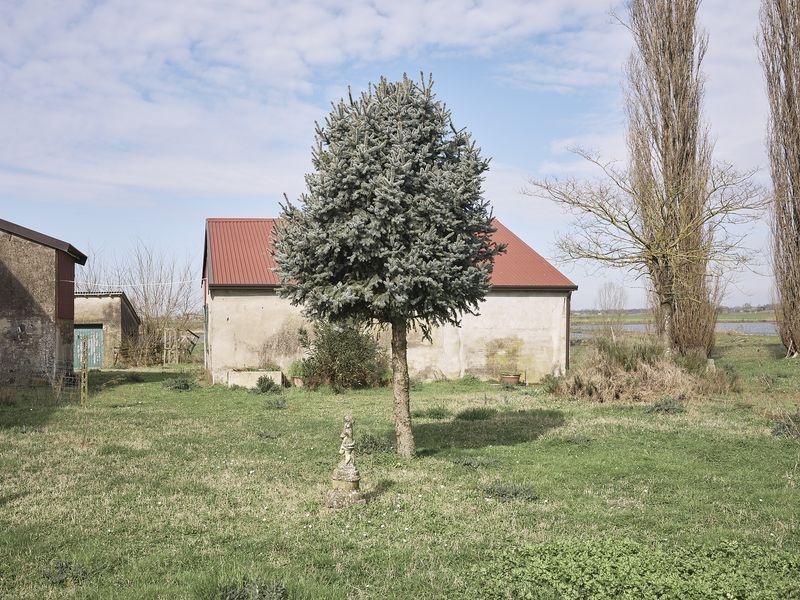
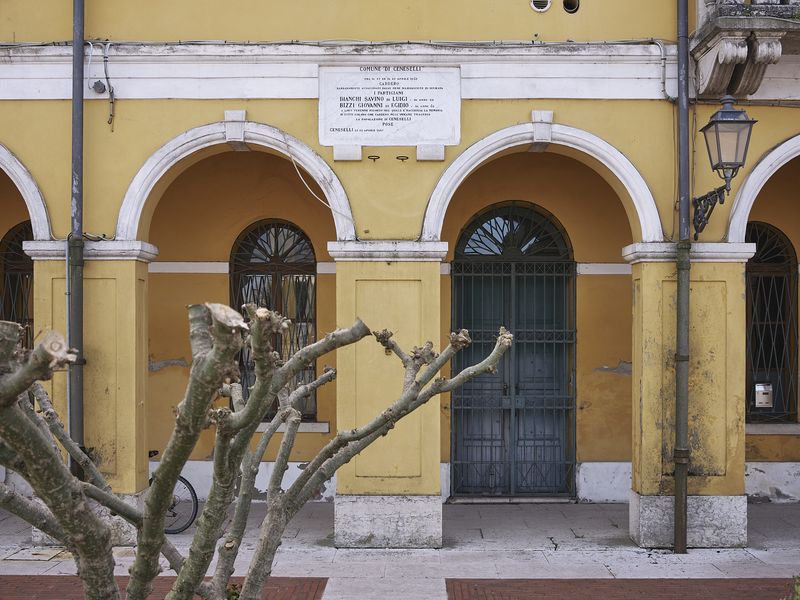
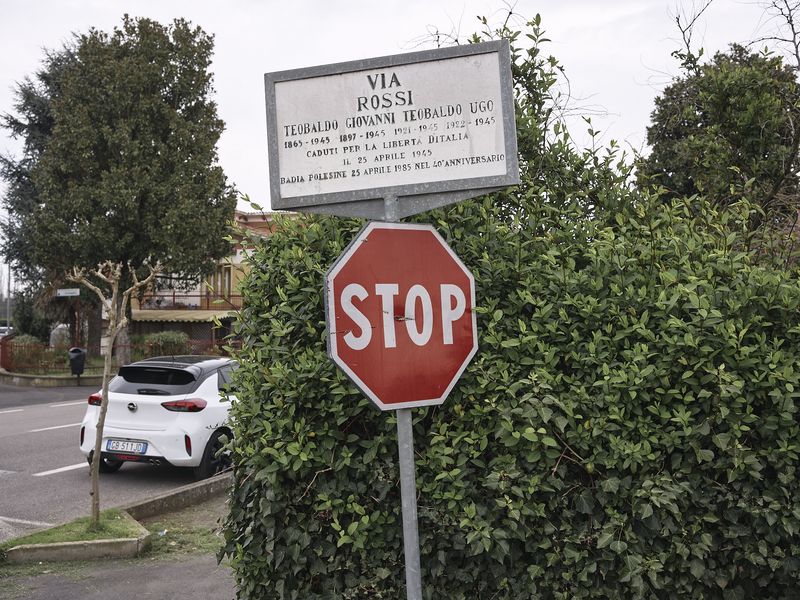
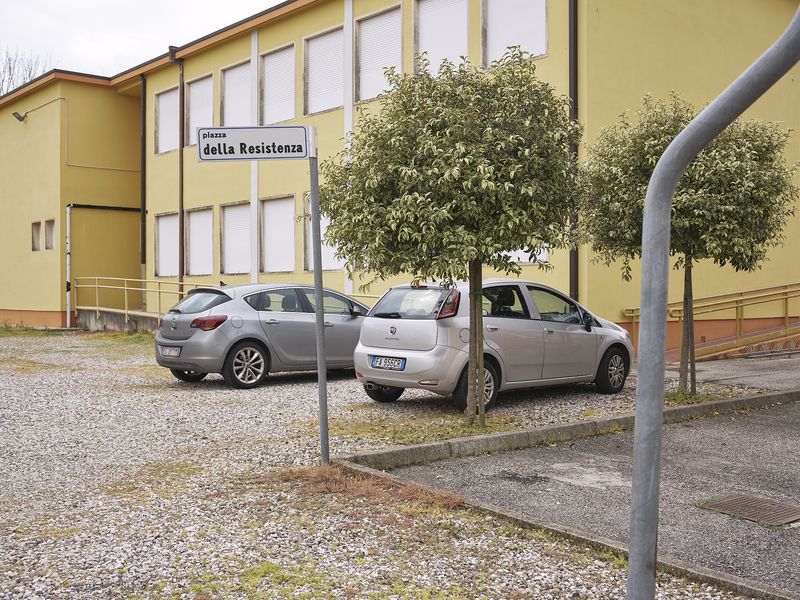
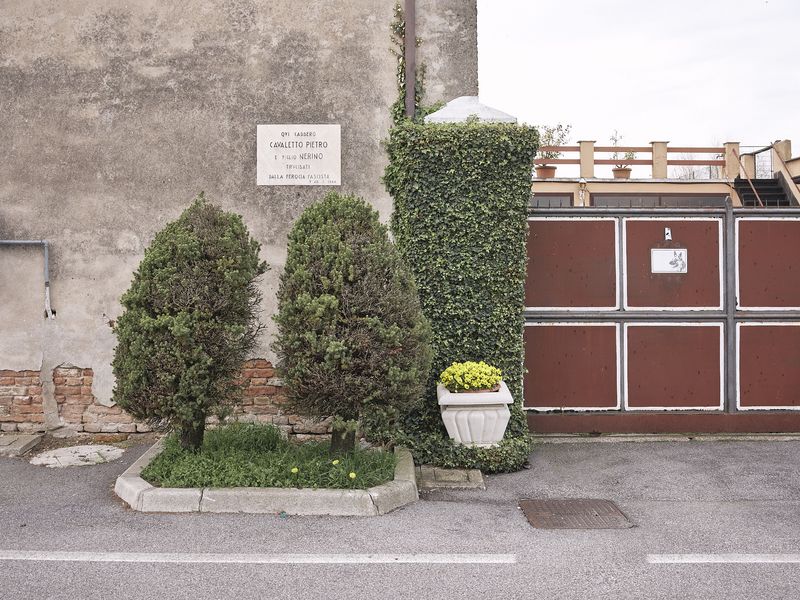
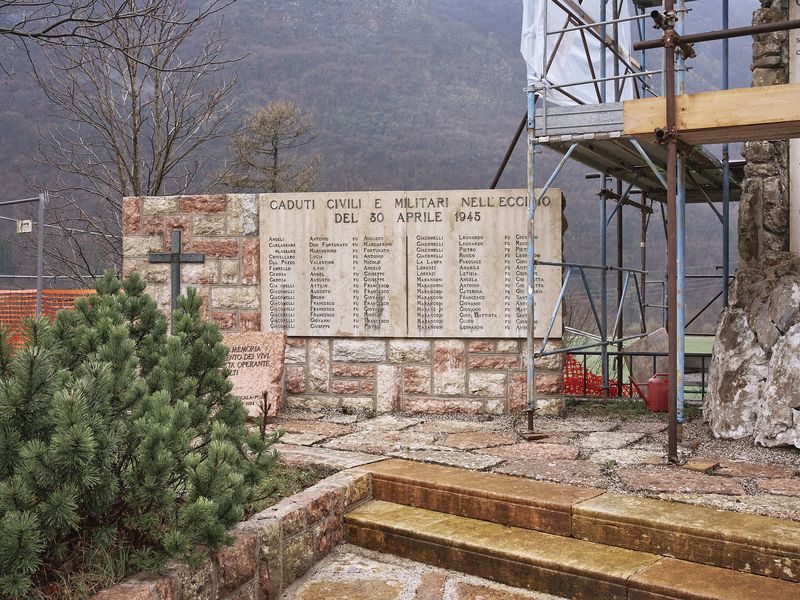
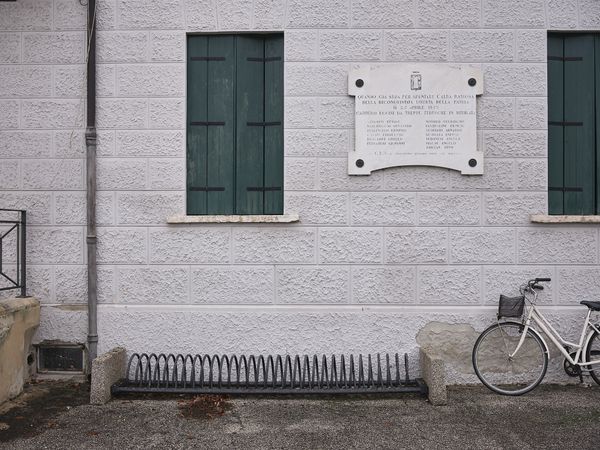
This project was born from that fracture—between what the landscape shows and what it hides. I followed the path of the German retreat, from the Po River to Pedescala, looking for traces of memory. Plaques, stones, memorials: minimal signs, often overlooked, that try to resist time.
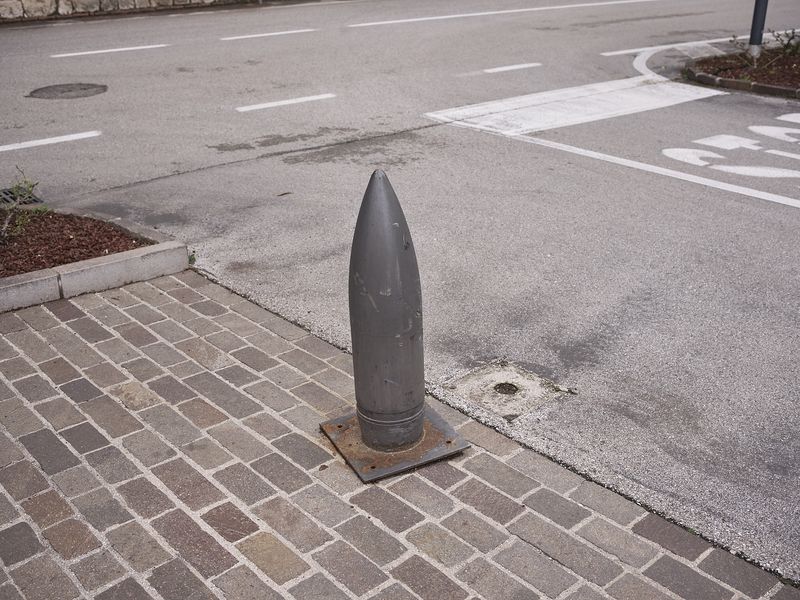
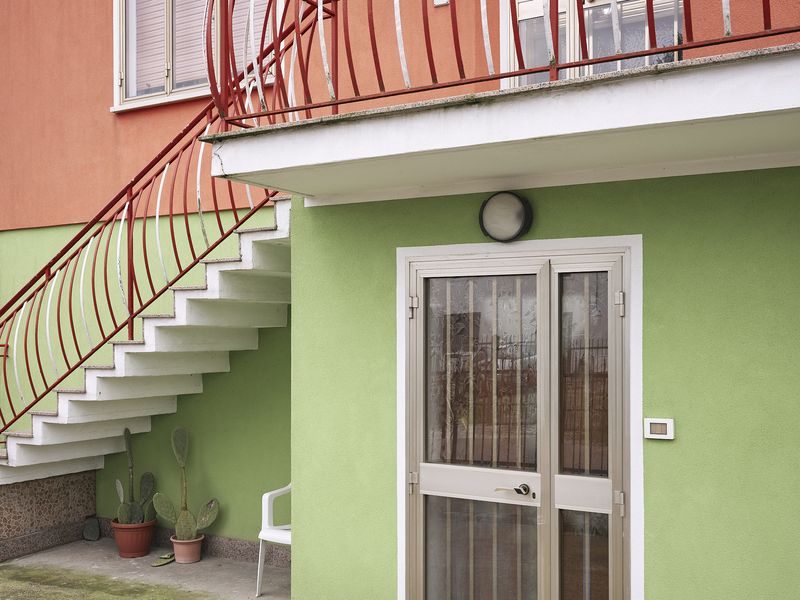
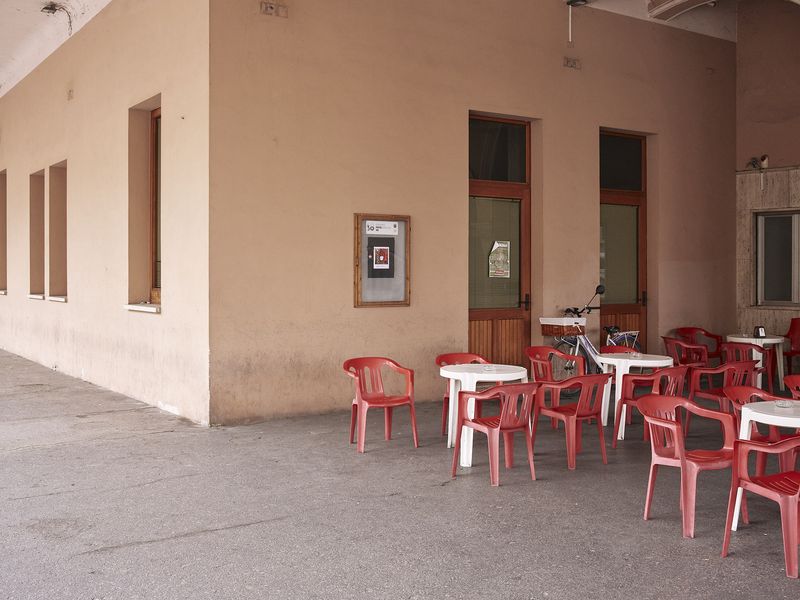
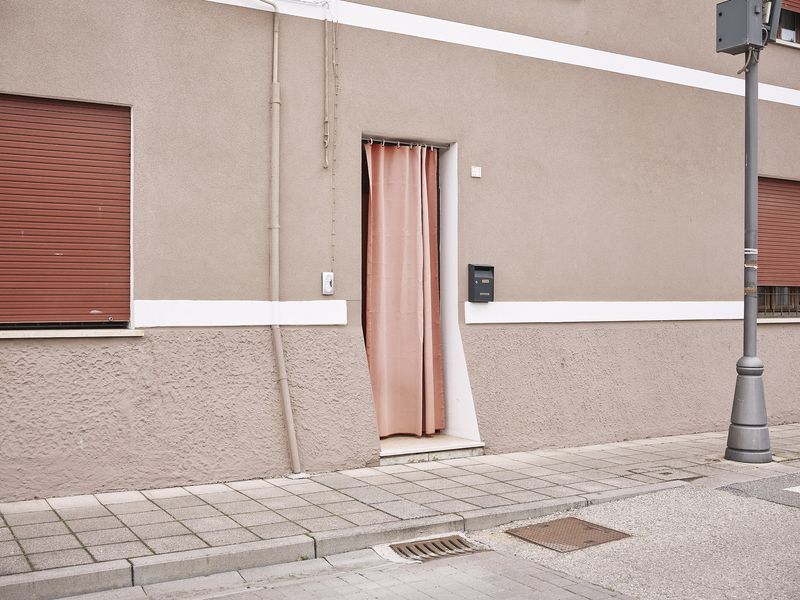
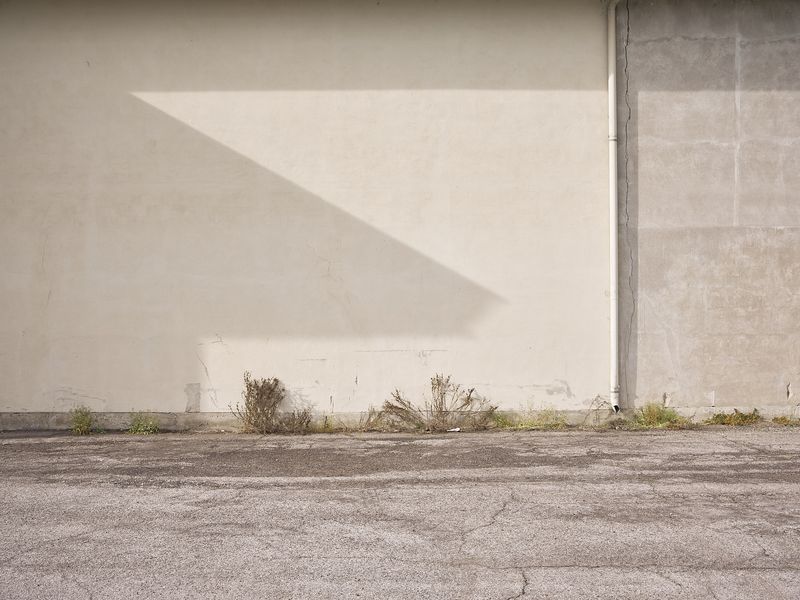
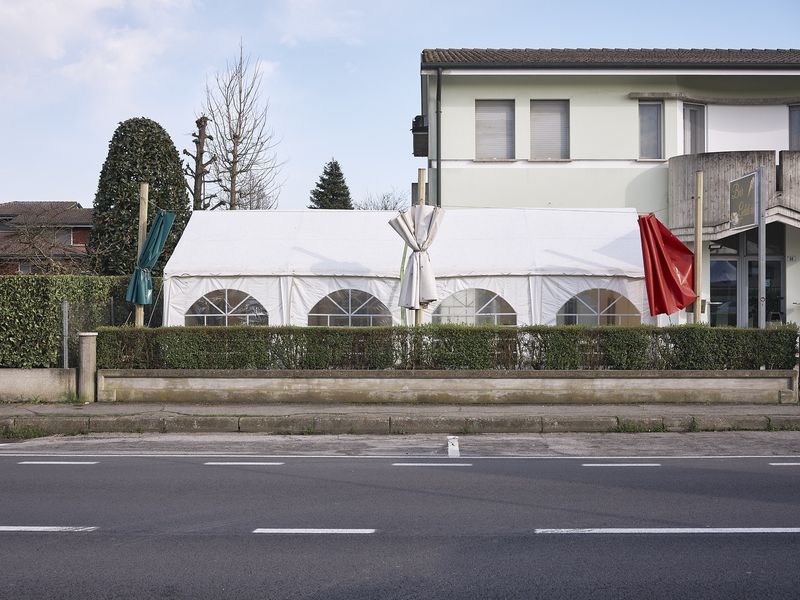
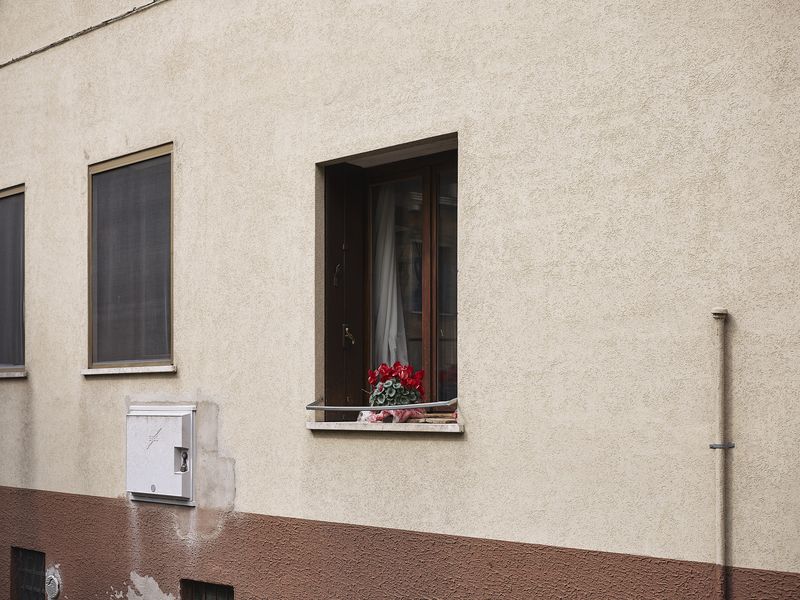
In the book, I wanted to place these two images side by side: on the left, the symbol of official memory; on the right, the landscape of today, near the sites of those crimes. On the left, declared history. On the right, silent history.
It’s not a reconstruction, nor a historical investigation. It’s an exercise in attention—a way to restore dignity to places that risk being seen without being truly looked at.
Because places do speak. But sometimes, we need to be silent to hear them.