I do not want to become my mother

-
Dates2023 - Ongoing
-
Author
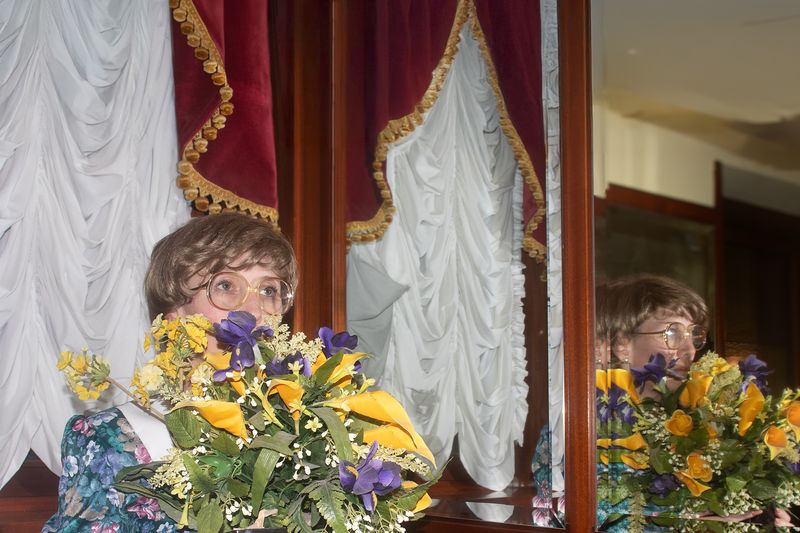
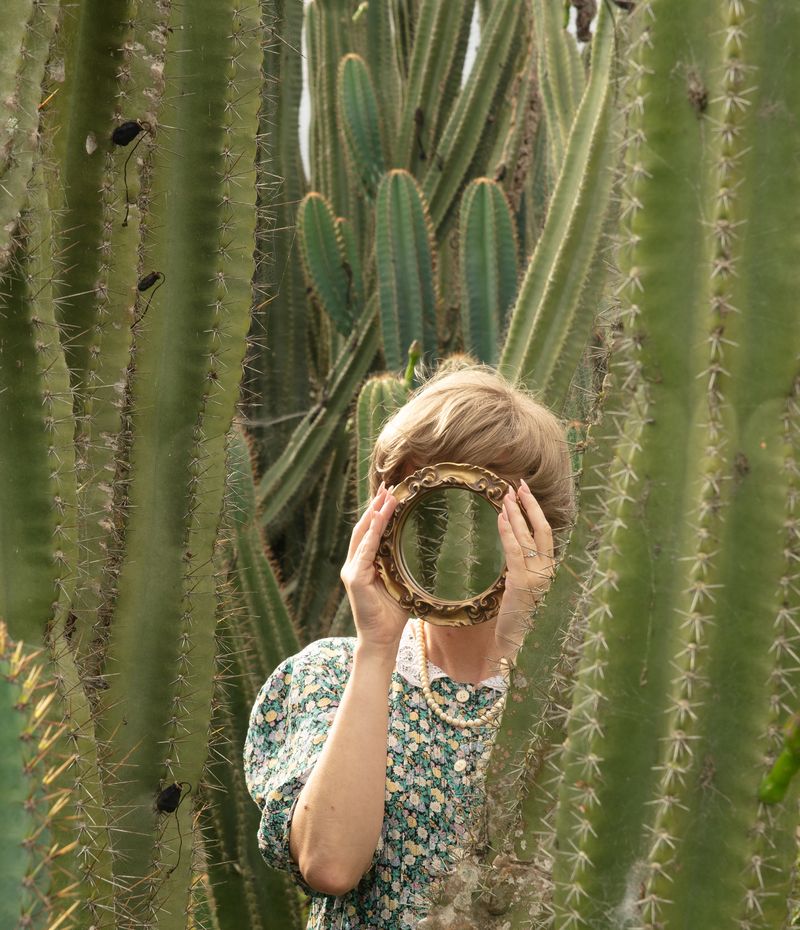
Langenhoven's project "I do not want to become my mother" explores the complex relationship between mothers and daughters, reflecting on societal expectations and limitations placed on women, through archives and performative self-portraiture.
"The paradox of systematically becoming our mothers despite our best attempts not to makes one question the very nature of one of our closest and foundational relationships. It is impossible to count the number of times one thinks or utters the phrase — “I do not want to become my mother.” We are so entangled in that reality that we invariably retain remnants, irrespective of our own best ambitions not to.
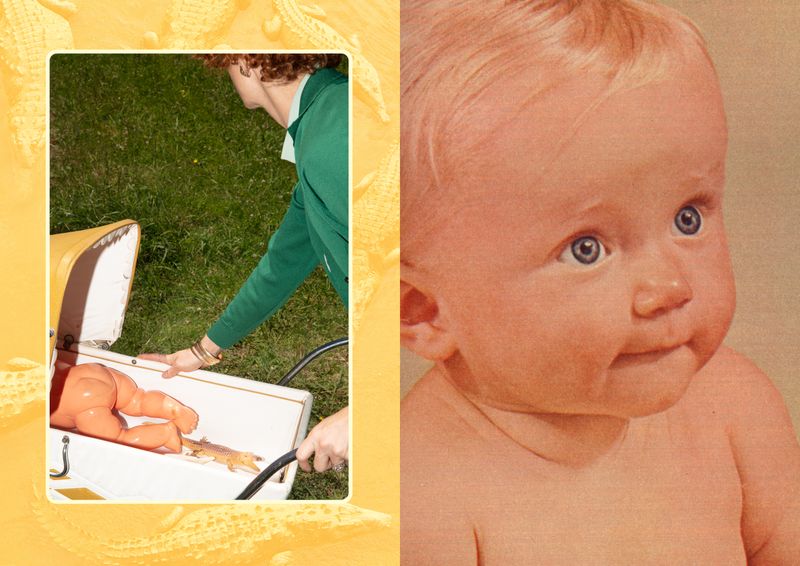
In this work, Stefanie Langenhoven utilises the photobook to stage a visceral deconstruction of inherited identity. The work operates within a liminal, surrealistic space where memory, domesticity, and identity collide....Langenhoven attempts to dismantle the sanitised mythology of mid-to-late 20th-century white suburban domesticity. This personal excavation unfolds against the heavy, unspoken backdrop of apartheid-era South Africa. It explores the fractures of female mental health during the 1970s and 1980s — an oppressive era that structurally and socially compressed women into rigid, performance-based roles...
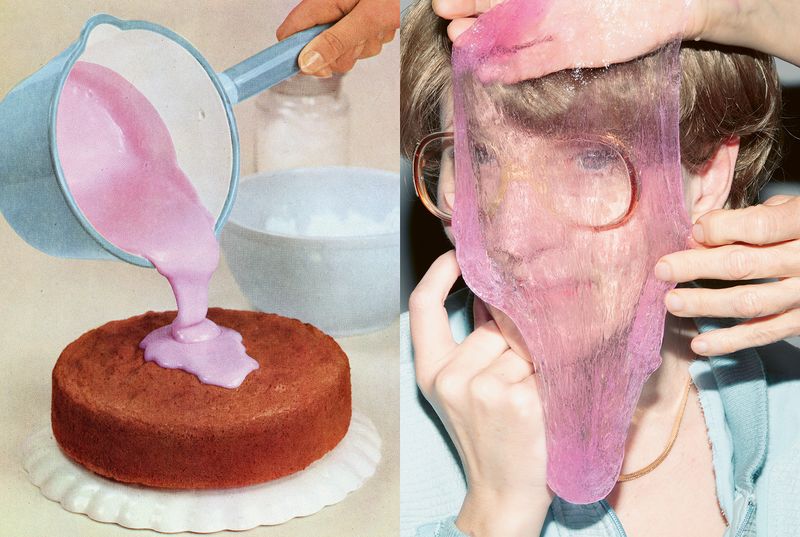
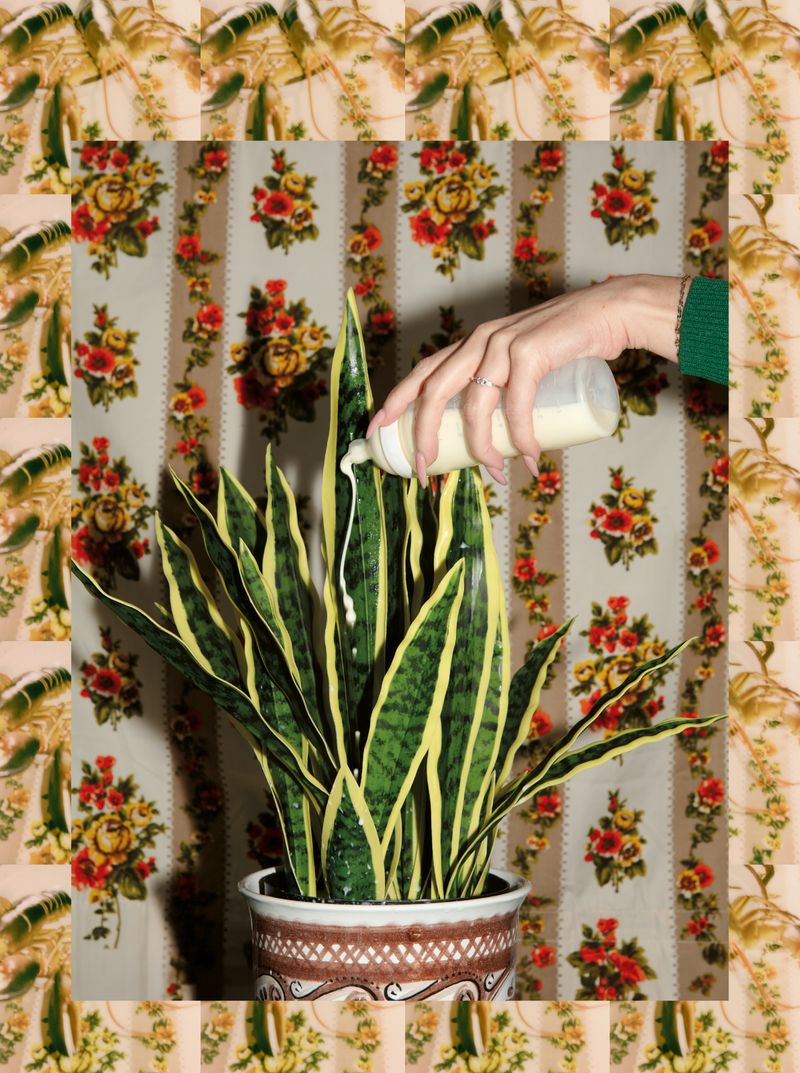
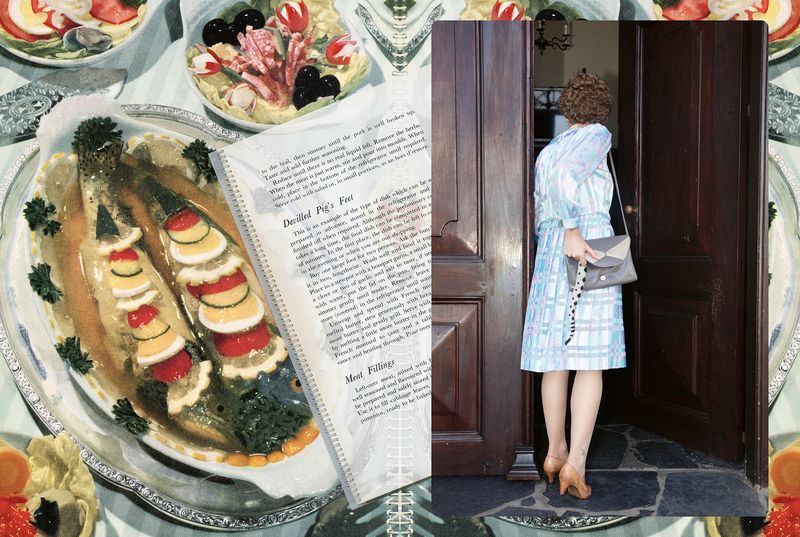
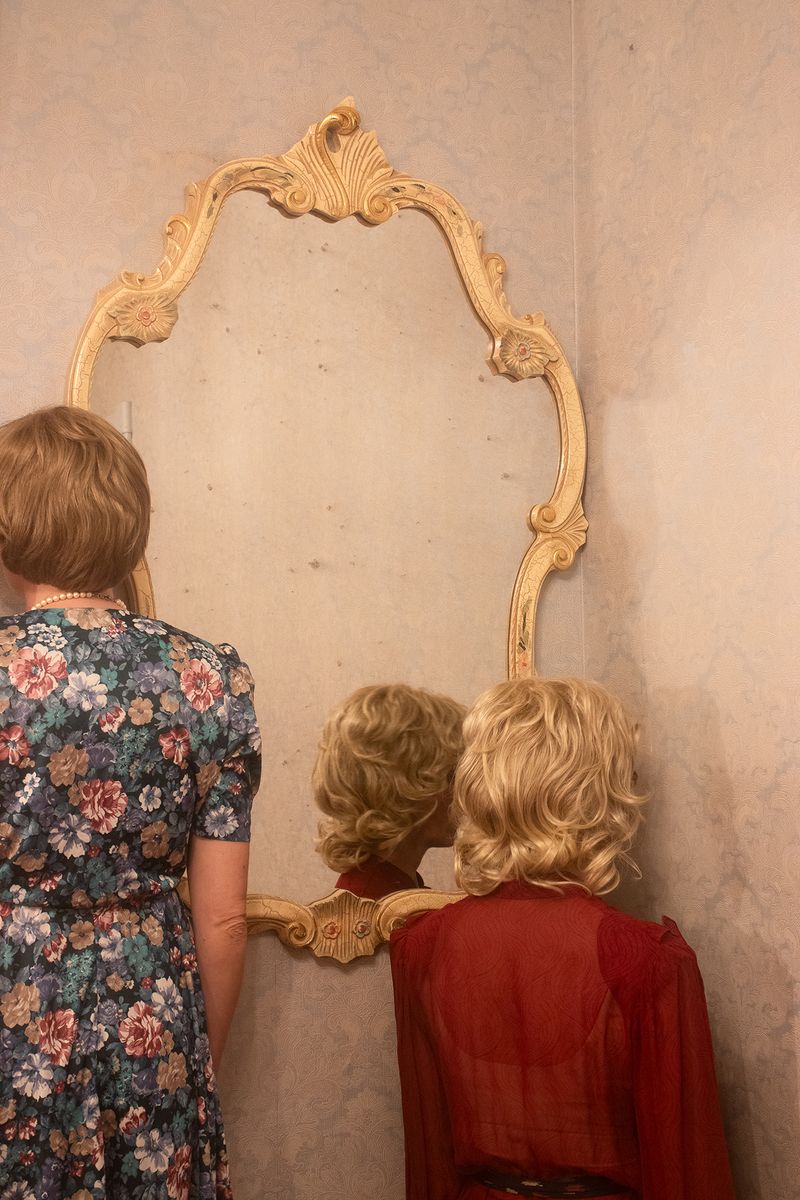
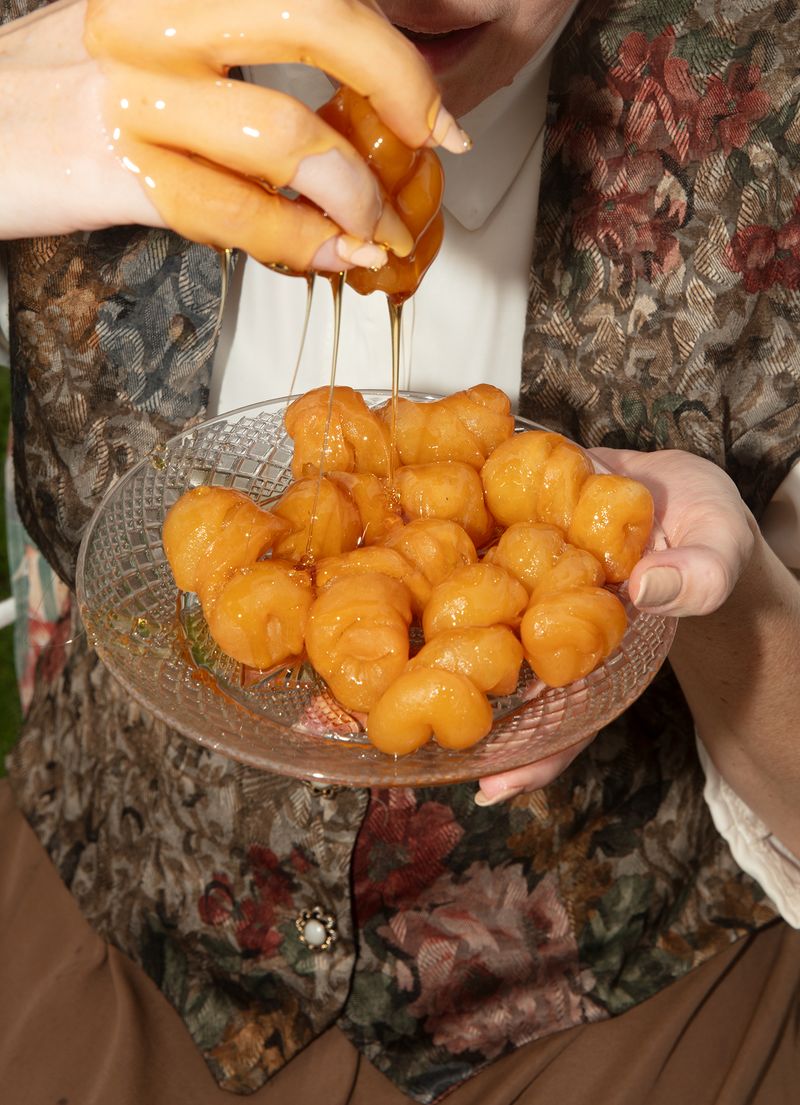
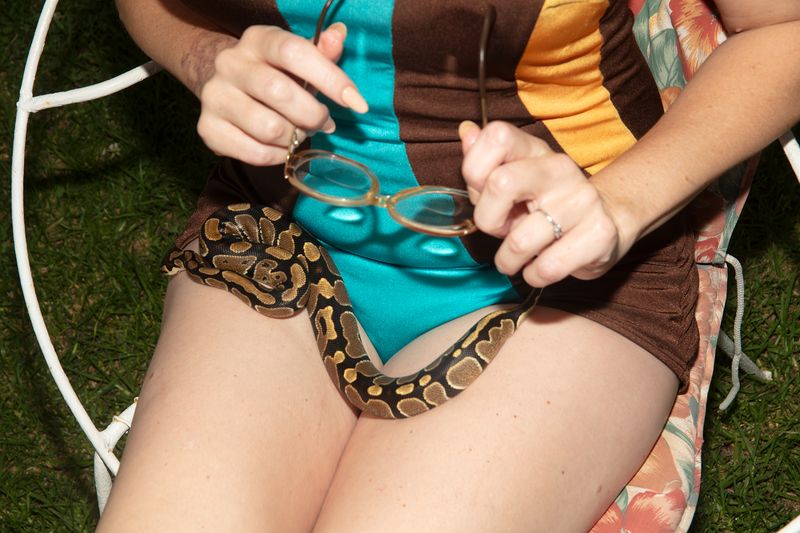
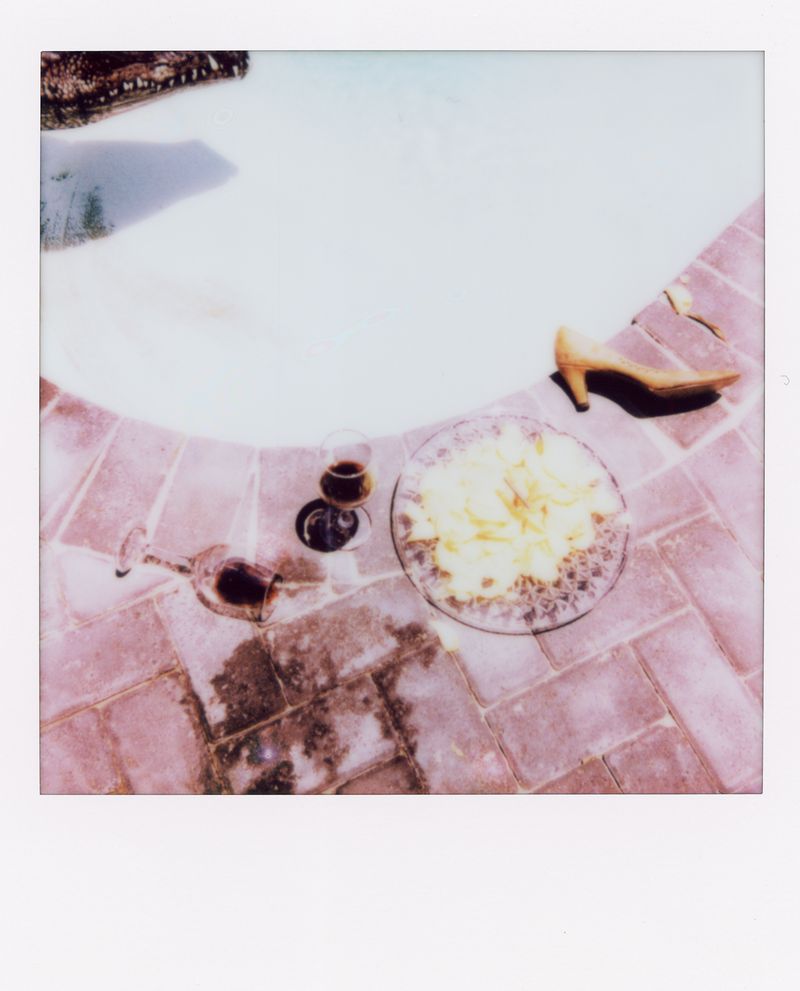
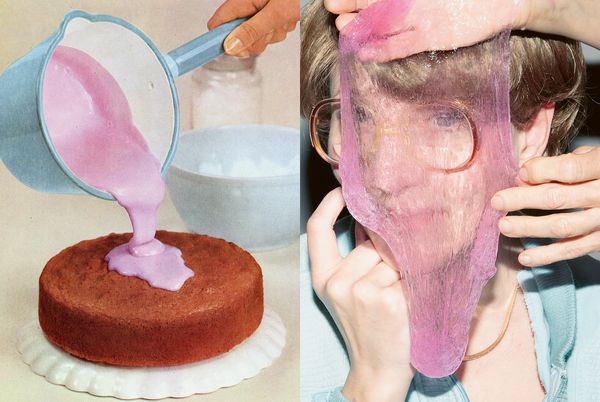
This crack in reality widens through Langenhoven’s use of surreal performative portraiture, where the absurdity of these prescribed domestic scripts is physically enacted. In these frames, the body itself rebels against its surroundings: legs literally disappear down into a gossip table, or she drops her head directly into a plate of jelly. The metaphors externalise the suffocating, messy, and melting realities of the housewife role. The domestic interior becomes a site of absurd physical consumption, where the woman is swallowed by the very furniture and food she is expected to manage....
Now occupying the dual position of daughter and mother, Langenhoven uses the camera not to judge past eccentricities, but to perform a radical act of empathy and individuation. By stepping into the frame and submerging herself in the surreal, she directly confronts the quiet anxiety of maternal replication. She stands inside the spaces of domestic history, yet by making those spaces visible, she shifts their power. The work uses the sequential nature of the photobook to gently break a generational echo chamber, confronting the ghosts of a highly specific past to author a self-determined autonomy for the future." Excerpt of the foreword by Michelle Loukidis, founder of Through The Lens Collective from my photobook "I do not want to become my mother"
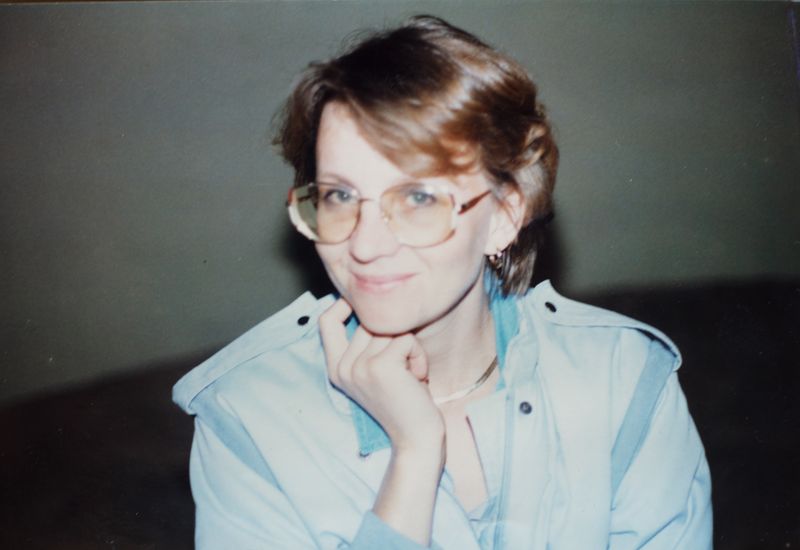
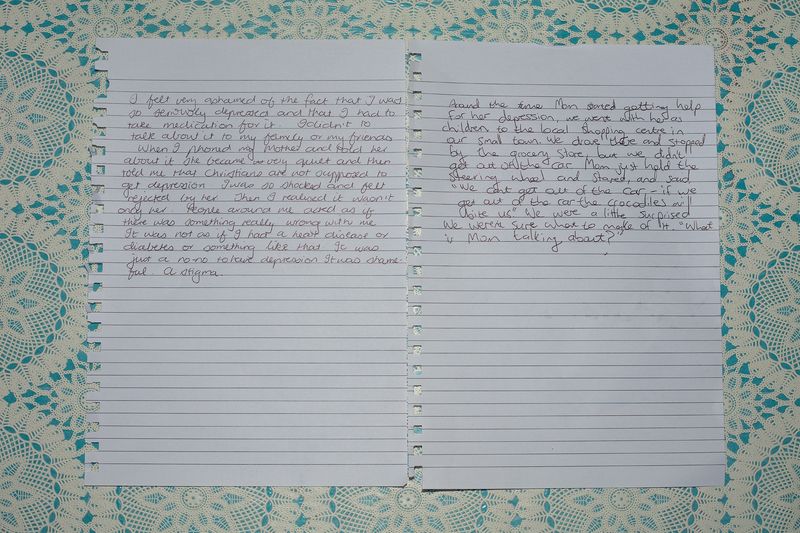
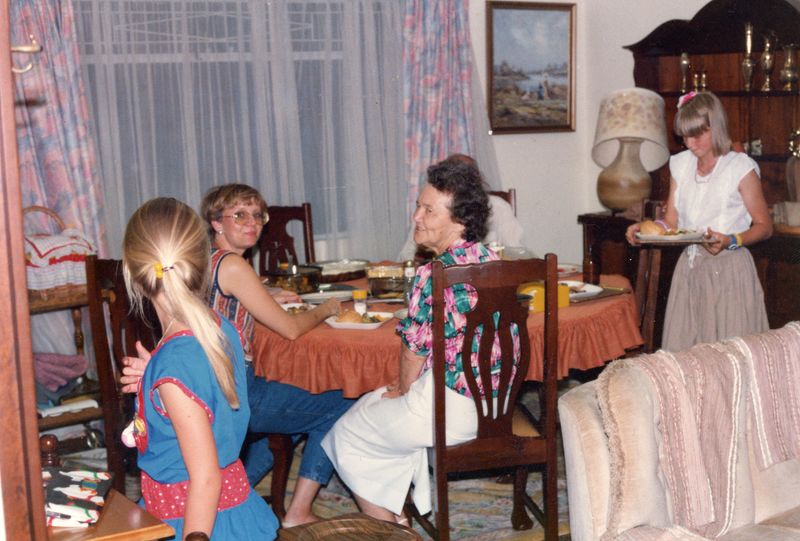
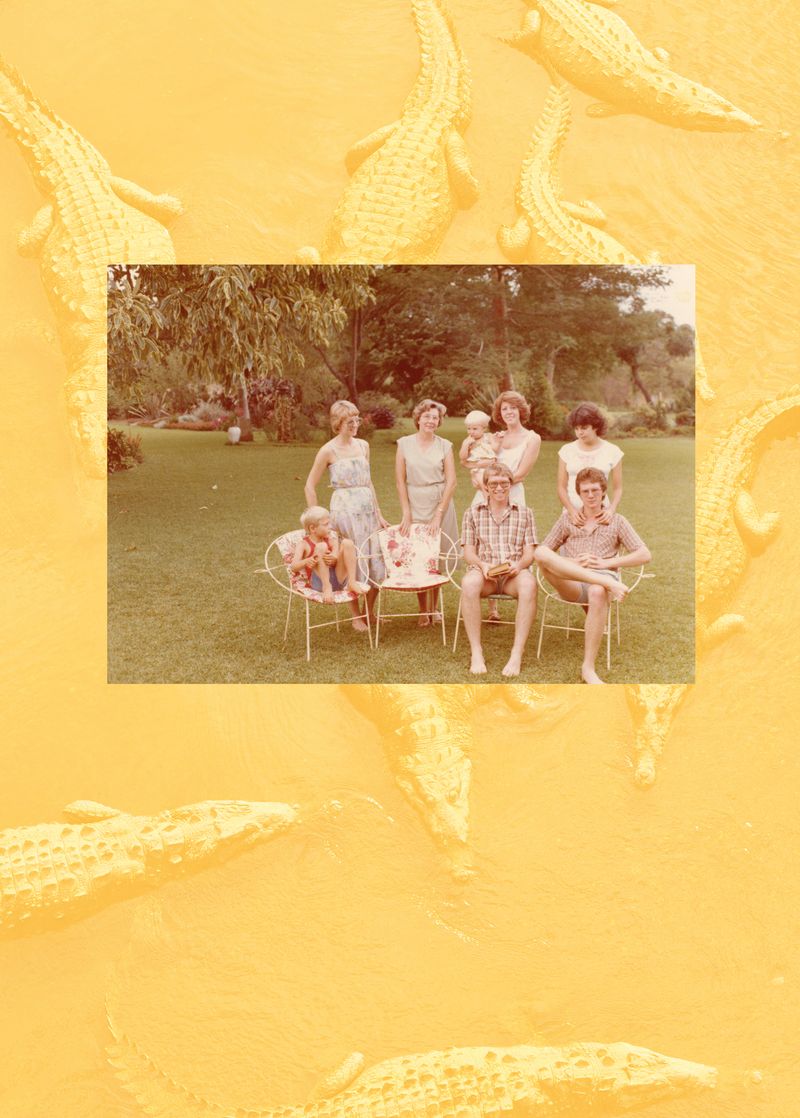
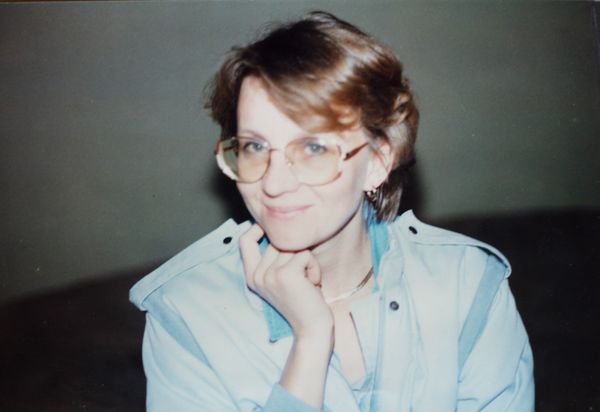
My project "I do not want to become my mother" is a deeply personal exploration of my complex relationship with my mom, shaped by the societal expectations and limitations placed on women in my culture which was largely based on toxic patriarchy. Growing up in apartheid-era South Africa, she was expected to prioritise her role as a mother and caregiver, suppressing her own artistic aspirations and political views. Being a child, I was oblivious of the turmoil our country was going through at the time. As I grew older, I began to see the toll this took on her, and from a young age I witnessed it all culminating in a debilitating depression that made me fear I'd follow a similar path.
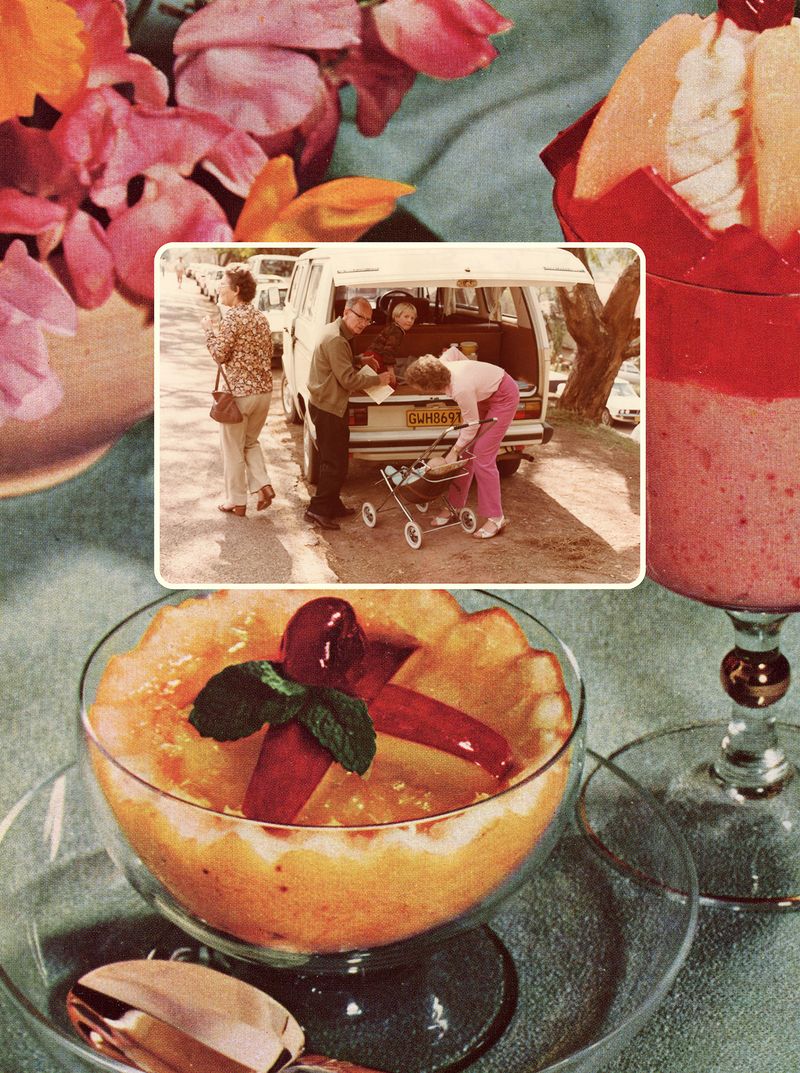
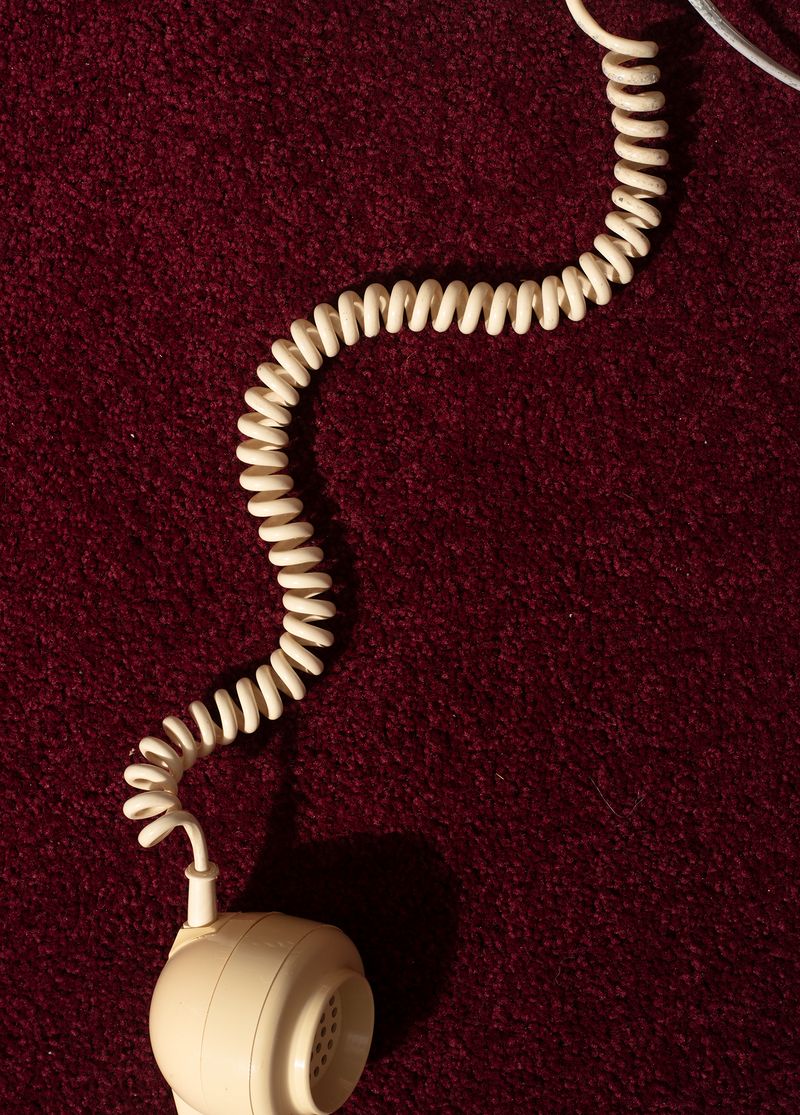
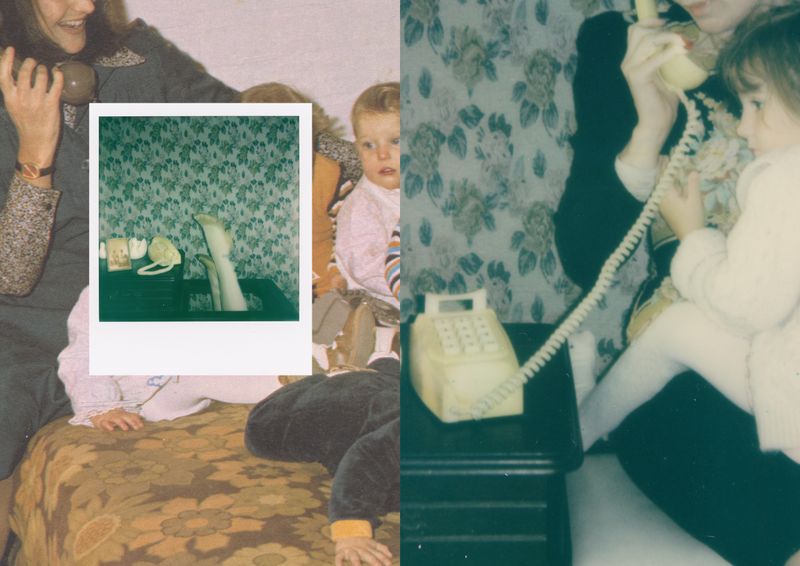
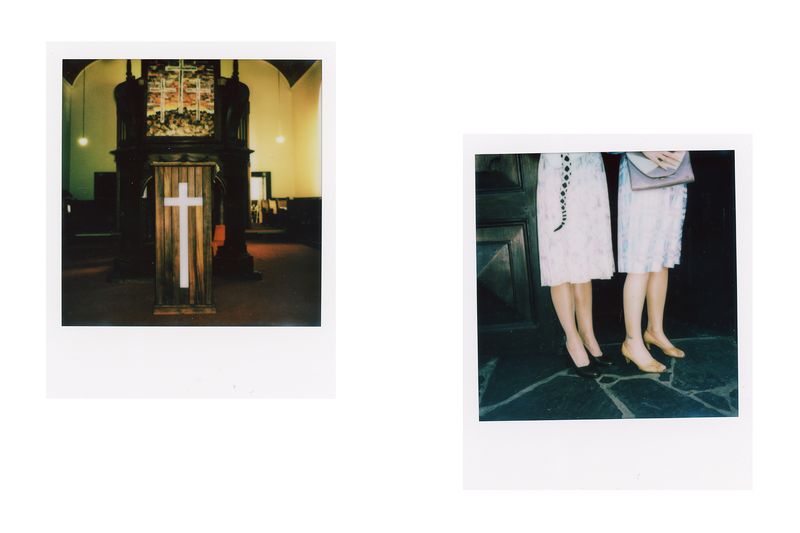
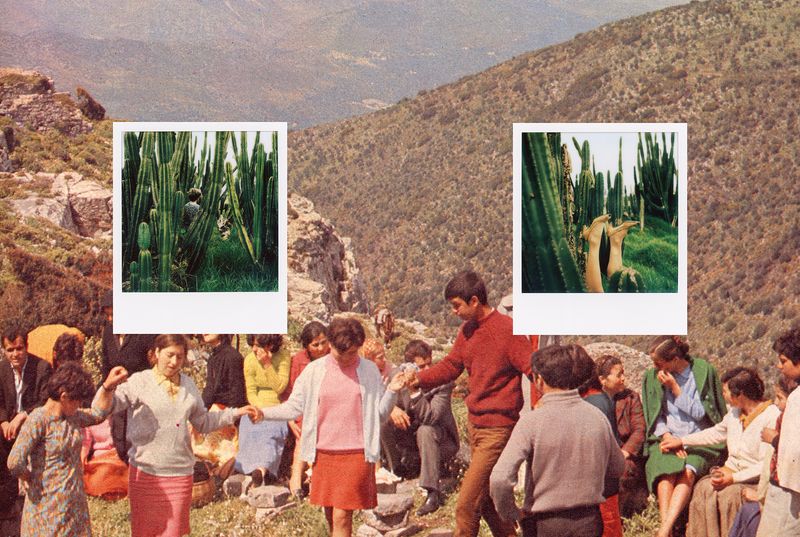
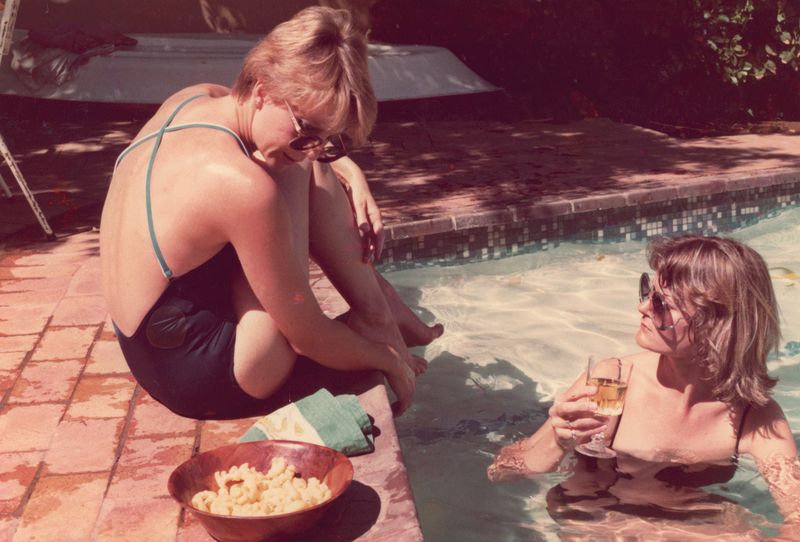
I realised that what happens between mothers and daughters is often a reflection of the broader societal context – the way women are valued, the roles they're expected to fulfil, and the dreams they're discouraged from pursuing. My mother was expected to carry this generational trauma, and often she was made to feel silenced, she simply had to acquiesce to what was expected of her, and so this was my role model as well. We spend our childhood watching our moms, soaking in how she thinks, how she feels, how she behaves and does things, and particularly how she feels about herself. Through this project, I'm trying to understand my mom's experiences, and my own, by reimagining memories and exploring our relationship through archival family photos and performative self-portraiture. The archival images depict a sense of normalcy, when things were far from normal. By working with my mom and involving her in the process, I'm slowly uncovering the complexities of our bond and the ways in which our experiences are intertwined.