Human Geography

-
Dates2010 - 2026
-
Author
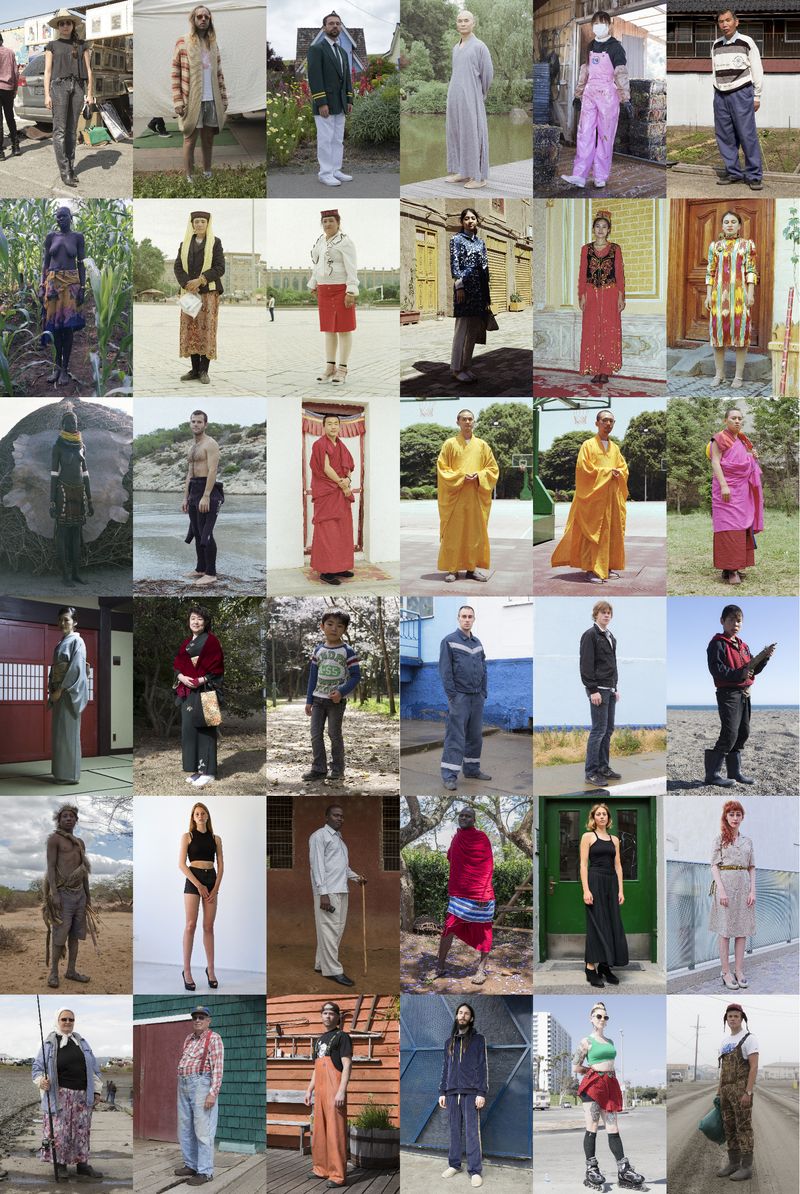
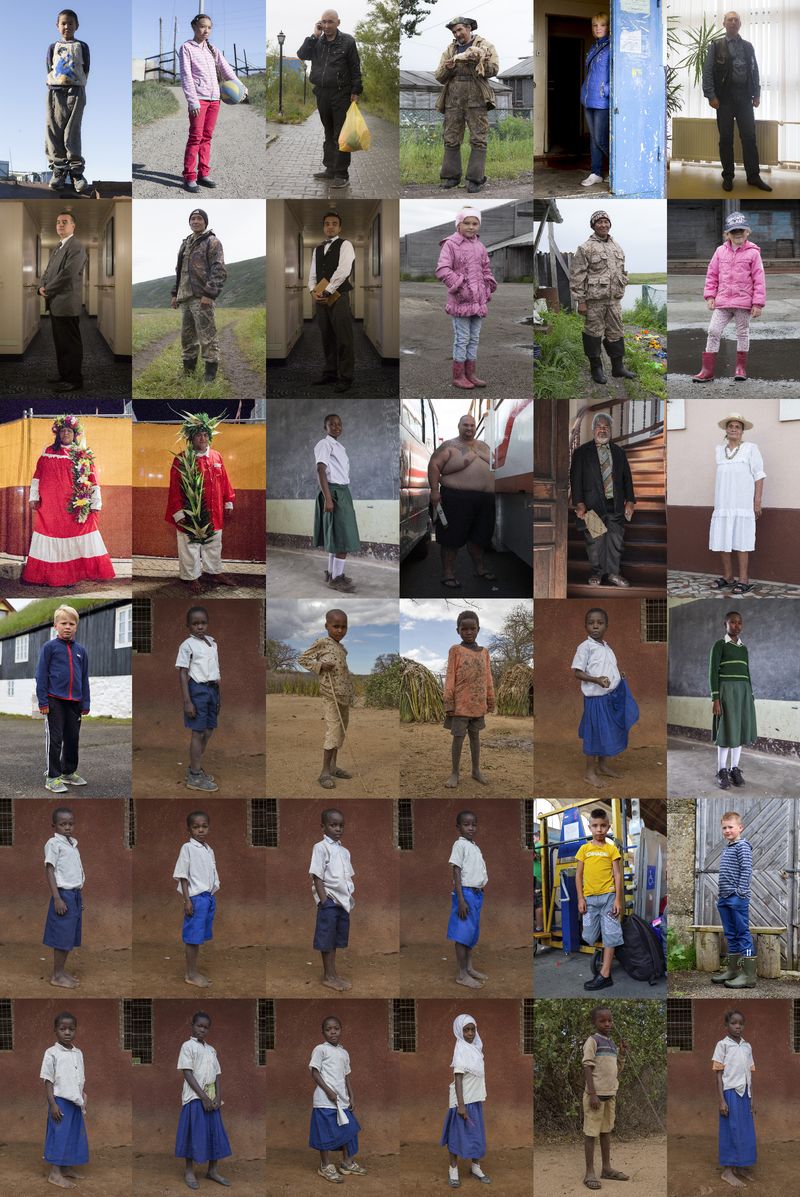
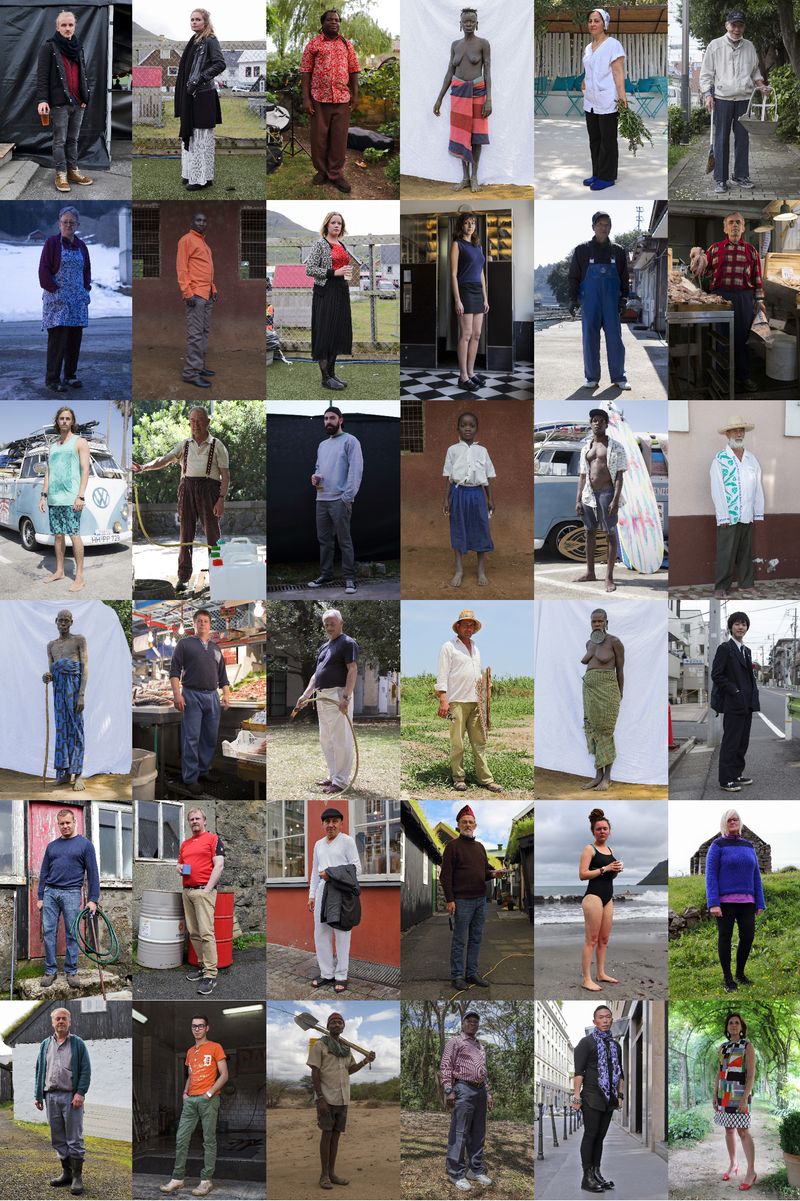
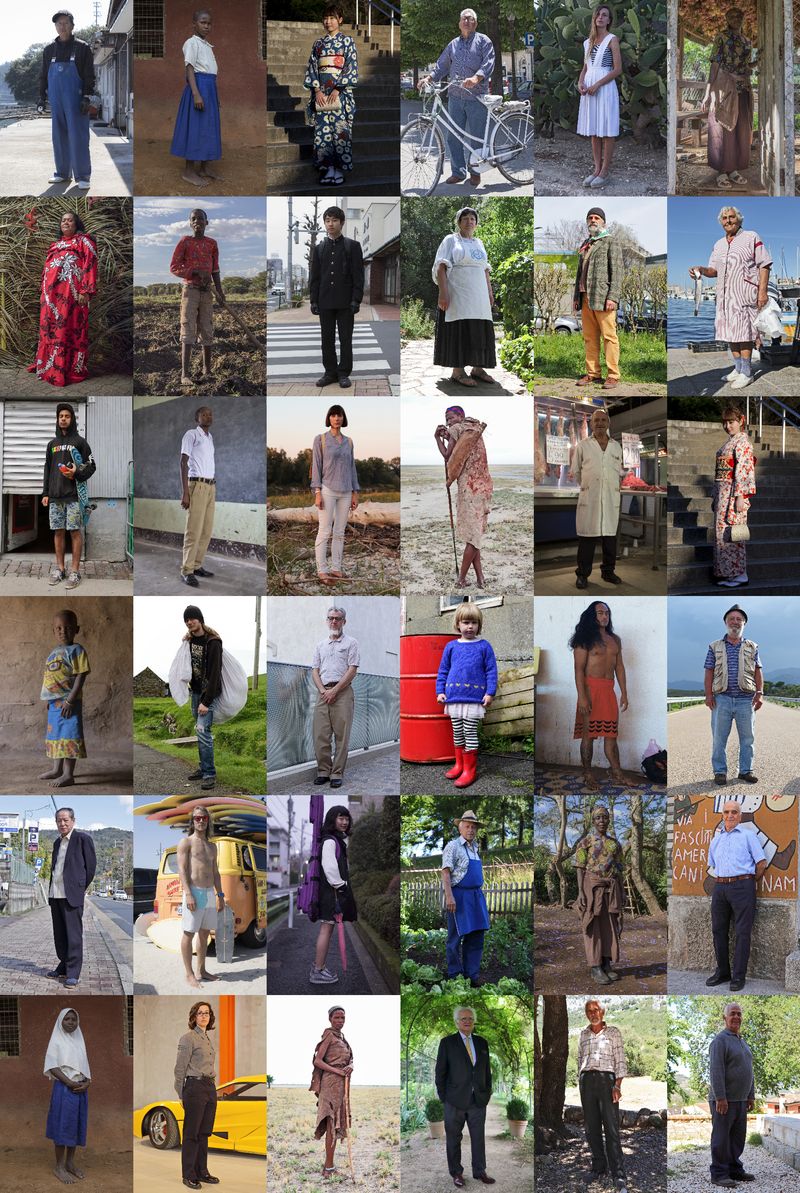
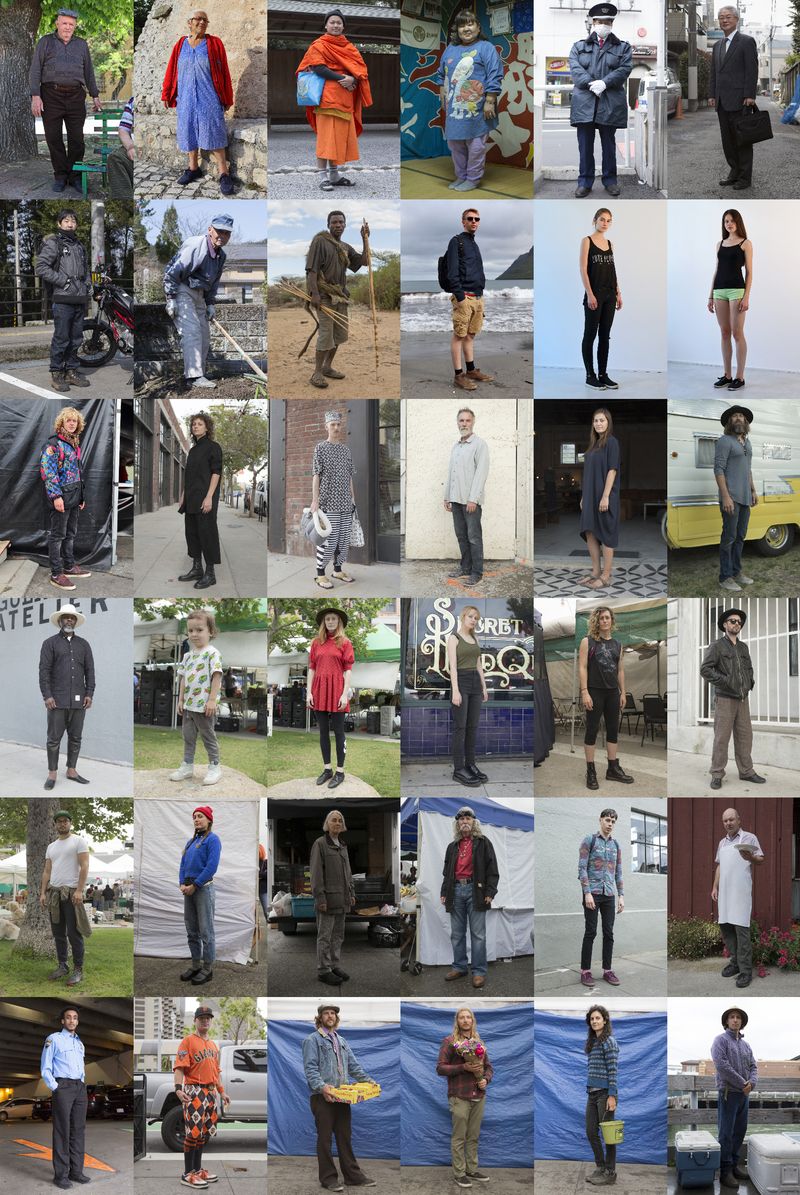
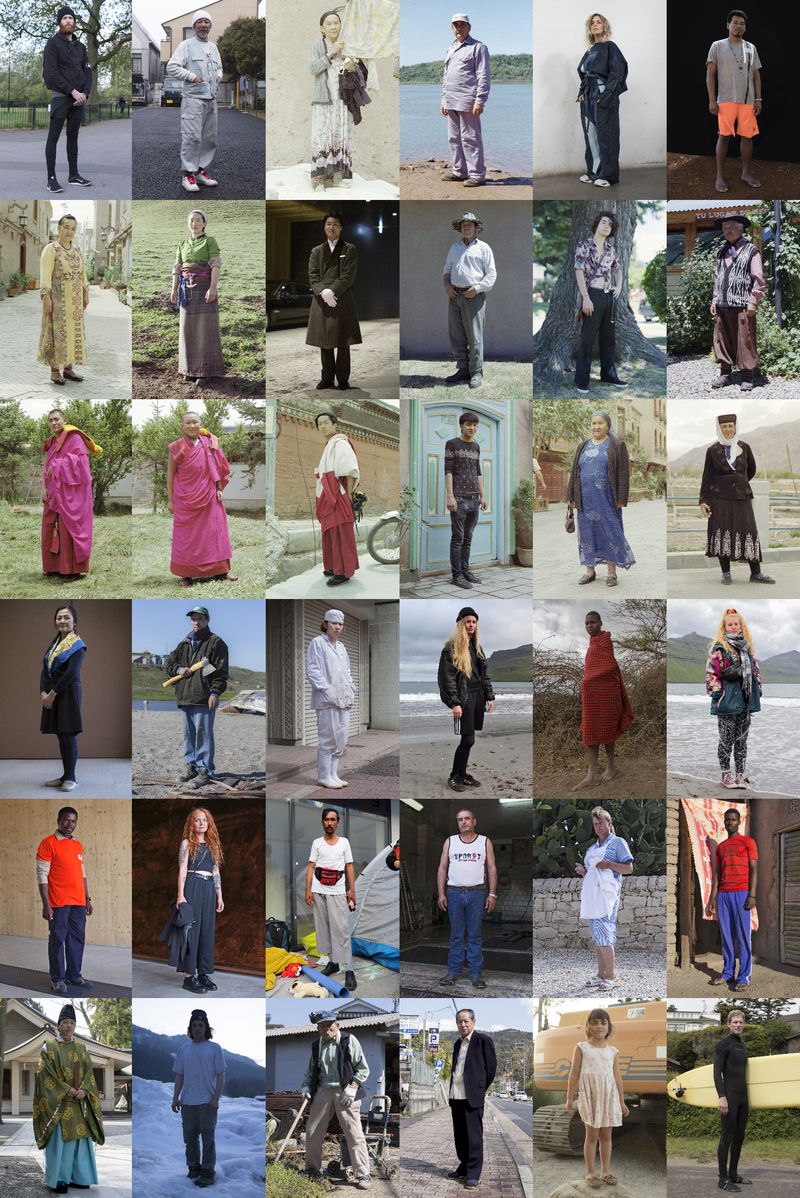
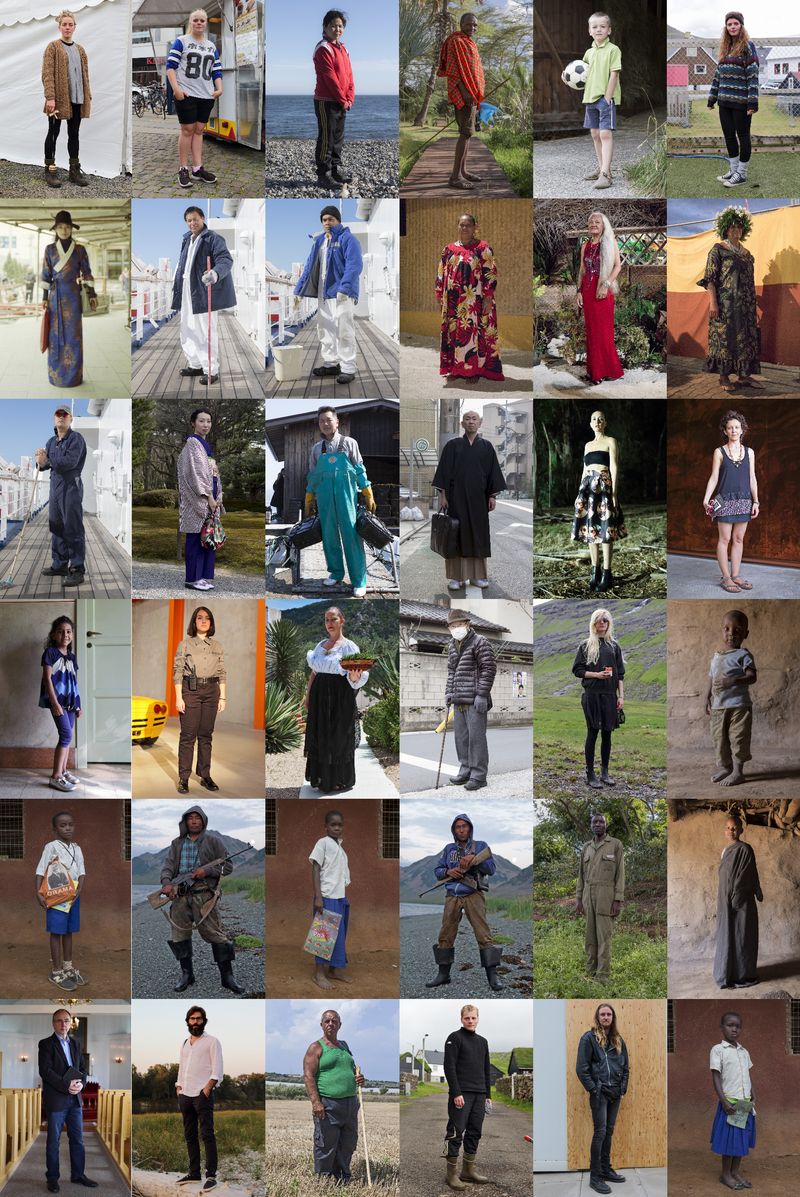
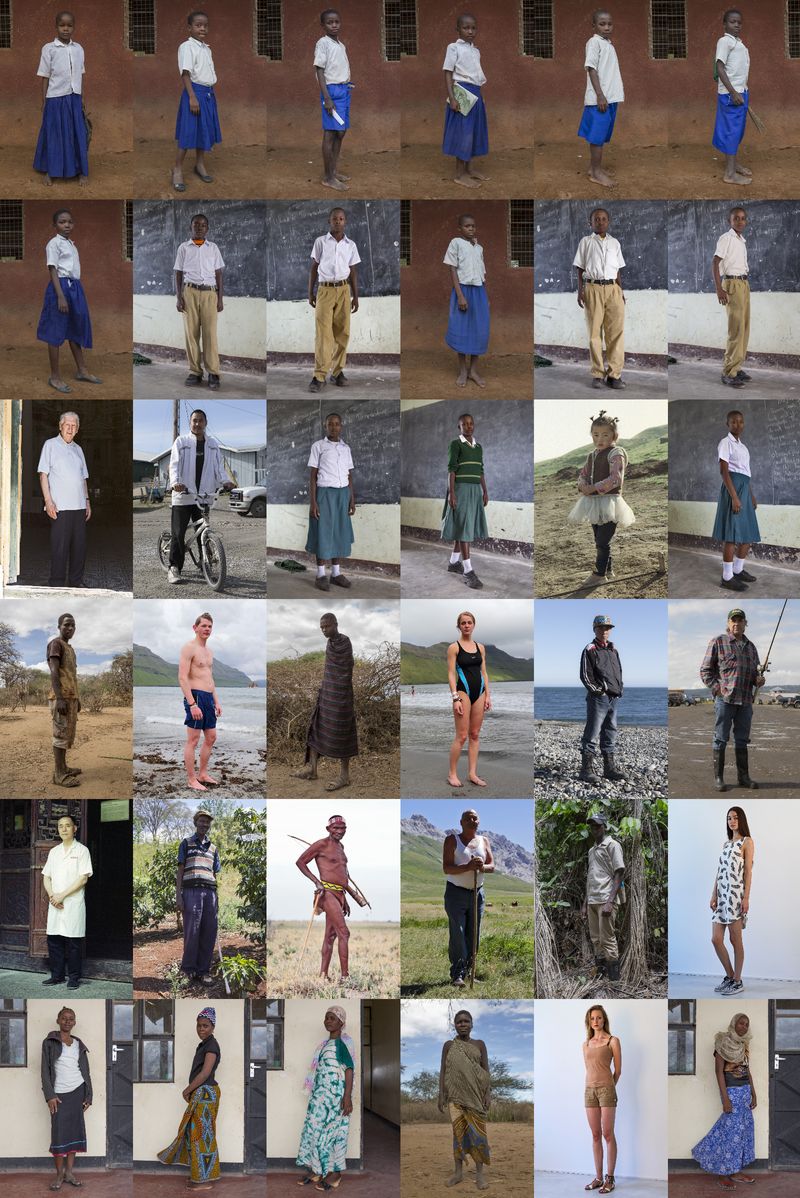
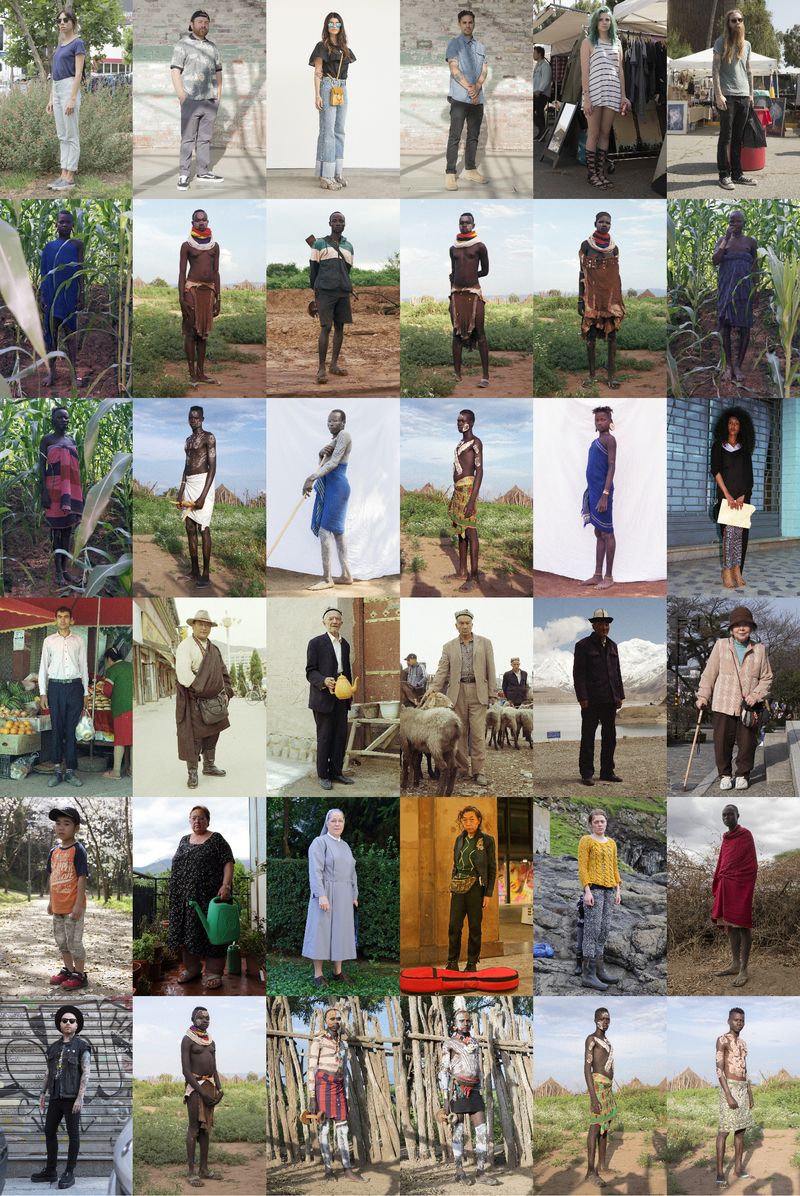
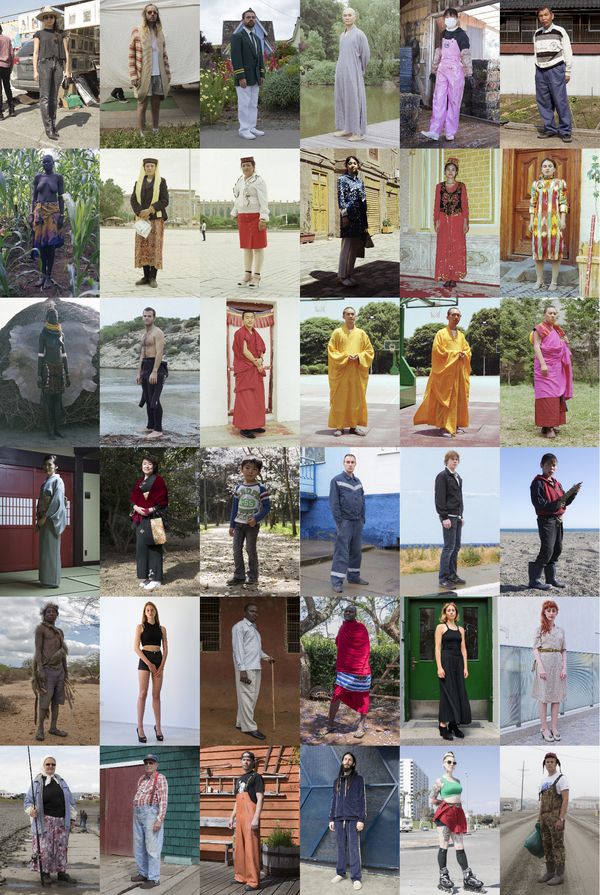
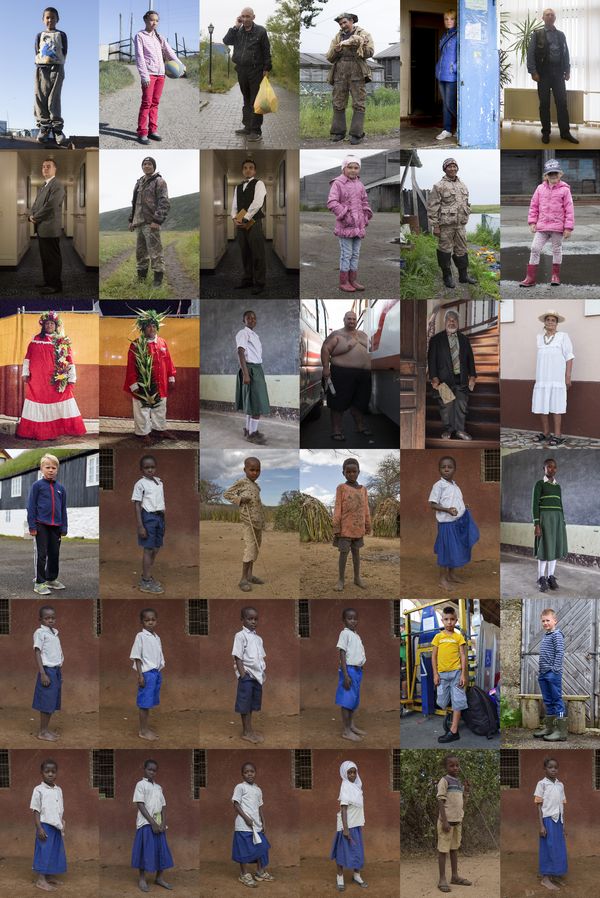
The project examines human mobility amid global crises, questioning borders, identity, and the stability of the nation-state.
Why do humans travel and who is allowed to move? These movements, resulting from ever more numerous economic, climate, political and environmental crises, undermine the concept of state as we have known it.
For political scientist Parag Khanna, mass migrations are inevitable and necessary. We can no longer take it for granted that there is any stable relationship between the levels of nature (where water, energy, mineral and food resources are found), politics (where the territorial boundaries outlining states are found) and economy (where infrastructures and industries are found). We are talking about the main forces that have determined human geography over the past thousands of years. Over the coming decades, whole overpopulated regions will be abandoned and many depopulated areas (such as Canada and Russia) will fill up with people. Politically, we are not ready for this mass displacement.
In 2045 half of the population in the United States will be Black and Hispanic. What dialogue will there be between those who want to apply nationalist policies and those who instead want to feel border-free?
What is the state’s role now that borders are more physical than mental? What of the other are we willing to tolerate? Philosopher Umberto Galimberti recommends that we start thinking of a planetary ethics and considering all living beings under the biosphere, including animals and plants, in the same way.