How To Tame A Wild Tongue
How to Tame a Wild Tongue confronts the silencing of Tamazight by colonial assimilation and cultural erasure. Using fragments and absences, the work forms a counter-archive of endurance and survival.

Tamazight lives in my mother’s voice, but no longer fluently in mine. At the age of ten, I let go of my ancestral language without knowing it would remain with me like a shadow… a silence that has shaped my identity as much as any word I learned to speak.

This project begins in that silence and moves outward into history: Born in the Netherlands to Amazigh parents, I grew up fluent in the languages around me yet distanced from my own. That loss is both intimate and structural: a result of colonial systems that fractured generations, reshaped language use, and left lasting traces on cultural expression.

Like a language quieted, a memory can be erased, overlooked, or reshaped (not only through forgetting but through historical circumstances that limited its visibility).

In Morocco, Tamazight held a reduced role in public life for much of the twentieth century: it was largely absent from schools during French and Spanish colonial administration, and was formally recognised as a national language in the 2011 constitution. Implementation has continued gradually across public institutions and educational settings.

These histories of silence shape both public life and private experience. My family left Morocco within this broader context of social and economic difficulty. I inherited Tamazight not as fluency, but as interruption; a quietness that unsettled my sense of belonging and eventually became central to my work.

How to Tame a Wild Tongue gathers fragments of memory, erased slogans, unfinished houses, and landscapes marked by absence to form a counter-archive. Rather than restoring what has been lost, the project embraces incompleteness as a form of persistence, insisting that what remains - fractured and fragile - is still alive, still meaningful, still carried forward.

© MAryam Touzani - Image from the How To Tame A Wild Tongue photography project
i

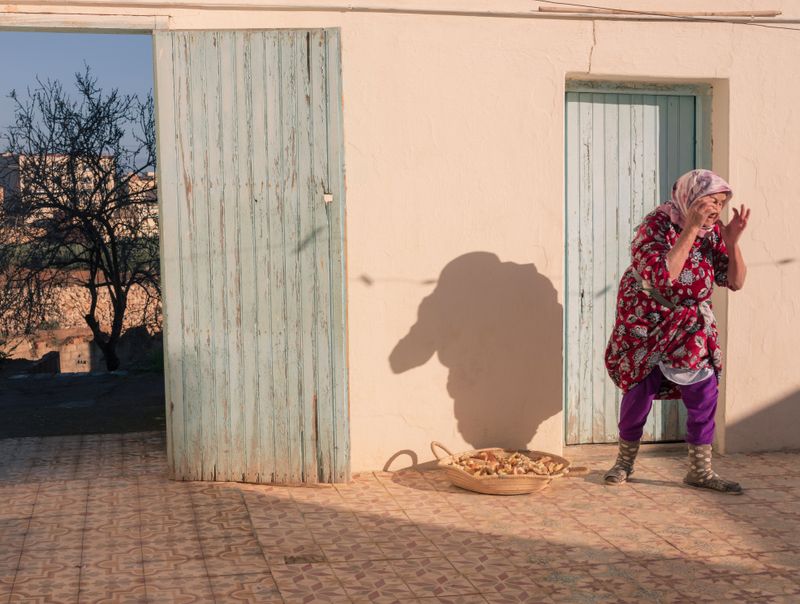
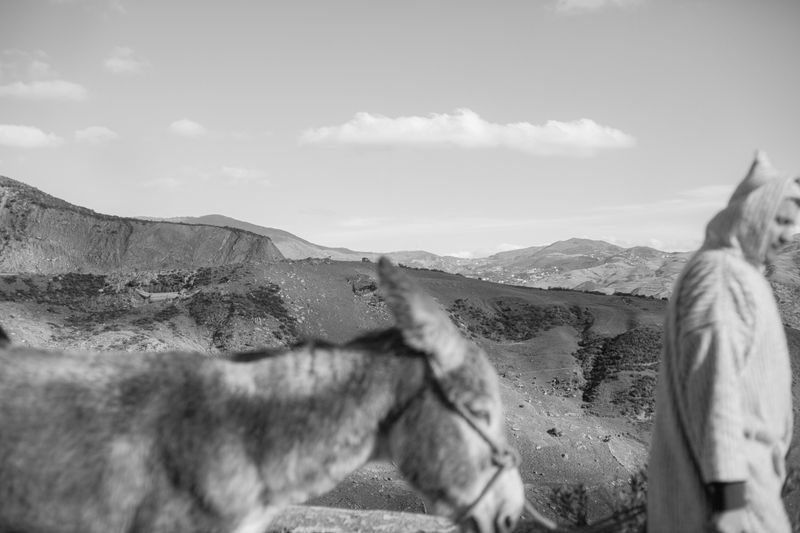
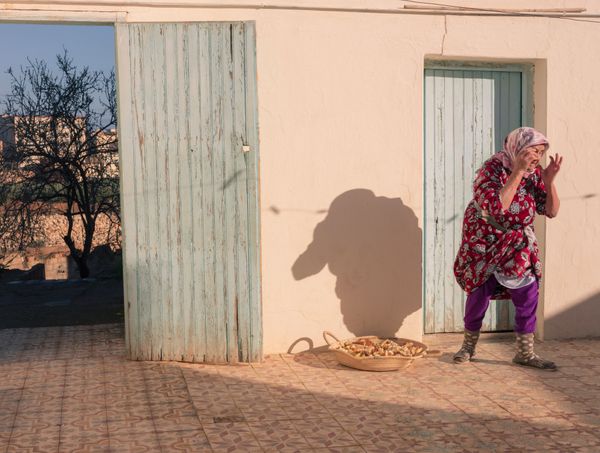
My grandmother at the doorway of her house in the Rif. Her voice carries Tamazight, the language I can no longer speak. This opening gesture ties me back to what was passed down, fractured, and nearly erased. A reminder that history begins in the home, in voices and gestures that resist disappearance

© MAryam Touzani - Image from the How To Tame A Wild Tongue photography project
i

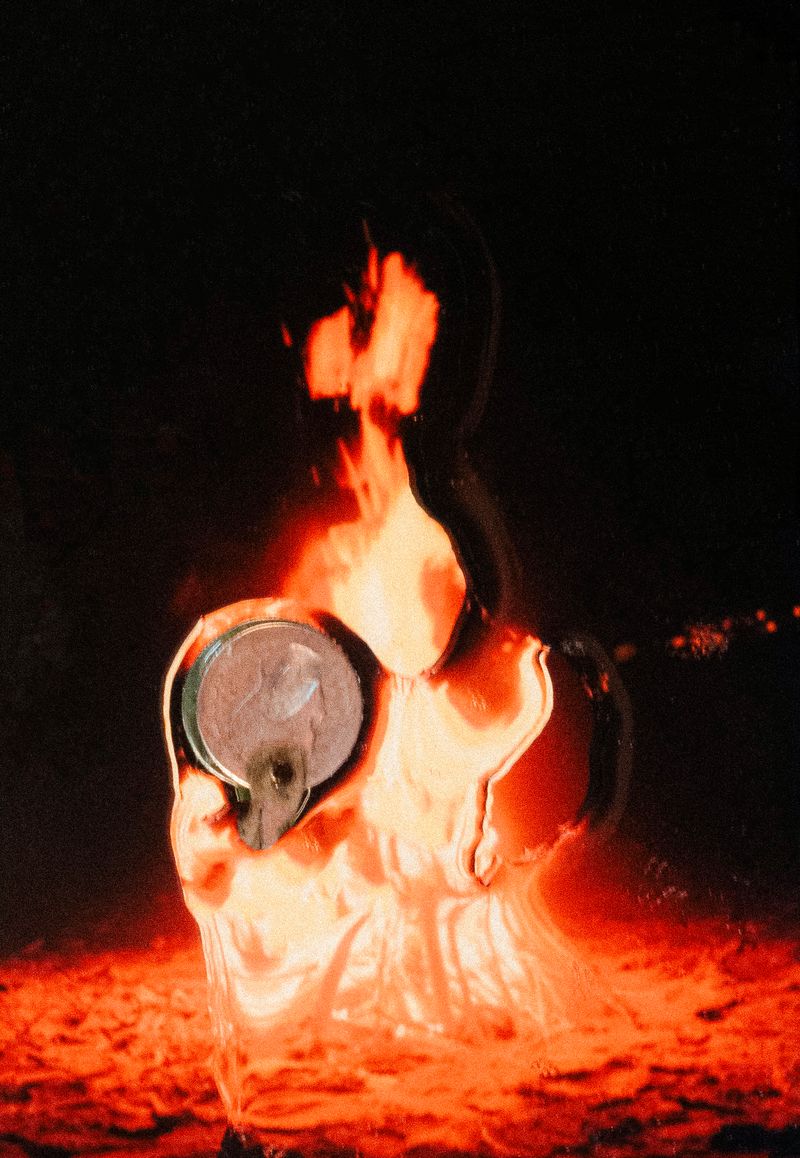
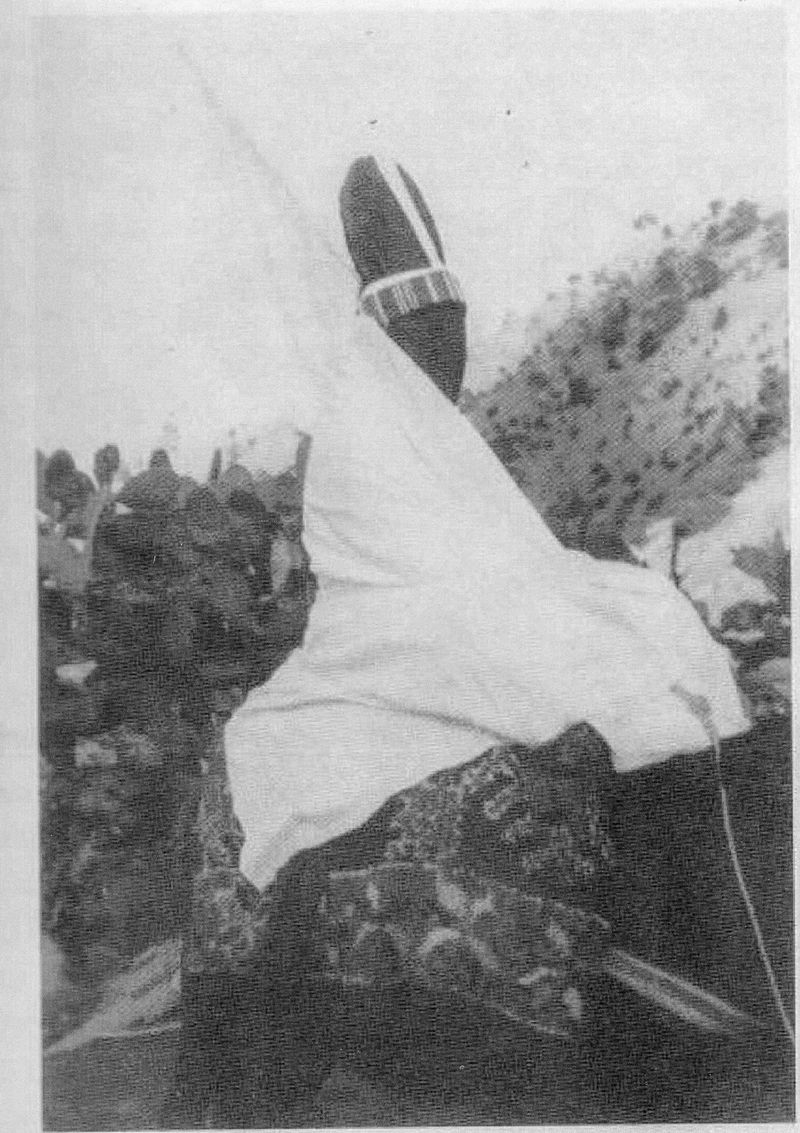
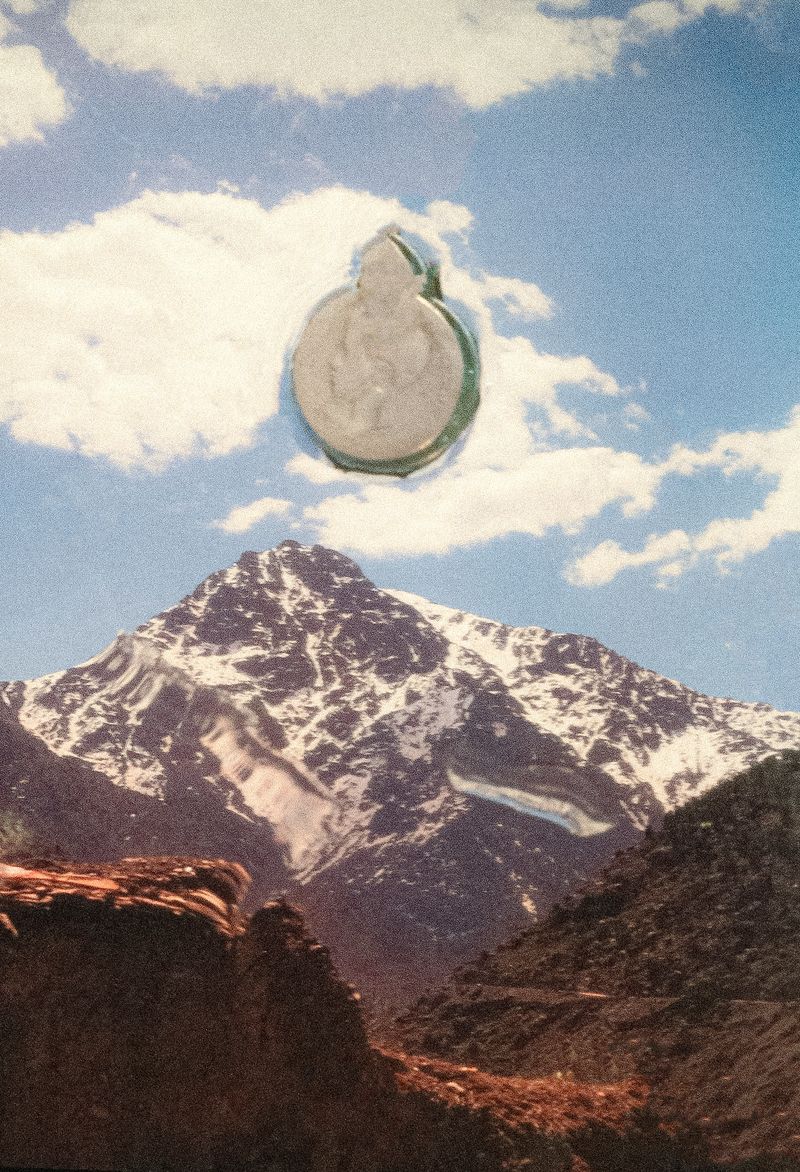
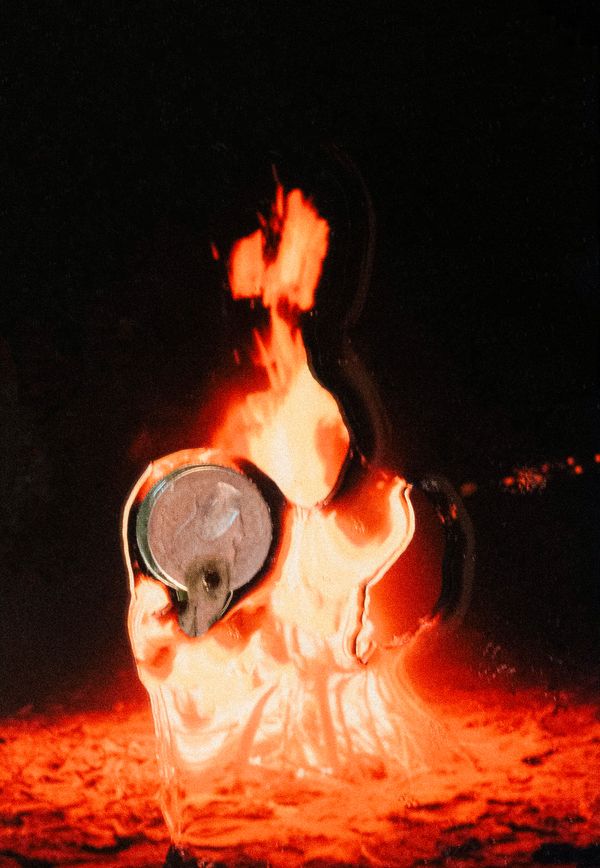
This collage merges an archival photograph with my family’s heirloom Amazigh necklace, made from Spanish colonial coins. In Amazigh culture, coin jewellery carried wealth, identity, and belonging, passed through generations as both adornment and survival. Burned and reassembled here, it shows how even fractured histories still hold meaning.

© MAryam Touzani - Image from the How To Tame A Wild Tongue photography project
i

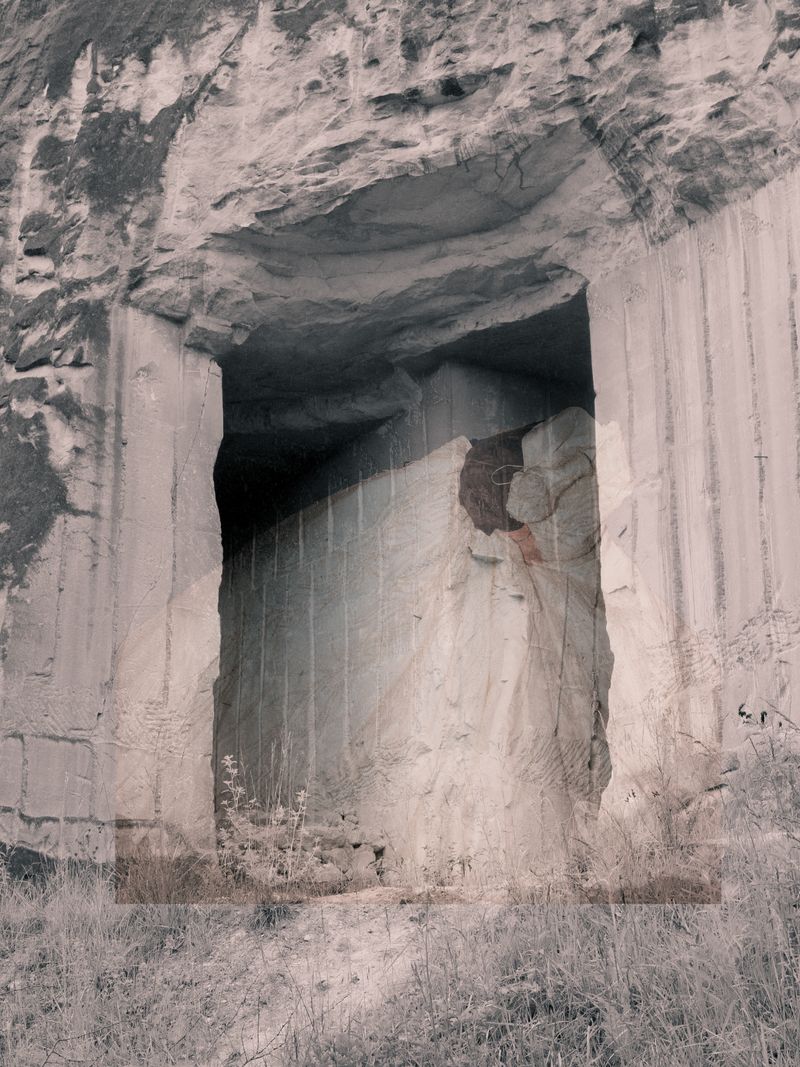
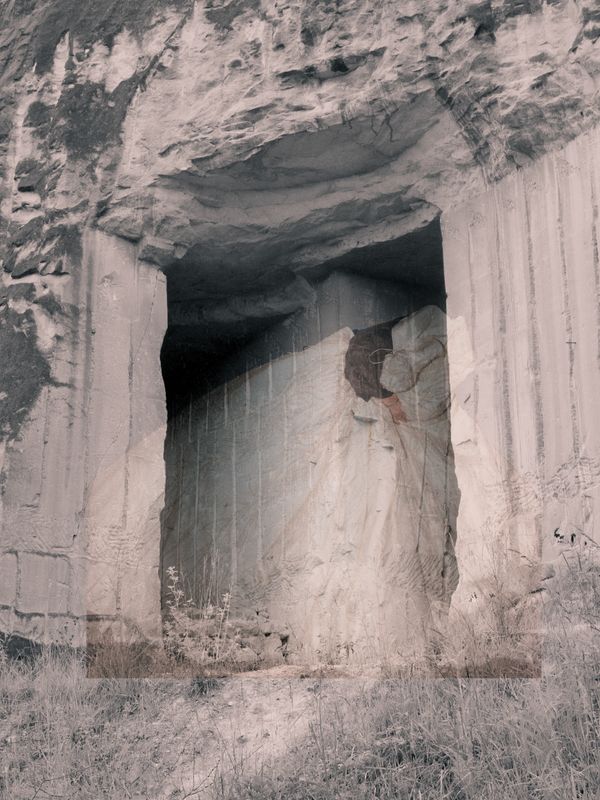
In Morocco, a wedding is among the holiest rituals, a public affirmation of belonging. A cave, by contrast, is a space of hiding and silence, tied in the Rif to stories of resistance and loss. Bringing the two together is my way of asking: what happens when what should be celebrated is instead carried into silence?

© MAryam Touzani - Image from the How To Tame A Wild Tongue photography project
i

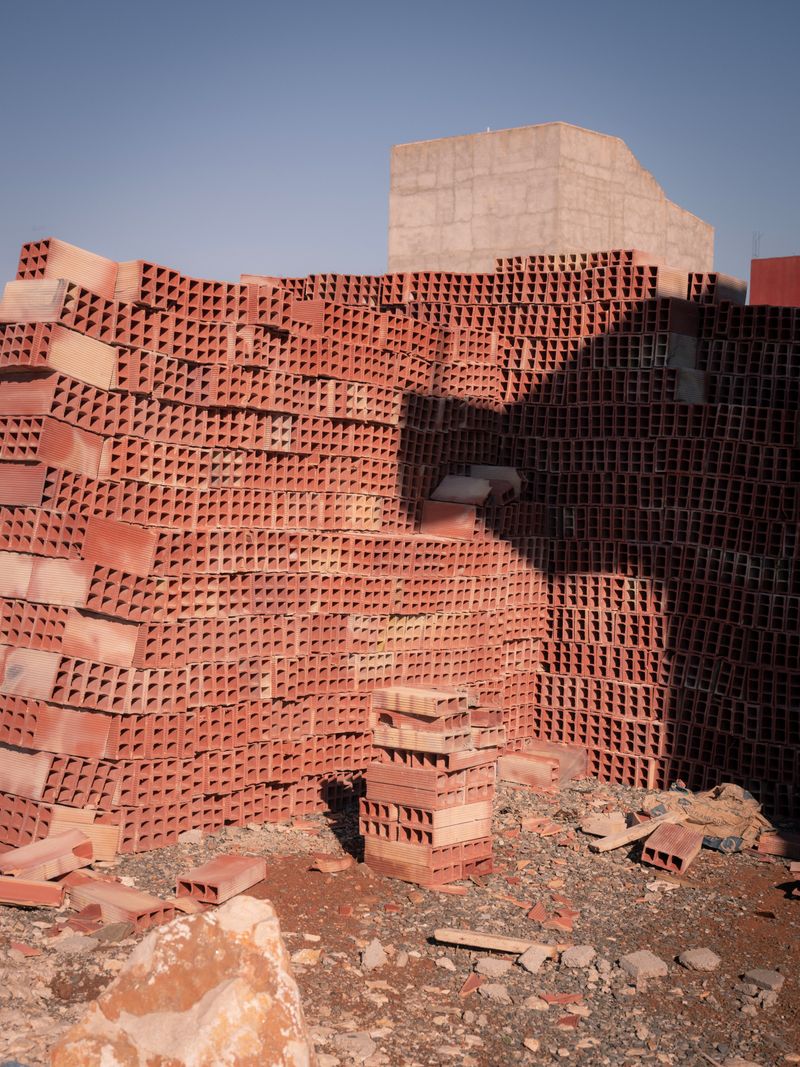
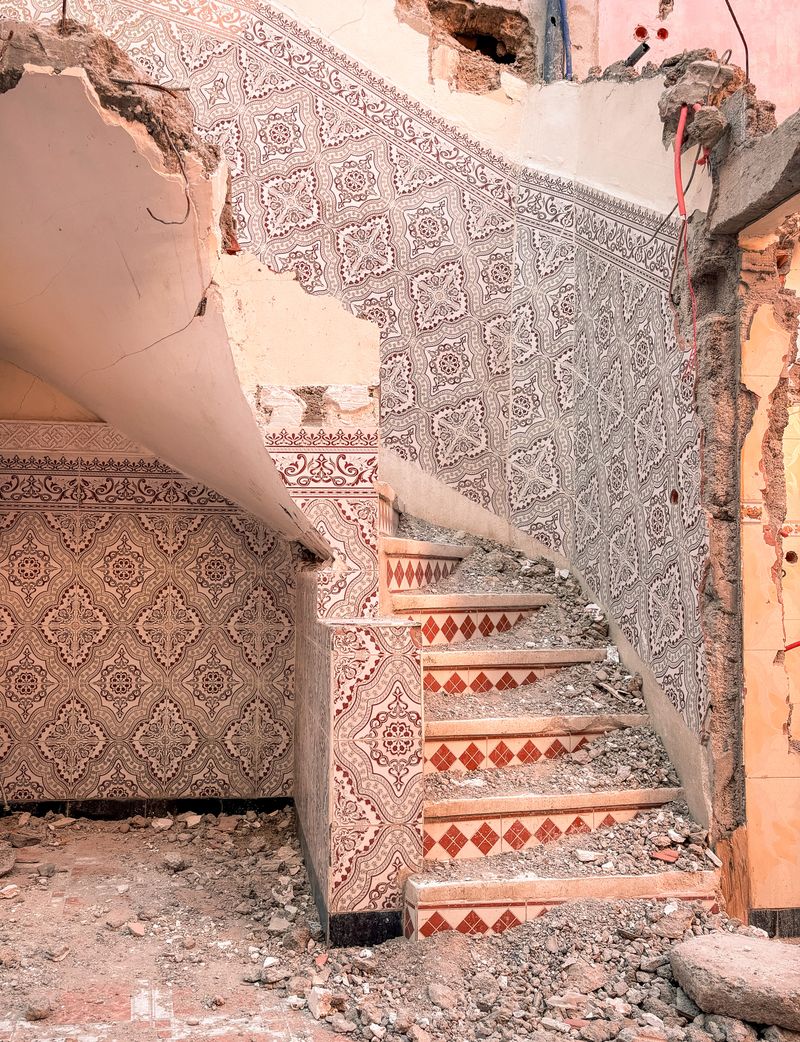
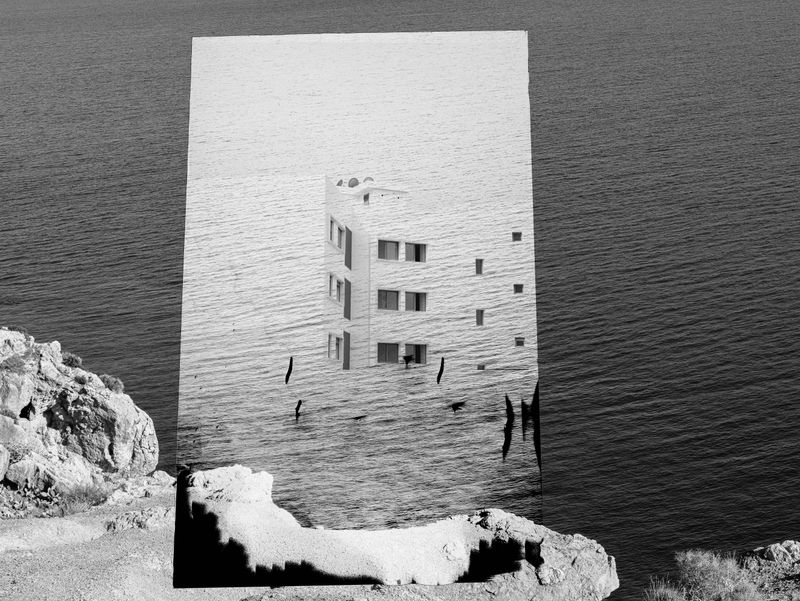
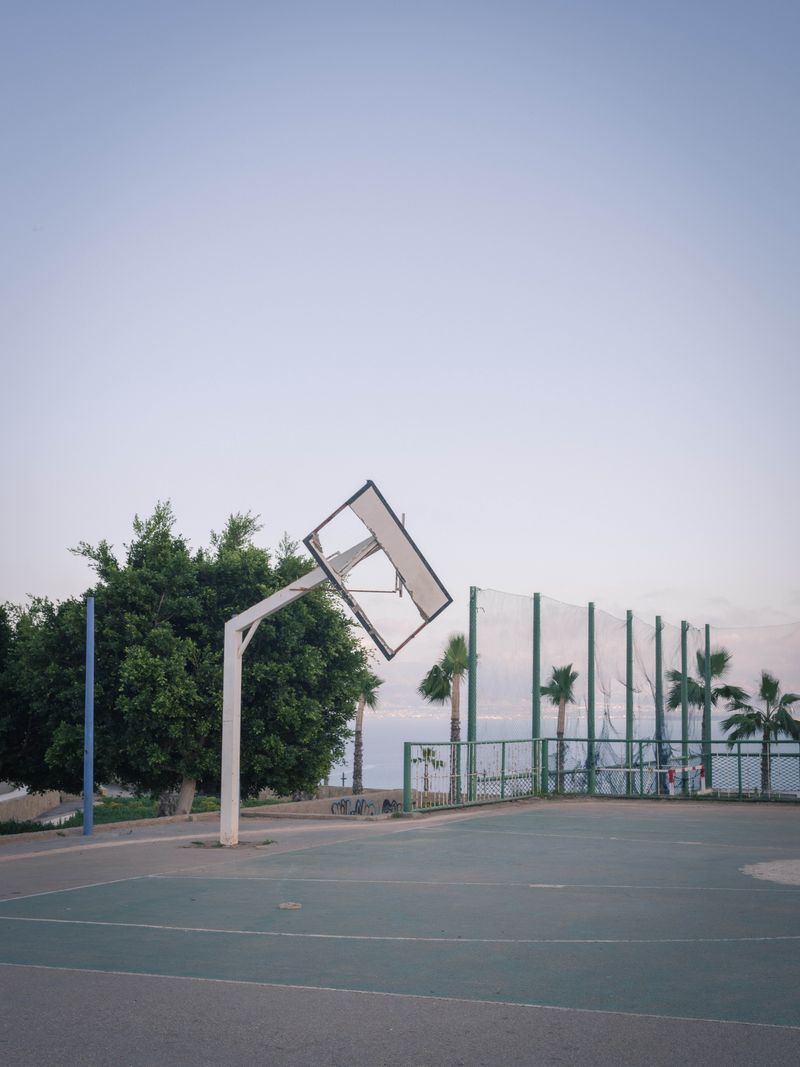
In the north of Morocco, a house is rarely just a house. The unfinished ones belong to locals, built slowly, brick by brick, from remittances. The finished ones belong to Europeans. The landscape itself reveals who belongs, and who is left waiting.

© MAryam Touzani - I often ask myself. What does it mean to be dislocated from one's ancestral language?
i

I often ask myself. What does it mean to be dislocated from one's ancestral language?

© MAryam Touzani - Image from the How To Tame A Wild Tongue photography project
i

In what ways does that play out, even within the context of a family unit?What does it mean to have a hybrid identity – a kind of 'third' identity that's neither fully here nor there?

© MAryam Touzani - Image from the How To Tame A Wild Tongue photography project
i

What does it mean to experience these forces and feelings from the vantage point of the Netherlands – a former colonial power, but not the one that shaped the denial of an indigenous language in this particular context.

© MAryam Touzani - Image from the How To Tame A Wild Tongue photography project
i

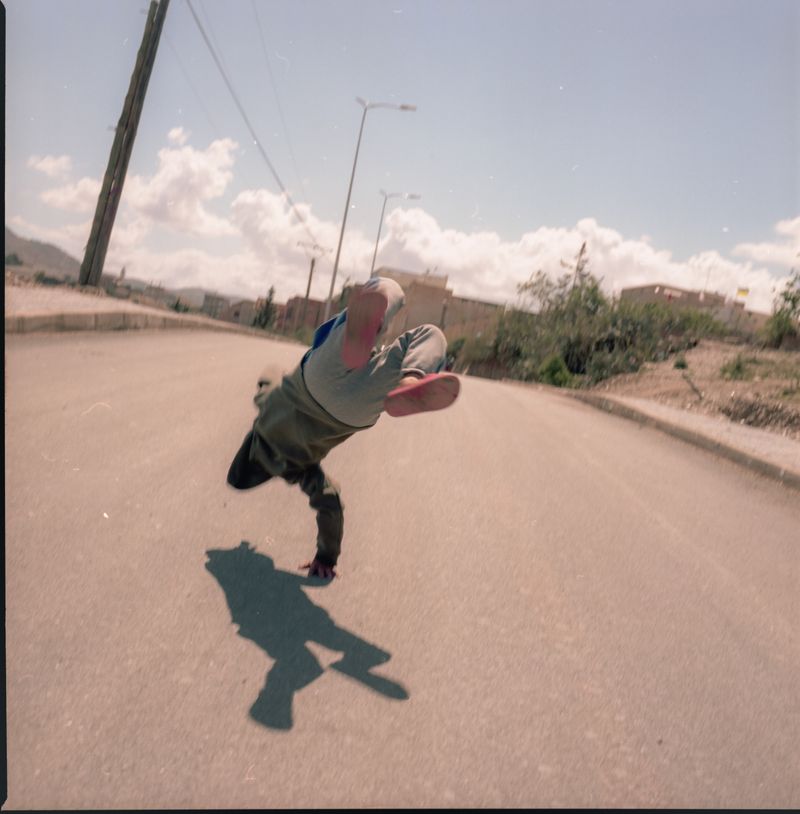
My cousin Adil dances in the streets of the Rif, his body suspended between gravity and flight. For me, this gesture holds the tension of Morocco today defiance, creativity, survival. As diaspora, I return not only to remember, but to see how the land continues to move, to resist, to imagine.

© MAryam Touzani - Image from the How To Tame A Wild Tongue photography project
i

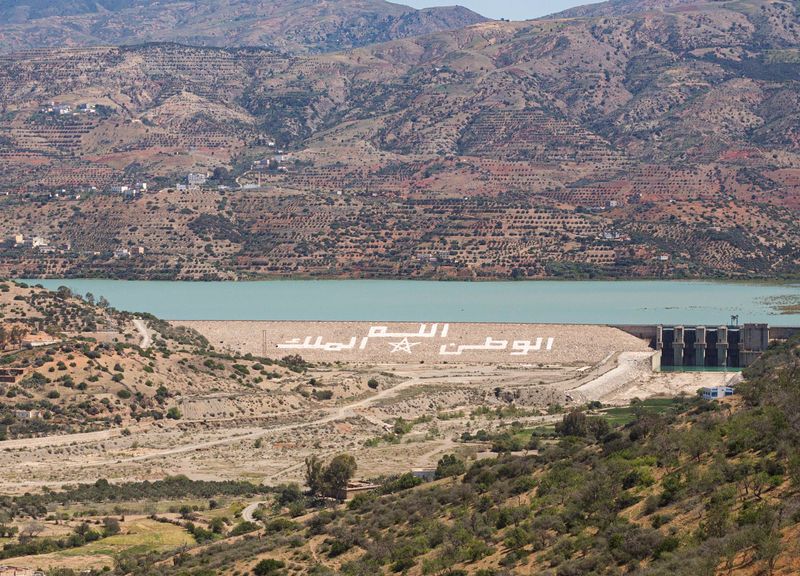
The hillside inscription reads “God, Homeland, King” the Moroccan state’s trinity. In the Rif, it functions less as landscape ornament than as surveillance written in stone, a reminder of the fractures between people, land, and authority.

© MAryam Touzani - Image from the How To Tame A Wild Tongue photography project
i

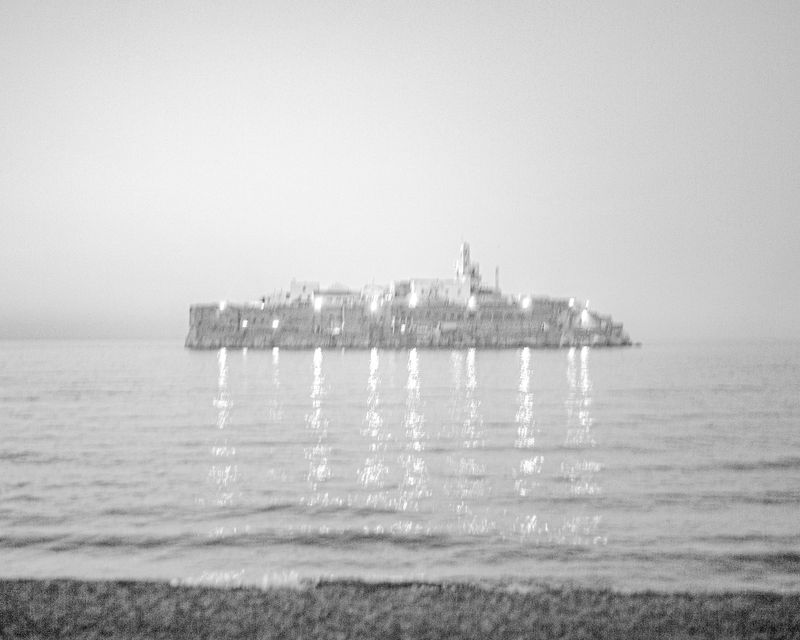
From the shore of Al Hoceima, the Spanish-held island of Peñón de Alhucemas is always in sight. You cannot swim too close soldiers may fire. For people of the Rif, it is both a reminder of former colonial occupation and the haunting nearness of Europe: visible, unreachable, desired, forbidden. Alongside Ceuta and Melilla, Spain still holds enclaves within Morocco’s borders all in the North.

© MAryam Touzani - Image from the How To Tame A Wild Tongue photography project
i

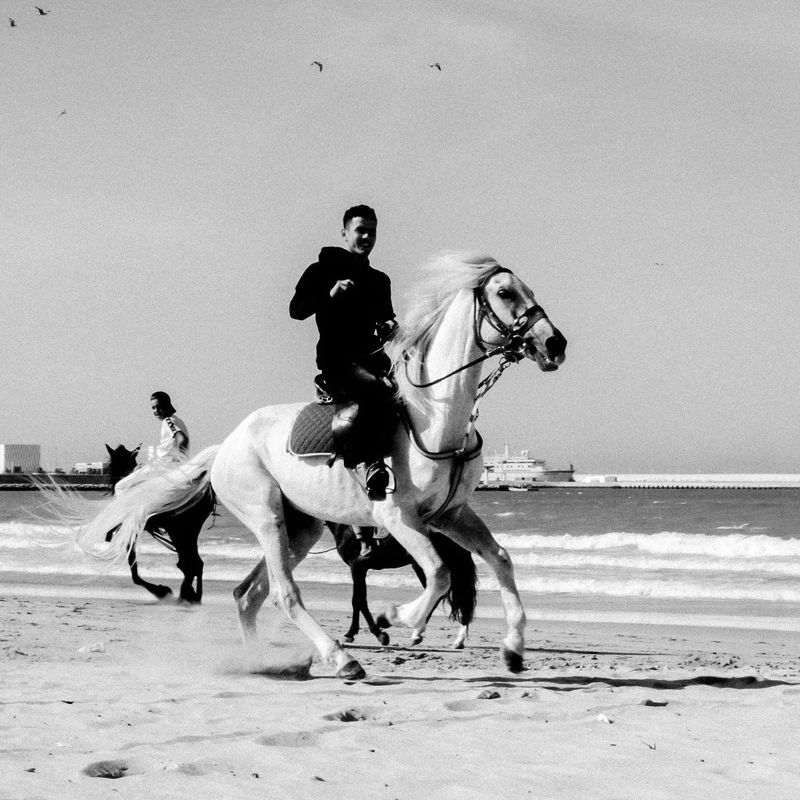
Horses on the beach in Morocco carry layered meaning.On the one hand, they’re tied to tradition and pride the horse is central in Amazigh and Moroccan culture, from rural life to fantasia (equestrian displays symbolizing strength and resistance). The beach, though, is a liminal space: a site of leisure, but also of longing and departure, where the horizon always points toward Europe.

© MAryam Touzani - Image from the How To Tame A Wild Tongue photography project
i

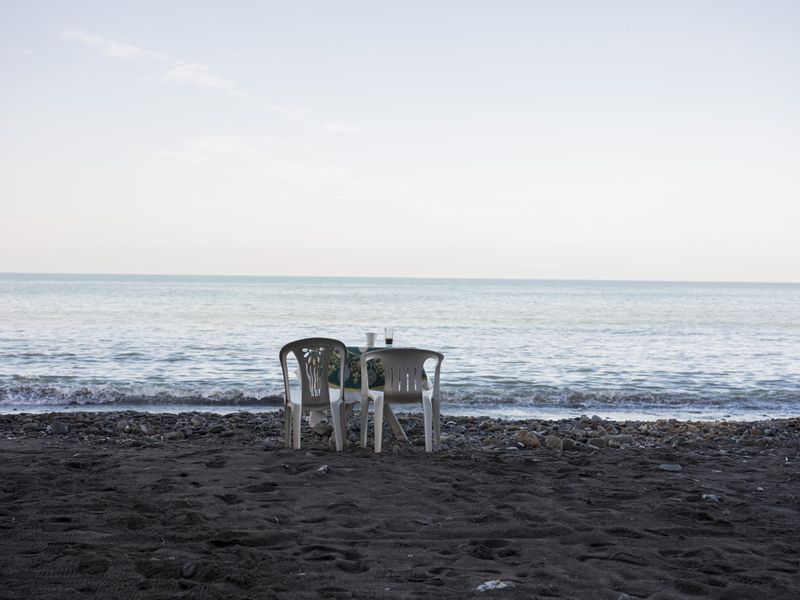
Two empty chairs face the sea, as if waiting for a story to return. My grandparents left Morocco in search of survival, and decades later I point the camera back at the same shores. The official archive erases, but the counter-archive insists: absence too belongs to history.

How To Tame A Wild Tongue by MAryam Touzani

Prev Next Close