How to do nothing
-
Dates2021 - Ongoing
-
Author
- Topics Daily Life
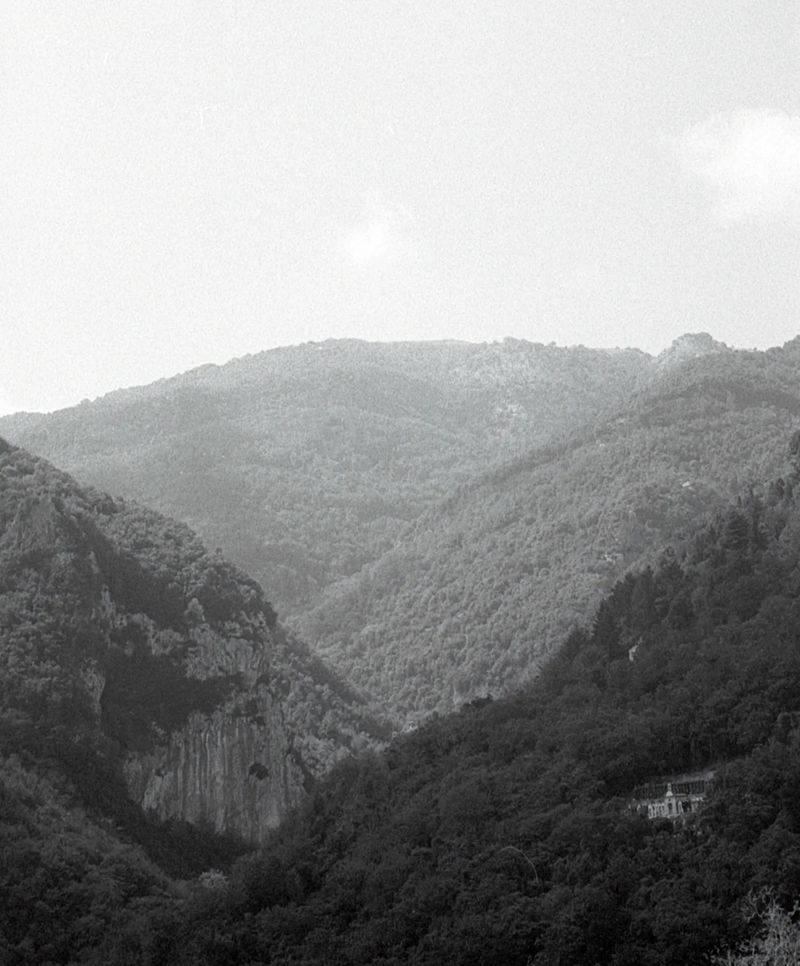
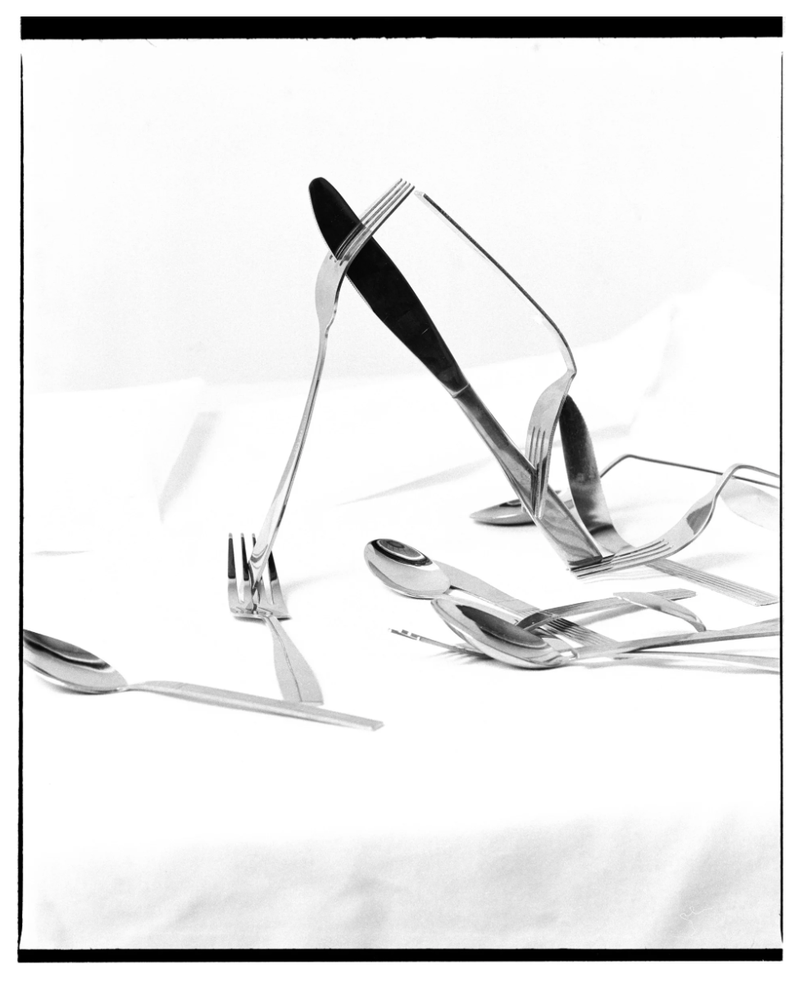
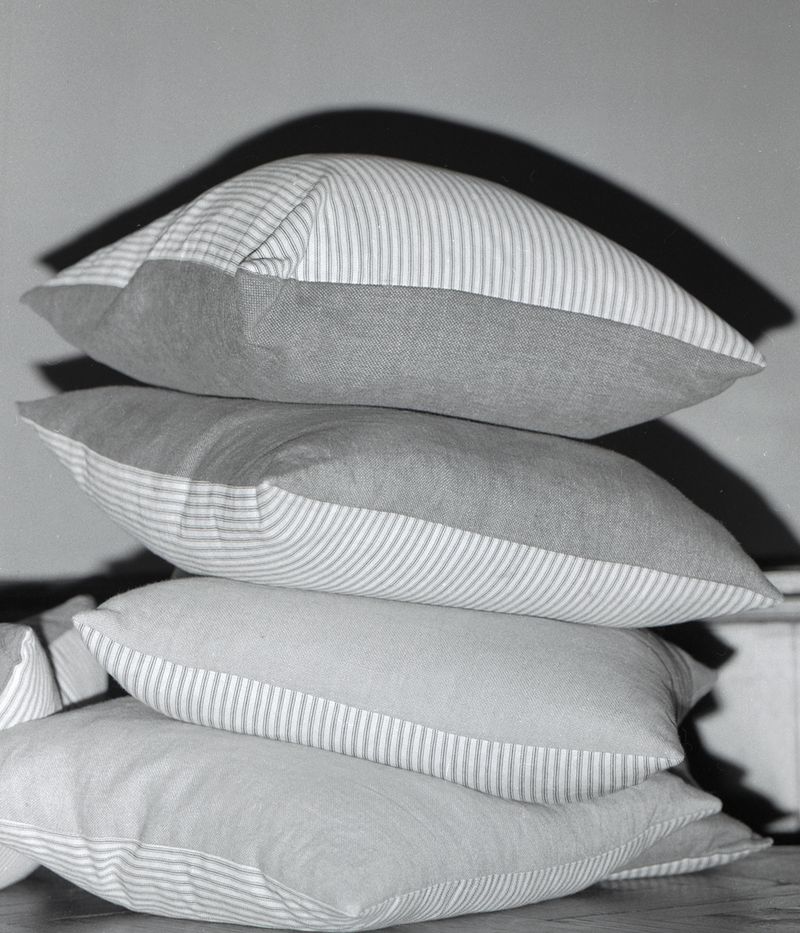
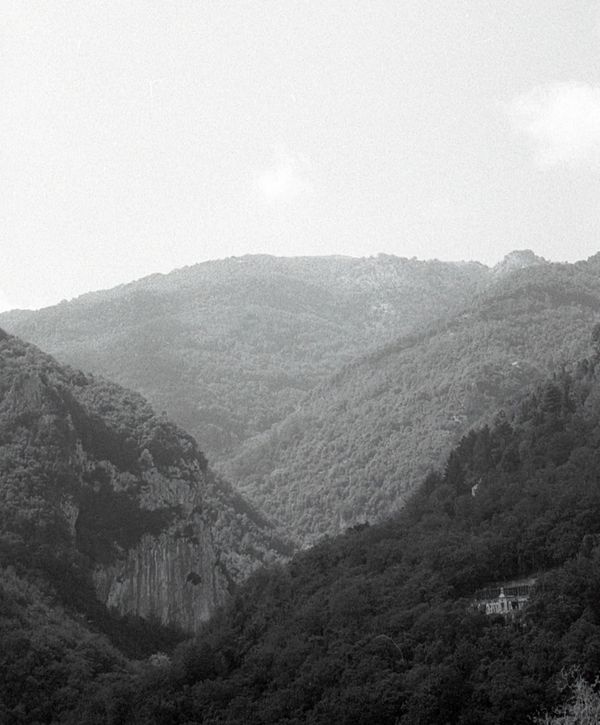
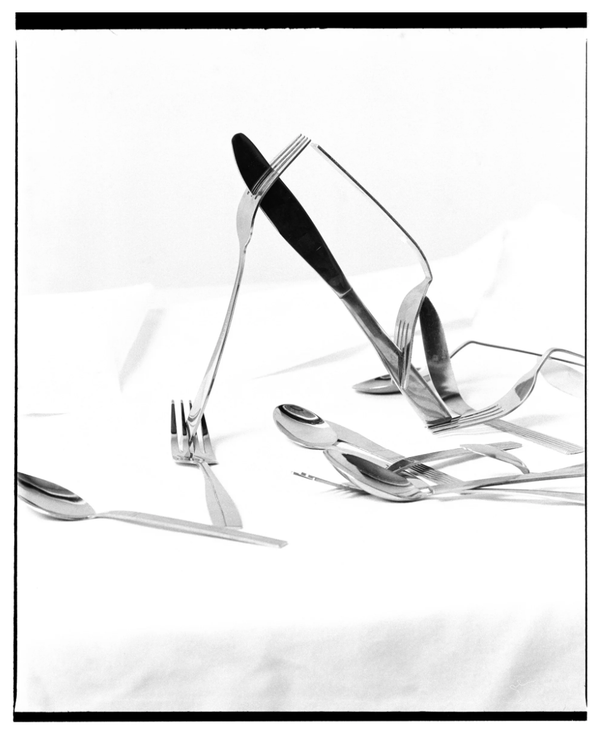
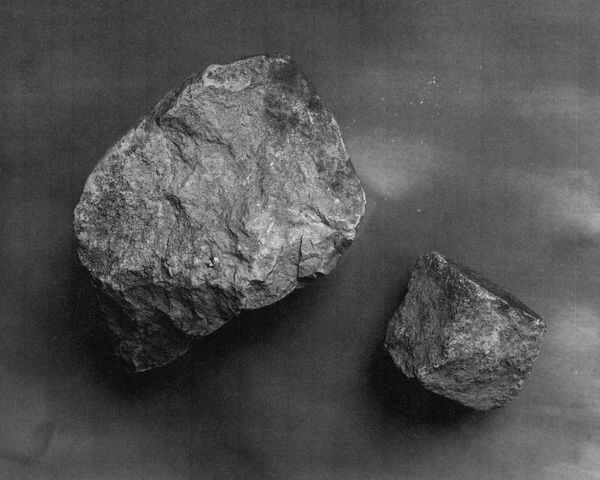
Drawing from my experience as a waitress, I explore the repetition of labour and Sisyphus' myth through photography, using work-related objects and mountain imagery to capture moments of stillness and consciousness outside of work.
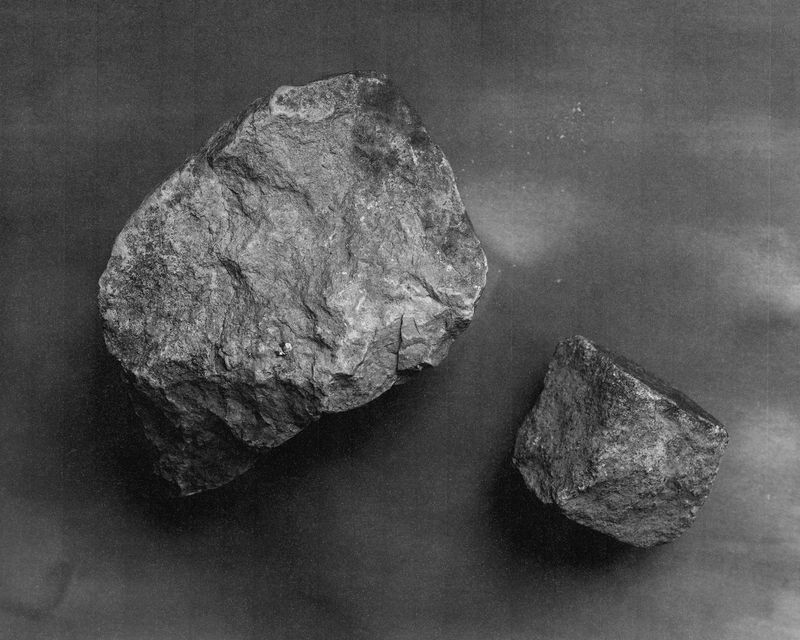
Starting from my experience as a full-time waitress, I began noticing the parallels between performance and labour. The repetitive tasks of my shifts prompted reflections on worker alienation and the performativity inherent in the photographic medium. This led me to the myth of Sisyphus, whose eternal labour of rolling a boulder up a mountain resonates with the endless cycles of capitalist production. In Camus’ analysis, there is a moment when Sisyphus becomes conscious of his fate — what he calls “the hour of consciousness.” In this brief pause atop the mountain, the tragic hero is aware of the absurdity of his condition. Importantly, this awareness arises outside the act of labour, in rest, rather than during the effort itself. This idea of consciousness emerging in stillness became central to my work.
Photography offered a means to explore and reproduce this insight. I began repurposing common hospitality objects, stripping them of their functional purpose, and positioning them as performative gestures. By juxtaposing these objects with imagery of mountains captured during walks, I created visual correlations between the repetitive, cyclical nature of labour and the timeless, inert presence of the natural world. The camera becomes a tool of observation and reflection, allowing me to step outside the labour process and explore moments of stillness, contemplation, and awareness. Through this approach, my work investigates how repetition, rest, and reflection intersect, revealing the subtle politics of work and the potential for consciousness to emerge beyond the cycle of production.