How long is the night?
-
Dates2021 - Ongoing
-
Author
- Location Italy
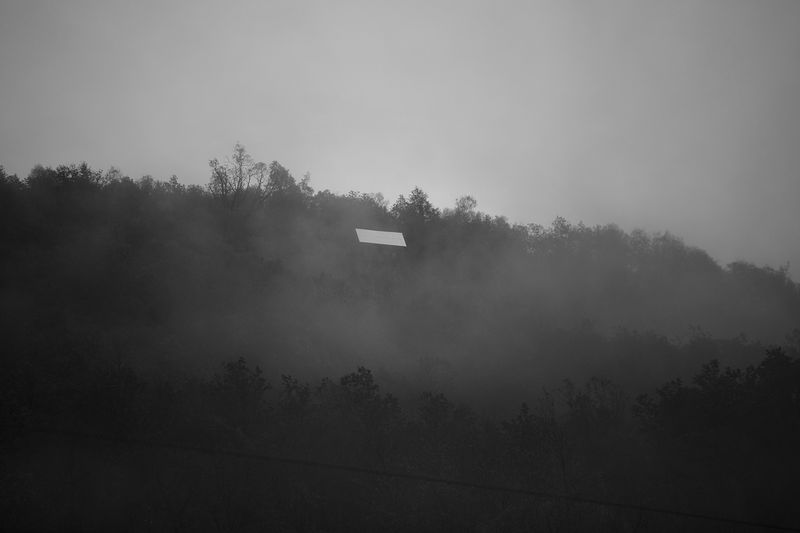
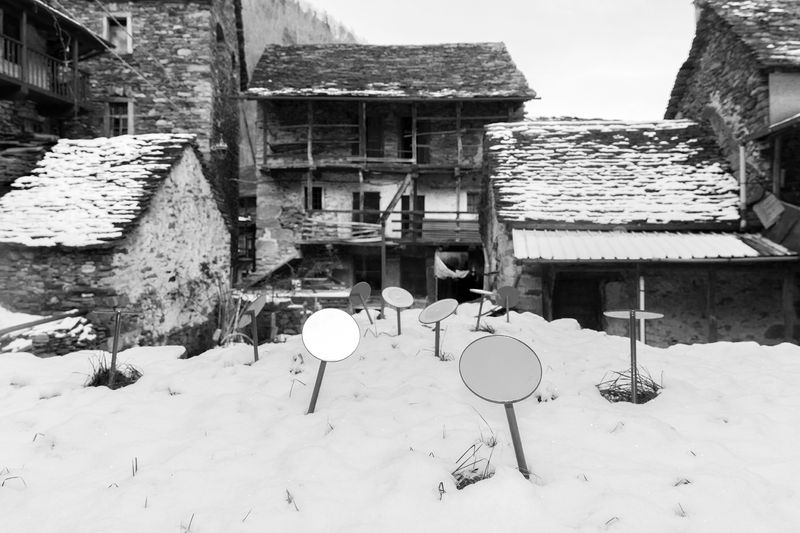
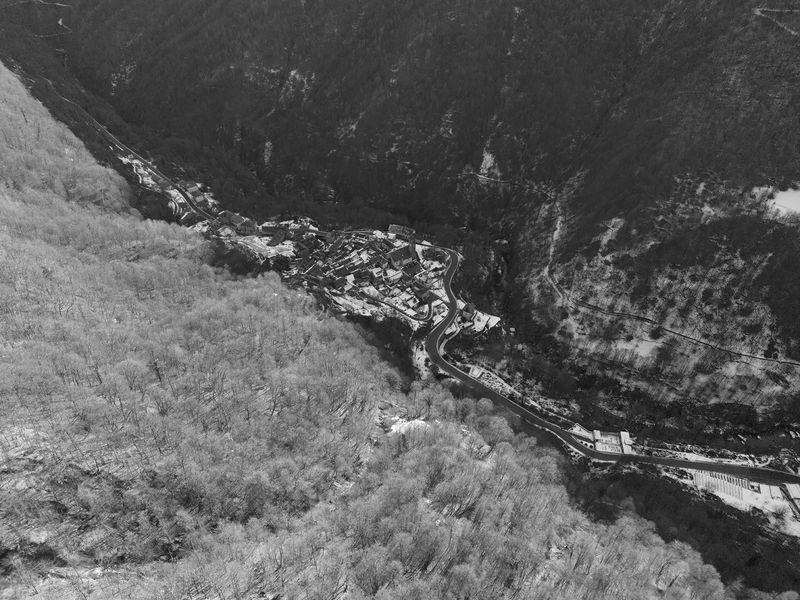
Antrona Valley is a place of legends, darkness and light. Shaped by centuries of mining, it receives no direct sunlight for 83 days due to its geography. A large mirror was installed on the mountainside to reflect sunlight, overcoming this natural limit.
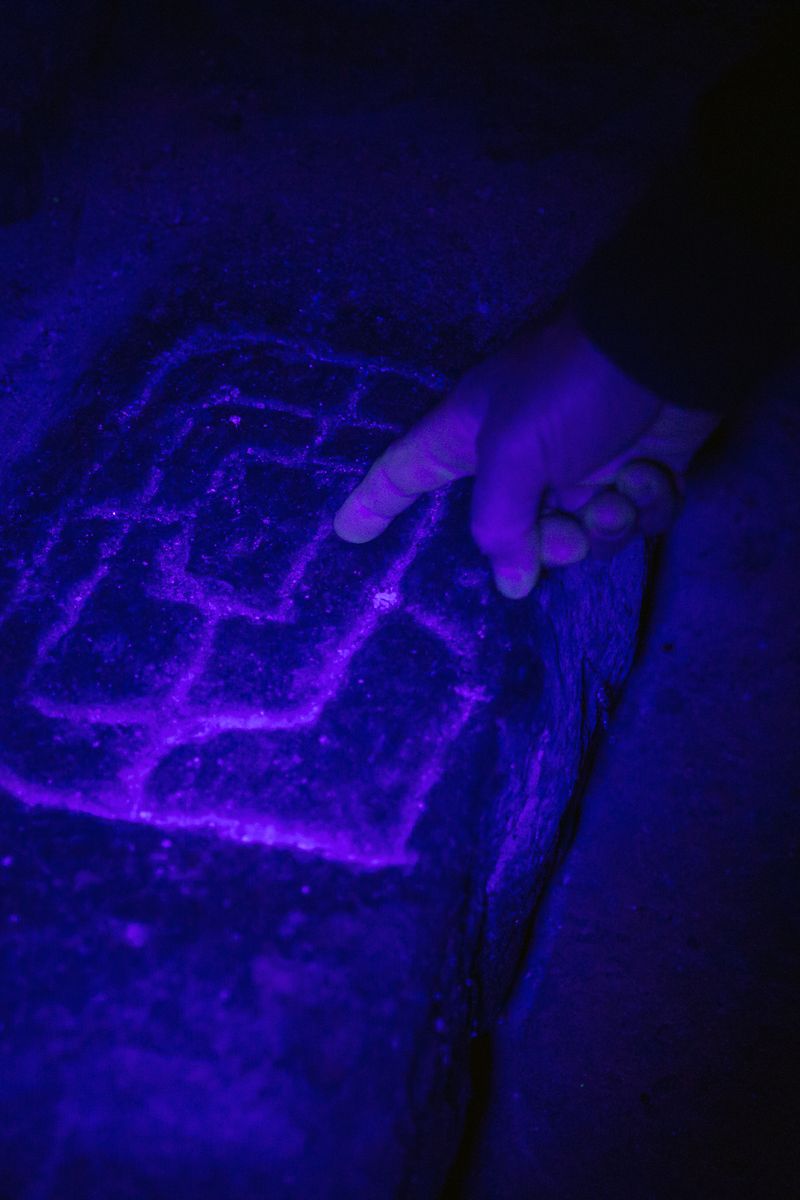
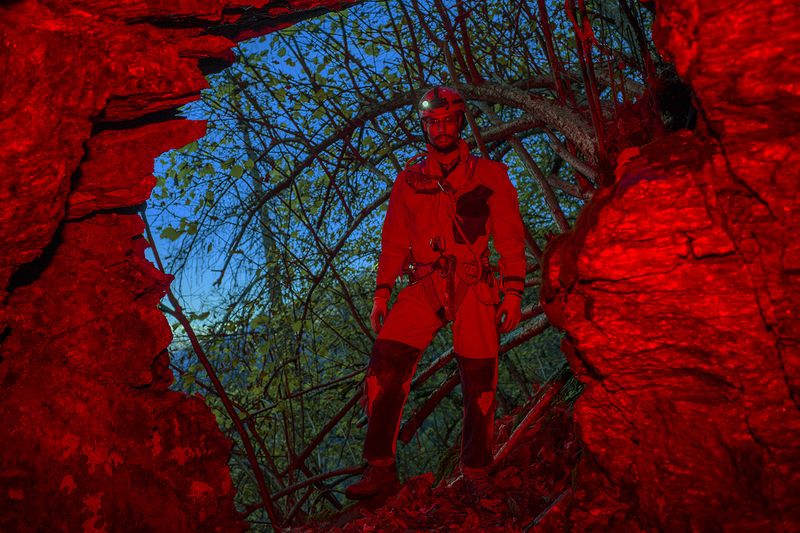
Antrona Valley (from the Latin antrum, meaning a deep and dark cave) is a territory that, for centuries, was explored and excavated in search of gold, and that still bears countless abandoned and forgotten mines.
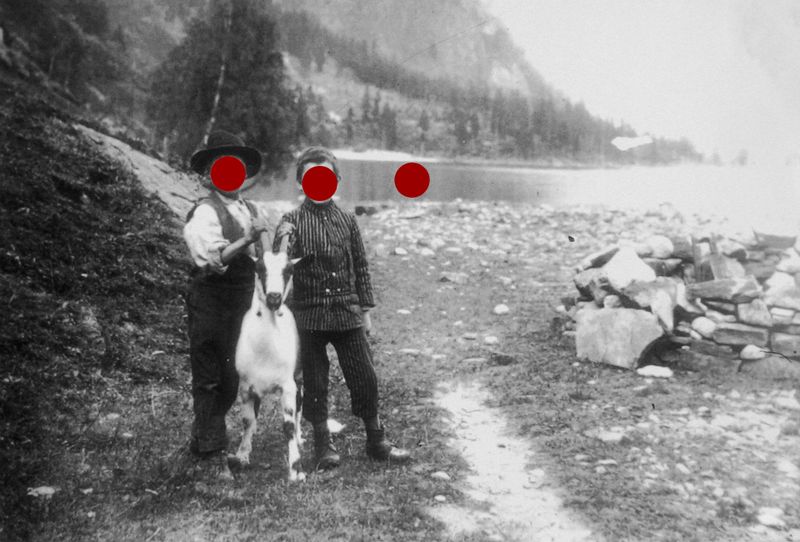
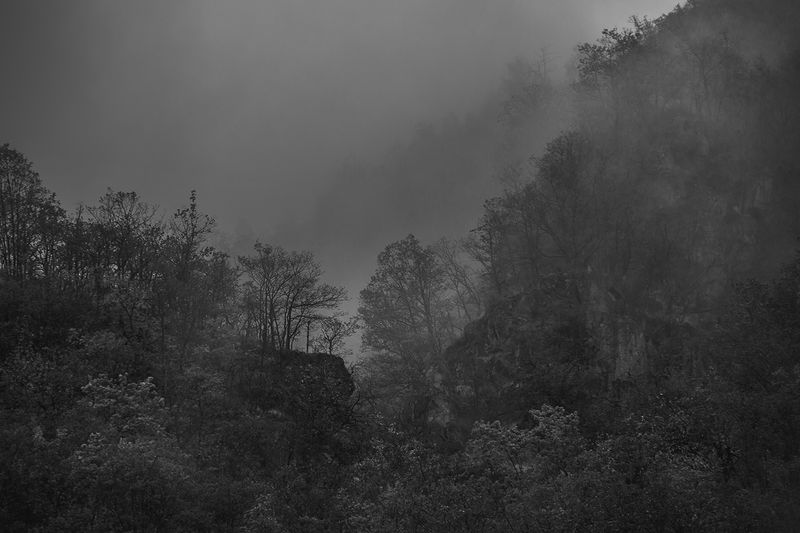
Here lies Viganella, a village of about two hundred inhabitants which, between November 11 and February 2, for 83 days, receives no direct sunlight, concealed behind the natural barrier formed by the valley, remaining immersed in a constant shadow that shifts in color and mood. The origins of the settlement in this position are lost to time, though it is believed to have arisen around the year 1200 (the date of the earliest document mentioning the village and its community of miners and charcoal burners), likely in connection with the exploitation of the surrounding land.
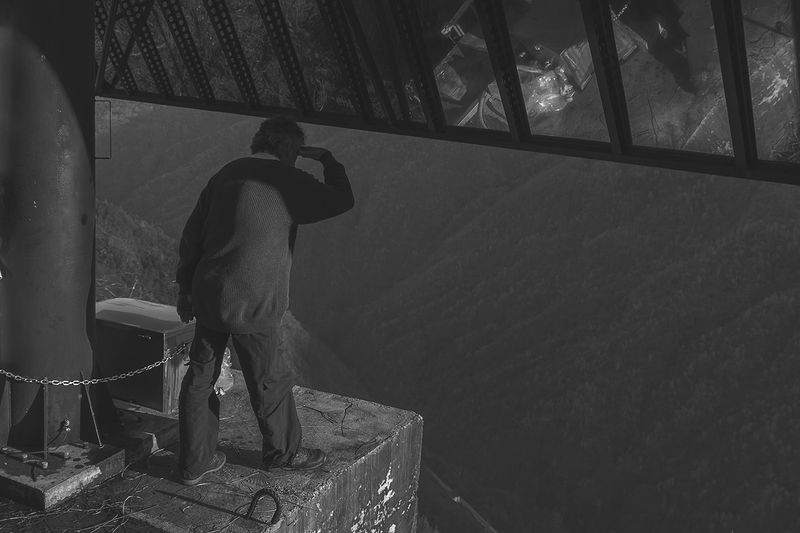
The prolonged absence of the sun — both a reference point and a symbol of life and hope — gave rise to a visionary and poetic response: the installation of a large rotating mirror on the northern slope of the valley, designed to reflect sunlight onto the village. For its inhabitants, November 11, 2006, became “the day of light,” the moment when the mirror was inaugurated. Weighing 11 quintals and installed at an altitude of 1,050 meters, on clear days the structure intercepts the sun from approximately 9 a.m. to 3 p.m., projecting nearly six hours of light onto the village square.
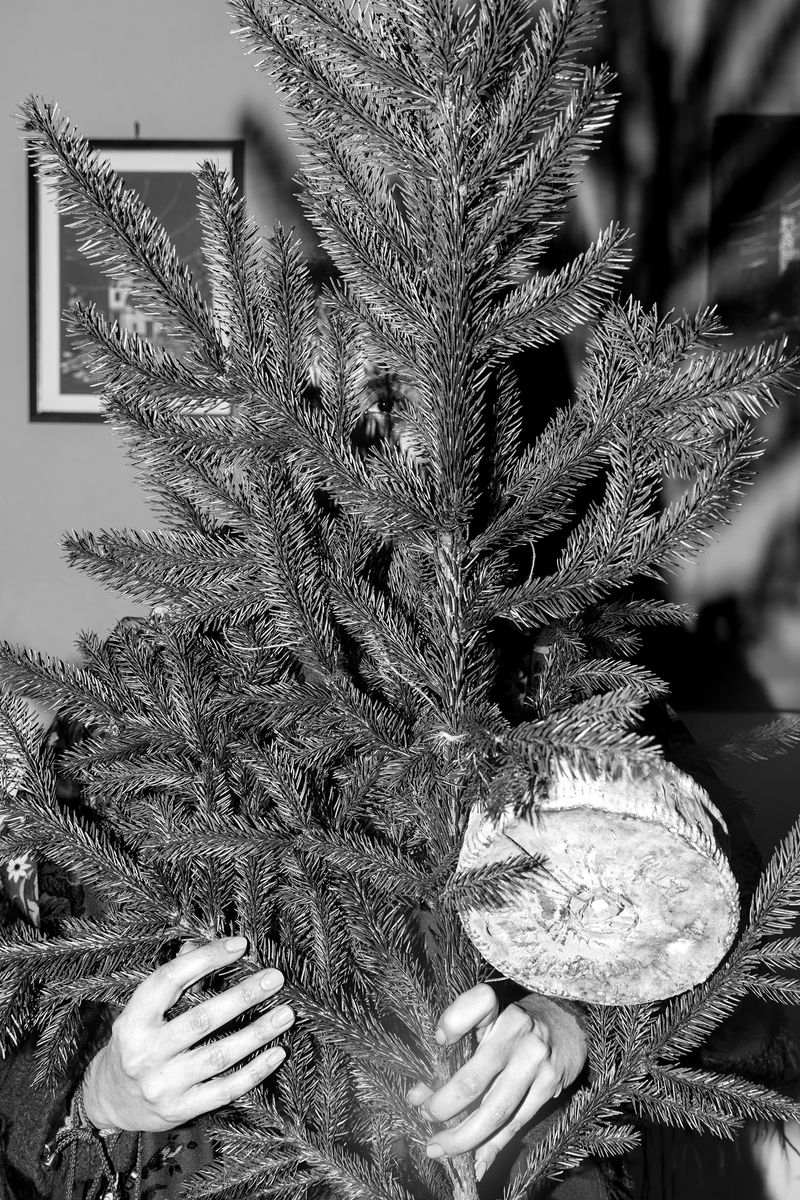
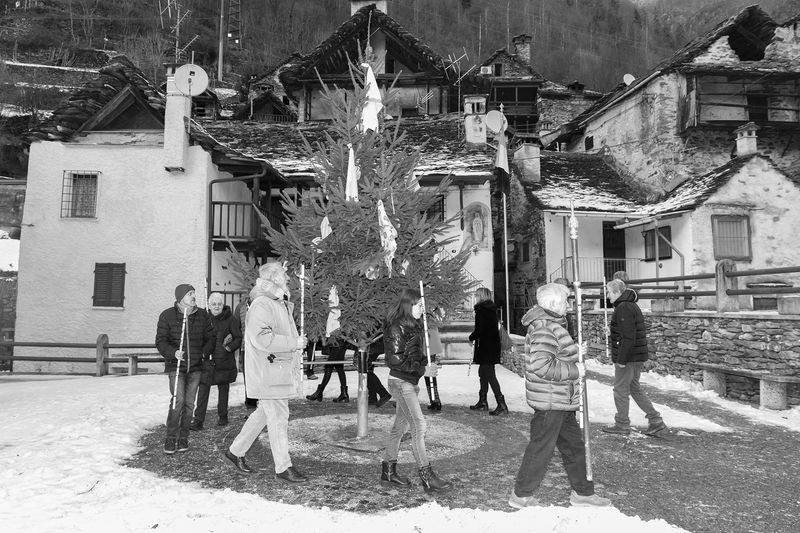
Each year, on February 2, Viganella celebrates Candlemas, the feast marking the return of the sun. It is a moment that intertwines ancient rites — later Christianized — articulated through gestures of blessing and communal sharing. Among these, the most symbolic is the Pescia: a large fir tree raised in the square and adorned with offerings evoking abundance and prosperity (local products, food, and objects prepared especially for the occasion). At the end of the ritual, the branches of the tree are distributed among the inhabitants, who bring them into their homes and barns as a propitiatory sign, wishing for health, fertility, and good harvests in the year to come.
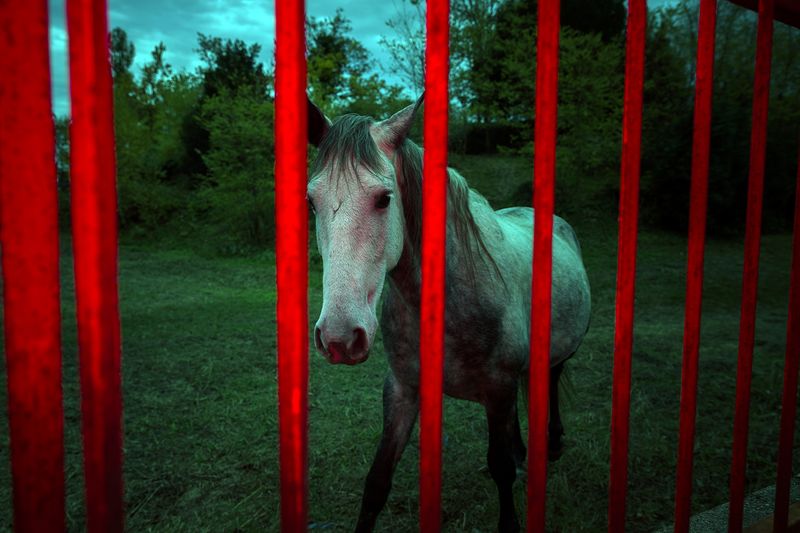
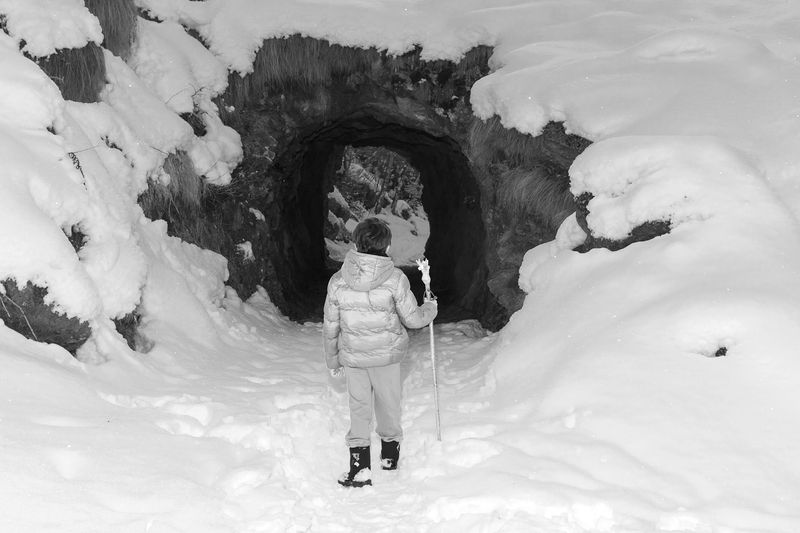
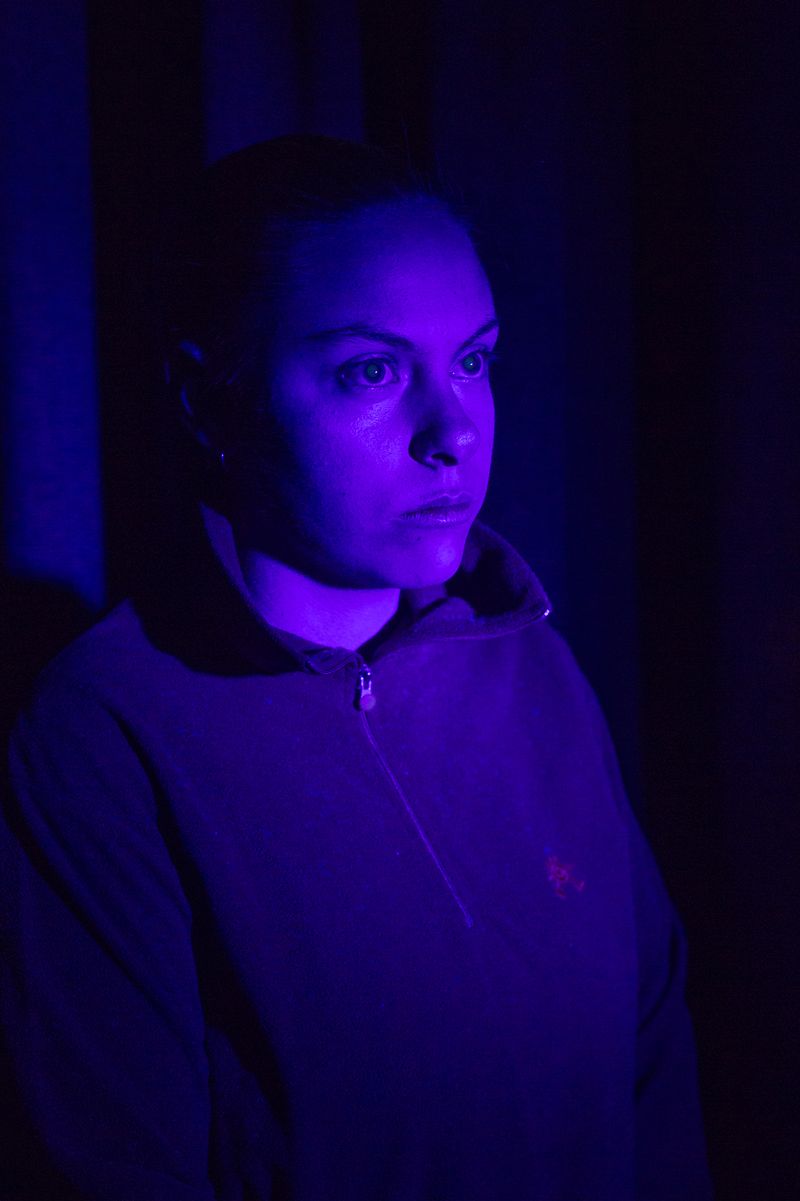
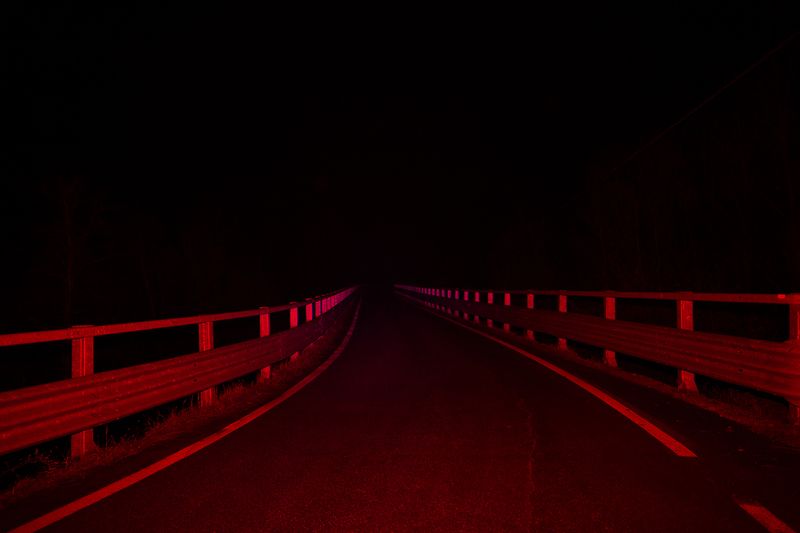
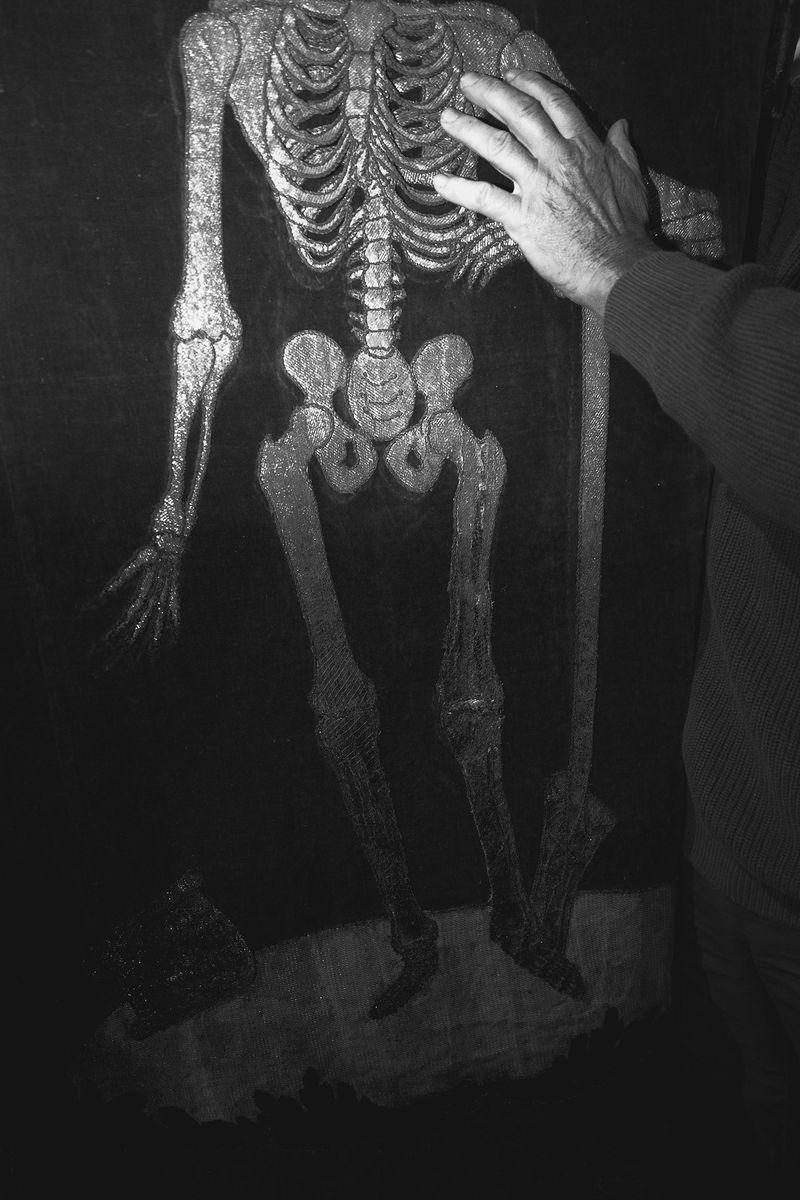
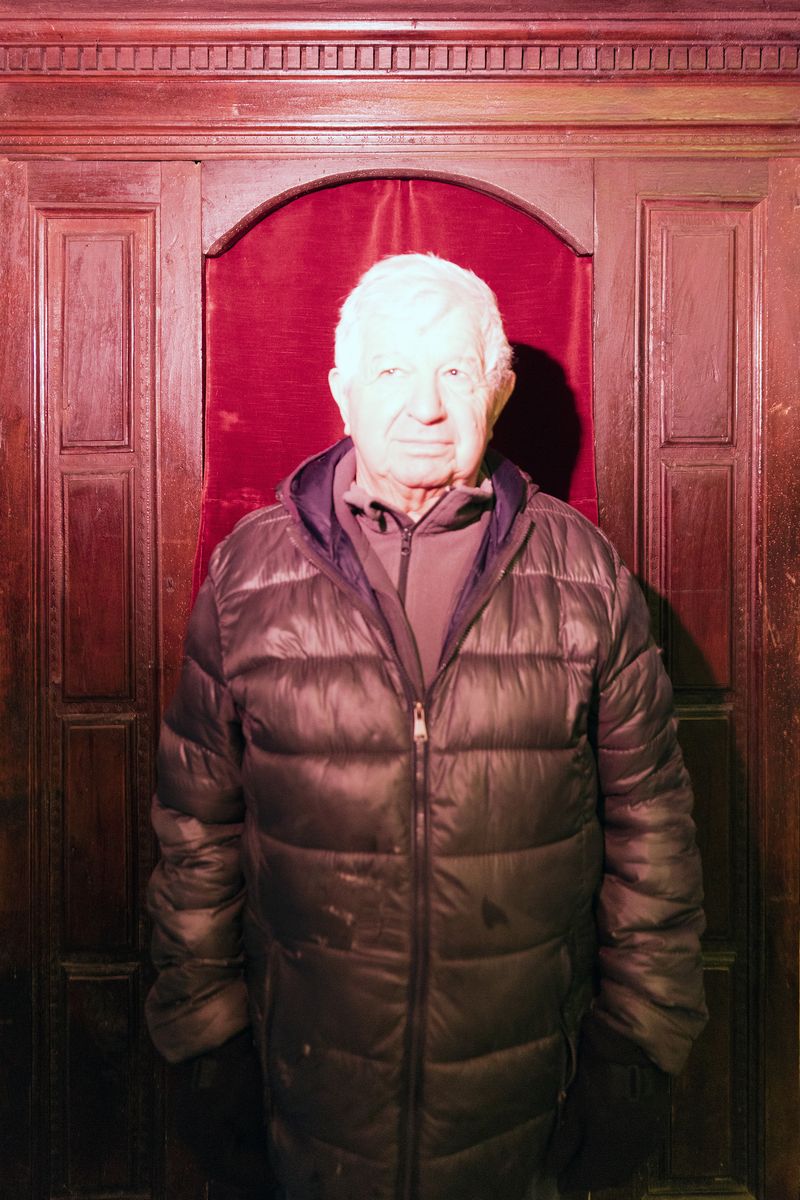
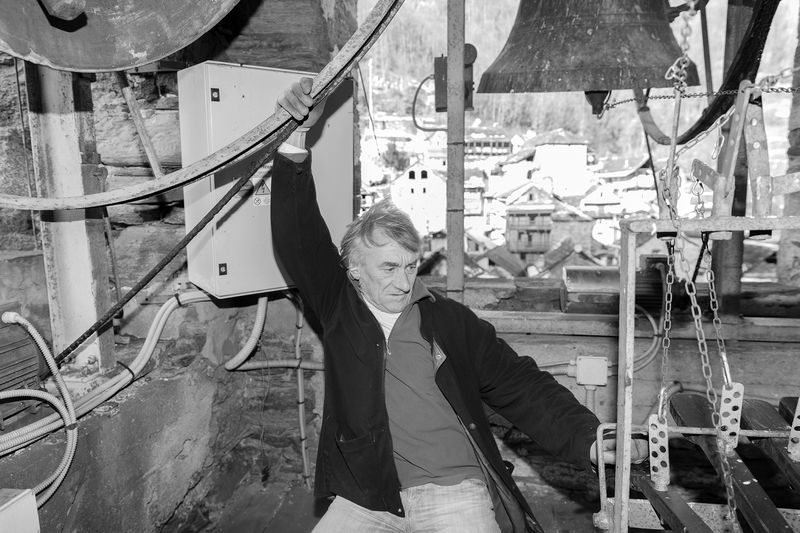
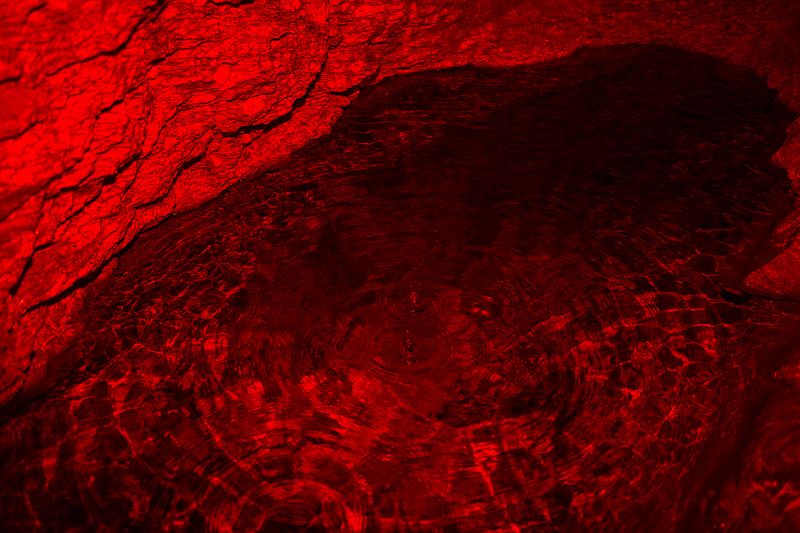
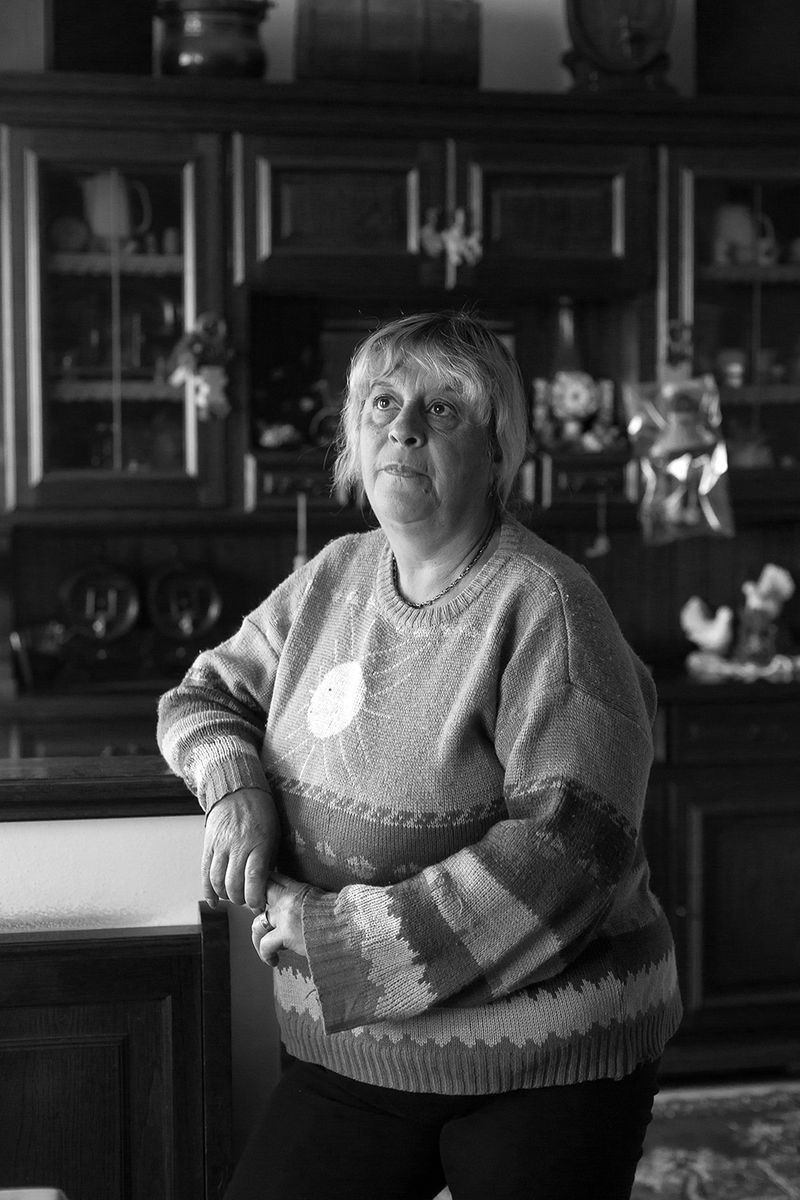
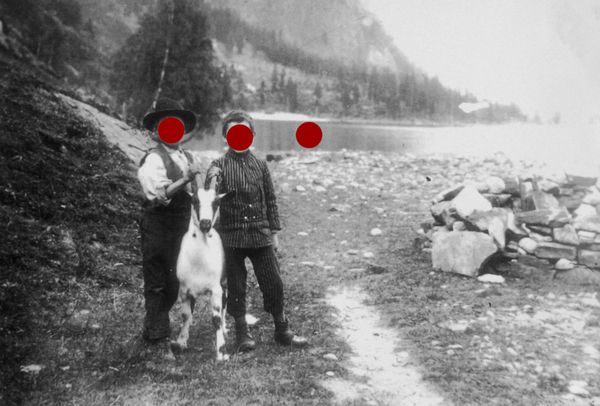
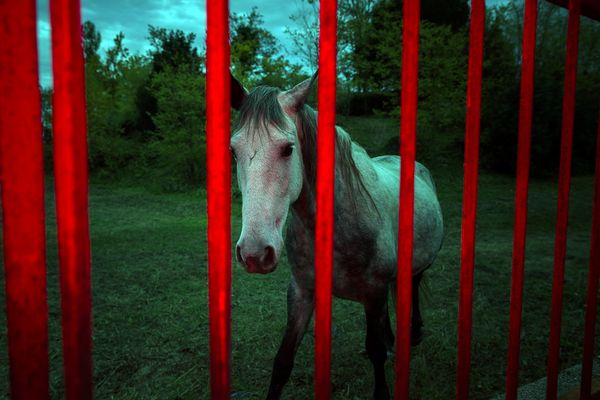
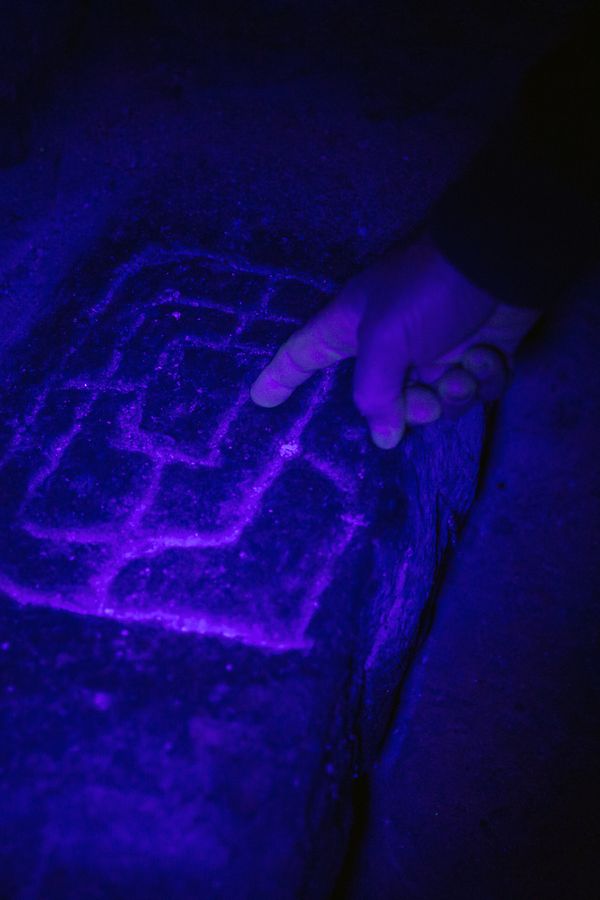
Through photography, alternating portraits, details, and landscapes, I sought to layer my visual investigation of a place that, much like the photographic medium itself, suffers from the absence of light and feels the need to generate it artificially.