Homeland Lost - The Palestinians
  • Dates
    2003 - 2005
  • Author
  • Topics Archive, Contemporary Issues, Documentary, Editorial, Landscape, Photobooks, Portrait, Social Issues
  • Locations Israel, Lebanon, Palestine, Jordan

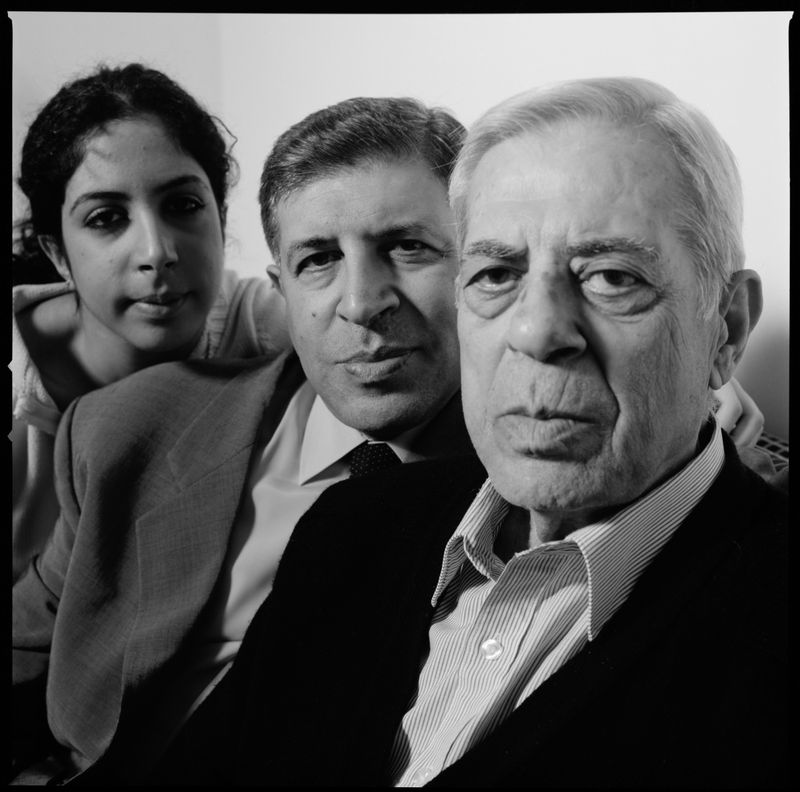
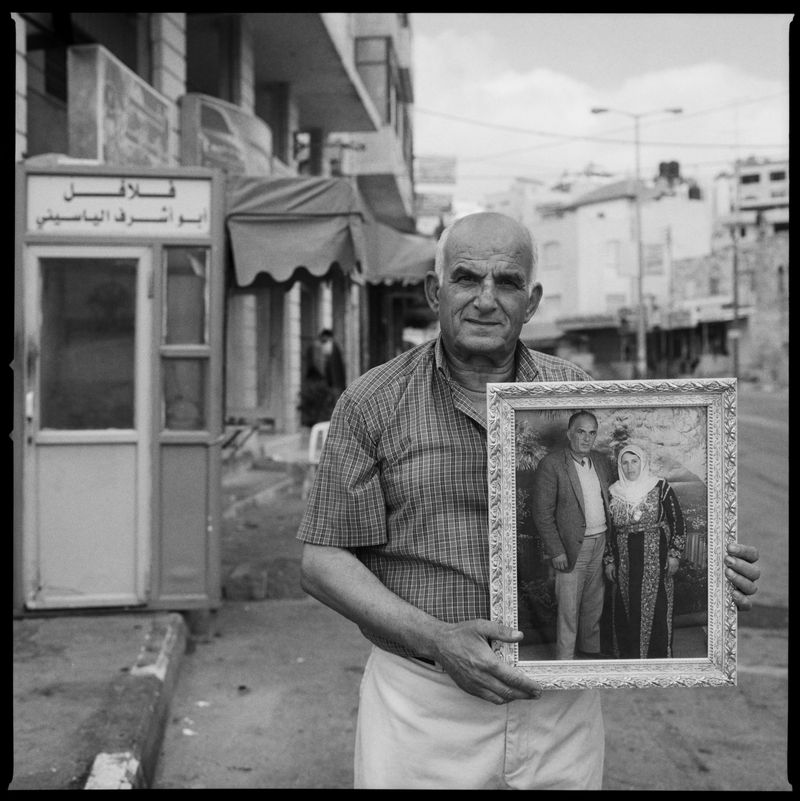
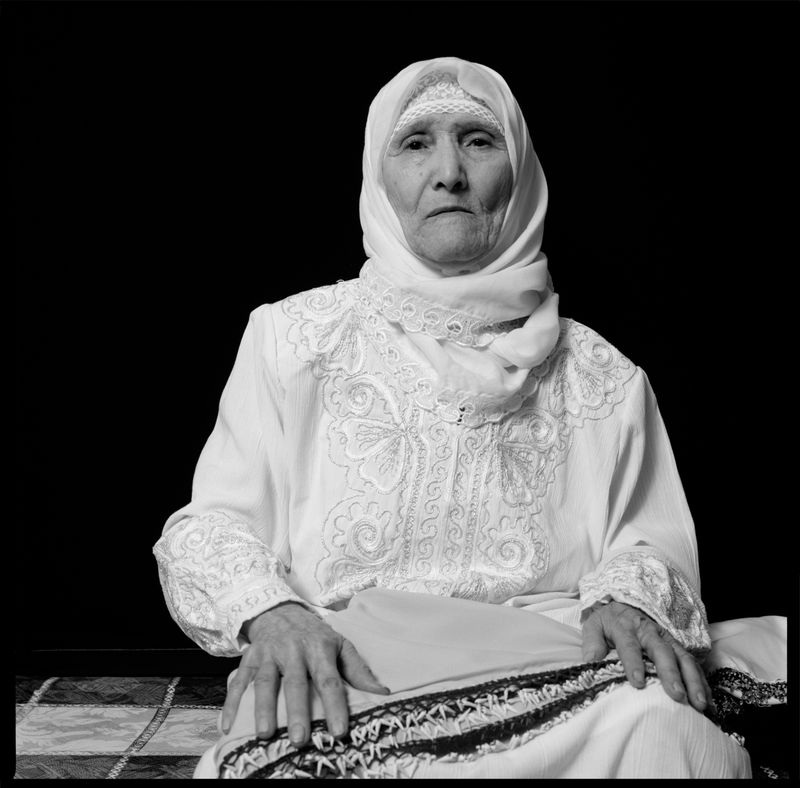
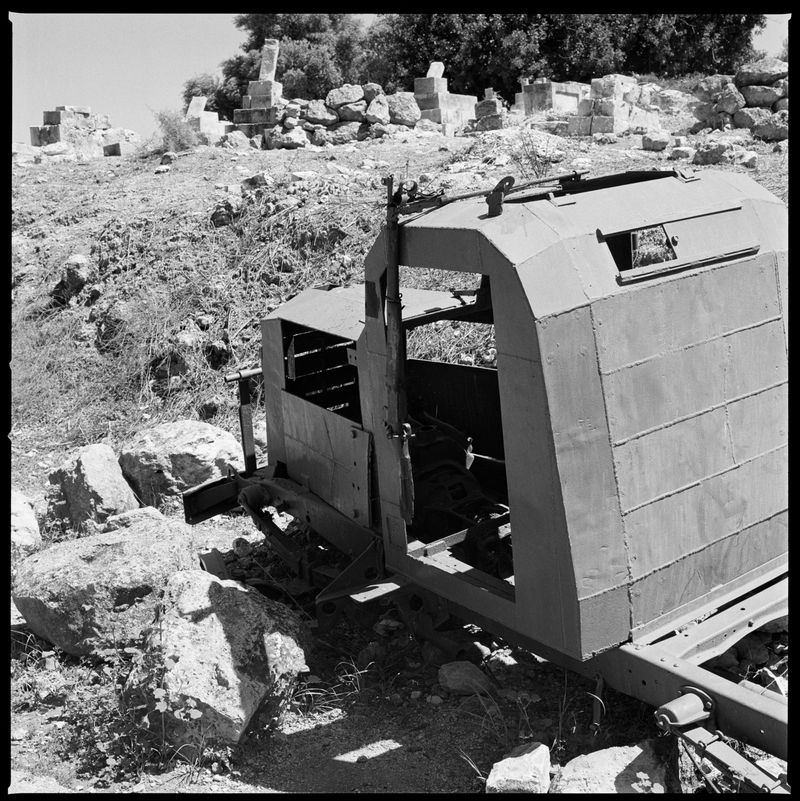
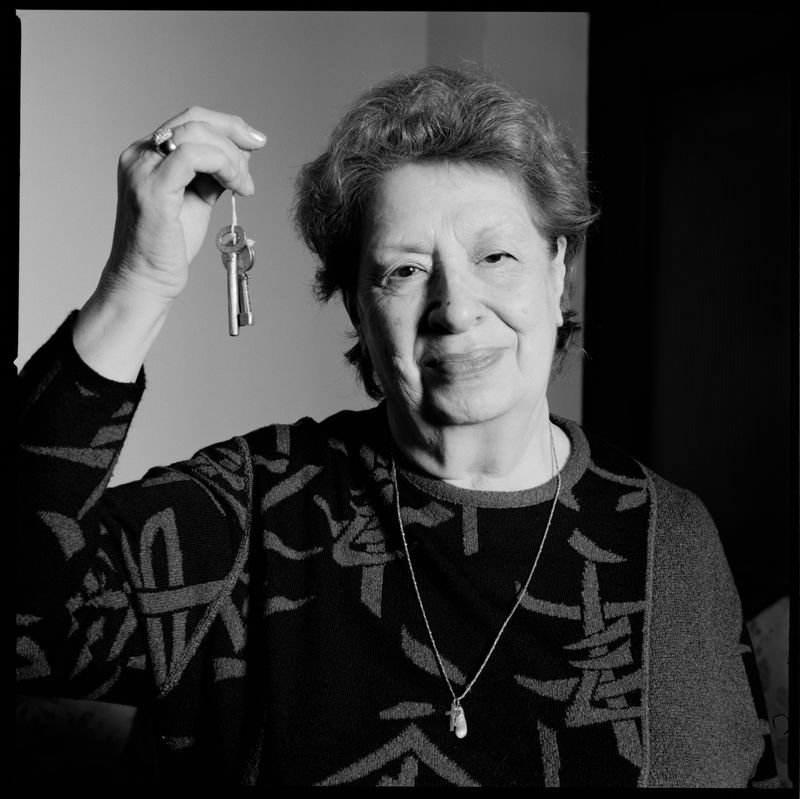
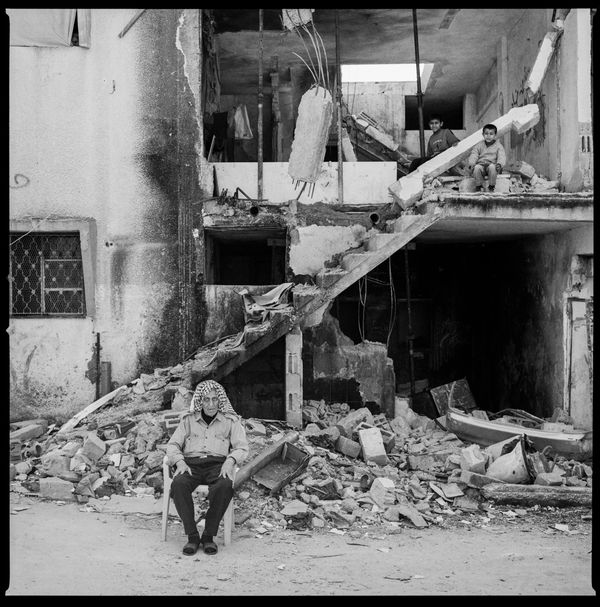
HOMELAND LOST: THE PALESTINIANS In Homeland Lost: The Palestinians Alan Gignoux juxtaposes portraits of Palestinian refugees with photographs of their former homes or villages in what is today Israel.

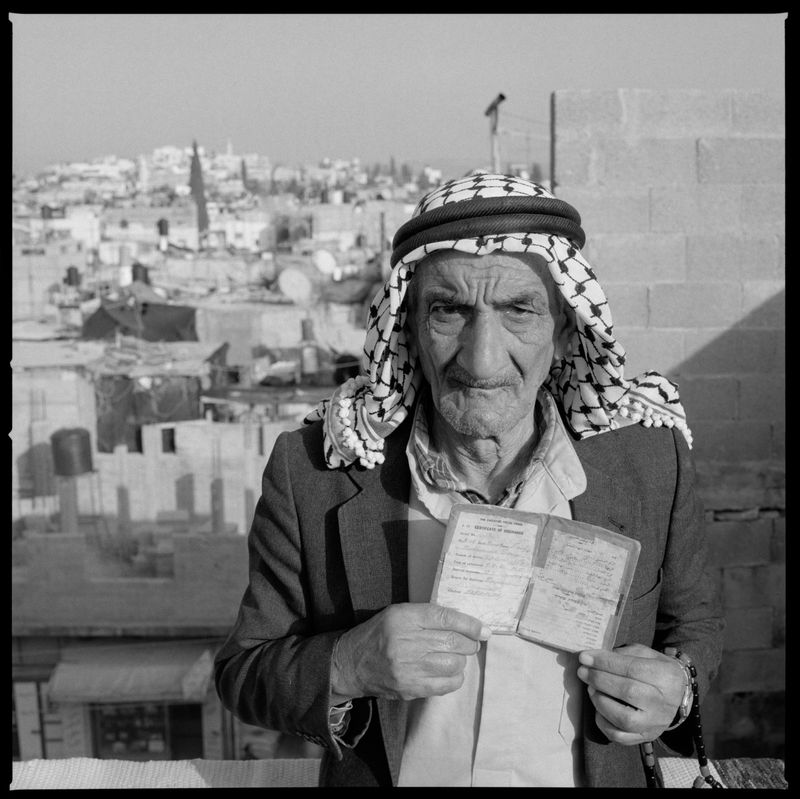
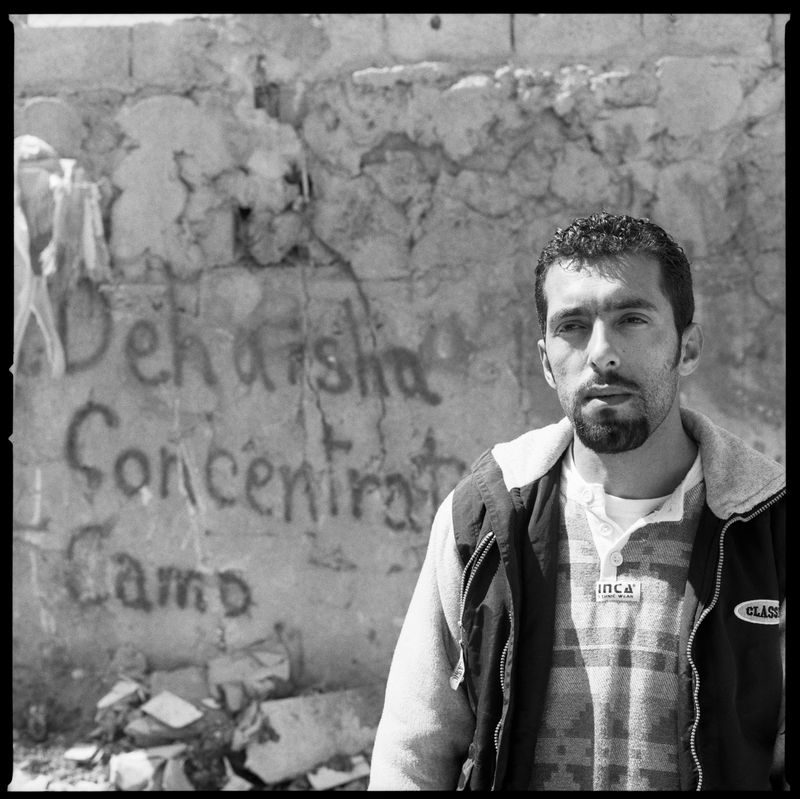
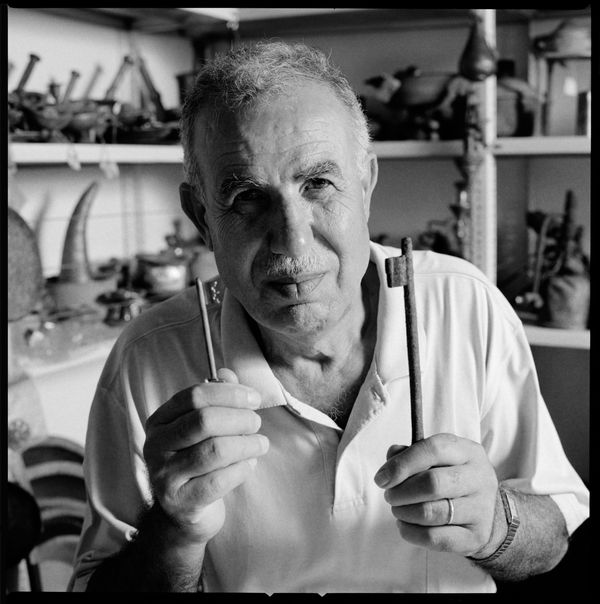
Palestinians refer to the events leading to the creation of Israel as al-Nakba – the catastrophe. The phrase emphasises the suffering caused by dispersal, exile, alienation, and denial. The older generation in Alan’s photographs long for lost houses and villages and for communities, orchards, olive groves, and the more abstract “homeland,” holding on to keys, maps, and entitlement cards as symbols of ownership, loss, and hope.  Younger Palestinians, raised in refugee camps, have never seen their ancestral homeland and can only imagine what it must be like.

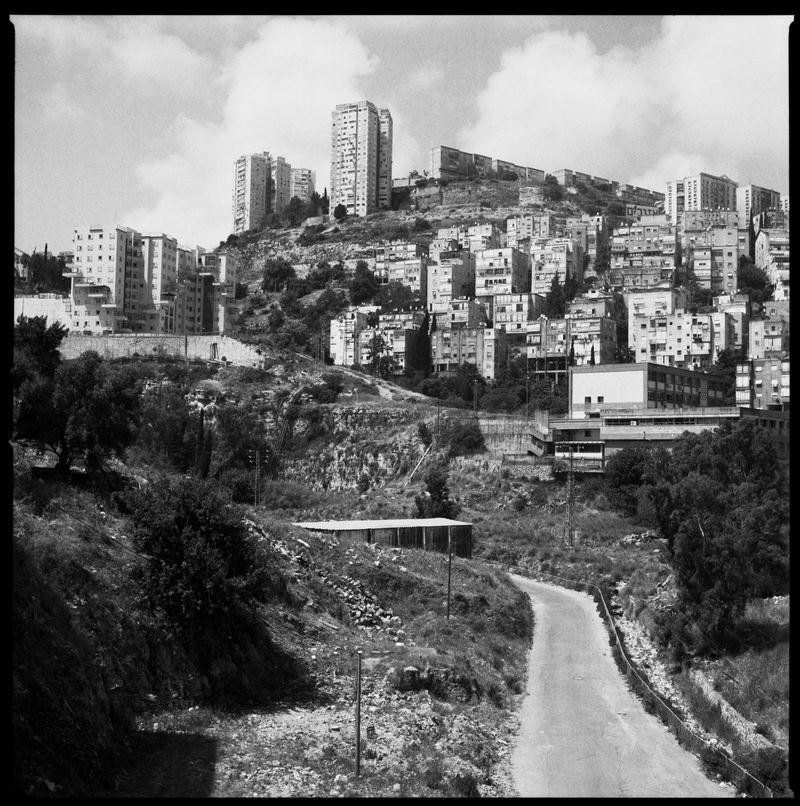
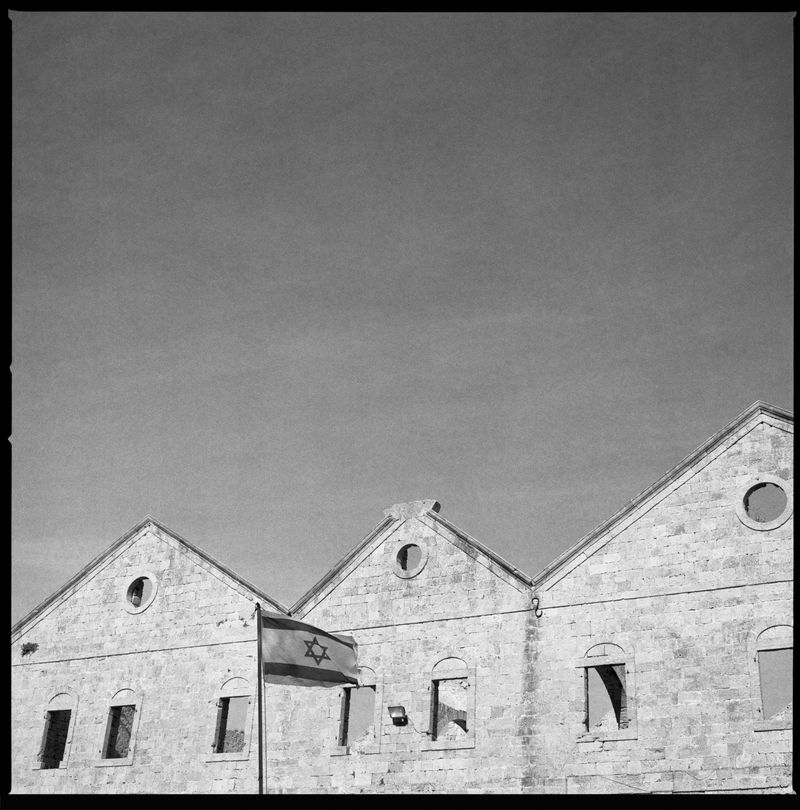
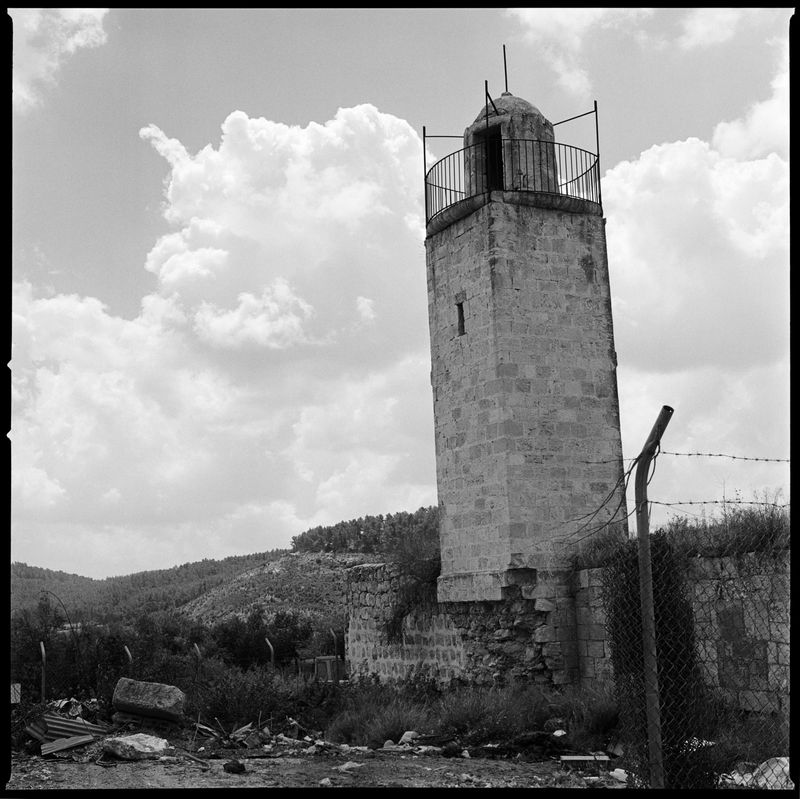
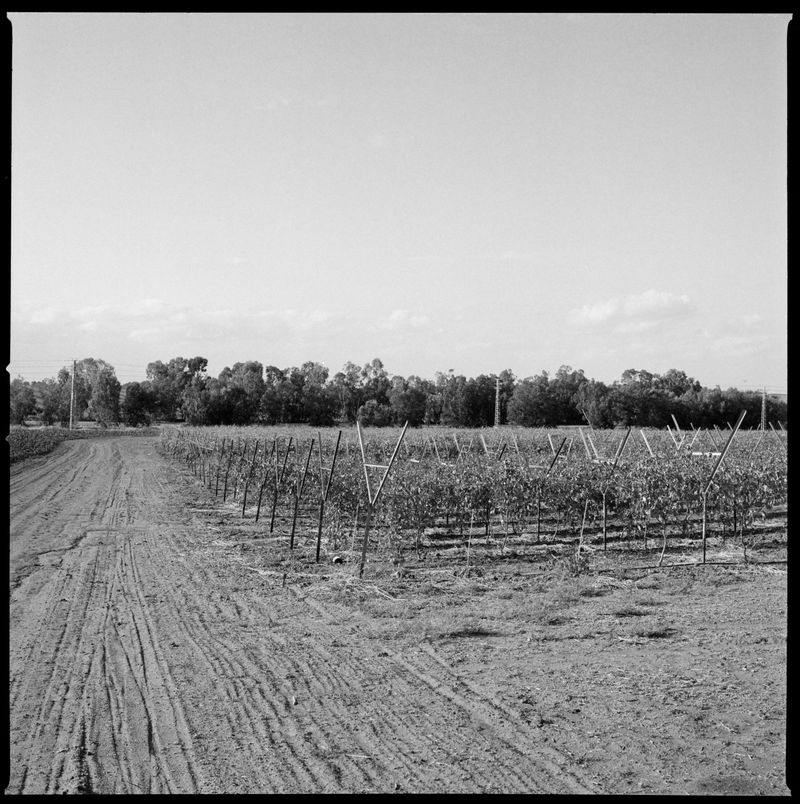
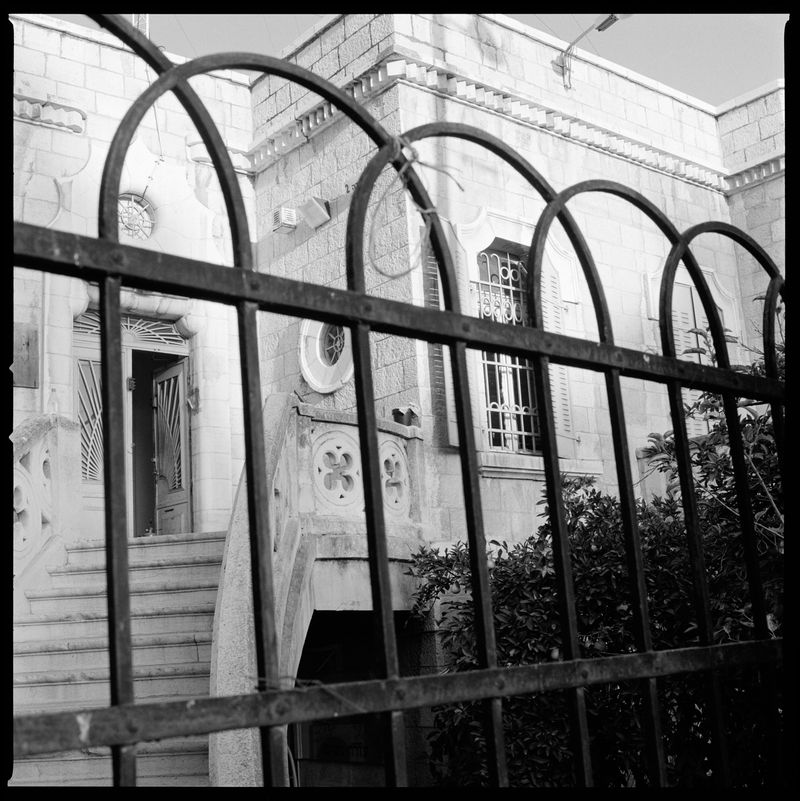
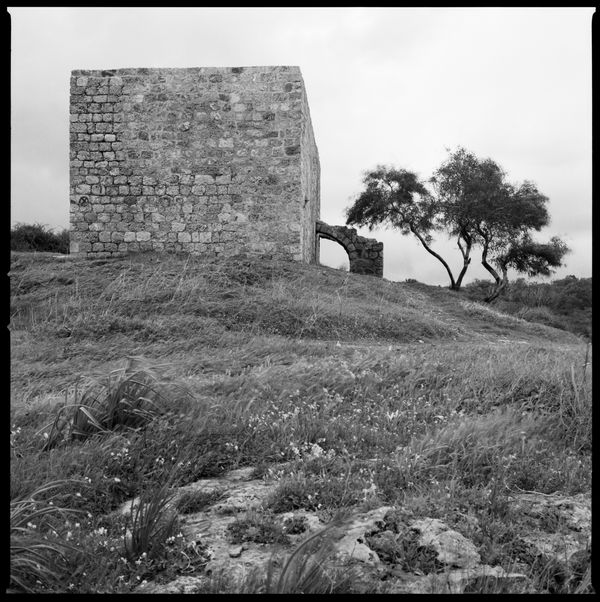
Alan’s photographs of the refugees’ former homes record the transformation of the former Palestinian landscape. Many of the villages, razed during the war to discourage return, have fallen into ruin. They are either overgrown with weeds or obscured by forests of pine. Where homes remain, they now house Israeli families, or have been converted to different uses. Towns and villages have been renamed.

“Homeland Lost is ultimately about linking people and places.  The individuals in this book were displaced from their homeland more than sixty years ago.  Here, and whenever the work is shown in exhibition, they are temporarily and symbolically reunited with their places of origin.  The project aims to encourage discussion about the strong links between a person and the place where they were born and where their forefathers lived for generations.  I have combined two genres in this project: portraiture and landscape.  In fact, the two are inextricably linked – the portrait is not complete without the landscape and the landscape in not complete without the portrait.”

Alan Gignoux.

© Alan Gignoux - Image from the Homeland Lost - The Palestinians photography project
i

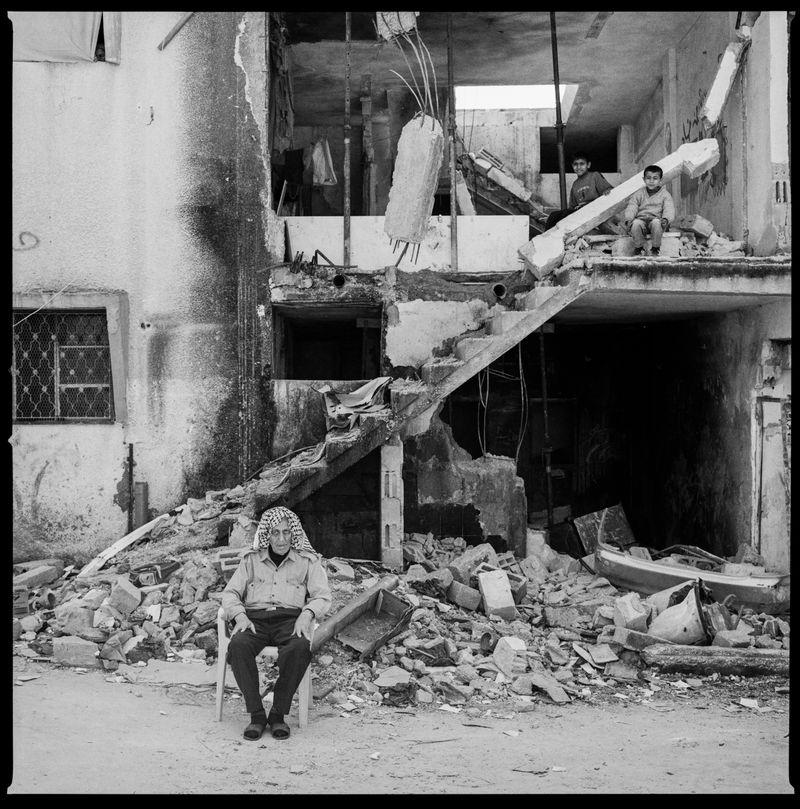
Hussein al-Luwaisi ‘Abu Khalid’ Originally from Wadi al-Hawarith (formerly Palestine) Living in Tulkarm refugee camp, West Bank (Israeli occupied territories) - Hussein al-Luwaisi in front of his house in the refugee camp. The house has just been demolished by the Israeli army. One of Israel’s answers to attacks by Palestinians is to demolish the homes of relatives of alleged militants.

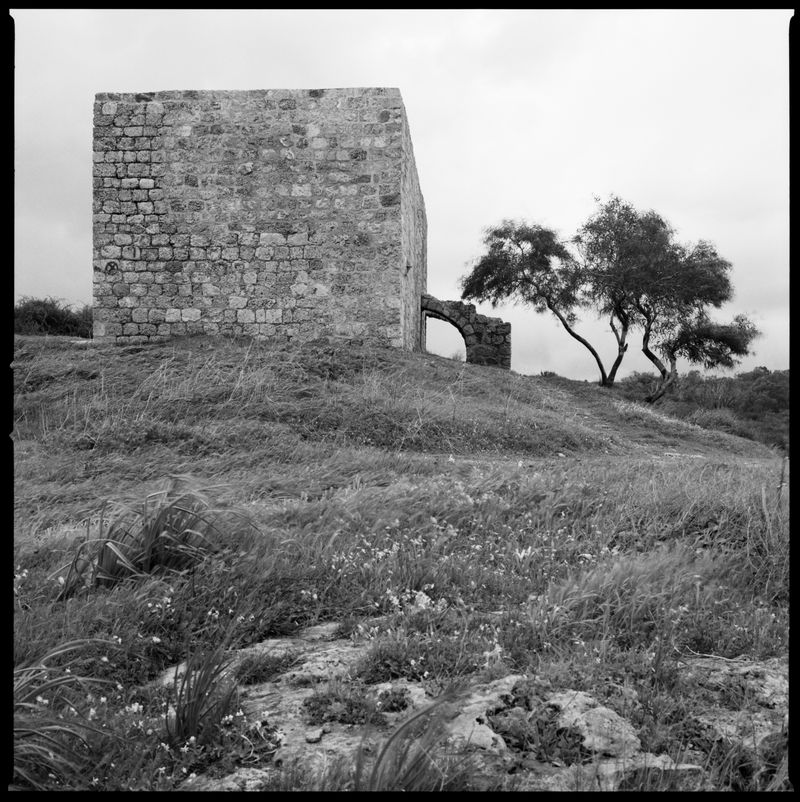
© Alan Gignoux - Kefar ha-Ro’e (Israel) Formerly Wadi al-Hawarith (Palestine)
i

Kefar ha-Ro’e (Israel) Formerly Wadi al-Hawarith (Palestine)

© Alan Gignoux - Image from the Homeland Lost - The Palestinians photography project
i

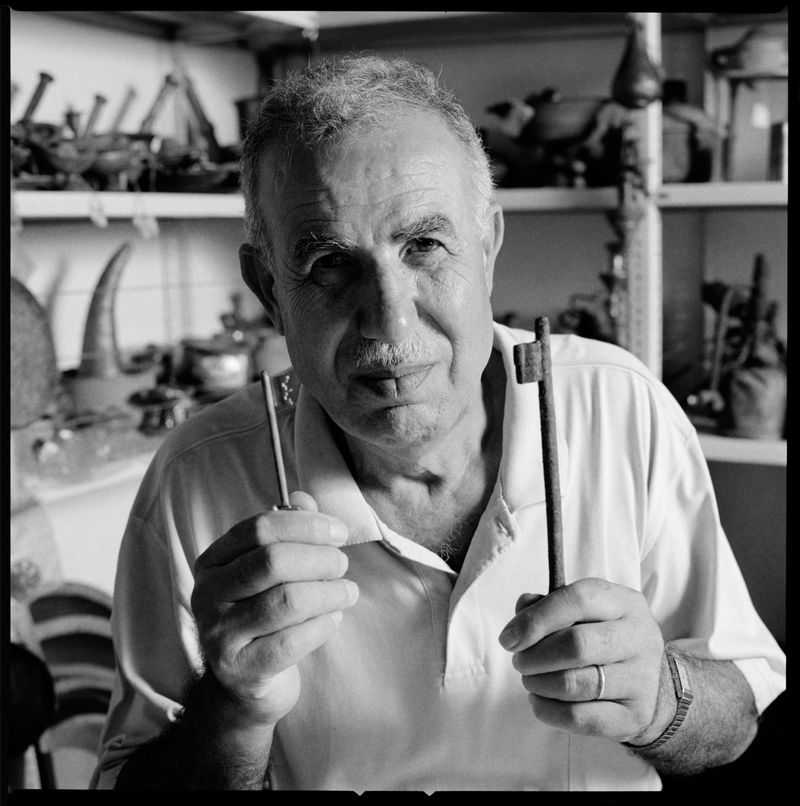
Mahmoud Dakwar (b. 1937) Originally from Qaddita (formerly Palestine) Living in Tyre (Lebanon) - Keys of houses to which their former occupants will never return, deeds to plots of land, building permits: they can all be seen in the Palestine Museum, just across the Lebanese border. Mahmoud Dakwar, a retired teacher, built the museum.

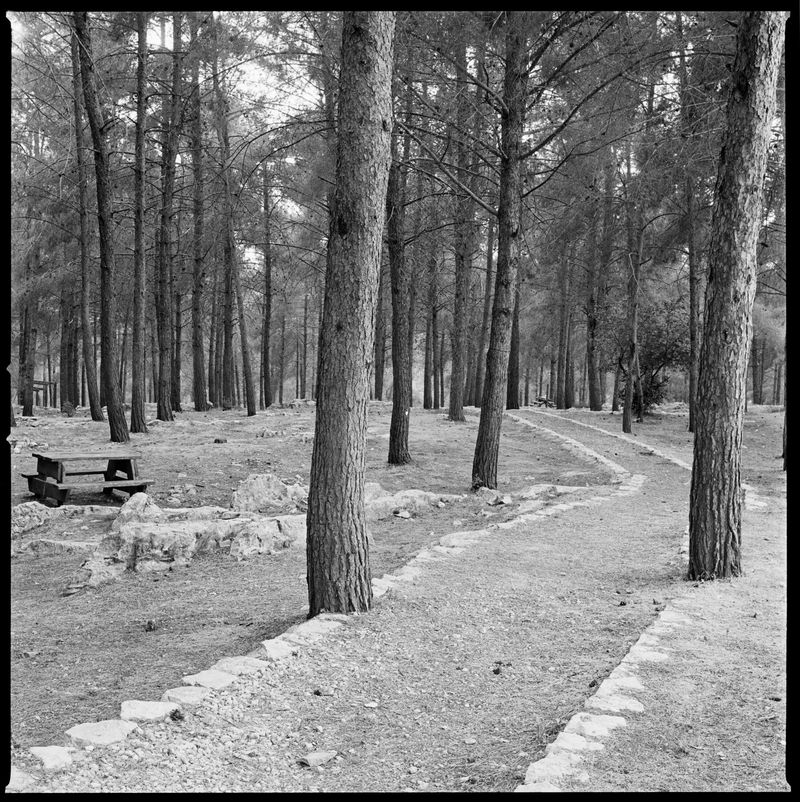
© Alan Gignoux - Birya Forest (Israel) Formerly Qaddita (Palestine)
i

Birya Forest (Israel) Formerly Qaddita (Palestine)

© Alan Gignoux - Image from the Homeland Lost - The Palestinians photography project
i

Muhammad, Khalil and Shireen Hawari Originally from Haifa (formerly Palestine) Living in Beirut (Lebanon) -Muhammad Hawari had a young family when he fled his native Haifa. He eventually ended up in Beirut. In 1957 he was able to obtain Lebanese nationality, unusually for a Palestinian refugee. Like many of his fellow exiles, Muhammad found work in the oil industry. He worked for BP in Yemen.

© Alan Gignoux - Haifa (Israel)
i

Haifa (Israel)

© Alan Gignoux - Image from the Homeland Lost - The Palestinians photography project
i

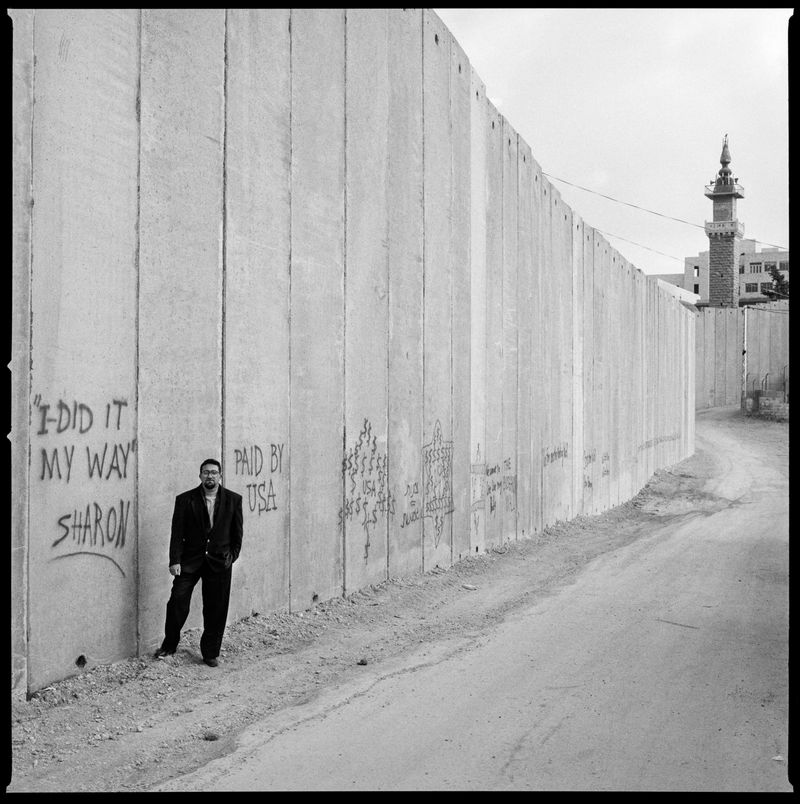
Hassan Akramawi (b. 1956) Parents originally from ‘Ain Karim (Palestine) Living in Abu Dis, West Bank (Israeli occupied territories) - Hassan Akramawi is standing in the photo beside the separation wall that cuts through Abu Dis, where he lives. The wall, which Israel began building in 2003, stands largely on occupied Palestinian land. The wall slices through Hassan’s petrol station.

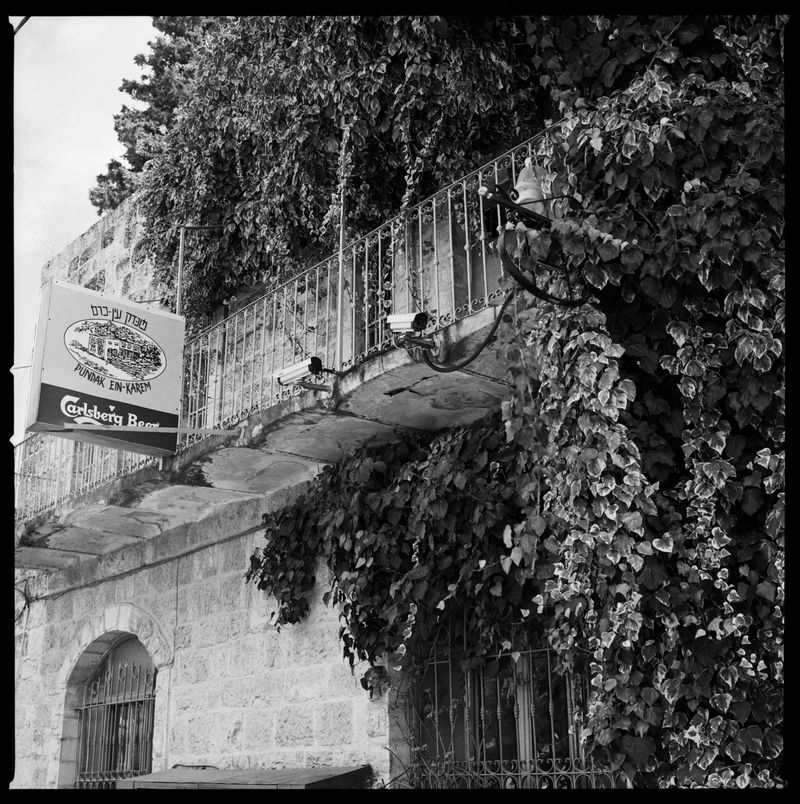
© Alan Gignoux - ‘Ain Karim (Palestine) The house in which Hassan Akramawi’s parents used to live, now a restaurant.
i

‘Ain Karim (Palestine) The house in which Hassan Akramawi’s parents used to live, now a restaurant.

© Alan Gignoux - Image from the Homeland Lost - The Palestinians photography project
i

Fawzi Muhammad Tanji Originally from al-Tantura (formerly Palestine) Living in Tulkarm Refugee Camp, West Bank (Israeli occupied territories) - Fawzi Tanji served in the British Mandate police until 1948. In the photo he displays his discharge papers. This is the only official document proving that he ever lived in Palestine. Like Tanji, many Palestinians treasure these old documents.

© Alan Gignoux - Dor / Kibbutz Nahsholim (Israel) Formerly al-Tantura (Palestine)
i

Dor / Kibbutz Nahsholim (Israel) Formerly al-Tantura (Palestine)

© Alan Gignoux - Image from the Homeland Lost - The Palestinians photography project
i

Hassan Al-Alami Parents originally from Zakariyyeh (formerly Palestine) Living in Dheisheh Refugee Camp, West Bank (Israeli occupied territories) - Hassan standing beside a wall full of graffiti in the refugee camp. Hassan al-Alami is a journalist. He was born and raised in Dheisheh refugee camp: a second generation refugee. His family is originally from the village of Zakariyyeh.

© Alan Gignoux - Zekharya (Israel) Formerly Zakariyyeh (Palestine) The village mosque.
i

Zekharya (Israel) Formerly Zakariyyeh (Palestine) The village mosque.

© Alan Gignoux - Image from the Homeland Lost - The Palestinians photography project
i

Mustafa Mahmoud Kassem al-Yassini (b. 1940) Originally from Deir Yassin (Palestine) Living in al-Izariya, West Bank (Israeli occupied territories) - Mustafa al-Yassini with a portrait of his sister, with whom he survived the attack on Deir Yassin. When the Jewish militias entered her village.

© Alan Gignoux - Jerusalem Deir Yassin (Palestine)
i

Jerusalem Deir Yassin (Palestine)

© Alan Gignoux - Image from the Homeland Lost - The Palestinians photography project
i

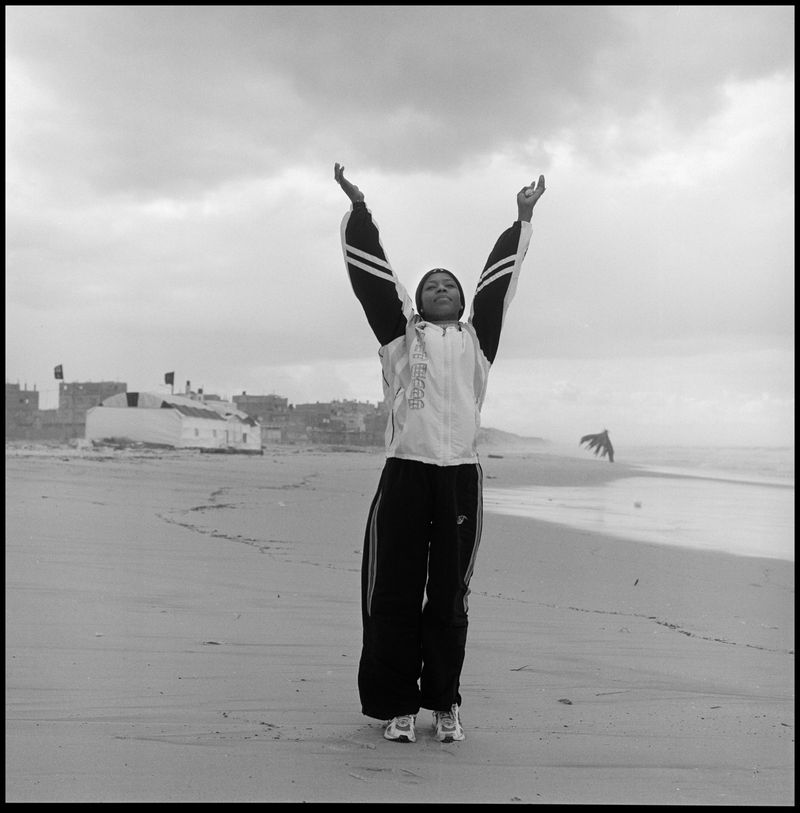
Sana Bekhet (b. 1984) Mother originally from Kawkaba (formerly Palestine) Living in Gaza City, Gaza Strip (Israeli occupied territories) - In 2004 Sana was one of four athletes who competed at the Olympic Games in Athens under the Palestinian flag. This was the third time that Palestinians took part in the event.

© Alan Gignoux - Kokhav Mikha’el (Israel) Formerly Kawkaba (Palestine)
i

Kokhav Mikha’el (Israel) Formerly Kawkaba (Palestine)

© Alan Gignoux - Image from the Homeland Lost - The Palestinians photography project
i

Zeinab al-Saqqa Originally from al-Nahr (formerly Palestine) Living in Burj al-Barajneh Refugee Camp (Lebanon) - Shown wearing her wedding dress, the only possession she brought with her from Palestine. Zeinab al-Saqqa was married one month before the Israeli army attacked her village. Together with her husband she walked to Lebanon.

© Alan Gignoux - Ben Ammi (Israel) Formerly al-Nahr (Palestine)
i

Ben Ammi (Israel) Formerly al-Nahr (Palestine)

© Alan Gignoux - Image from the Homeland Lost - The Palestinians photography project
i

Sylvia Sneige (b. 1937) Originally from Jerusalem (formerly Palestine) Living in Beirut (Lebanon) - Sylvia Sneige comes from a Christian Lebanese family that lived in Palestine for generations. Her father worked for the British colonial administration in Jerusalem. In 1948, the Sneige family fled to Egypt and from there to Lebanon.

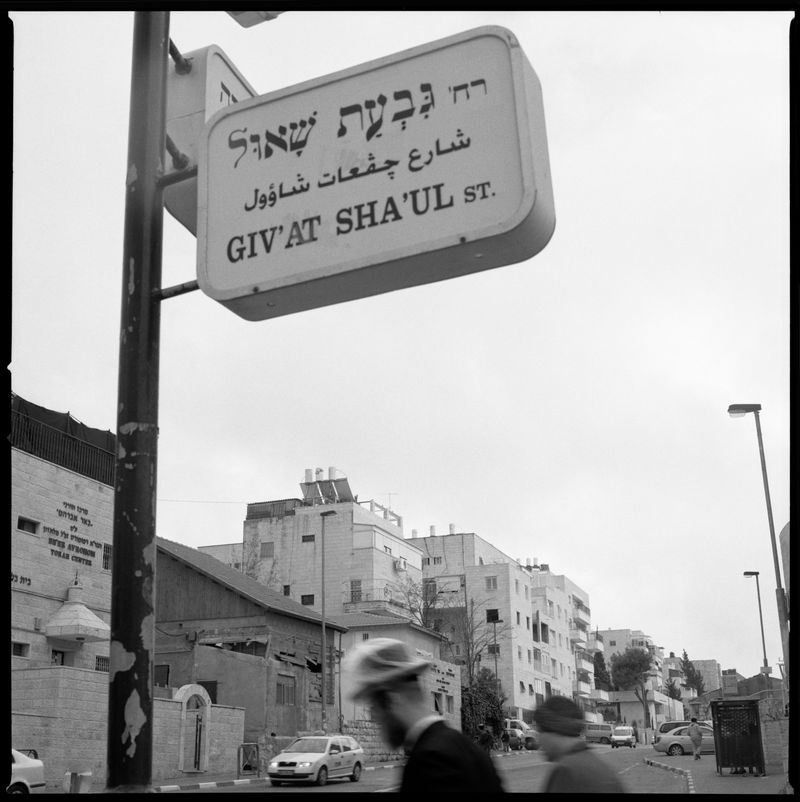
© Alan Gignoux - Jerusalem (Israel) The house where the Sneige family lived in the German Colony
i

Jerusalem (Israel) The house where the Sneige family lived in the German Colony