Históricas

Históricas celebrates the "Argentine Trans Memory Archive" through Sonia, Mychel, Moni, Marce and Teté; elder travesti survivors who have found both refuge and purpose within the Archive, preserving a collective history that is now more vital than ever.

Históricas is a collective project between Mauricio Holc and Hector Villalobos, two queer visual storytellers. Was born from a shared longing, but above all, from a profound sense of intergenerational gratitude. As queer artists from the Global South, we recognize that our ability to create, express, and exist authentically today is directly indebted to the older travesti and trans women who paved the way with their bodies and their resistance.

This work is vital to us because it bridges the gap between their history of survival and our present search for identity. Collaborating with the Archivo de la Memoria Trans allows us to honor their legacy not just as a record of the past, but as a living inspiration. By merging documentary and fashion aesthetics, we aim to construct a visual narrative that celebrates their lives with the dignity, beauty, and reverence they have always deserved.

An historical archive allows us to know, understand, and verify the truth of events that form part of our collective memory. Marcela, Teté, Mychel, Sonia, and Mónica embody a living archive, one filled with recollections and images from an era they were able to survive.

These women belong to the Archivo de la Memoria Trans Argentina, a space dedicated to preserving, protecting, and honoring trans memory —today more necessary than ever—. The Archive is both a repository of remembrance and a gathering place for the women who once stood at the forefront of a nascent struggle for rights and visibility.

In a country where the average life expectancy of a trans woman is 35 years, the power of these portraits lies not only in their imagery but also in the vitality of their voices, smiles, and gazes. Each one tells a story as raw as it is luminous, a testimony of survival, dignity, and tenderness.

As the structural violence continues to intensify against the most vulnerable groups, amplifying the voices of our Históricas becomes imperative. They are the flag bearers of resistance, those who remain and those who never made it.

To celebrate them is to speak of their legacy, to honor their contribution to a fairer and more equal society, and to uphold their struggles as guiding lights in times marked by denialism and individualism.

Nowdays, the Integral Gender Identity Law, enacted in 2012, stands under threat from new public policies and a growing climate of social hostility. Argentina’s history is complex, but for the trans community, it has been particularly painful. Portraying them, therefore, is not only an act of commemoration but also one of justice, celebration and reparation.

May a bright blue sky forever exalt them, and may their faces —strong, alive, and unyielding— continue to show us the way.

HISTORICAL REPARATION NOW!

This project seeks to celebrate and honor the AMT through fashion portraits created in close collaboration/consensus with the girls and the AMT, offering a form of vindication that has historically been denied to them.

About the Archivo de la Memoria Trans Argentina:

Founded in 2012 in exile by trans activist María Belén Correa, the Archivo de la Memoria Trans Argentina (AMT) emerged as a virtual meeting place for trans and travesti survivors scattered around the world. In 2014, with the collaboration of visual artist Cecilia Estalles, the AMT began its ongoing mission of safeguarding and preserving community memory.

The Argentinian Trans Memory Archive holds more than 15,000 documents, spanning from the early 20th century to the late 1990s; including photographs, films, sound recordings, press materials, IDs, passports, letters, police files, magazine articles, and personal diaries.

Its mission is to collect, protect, and amplify the life stories of Argentina’s trans community.

(Source: Archivo de la Memoria Trans Argentina)
© Mauricio Holc & Hector Villalobos - Image from the Históricas photography project
i

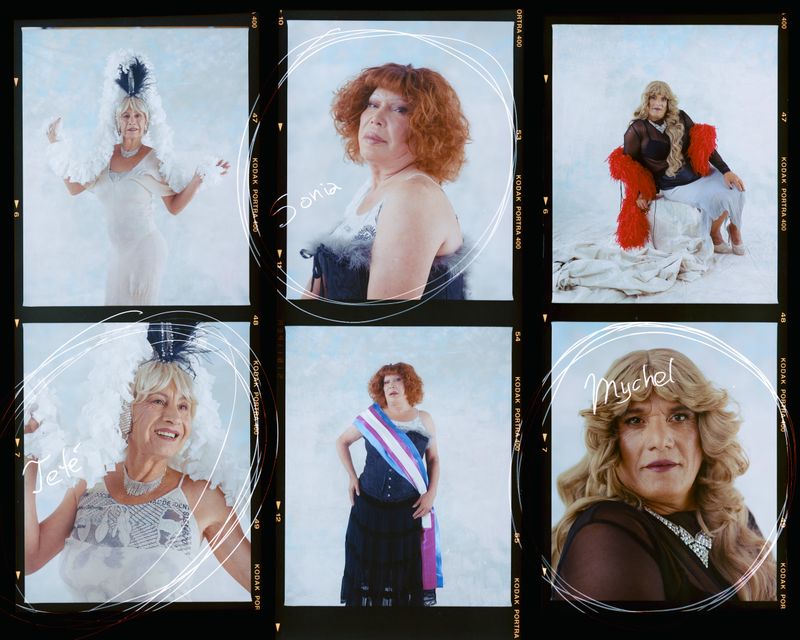
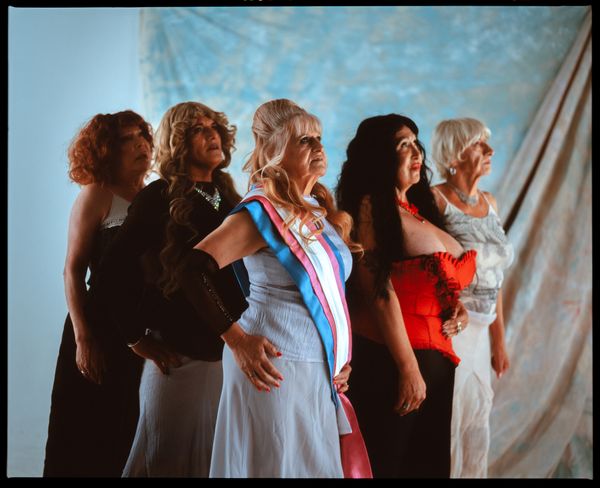
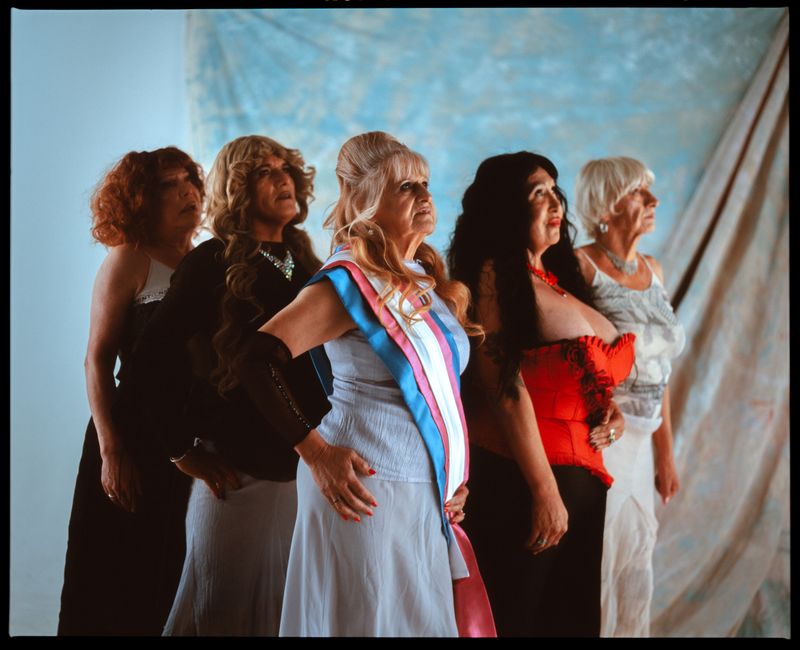
Group portrait of Sonia, Mychel, Moni, Marce, and Teté.Moni proudly wears a sash displaying the colors of the trans flag.These women embody a living archive, filled with memories and images from an era they survived. They are members of the Archivo de la Memoria Trans Argentina, a space dedicated to preserving, protecting, and honoring trans memory.

© Mauricio Holc & Hector Villalobos - Image from the Históricas photography project
i

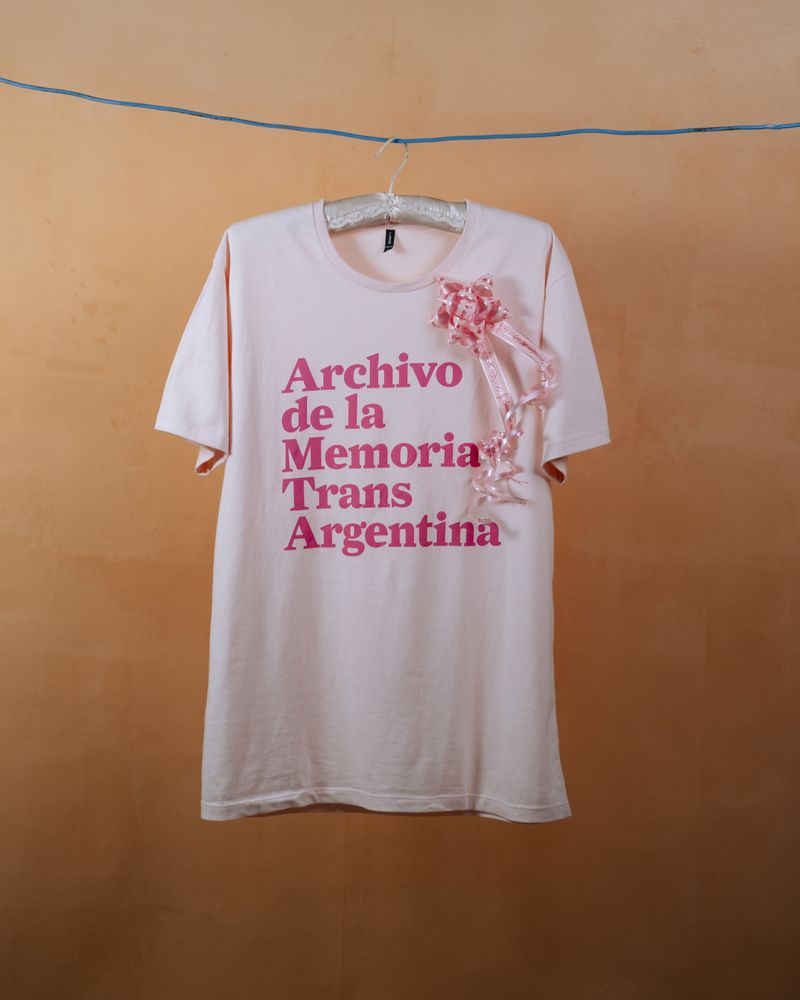
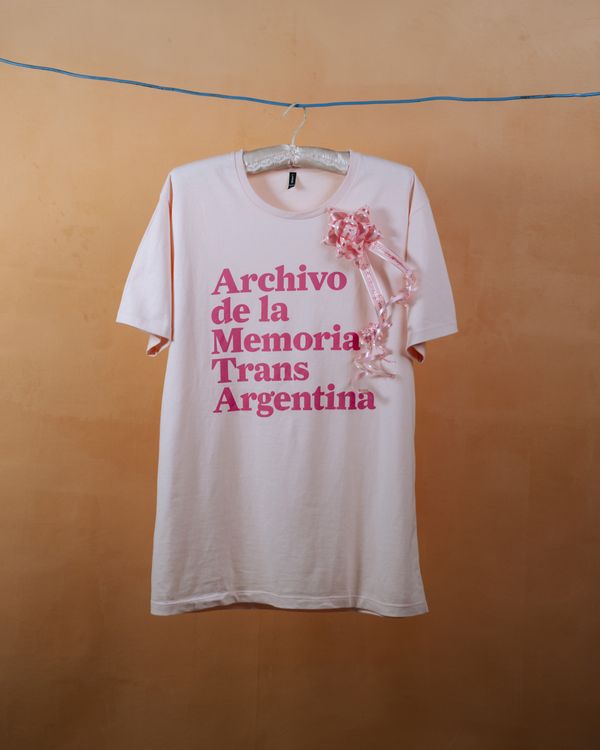
Photography of the "Pink T-shirt" adorned with a bow, the official garment of the Argentine Trans Memory Archive. This shirt carries special significance as it features the colors and typography of the "Pink Book" (the AMT's first publication). Furthermore, it is produced at "Espacio Kumas", the Archive's screen printing workshop designed to foster labor inclusion for trans and elders travestis.

© Mauricio Holc & Hector Villalobos - Image from the Históricas photography project
i

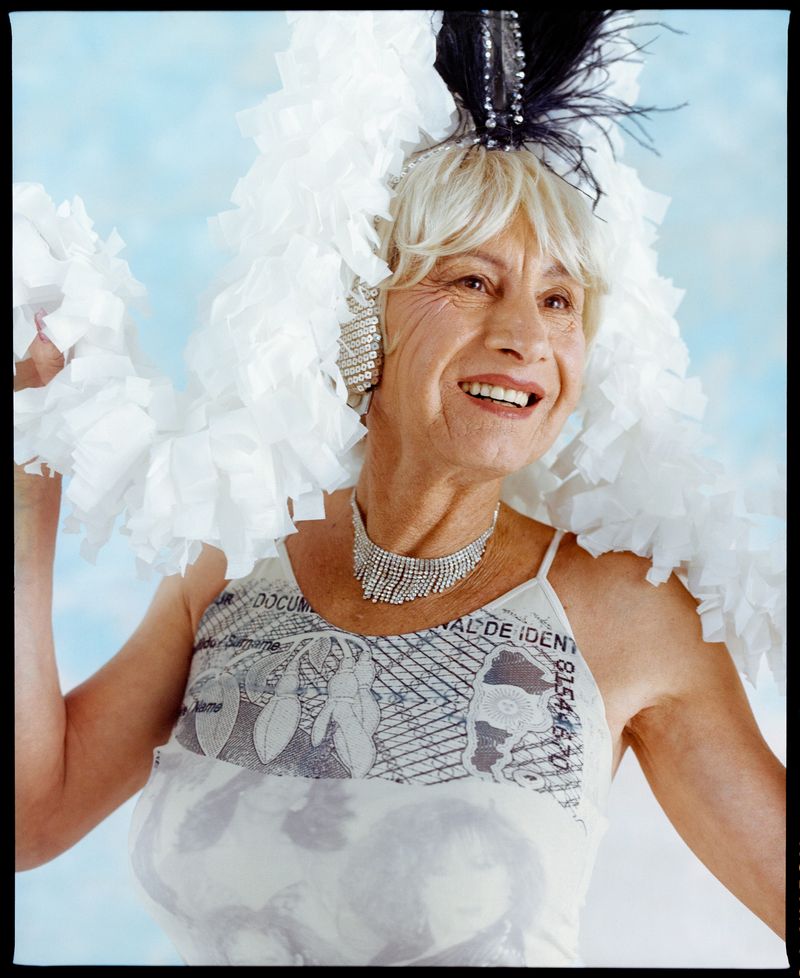
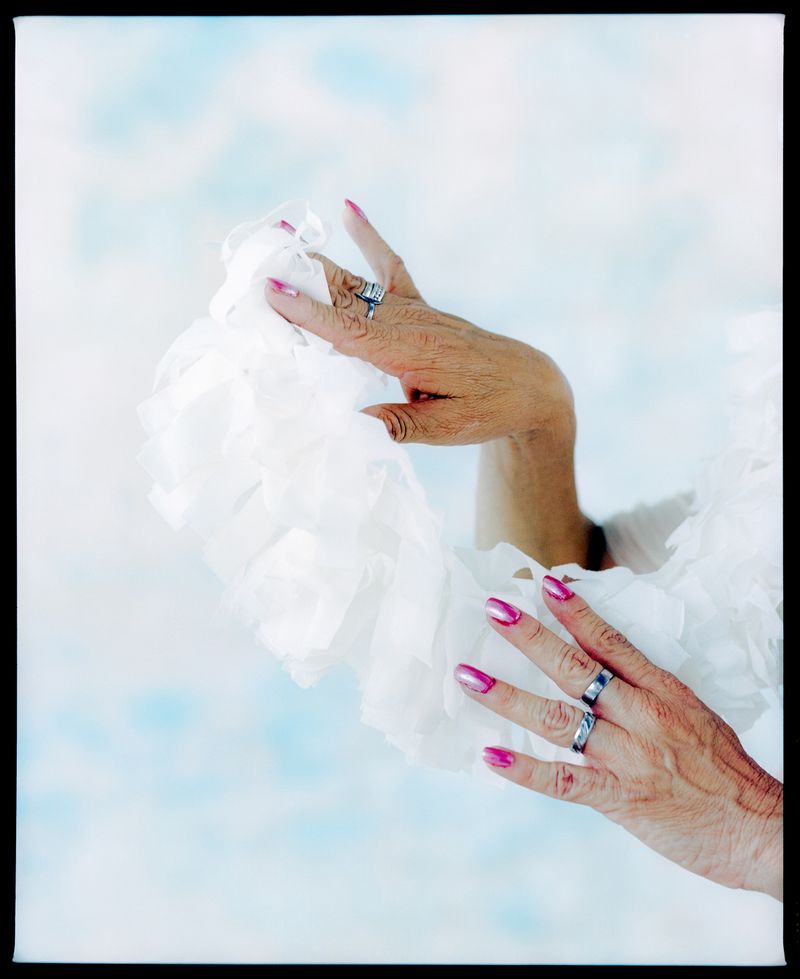
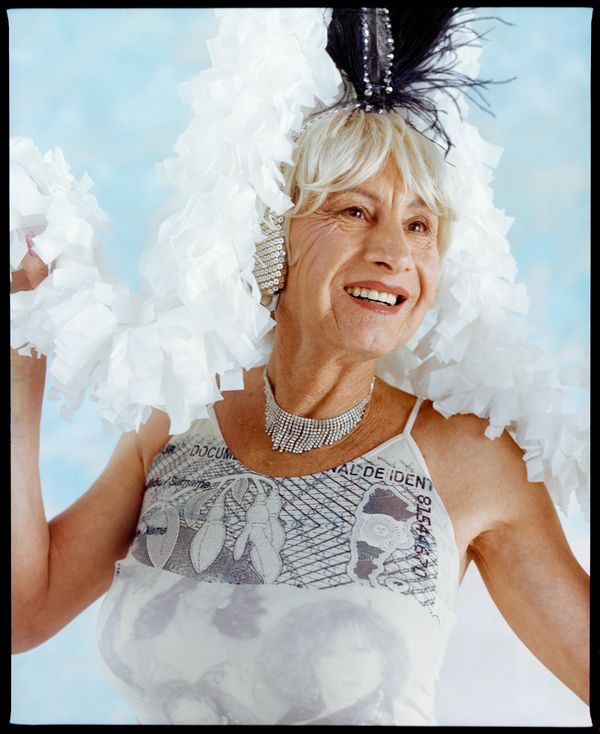
Portrait of Teté wearing a cherished carnival accessory and a custom T-shirt featuring an Argentine ID and trans archive photos.Born in 1964, Teté migrated to Buenos Aires in 1983. Her early years in the city were marked by hustle and survival. she worked as a domestic worker, bartender, and engaged in sex work. She joined the Archivo de la Memoria Trans in 2018.

© Mauricio Holc & Hector Villalobos - Image from the Históricas photography project
i

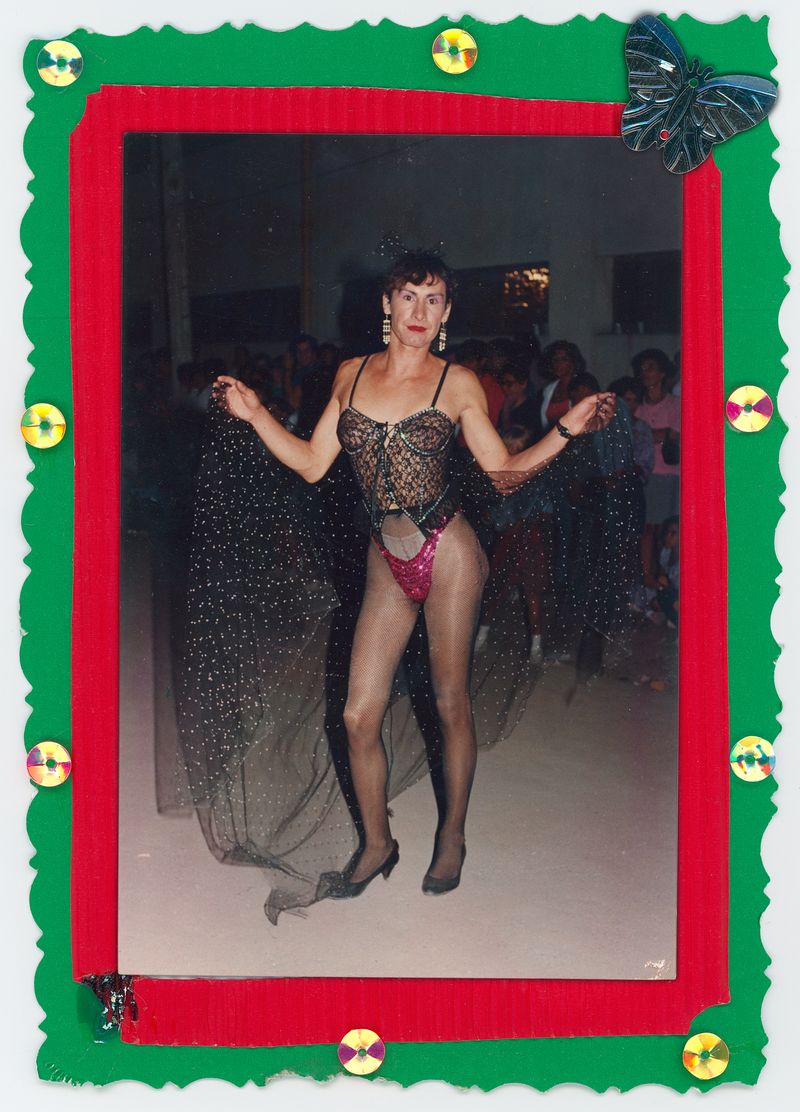
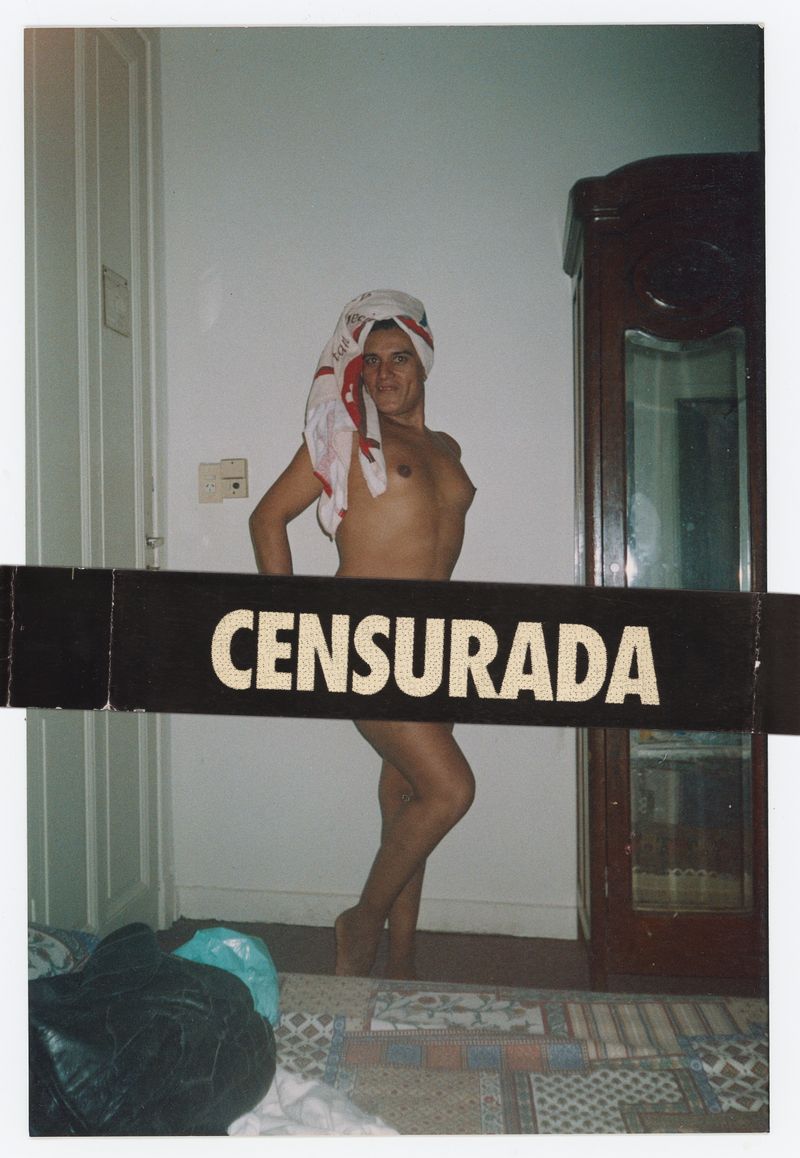
Archival photo of Teté. Her early years in the city were marked by hustle and survival: she worked as a domestic worker, bartender, and, between 1985 and 1990, engaged in sex work in Guernica. In the middle of that struggle, she built a solid personal life; She shares her life with Sergio, her partner since 1992, and finds joy dancing in the “murga” and carnivals since the 90s.

© Mauricio Holc & Hector Villalobos - old ID archive from Teté
i

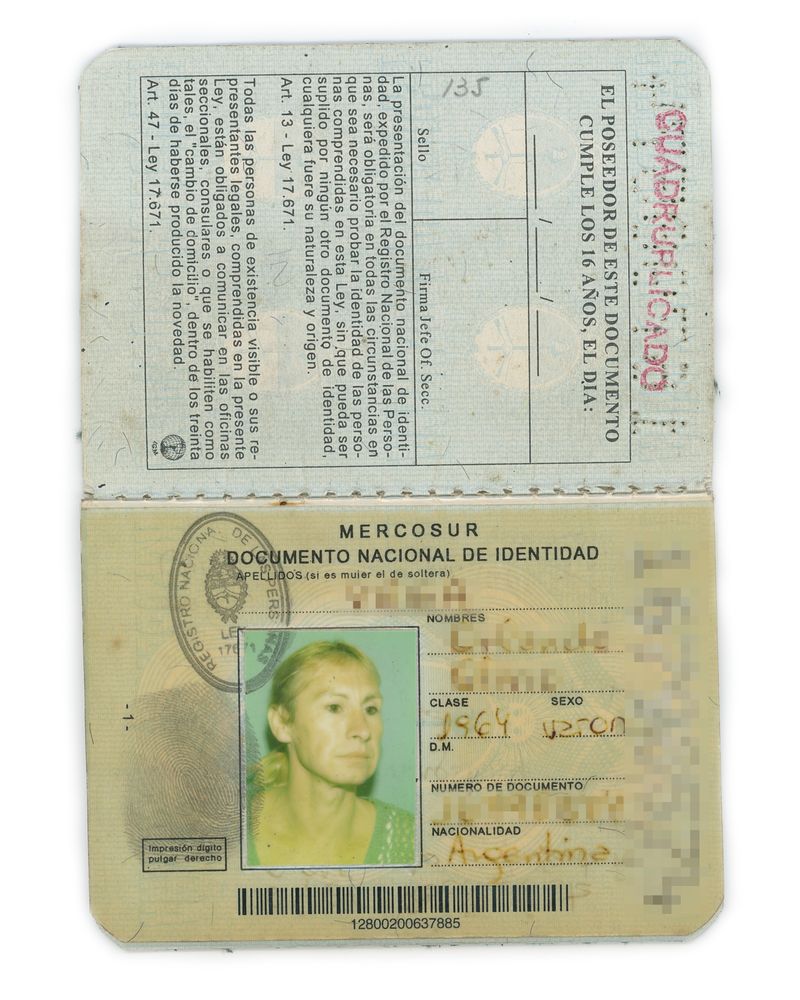
old ID archive from Teté

© Mauricio Holc & Hector Villalobos - Image from the Históricas photography project
i

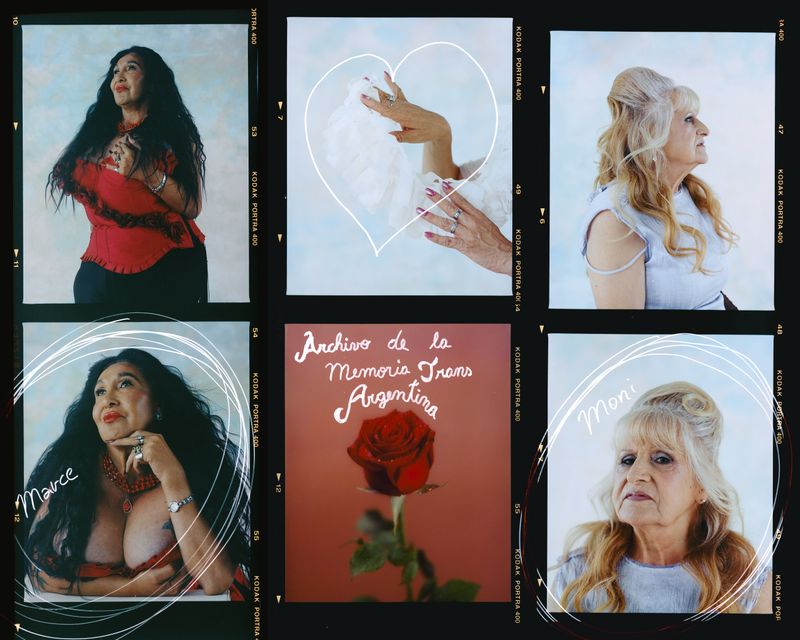
Photograph of a contact sheet displaying selected negatives, marked by hand with the subjects' names.These portraits were shot in Buenos Aires by an all-LGBTIQNB+ team using medium format analog cameras. The styling, developed in collaboration with the women of the AMT, blends personal accessories—key elements of the portraits—

© Mauricio Holc & Hector Villalobos - Image from the Históricas photography project
i

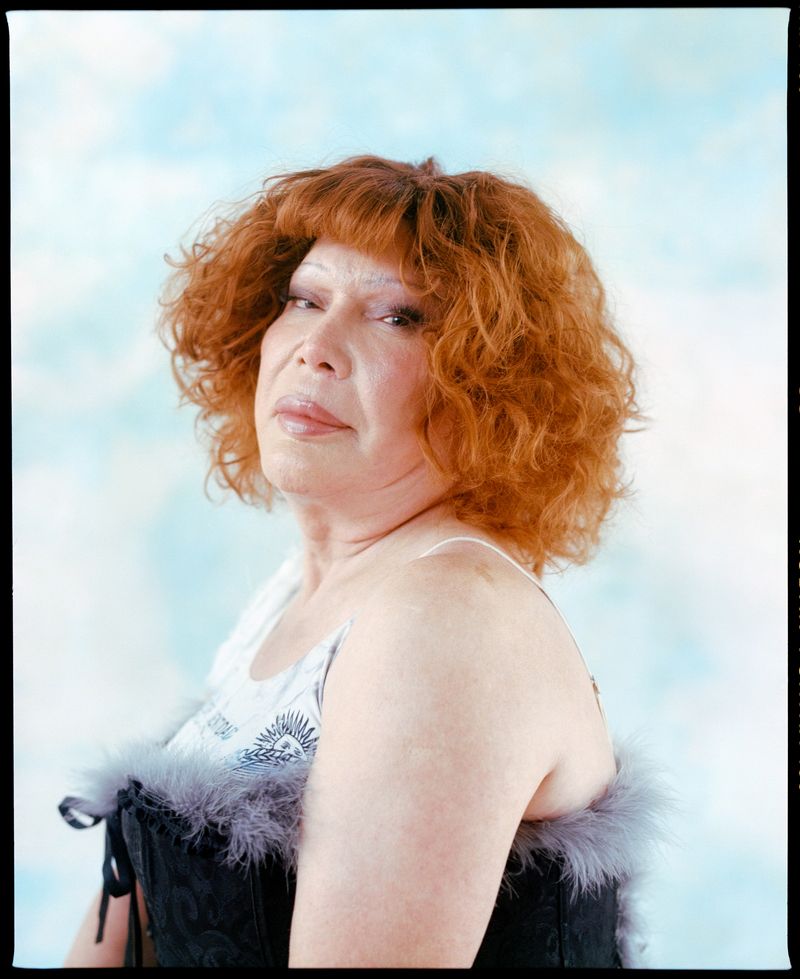
Portrait of Sonia wearing a custom T-shirt featuring an Argentine ID and trans archive photos.Born in 1959 in new Year's Eve, Sonia’s life is defined by a profound calling to care for others, even as the system tried to cast her out.Sonia lived a life swinging between her nurse’s uniform and survival on the streets relied on sex work. In 2022 Sonia found a safe harbor at the AMT.

© Mauricio Holc & Hector Villalobos - Image from the Históricas photography project
i

Archival photos of Sonia. Sonia was born on New Year's Eve. Her life is defined by a profound calling to care for others, even as the system tried to cast her out, yet, her maternal instinct was stronger than any marginalization. She raised three children; Matías, Melany, and Nicole as her own, and later devoted herself to caring for her mother until the end.

© Mauricio Holc & Hector Villalobos - Image from the Históricas photography project
i

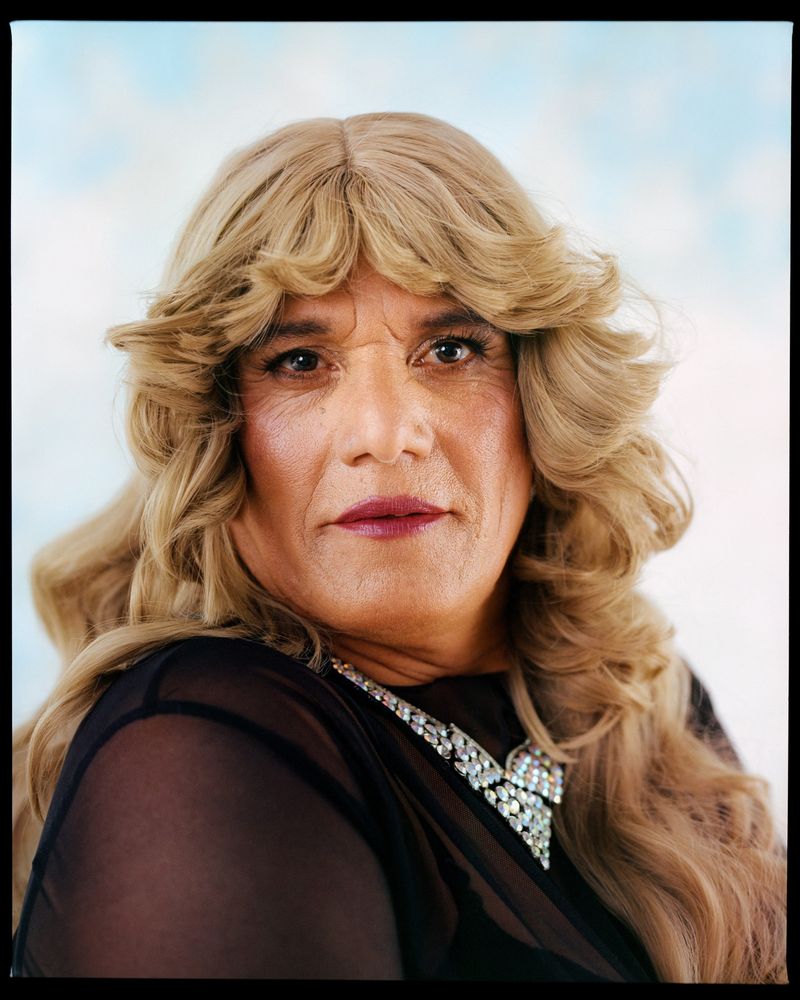
Portrait of Mychel wearing a custom wig.Born in 1969, Mychel had a childhood marked by the need to be free. At age 12, she began her transition and had to leave school. For years she suffered police violence and persecution. Since 2024, she has worked preserving the history of her peers in the digitization area of the AMT.

© Mauricio Holc & Hector Villalobos - Image from the Históricas photography project
i

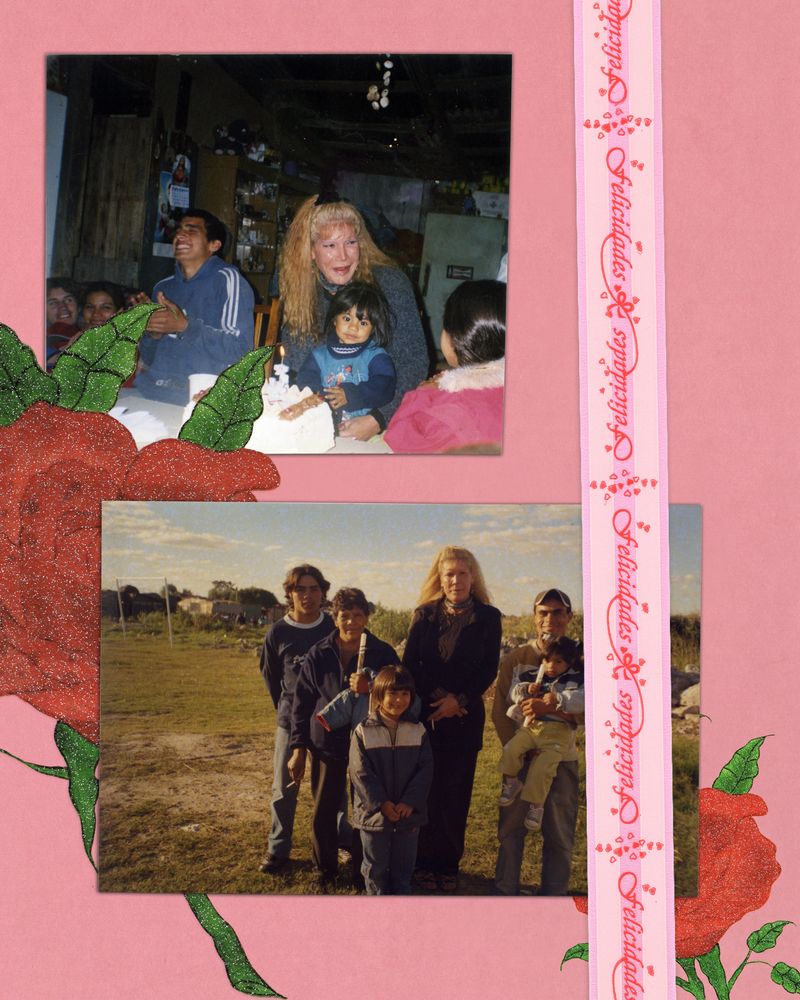
Archival photo of Mychel. She had a childhood marked by the need to be free. She spent time living on the streets and fosters homes, she felt that those escapes were the only moments where she could be herself. At 13, she started sex work for subsist and help her humble family, suffering police violence and persecution. She has actively fought for the rights of her community.

© Mauricio Holc & Hector Villalobos - Image from the Históricas photography project
i

Photograph of a contact sheet displaying selected negatives and the subjects' handwritten names, alongside a frame of a red rose. This flower is a highly representative symbol of the Archive, referencing an illustration found on the back cover of the "Pink Book", the AMT's first publication.These portraits were shot in Buenos Aires by an all-LGBTIQNB+ team using medium format analog cameras.

© Mauricio Holc & Hector Villalobos - Image from the Históricas photography project
i

A rose with glitter. This flower is a highly representative symbol of the Archive, referencing an illustration found on the back cover of the "Pink Book", the AMT's first publication.

© Mauricio Holc & Hector Villalobos - Image from the Históricas photography project
i

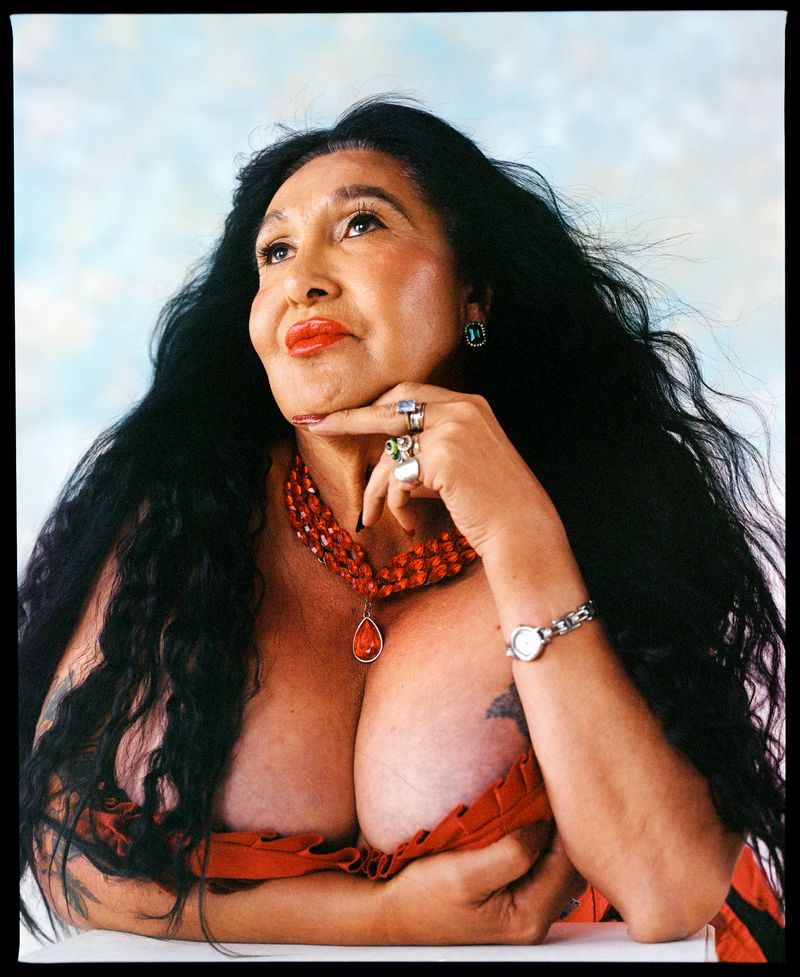
Portrait of Marcela with customs jewelry.Born in 1968, Marcela survived childhood "conversion therapy"and police persecution. From the age of six, she manifested her female identity. In 1985, she became independent and had to resort to sex work as a means of subsistence. Merging her history of resistance with collective memory, she joined the AMT in 2023 to work on preservation.

© Mauricio Holc & Hector Villalobos - Image from the Históricas photography project
i

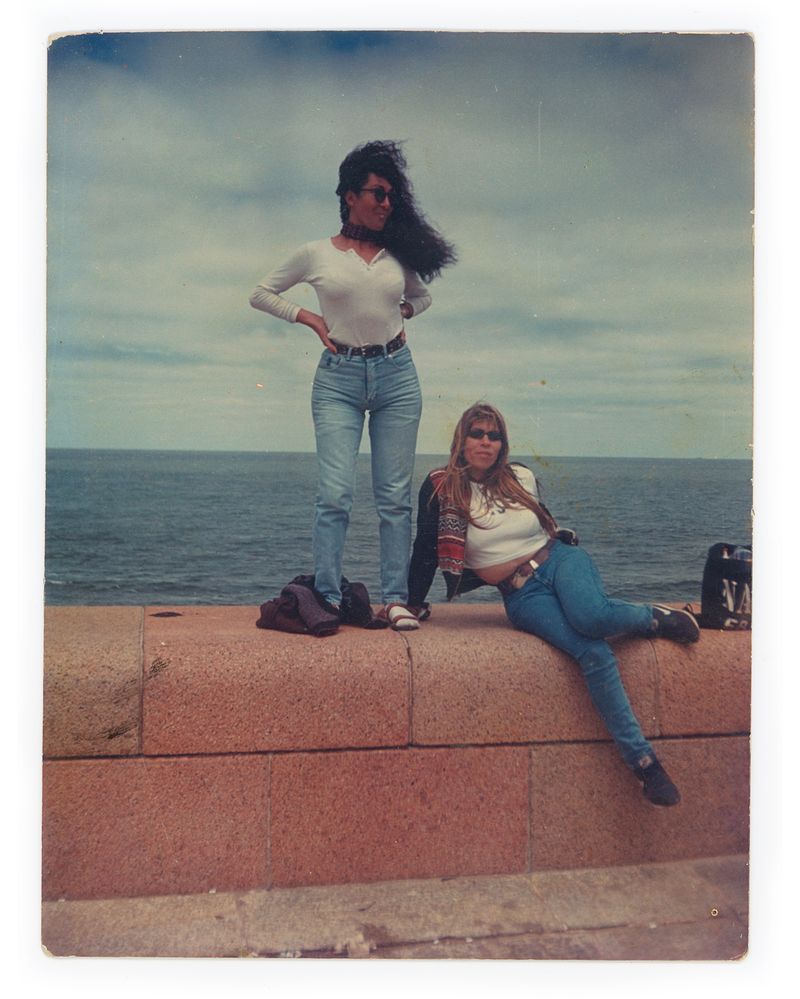
Archival photo of Marce. From the age of six, she manifested her female identity. In 1985, she became independent and had to resort to sex work as a means of subsistence, where she suffered systematic persecution under police edicts (Article 92 “wearing clothing contrary to one’s sex” and Article 68 “practicing prostitution”) which extremely criminalized her identity and freedom.

© Mauricio Holc & Hector Villalobos - Image from the Históricas photography project
i

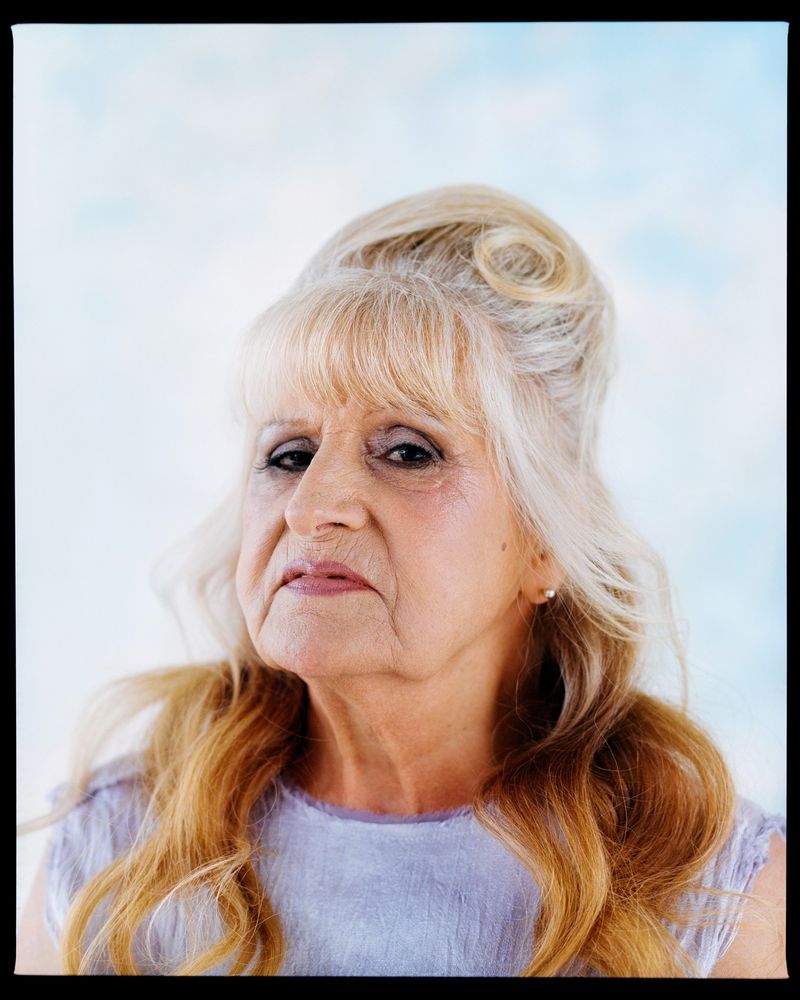
Portrait of Monica.Born in 1953, Monica's childhood was defined by hard work. At 14, with the support of her family, she began her transition and adopted the name "La Gringa"Her youth unfolded between finding her community and the struggle to survive. Since 2025, she has been part of the AMT editorial team.

© Mauricio Holc & Hector Villalobos - Image from the Históricas photography project
i

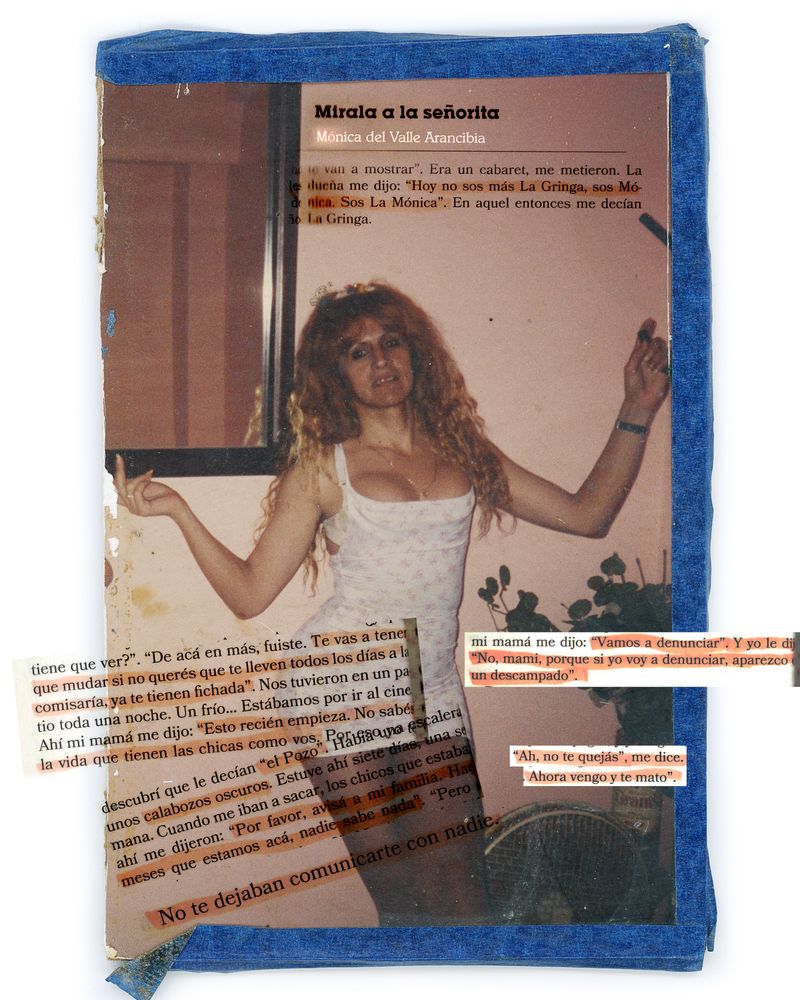
Born in 1953, Mónica "La Gringa" transitioned at 14. Surviving state terror and detention at "Pozo de Quilmes". She built her life through sex work and sewing. Since 2025, she works on the "Archivo de la Memoria Trans" editorial team, teaching sewing workshops at "Espacio Kumas".

© Mauricio Holc & Hector Villalobos - Image from the Históricas photography project
i

"Ojalá todos los días fueran carnaval". For the travesti-trans community, the carnival was more than a celebration: it was freedom. For decades, their bodies were hunted, condemned to the shadows, and exiled from the daylight. But carnival tore through the veil. For a fleeting moment, a sanctuary opened up, a space where they could claim the streets, dance, and simply exist beneath the open sky.

Prev Next Close