High Dimension
-
Dates2021 - Ongoing
-
Author
- Locations Bangkok, New York, Warsaw, Las Vegas, Mexico City
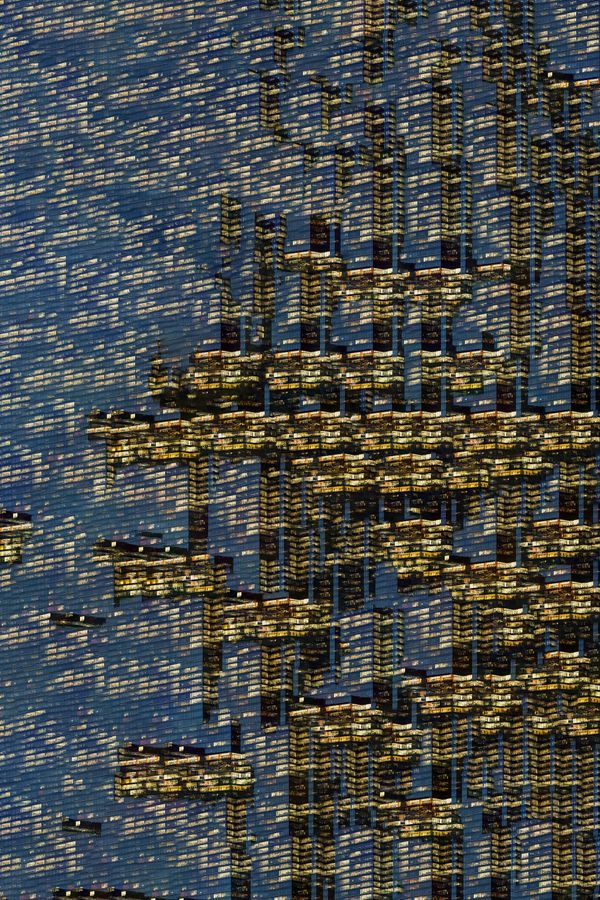
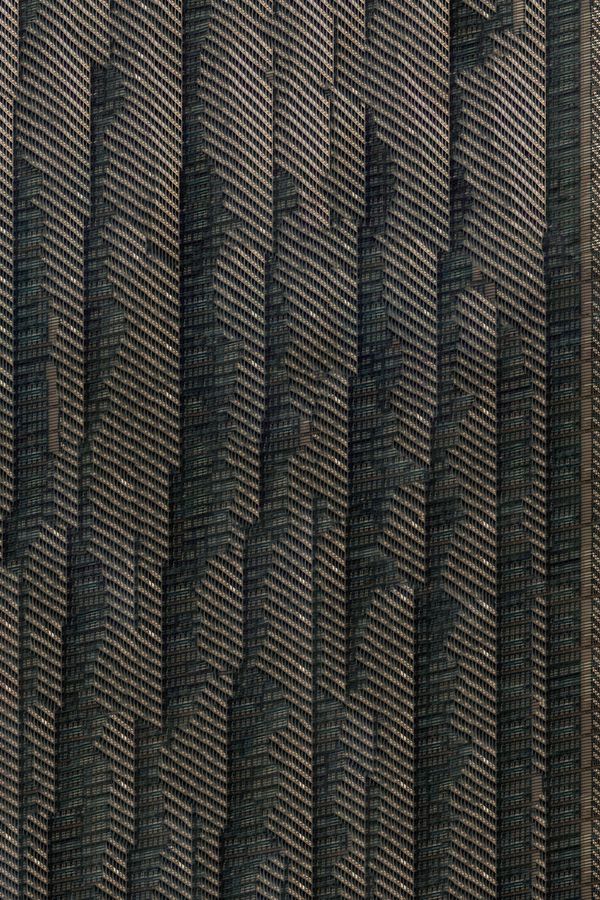
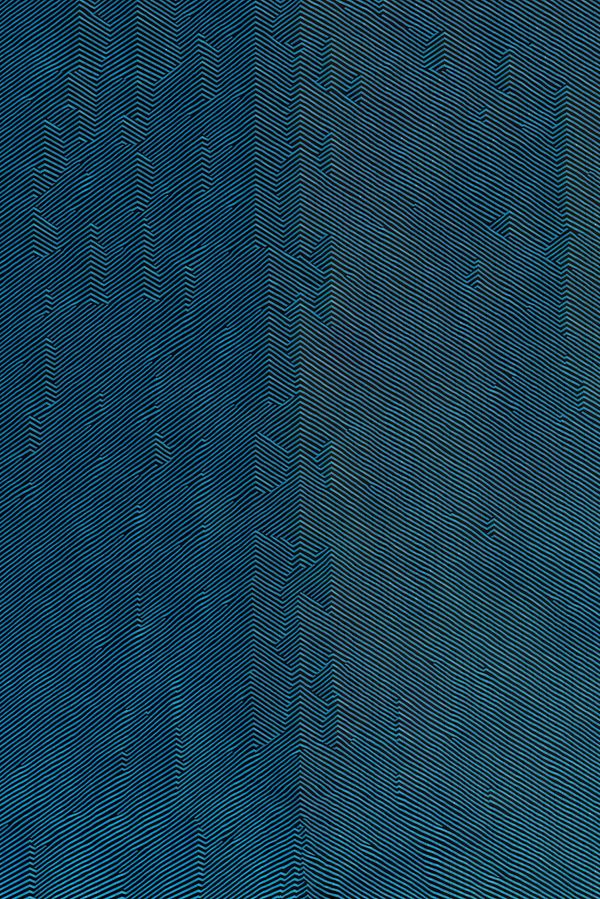
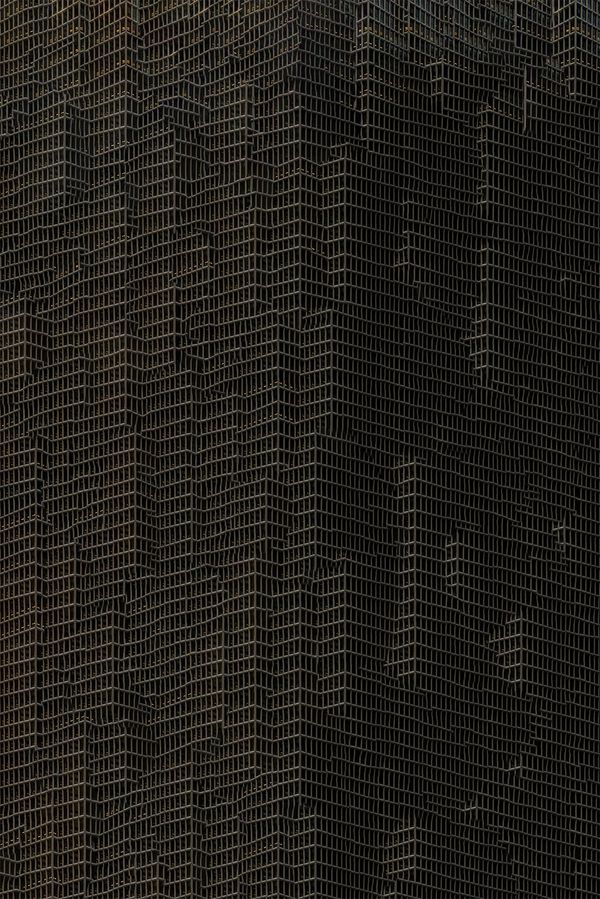
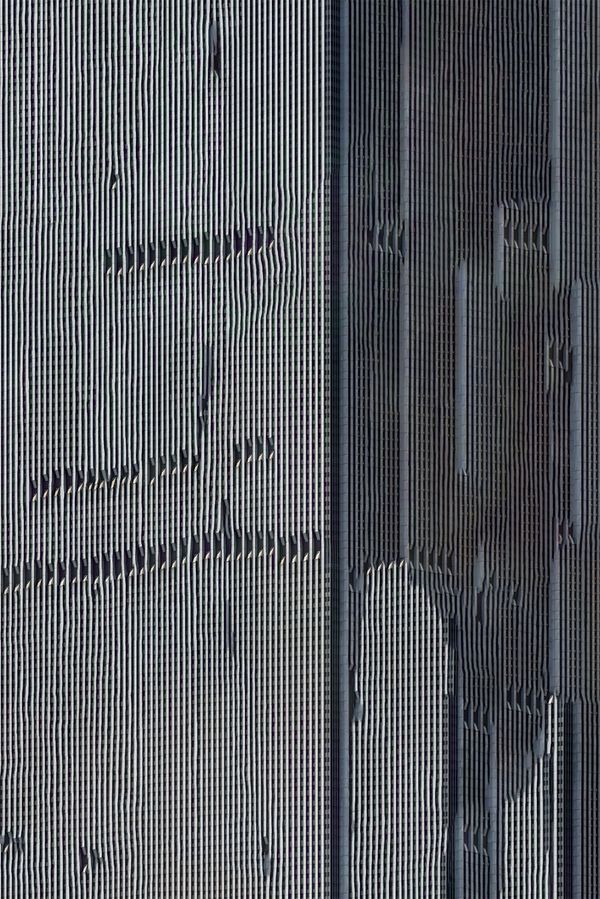
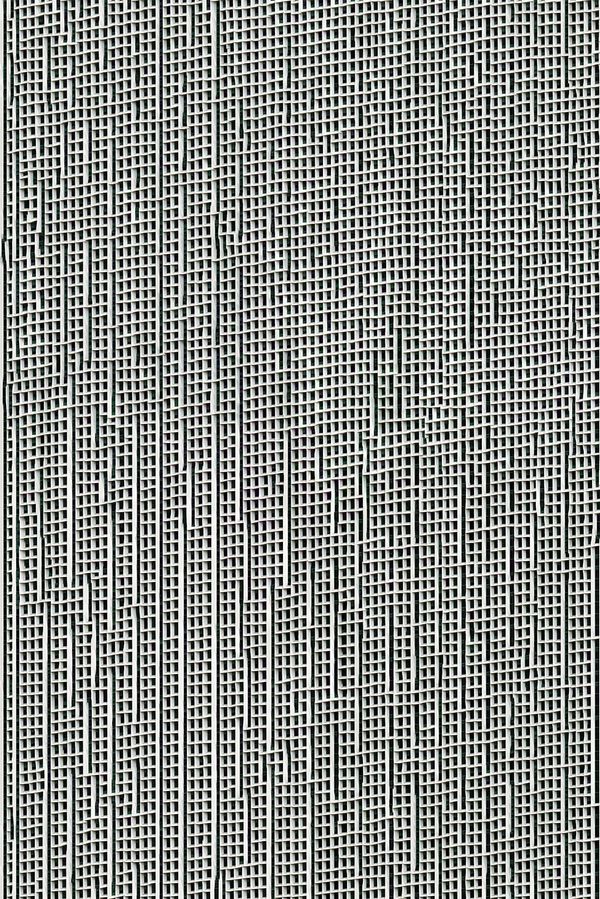
In High Dimension project I explore the impact of the architecture that is getting increasingly further from the human scale. I analyze the sensations evoked by urbanisation forms and their representations by referring to the op-art tradition.
[...] The illusory nature of Jasak's work shows clear inspiration from the art of Michael Wolf, Andreas Gursky, op-art and surrealism. The works are based on existing elements, but they create an imaginary and unreal world, perhaps ahead of its time, perhaps this is what the city of the future will look like, since technology practically not only makes it possible for us, but also shows us the way. The multiplication in the photographs tires the eye, just as life in great metropolises tires its inhabitants. Looking at the history of great buildings from pyramids to Gothic temples, they were all built anonymously to honour the Gods or leaders with a divine role on earth. They were also emanations of a certain political order. Skyscrapers today can be seen as pyramids or cathedrals of capitalism, in which the sacred is combined with the profane. After all, capitalism may have become a religion and it has become an essential value for many people for whom material property is paramount or equal to spirituality. At the same time, the attempt to strive for perfection, to be first and best has always characterised the human species. This is why one gets the prize for first place and not just fifth place. The drive to conquer, to take over territories, to pivot in a world of competition is a characteristic of the followers of capitalism. And their temple will be the very skyscraper that stimulates in us the spirit of material values. Cathedrals and pyramids were meant to glorify and dazzle; today's skyscrapers fulfil a similar role. Mostly, however, they emphasise the dislocation, the lack of stability and balance, the pursuit of accelerating technology and wealth, which leads to exhaustion and brings upon us the plagues that we de facto generate for ourselves. The artist explores how urban planning influences people's lives, especially in the dimension of globalisation - after the industrial revolution and the technological advances that followed it. Architecture all over the world seems to be moving in the same direction, while the historical, traditional one is becoming a refuge for us and a symbol of the development of civilisation. An important element of the exhibition is not only to compare these two worlds, but also to lead us to contemplate them and find our own balance. Progress cannot be stopped or reversed, but it is possible not to lose oneself in it completely - by finding beauty.
by Marta Czyż – curator