Harmless: to be proven
-
Dates2025 - Ongoing
-
Author
- Location Bloomington, United States
A staged photographic series exploring the long term precarity of Chinese scholars in American academia. Through surreal institutional spaces and dark humor, the work reveals surveillance, mistrust, and the quiet endurance shaped by political scrutiny.
Harmless: to be proven examines the long standing and often invisible precarity experienced by Chinese scholars in the United States, an unease shaped not only by personal circumstance but by broader political forces. When I first arrived in the United States to pursue physics, I imagined academia as a self contained world, insulated from geopolitics. Over time, particularly after shifting into engineering, I encountered stories of surveillance, institutional mistrust, and the lingering effects of post 2016 investigations targeting Chinese researchers. These experiences revealed how scholars are easily transformed into political symbols, how minor mistakes can carry disproportionate consequences, and how fear quietly reorganizes everyday academic life.
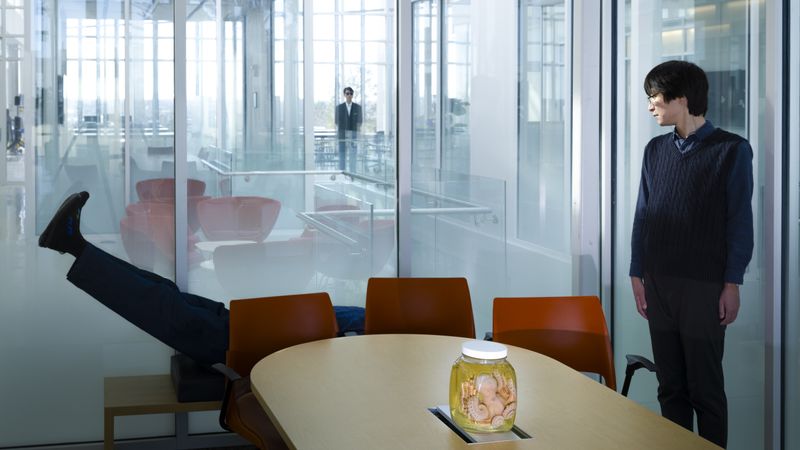
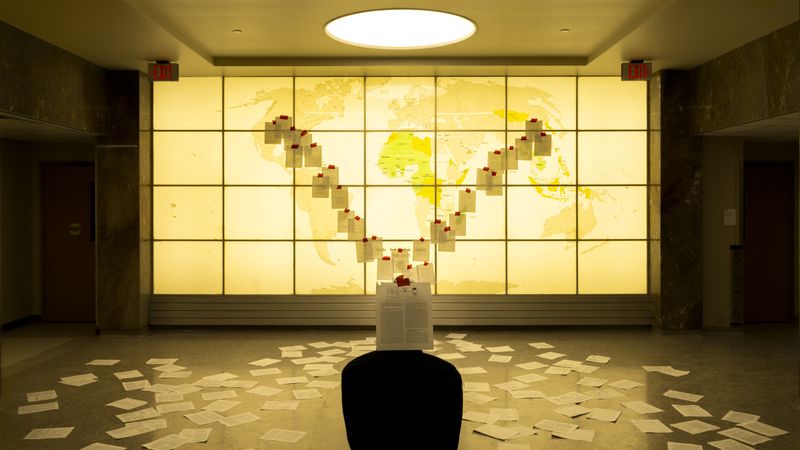
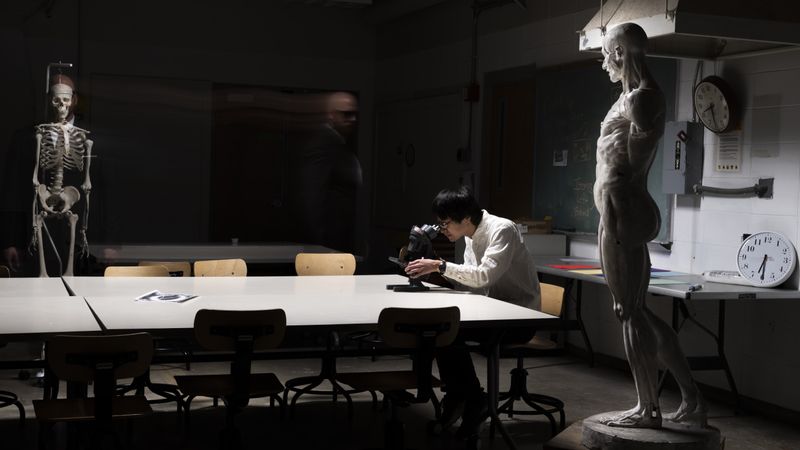
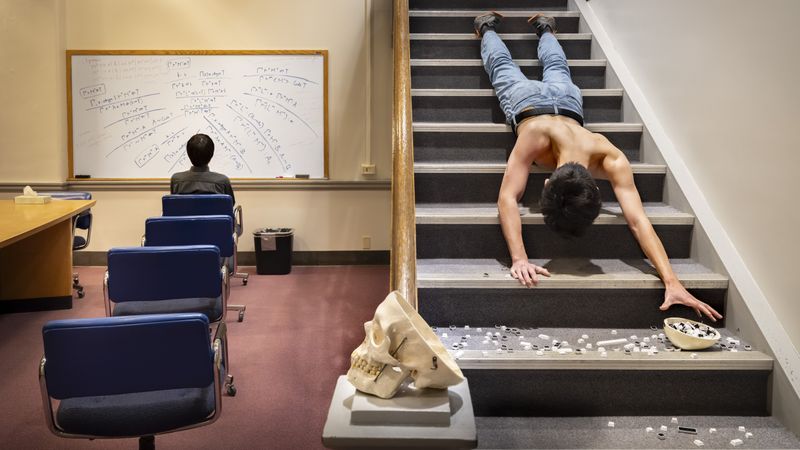
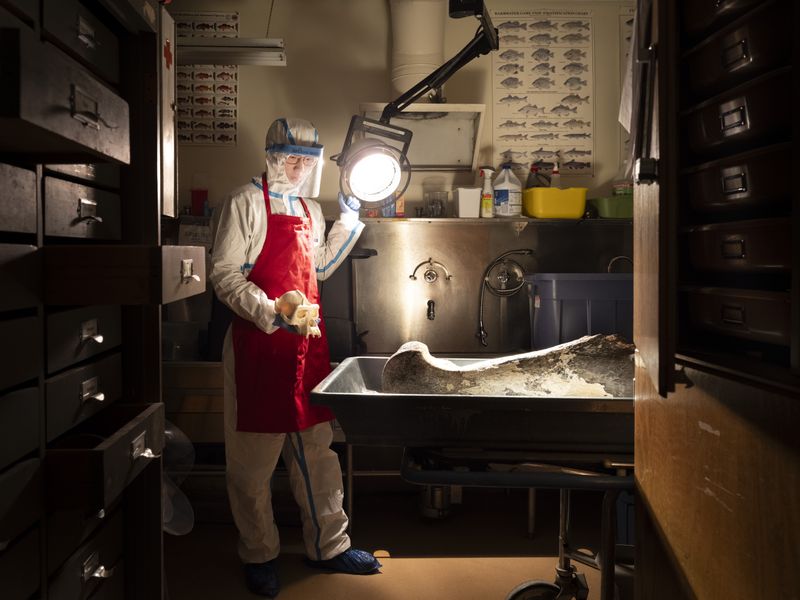
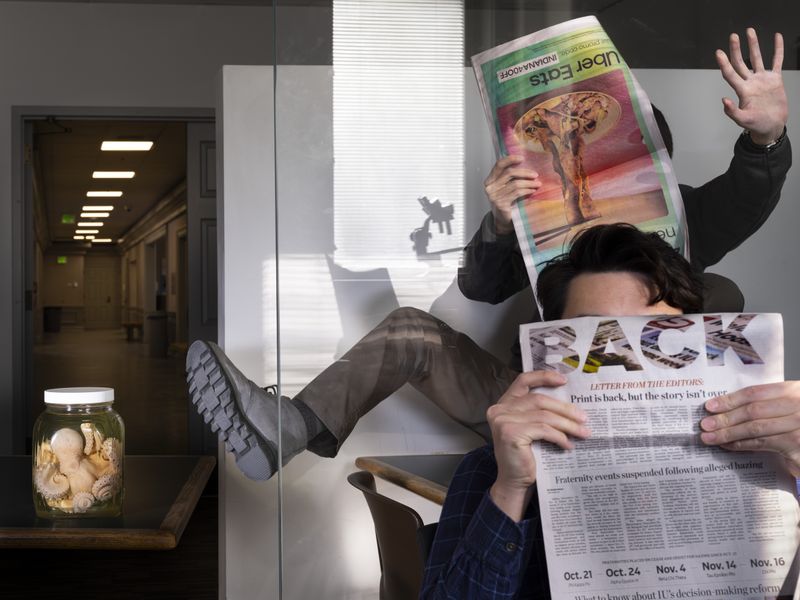
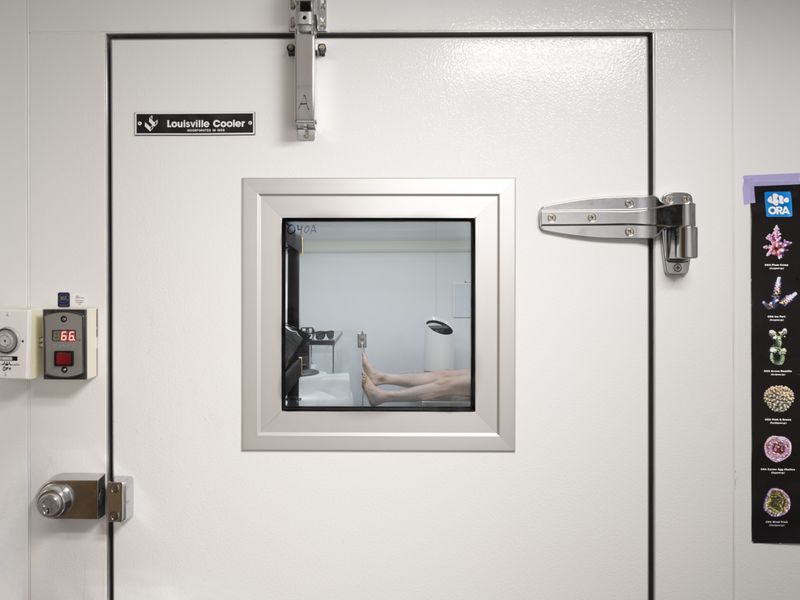
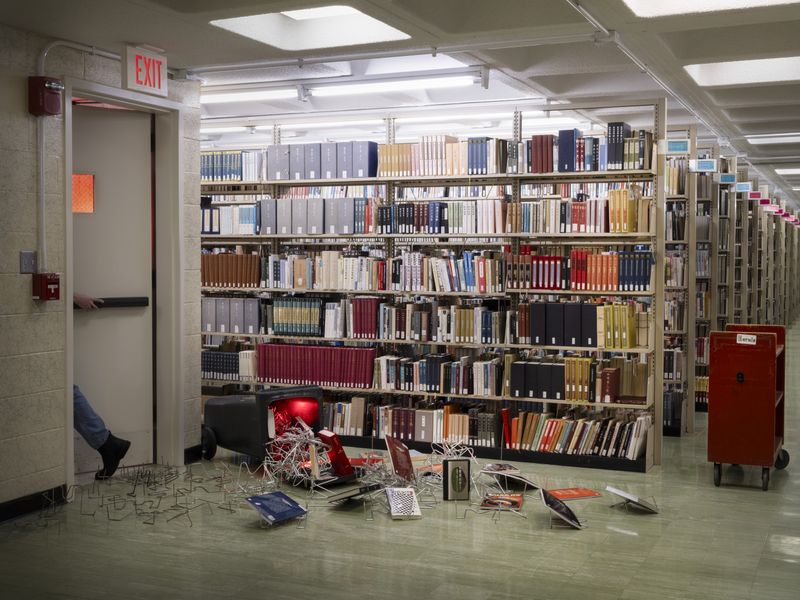
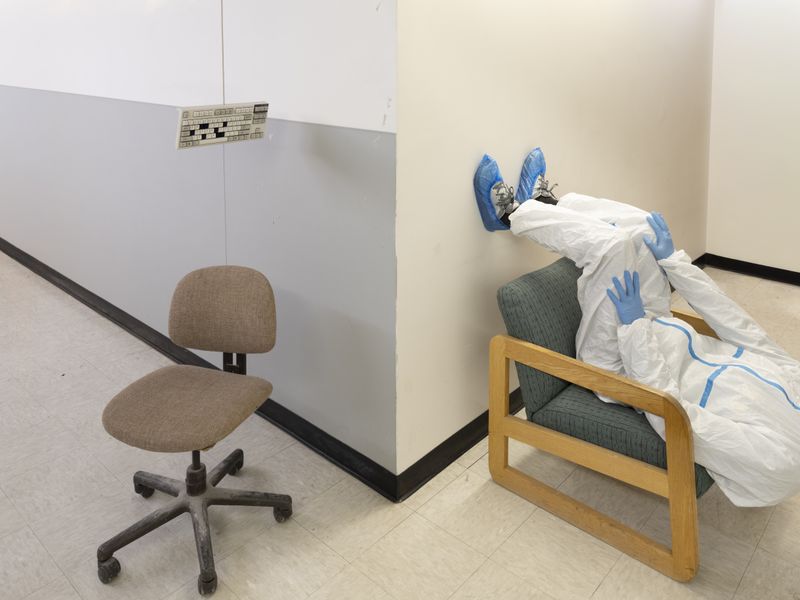
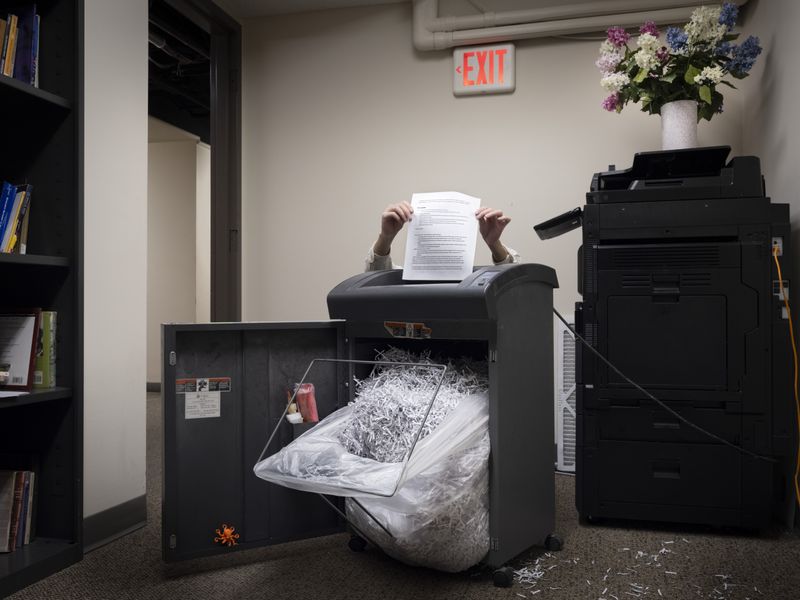
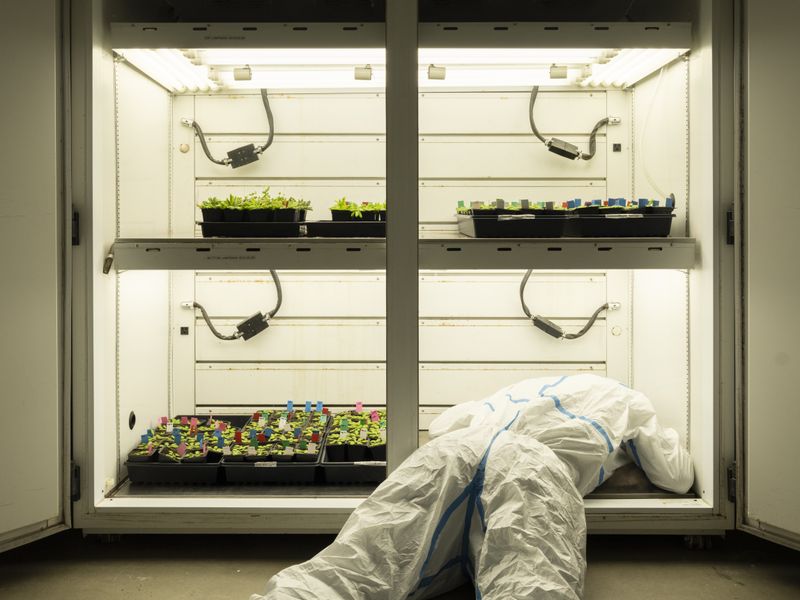
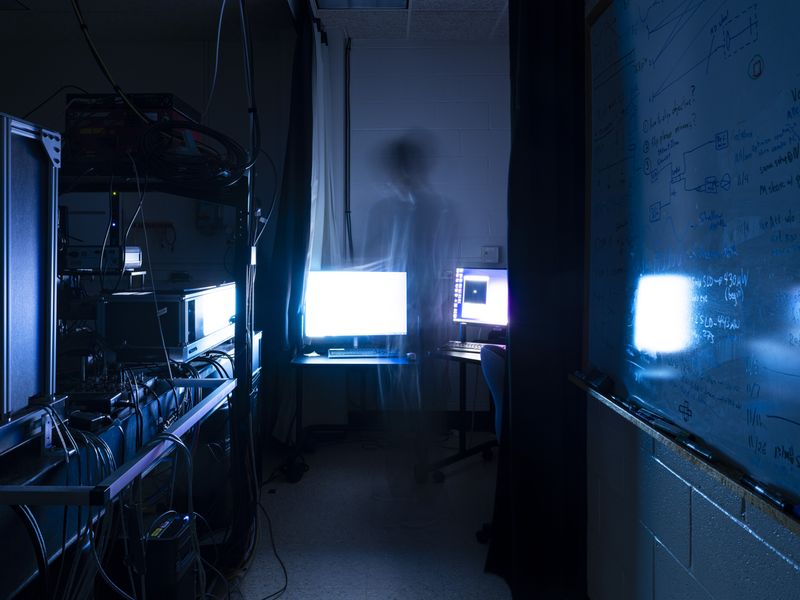
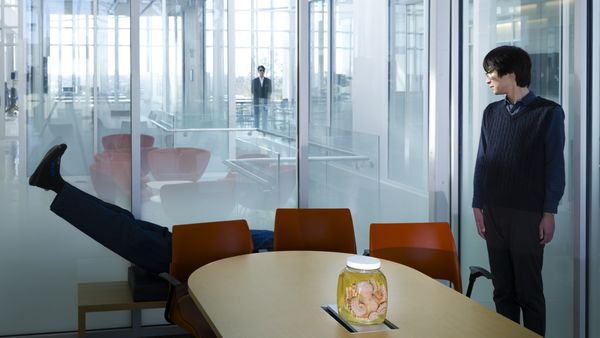
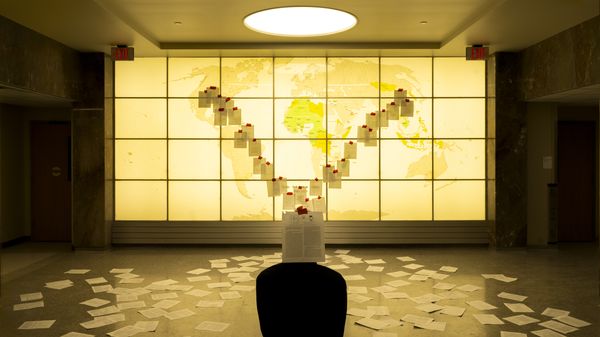
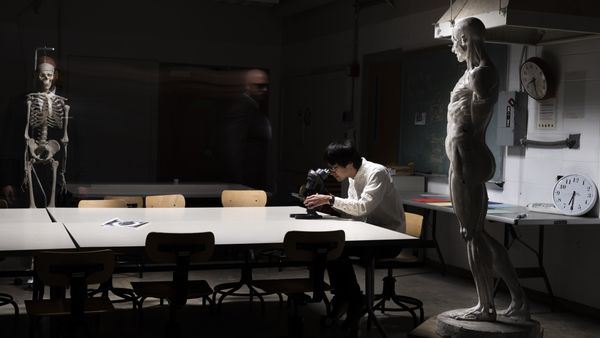
Because conventional documentary photography felt insufficient to express these layered pressures, I turned to staged photography. Rather than attempting to reveal truth through observation, I construct narrative tableaux that draw from interviews, lived experiences, and collective anxieties. Within these scenes, dark humor, ambiguity, and theatrical tension operate as critical tools. They create distance from literal representation while allowing deeper emotional and political truths to surface. Objects such as keyboards without keycaps, scientific instruments, or the ghostly presence of authority figures function as metaphors for scrutiny, misinterpretation, and fractured identity.
The project is built entirely through narrative tableaux of scholars situated within institutional spaces. These staged encounters form the structural backbone of the work, allowing relationships between individuals, environments, and unseen systems of control to unfold within a single frame. Through exaggerated gestures, suspended actions, and surreal spatial logic, the images visualize how pressure, competition, and self surveillance are internalized and performed.
By using constructed narratives instead of direct documentation, the work invites viewers to remain with discomfort rather than turn away from it. Humor and strangeness soften entry points into serious subject matter, creating a space for reflection on how institutional power produces an ongoing state of uncertainty, one that scholars must navigate daily, often in silence.