Hands Faster Than the Eye
-
Dates2026 - Ongoing
-
Author
- Location London, United Kingdom
A photographic series drawing on military manuals, decoy imagery, staged situations and technical diagrams to trace how magic, camouflage and machine vision operate as systems of misdirection, instruction and perceptual control.
The project takes its cue from the logic of the trick: not concealment alone, but the staging of attention, belief and error. A trick does not need to be true. It needs to organise perception. It needs a body to look in the wrong direction, a machine to register the wrong signal, and an object to appear more convincing than the reality around it. Magic, camouflage and misdirection appear here not as entertainment or illusion alone, but as practical systems for shaping what can be seen, trusted and acted upon.
The title itself may be a kind of myth. Borrowed from the language of stage magic, it suggests deception as a matter of speed, when the trick in fact lies in timing, distraction and the management of attention. What matters is not whether the hand is truly faster than the eye, but how easily that explanation is repeated, believed and made to feel natural.
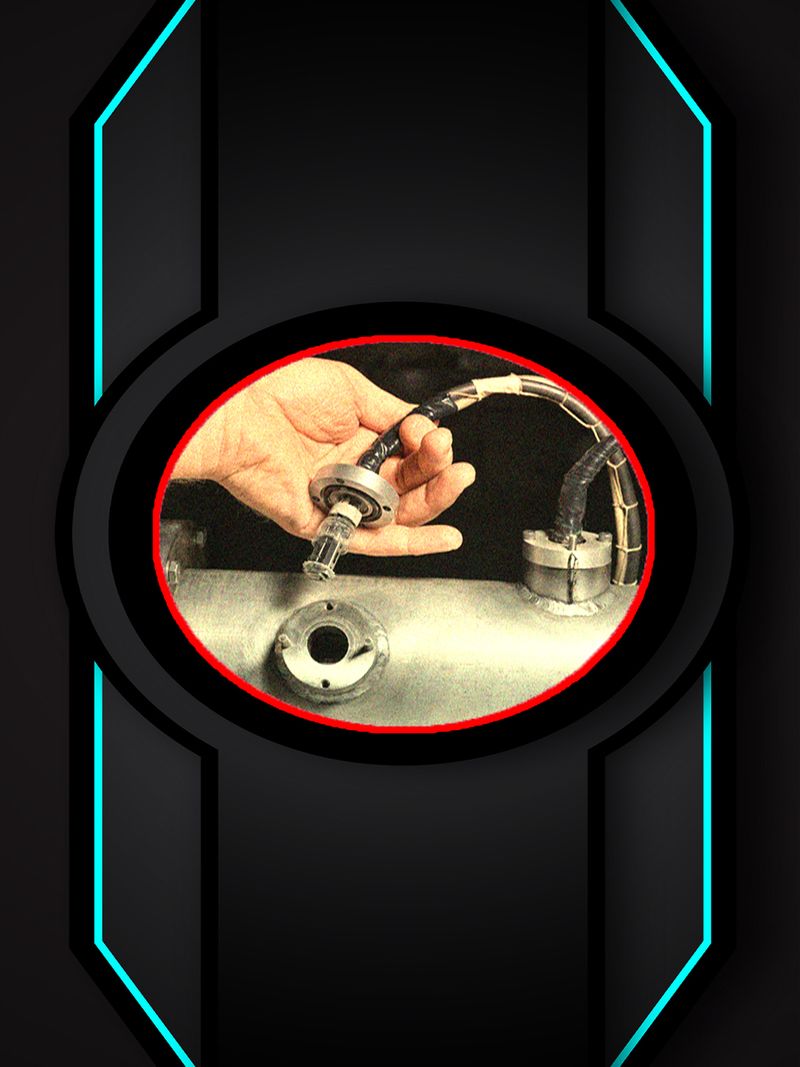
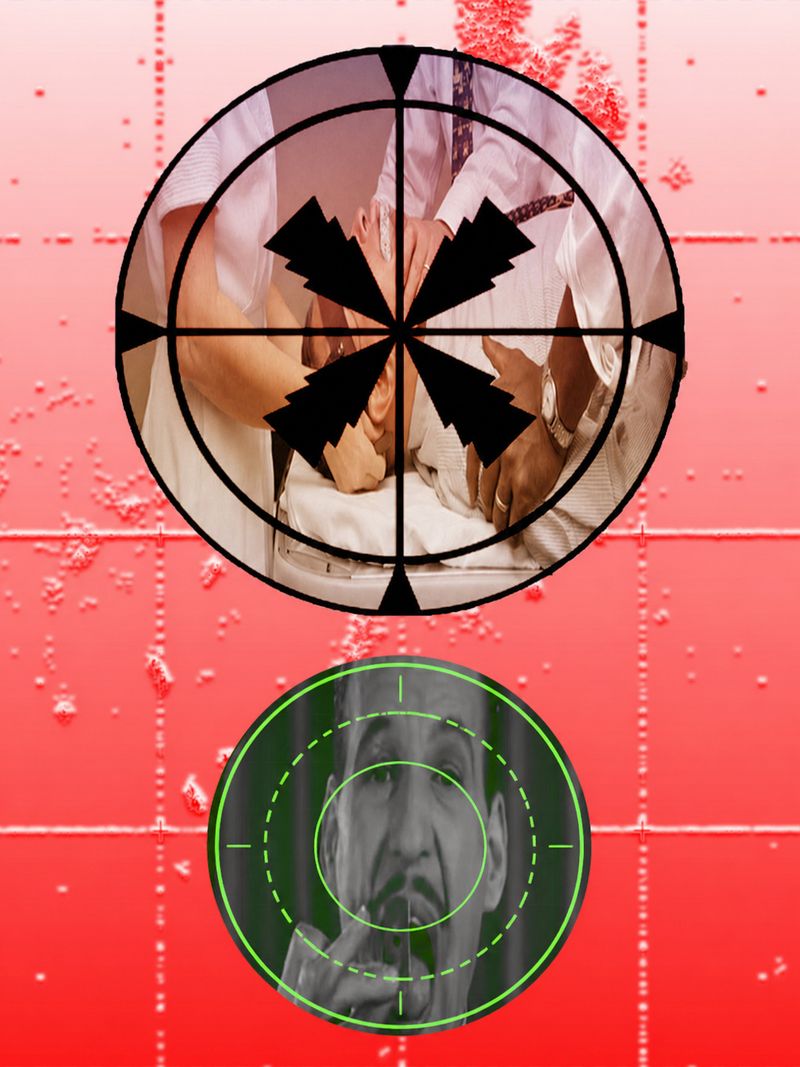
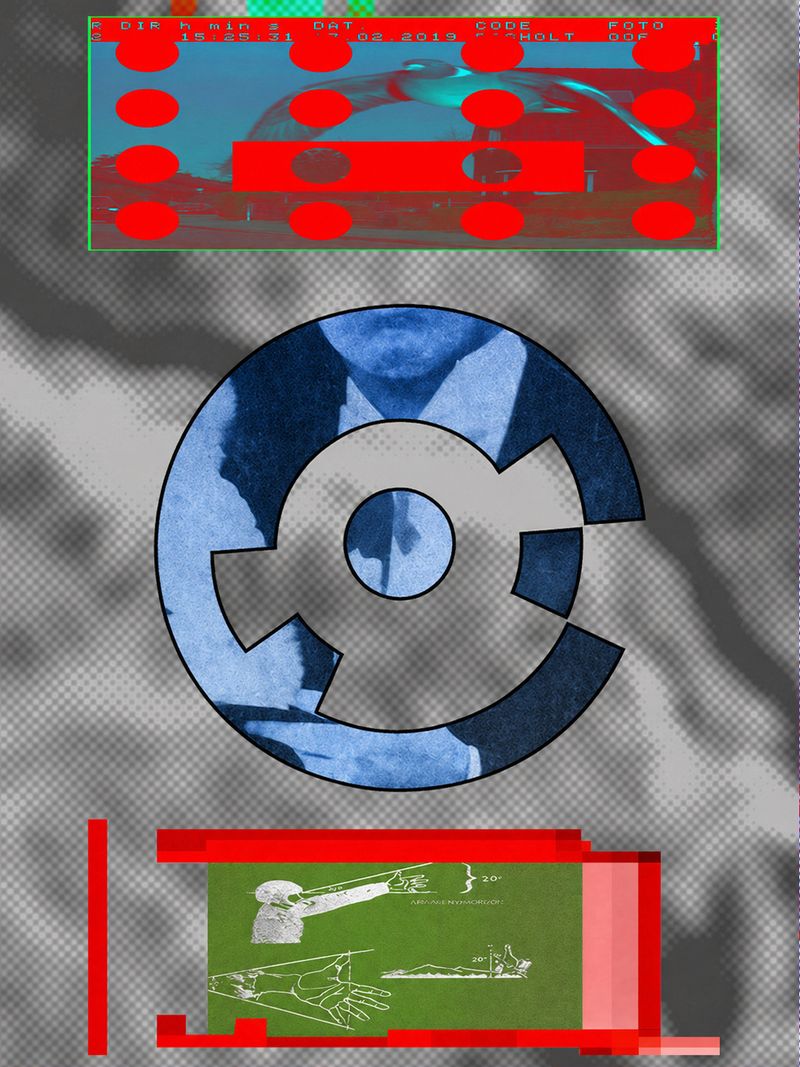
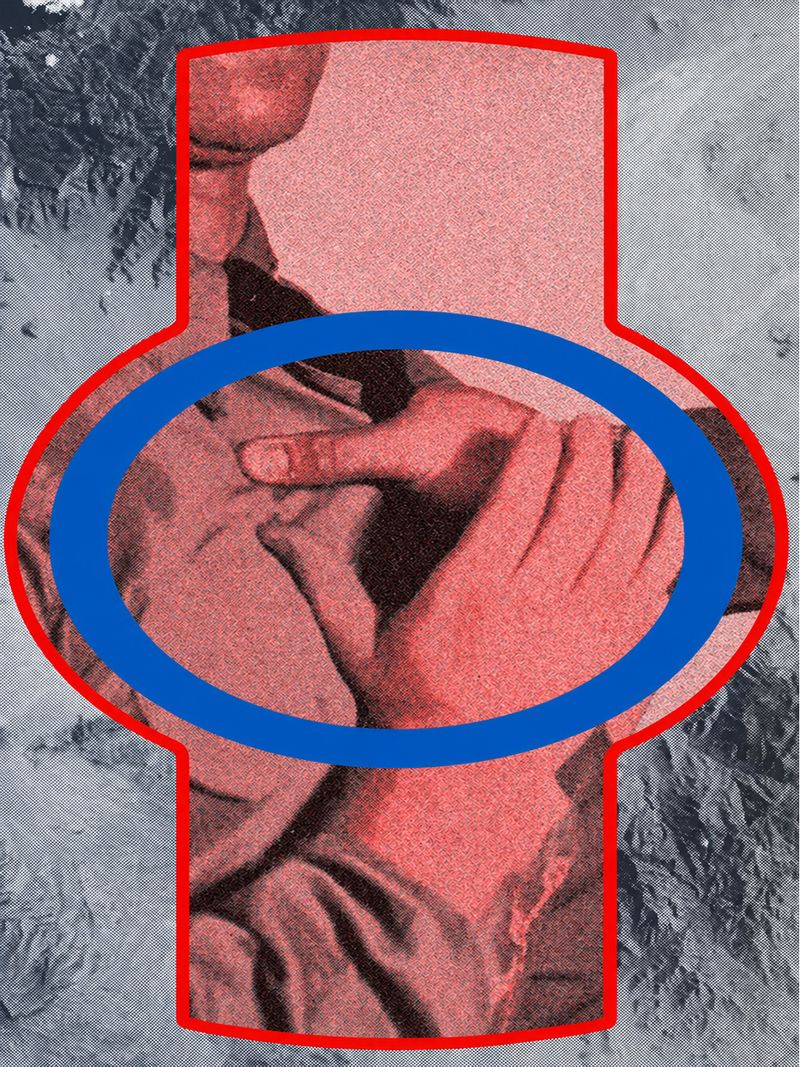
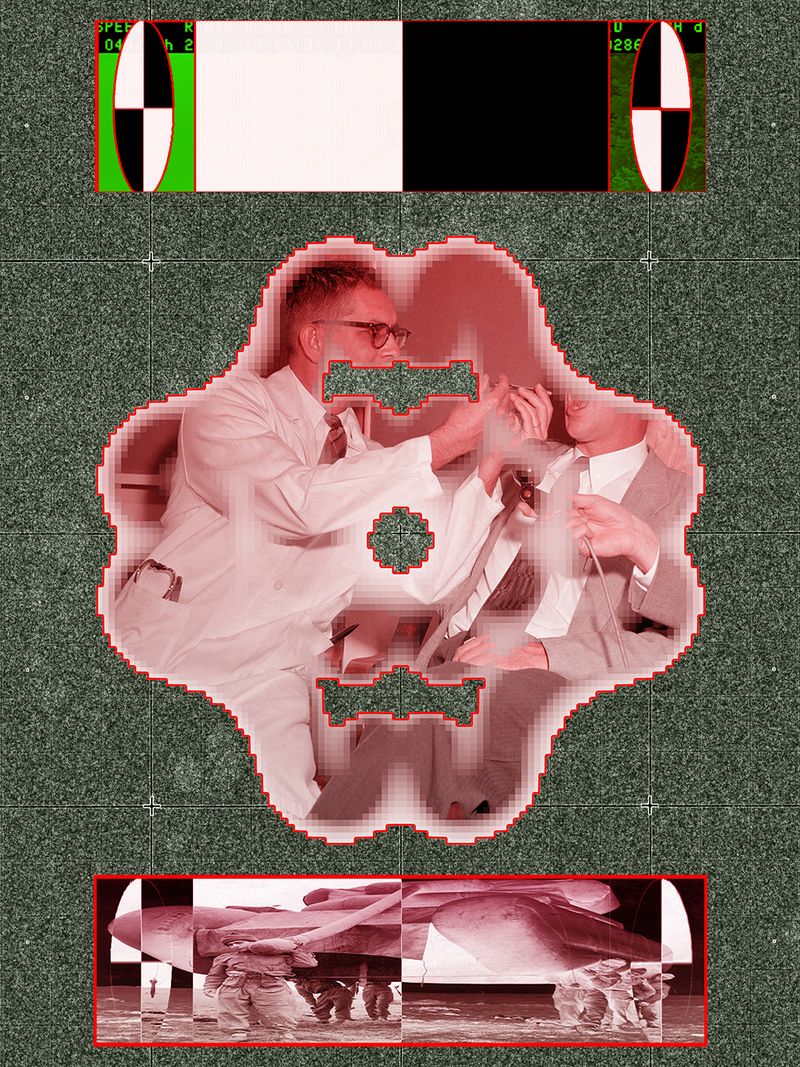
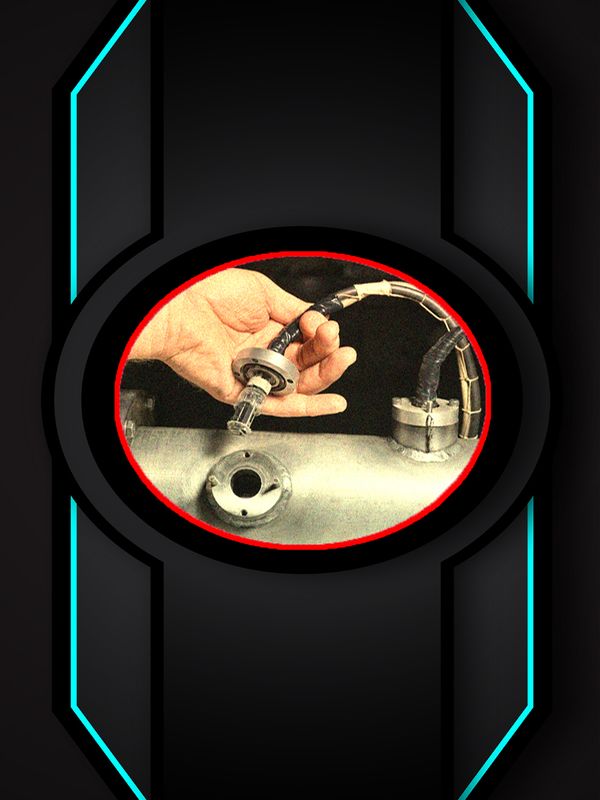
The series brings together a photographic series built from archival manuals, technical diagrams, cropped gestures, staged images and decoy imagery. Signalling hands, false targets, reflective surfaces and machine-vision markers recur throughout the work as unstable figures, hovering between evidence, command and visual trap.
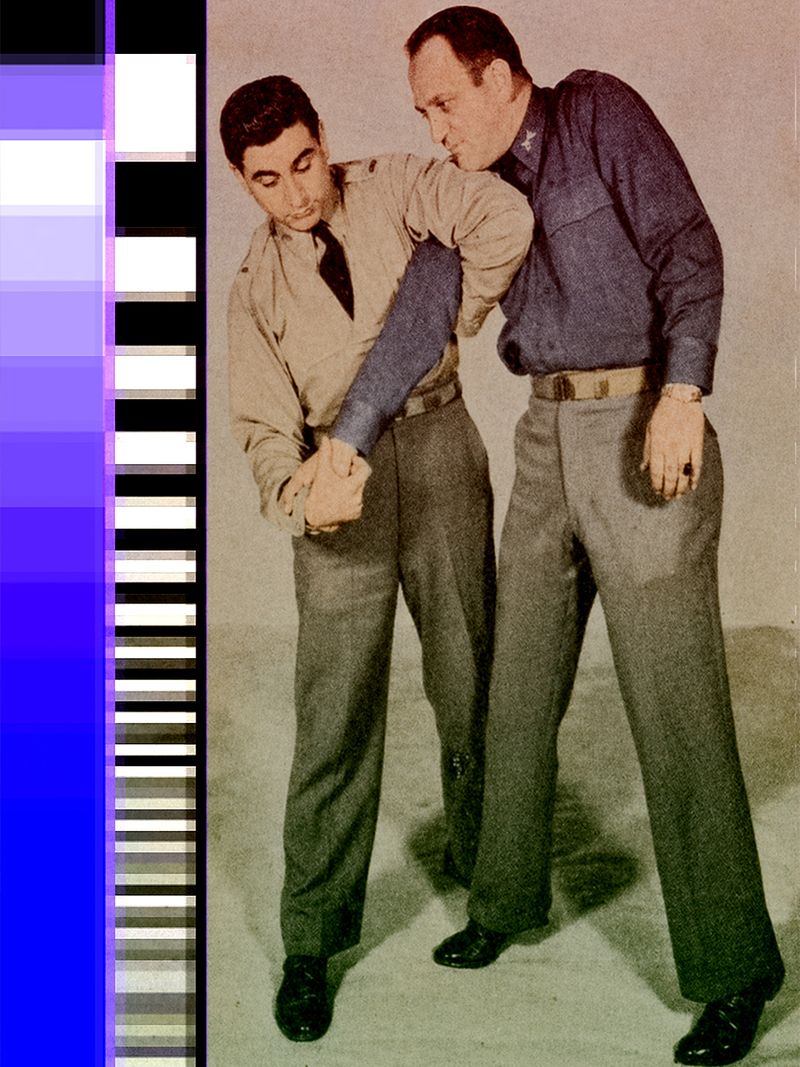
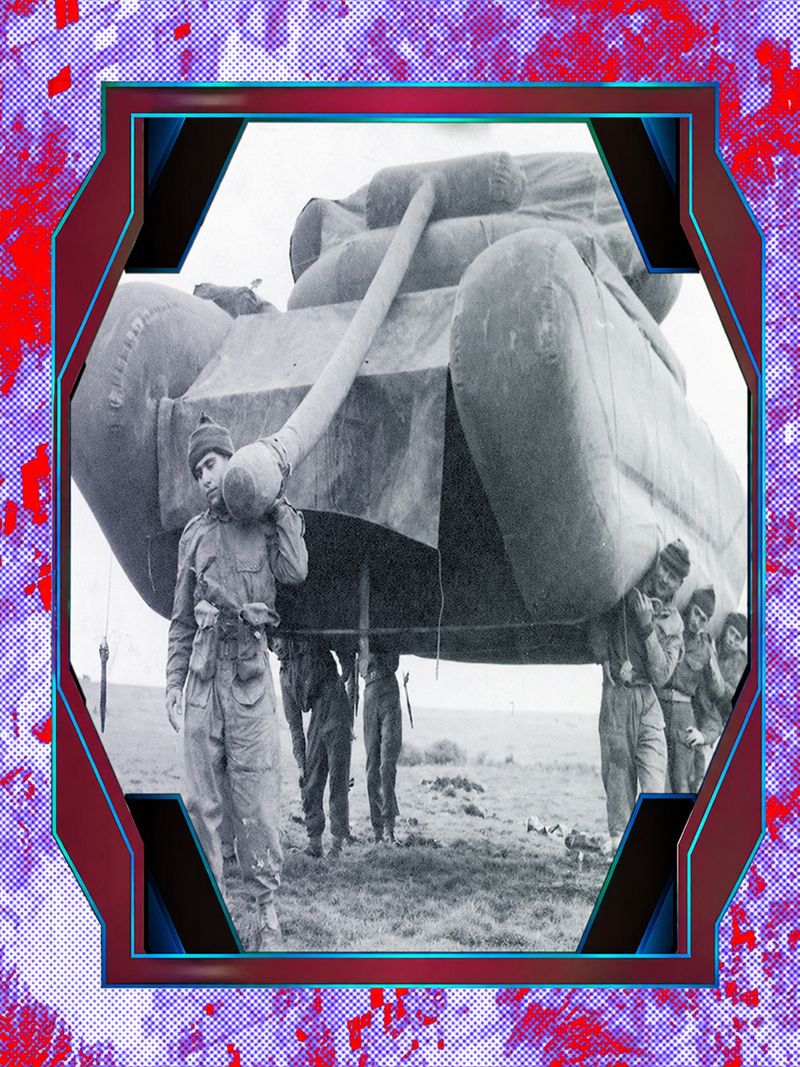
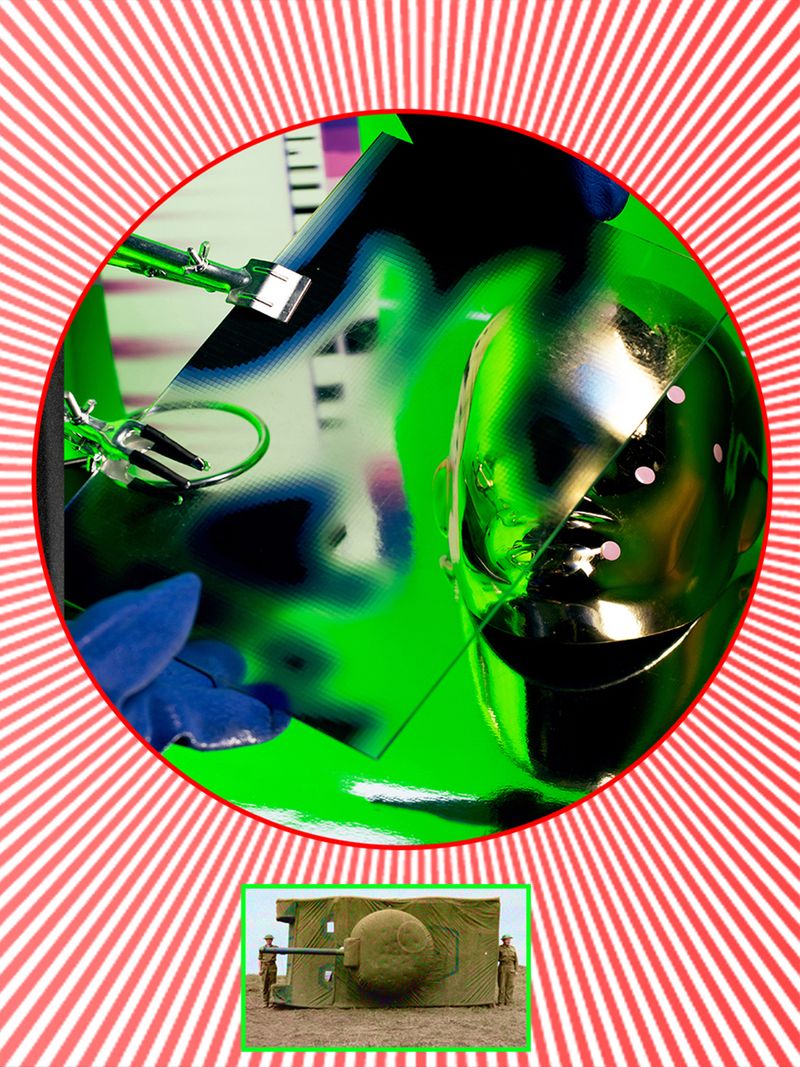
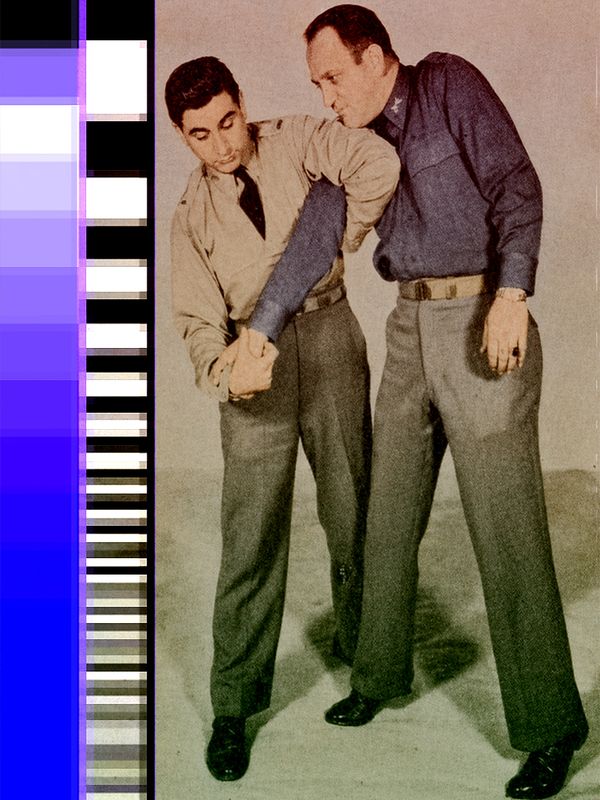
Military instruction manuals, self-defence diagrams, reconnaissance imagery, decoy photographs and wartime camouflage archives are fragmented and recoded throughout the series. References to Jasper Maskelyne, the stage magician whose wartime camouflage remains suspended between fact and legend, sit alongside inflatable tanks associated with deception campaigns such as the Ghost Army. What matters here is camouflage as performance: a choreography of distraction, timing, lighting, scale and belief.
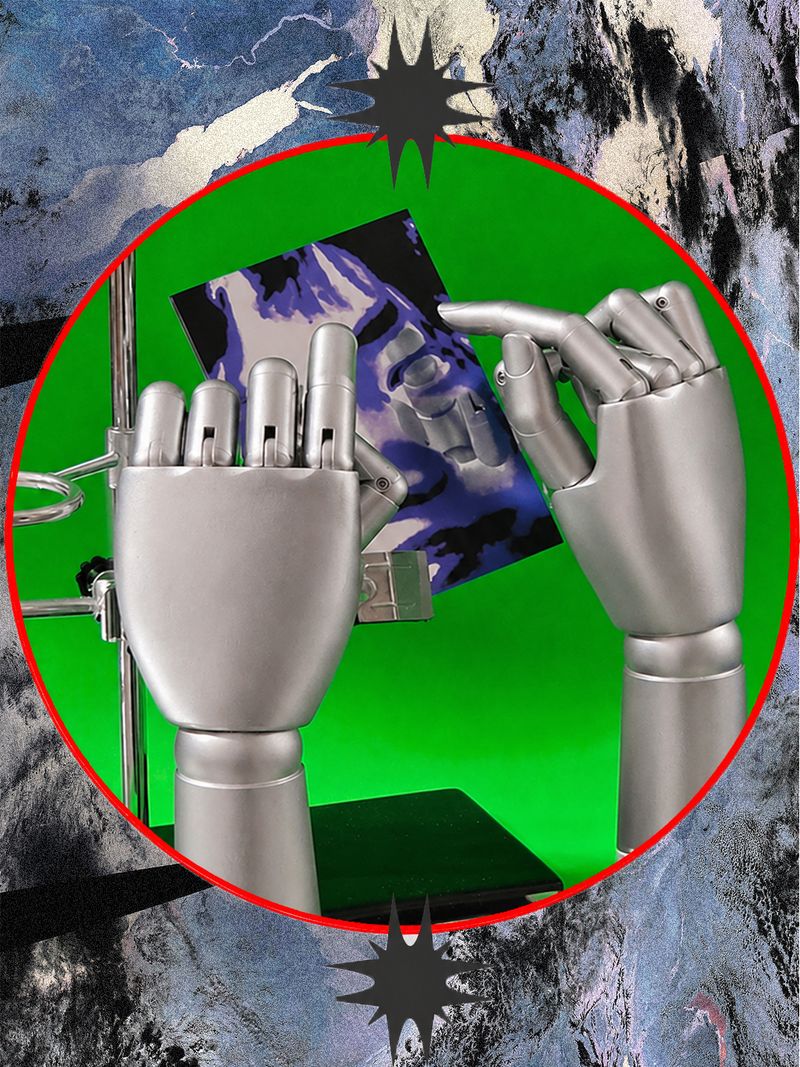
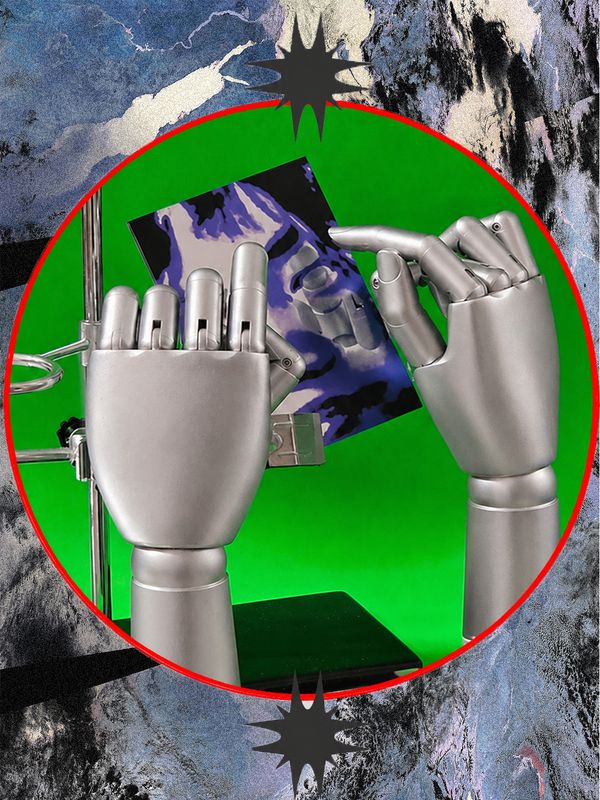
Elsewhere, pigeon archives connect wartime communication to contemporary machine vision. In one image, a pigeon caught by a speed camera in Germany slips from courier to target to data point, moving from covert messenger to machine-readable event. Staged situations bring these histories into the present as scenes of visual interference and misrecognition. In some works, chrome hands touch a portrait printed on a reflective surface as if choosing a disguise, calibrating a face or summoning a digital double.
Set against mineral survey maps and cropped forms derived from satellite imaging, autonomous navigation and machine sensing, the series traces how camouflage, decoy and behavioural instruction persist within contemporary technical and urban life, where signals acquire authority, images become actionable, and visual order is repeatedly mistaken for knowledge.