Handle with Care
-
Dates2025 - Ongoing
-
Author
- Location Leipzig, Germany
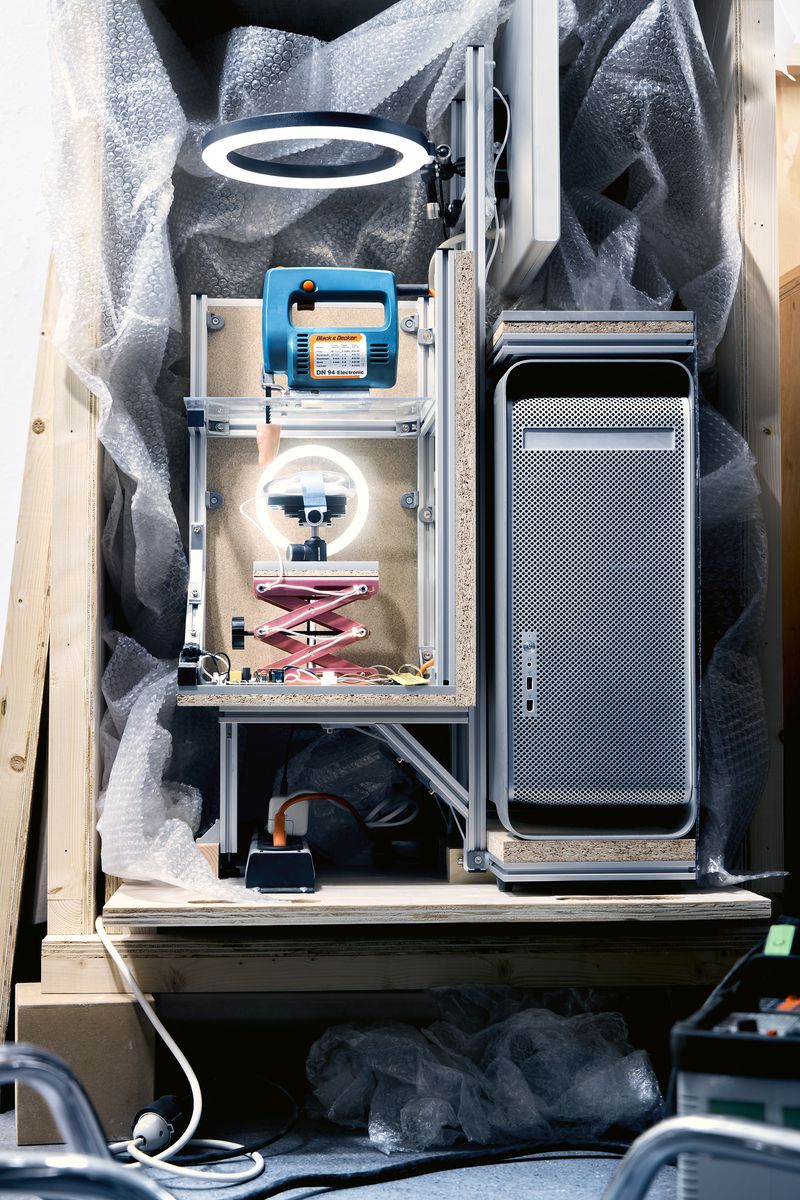
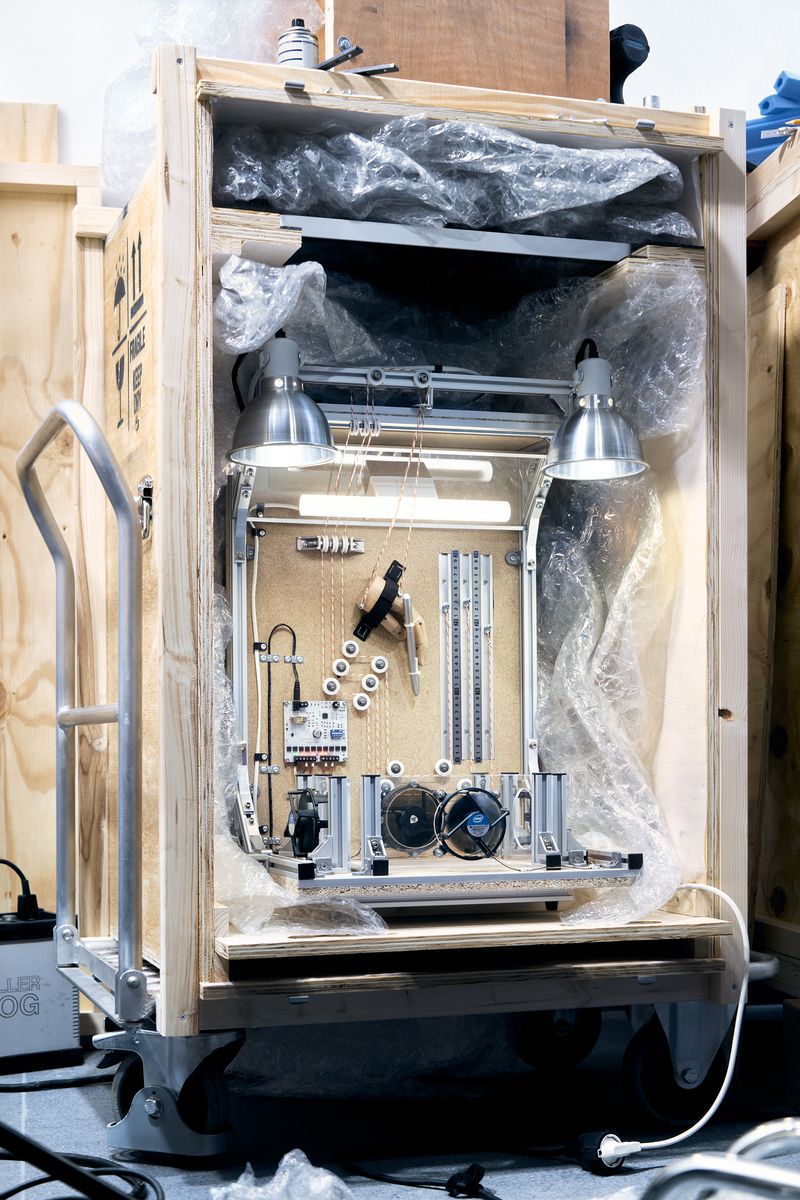
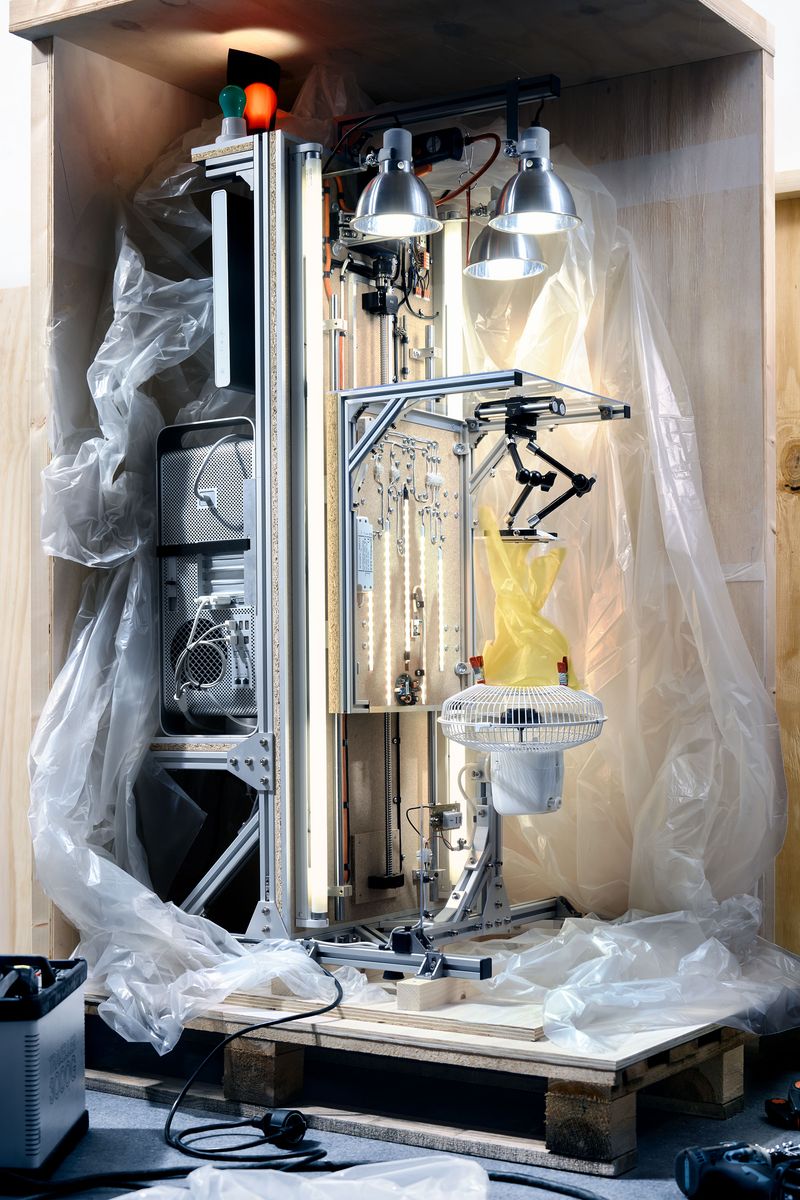
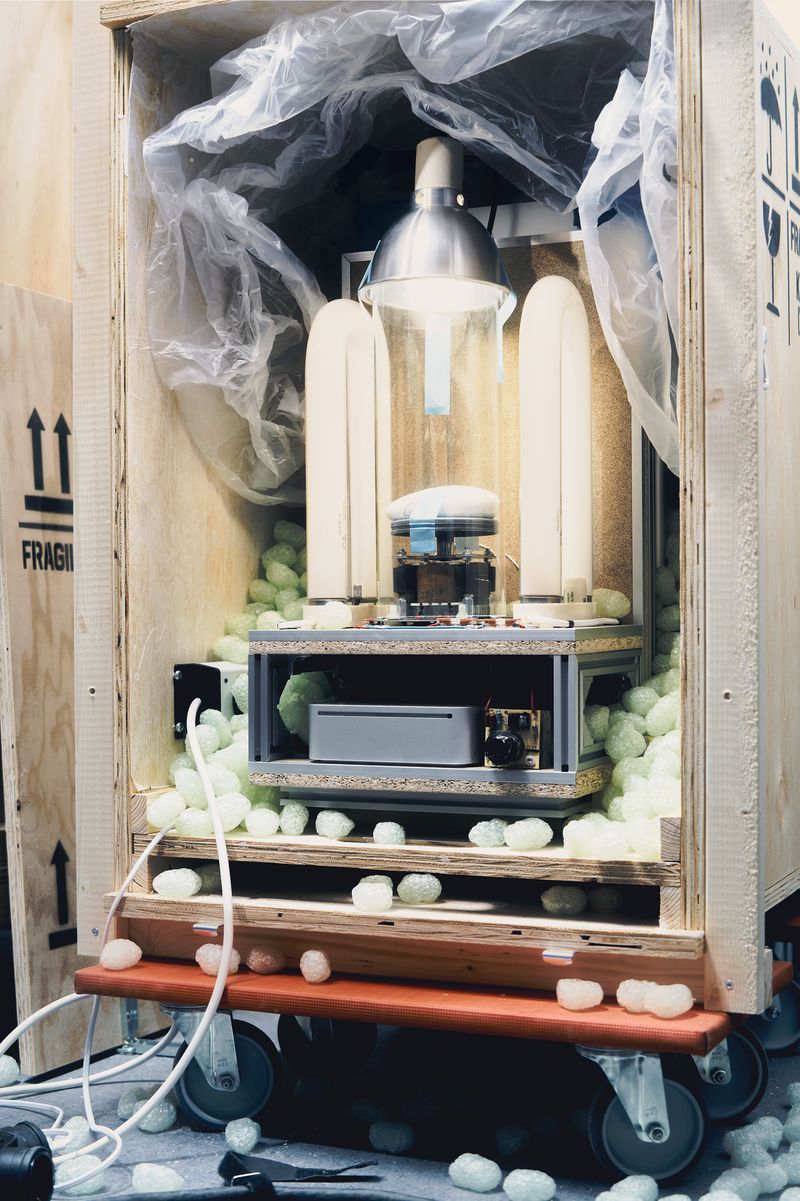
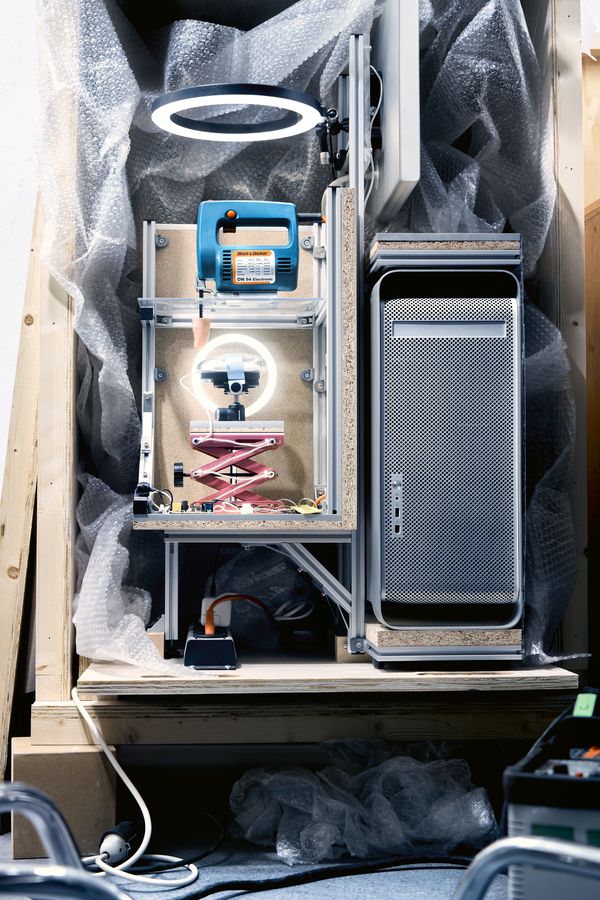
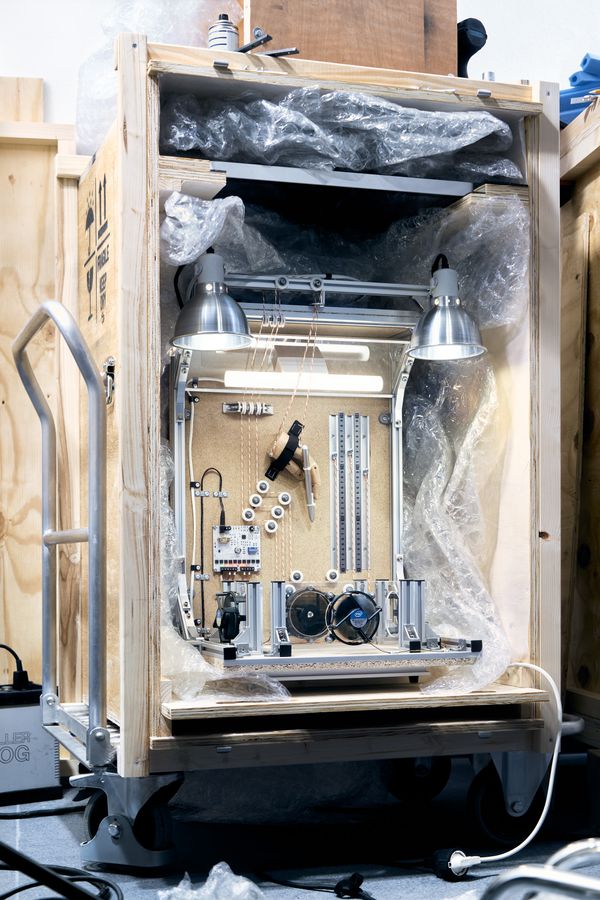
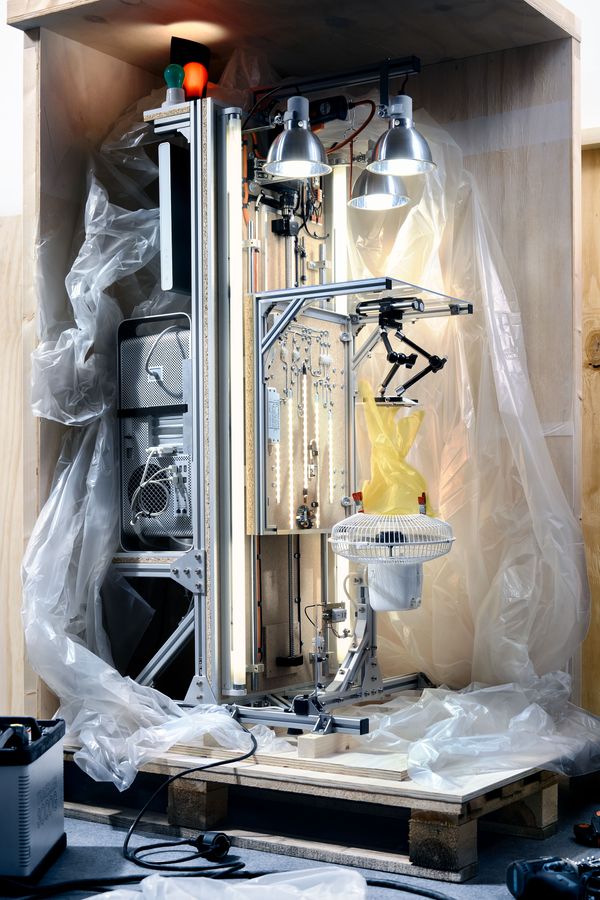
»Handle with Care« examines the mouse mover as symbol of control in remote work. Through oversized apparatuses and analytic photographs tools, the project explores visibility, surveillance, and the relation between labor, technology, and process.
Work is in a state of continuous transformation, closely linked to technological developments and the increasing optimisation of productivity and control. The shift to remote work induced by the pandemic brought questions of visibility, presence and employee surveillance sharply into focus. The so-called 'mouse mover' functions as both a tool and a symbol of a transitional phase; Control is both externalised and subverted by technology — a relic that is now on the verge of disappearing as the remote working model is partially rolled back.
Drawing on Gilbert Simondon’s reflections in »On the Mode of Existence of Technical Objects«, the project has developed apparatuses that are not understood as neutral tools, but as autonomous actors within social structures. Simondon’s thesis reflects the historical shift in which the human subject moves from acting directly to supervising and organising machines within modern labour processes. The apparatuses’ oversized, functionally enlarged construction exposes the mechanisms of production and control that shape the everyday reality of numerous working environments. At the same time, their excessive over-engineering generates a deceptive sense of security and stability.
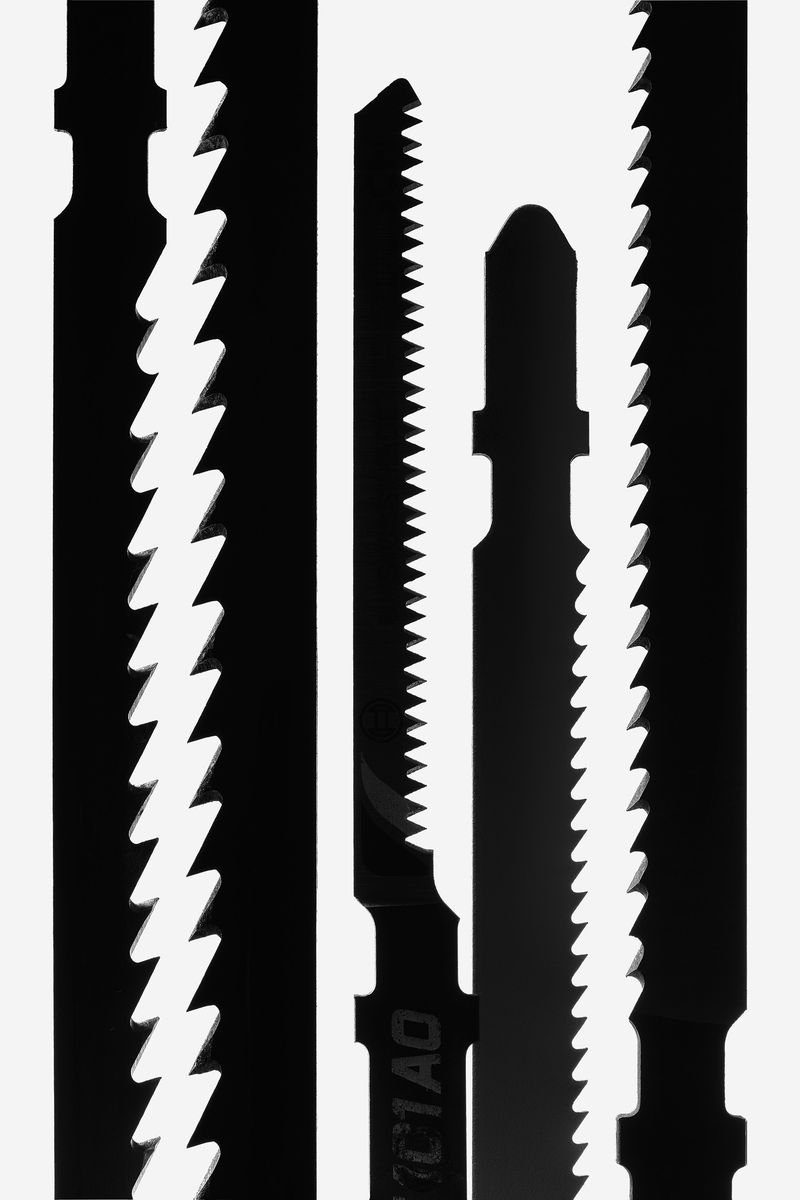
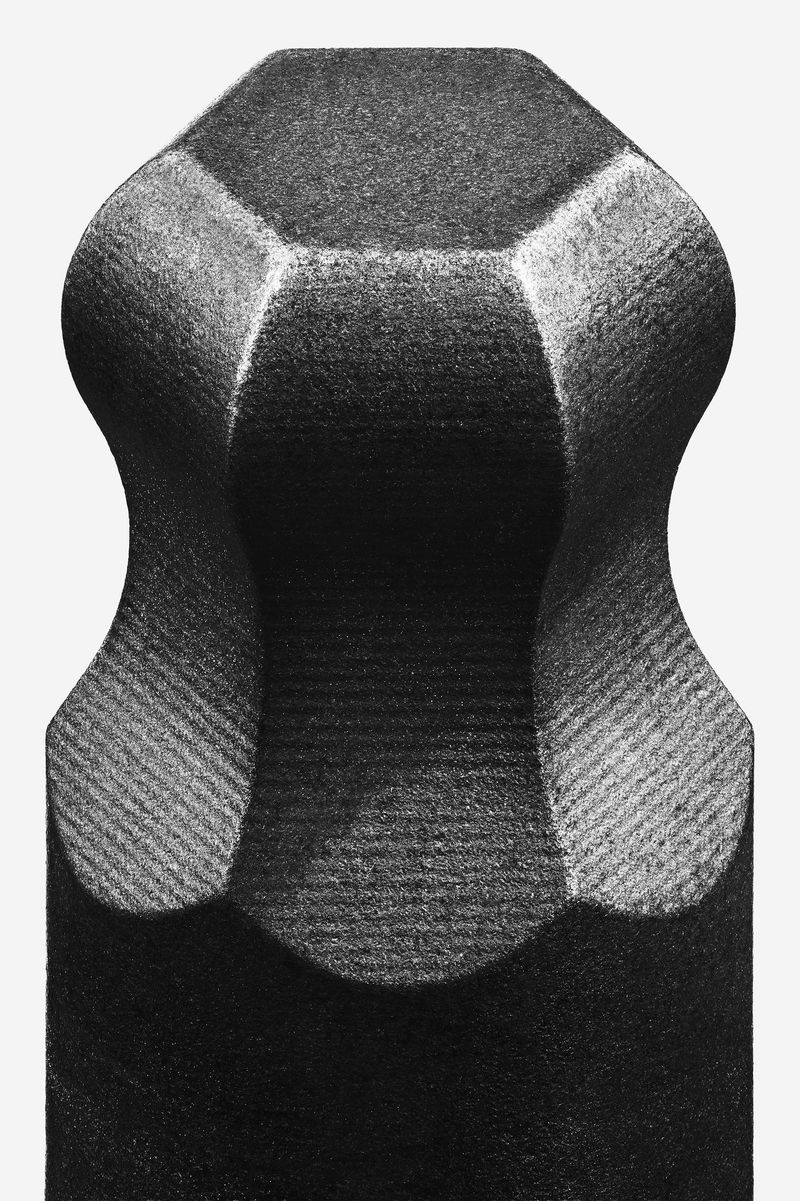
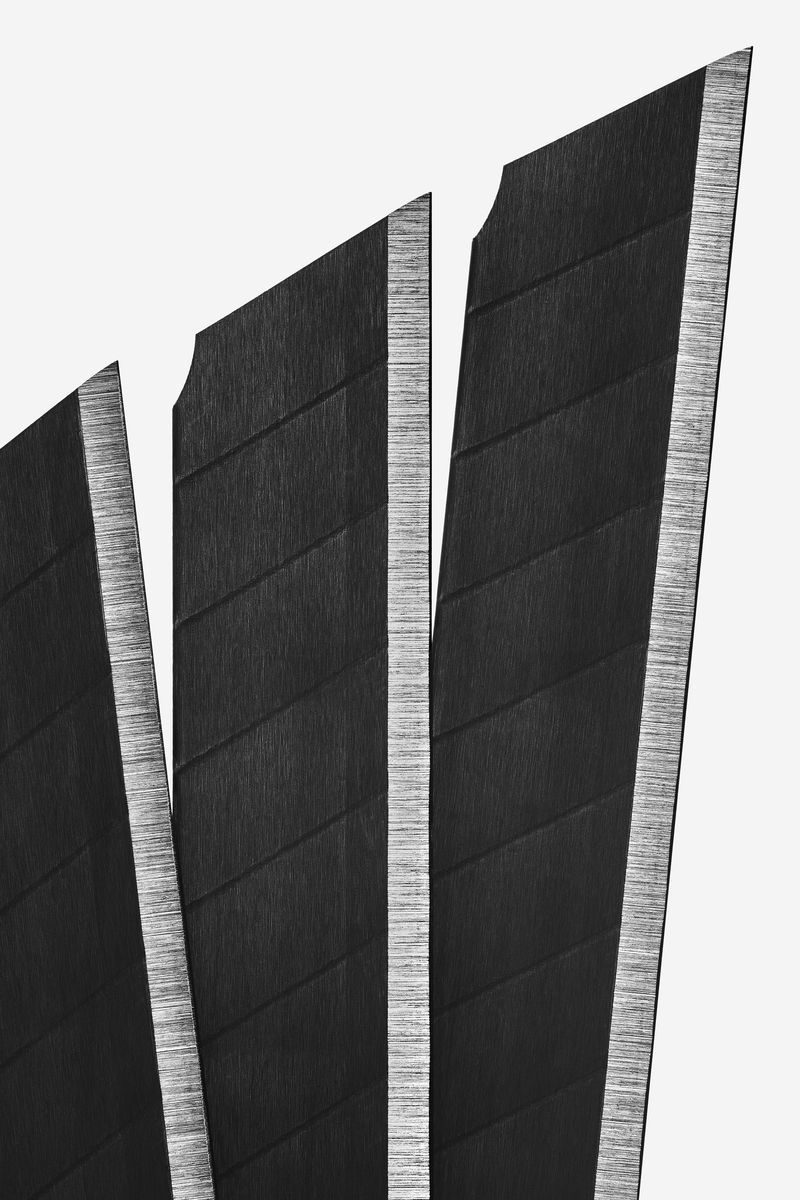
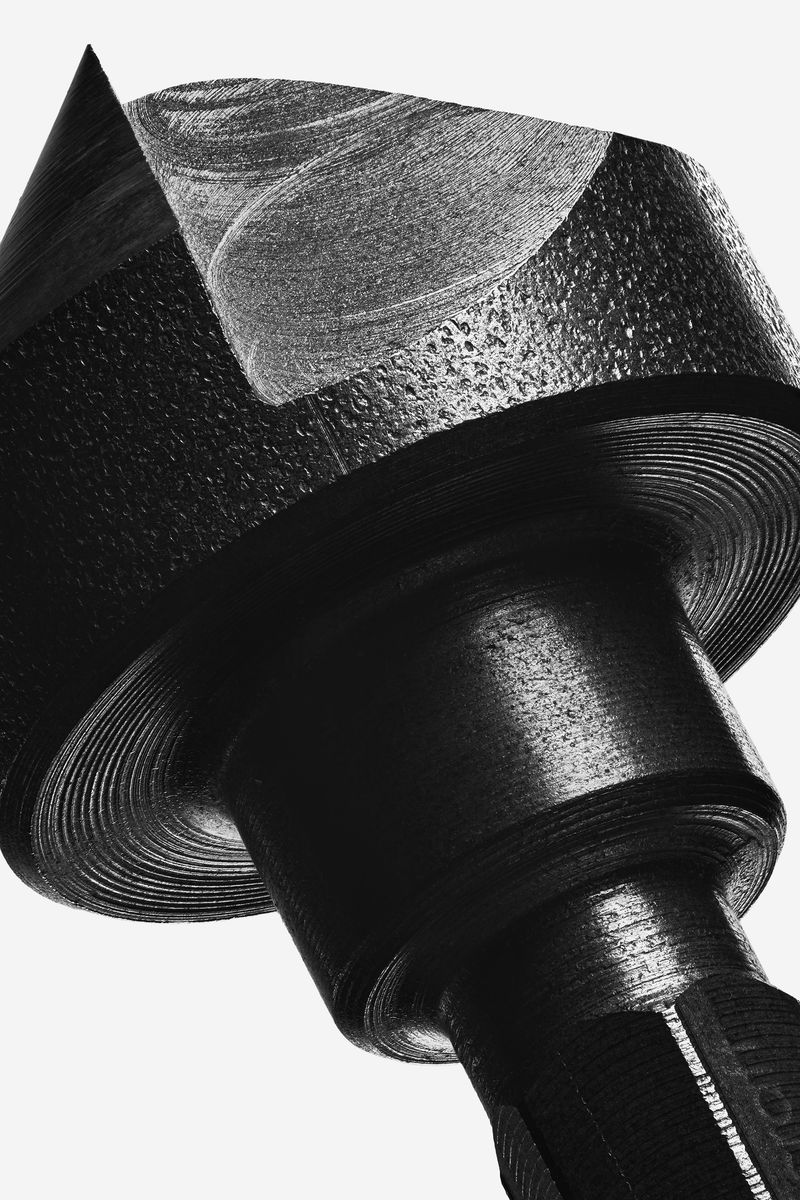
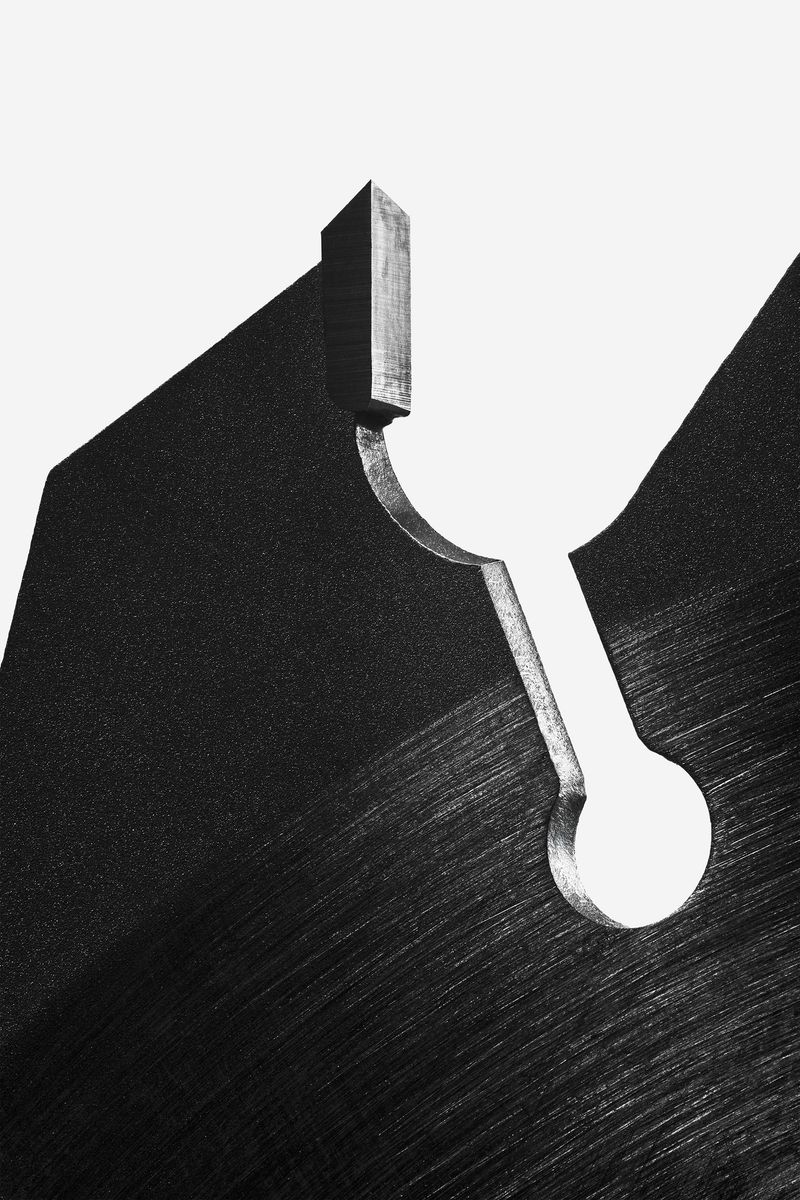
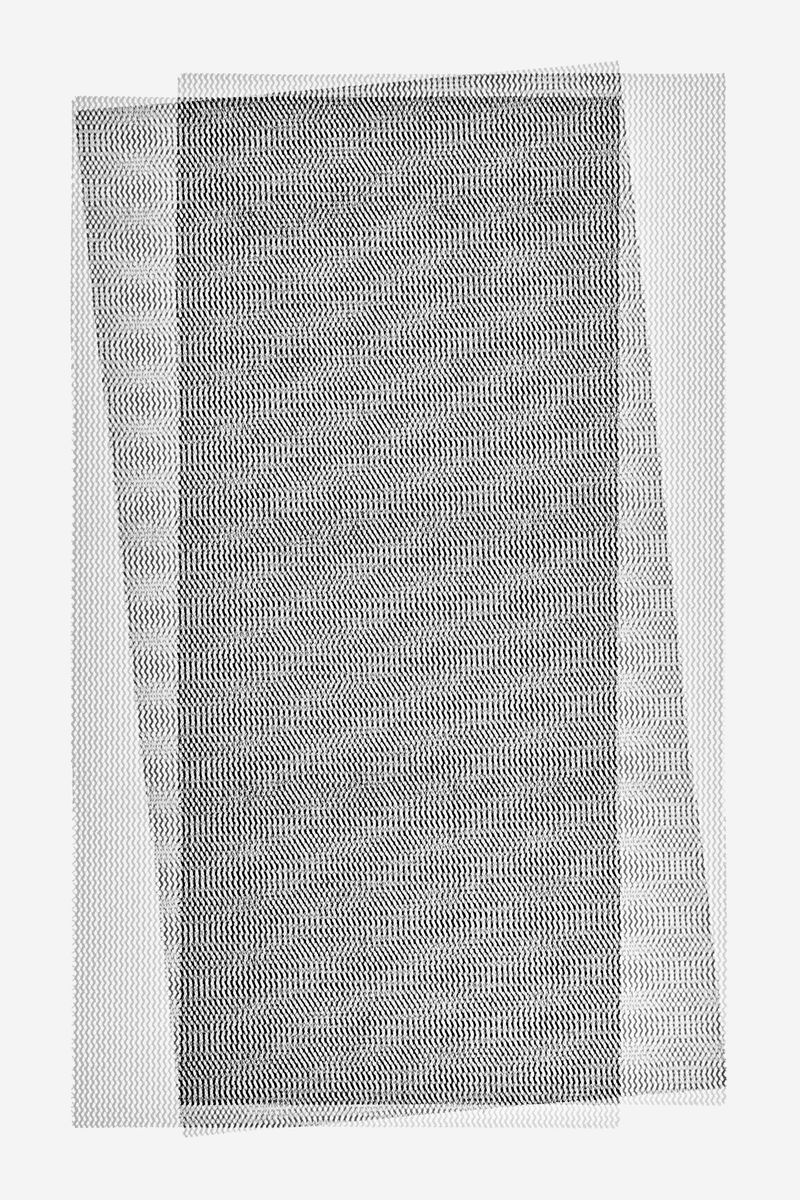
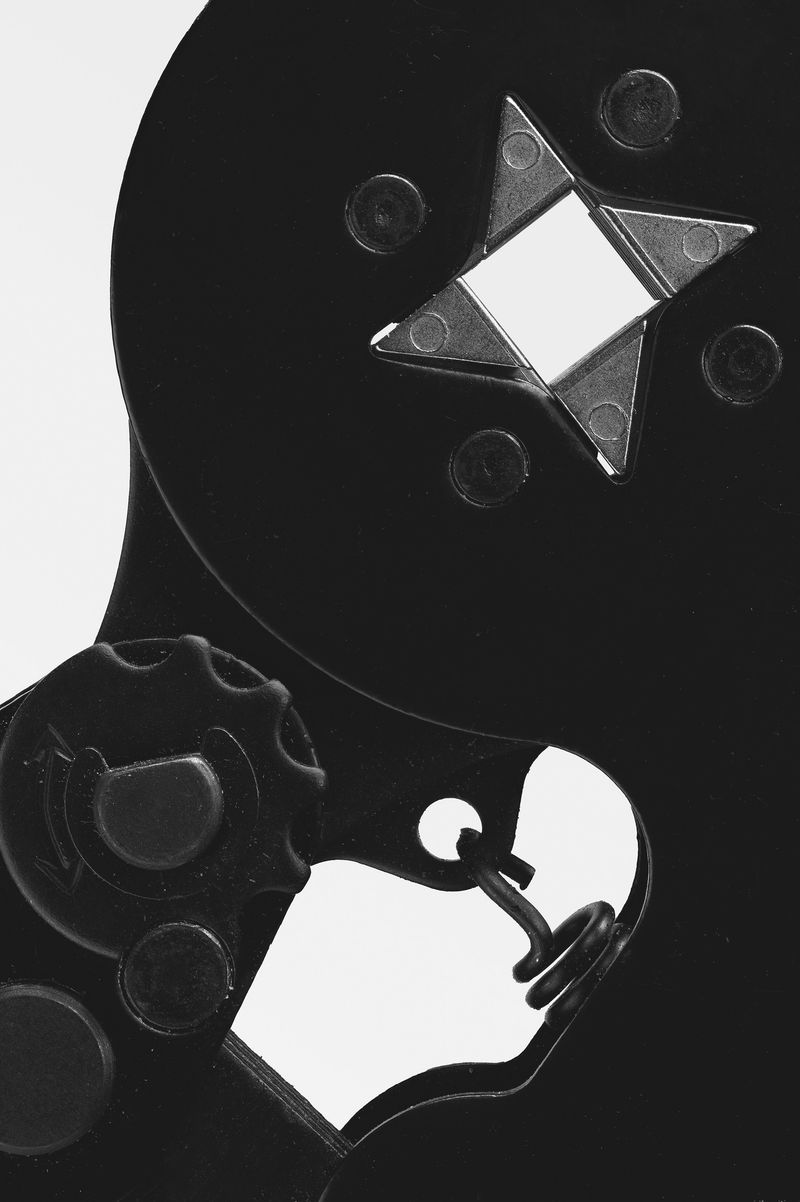
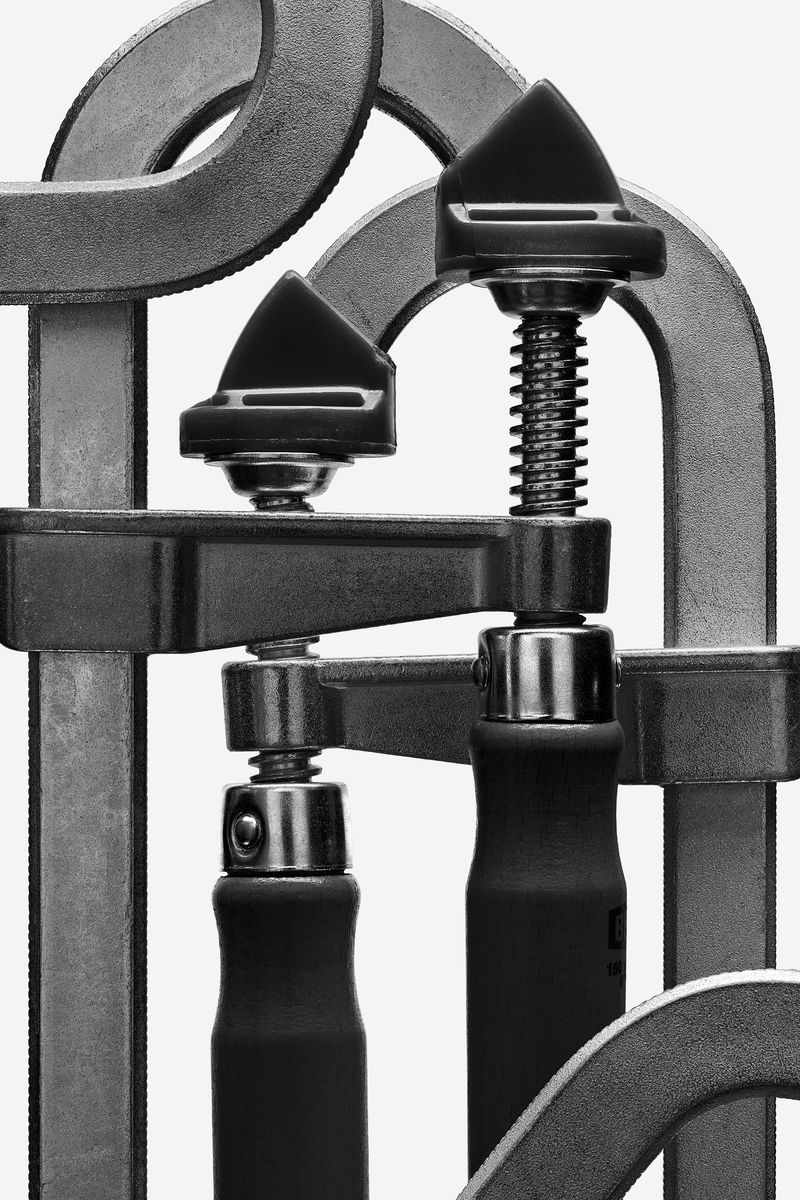
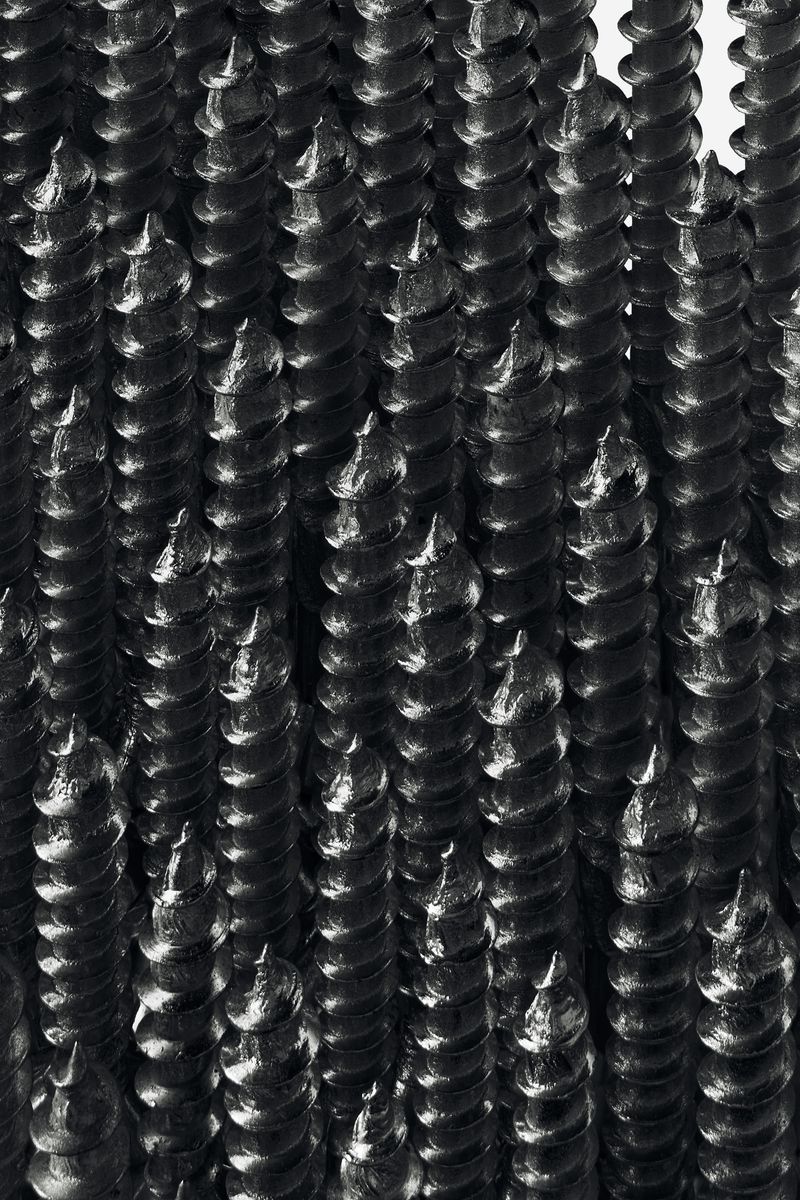
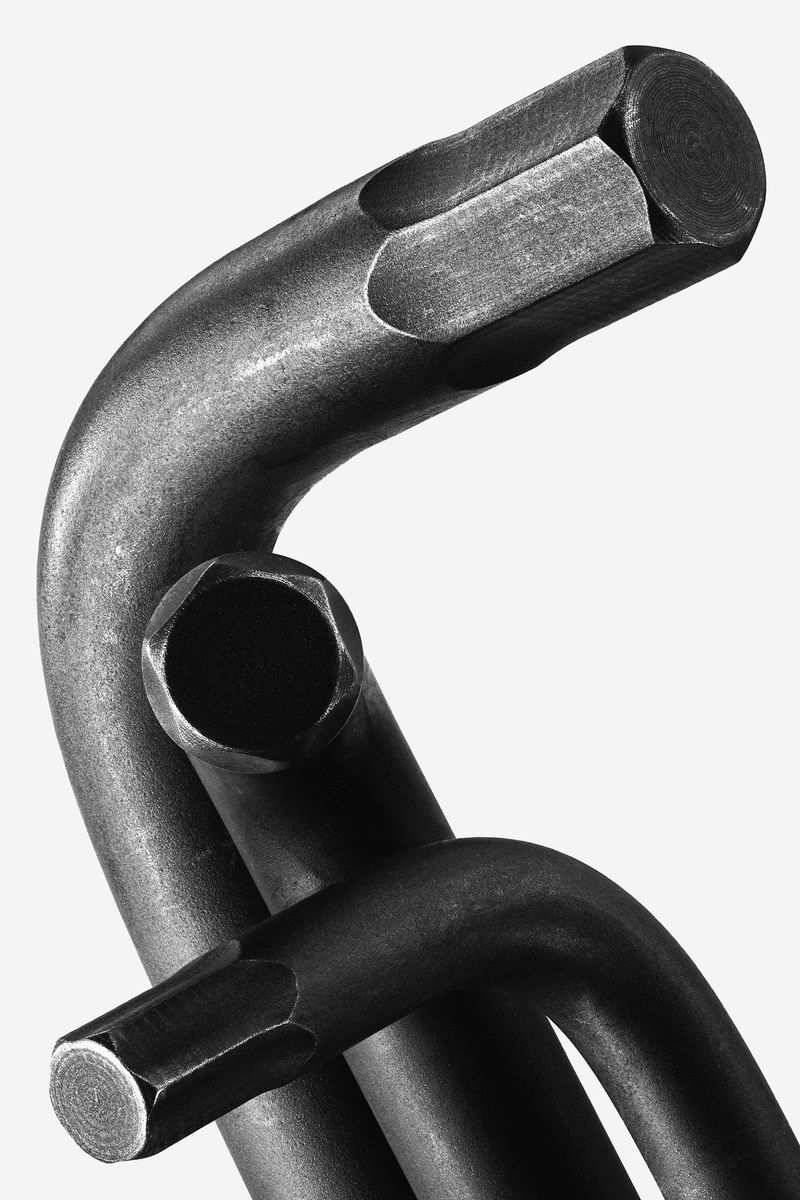
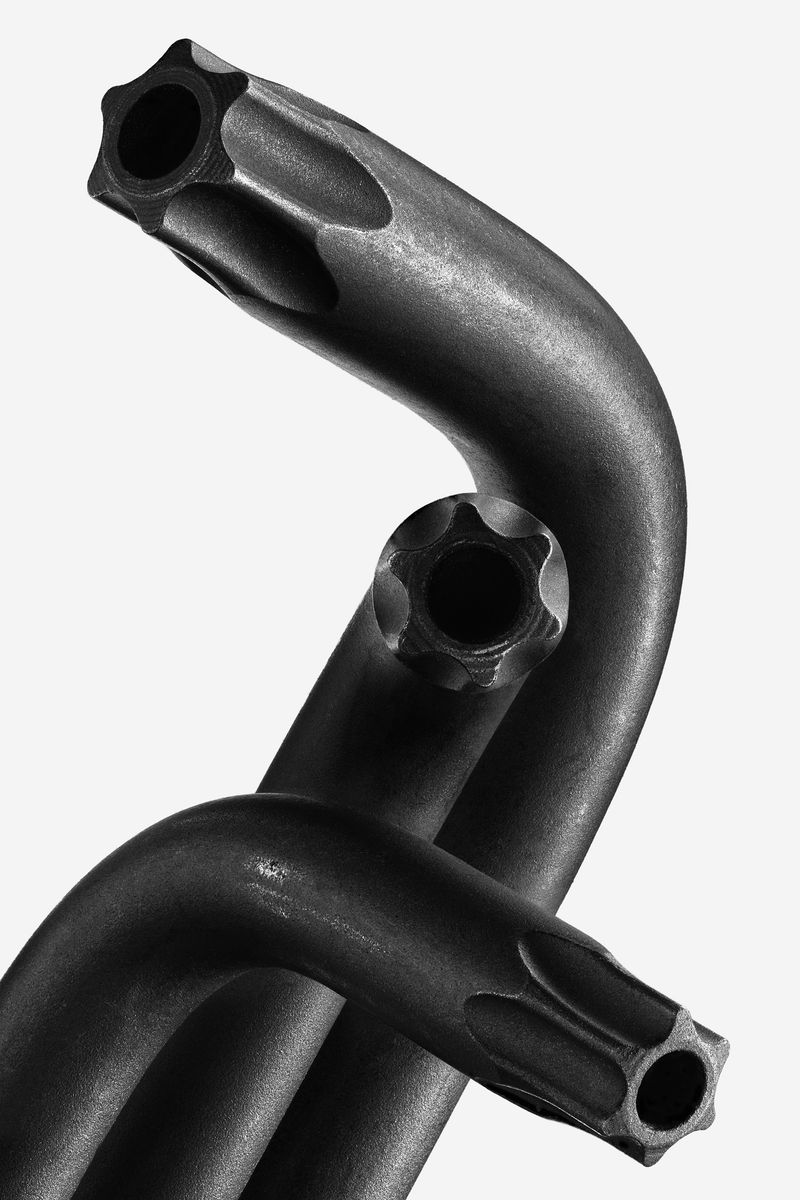
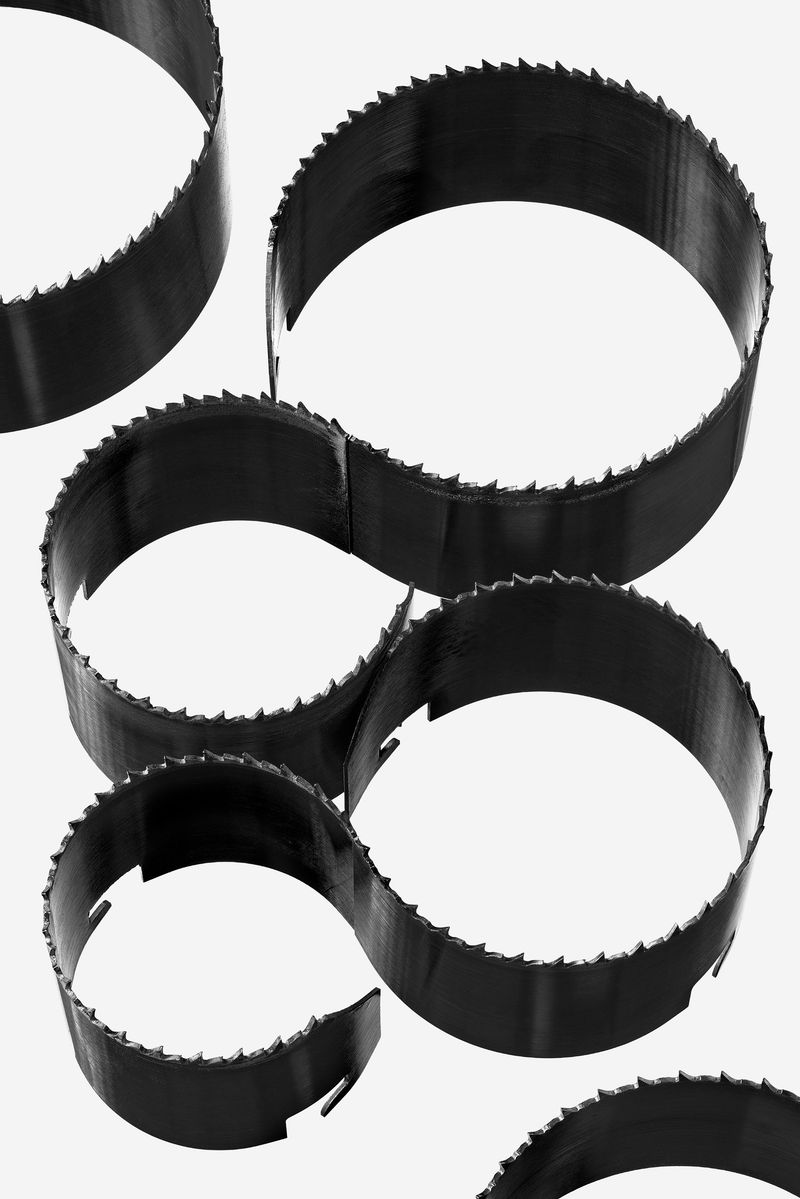
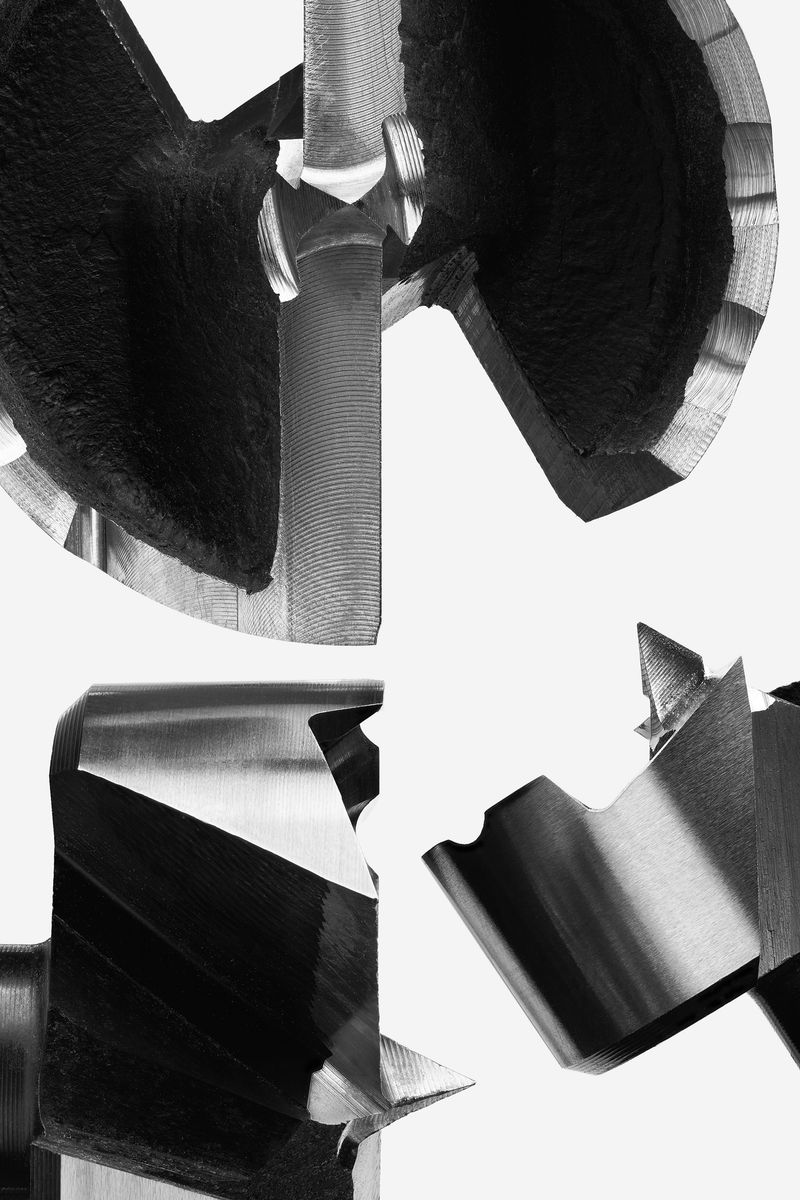
The photographs of the mouse movers in their custom-built crates mark the starting point of the project. In contrast, rigorously composed black-and-white photographs of tools, bits, and consumable materials reference the visual language of New Objectivity. In their clear and precise depiction, work is not narrated but made analytically visible. Conceptually, they connect once again to Simondon’s thesis, as each of these elements was involved in the fabrication of the apparatuses.
»Handle with Care« positions itself at the intersection of sculpture and photography, examining the relationship between image, object, and process. The design and production of the apparatuses are incorporated as integral components of artistic practice. Work is not told as a story but rendered analytically visible—as a collective process composed of many interconnected, partly repetitive actions. The apparatuses appear in an in-between state—neither active nor obsolete—as temporarily decoupled objects in storage that functions simultaneously as archive and space of possibility. Oscillating between visibility and concealment, they emerge as relics of a recently reversed state of exception. The photographs understand themselves as visual excerpts within an ongoing working process, reflecting community as a fragile and shifting structure shaped by the relationship between human beings, technology, and control.