Hafu

-
Dates2020 - Ongoing
-
Author
- Locations New York, Tokyo, Kyoto, Kobe, Chiba
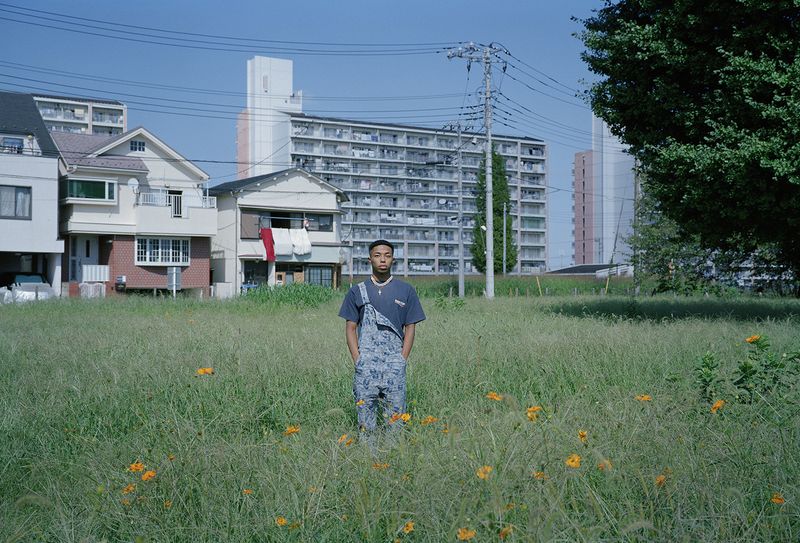
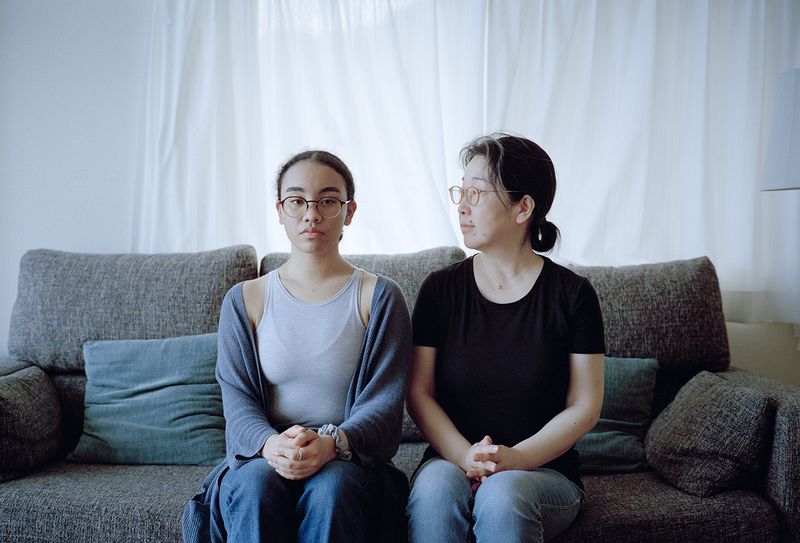
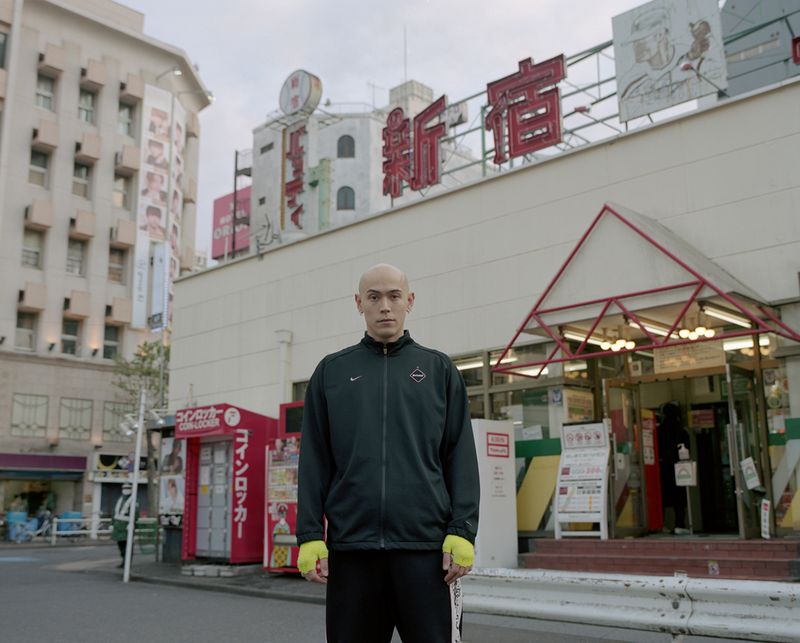
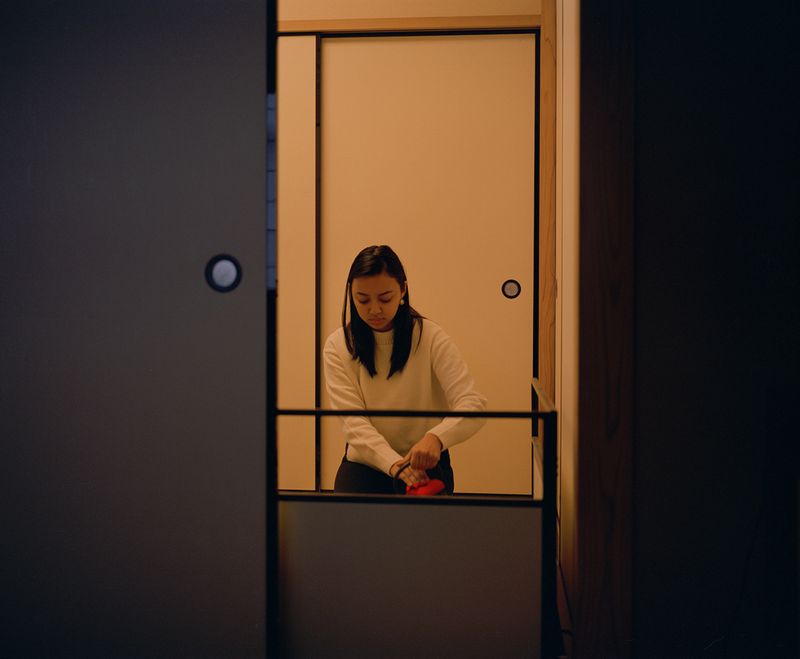
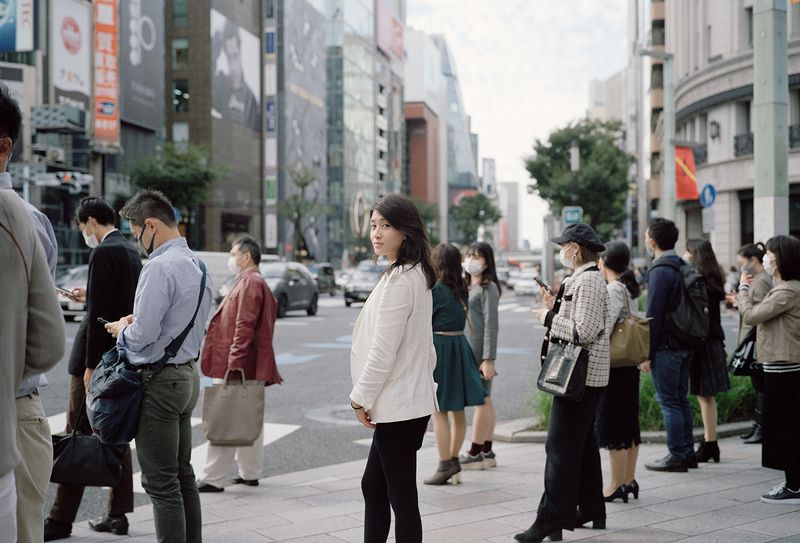
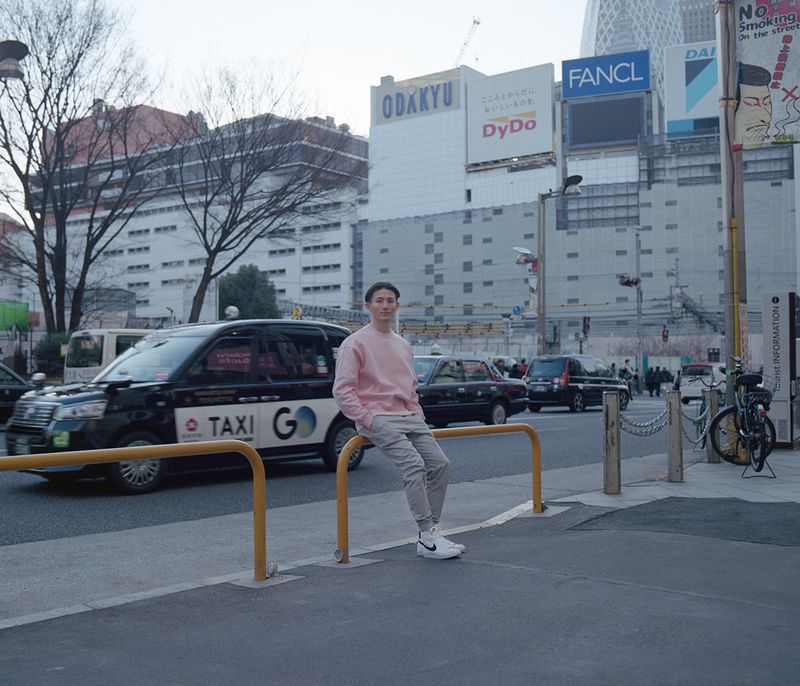
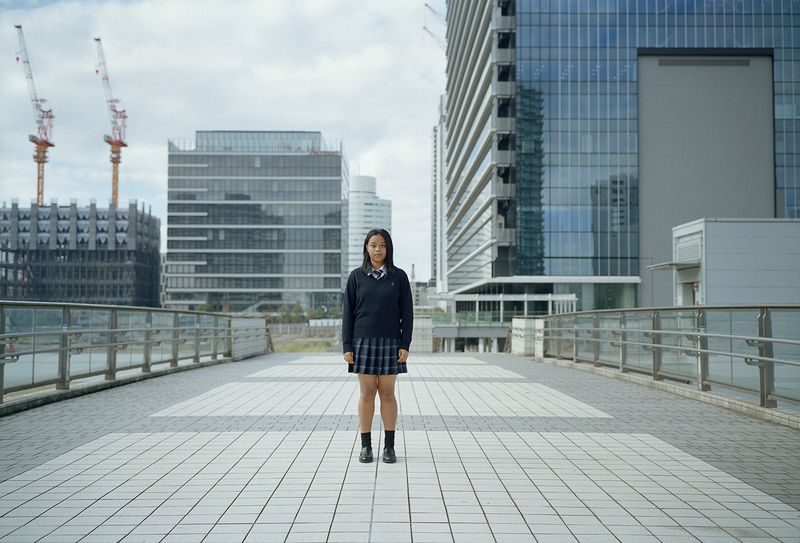
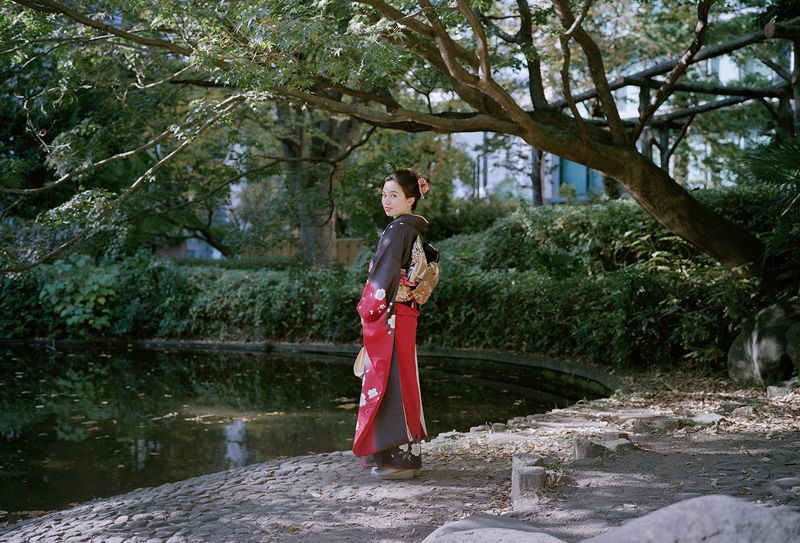
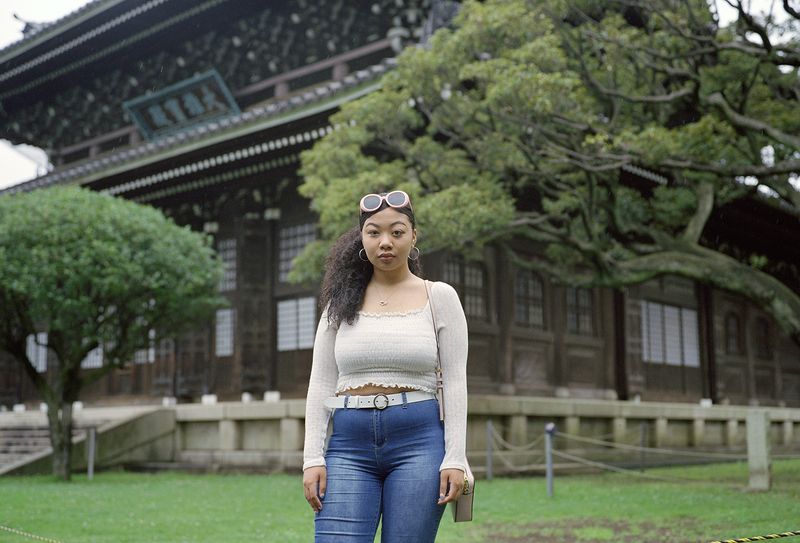
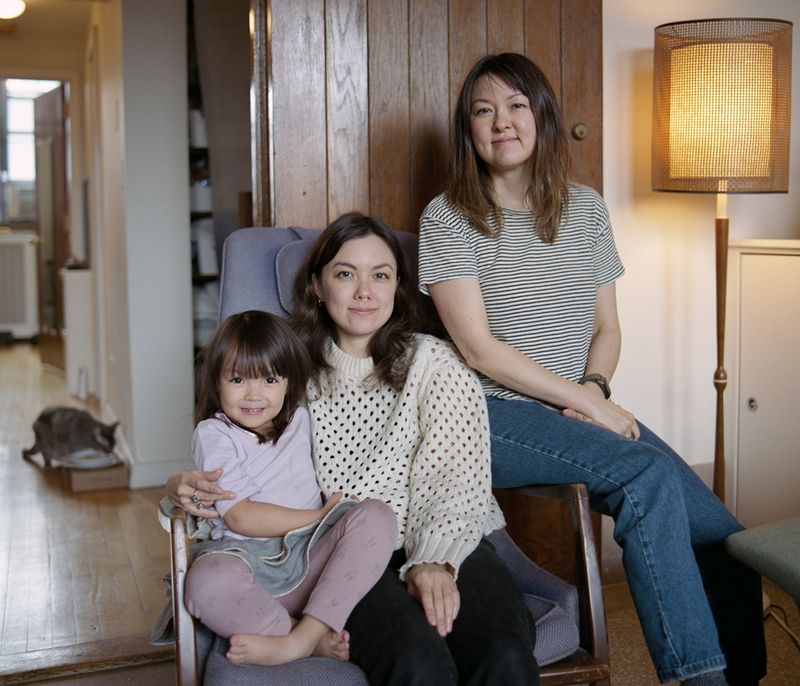
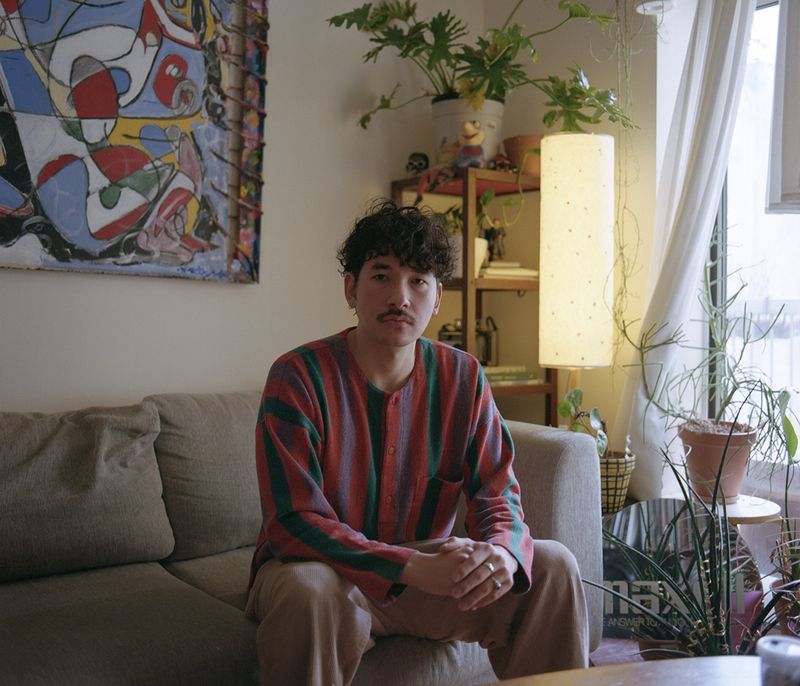
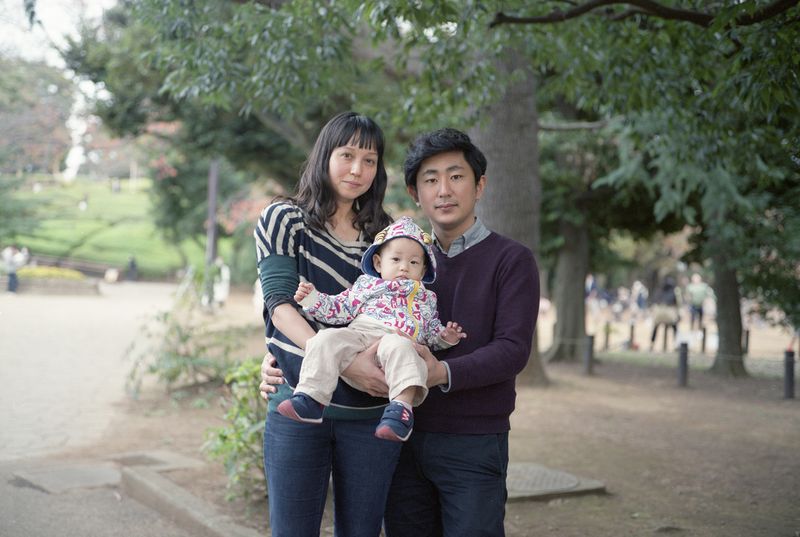
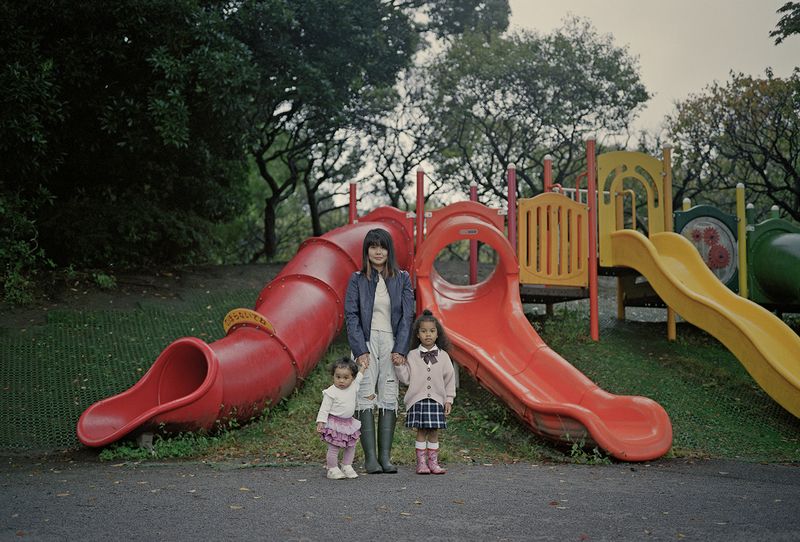
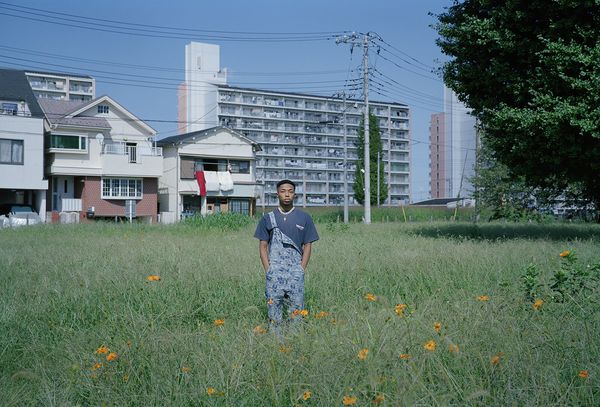
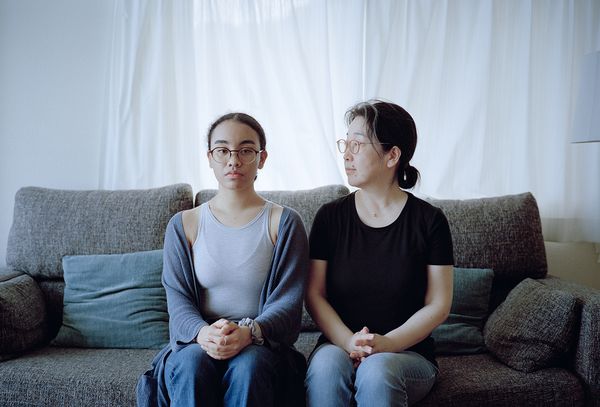
Ha-fu is an ongoing documentary series that photographs mixed Japanese individuals residing in Japan. Their stories raise questions about the stereotypes surrounding cultural identity and what it means to belong to a country.
「ハーフ」Ha-fu
「ハーフ」is an ongoing documentary series that photographs mixed-race Japanese individuals residing in Japan. The series aims to raise questions about the assumptions surrounding national and cultural identity.
Ha-fu is the Japanese term for an individual who is born from one ethnic Japanese parent and one non-ethnic Japanese parent. The word is derived from the English term “half” and from the corruption of the word “half-caste”. Japan is considered one of the most homogenous nations in the world, with the immigrant population making only 2.2% of the population. In 2016, a consensus estimated that 1.96% of the Japanese population was hafu.
Most of the Japanese population consists of people born from two ethnically Japanese parents. When people look racially different from the majority, they stand out, often leading to assumptions that those who “look different” are not Japanese.
The mixed Japanese individuals in this project recount stories and memories that impacted their perception of their own cultural identity. Each person explores different perspectives, developing a larger narrative of what it means to be from a country.
「ハーフだから可愛いよね。」
You’re good looking because you are mixed.
「あなたのパパは外国人だからあなたは日本人ではない。」
Your dad is a foreigner so you are not Japanese.
「日本語上手ですね。」
You’re so good at Japanese.
「ハーフなのにあなたの顔は残念だね。」
For someone who is mixed, it’s a shame you look like that.
People are oftentimes unaware that backhanded compliments are racist. When someone continuously points out how you are different, it is hard to feel like you are a part of a community you should belong to. The questions raised should be directed towards ourselves - what does it mean to truly belong to a country and how do our innate biases impact the way we perceive others?