Green Paradox

Green Paradox explores the tension between aesthetic allure and invisible danger. The toxicity of Scheele’s Green meets the ecological soul of Gothenburg, transforming the story of a color into a poetic reflection on our bond with nature.

The Green Paradox project was born during the Swit artist residency in Gothenburg in September 2025 and developed around the figure of Scheele Green, an 18th-century pigment of extraordinary brilliance but intrinsically toxic. Discovered by chemist Carl Wilhelm Scheele, who studied and worked at the ancient pharmacy Apoteket Enhörningen (the "Unicorn Pharmacy"), this color becomes the fulcrum of a visual investigation that explores the paradox between aesthetic beauty and invisible danger.

The work is configured as a chromatic archaeology in which archival images and contemporary photographs intertwine to trace a subtle line between the history of science, myth, and the transformation of matter. The essential counterpart of this research is the city of Gothenburg, voted "Europe's greenest city": an urban lung where nature expresses a living and regenerating breath, placing itself in dialectical antithesis to the mineral toxicity of the historic pigment. Through an act of photographic listening, the work deconstructs the legacy of a color that still questions our present. The result is a complex chorus where chemistry meets ecology and memory becomes image, transforming the history of a color into a poetic reflection on the fragility of the balance between humanity and the environment.

Scheele's Green thus becomes the lens through which to observe nature's capacity to persist and change, between aesthetic appeal and contemporary awareness.
This project is a candidate for PhMuseum 2026 Women Photographers Grant

Learn more Present your project
© Alice Jankovic - Image from the Green Paradox photography project
i

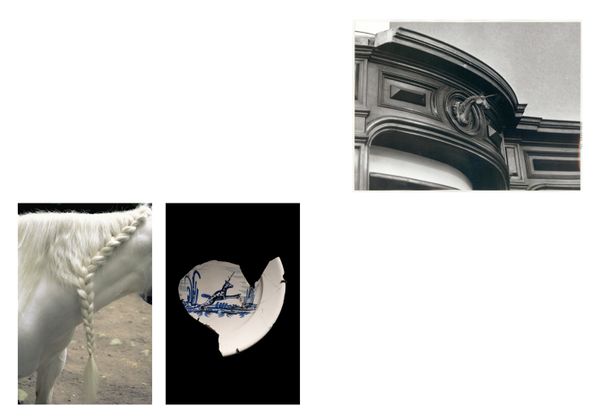
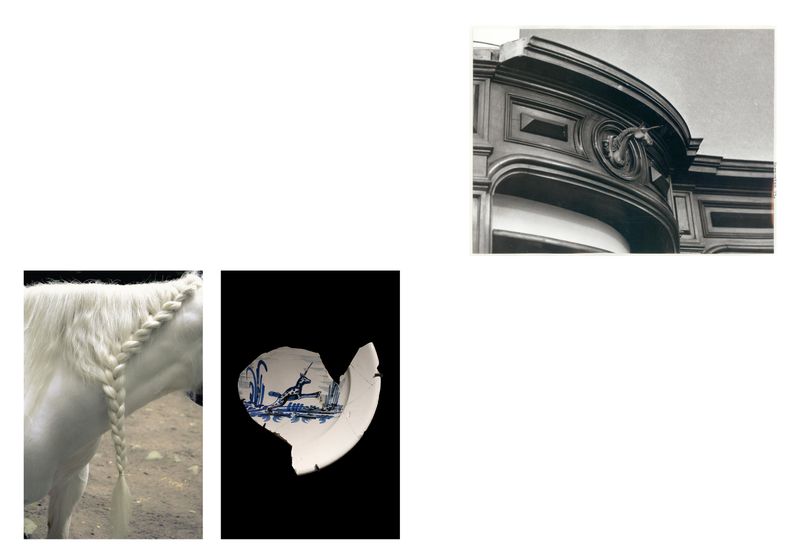
The golden unicorn a symbol of purity capable of neutralizing poisons was the emblem of Gothenburg's first pharmacy. It was here that the chemist Carl Wilhelm Scheele trained; he is known for "Scheele's Green," a highly toxic, arsenic-based pigment.

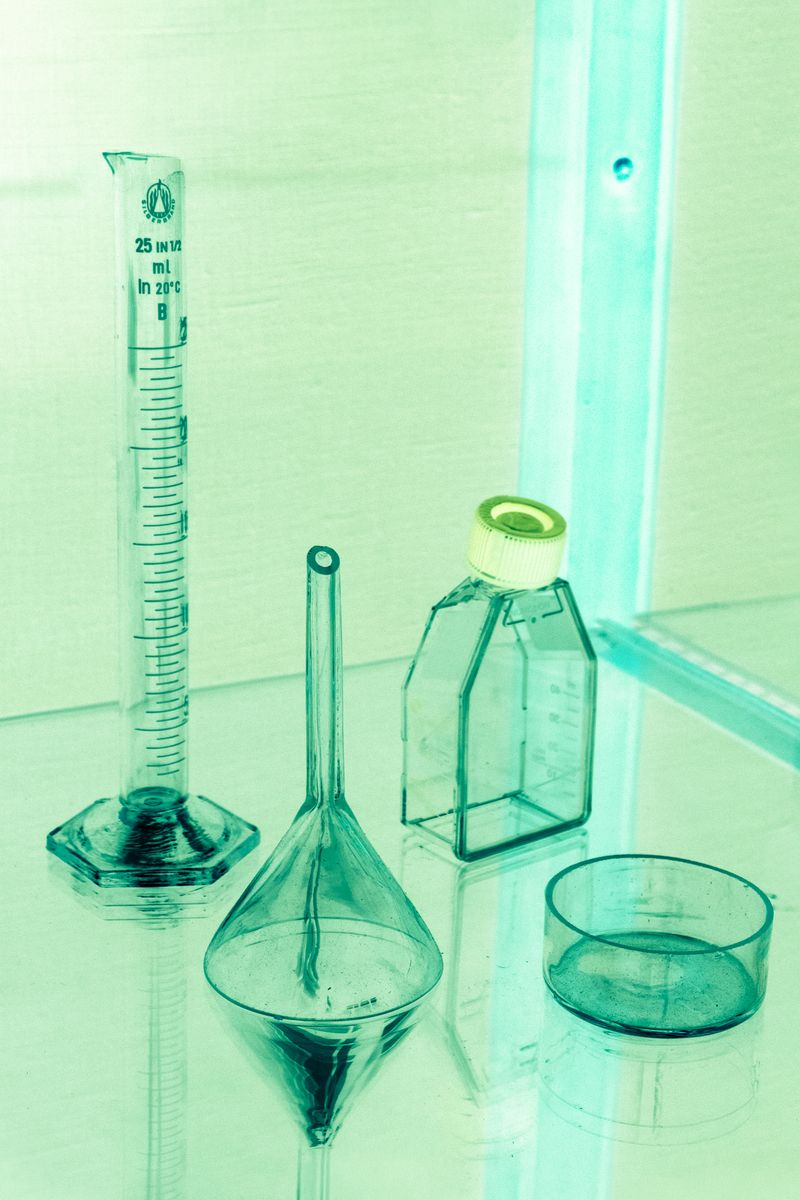
© Alice Jankovic - Negative photo idea for experiments on the color green
i

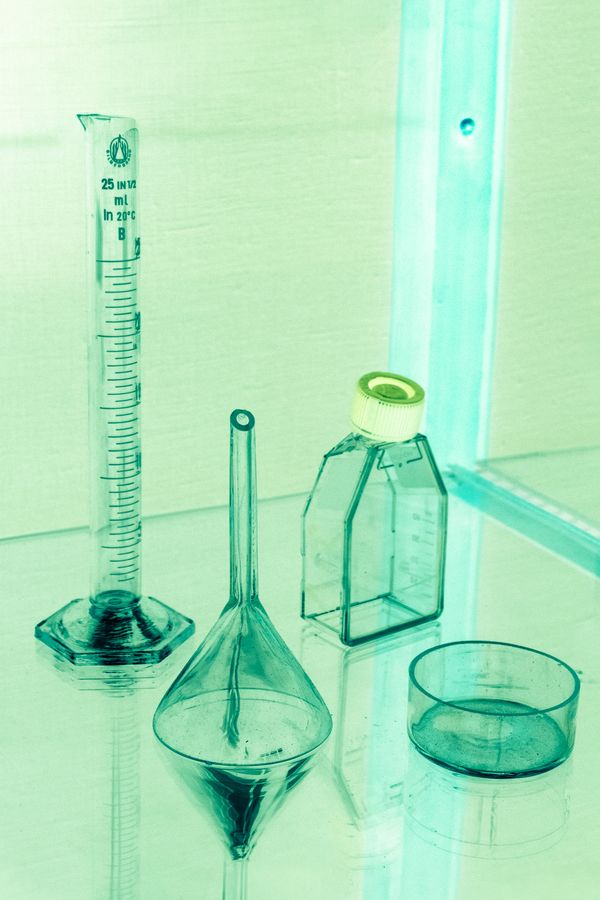
Negative photo idea for experiments on the color green

© Alice Jankovic - Image from the Green Paradox photography project
i

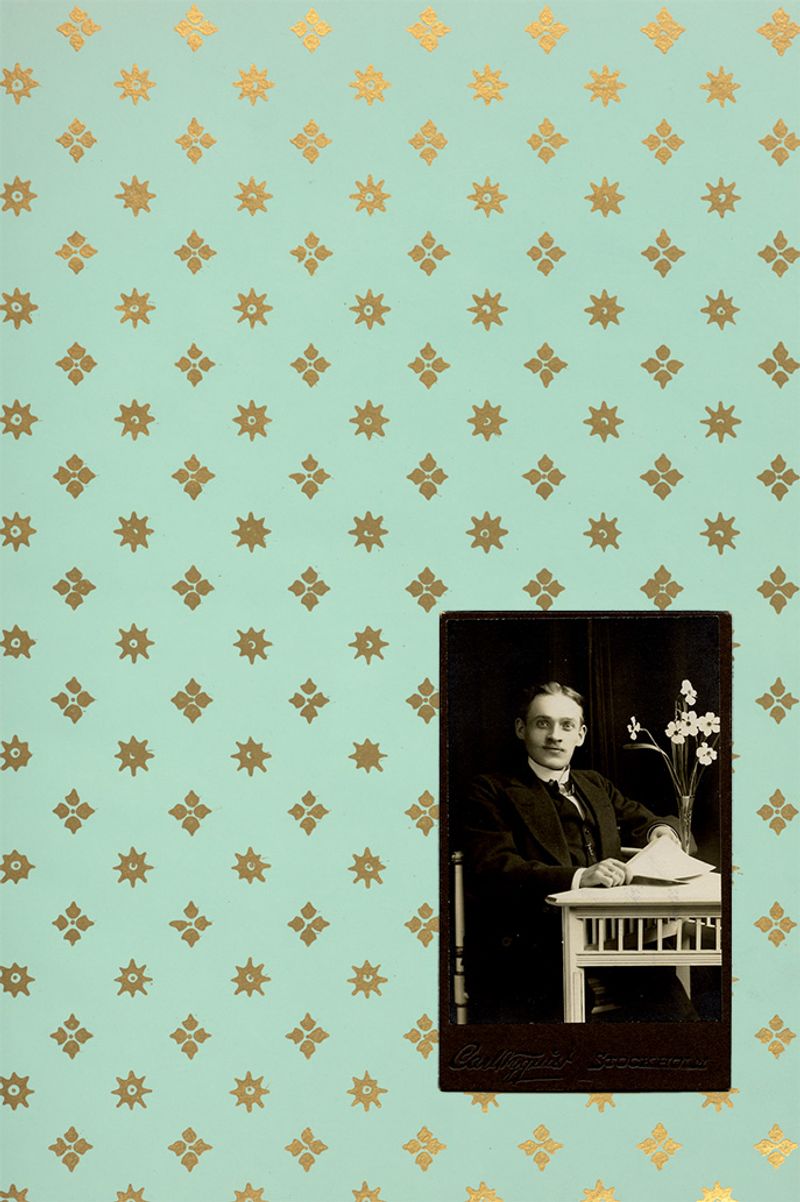
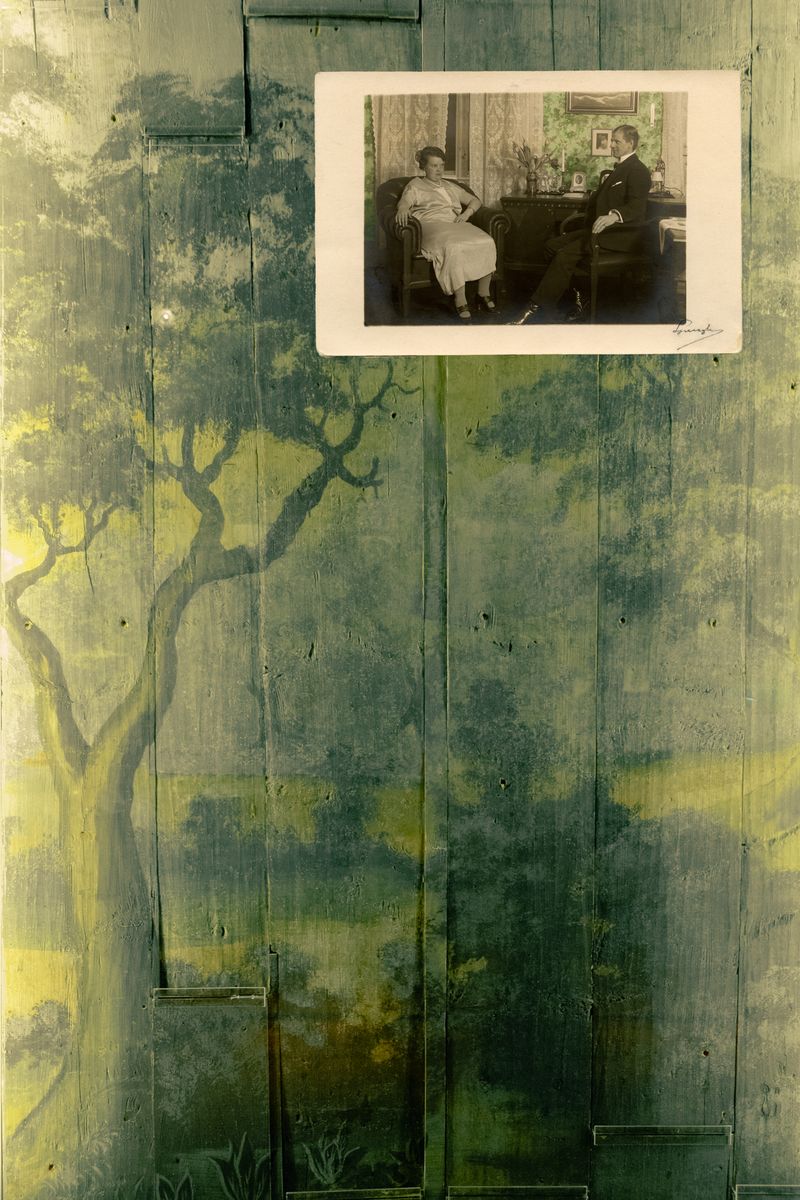
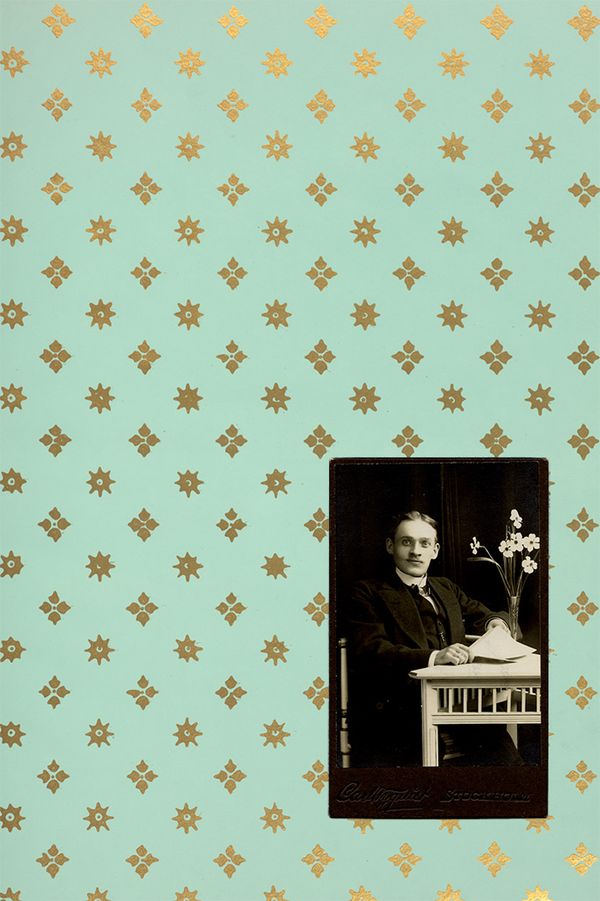
In the background is a wallpaper design taken from "Shadows from the Walls of Death"(1874)a cautionary book that preserved samples of the toxic green wallpaper. Beside it sits a vintage photograph discovered at a flea market: a portrait of a man next to a plant. This is no mere decorative detail, but rather a central element reaffirming the intimate bond between humanity and nature.

© Alice Jankovic - Contact between man and nature
i

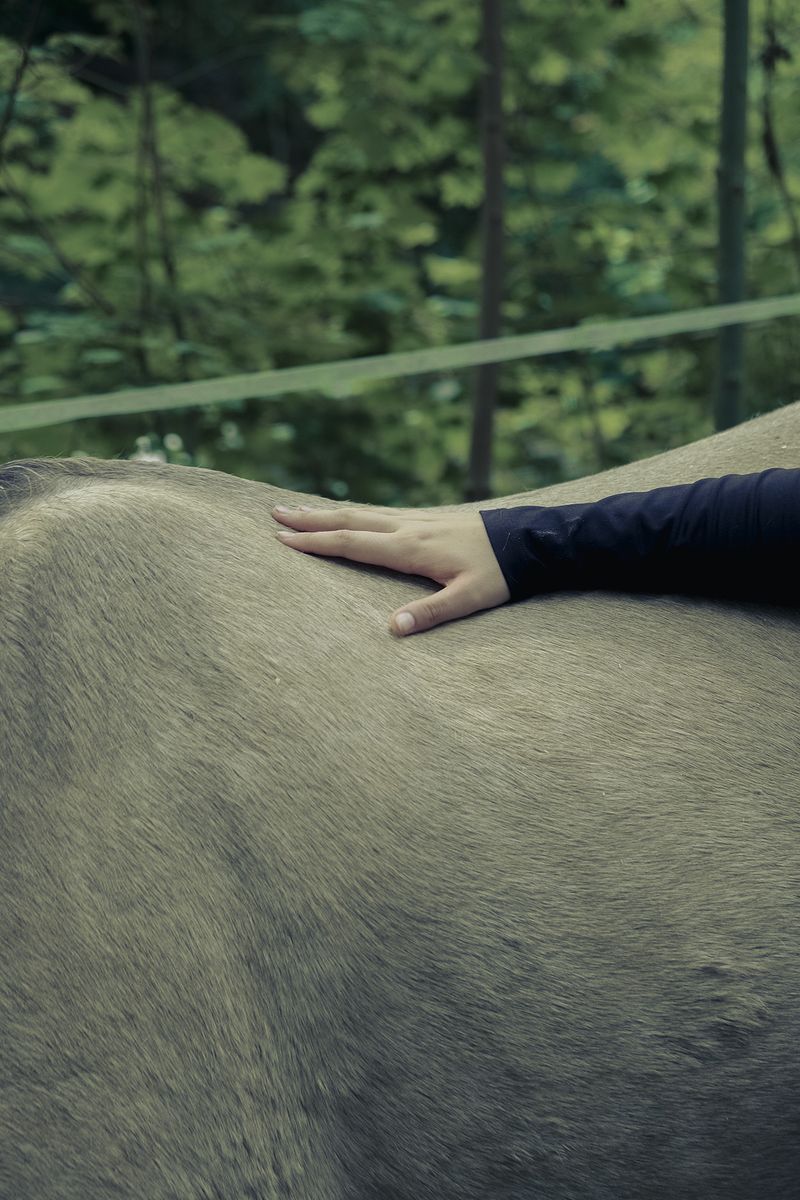
Contact between man and nature

© Alice Jankovic - Image from the Green Paradox photography project
i

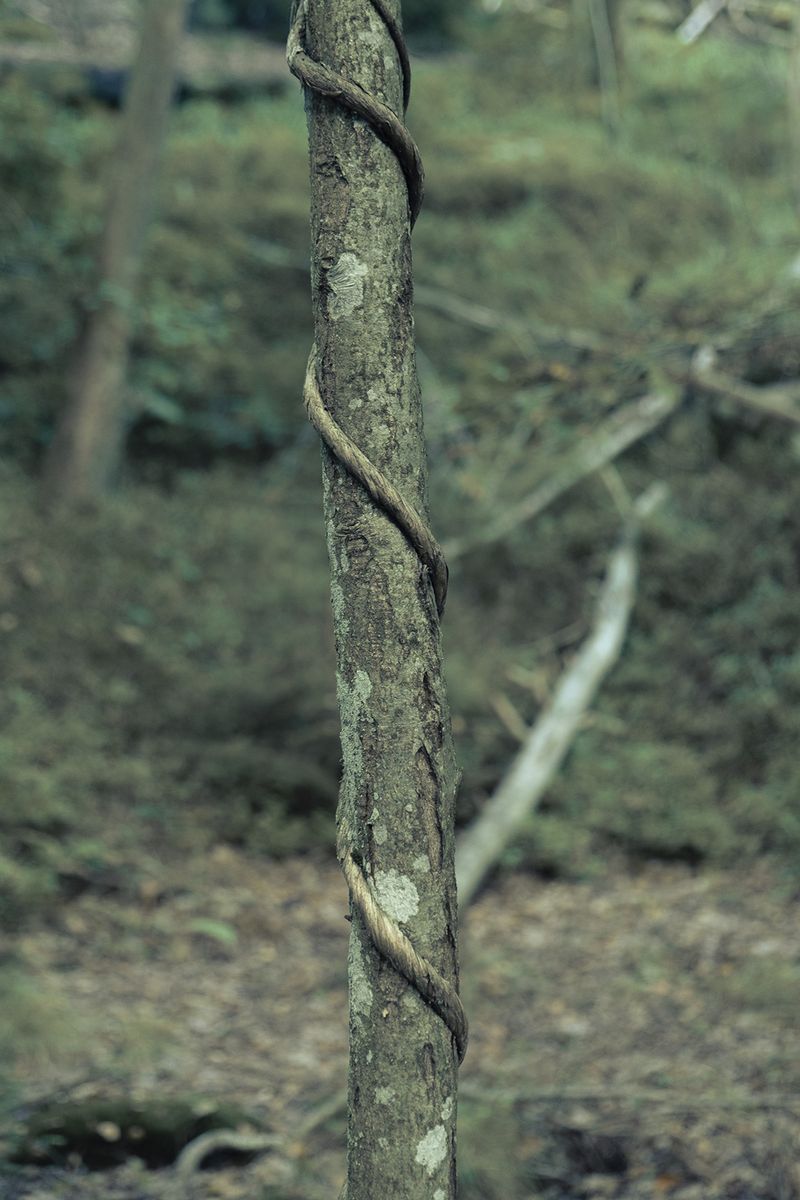
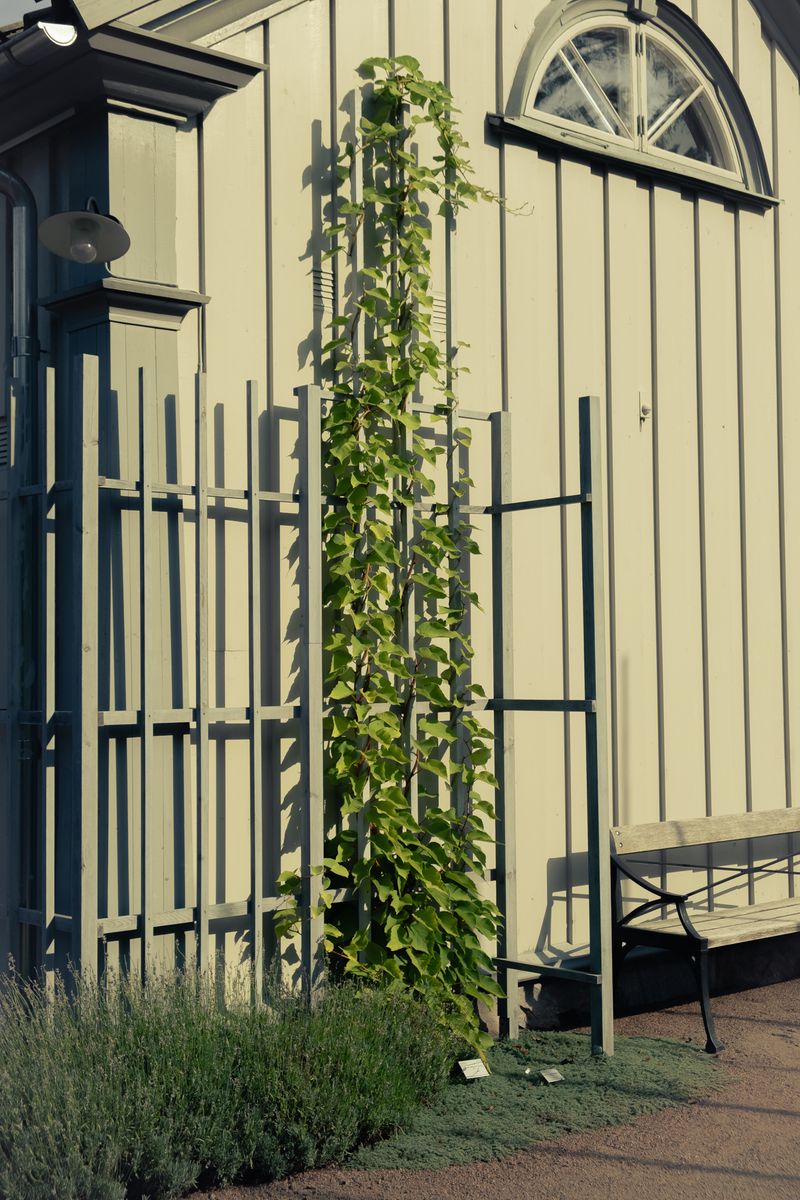
From nature to history, every element is intertwined. This tree and the climbing plant remind us of the symbiotic relationship we have with the natural world.

© Alice Jankovic - Image from the Green Paradox photography project
i

The image, taken at the Gothenburg Botanical Garden, is an invitation to slow down; the plants compose a symphony of green hues, reminding us of the infinite shades found in nature. The connection to history deepens when we discover that the pharmacy was taken over by Arvid Henrik Grén a pharmacist who not only continued its operations but was also a fervent supporter of the Botanical Garden.

© Alice Jankovic - Where nature is tinged with the memory of a color.
i

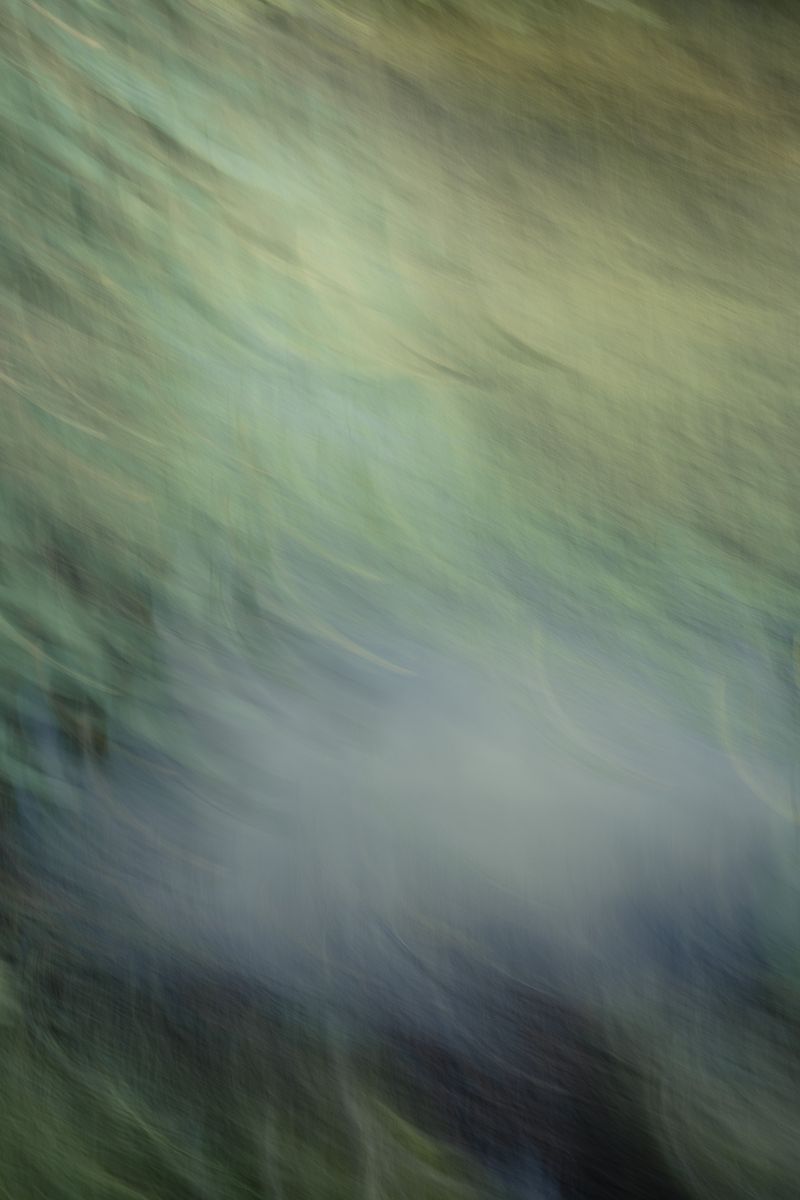
Where nature is tinged with the memory of a color.

© Alice Jankovic - Small natural refuges amidst the city parks: fragments of a silent empathy that reconnects humanity with nature.
i

Small natural refuges amidst the city parks: fragments of a silent empathy that reconnects humanity with nature.

© Alice Jankovic - Image from the Green Paradox photography project
i

In the foreground is a photograph of a 19th-century Swedish wall; its woodland-themed decoration evokes the central role of nature in the culture and aesthetics of the era. Interwoven with this is a "rediscovered photograph" from Gothenburg, depicting a couple posing in their living room against a backdrop of vivid green, hand-painted wallpaper.

© Alice Jankovic - Image from the Green Paradox photography project
i

A symphony of green, a slow and inexorable embrace. Nature doesn't ask permission; it simply returns, enveloping the rigid geometries of our architecture.

© Alice Jankovic - Image from the Green Paradox photography project
i

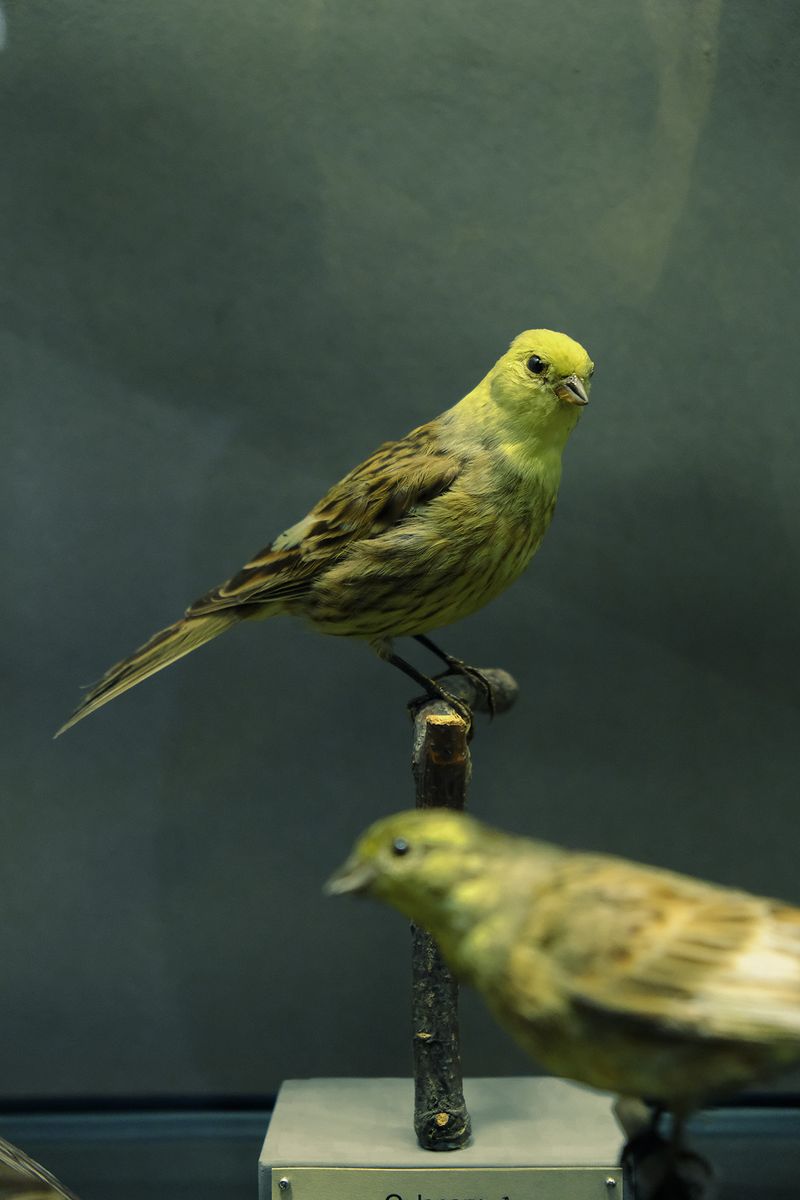
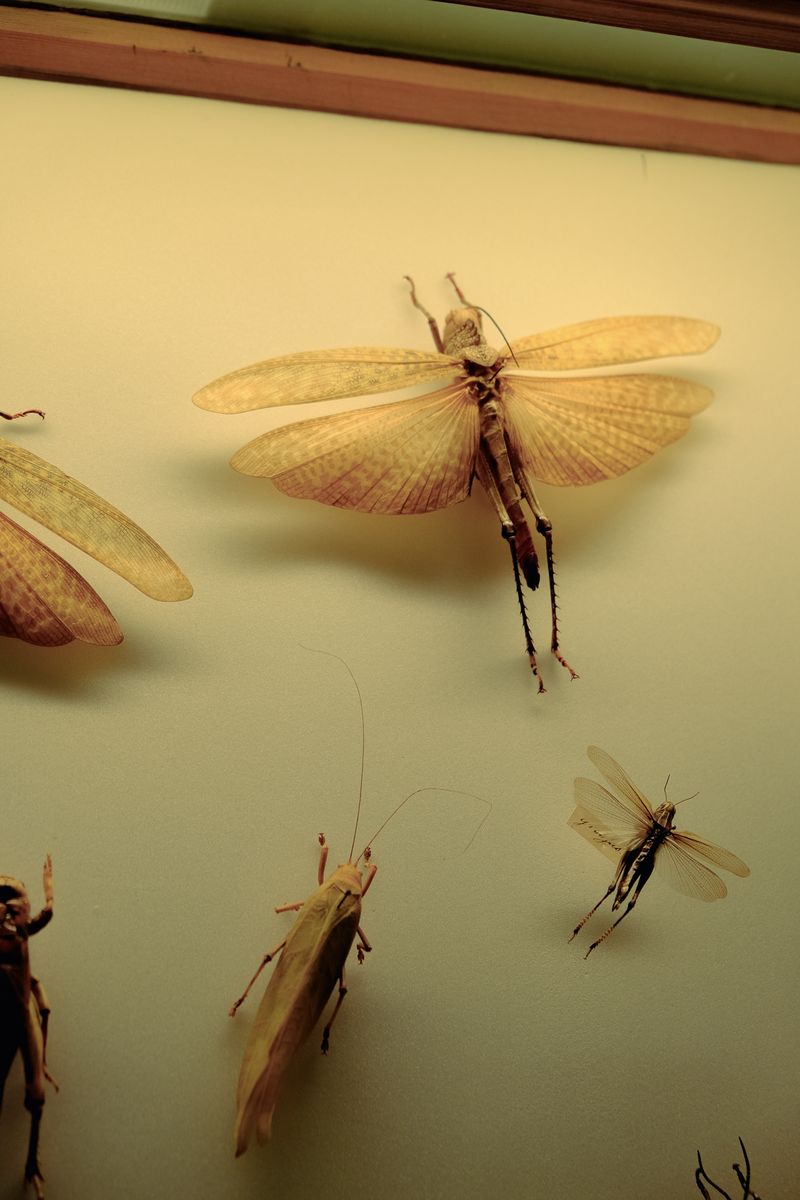
At the Natural History Museum, life reveals itself in an infinite variety of forms. Insects and small creatures often invisible to the naked eye are transformed into works of art. These images invite us to look more closely, to pause, and to appreciate the perfection of the natural world, even in its most minute manifestations.

© Alice Jankovic - Image from the Green Paradox photography project
i

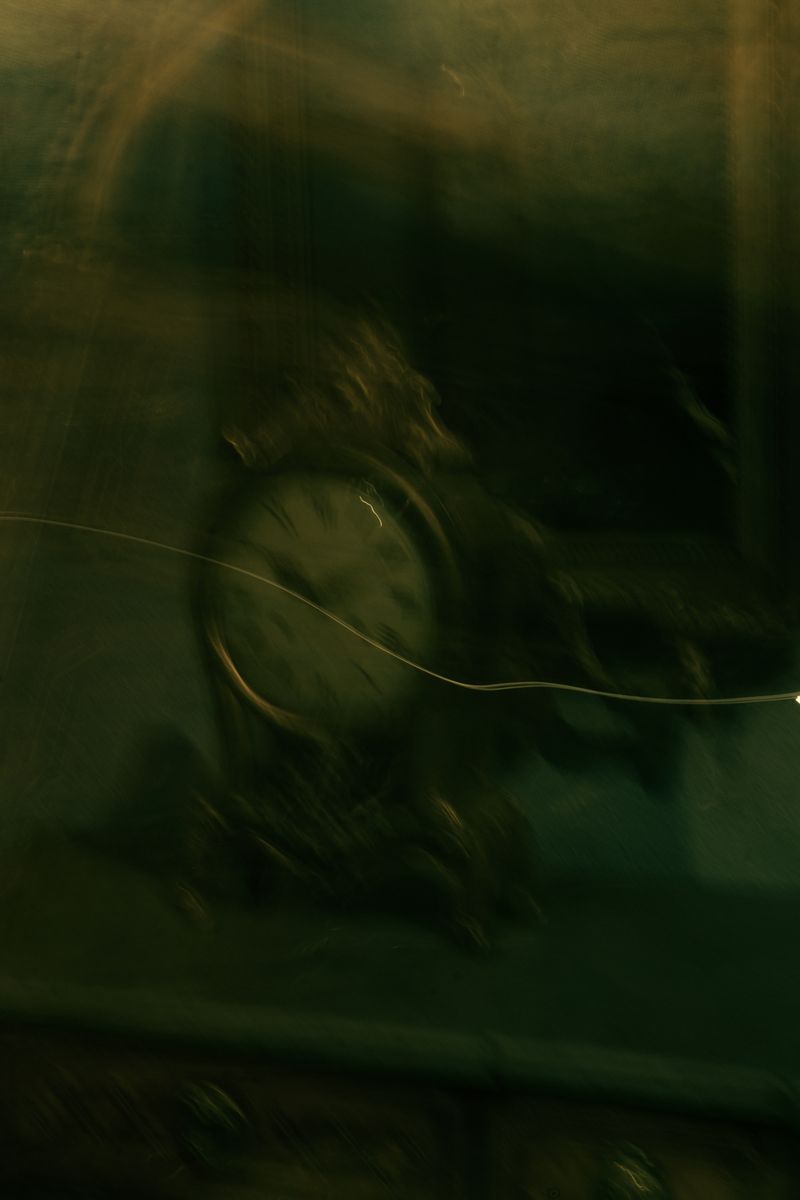
Time, here, is not only a historical measure but also the crucial factor that allows the invisible to manifest itself: only with time has arsenic revealed its lethality, and only through time does nature attempt its regeneration, giving voice to the ecological legacy that the project intends to explore.

© Alice Jankovic - This photograph, it's a photo collage. I took a photograph of a painting in Gothenburg and transformed it.
i

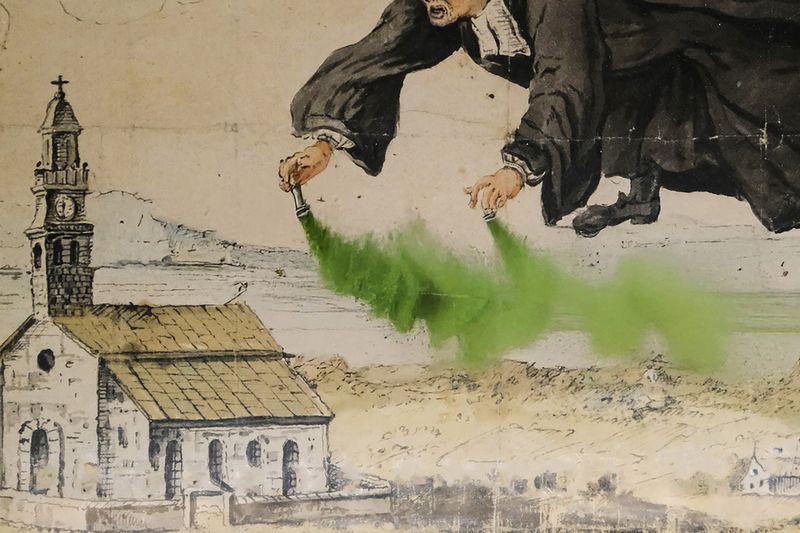
This photograph, it's a photo collage. I took a photograph of a painting in Gothenburg and transformed it.

© Alice Jankovic - Image from the Green Paradox photography project
i

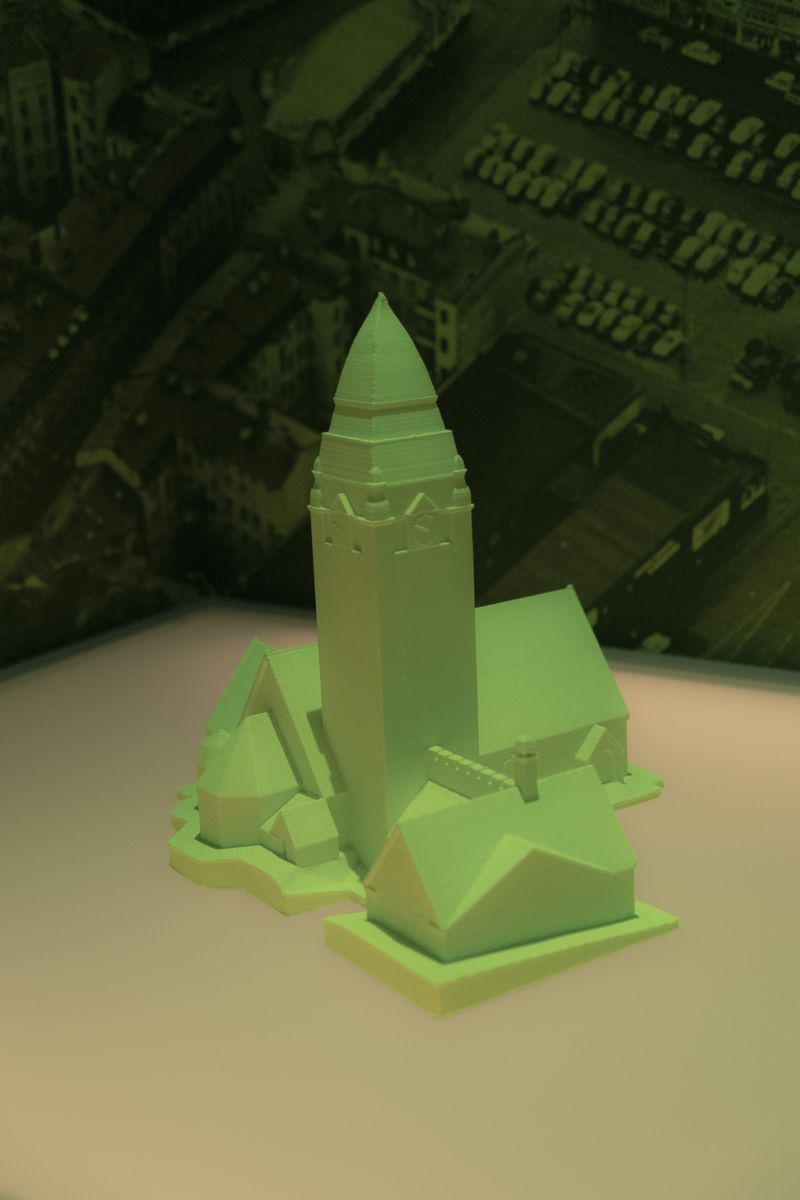
This photograph of a model church illuminated by an almost fairy-tale green, taken in a Gothenburg museum, evokes the illusion of the Emerald City of Oz, questioning the nature of green between artifice and poison.

© Alice Jankovic - Image from the Green Paradox photography project
i

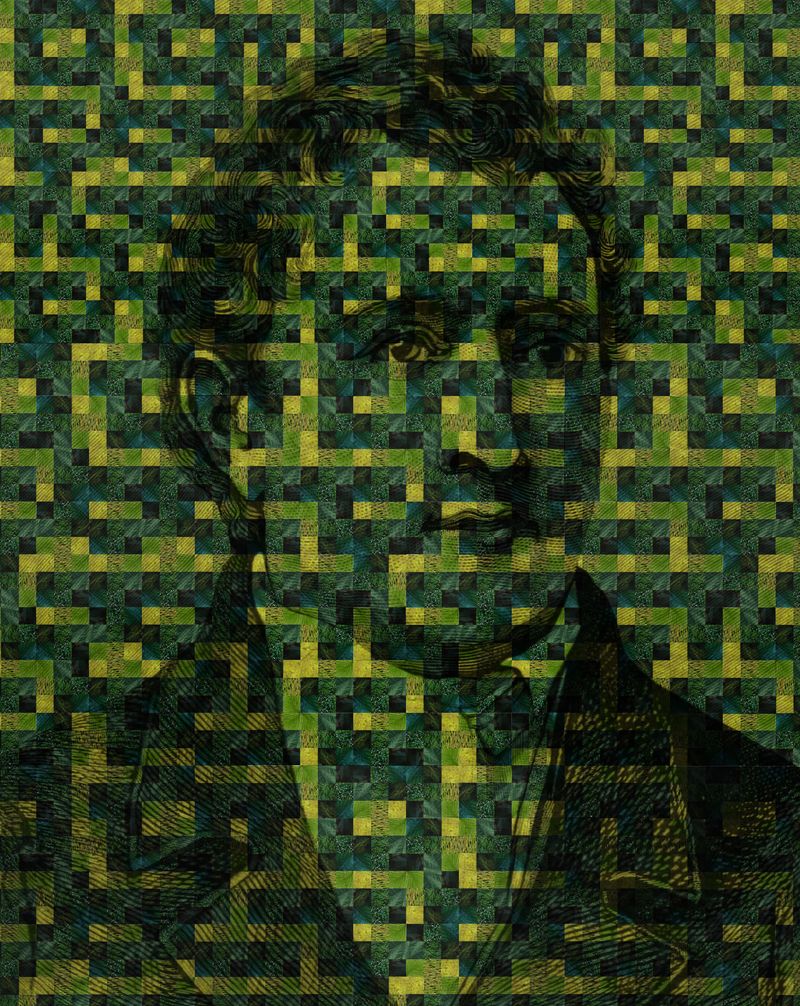
Amidst the streets of Gothenburg Europe’s greenest city I captured shades of vibrant green and assembled these fragments of nature, joining them like puzzle pieces to create a natural labyrinth that reconstructs the face of the chemist Carl Wilhelm Scheele.

© Alice Jankovic - Image from the Green Paradox photography project
i

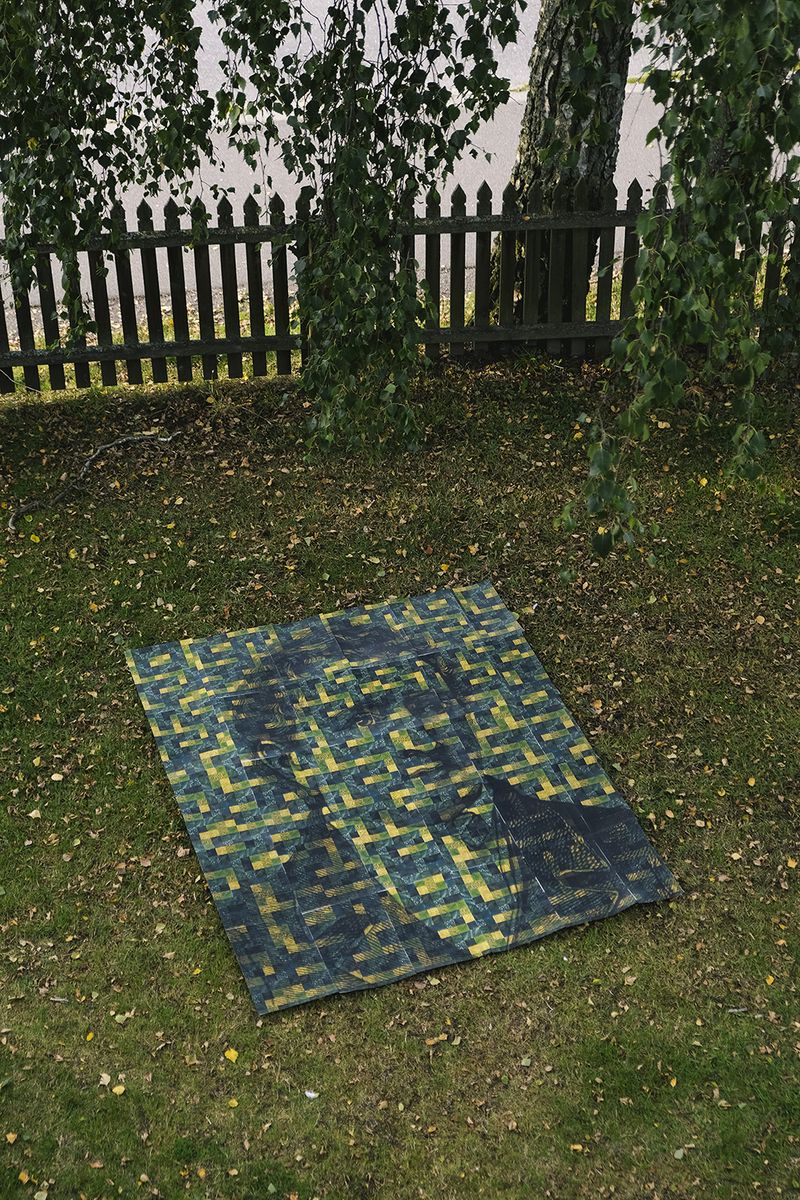
Scheele’s portrait dissolves into the shades of Gothenburg’s greens and finds its place once more in the grass an act of relocation that restores value to the profound connection between color, environment, and historical memory.