Girl's Town
-
Dates2025 - 2025
-
Author
- Topics Portrait, Contemporary Issues, Fine Art, Photobooks
In Girl’s Town, Lean constructs a serene yet storm-laden visual fable, this ambiguity allows the “fable” to transcend a closed narrative with moral lessons, evolving into an open and fluid.
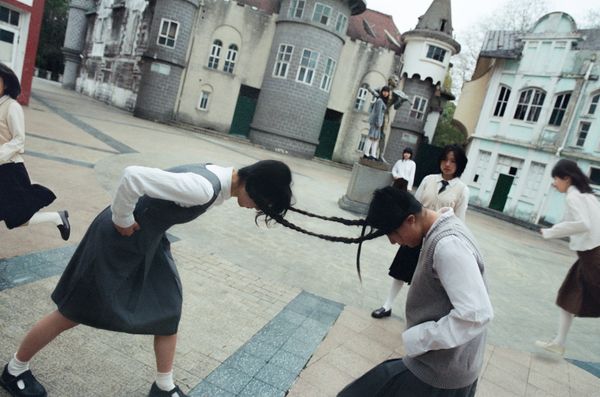
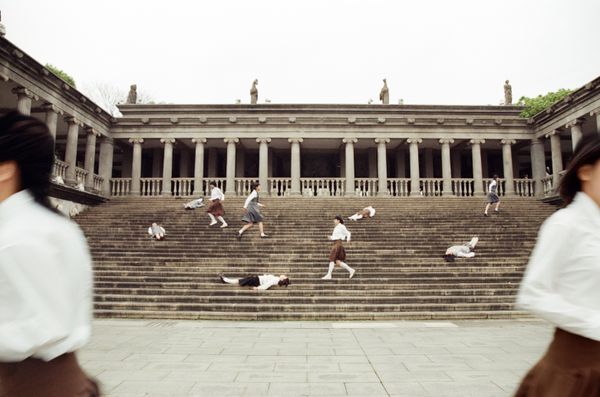
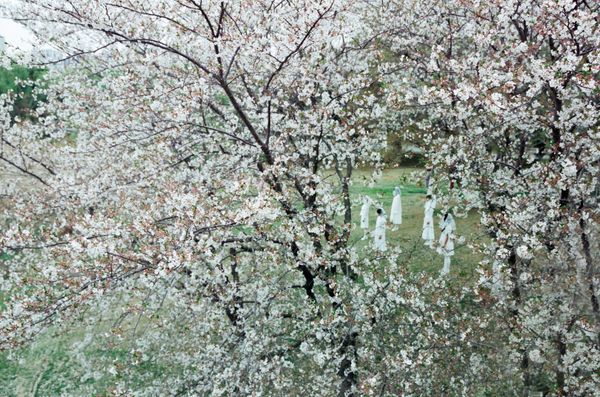
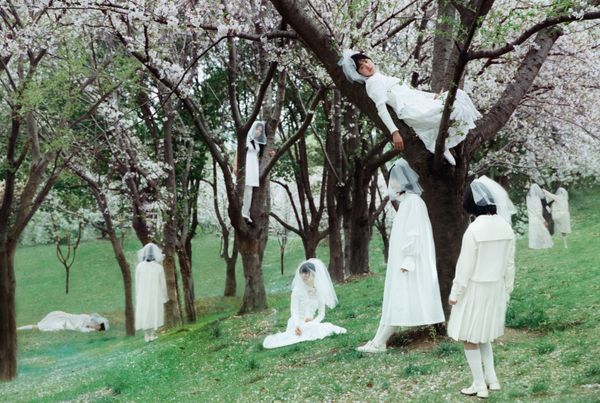
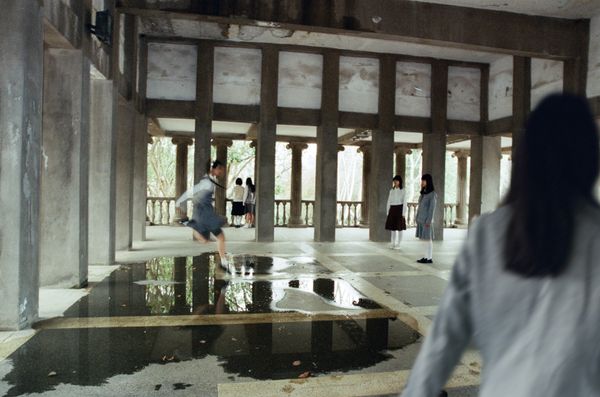
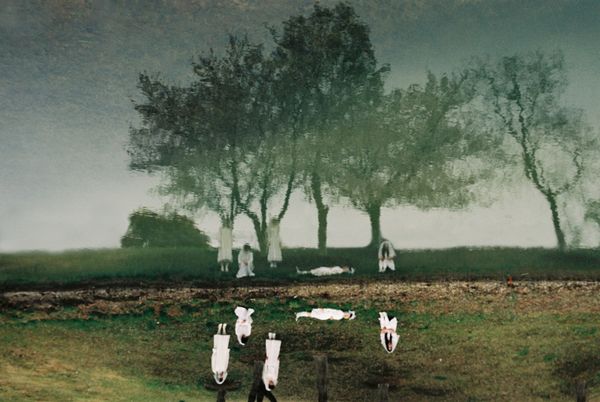
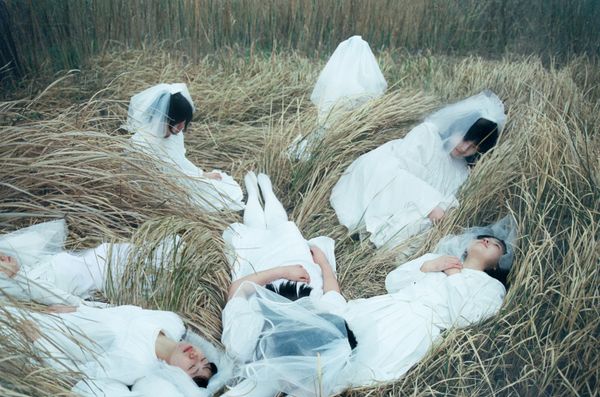
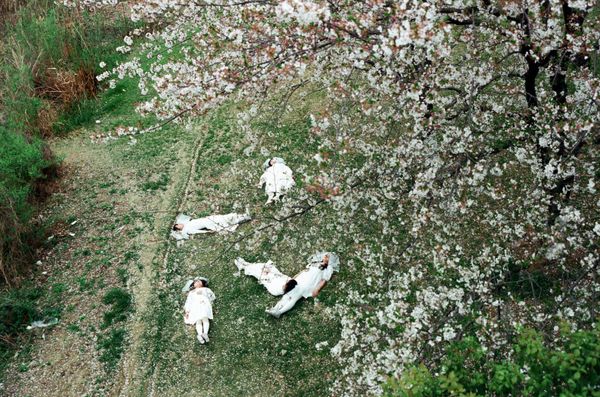
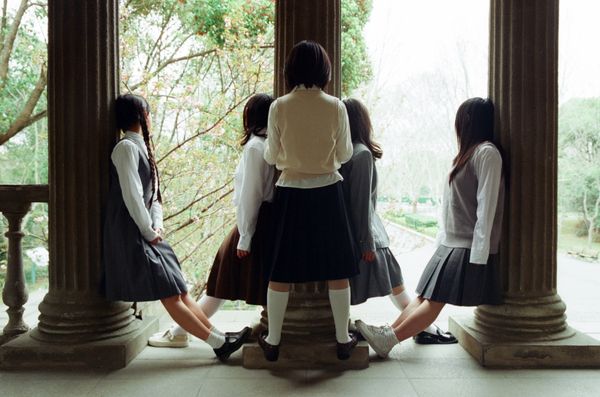
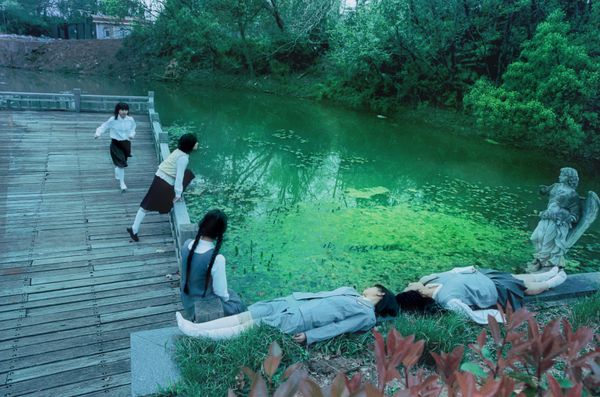
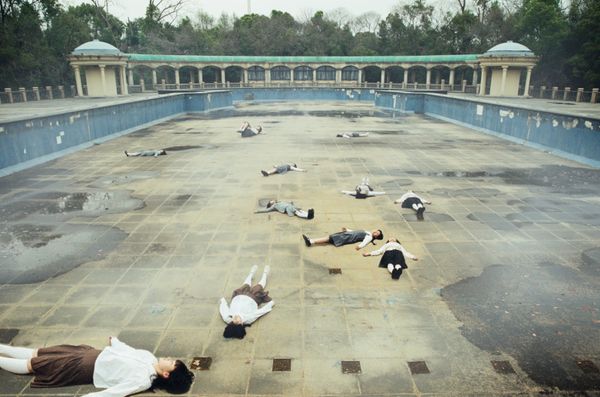
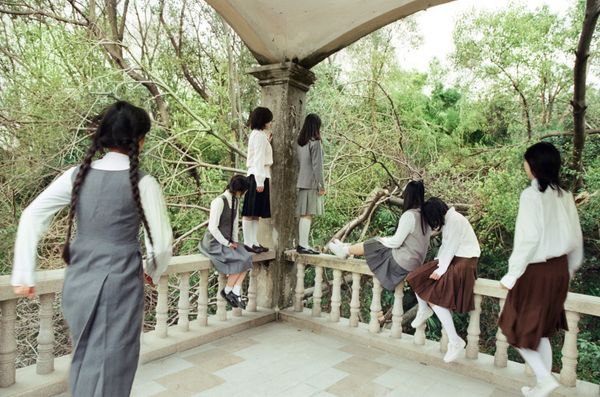
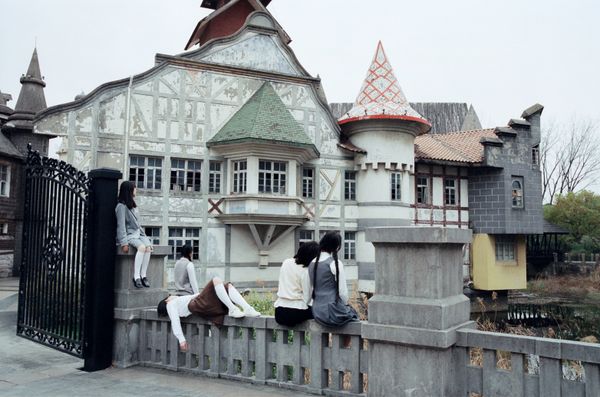
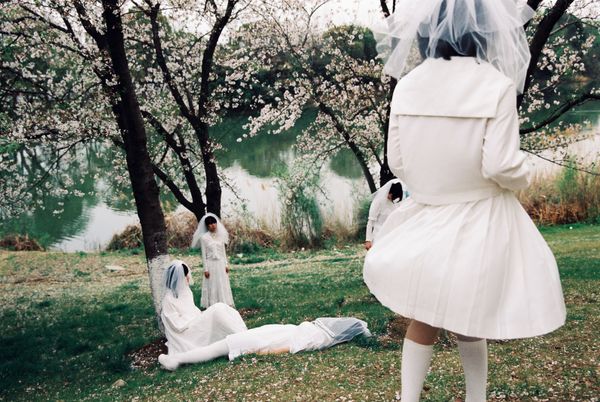
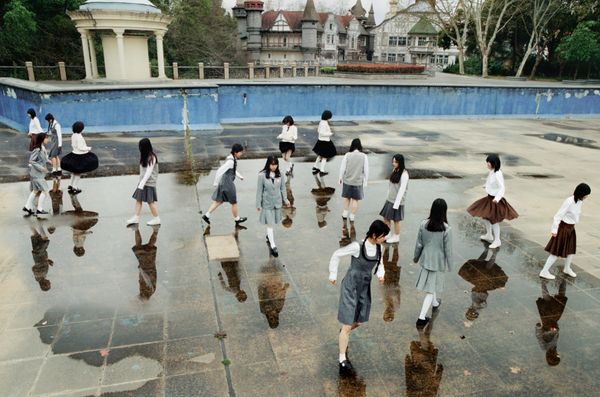
In Girl’s Town, Lean constructs a serene yet storm-laden visual fable, set in a paused cityscape where overcast skies hang low, heavy rain is imminent, and the air is thick with humidity. The girls move like ghosts within, their bodies both light and heavy, suspended at the critical point between transformation and collapse. Similar to White Noise: The Reincarnation of the Pure, the composition presents an almost ritualistic aesthetic control; however, the former expresses an outward confrontation with desire and violence, while Girl’s Town is an inward folding of consciousness, offering a deeper analysis and reinterpretation of the cultural symbol of “purity.”
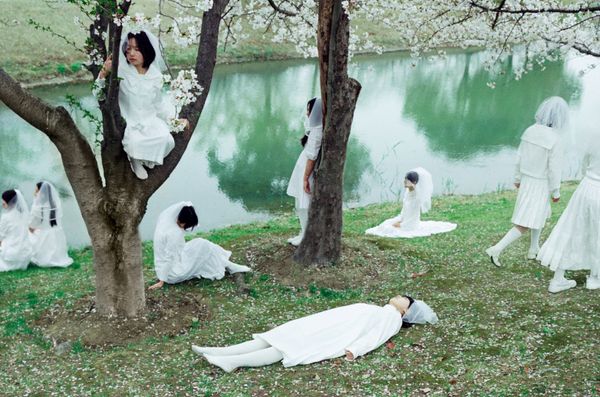
The group of girls on screen seems to exist in a “transitional state,” where both psychological and physiological boundaries are blurred. They are no longer mere symbols but become vessels of modernity’s contradictions. They represent purity and innocence, yet cannot escape the infiltration of desire and the erosion of innocence, bearing traces of the conflict between civilization and instinct.
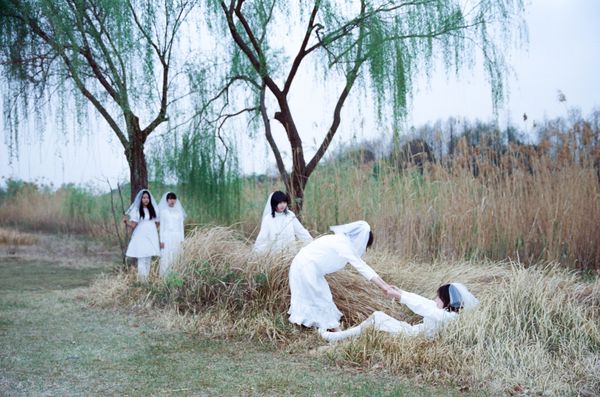
The girls in the city are not innocently pure but are aware of the world around them. They are placed on the edge of identity dissolution and reconstruction, flowing between moments and eternity—reflecting on the steadfastness of purity, sensing the present’s fragmentation, and anticipating the uncertainty of fate. Lean never romanticizes purity; rather, she is more concerned with how purity survives pollution, transforms within desire, and is reborn in ambiguity. The “town” of girls is not a sanctuary but an exposed vessel, a condensed projection of contemporary spirituality.
They suggest, in an almost mystical manner, that innocence is not fragile and can even be filled with sharpness and violence. The bodies and gazes of the girls brim with desire yet remain unflinching in the face of destruction. This complexity corresponds to the dialectical wisdom of Taoist thought, “knowing white and guarding black.” Lean does not transform Eastern cultural symbols into mere decorative signs; instead, she internalizes Taoist philosophy into the ethics and structure of her creation from a deep spiritual source.
The girls themselves are the fable. They are no longer just characters in a narrative but embody an atmosphere that cannot be clearly articulated, only sensed. This ambiguity allows the “fable” to transcend a closed narrative with moral lessons, evolving into an open and fluid fable.