G-Book 女子冊

G-book is a long-term project begun in Taiwan in 2016, following women across ages, bodies, identities, and stages of life. Through intimate, collaborative portraits, it traces how time, memory, care, and choice become visible through the body.

G-book: Time Lives in the Body

G-book is an ongoing photographic project I began in Taiwan in 2016. The “G” stands for “girls,” while its Chinese title, 女子冊, can be understood as a book of women. Through portraits, intimate encounters, and images made over many years, the project follows women of different ages, bodies, professions, identities, and stages of life. Its central subject is time: how it enters the body, leaves evidence, and shapes the ways a person continues to become herself. Being perfect is unnecessary.

The project began without a fixed conclusion. I kept returning to women because of something I first learned from my mother. She has lived through many difficulties with gentleness and quiet strength, teaching me that strength does not always appear as confrontation or heroism. Sometimes it is found in caring, waiting, enduring, and continuing to live. I have not yet photographed her; she remains too singular and important for me to know how to contain her in an image. This unfinished task reminds me that photography cannot make a life complete, but it can preserve a fraction of a second before time carries it away.

Some participants came through chance encounters; others are childhood friends, artists, performers, or people I have photographed through different stages of their lives. A girl stands at the edge of adolescence before entering the disciplined performance of ballroom dance. A childhood friend returns almost twenty years later carrying a child. One woman, born without hair, chooses a different head each day through wigs, while another shaves hers because she prefers the feeling. Tattoos, surgical scars, pregnancy, clothing, performance, and gestures become traces of decisions made upon and through the body. In one Paiwan family in southern Taiwan, two relatives continue to protect private truths that only they share, preserving each other’s right to decide when and how to be seen.

My method depends on time, trust, and continued relationships. I photograph participants in their homes, workplaces, neighborhoods, and spaces of transformation. Before each shoot, we begin from their present condition: they dress and present themselves in whatever way feels right to them, with the ease of friends meeting and making photographs together. Some images are observational; others are collaboratively constructed through clothing, makeup, movement, or play. For intimate stories, I discuss what may be shown and how each person wishes to be identified. When publication risks violating that trust, I withdraw the image.

At first, I believed I was preserving these women’s lives. Years later, I understand that their courage also shaped the person I became. No single participant changed me; the transformation accumulated through every encounter. G-book is my quiet form of rebellion against a culture that rapidly produces, consumes, and forgets images, and underestimates the weight of sincerity.

I hope the work reminds viewers not to abandon who they are when confronted by judgment, distortion, or hostility. Quietness here is not passivity, but the time through which experience becomes discernment. Years from now, I hope someone in Taiwan will encounter these photographs and recognize how we dressed, desired, cared for one another, protected our secrets, and tried to live truthfully in this moment. Photography becomes evidence not only that we lived, but of how we kept becoming ourselves.
G-book: https://www.changyuhsuan.com/g-book

This project is a candidate for PhMuseum 2026 Women Photographers Grant

Learn more Present your project
© Yu Hsuan Chang - Image from the G-Book 女子冊 photography project
i

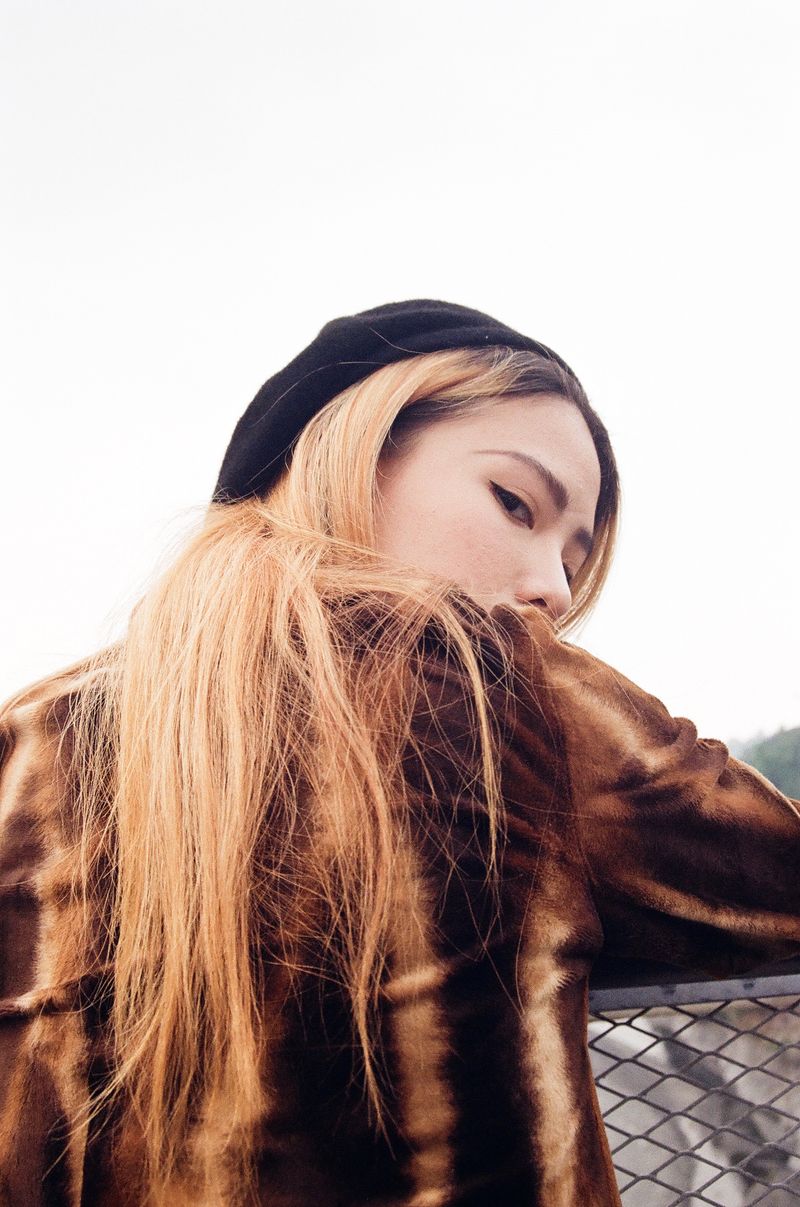
Jian — The Beginning: This was the first shoot for G-book. I met Jian online and discovered we came from the same small county in Taiwan. On the way into the mountains, she said her greatest wish was to die in her hometown. We later became close friends. Ten years on, I understand her wish not as innocence, but as a radical form of belonging.

© Yu Hsuan Chang - Image from the G-Book 女子冊 photography project
i

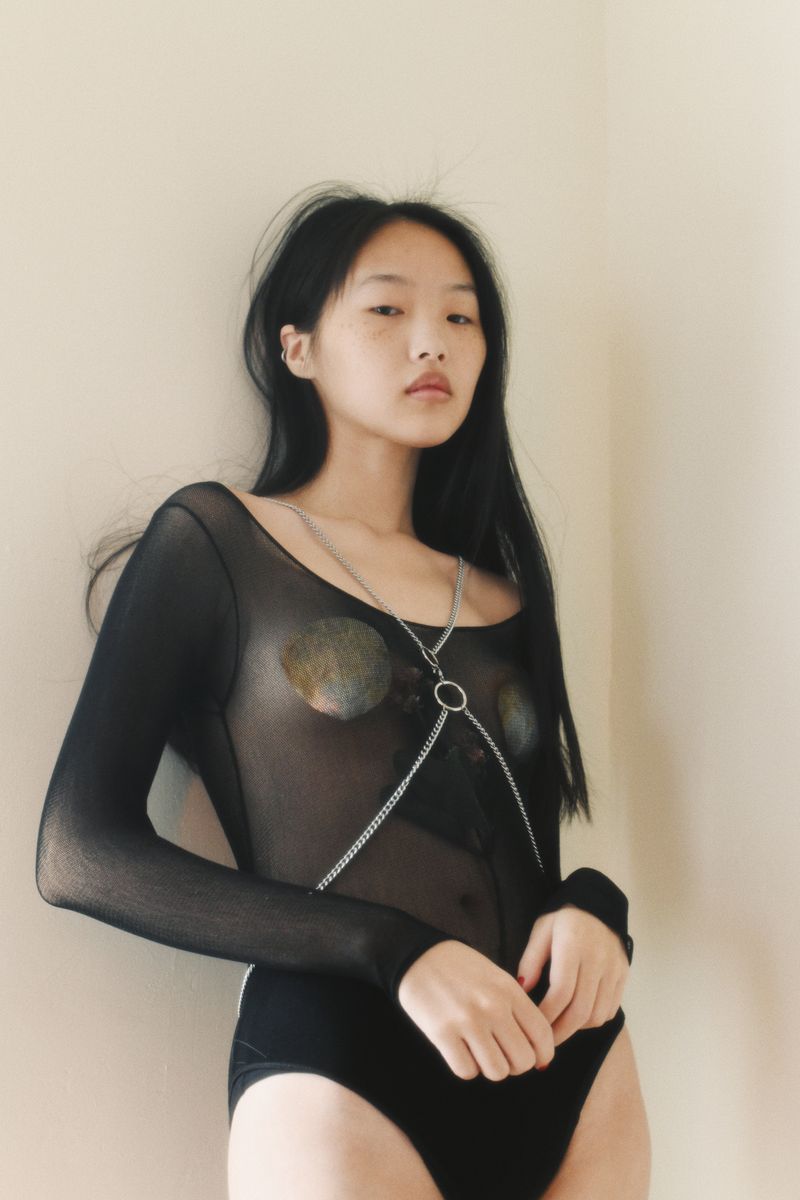
Moon—Before the Public Image: I first saw Moon passing a convenience-store window in Kaohsiung, still wearing her high-school uniform. She was the first stranger I found the courage to approach. This portrait began a friendship and preceded her international modeling career. For me, it preserves the moment before a public image was formed. We met less now, but I think of her with smiles.

© Yu Hsuan Chang - Image from the G-Book 女子冊 photography project
i

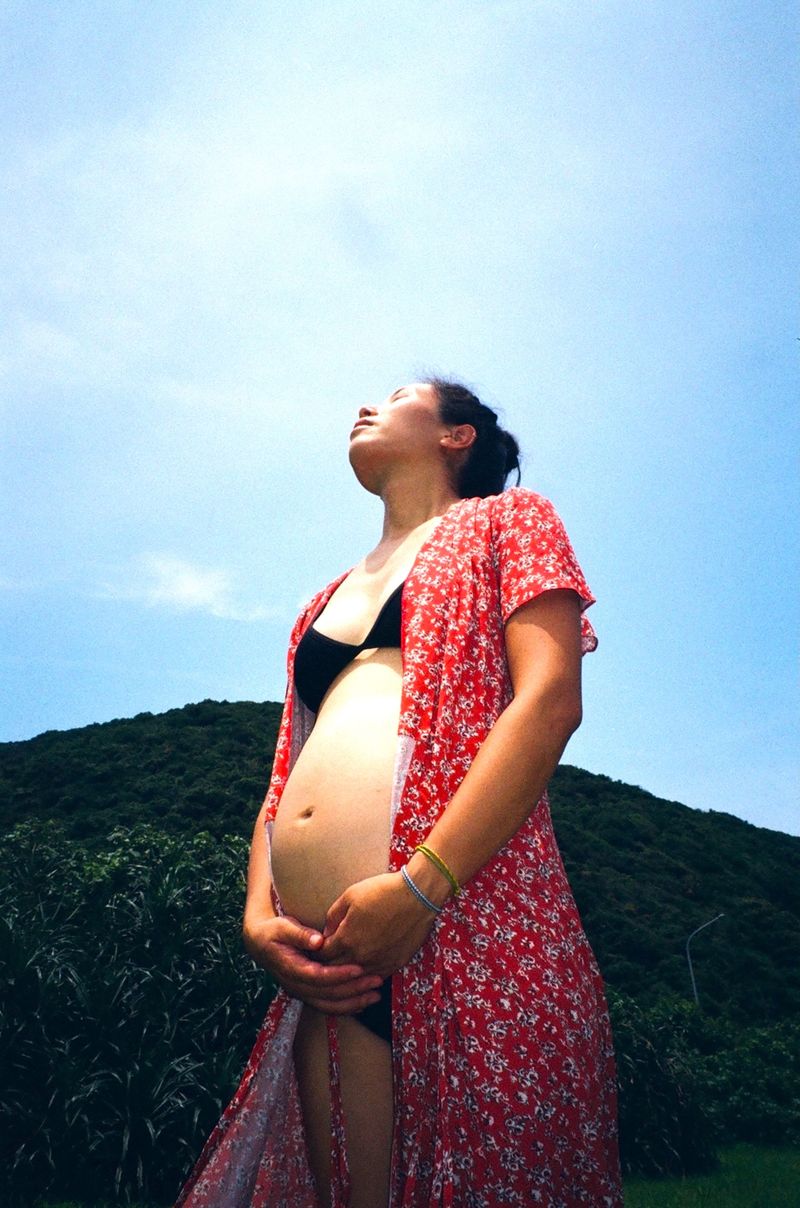
Care Returned: During ten years of climbing in Taiwan, I learned from her what it means to care without expecting anything in return. When she became pregnant, I drove from southern Taiwan to Longdong during the first months of the pandemic, despite having shingles from stress. This portrait returns a small part of the care she once gave me.

© Yu Hsuan Chang - Image from the G-Book 女子冊 photography project
i

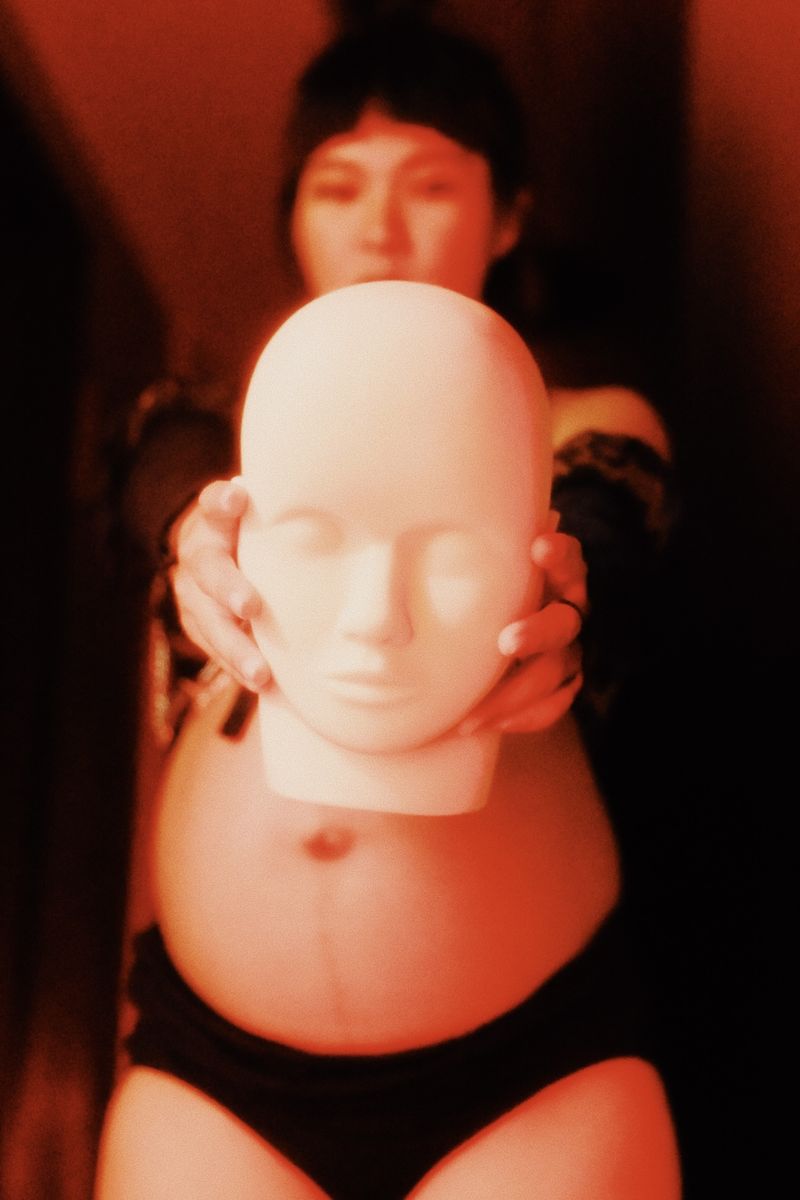
Before and After Motherhood: One of the first friends in my circle to become a mother, she dressed at home in Changhua as she might have before pregnancy. The mannequin head came from her beauty training. Held before her belly, it connects her earlier work with the child she was preparing to hold, while refusing to let motherhood replace the person she already was.

© Yu Hsuan Chang - Image from the G-Book 女子冊 photography project
i

Titi — Before Adolescence: I have watched Titi grow from a child into a young girl. We made this portrait during the summer before she entered junior high school, as a way of remembering who she was at that moment—still carrying the softness of childhood, while standing at the beginning of adolescence.

© Yu Hsuan Chang - Image from the G-Book 女子冊 photography project
i

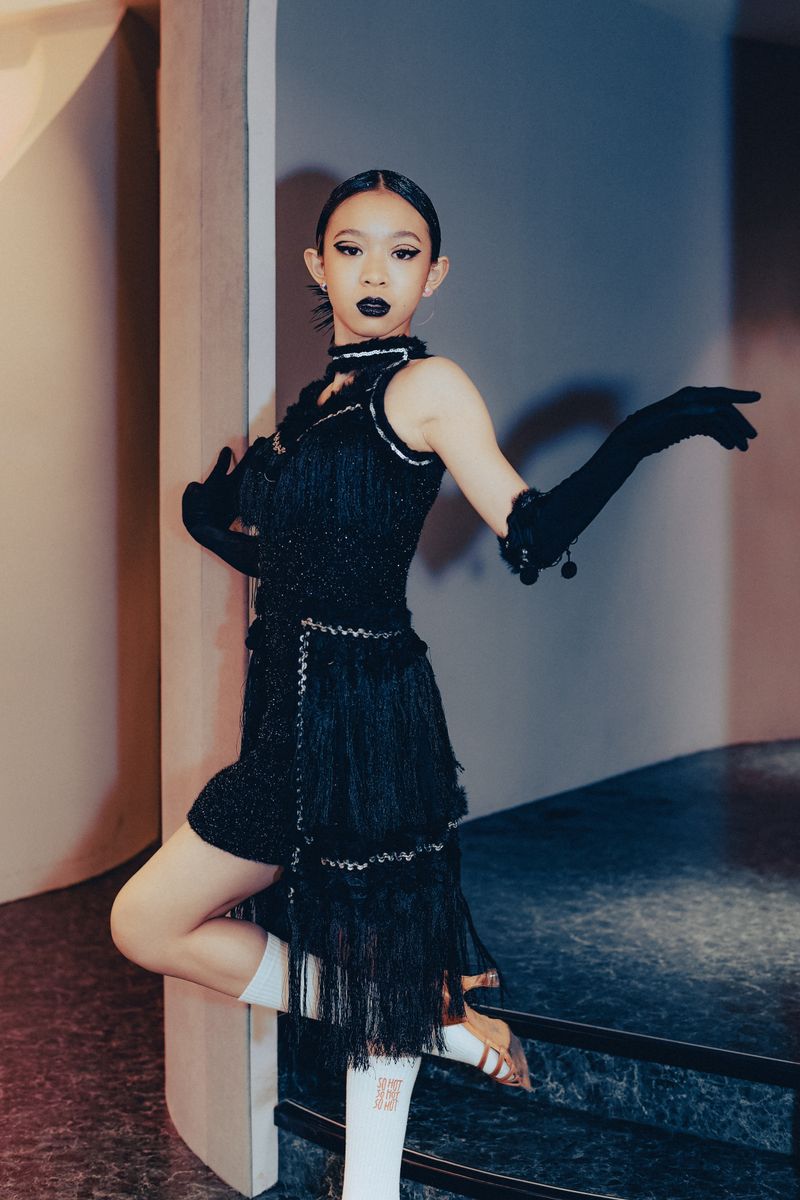
Titi — Rehearsing Herself: When Titi speaks about ballroom dance, her posture changes. Costume, makeup and repetition allow her to rehearse another version of herself—focused, precise and certain. Play here is not only innocence; it is discipline, performance and an early language for becoming.

© Yu Hsuan Chang - Image from the G-Book 女子冊 photography project
i

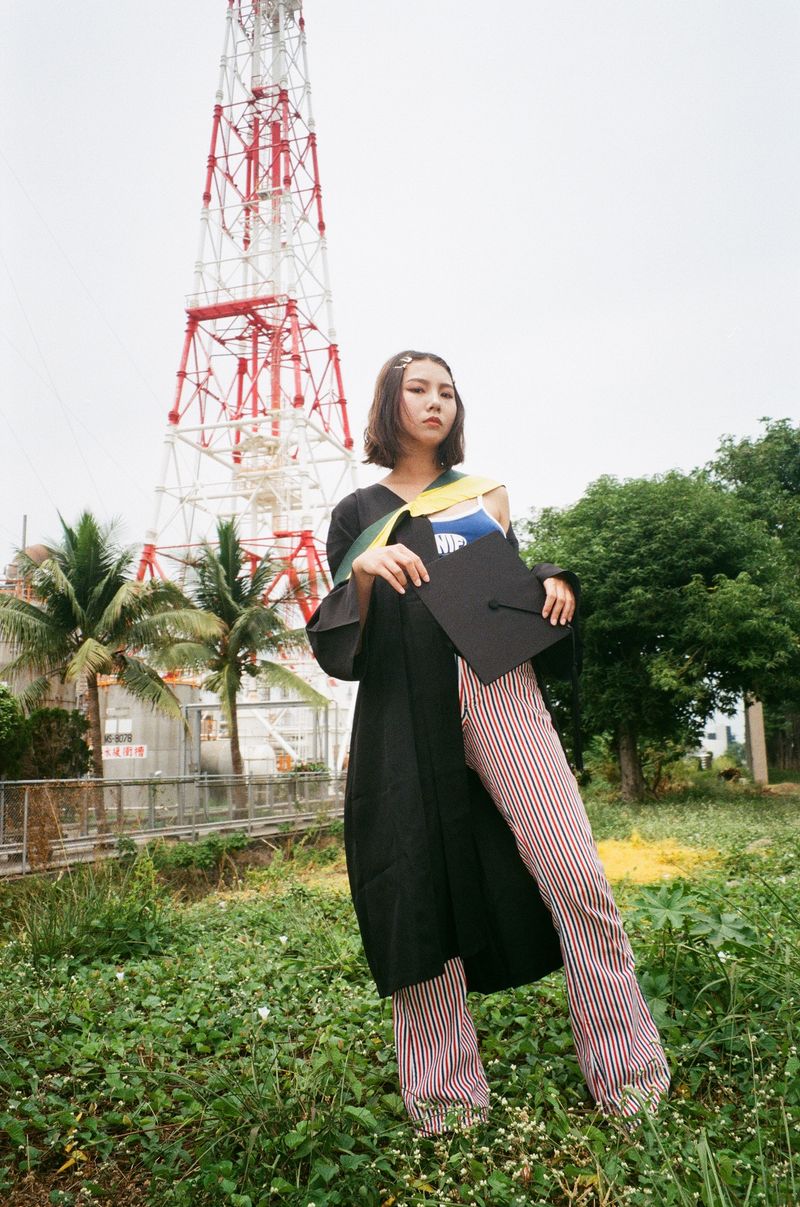
Graduation at Home: Before the day of her graduation, my friend put on her academic gown and stood outside her family home. The formal garment meets striped trousers, a sports top, an overgrown lot and a communications tower. A public rite of passage becomes personal: she wears the institution without allowing it to define her.

© Yu Hsuan Chang - Image from the G-Book 女子冊 photography project
i

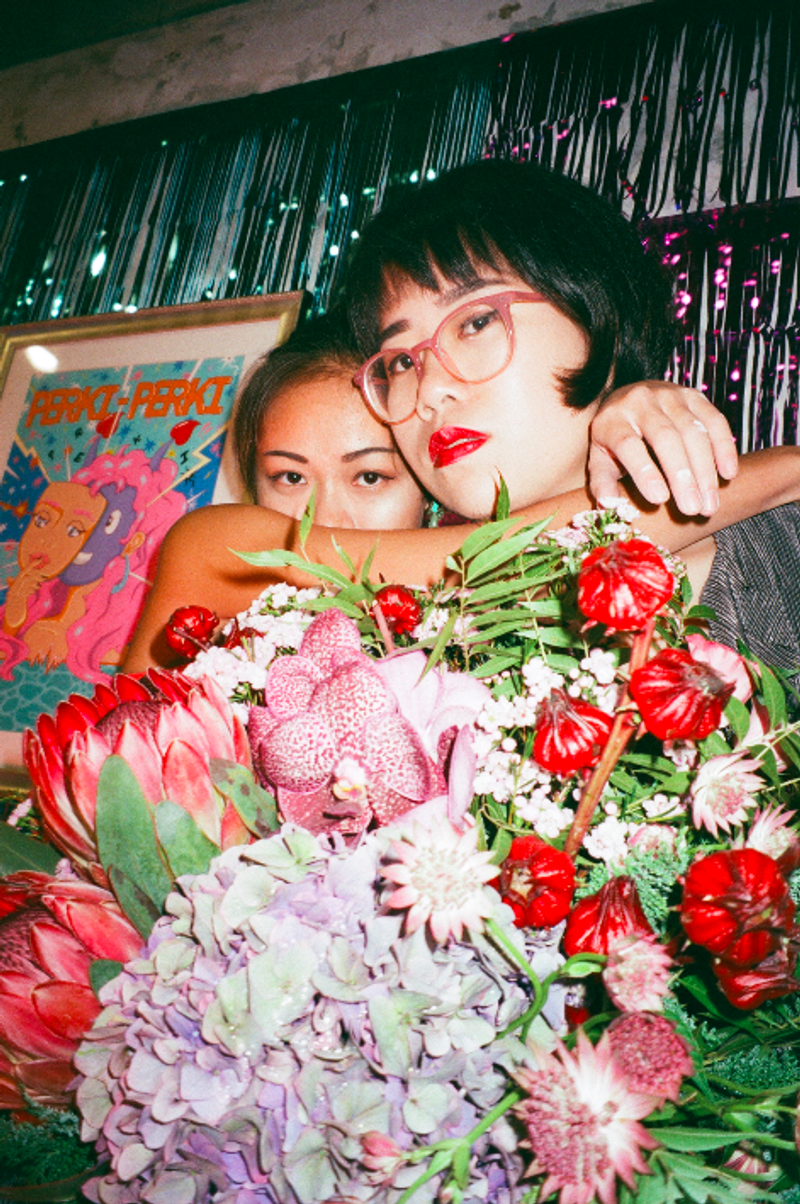
Ruby and Rachel: Ruby and Rachel are Taiwanese painters, photographed during their joint exhibition in Taipei. Flowers commonly given at exhibition openings nearly fill the frame, but their closeness remains visible. The image holds female friendship, creative labor and the small public rituals that surround making art in Taiwan.

© Yu Hsuan Chang - Image from the G-Book 女子冊 photography project
i

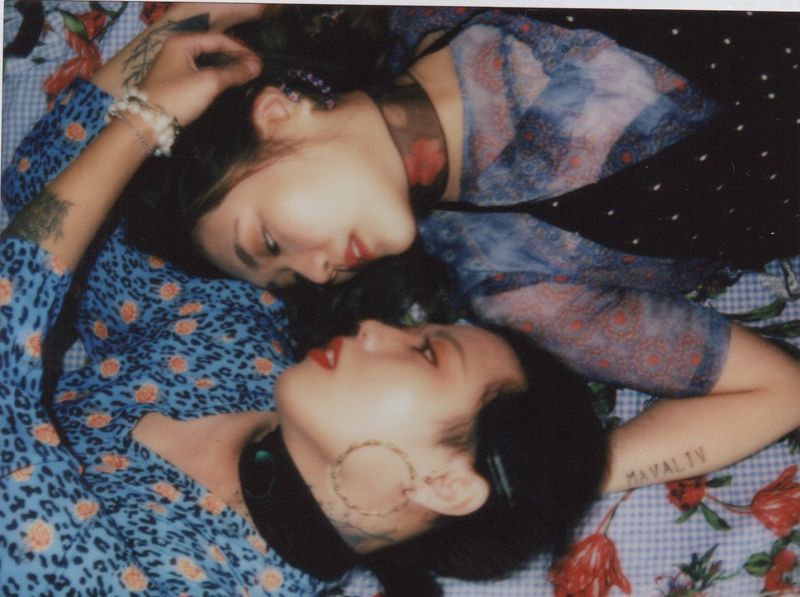
Kinship and Protection: These relatives belong to a Paiwan family in southern Taiwan. They are uncle and nephew. Each has entrusted the other with a private truth not shared with the rest of their family. Their bond is not based on disclosure, but on protecting each other’s right to decide when and how to be seen. The photograph keeps their secrets while making their trust visible.

© Yu Hsuan Chang - Image from the G-Book 女子冊 photography project
i

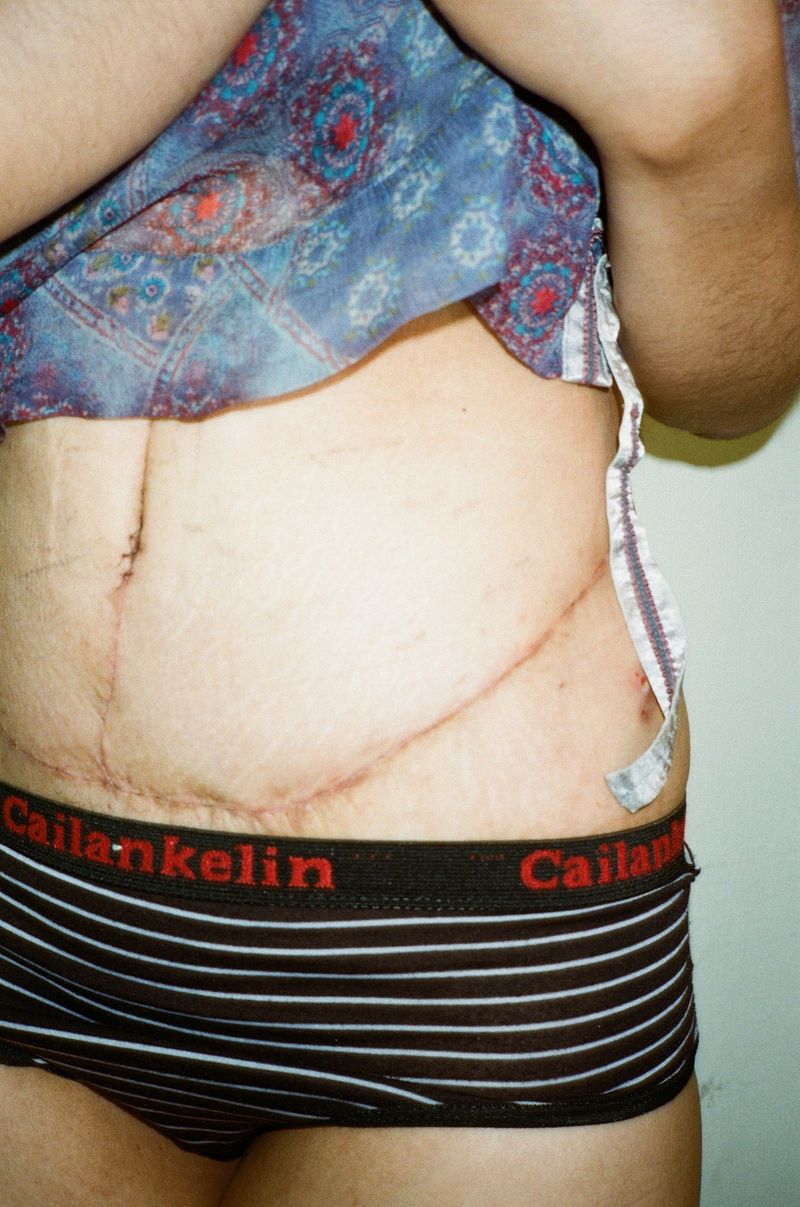
A Secret Carried by the Body: The scar records a surgery that remained unknown to most of the family. Only her relative knew. Placed after their shared portrait, the image shifts from kinship to the body itself: a private history carried in plain sight, protected not through silence alone, but through another person’s care.

© Yu Hsuan Chang - Image from the G-Book 女子冊 photography project
i

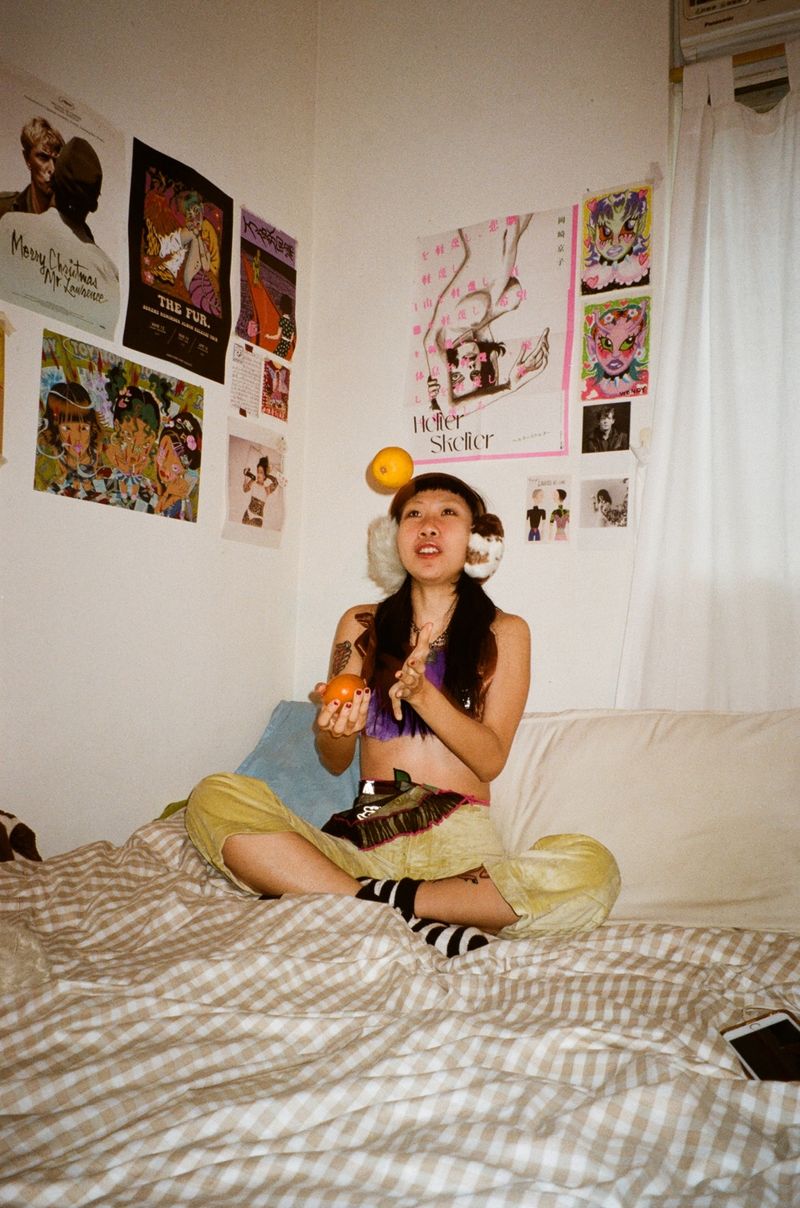
Wendy — A Self-authored Space: Wendy is a tattoo artist photographed in her room, surrounded by the images and objects she lives with. Rather than presenting tattooing only through skin or pain, this photograph shows play, disorder and self-authored space. Her practice is part of an everyday world she has made around herself.

© Yu Hsuan Chang - Image from the G-Book 女子冊 photography project
i

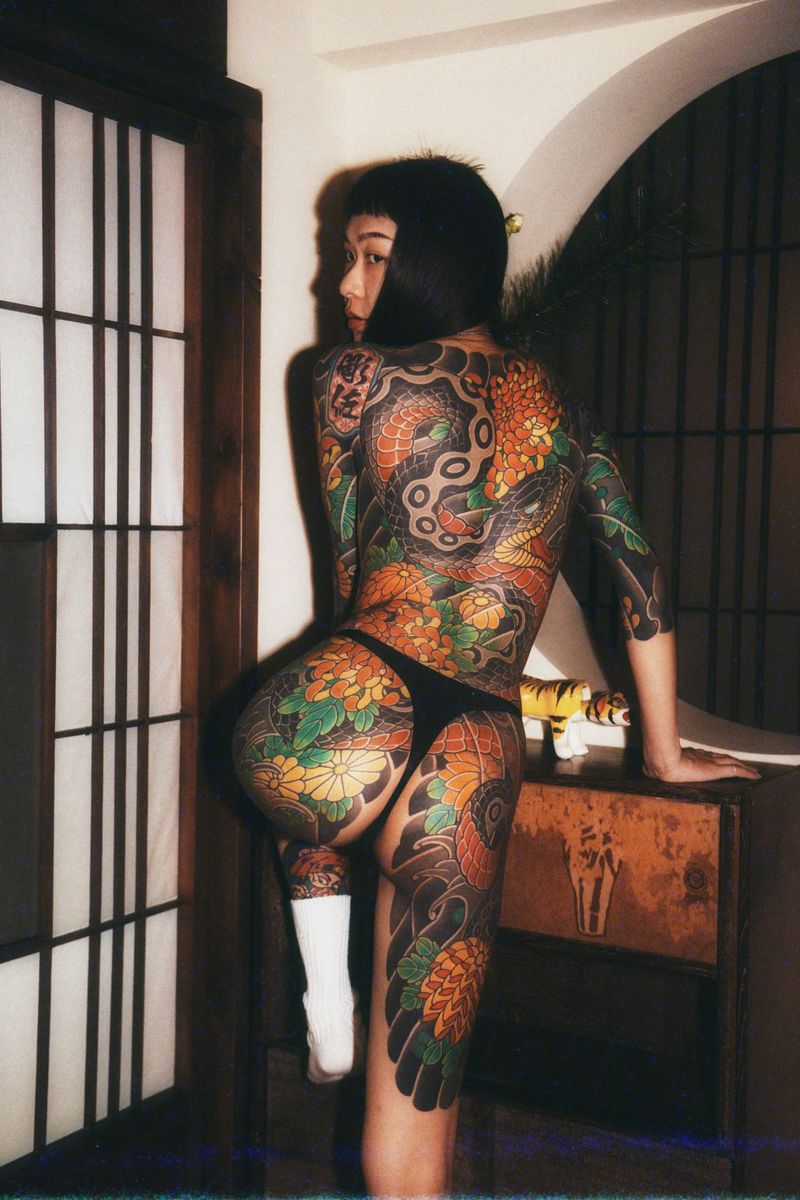
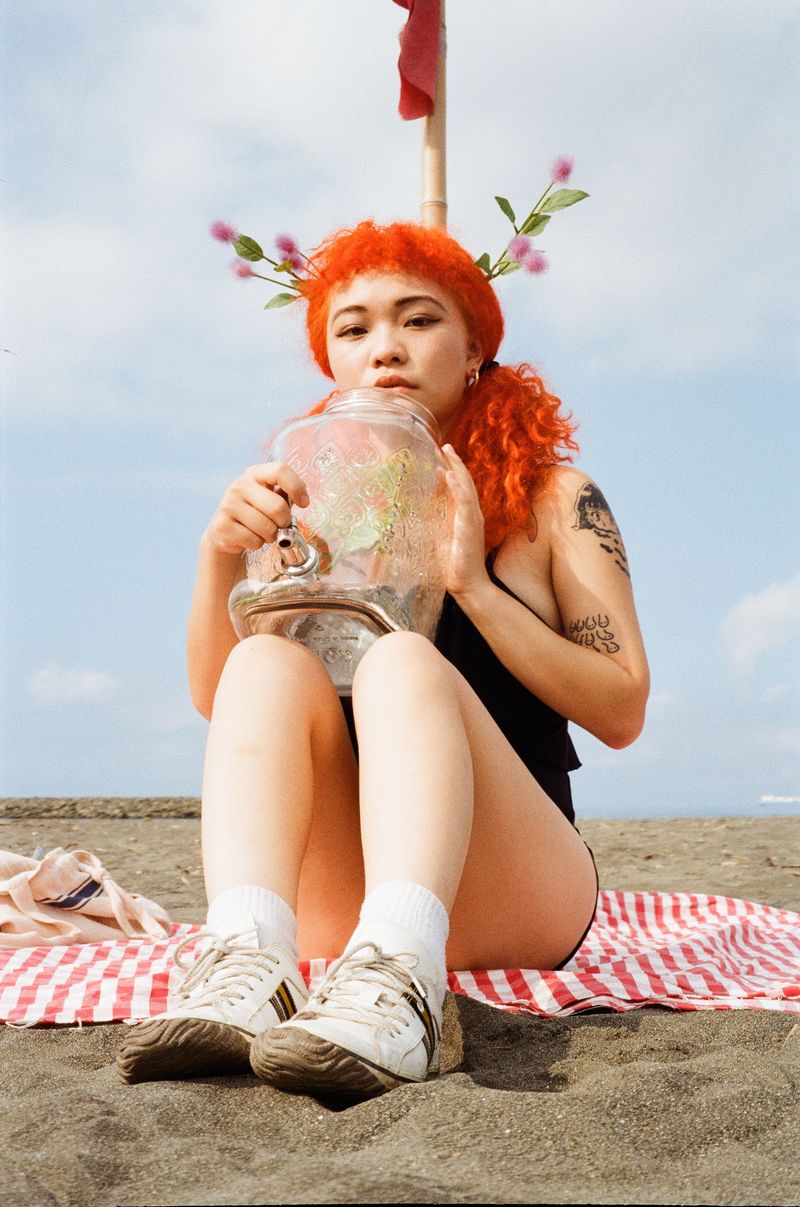
Devotion, Year by Year: This tattoo took years to complete. She repeatedly traveled from her hometown to another city, carrying the work on her body step by step. What began in admiration for traditional Japanese tattooing also brought judgment and criticism. The image holds duration, choice, pain and the cost of making a body one’s own.

© Yu Hsuan Chang - Image from the G-Book 女子冊 photography project
i

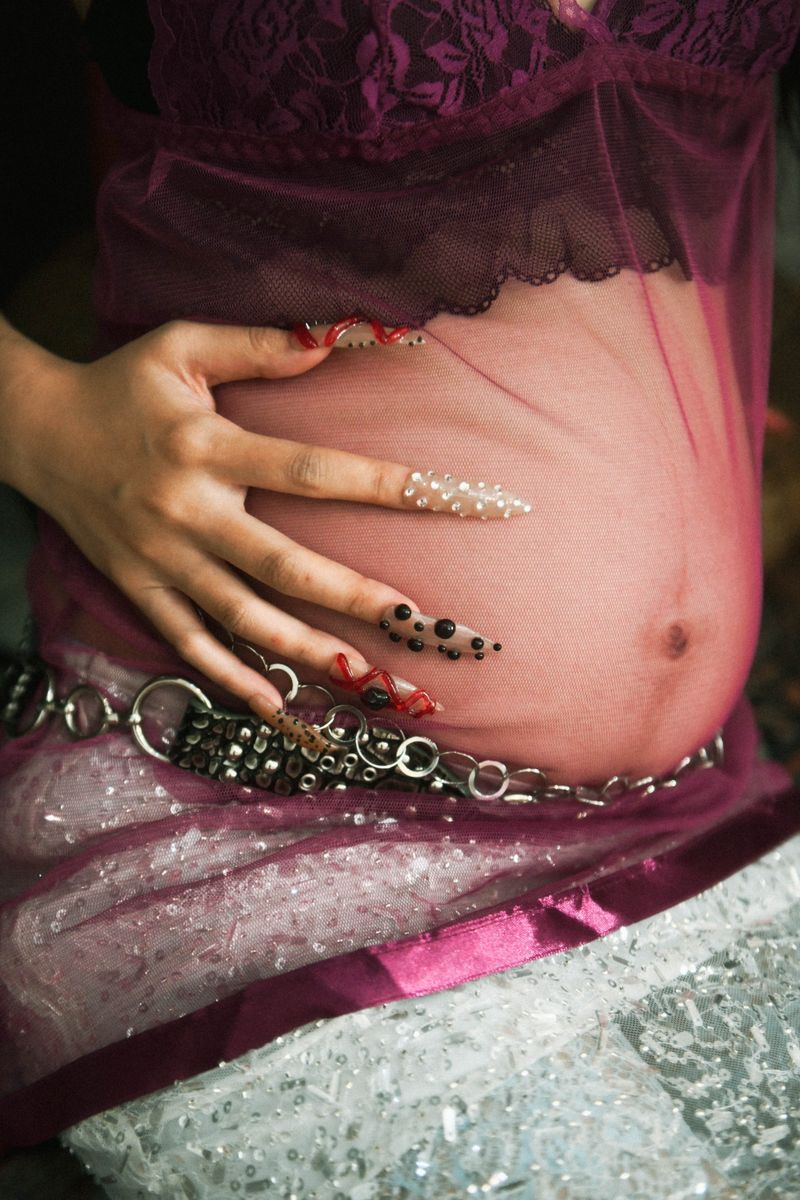
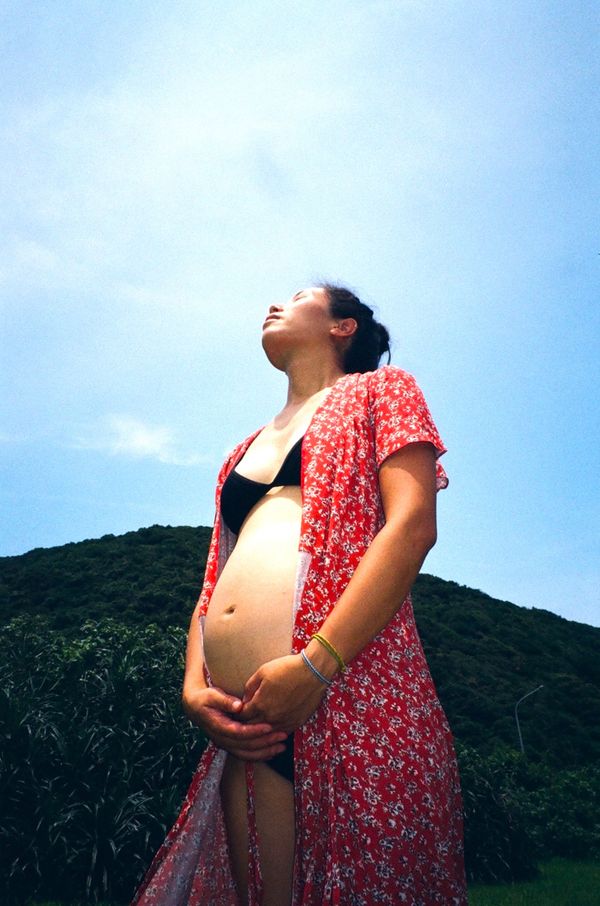
Time Returns: She was my elementary-school classmate. We grew up riding bicycles beneath the southern Taiwan sun, then lost touch for almost twenty years. When we met again, she was pregnant. Her hand rests on a body transformed by time, while her nails and clothing insist that motherhood does not erase the self she has chosen.

© Yu Hsuan Chang - Image from the G-Book 女子冊 photography project
i

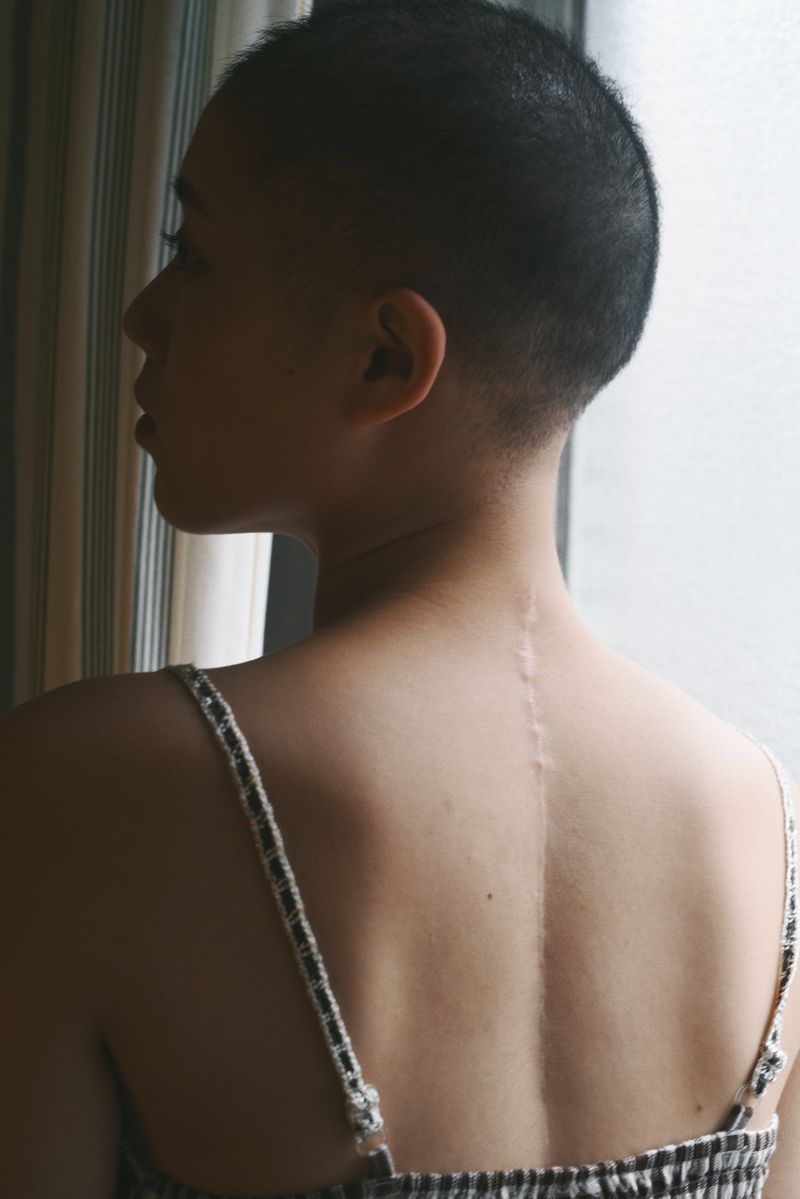
New Head Every Day: Without hair, she wears wigs and begins each day with a choice of how to appear. Here, without one, a surgical scar becomes visible along her back. The image is not about absence. It asks how a body marked by circumstances can still produce multiplicity, decision and a life beyond what others first notice.

© Yu Hsuan Chang - Image from the G-Book 女子冊 photography project
i

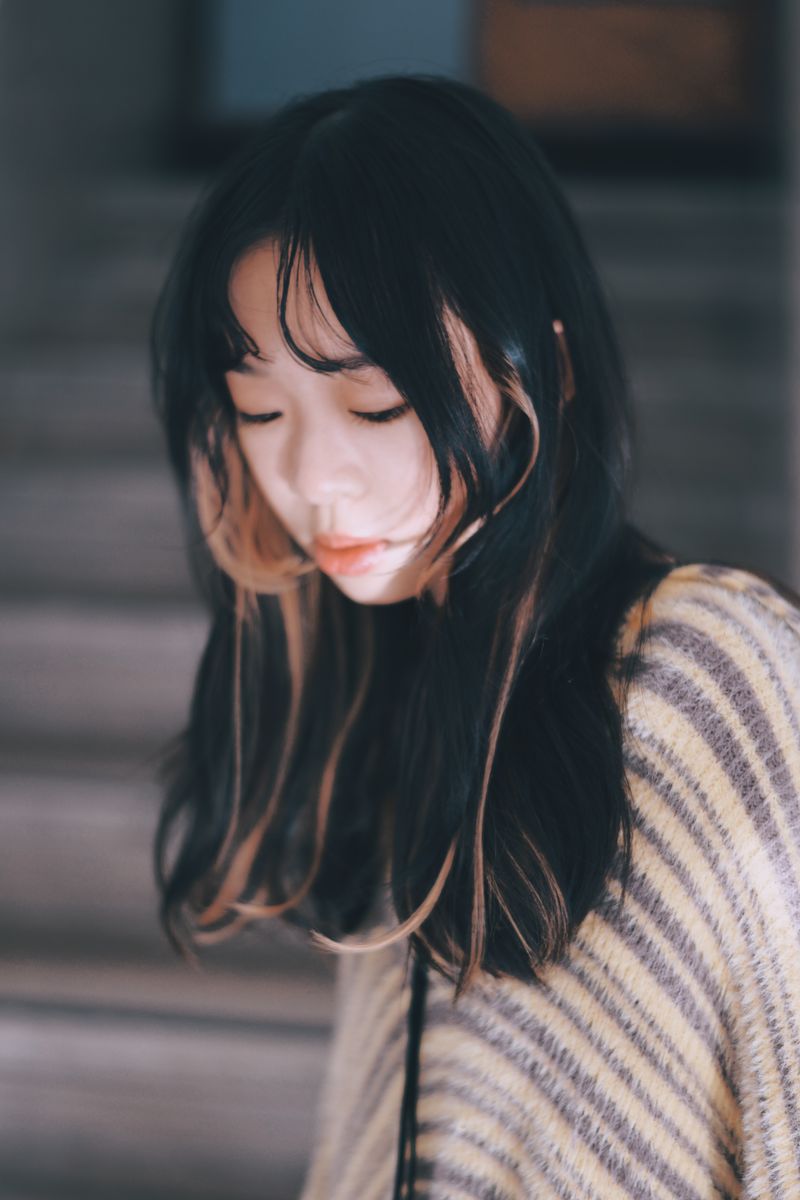
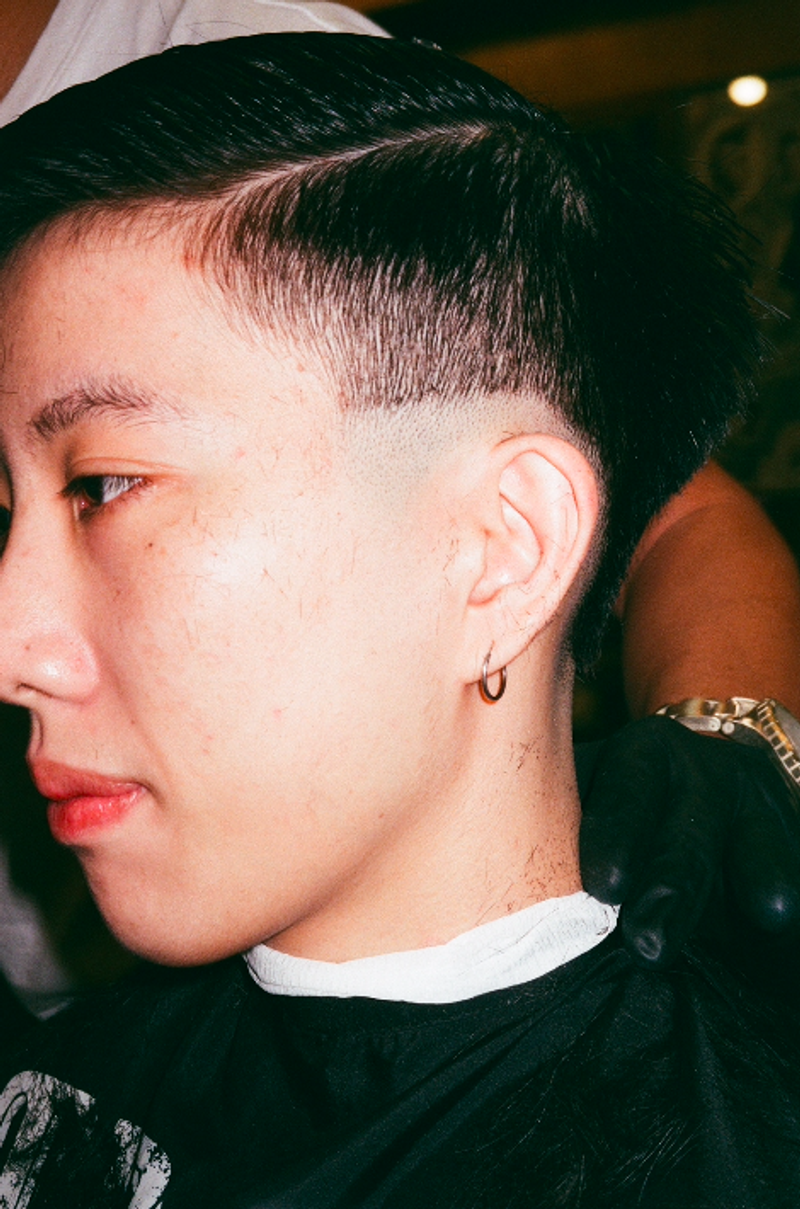
Haircut: Watching her get a haircut, I noticed how differently hair can operate in women’s lives. For some, a new style requires hours of preparation; for her, it could happen within a lunch break. The loose strands on her face and neck record a direct, casual rhythm of femininity that belongs entirely to her.

© Yu Hsuan Chang - Image from the G-Book 女子冊 photography project
i

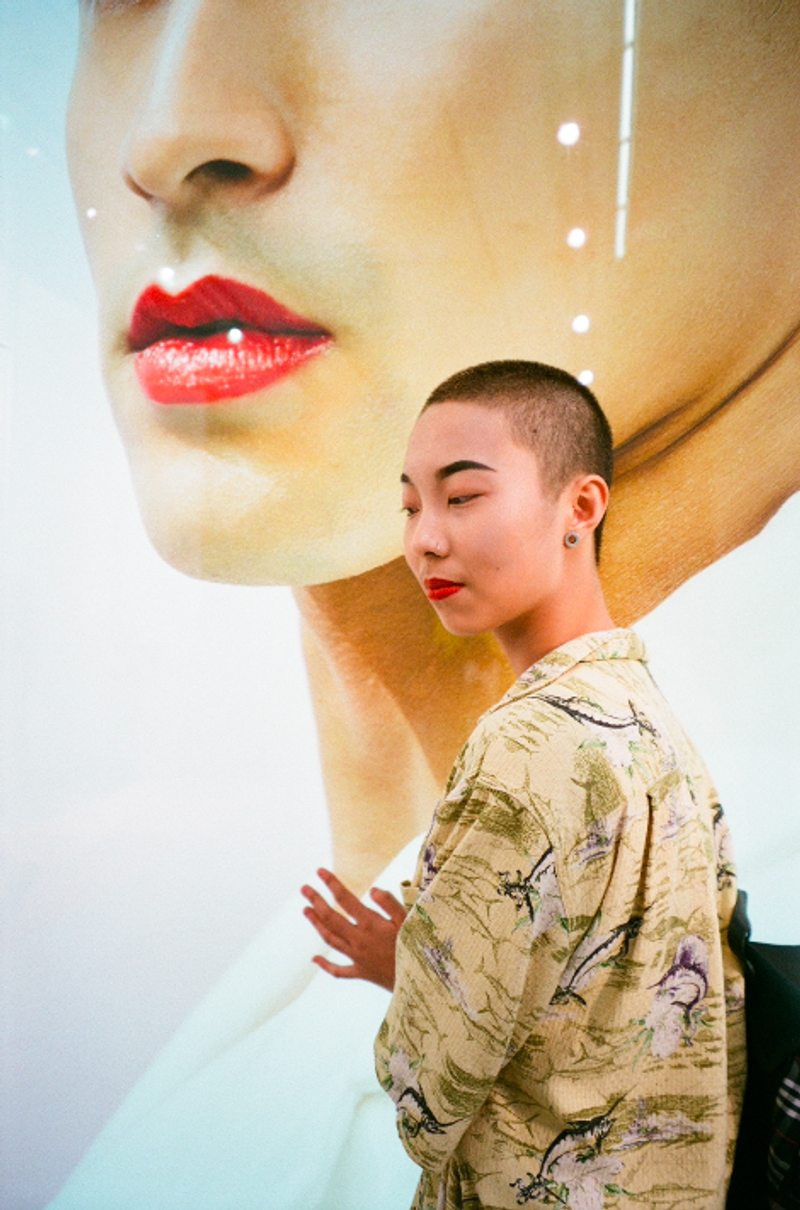
Shin — Choosing to Shave: Shin shaved her head because she liked the feeling. Placed beside other experiences of hair and hairlessness, her choice asks who is permitted to decide what femininity should look like. The body becomes neither a problem nor a symbol, but a place where preference can be lived without apology.

© Yu Hsuan Chang - Image from the G-Book 女子冊 photography project
i

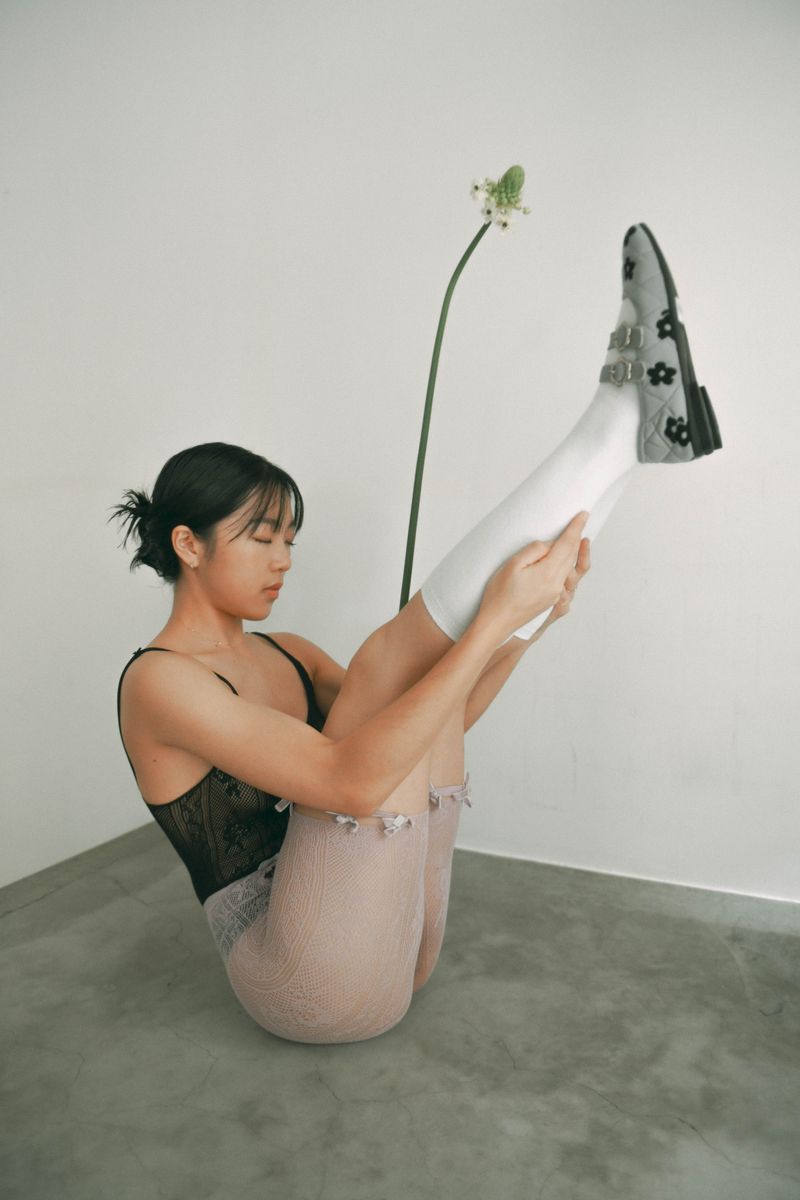
Sandy — Practice and Blooming: Sandy is a yoga teacher. Her work is carried through breath, balance, strength, repetition and attention. Here, movement meets floral arrangement: her raised legs and the single stem appear to grow toward one another. The body is not performing perfection, but practicing the daily labor of inhabiting itself.

© Yu Hsuan Chang - Image from the G-Book 女子冊 photography project
i

Esther — An Earlier Self: Esther had just changed her hair when we met in her hometown for this portrait. Nearly a decade later, as she prepared for her wedding, I photographed her again. The image holds an earlier self-invention whose meaning became visible only with time: one life remembered through the many ways a person chooses to appear.

© Yu Hsuan Chang - Image from the G-Book 女子冊 photography project
i

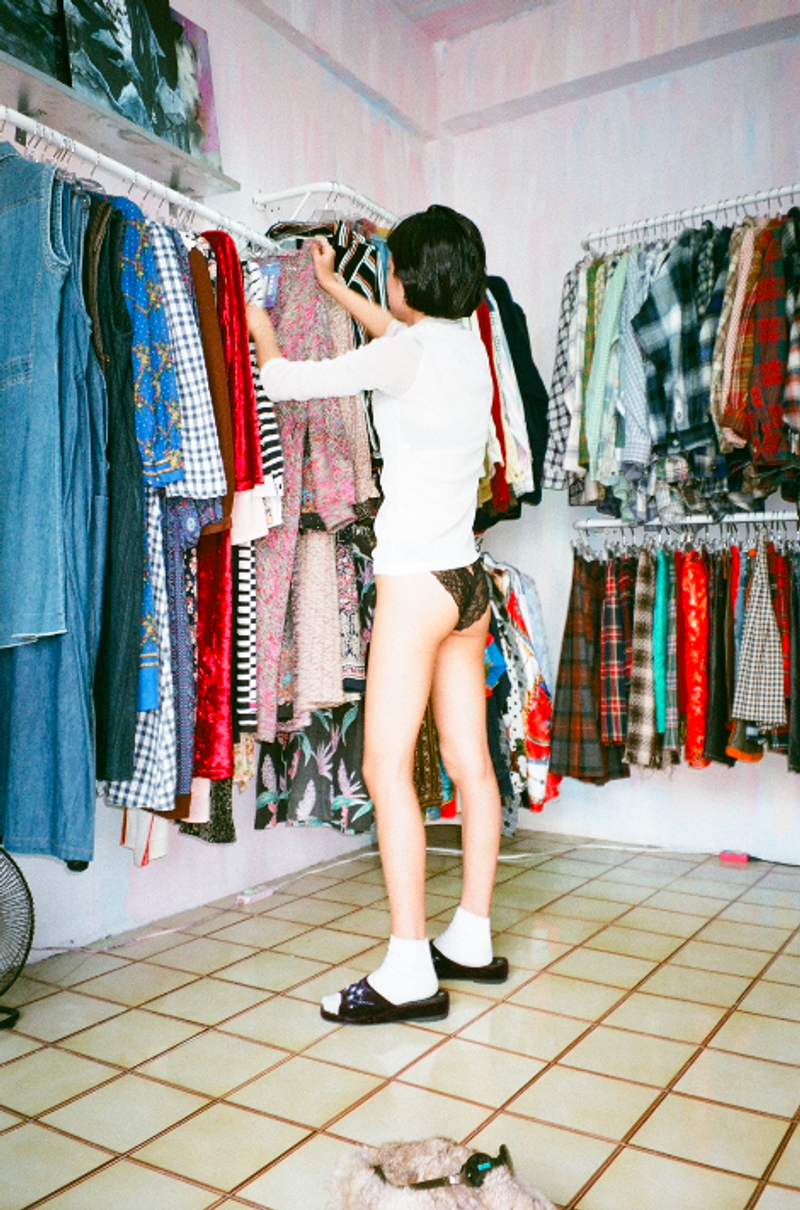
Yu3 — A Morning in Kaohsiung: Yu3 and I spent a morning trying on clothes in a friend’s vintage shop in Kaohsiung. Her wardrobe was never about luxury; anything could invite her curiosity. Soon after, my studio was robbed and I believed these negatives were gone at first. The image retains the freedom and absurdity we practiced when we were young.

© Yu Hsuan Chang - Image from the G-Book 女子冊 photography project
i

The Surviving Negative: After the robbery, when I had lost equipment, money and much of my work, Yu3 told me, “You are good at photography. Why don’t you keep taking pictures?” This negative was later recovered from the lab that had processed it. It survived as both an image of our youth and evidence of the person who reminded me to continue. These photos are the Surviving Negative.

G-Book 女子冊 by Yu Hsuan Chang

Prev Next Close