future archaeologies
-
Dates2024 - Ongoing
-
Author
- Locations Nepal, India
An ongoing investigation into seeing and the marks we will leave behind.
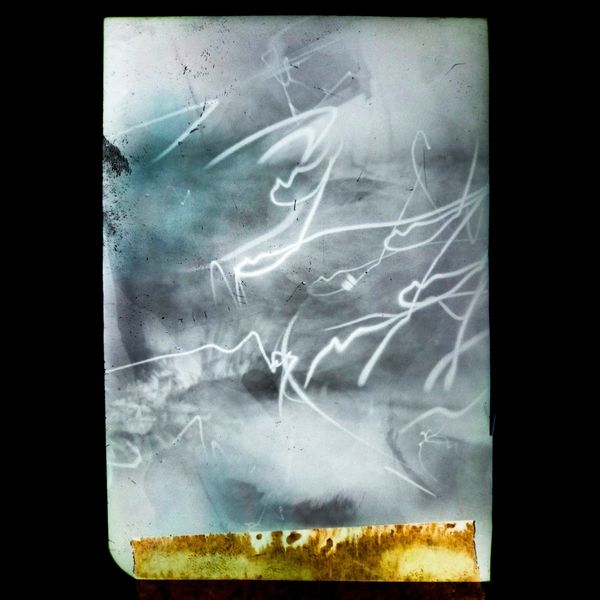
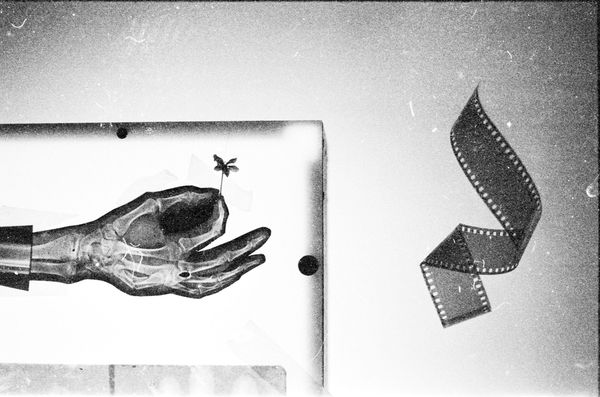
future archaeologies is an ongoing photographic and research-led project merging documentary fieldwork, speculative narrative, and material and mark-making investigations to explore the relationship between perception, consumption, waste, and our ability to see the wider impact of convenience.
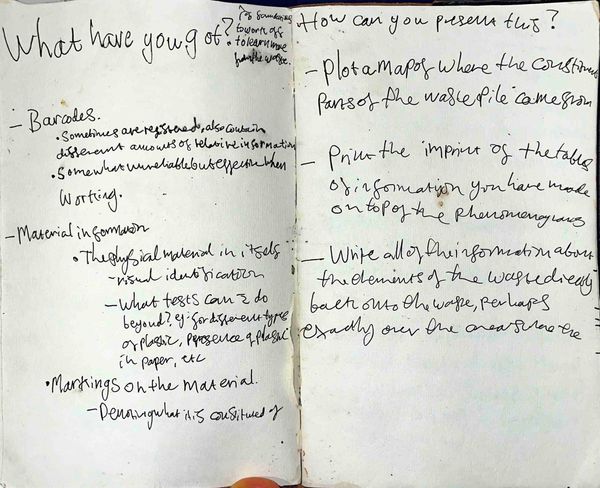
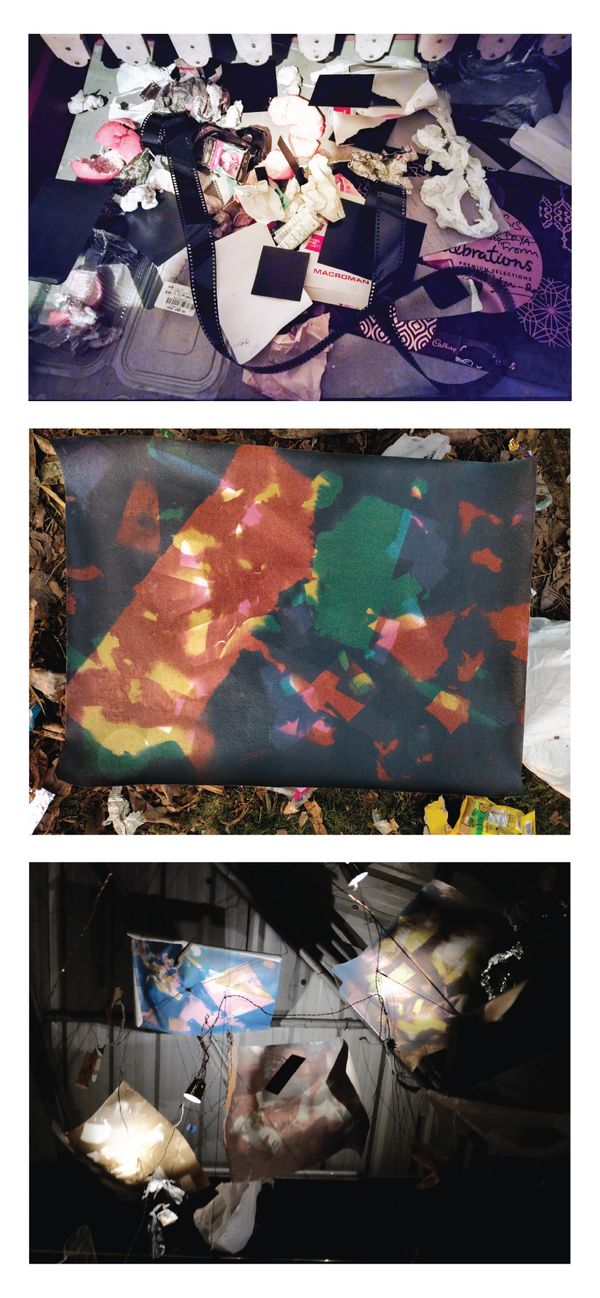
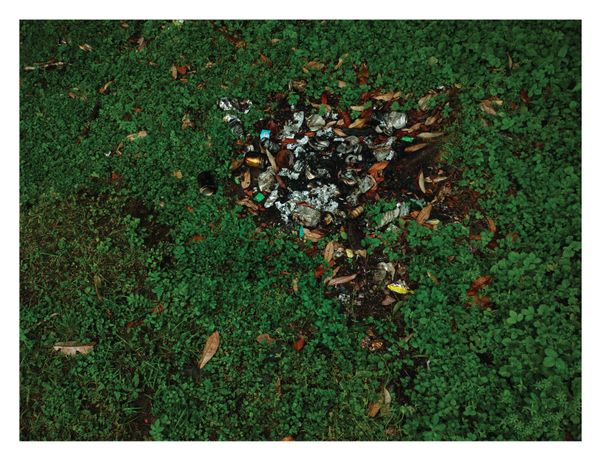
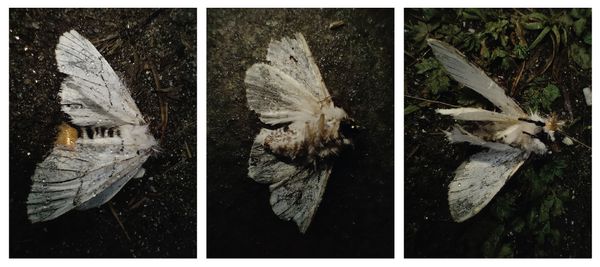
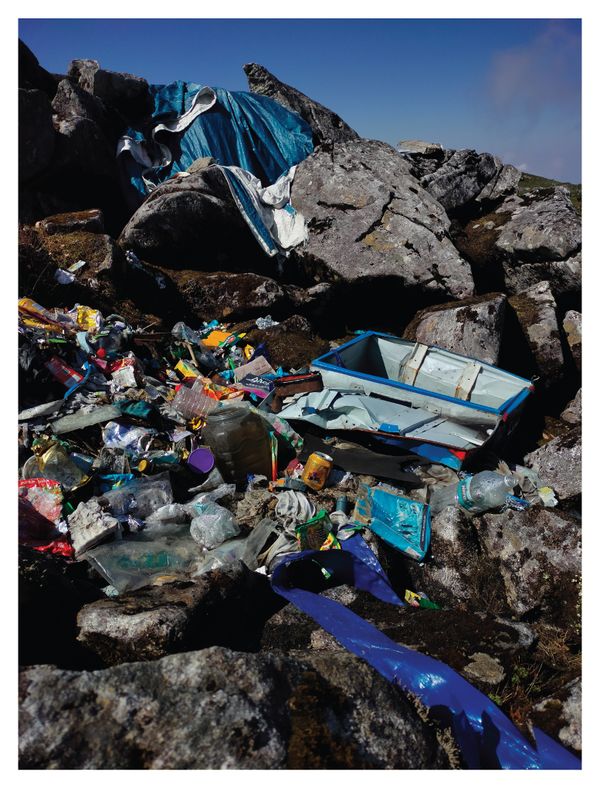
During previous fieldwork in the Himalayas I learned about the Gazalina moth species native to the Annapurna range, believed to be linked to SHAPU (Seasonal Hyper Acute Pan-Uveitis), a condition recorded in the region known to affect people’s vision - in an alarming number of cases even causing blindness. On this same initial trip I also discovered a waste dump at around 4500m, which I will be returning to in April. There I will collect, sort and document the waste before tracing its supply chain and mapping its origins.
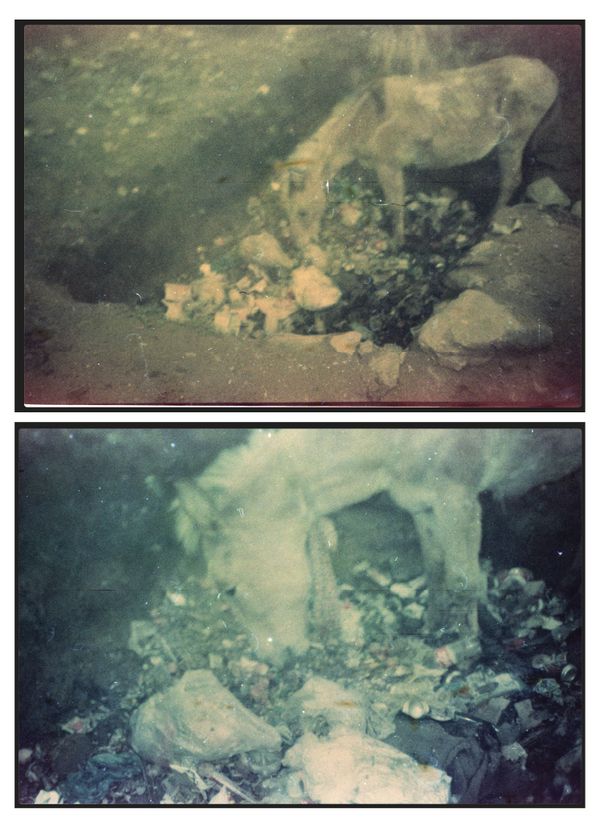
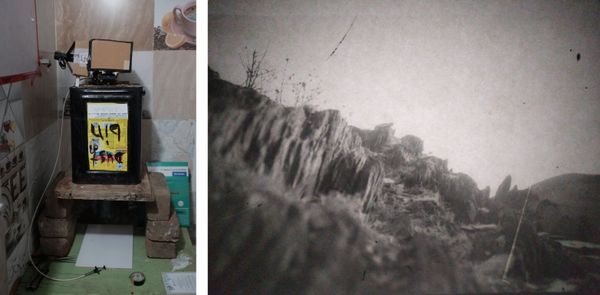
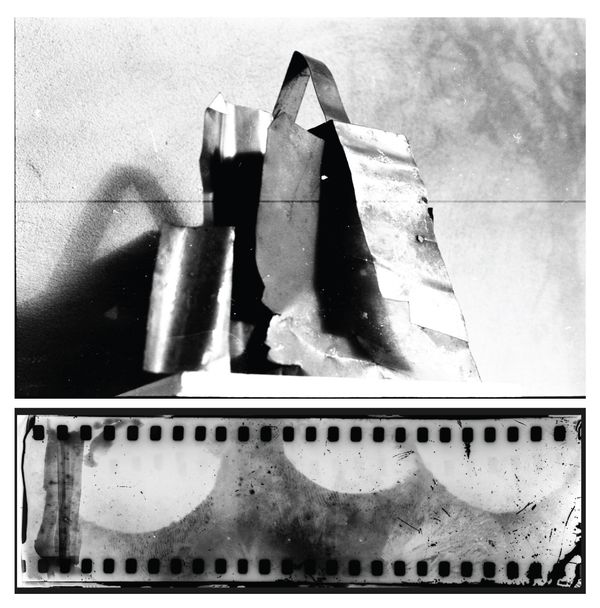
Compelled to respond after first discovering the waste dump in 2024, I collected 2.5kg of discarded metal from the mountain, fabricated cameras from it in Pokhara, and returned to altitude to photograph the waste using cameras made from that same material. This established a material methodology in which environmental residue becomes integral photographic infrastructure - seeing through the waste.
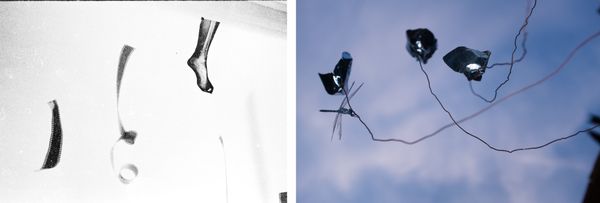
Another phase of the project’s development over the coming months centres on a speculative narrative in which a ‘collector’ is sent back through time after humanity’s collapse, caused by a fictional swarm of moths from the Himalayas blinding much of the population. The 'collector' character follows the lines of the map created during the research stage, believing they are tracing the origins of the moths, but in fact are retracing the path by which waste reached the dump at 4500m. This draws loosely on the recorded presence and effects of the Gazalina species. The fictional structure functions not as literal storytelling but as a conceptual device to carry the wider themes of the project, while making them accessible to a broader audience. It allows environmental collapse to be considered as gradual systemic accumulation rather than a singular catastrophe - a revealing of the ‘hyperobject’ of our waste slowly accumulating on this planet.
Photography operates here as both archaeological method and documentary record, revealing infrastructures and highlighting residues embedded within everyday consumption.
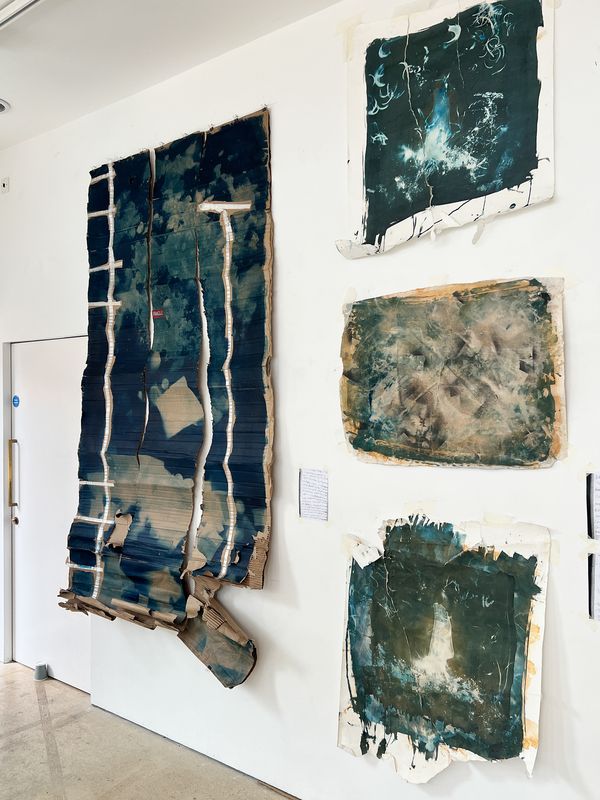
Incorporating large-scale experimental prints, a research-based book, moving image and site-specific installation. I am also developing an exhibition element incorporating variable ND filter goggles fitted with a handmade gravity-bias slider. These automatically dim one’s vision, requiring active participation to increase clarity, making reduced vision the default state. Clear sight requires sustained effort, inevitable physical strain and distraction eventually encouraging participants to release clarity.
Through these forms, future archaeologies explores contemporary consumption as a future archaeological record, focussing not on sudden catastrophe or guilt but on slow accumulation and the desensitisation that accompanies acclimatisation to gradual change.
“The world ends not with a bang but a whimper.” - T. S. Eliot