Fukú No Unagi
-
Dates2021 - 2025
-
Author
- Locations Dominican Republic, Samana
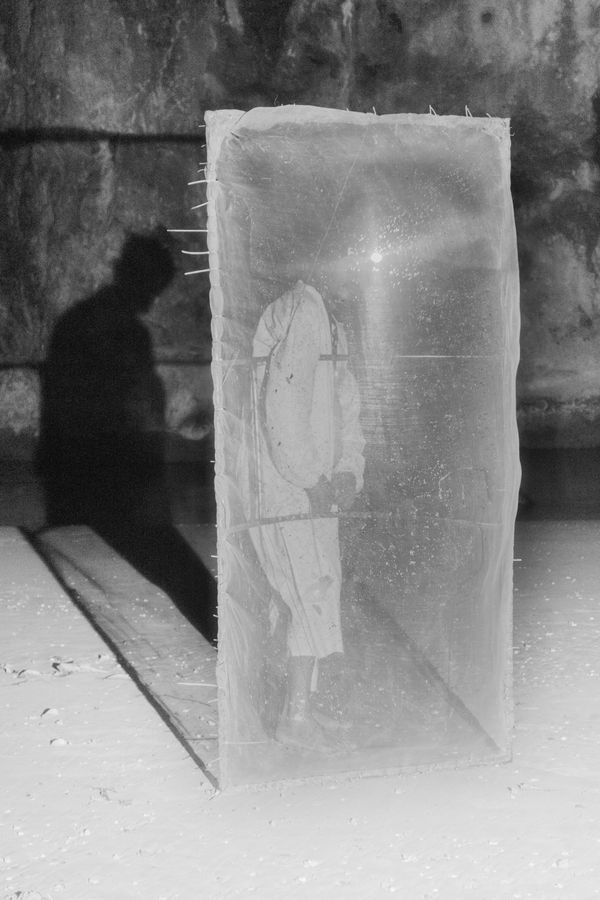
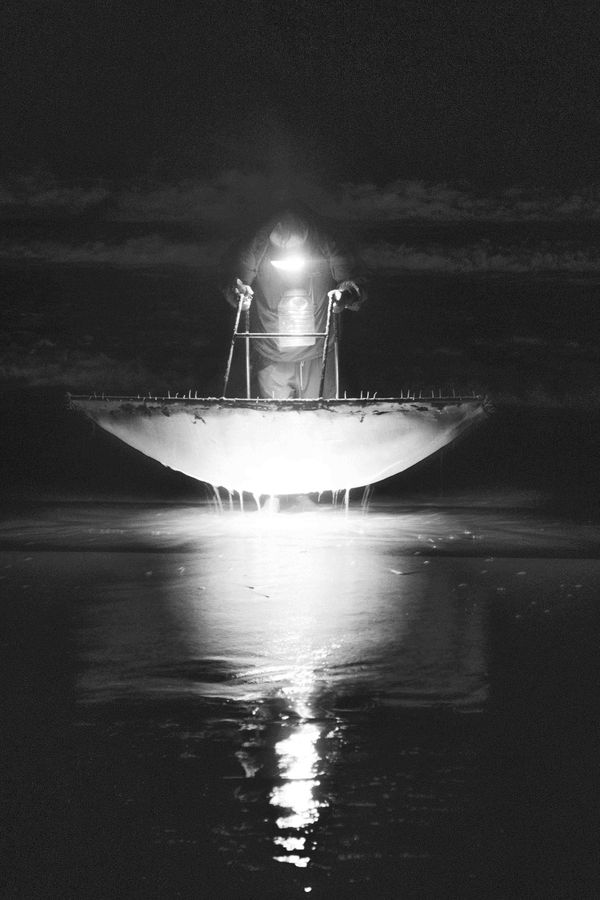
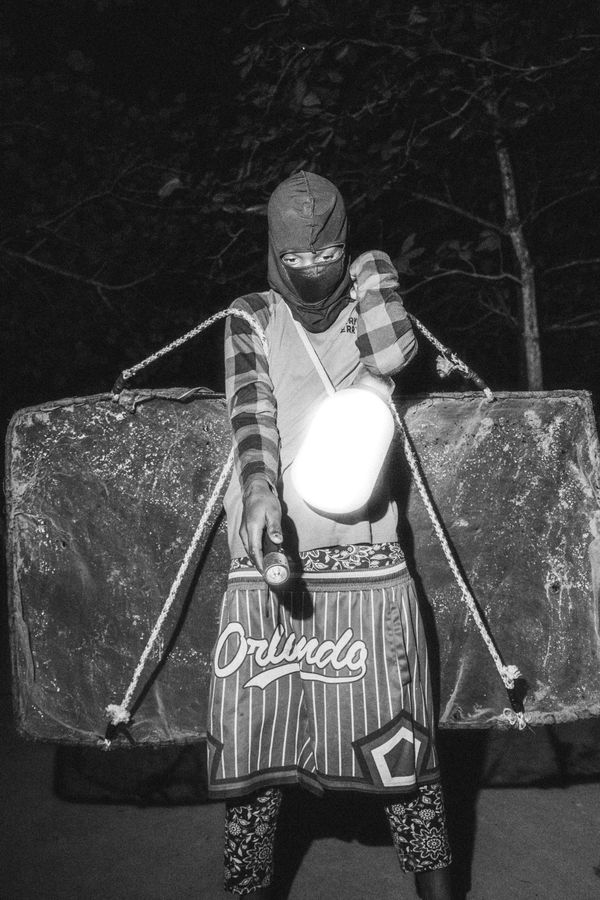
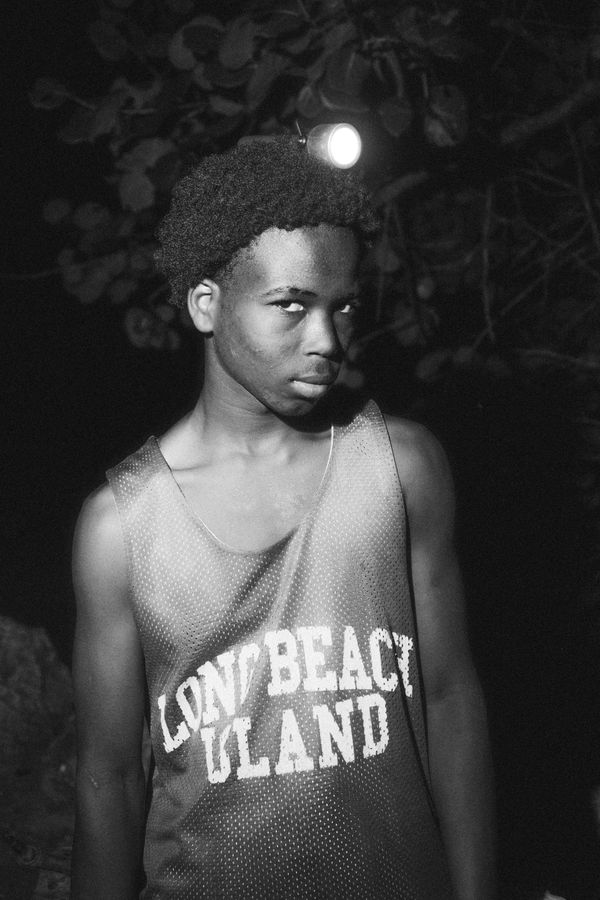
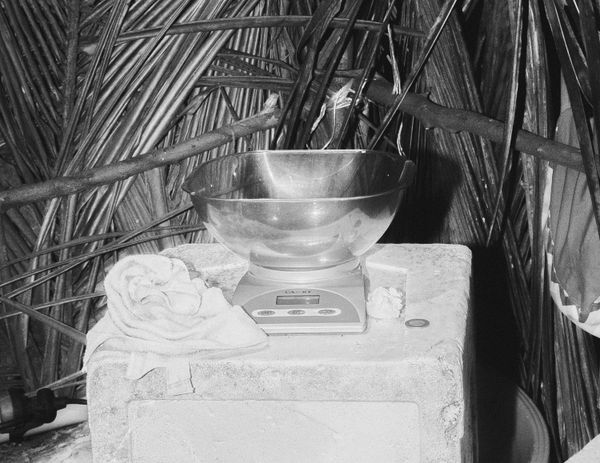
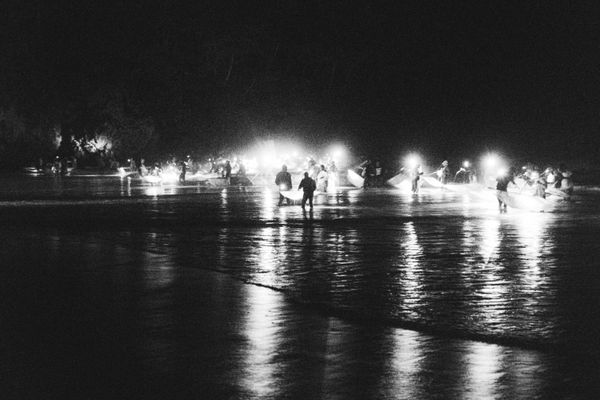
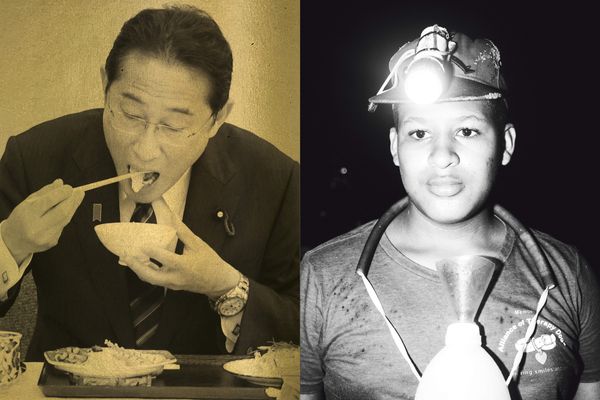
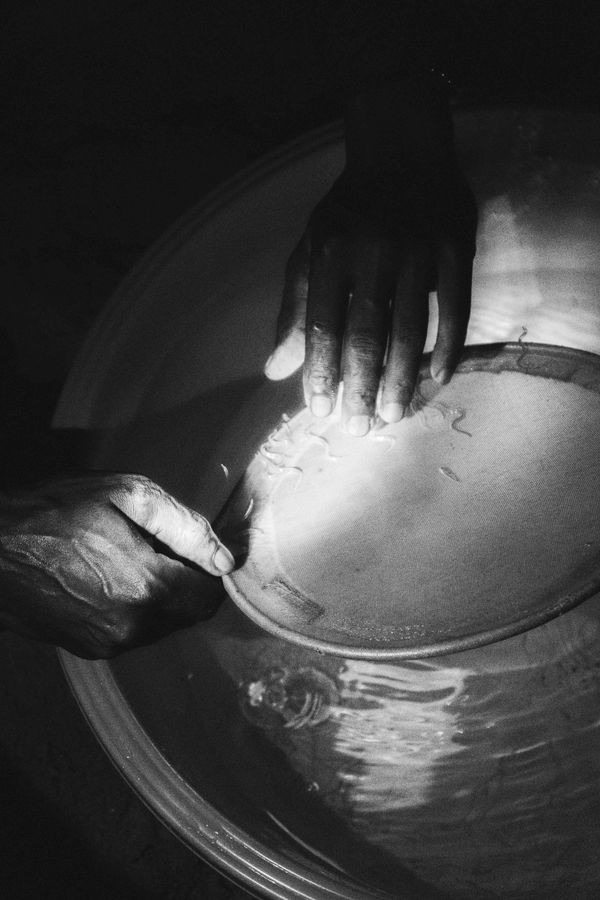
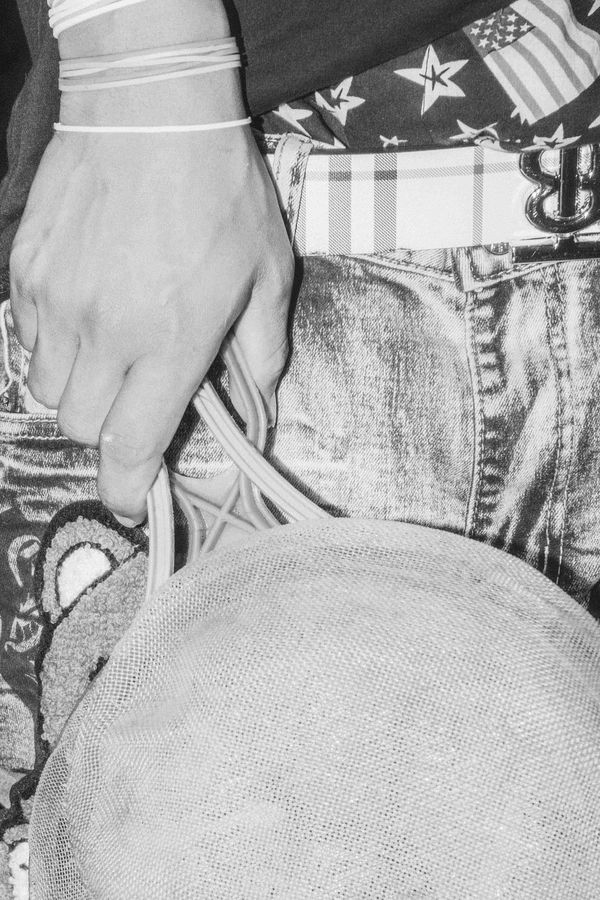
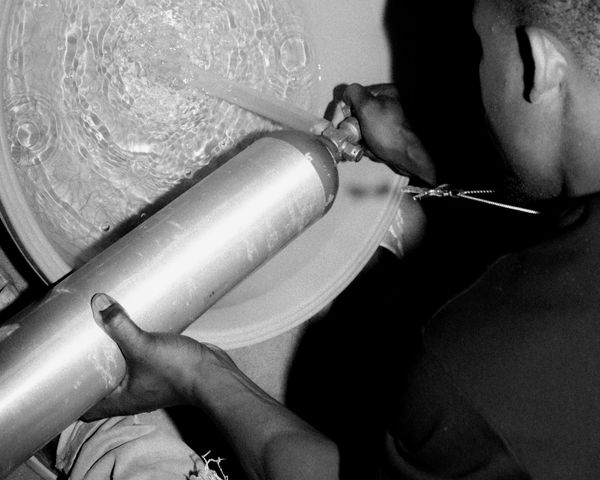
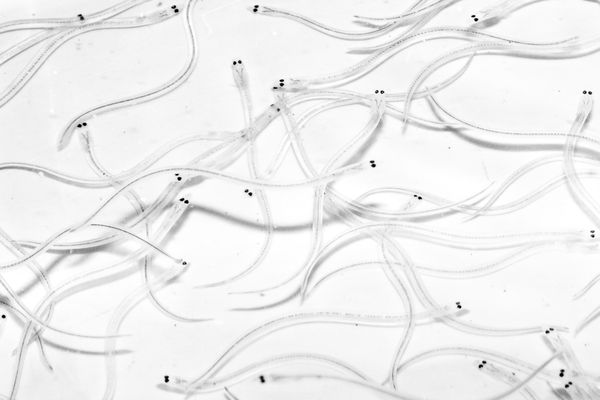
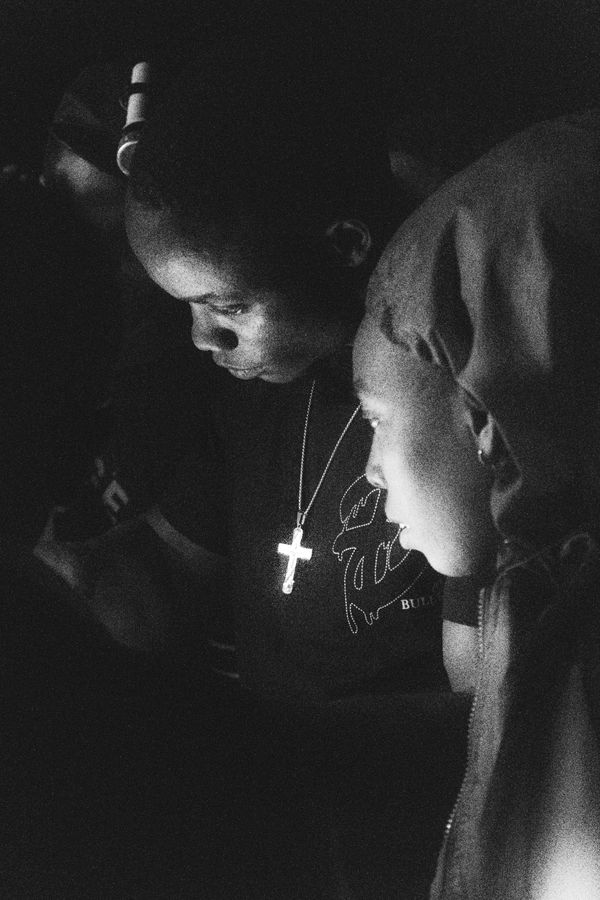
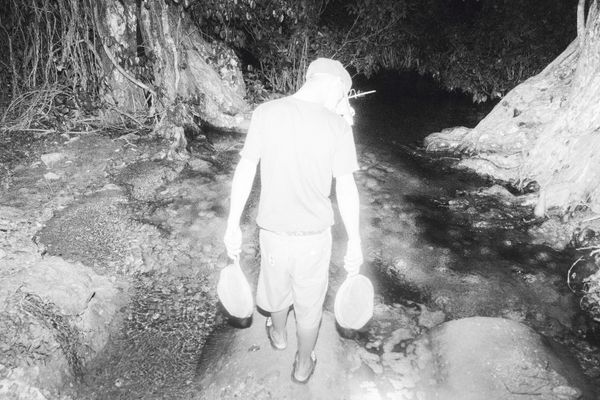
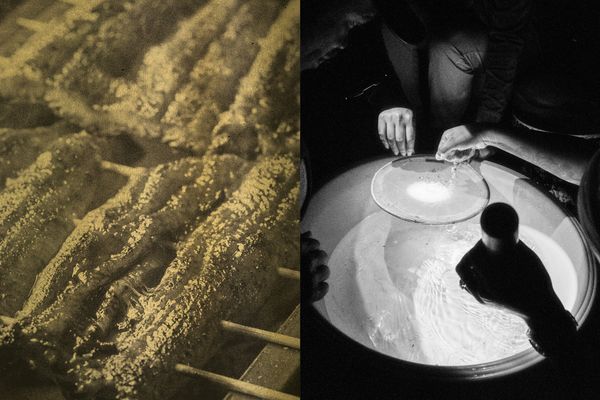
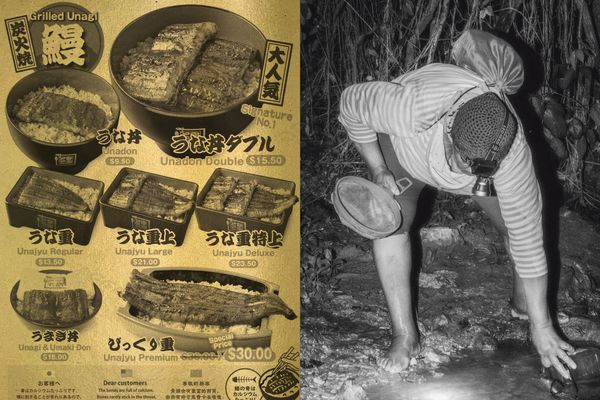
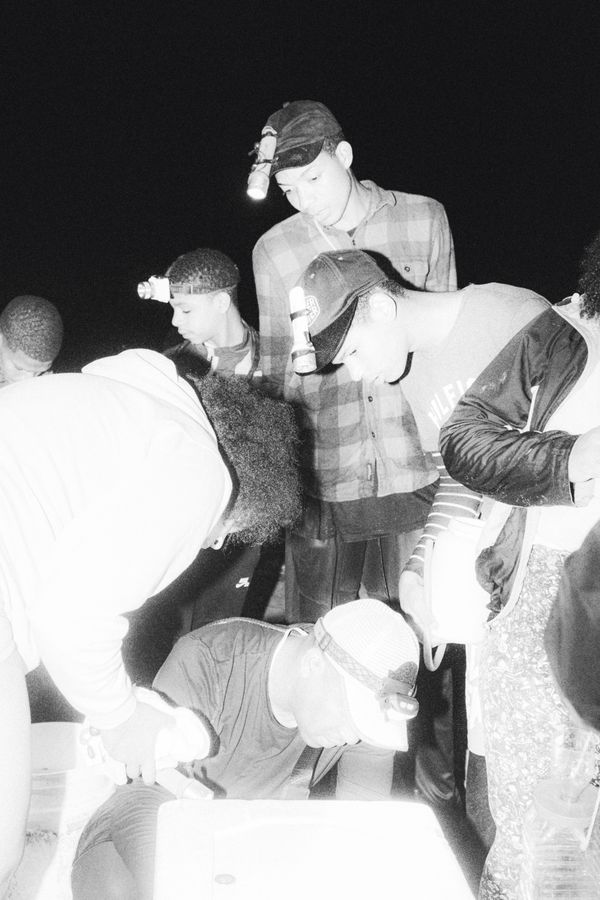
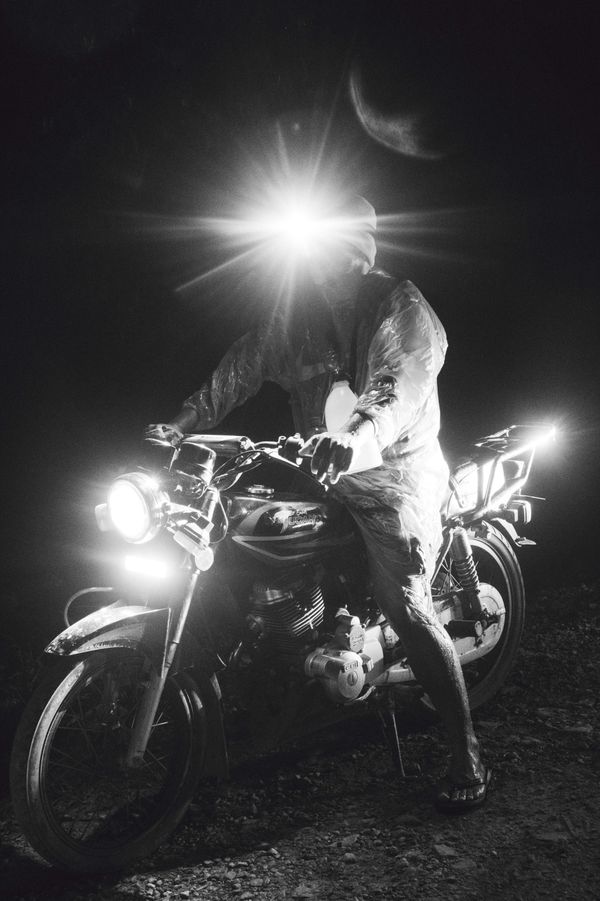
Fukú No Unagi follows glass-eel fishing and its value chain, nets, buckets, repurposed plastics, bodies waiting. The series portrays the community of El Valle working through the night as distant demand turns the coastline in to a contemporary gold rush.
Since 2016, I’ve lived in El Valle, a small town on the northeast coast of the Dominican Republic. Over time, its rhythms slowly became mine. The people in this project are not strangers. They are my neighbors, my friends, the mechanic, the woman at the corner shop, the guys from the neighborhood, the kids who come to my house to play video games. They know me, trust me, and are used to seeing me with a camera. Sometimes they don’t really understand what I’m photographing, but they always call me over: “Look, Yago, come take a picture of this.”
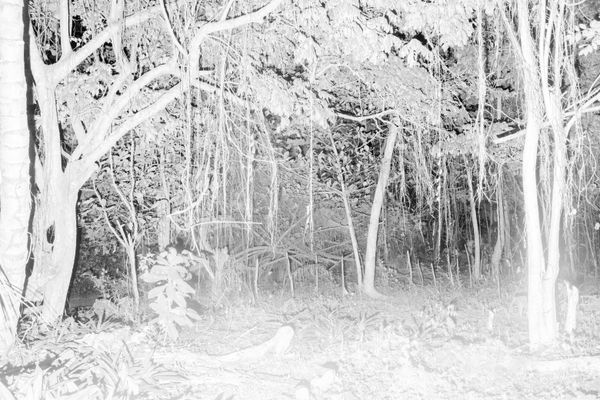
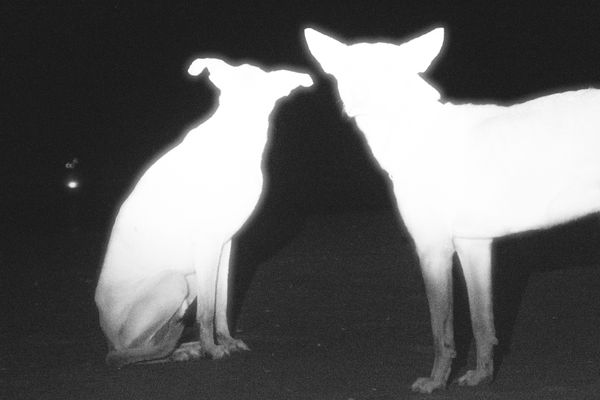
When I first arrived, one of my routines was to walk down at night to the mouth of the river, where it meets the sea. There was always a sense of mystery. Like in many places where human presence feels minimal, stories and legends circulate from one generation to the next: bakás, zánganos, the pirate Cofresí. But what caught my attention had nothing to do with that.
From November to March, a man from outside would set up a makeshift hut of sticks and cane and camp there. He stretched nets between the river and the sea. That’s how I first learned about eel fishing. This man eventually became friends with my neighbor, Icho Acosta, who told me that years earlier a Japanese man named Tanaka had arrived in El Valle carrying strange devices. He spoke to them about those tiny creatures and their value abroad. For a long time, only two families fished for eels. Everyone else thought it wasn’t worth the effort for so little money.
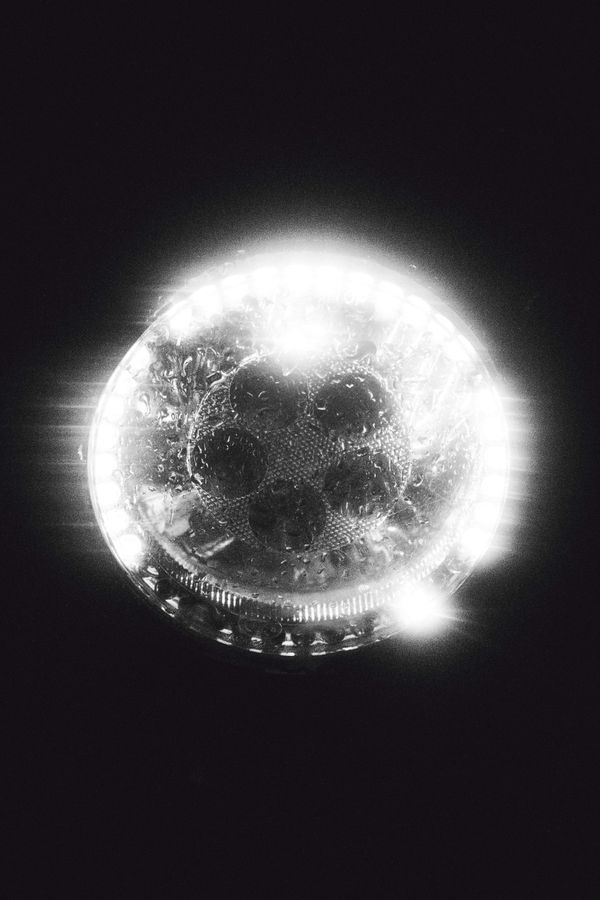
Everything changed when eel populations in Asia collapsed. Demand exploded. Prices skyrocketed. Overnight, the beach turned into a constellation of lights, a modern gold rush. What was striking is that it broke every mold: entire families came down to the river, regardless of age or gender. Mothers, fathers, grandparents, children. Every night. Any object could become a tool: nets, strainers, buckets, all kinds of plastic repurposed into fishing devices. In a single night, you could earn what once took months.
At first, there were no regulations. Then the government stepped in: licenses, organized groups, soldiers controlling access. It didn’t last long. Like any activity that generates fast money, eel fishing exists in a fragile balance between institutional order and the black market.
I never fished myself, but I was there every night. Watching. In the water, the entire community comes alive. This work emerges from that everyday proximity, and from a desire to document how a specific place is shaped by forces far larger than itself: the global economy, ecological pressure, and the simple urge to survive.