From Mother, To Daughter
-
Dates2024 - Ongoing
-
Author
- Topics Contemporary Issues, Documentary, Social Issues
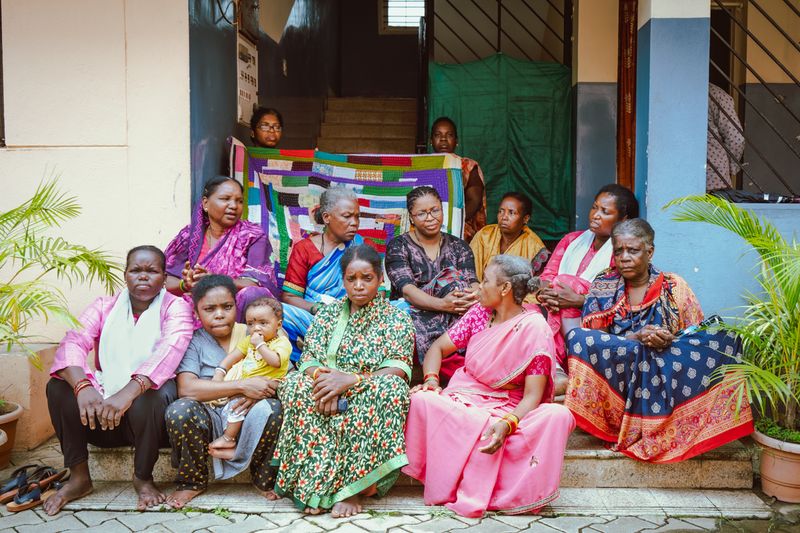
The photo project is an exploration of the intersection of migration, gender and heritage. It looks at traditional quilting practice called 'Kawandi' followed by 'Siddis', the African Diaspora community in India from this perspective.
“For 300 years she has been a slave, a force of cheap labor, colonized by the Spaniard, the Anglo, by her own people (and in Mesoamerica her lot under the Indian patriarchs was not free of wounding). For 300 years she was invisible, she was not heard. Many times she wished to speak, to act, to protest, to challenge. The odds were heavily against her. She hid her feelings; she hid her truths; she concealed her fire; but she kept stroking the inner flame. She remained faceless and voiceless, but a light shone through her veil of silence.”
-Gloria Anzaldúa, author of Borderlands/LaFrontera, on “The Wounding of the india-Mestiza”
For centuries, women have been the silent bearers of history, their labor and contributions often unseen and unacknowledged. They have faced colonisation, exploitation, and marginalisation, and yet been able to nurture and create pockets of spaces for themselves that carry forward their stories, heritage and culture. This is how Siddi women of India have been able to carry forward the culture and value of homeland in face of migration and alienation.
The Siddis are a diaspora community with African roots, brought to India through colonial forces, and like so many others, have experienced layers of displacement and alienation. The women of Siddi community have kept alive the art of Kawandi quilt-making, a tradition passed from mother to daughter, generation after generation.
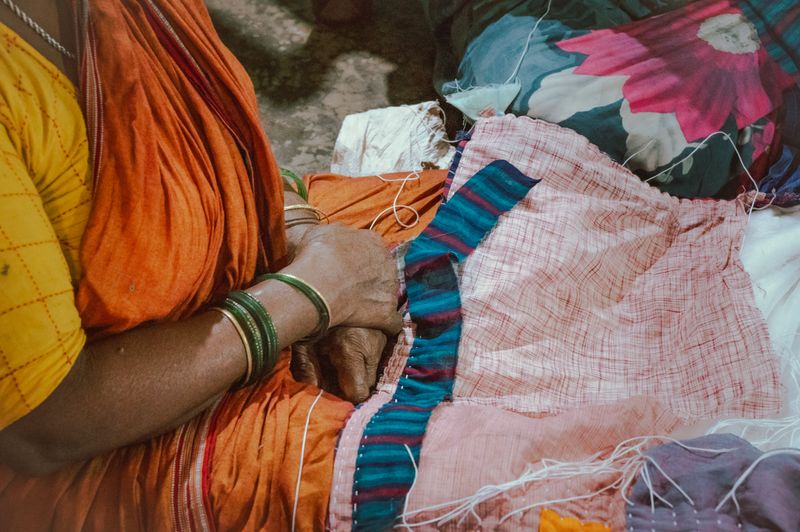
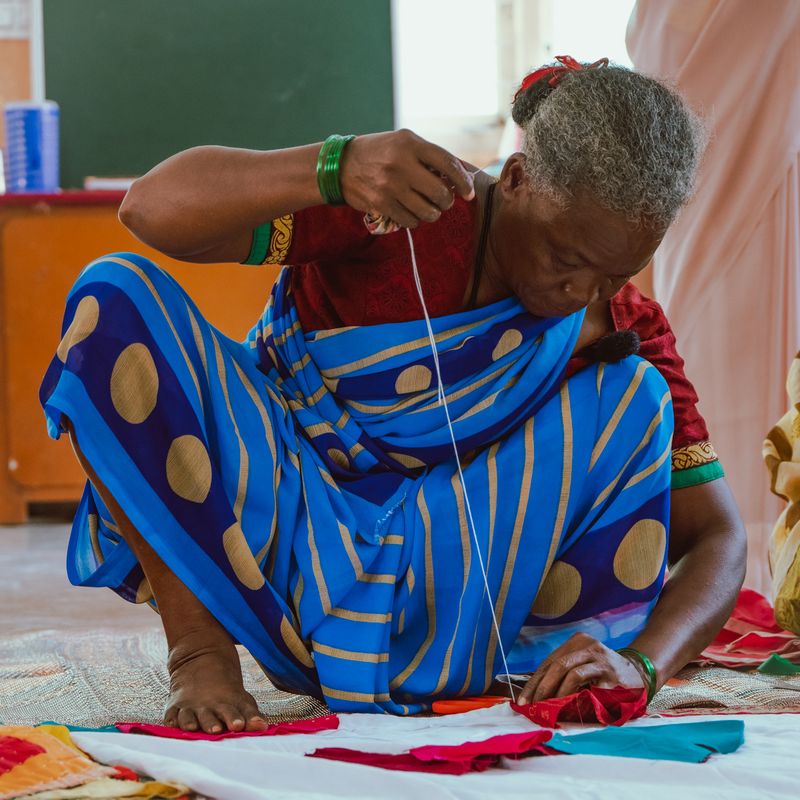
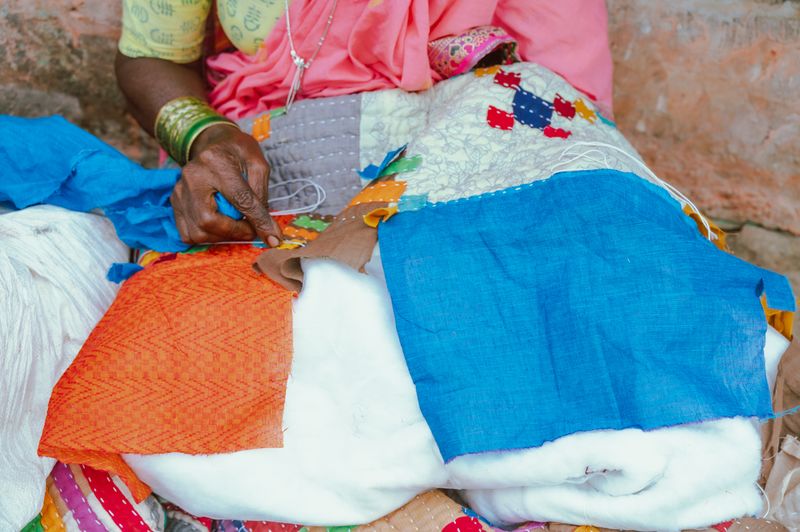
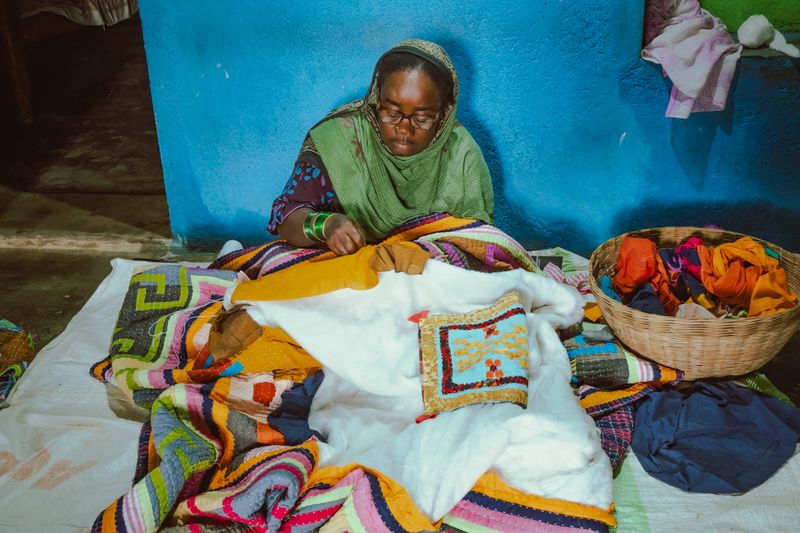
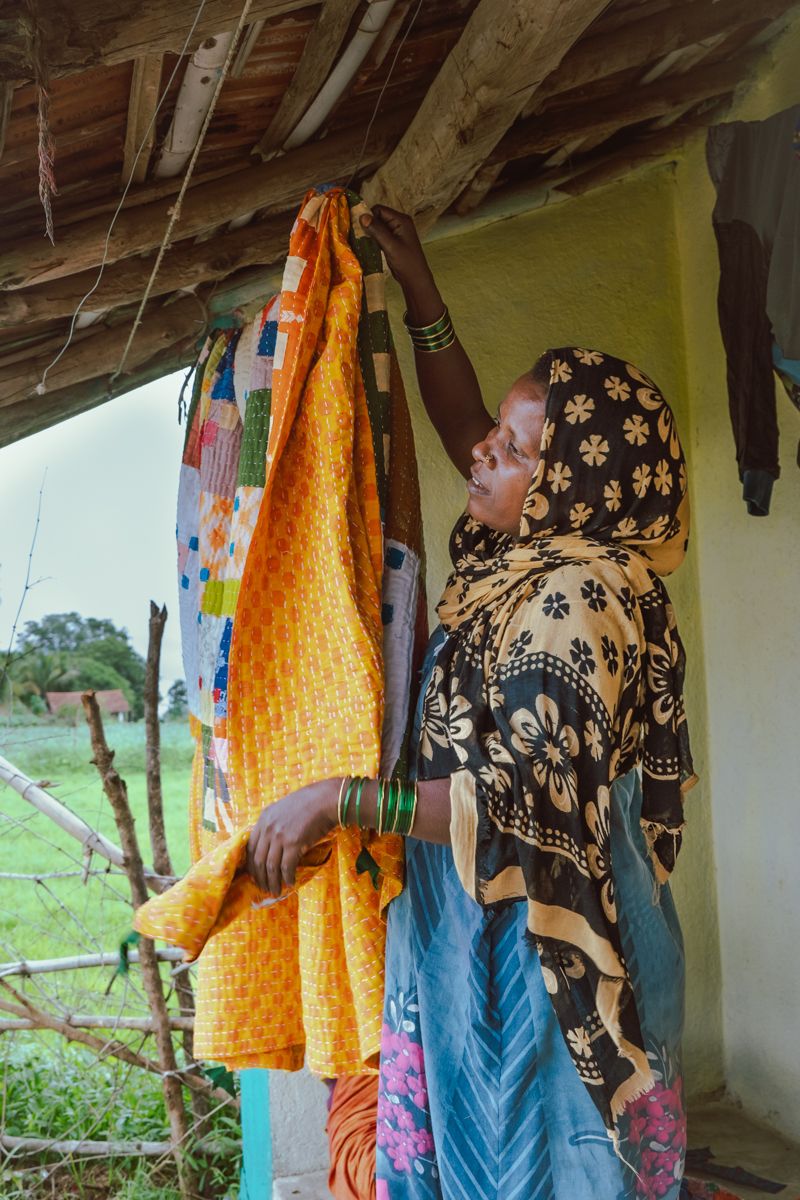
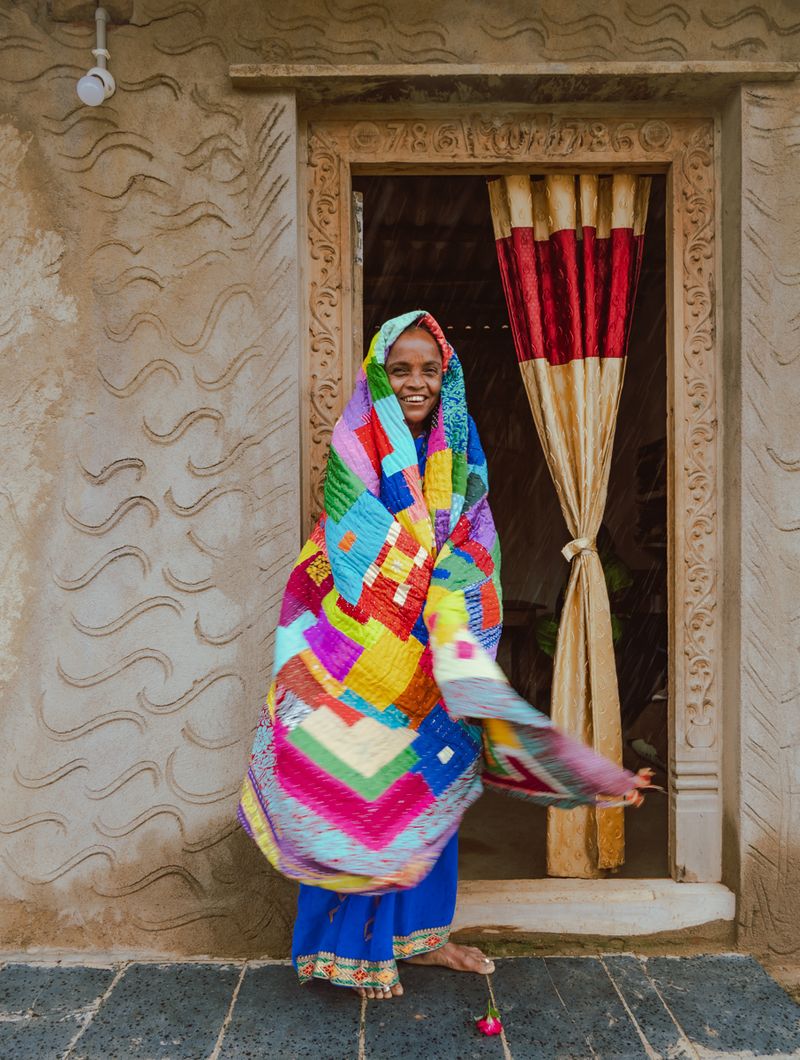
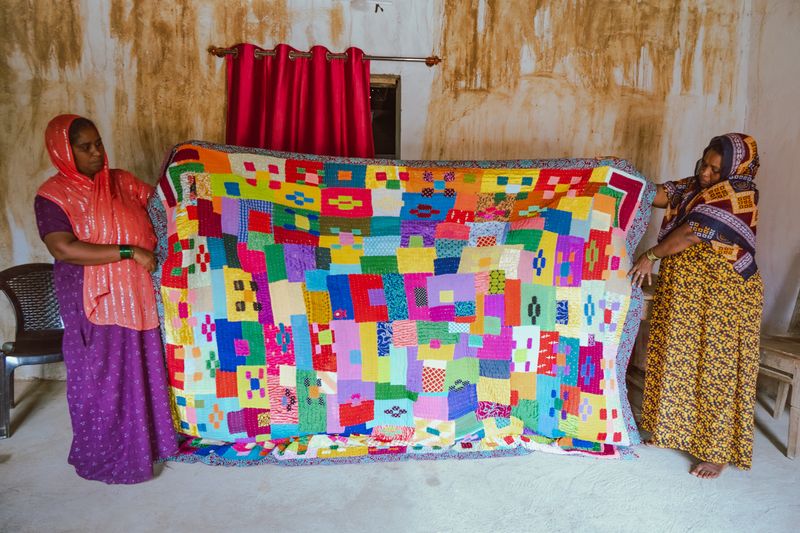
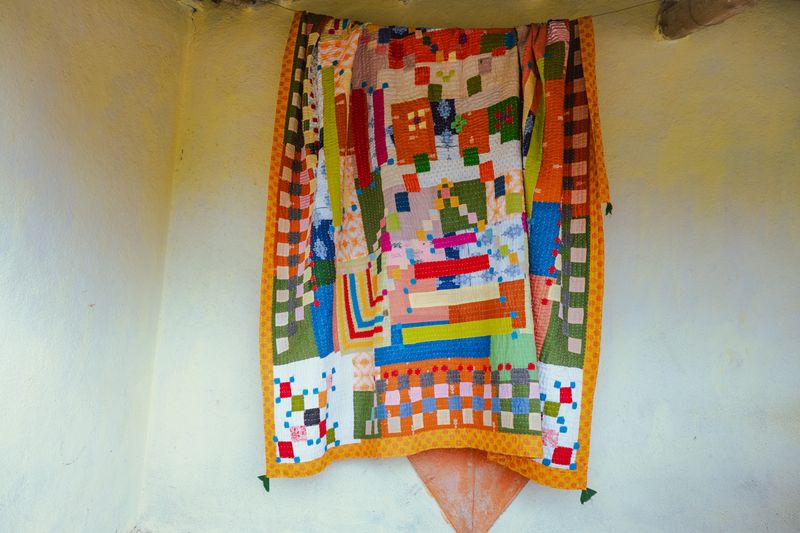
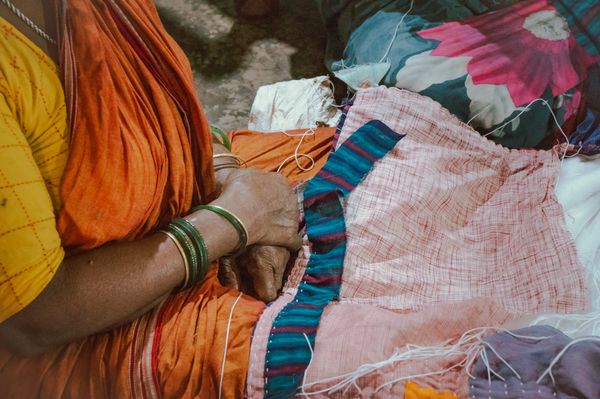
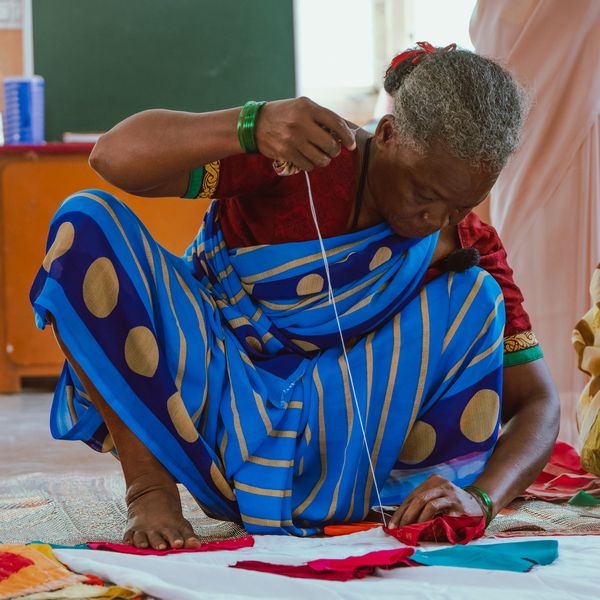
Kawandis are unique hand stitched quilts made using small patches of reused fabrics, stitched using the aplique technique. Each design is a combination of familial patterns, cultural remnants and individual thought processes. Most of all each Kawandi is a patchwork of skills, stories and influences passed down generationally from mothers to daughters within the Siddi Communtiy.
In the face of displacement, poverty, and cultural erasure, these women have become custodians of their heritage, stitching together the fragments of their identity. While their voices have often gone unheard, their quilts speak for them—each stitch a testimony to survival, resilience, and the deep power of women to preserve and protect traditions even in the harshest conditions.
Their cultural practices have been fragmented by this long history of forced migration, yet Kawandi quilts remain a rare link to their past. These quilts are more than fabric and thread—they are a physical manifestation of stories, of memories, of a cultural identity that’s been both fractured and resilient.
In documenting the Kawandi quilts, my purpose is to preserve these stories and crafts that are on brink of extinction. But most of all my investigation lies in understanding the role of women and their collective memories in preserving heritage and continuing cultural traditions, especially in communities like the Siddis, where much of their heritage has been lost.
This craft has been passed down, from mother to daughter, surviving the test of time, migration, modernity and alienation. Each quilt is a conversation between generations, a quiet rebellion against erasure, and a symbol of the quiet strength women have always held in their hands.
The rise of cheap, machine-made quilts and the pressures of survival has made it difficult for these quilts to continue as they once did. My project brings focus to this cultural practice, aiming to showcase not just the beauty of the quilts, but the urgency in preserving them and in understanding the role of gender in cultural preservation and continuation.
Why This Project Matters:
Kawandi quilt-making isn’t just about stitching fabric together—it’s about stitching together identity, history, and memory. As one of the few remaining cultural practices of the Siddi community, it is a tangible link to their African roots and a testament to the resilience of the women who continue to practice it. With the craft under threat due to industrialization and poverty, this project highlights the need to preserve such traditions that are at risk of fading away.
The quilts embody the unspoken stories of the women who make them. In a world where women’s labor often goes unnoticed, especially in marginalized communities, these quilts are a statement of their quiet power, their endurance, and their role in shaping cultural continuity. My work seeks to highlight not just the craft, but the women behind it—mothers, daughters, grandmothers—whose hands hold together the fragments of a disrupted history.
Themes:
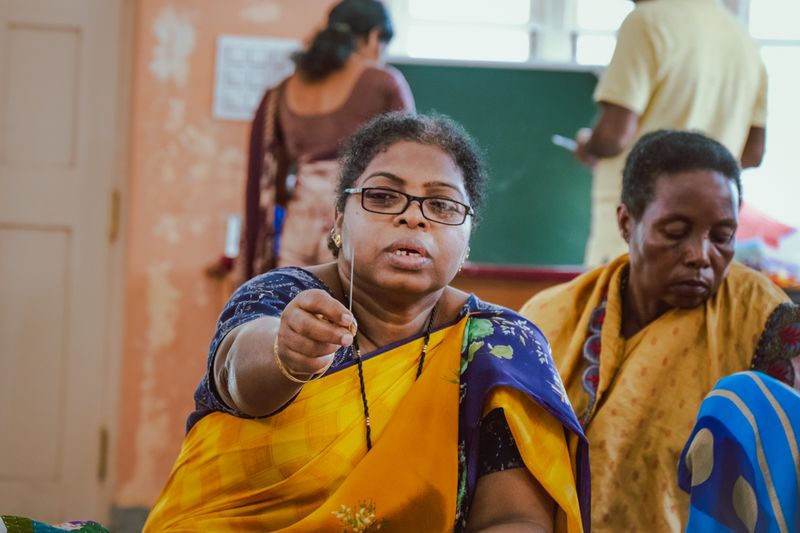
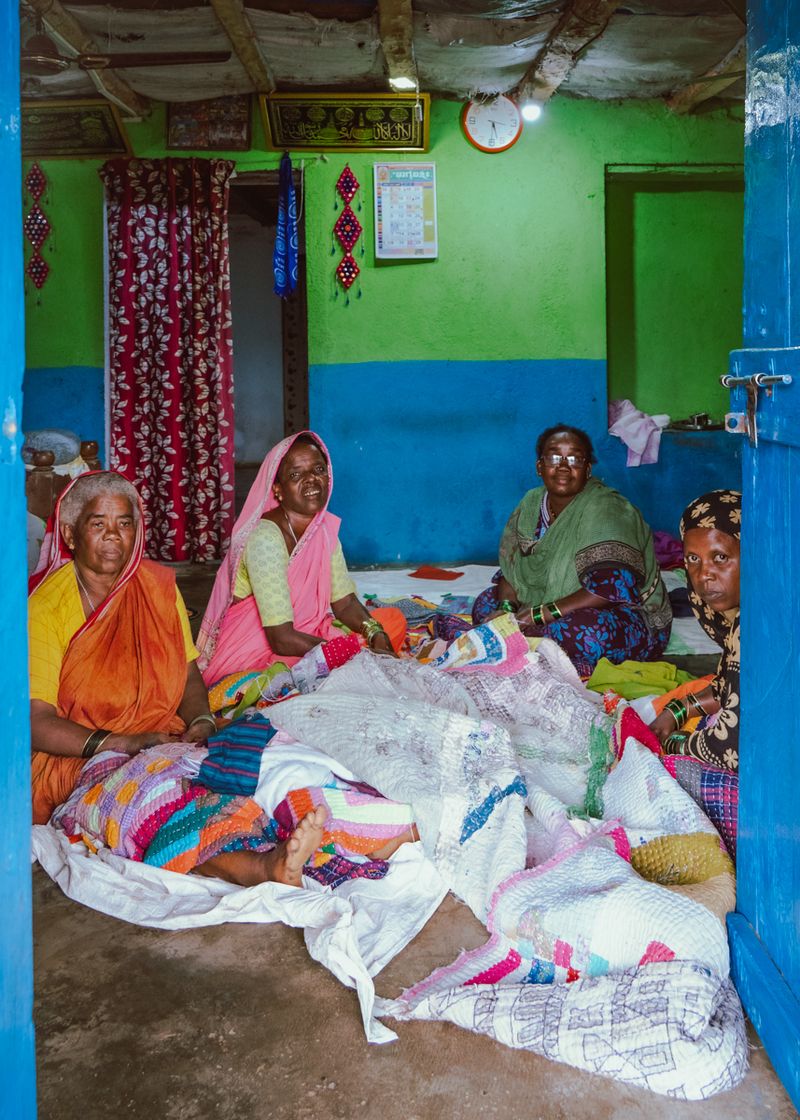
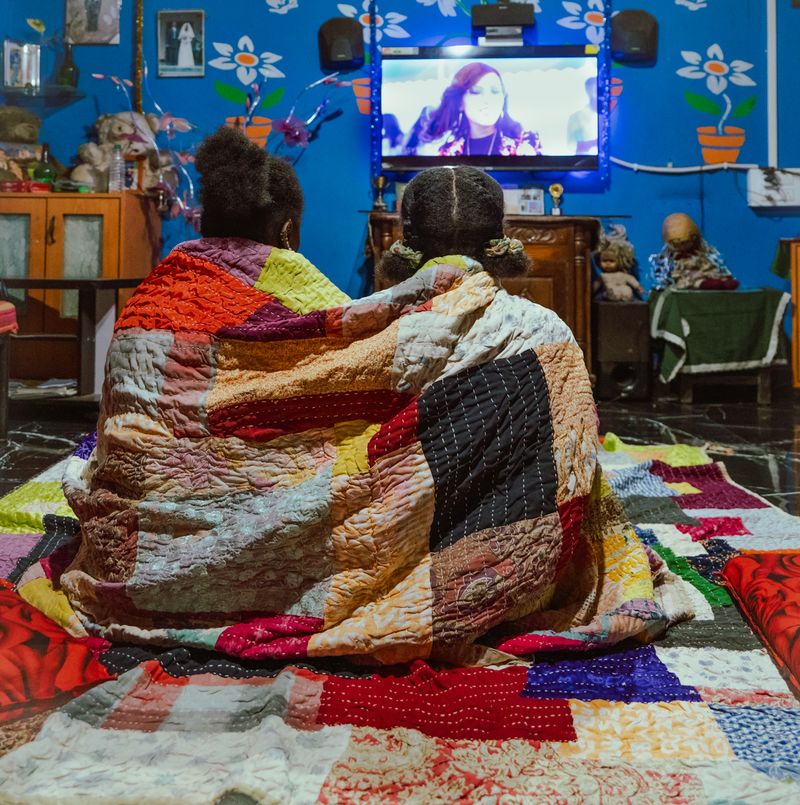
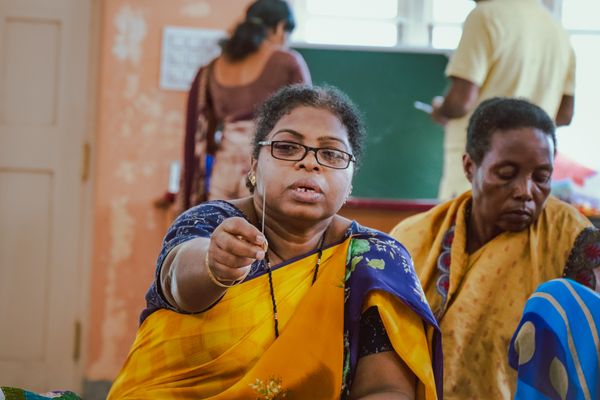
Intergenerational Craft: This photographic exploration focuses on the bond between women and the craft of Kawandi-making, emphasizing how generations have kept this tradition alive through migration and alienation. The images depict women, often from the same family, preserving patterns and stories sewn into Kawandis. This craft acts as a bridge, connecting past and future, allowing women to assert their identity and heritage.
Migration and Displacement: Set in intimate home environments, the images question the concept of "home" for a community shaped by displacement. Homes lack nostalgic objects, left behind during migrations, but the patchwork quilts themselves symbolize both the comfort and familiarity of home as well as the piecing together of fragmented identities.
Gender and the Role in Transferring Knowledge and History:
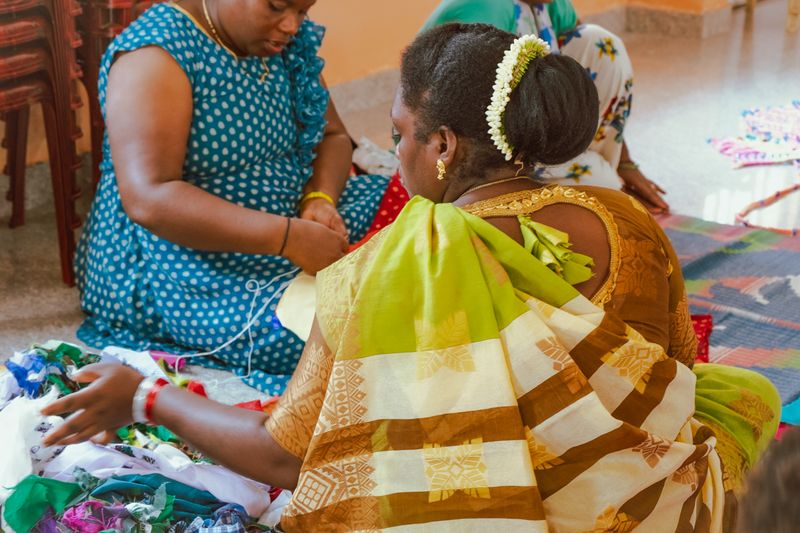
A central focus of the project is the role of gender in the transmission of knowledge. The role of women in preserving and continuing traditional practices is often underrecognized. In patriarchal familial structures, caregiving and nurturing responsibilities typically fall on women, and as a result, they often become the narrators of heritage, responsible for the continuity of traditions and practices. Kawandi quilting is not just a craft but also a vehicle of empowerment—an opportunity for women to share knowledge, skills, and stories with each other and the next generation. The images emphasize how this traditionally female space fosters learning, creativity, and cultural preservation. This transmission of heritage, despite the disruptions caused by displacement, becomes a means of survival and identity-keeping. In many ways, Kawandi-making may continue the matriarchal traditions of their African roots, where women played a central role in the transmission of culture.
Conclusion:
From Mother to Daughter explores tradition, identity, and gender, highlighting how migration disrupts cultural transmission, yet celebrates the resilience of women who preserve these traditions. Kawandi quilts, stitched by generations of Siddi women, are cultural artifacts as well as are powerful narratives of survival and continuity. Through this project, I aim to honor these women and their craft, ensuring that their stories and heritage continue to be told.