Fragments of Climate Change
-
Dates2022 - Ongoing
-
Author
- Location Germany
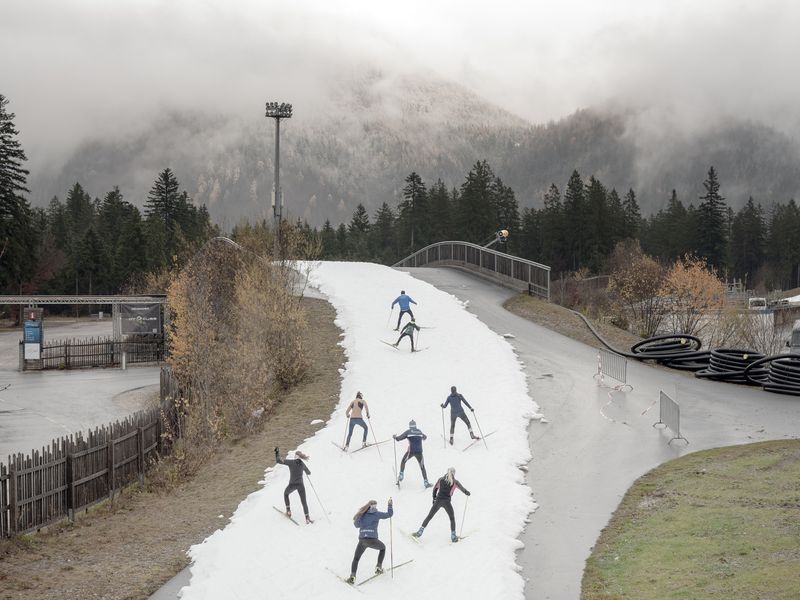
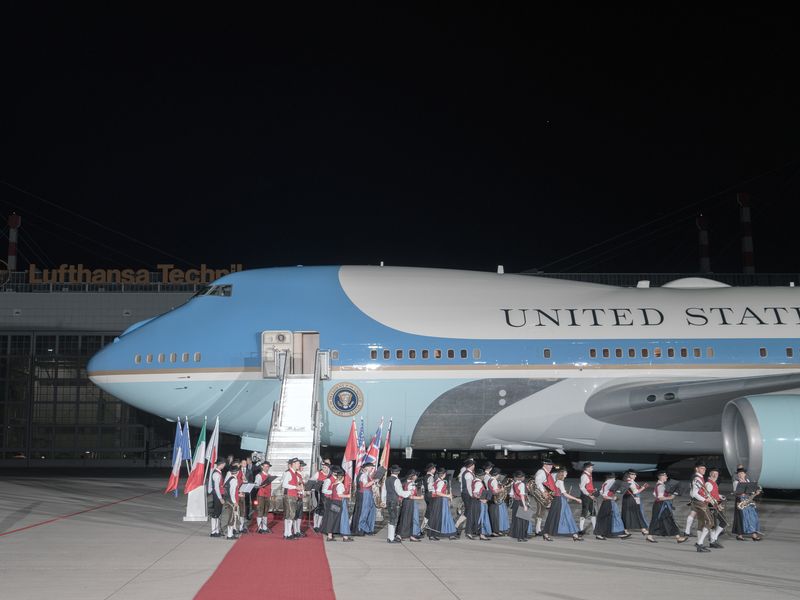
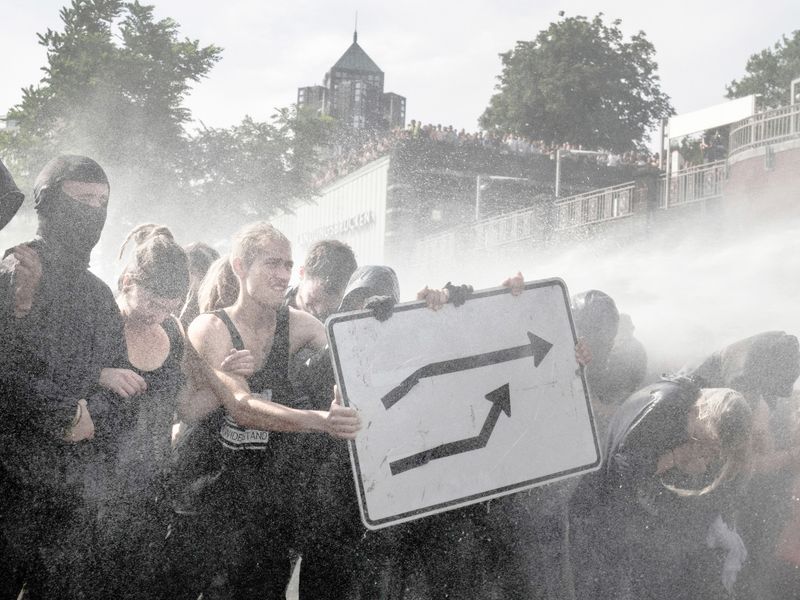
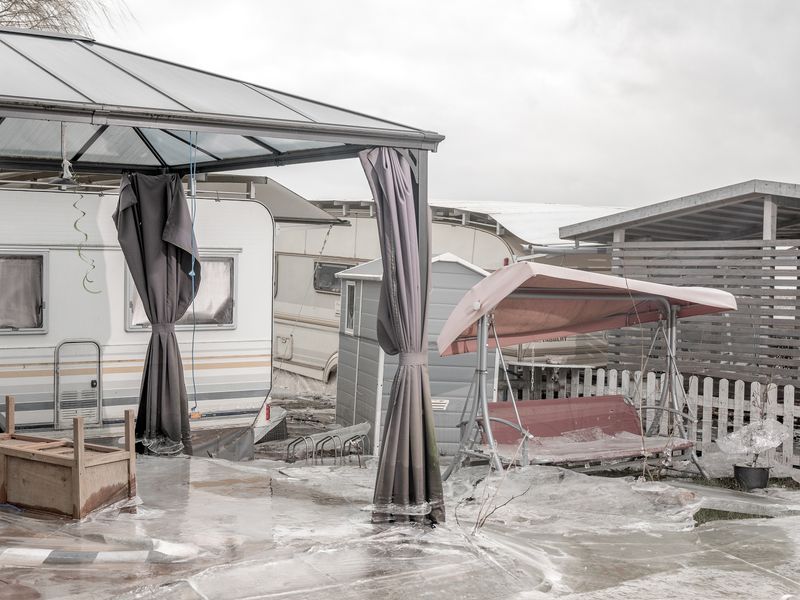
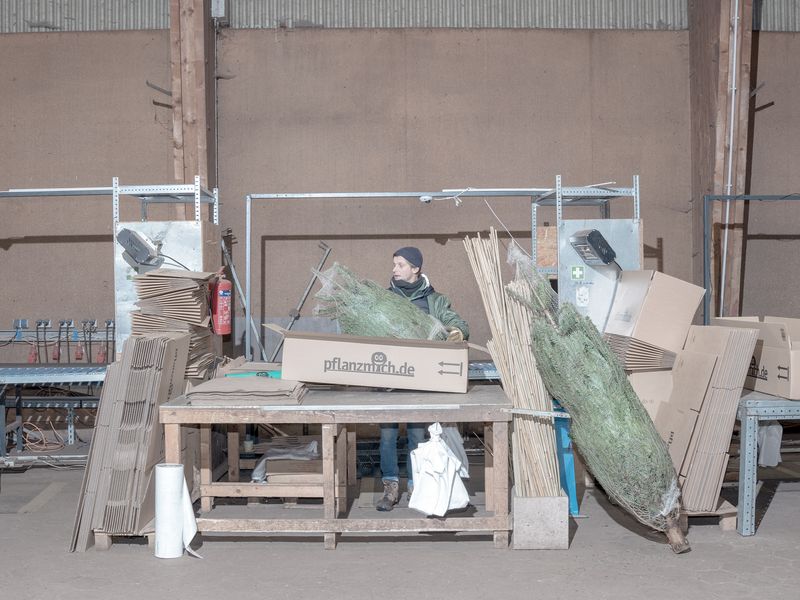
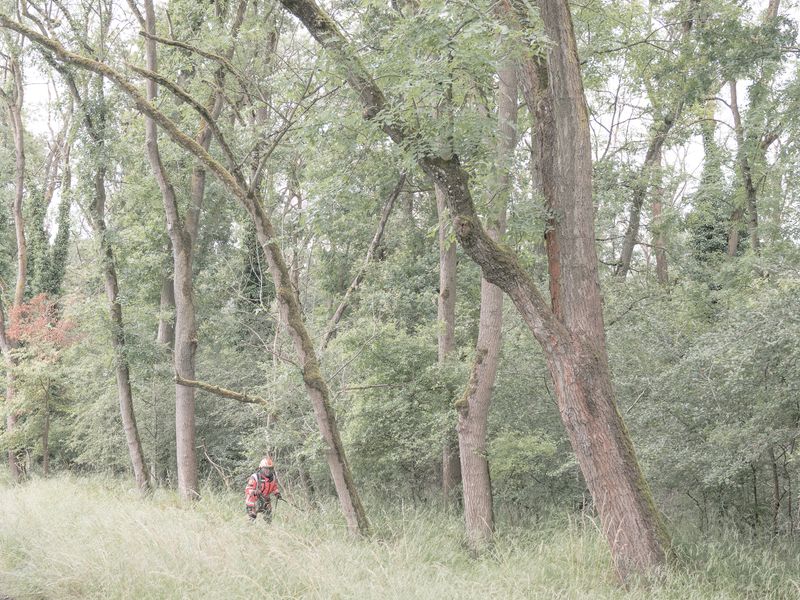
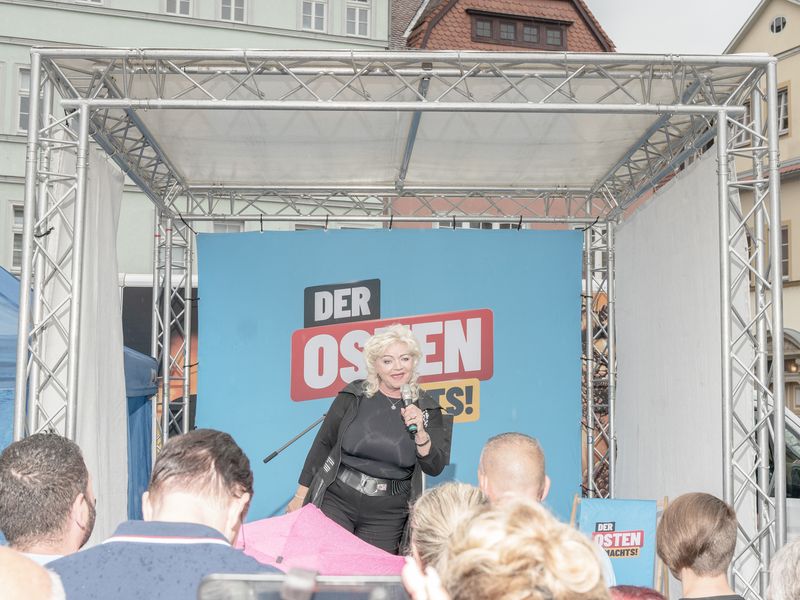
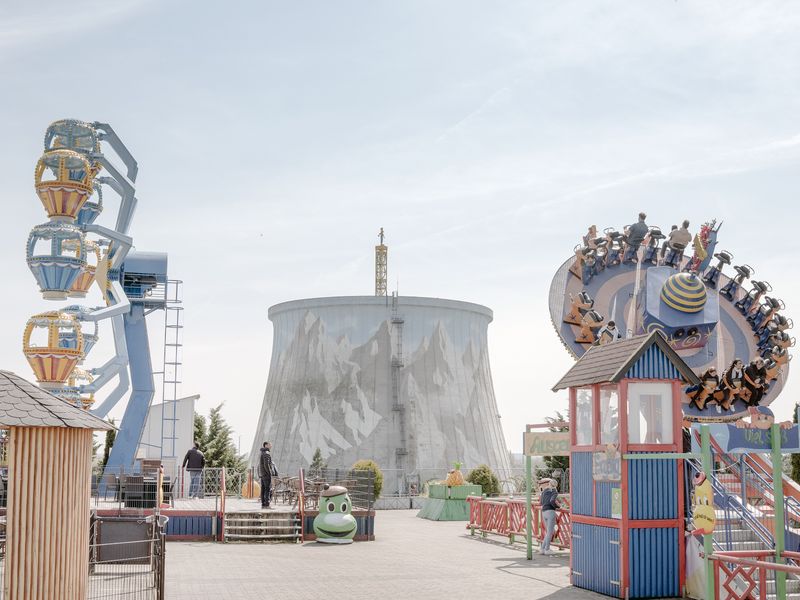
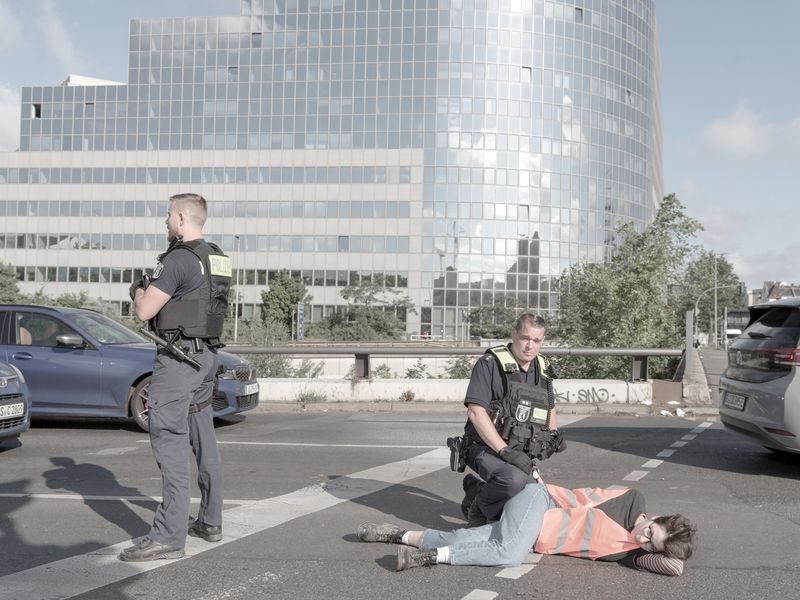
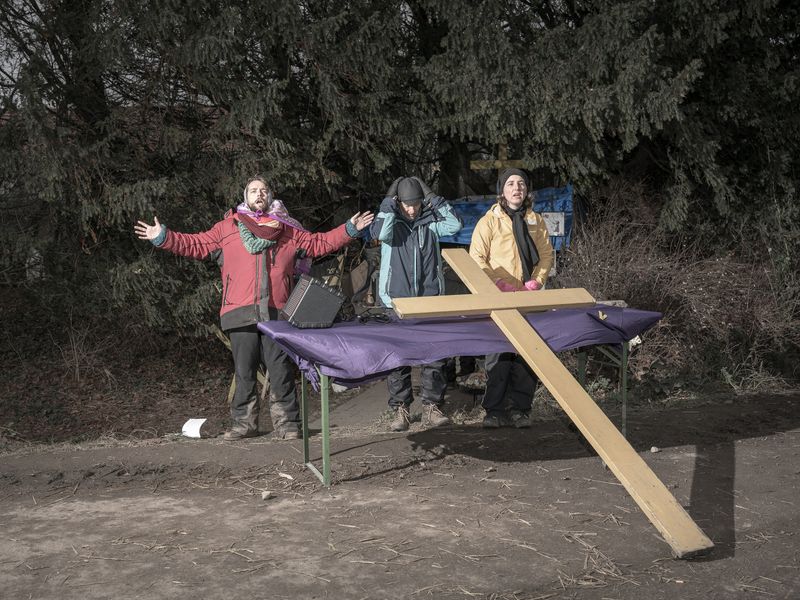
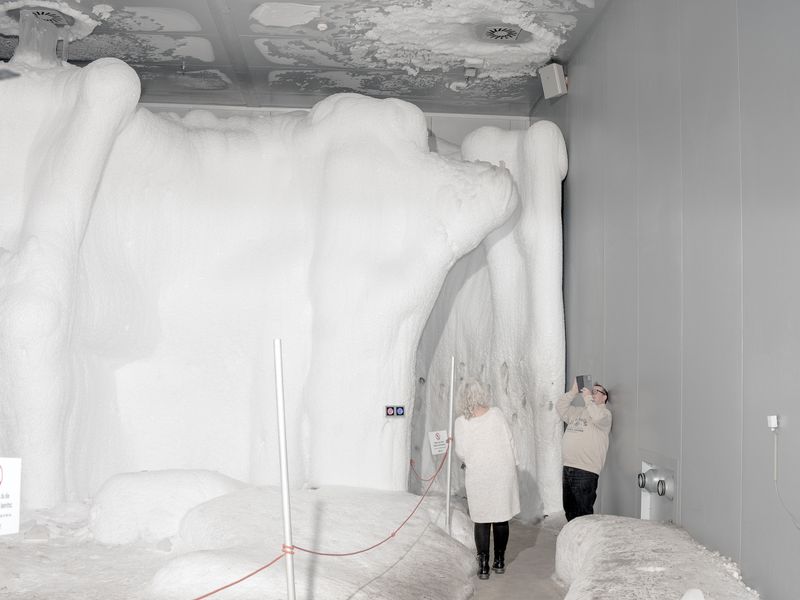
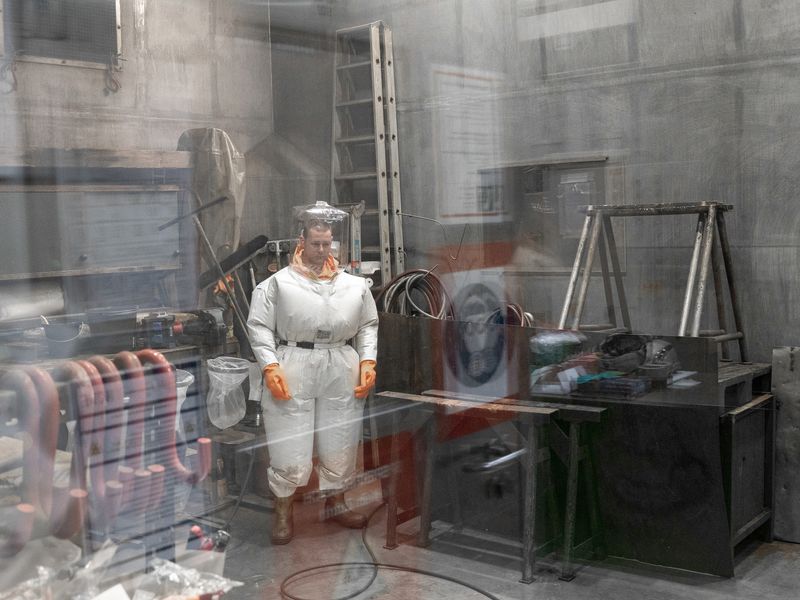
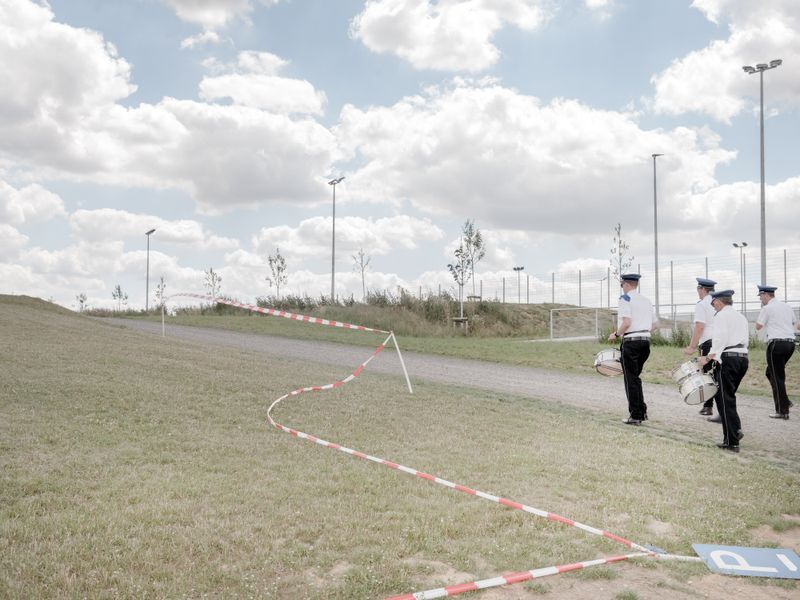
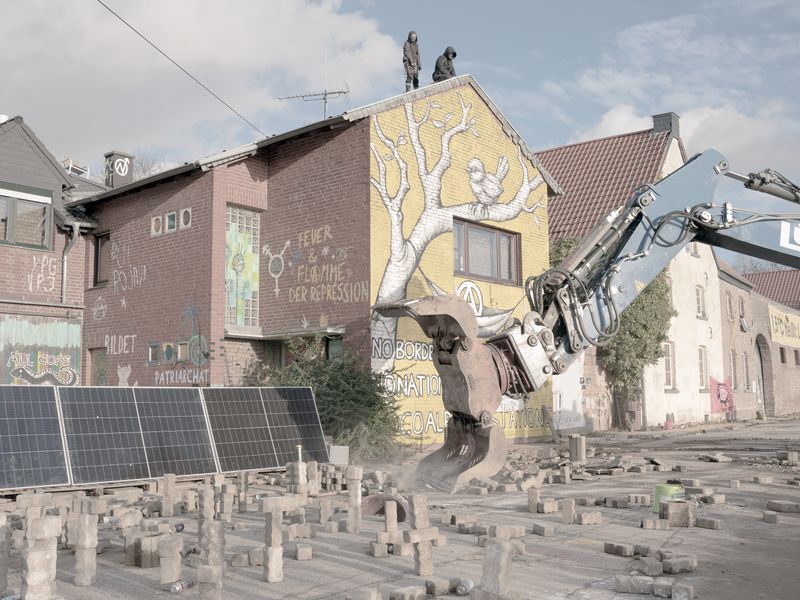
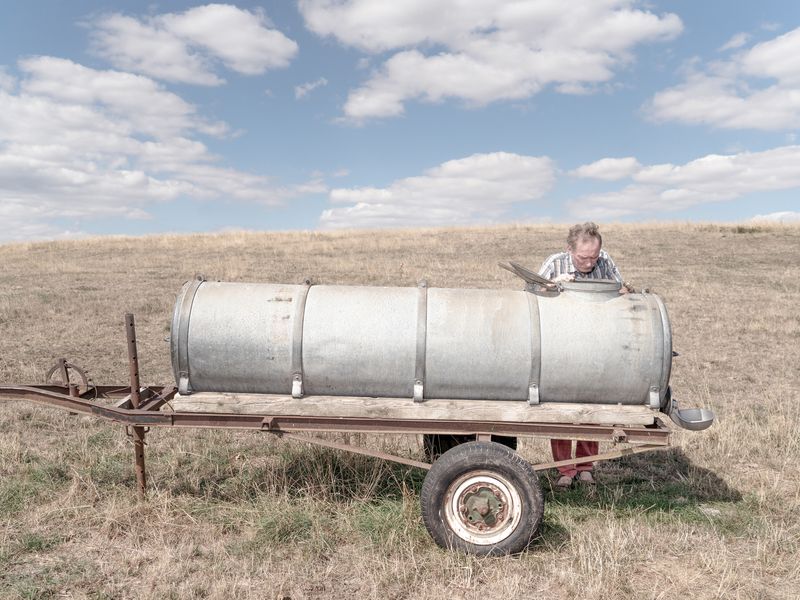
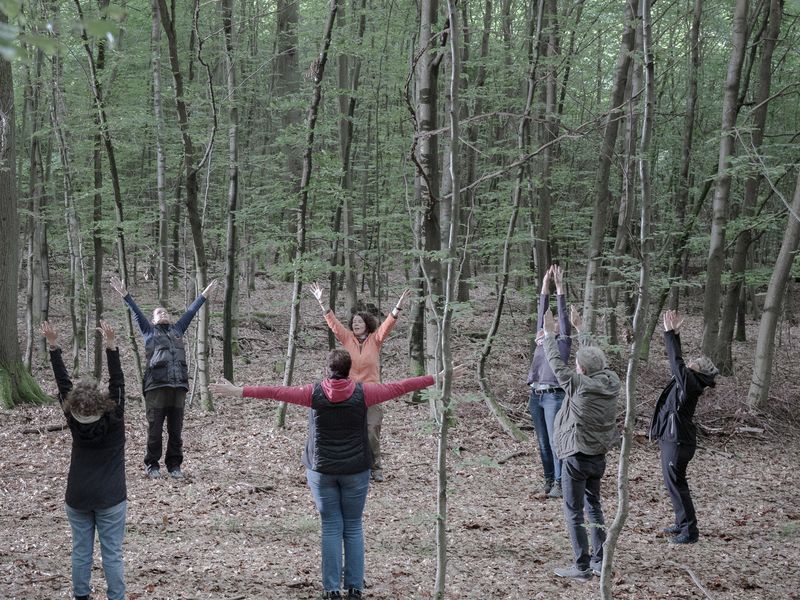
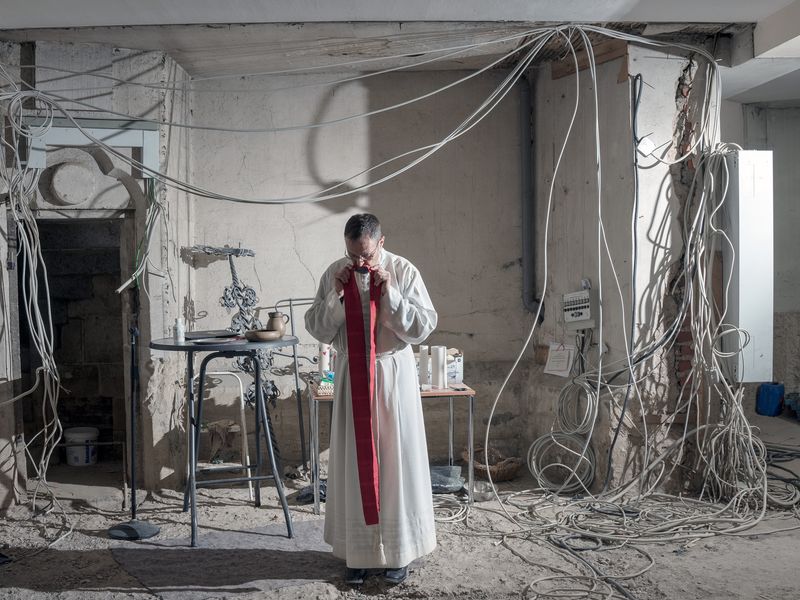
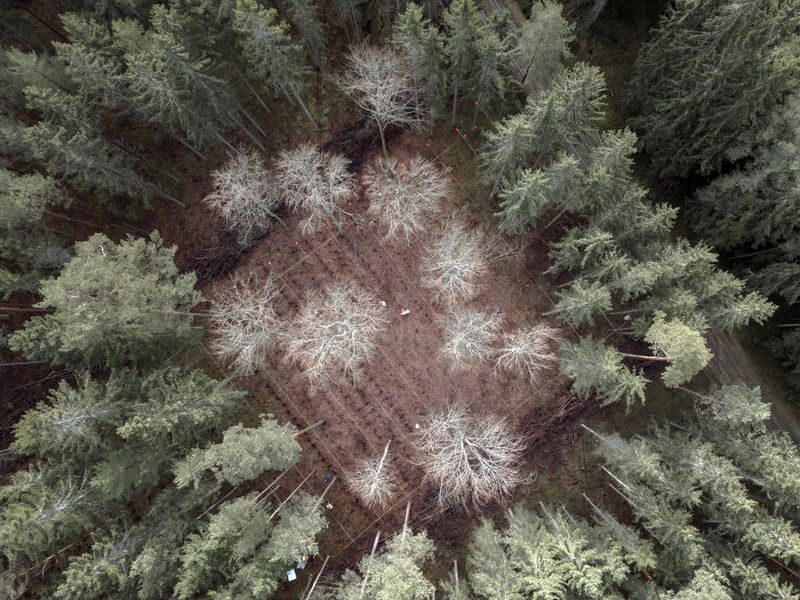
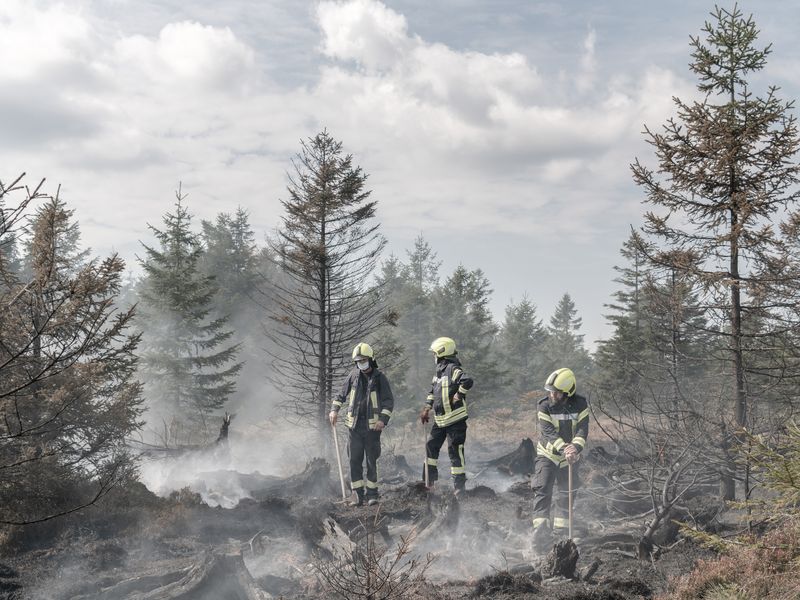
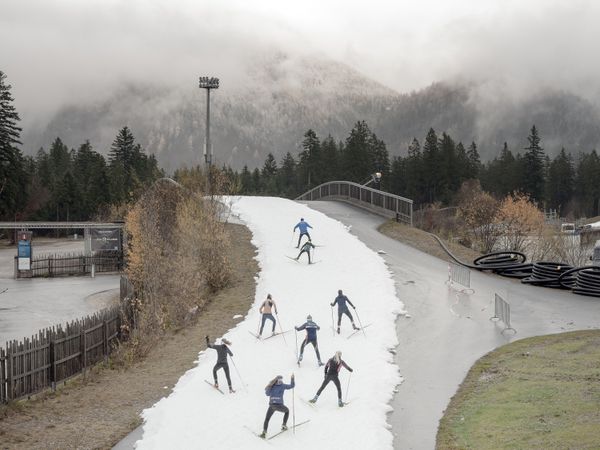
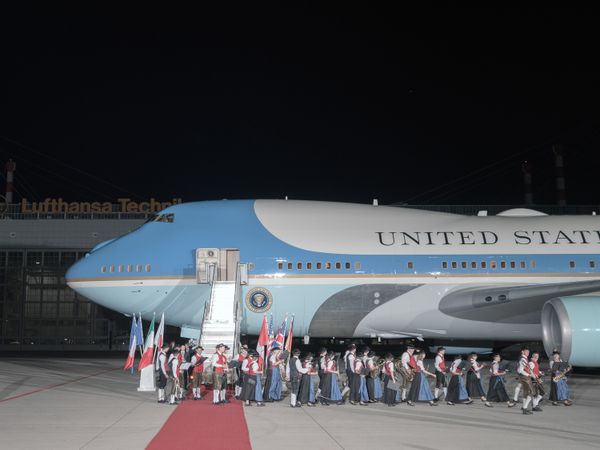
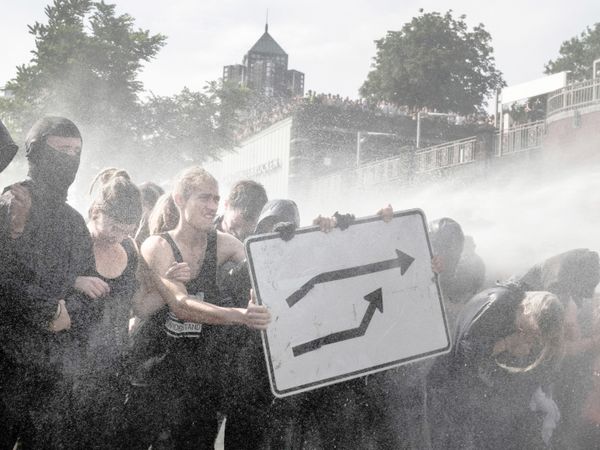
Fragments of Climate Change is a kaleidoscopic look at how we face the climate catastrophe. Each photograph reveals a fragment of Germany’s economic, social, political, and environmental landscape.
Climate change is probably the greatest threat humanity has ever faced. Germany, with its stable economy and favorable geography, appears well-positioned to meet climate goals. However, the reality is far more complex and challenging.
According to the German Weather Service, 2024 was the hottest year since measurements began in 1881. For the first time, the global average temperature stayed above 1.5 degrees Celsius for 12 months straight, between 2023 and 2024. If people still talk about a "crisis," maybe that's no longer correct. A crisis describes the peak of an event with the possibility of improvement in the near future. But we are now in a climate catastrophe, which comes with irreversible damage and losses.
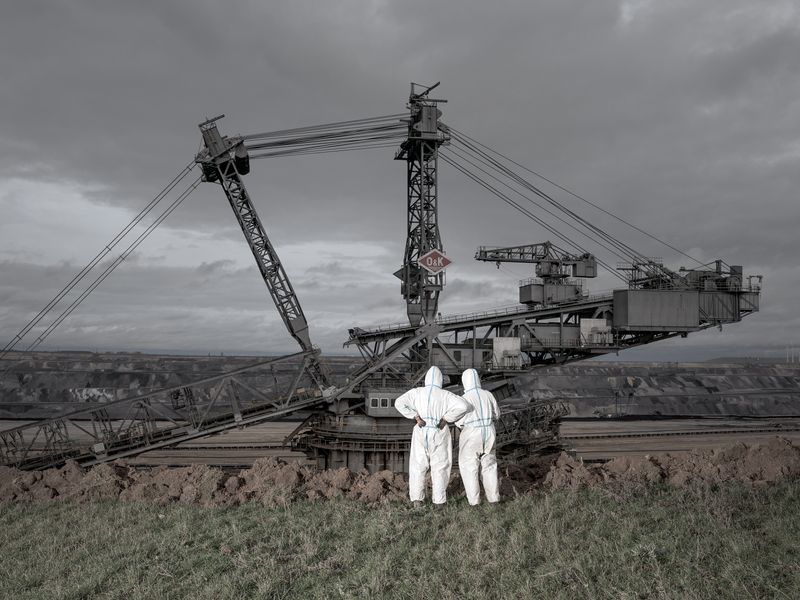
"Fragments of Climate Change" captures a society on the brink of climate collapse and documents Germany's ambitious plans to become a climate-neutral industrial nation by 2045. The country has committed to phasing out nuclear energy and coal-fired power generation by 2038. Additionally, Germany's climate law mandates significant reductions in greenhouse gas emissions.
As an international pioneer in the fight against climate change, Germany's journey highlights the difficulties of transitioning to a climate-friendly reality. To meet its goals, Germany must triple its number of solar panels and wind farms by 2030. This push has spurred a new era of green colonialism, with the richest nations demanding vast quantities of raw materials, such as lithium and copper, to secure a green future. Germany's demand alone threatens to overwhelm the global market.
Despite being one of the world's strongest economies, Germany faces immense challenges in adapting to climate extremes.
We are nearing a tipping point, and it is imperative to honestly consider what a sustainable future looks like. There's a general opinion that climate change is heavily influenced by economics and politics. Naturally there is a strong push to ensure that the transition to a clean future is economically successful and as convenient as possible for a society. However, the climate catastrophe will be anything but convenient for us, and we need to be clear about that. My photos are fragments of this vast, unfolding event. They capture the values and norms of our society at this critical juncture, portraying the complexity and disruption inherent in Germany's green transformation.
I will use the funding to expand my project across Europe. There are too many issues that go unnoticed. For example, in Sweden, the Sami, one of Europe's last Indigenous peoples, are being deprived of their culture and traditions because a mining company wants to use their reindeer grazing lands for extraction. In Portugal, centuries-old mountain villages are under threat due to newly discovered lithium deposits. And along Scotland’s coasts, Donald Trump is planning absurd golf resort developments that endanger nature, the coastline, and local communities.