Fragments of Climate Change

  • Dates
    2022 - Ongoing
  • Author
  • Location Germany

Fragments of Climate Change is a kaleidoscopic look at how we face the climate catastrophe. Each photograph reveals a fragment of Germany’s economic, social, political, and environmental landscape.
Climate change is probably the greatest threat humanity has ever faced. Germany, with its stable economy and favorable geography, appears well-positioned to meet climate goals. However, the reality is far more complex and challenging.

According to the German Weather Service, 2024 was the hottest year since measurements began in 1881. For the first time, the global average temperature stayed above 1.5 degrees Celsius for 12 months straight, between 2023 and 2024. If people still talk about a "crisis," maybe that's no longer correct. A crisis describes the peak of an event with the possibility of improvement in the near future. But we are now in a climate catastrophe, which comes with irreversible damage and losses.

"Fragments of Climate Change" captures a society on the brink of climate collapse and documents Germany's ambitious plans to become a climate-neutral industrial nation by 2045. The country has committed to phasing out nuclear energy and coal-fired power generation by 2038. Additionally, Germany's climate law mandates significant reductions in greenhouse gas emissions.

As an international pioneer in the fight against climate change, Germany's journey highlights the difficulties of transitioning to a climate-friendly reality. To meet its goals, Germany must triple its number of solar panels and wind farms by 2030. This push has spurred a new era of green colonialism, with the richest nations demanding vast quantities of raw materials, such as lithium and copper, to secure a green future. Germany's demand alone threatens to overwhelm the global market.

Despite being one of the world's strongest economies, Germany faces immense challenges in adapting to climate extremes.

We are nearing a tipping point, and it is imperative to honestly consider what a sustainable future looks like. There's a general opinion that climate change is heavily influenced by economics and politics. Naturally there is a strong push to ensure that the transition to a clean future is economically successful and as convenient as possible for a society. However, the climate catastrophe will be anything but convenient for us, and we need to be clear about that. My photos are fragments of this vast, unfolding event. They capture the values and norms of our society at this critical juncture, portraying the complexity and disruption inherent in Germany's green transformation.

I will use the funding to expand my project across Europe. There are too many issues that go unnoticed. For example, in Sweden, the Sami, one of Europe's last Indigenous peoples, are being deprived of their culture and traditions because a mining company wants to use their reindeer grazing lands for extraction. In Portugal, centuries-old mountain villages are under threat due to newly discovered lithium deposits. And along Scotland’s coasts, Donald Trump is planning absurd golf resort developments that endanger nature, the coastline, and local communities.

© Gil Bartz - Image from the Fragments of Climate Change photography project
i

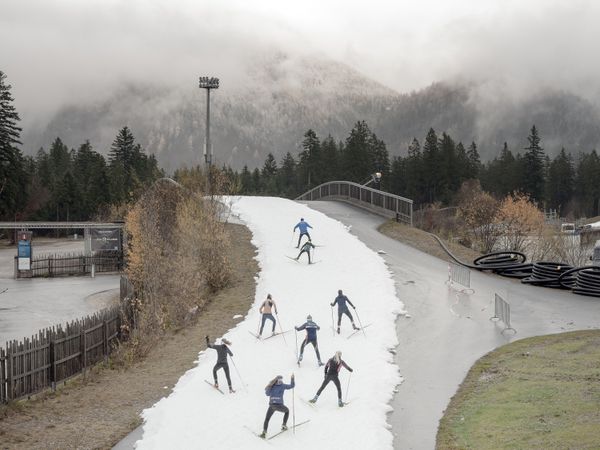
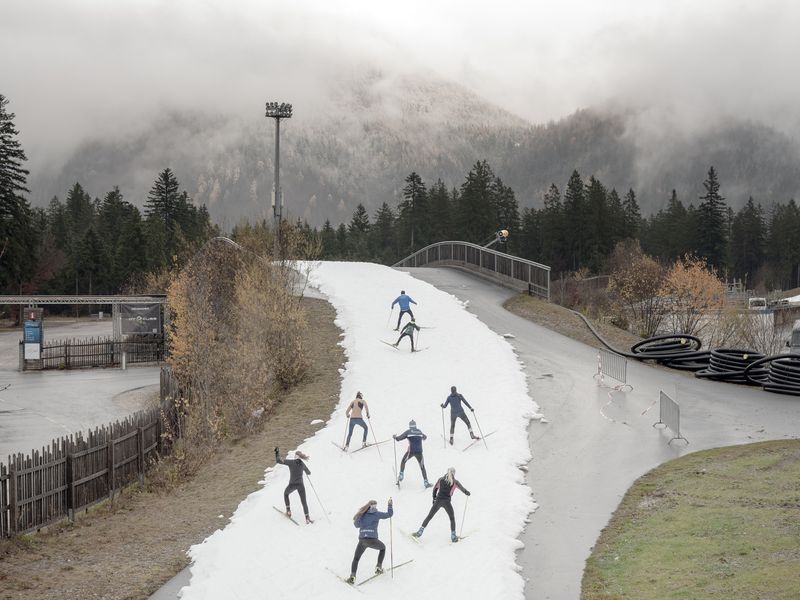
Biathletes train on a cross-country ski trail in the Ruhpolding Olympic base in Ruhpolding, Germany. Snow depots are needed for competitive sports so that German athletes in cross-country skiing, Nordic combined and biathlon can keep up with the international competition.

© Gil Bartz - Image from the Fragments of Climate Change photography project
i

A Bavarian folk group passes by the Air Force One after receiving the American president at Munich airport in Munich, Germany.The outcome of the summit was long-awaited, considering the climate crisis. However the leaders of 7 countries didn´t manage to address the all encompassing issue of the global climate collapse adequately.

© Gil Bartz - Image from the Fragments of Climate Change photography project
i

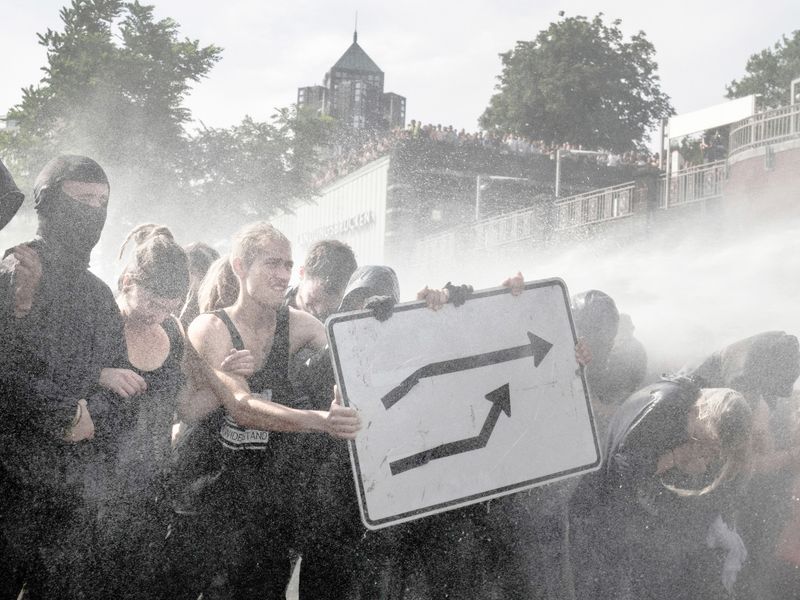
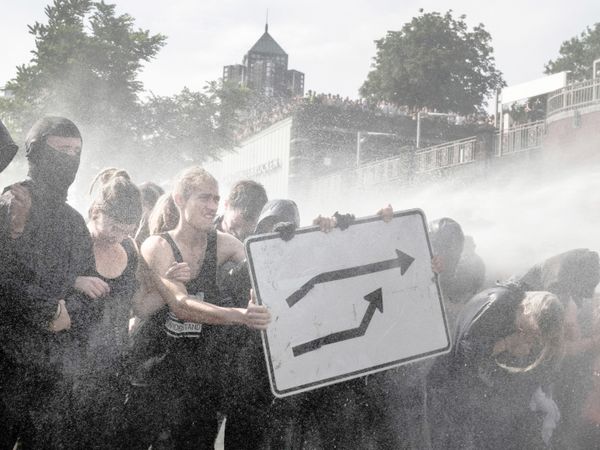
Activists during a demonstration against the G20 summit in Hamburg. Many demonstrators criticize that the G20 countries are not fighting climate change decisively enough, for example by significantly expanding renewable energies. The G20 countries are responsible for 81% of global CO2 emissions. Above all, China, the USA and the EU.

© Gil Bartz - Image from the Fragments of Climate Change photography project
i

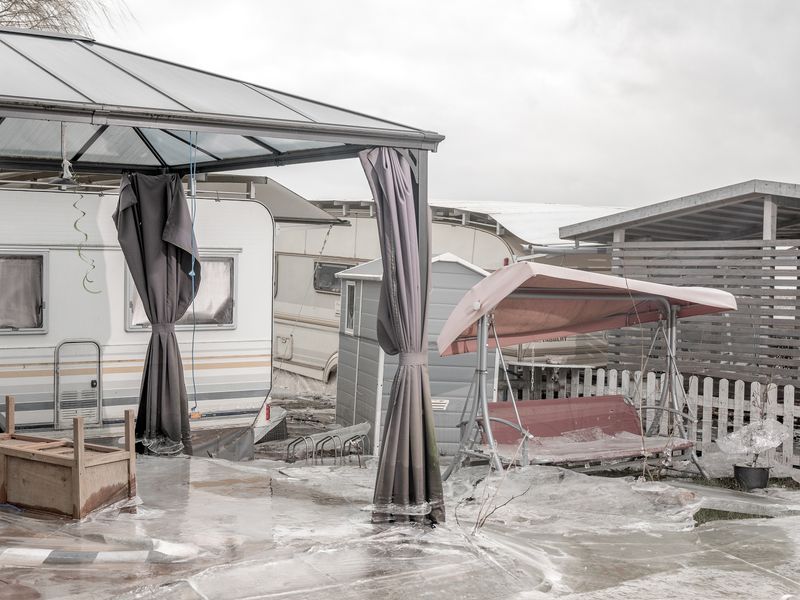
A flooded campsite in Kelbra, Germany. Heavy rain caused a flooding in this area. Afterwards temperature fell below zero degrees and the water in the flooded area began to freeze.

© Gil Bartz - Image from the Fragments of Climate Change photography project
i

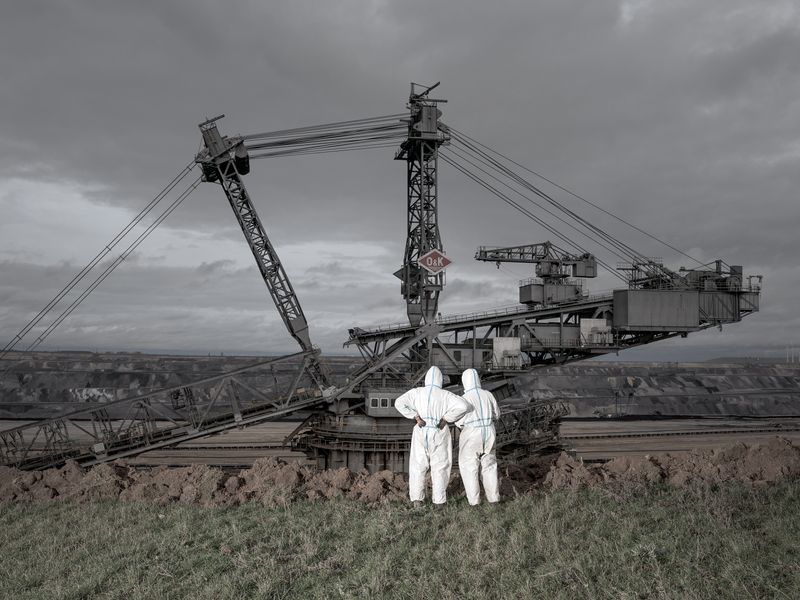
Two activists stand on the edge of the opencast mine in Lützerath, Germany and look at an excavator. They wear white hazmat suits, like most activists do in order to disguise their identity. In addition, the police can hardly distinguish between the activists.

© Gil Bartz - Image from the Fragments of Climate Change photography project
i

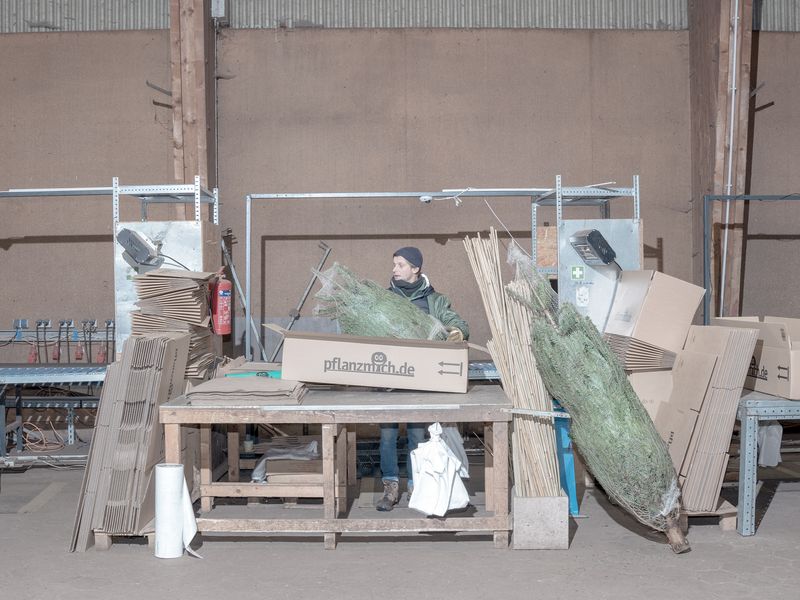
A worker at a tree nursery in Ellerbek, Schleswig-Holstein, Germany, is packing organic Christmas trees for shipping. Less than one percent of the approximately 29 million Christmas trees sold in Germany are grown according to organic standards. Over two-thirds of non-organic trees are treated with pesticides. These pesticides can be absorbed by people when the tree is indoors.

© Gil Bartz - Image from the Fragments of Climate Change photography project
i

Dog units from Hesse and all over Germany are helping to prevent the spread of African swine fever (ASF) in Hesse. In the area of Groß-Gerau district, where African swine fever was detected, the dogs are searching for dead animals.Due to globalization and climate change, we are also importing new and deadly infections from the most remote regions of the Earth.

© Gil Bartz - Image from the Fragments of Climate Change photography project
i

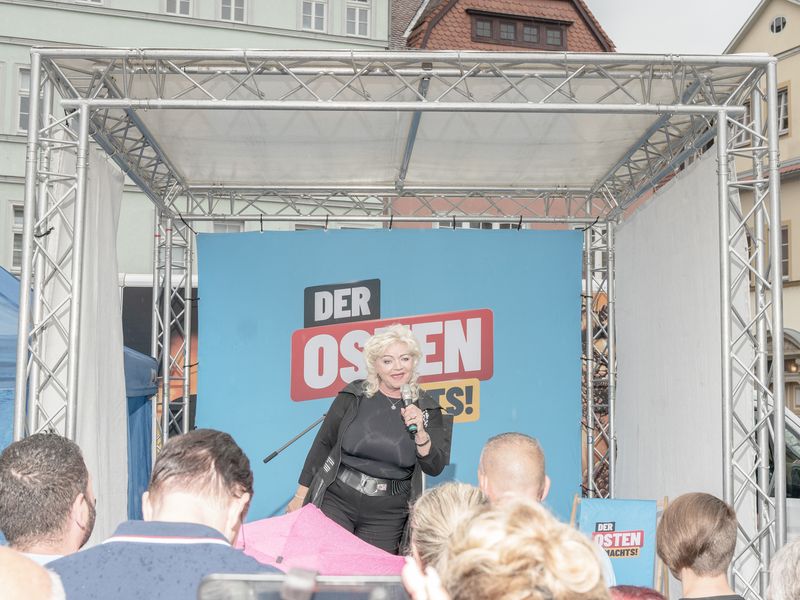
A summer festival of the right-wing party "Alternative for Germany" (AfD) two weeks before the state elections in Thuringia in Apolda, Germany. Since September 1, 2024, the AfD has been the strongest party in the state of Thuringia. The AfD also denies human-caused climate change and calls for the termination of all climate agreements.

© Gil Bartz - Image from the Fragments of Climate Change photography project
i

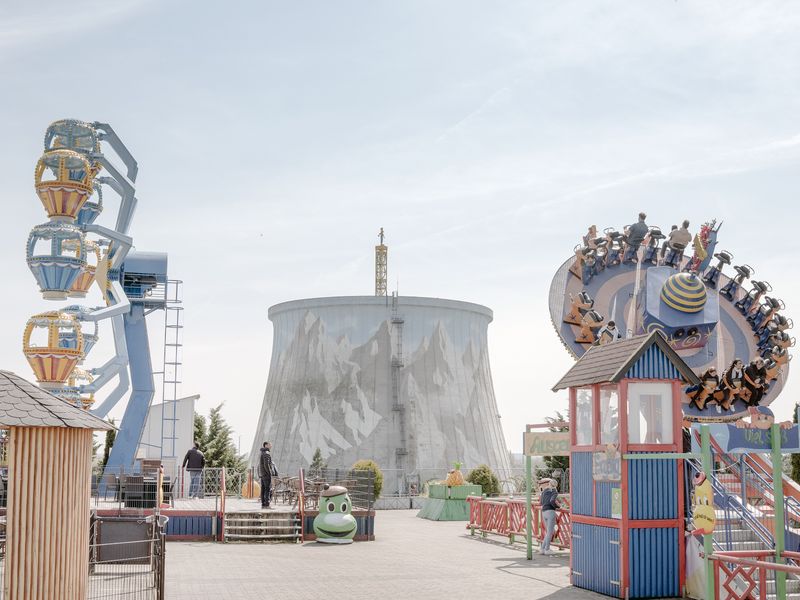
The former Kalkar nuclear power plant on the Lower Rhine, Germany was completed in 1985 but never went into operation. The project was discontinued in 1991 due to safety and political concerns. Later, the former nuclear power plant was bought and an amusement park was built on the site.

© Gil Bartz - Image from the Fragments of Climate Change photography project
i

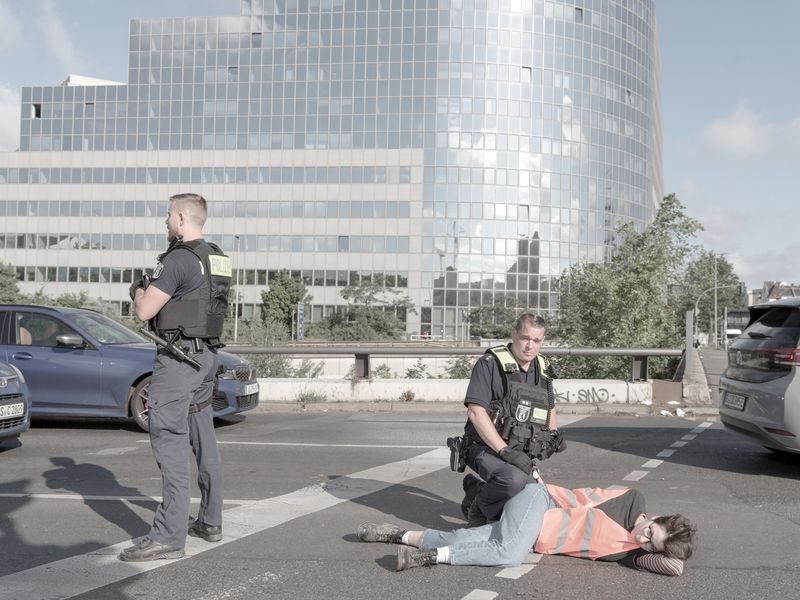
An activist is lying on the street. Her hand is glued to the pavement. Two police officers are guarding her. The activist's name is Lina and she is 19 years old and co-founder of the Last Generation. The Last Generation is an alliance of climate activists.

© Gil Bartz - Christian climate activists hold a service at the edge of the opencast mine in Lützerath, Germany.
i

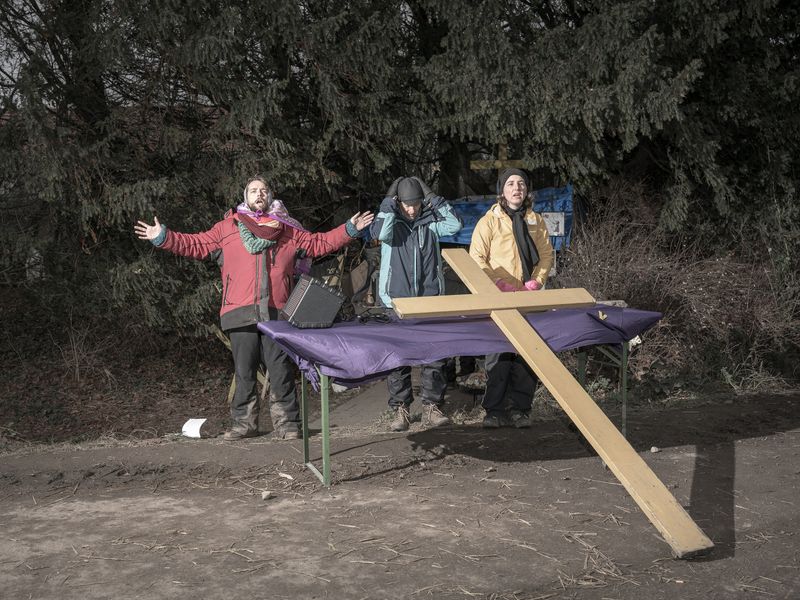
Christian climate activists hold a service at the edge of the opencast mine in Lützerath, Germany.

© Gil Bartz - Image from the Fragments of Climate Change photography project
i

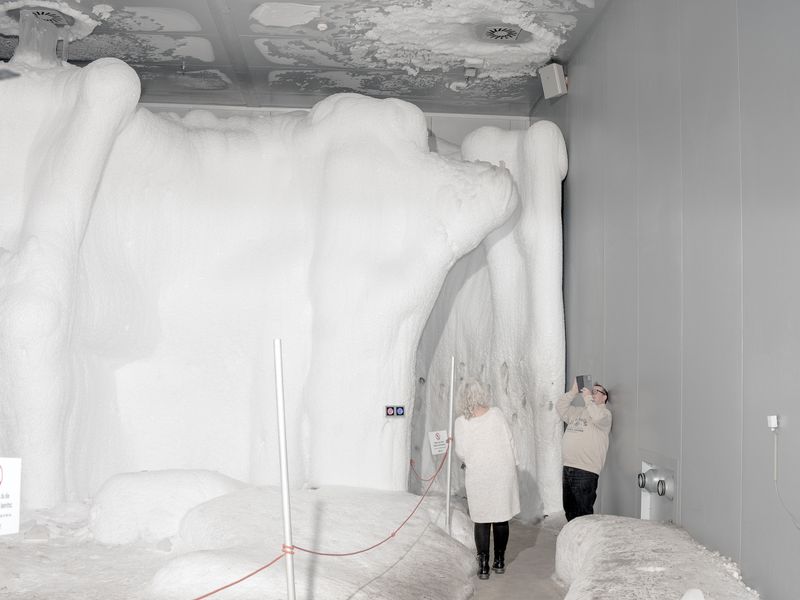
A man takes a photo of a woman in the Antarctica exhibition section of the Klimahaus in Bremerhaven, Germany. The Klimahaus is a globally unique experience center dedicated to the themes of climate, climate change, and weather. For scientists, Antarctica is an especially fascinating place, as the massive land ice sheets of the South Pole are a significant factor in the global climate system.

© Gil Bartz - Image from the Fragments of Climate Change photography project
i

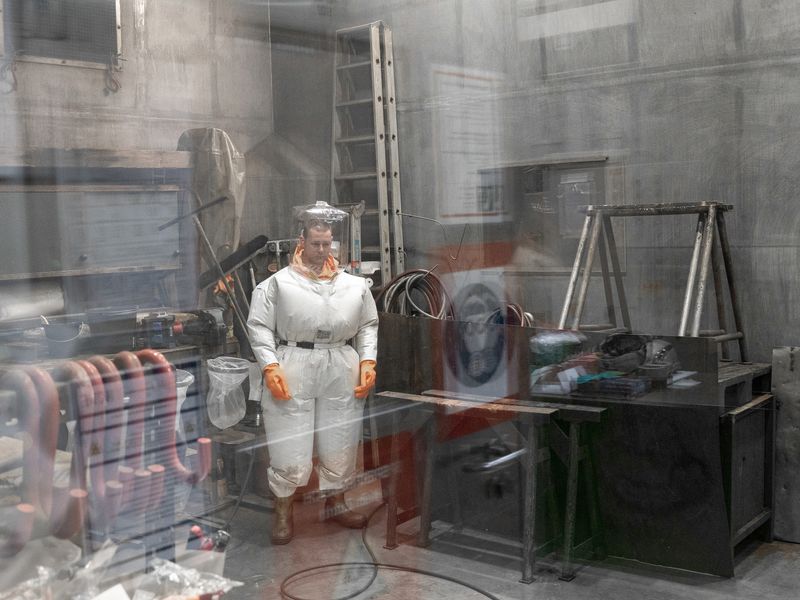
A worker dispose low-level radioactive material in Karlsruhe, Germany. Separate cabins with separate ventilation are available in a large processing hall. All work is carried out in these so-called caissons. The Nuclear waste disposal company Karlsruhe (KTE) is responsible for the dismantling of decommissioned nuclear facilities in Karlsruhe.

© Gil Bartz - Image from the Fragments of Climate Change photography project
i

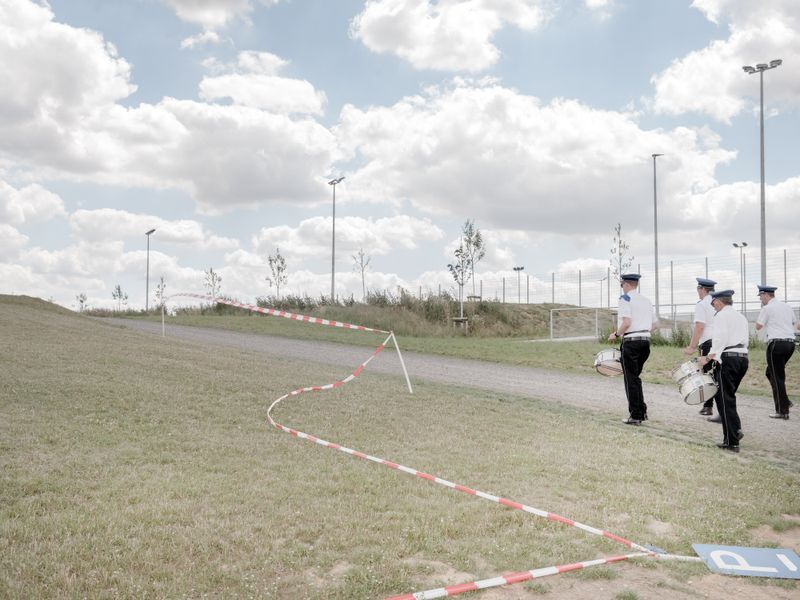
A rifle club marching in a parade. For many years, the village of Kuckum, Germany was home to the club. However, the village is set to be demolished to make way for a lignite mine. Most of the residents have already relocated to a newly built village a few kilometers away.

© Gil Bartz - Image from the Fragments of Climate Change photography project
i

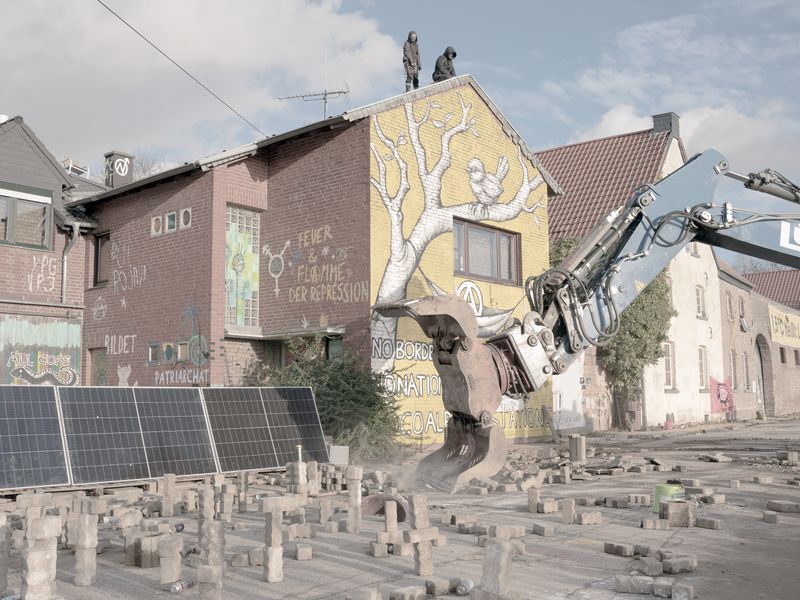
Activists stand on a roof and watch as an excavator tears away street barricades in Lützerath, Germany.In order to safe houses of the residents activist climb on the roofs.Lützerath was a small village in the North Rhine-Westphalia lignite mining area and was demolished by the energy giant RWE in January 2023 in order to get to the lignite underneath.

© Gil Bartz - Image from the Fragments of Climate Change photography project
i

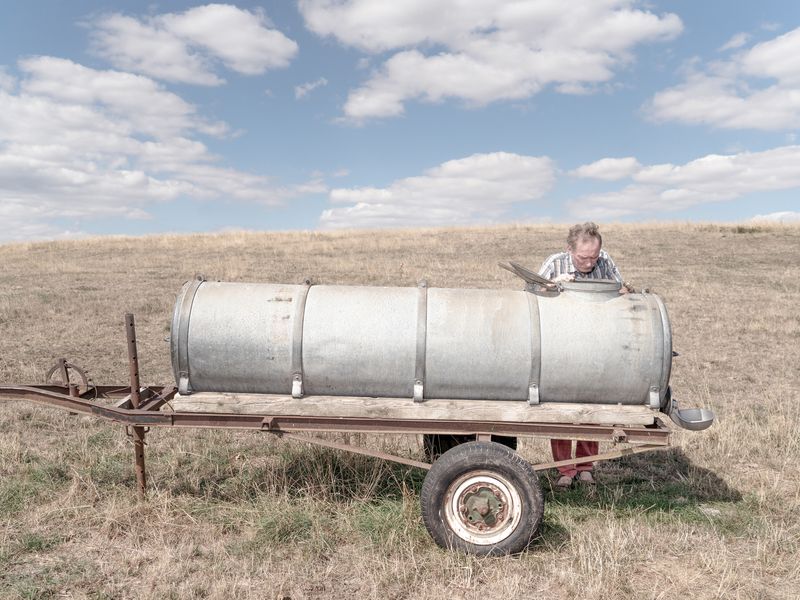
Peter Hamel checks a water tank that is on his grassland in Schotten, Germany. He is an organic farmer and has around 70 dairy cows. Usually the cows are out in the pasture until mid-November. Due to the drought in 2022, the cows have been in the barn since mid-July and have to be fed with the winter supplies. These are additional costs of up to 20.000€ for the farmer.

© Gil Bartz - Image from the Fragments of Climate Change photography project
i

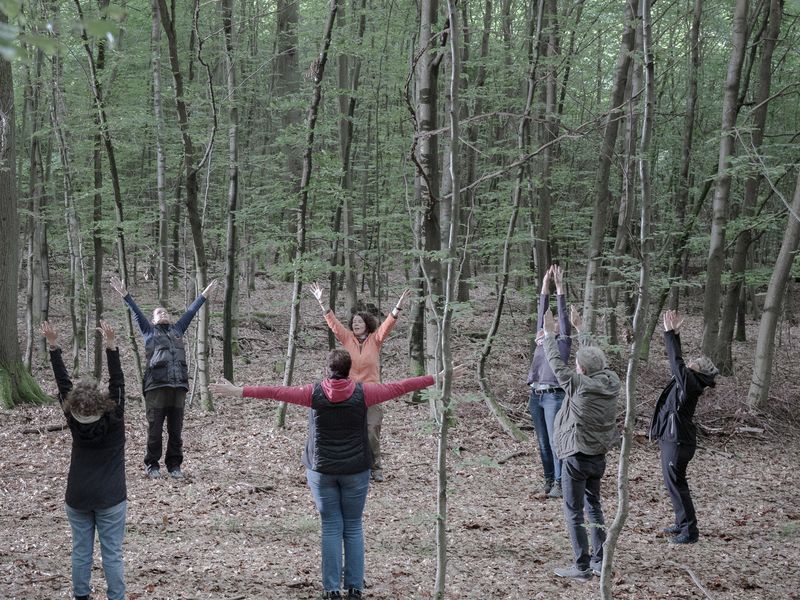
A group of people practice Japanese forest bathing (Shinrin-Yoku) in a forest in Hesse, Germany. Shinrin-Yoku, Japanese for “bathing in the forest,” is praised in Japan as part of a healthy lifestyle. The local forestry ministry coined the term in 1982. Shinrin-Yoku means immersing yourself in the silence and untouched ness of the forest with all your senses.

© Gil Bartz - Image from the Fragments of Climate Change photography project
i

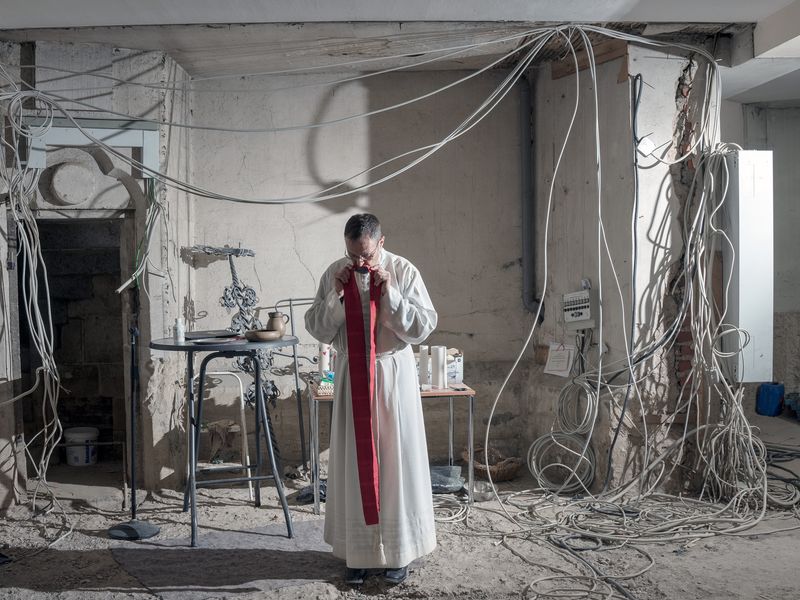
Pastor Jörg Meyrer is preparing for service in his church in Bad Neuenahr-Ahrweiler, Germany that was destroyed by flooding. On the night of July 15, 2021, a huge flood overwhelmed the Ahr Valley in Rhineland-Palatinate, killing 134 people.

© Gil Bartz - Image from the Fragments of Climate Change photography project
i

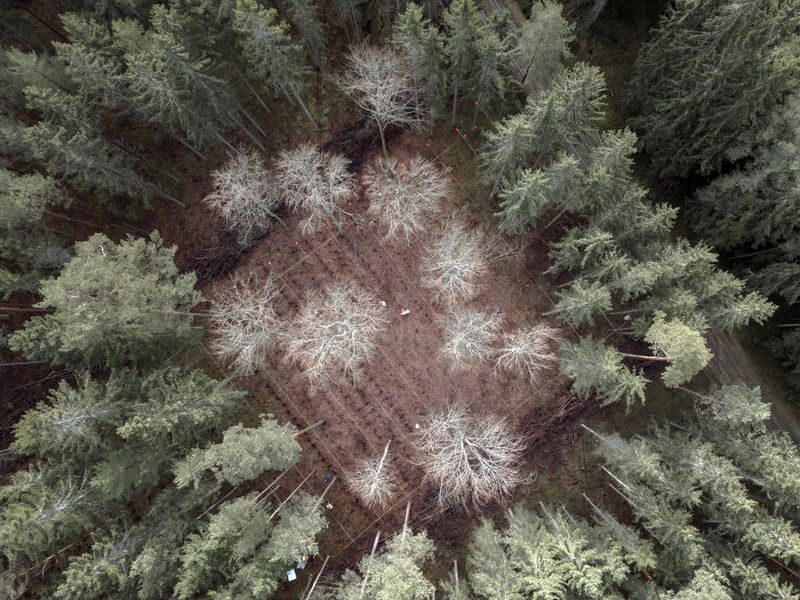
The Technical University of Munich in Germany is planting 50,000 trees in a test area in the Bavarian Forest, Germany. Scientists are observing which species of trees will be suitable for a changing climate in the next few decades in Germany.

© Gil Bartz - Image from the Fragments of Climate Change photography project
i

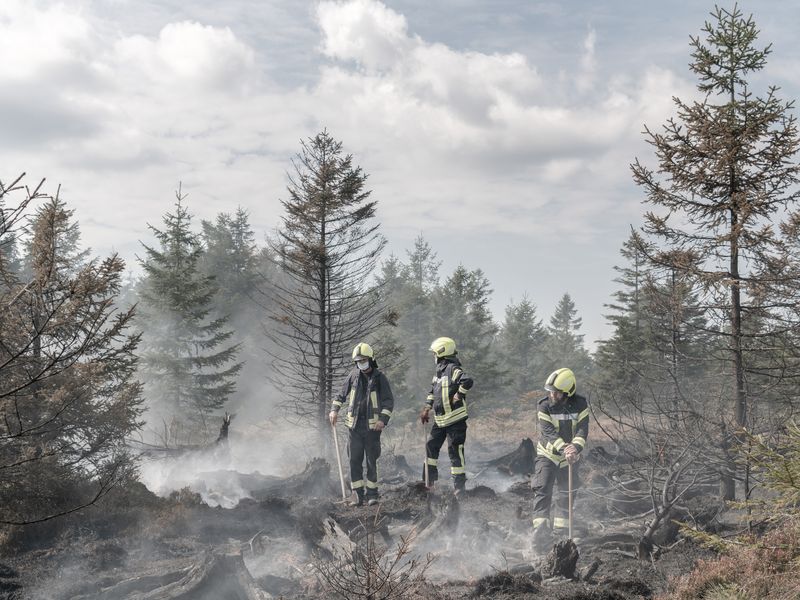
Firefighters take a short break standing on a large underground ember nest in the National Park Harz, Germany. In September 2022 a fire broke out in the Harz National Park. The affected area was hardly accessible for normal fire service vehicles. In addition, Germany has little experience with wildfire and no special equipment such as fire-fighting aircrafts.