Fragile as Glass: LGBTQ+ people in the Russian invasion against Ukraine.
“Fragile as glass” is a long-term photographic essay following the fates of different queer realities in Ukraine.

In Ukraine, the LGBTQI* -community has recently been more visible than ever. This is threatened, since the Russian army started invading in February 2022. In the Russian Federation, there is a homophobic and transphobic social climate. According to US officials, there is a list of LGBTQI*-activists to be arrested circulating amongst Russian troops. Therefore several queer Ukrainians go to war despite homophobic incidents in the army. Others try to continue their political work or simply cope with life in the country at war. Various young queer Ukrainians say their sexuality now plays a lesser role.

"I worry more about getting killed by a Russian rocket than being judged for kissing my boyfriend", Yehor (20) says. On the first days of the invasion, the film student fled from Kyiv to Lviv, in the west of the country. Yehor’s family lives on the front line in Nikopol. Besides leaving home, the war affects his libido, he says. Relationships though become more important and intense, he adds. After six months, he moved back to Kyiv with his boyfriend. Following a dispute, Yehor crashes at friends for months, until he finds an affordable flat. The ongoing war is palpable in the city. Repeatedly missiles strike. Electricity is scarce and power cuts are supposed to uphold the functionality of the highly damaged system. Many flats are cold, as heaters use electric power.

Sasha (21), Yeva-Lotta (19) and Sasha (22) from Lviv share the burden. Just 80 kilometers from the European border the power supply has long been unreliable. Yeva-Lotta says she is mostly angry. Sasha reports she feels much older and adultish now, but psychologically suffers from the war. Air alarms, lack of electricity, and dark shelters stress her out, she says. She is a physiotherapist and treats soldiers coming from the front. The ongoing war has shown the three how precious each day and time with the people they love is, they say.

Not everyone has an option to find a shelter. Therefore the NGO KyivPride which advocates for queer peoples’ rights, runs a safe space in the capital. Nonbinary Edward Reese (37) is a project assistant at KyivPride. The war had a direct influence on Reese’s plans for transition. Top surgery was planned in Kyiv in March. Upon the invasion, Reese fled to Denmark and had the surgery in Malmo, Sweden, in May. In October, Reese returned to Kyiv. "When you might die every day, it's important to have valid documents. It's the main issue for me being trans in this war", Reese says, wishing to continue with the transition. Reese hesitates about starting hormone therapy because the hormones could become inaccessible at any time. The transition is once again at stake.

“Fragile as Glass” is a long-term photographic essay following the fates of different queer realities in Ukraine. The work aims to not only show the typical photos that dominate during war times. A big thank you for the support during the realization of my project goes to the members of my journalist collective Freelance Underground. The photo essay was awarded with the Residence Prize at the Portraits Hellerau Photography Award. The photo series was exhibited at the "Helsinki Photofestival" in 2023. Most recently, the essay was honored at the LensCulture Emerging Talents Award and will be exhibited as part of the winning exhibition in New York (2024). The photo essay was published as a book by Kettler Publishing house in April 2024.

© Sitara Thalia Ambrosio - Image from the Fragile as Glass: LGBTQ+ people in the Russian invasion against Ukraine. photography project
i

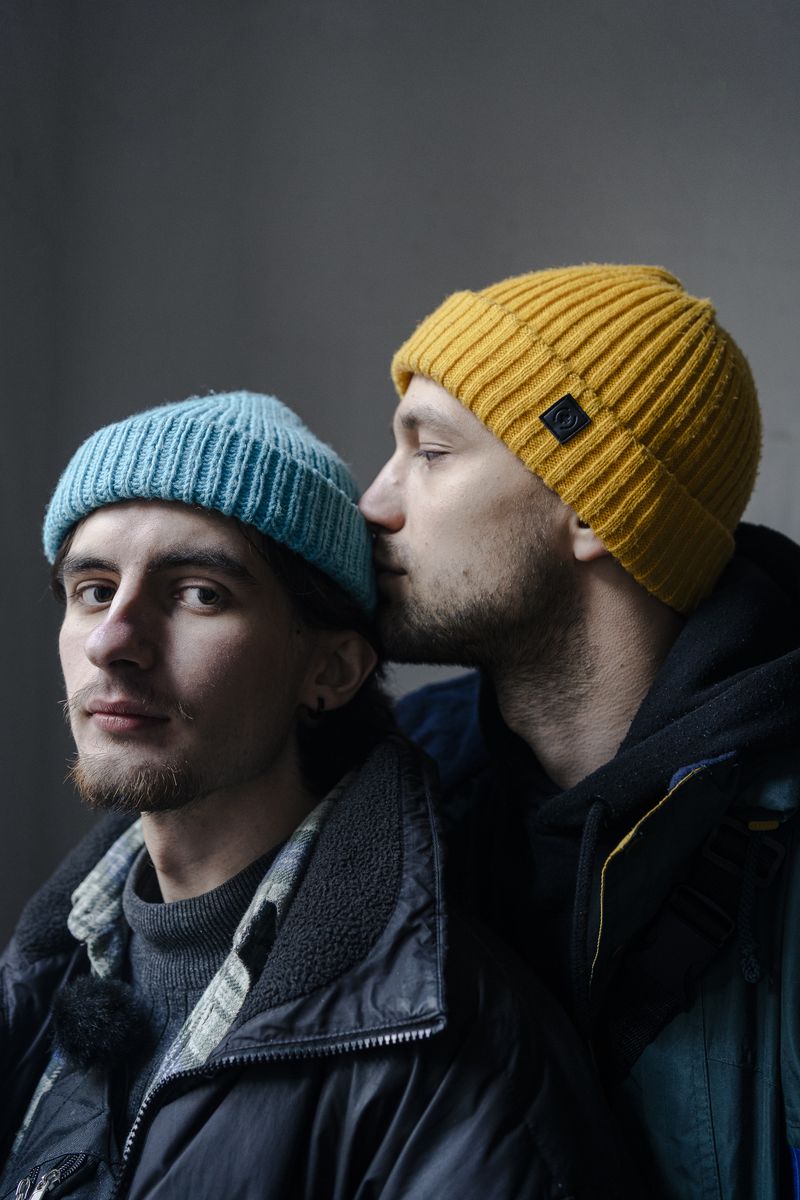
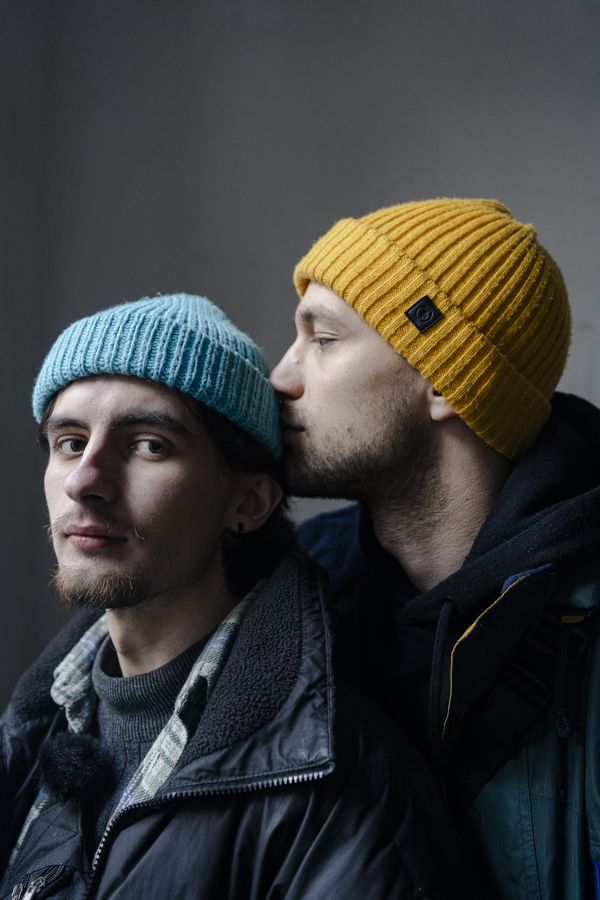
Yehor H. (left), 20, and his boyfriend Andrew (right), 24, normally live in Kyiv, but fled to Lviv in western Ukraine during the first weeks of the Russian invasion. Andrew is currently writing his doctoral thesis in film directing. Yehor just started the same studies last year.

© Sitara Thalia Ambrosio - Image from the Fragile as Glass: LGBTQ+ people in the Russian invasion against Ukraine. photography project
i

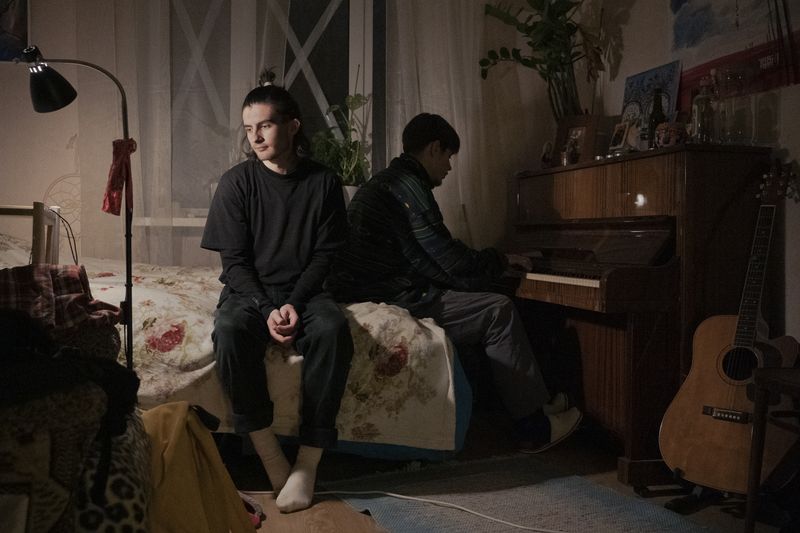
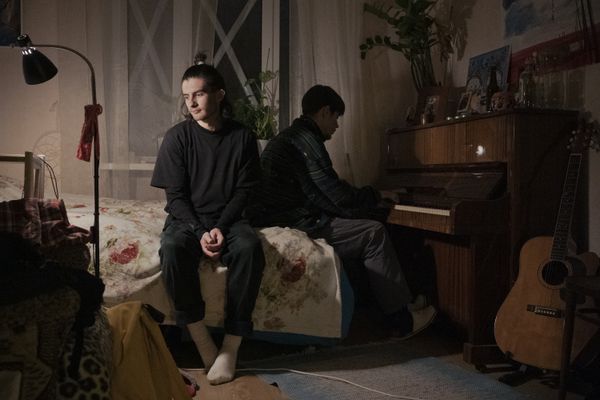
Yehor H. is sitting on the bed next to his friend Arkedii. For the last few weeks, Yehor H. has been living here in Arkedii's apartment. After coming back to the capital with his boyfriend Andrew in summer, their relationship has not always been easy. Living together didn't work anymore and Yehor H. had to move out. Finding a place to live during the ongoing war is very difficult.

© Sitara Thalia Ambrosio - Image from the Fragile as Glass: LGBTQ+ people in the Russian invasion against Ukraine. photography project
i

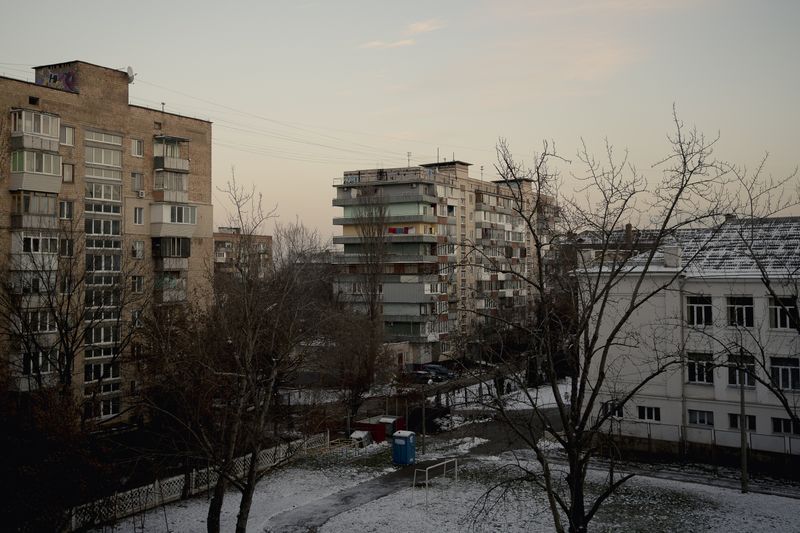
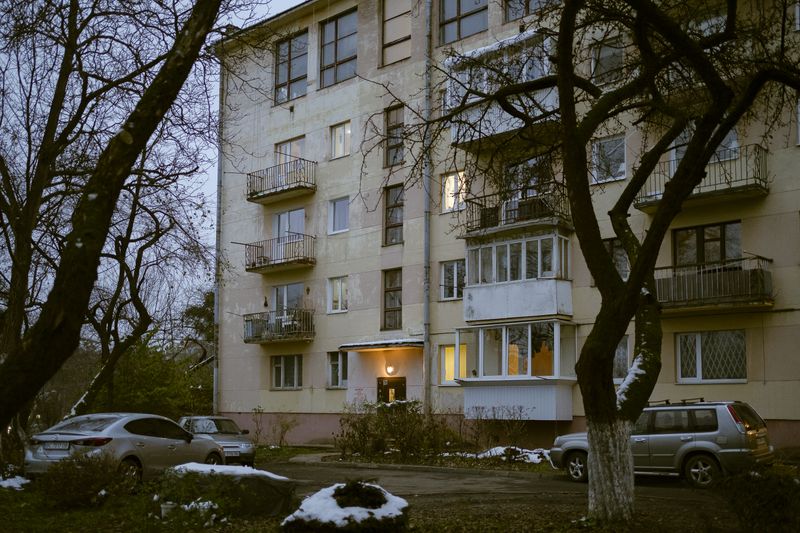
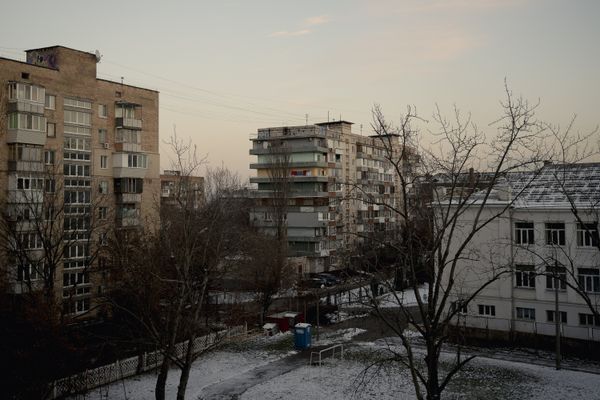
The view from the balcony of the apartment blocks in front of Yehor H.’s new home. After months of searching, he finally found a room in a shared flat in the beginning of december. He now lives in one of his favorite neighborhoods in Kyiv.

© Sitara Thalia Ambrosio - Image from the Fragile as Glass: LGBTQ+ people in the Russian invasion against Ukraine. photography project
i

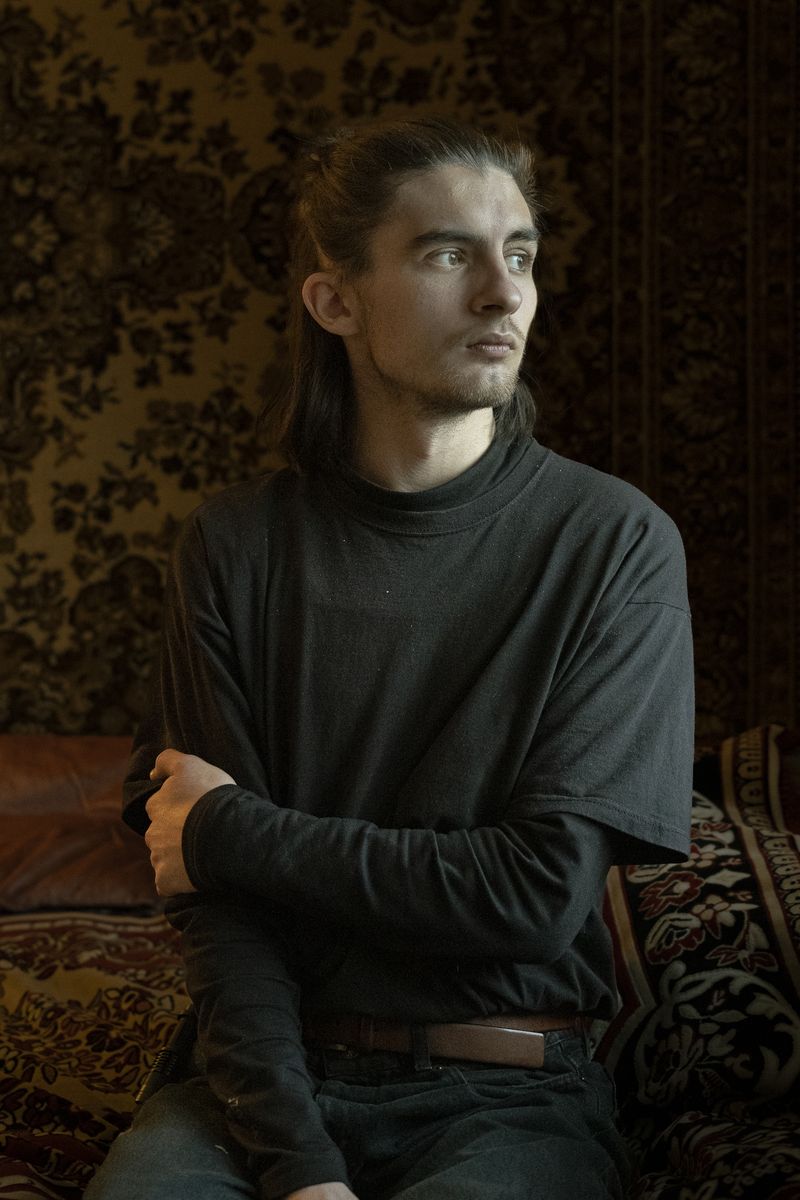
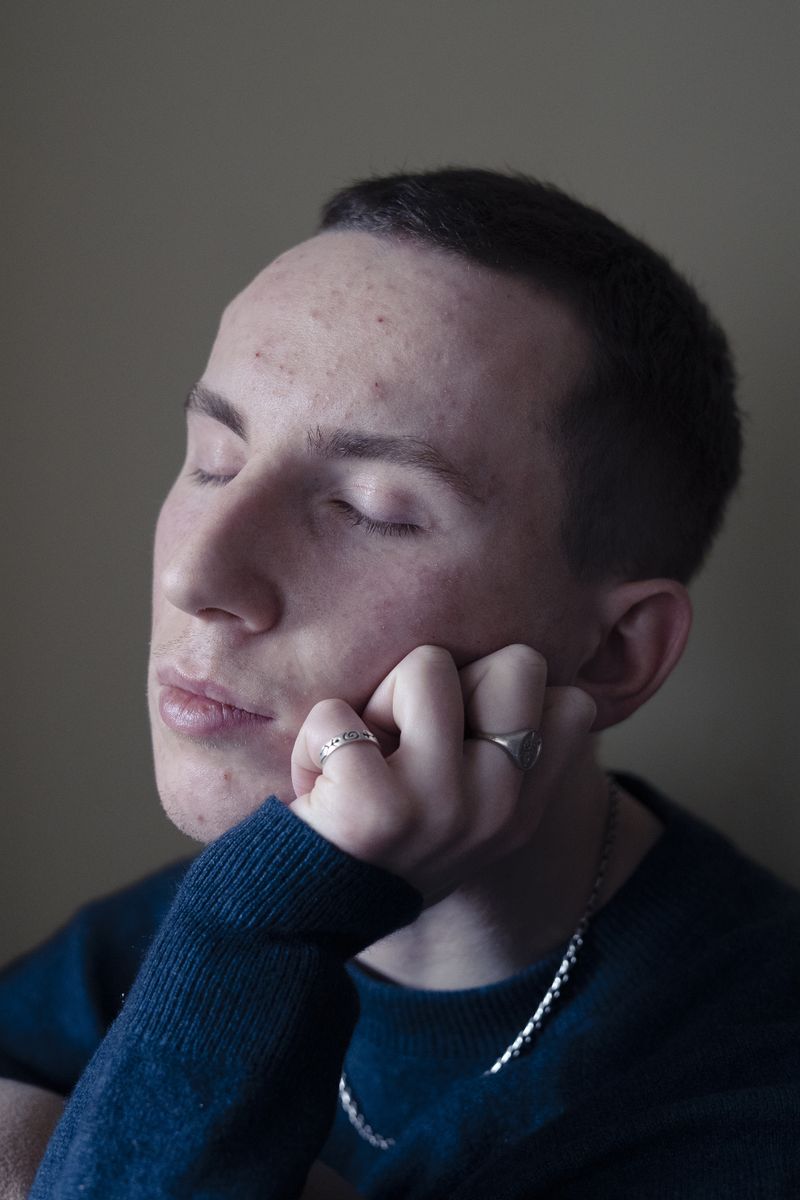
Yehor H., 20 years old. Kyiv, December 2022: “Before autumn, the impact of war on my life was primarily characterized by the constant fear of air sirens and missiles, but now it affects me on a daily basis, especially during power outages when I return to my dark and cold apartment. Lying under the blanket becomes a way to shield myself from overwhelming feelings of emptiness and loneliness."

© Sitara Thalia Ambrosio - Image from the Fragile as Glass: LGBTQ+ people in the Russian invasion against Ukraine. photography project
i

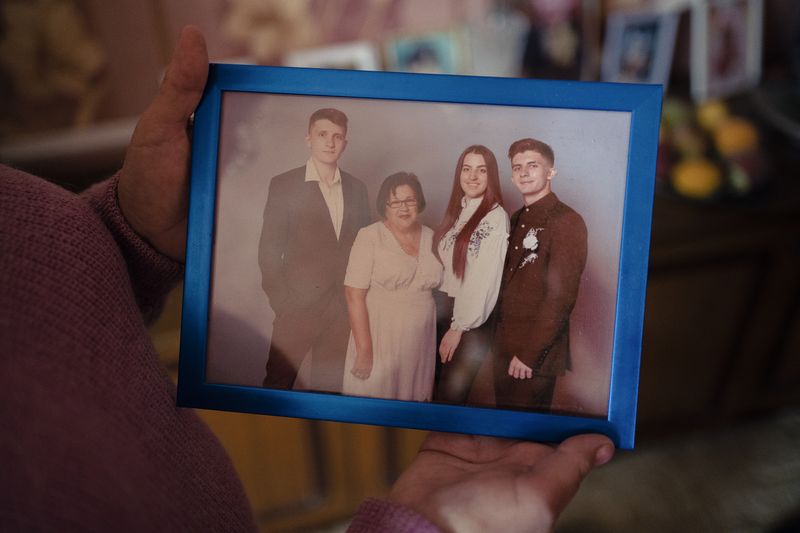
Yehor's grandmother Liubov H. (70) holds a picture, which shows Yehor and his family. He grew up in her apartment in Nikopol. During his time looking for a new flat, he would have liked to come here to rest and find time for himself. But the city is located near the front. Artillery shelling and air raids are part of everyday life.

© Sitara Thalia Ambrosio - Image from the Fragile as Glass: LGBTQ+ people in the Russian invasion against Ukraine. photography project
i

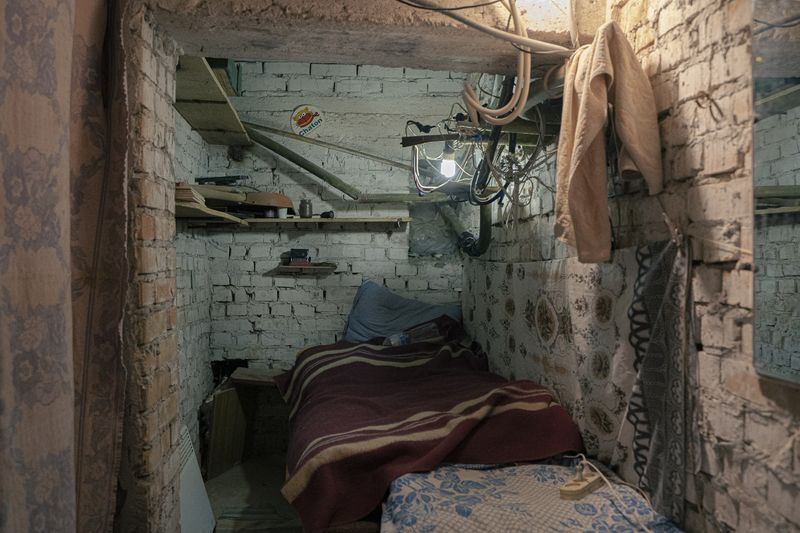
The basement of the house where Yehor H. grew up. These days it serves his grandparents as a place to sleep and bombshelter. Since a shrapnel broke the windows of the balcony, they no longer dare to spend the night in their bedroom. Yehor worries about them every day and night.

© Sitara Thalia Ambrosio - Image from the Fragile as Glass: LGBTQ+ people in the Russian invasion against Ukraine. photography project
i

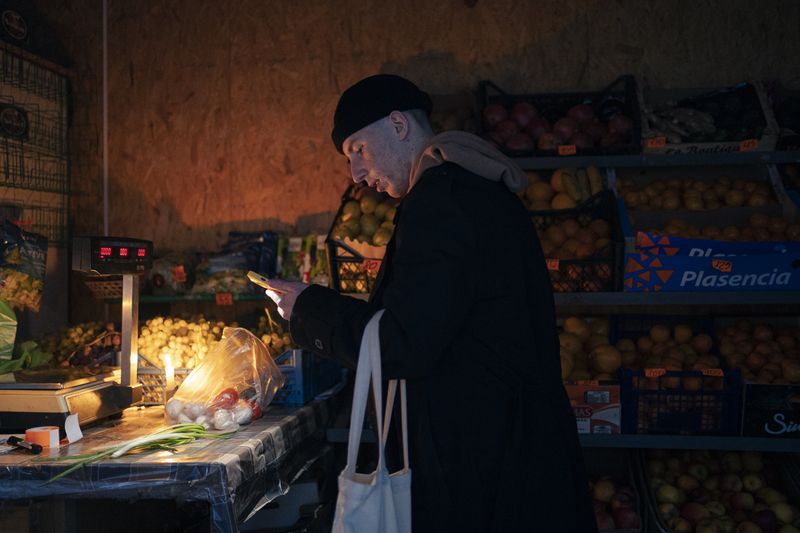
Since 2022, Russia has been attacking vital infrastructure such as energy suppliers with air strikes. The result is constant power outages throughout most of the country. Sasha N. also feels the effects in western Ukraine. In a small supermarket in Lviv, he buys fruits and vegetables while the power is completely cut for several hours.

© Sitara Thalia Ambrosio - Image from the Fragile as Glass: LGBTQ+ people in the Russian invasion against Ukraine. photography project
i

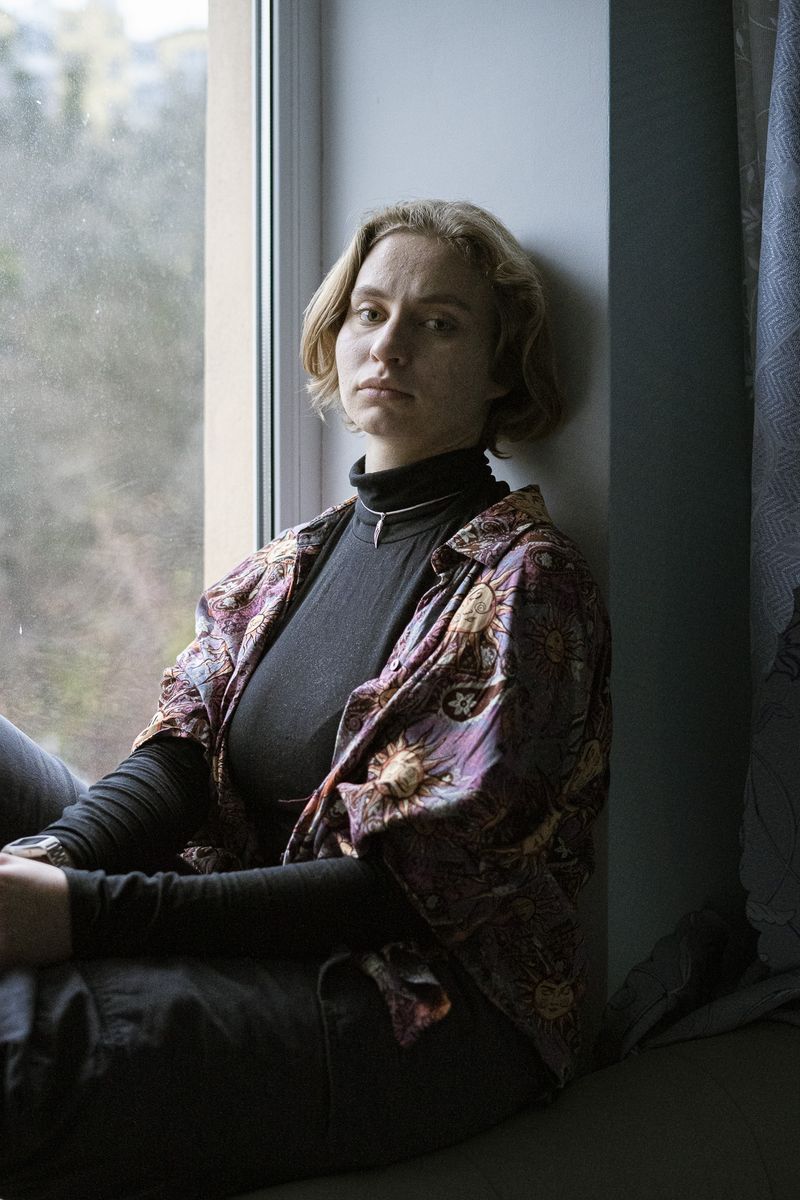
Sasha N, 22 years old. Lviv, December 2022: "I worry about queer people in Ukraine, because, to me, it feels like a small family, and we all have to support each other. Especially during the war, LGBTQI+ individuals have emerged as a significant source of strength for both LGBTQI+ civilians and the military."

© Sitara Thalia Ambrosio - Image from the Fragile as Glass: LGBTQ+ people in the Russian invasion against Ukraine. photography project
i

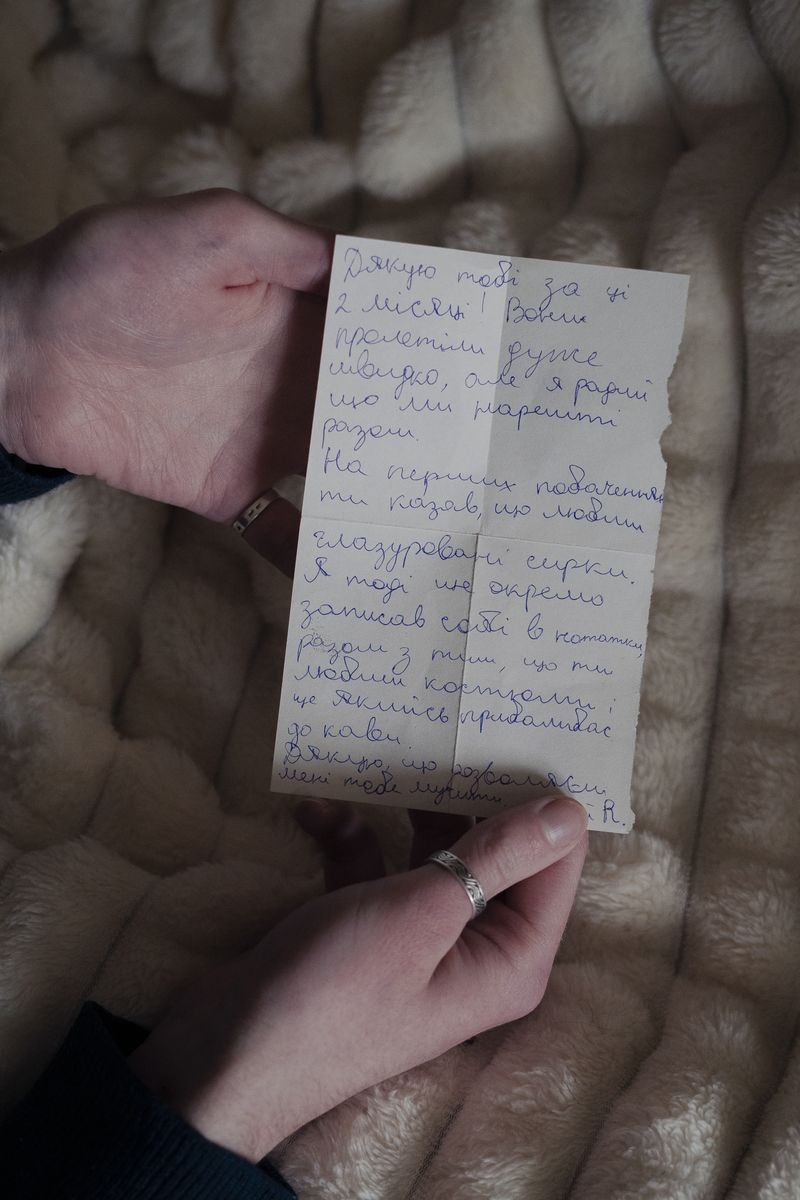
Sasha N. met his boyfriend Roman in the first weeks of the war. Sasha always carries a love letter from that time in his cell phone case. The two give each other support in times of war.

© Sitara Thalia Ambrosio - Image from the Fragile as Glass: LGBTQ+ people in the Russian invasion against Ukraine. photography project
i

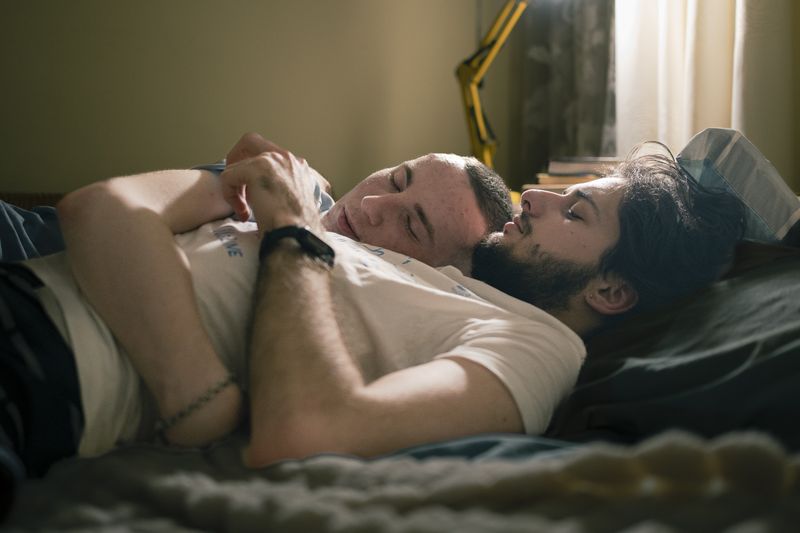
Sasha N. and his boyfriend Roman lie together in bed and cuddle. Sasha does not always show his love openly. Out of fear of hostility, he is careful talking about his sexual orientation.

© Sitara Thalia Ambrosio - Image from the Fragile as Glass: LGBTQ+ people in the Russian invasion against Ukraine. photography project
i

Sasha N. lives together with his best friend, also named Sasha. Their apartment is located on the outskirts of Lviv. The area is more affordable and therefore attracts young people. Since many refugees from the east moved to the west of the country, some landlords in Lviv raised the rent significantly to make a business out of necessity.

© Sitara Thalia Ambrosio - Image from the Fragile as Glass: LGBTQ+ people in the Russian invasion against Ukraine. photography project
i

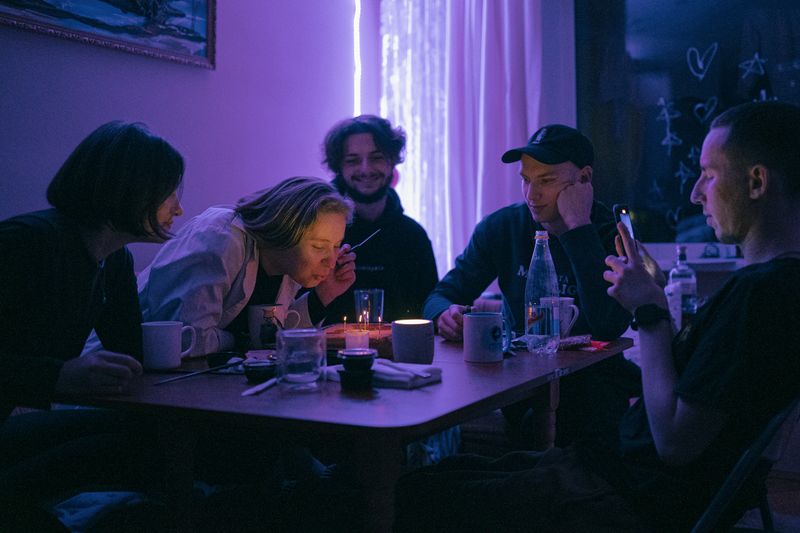
Sasha N. celebrates her 21st birthday together with her roommates in their shared apartment. The group of friends ordered sushi and bought alcohol. Sasha says that it's moments like this that have become particularly important to her, since the beginning of the war. Such little ones like to celebrate birthdays with their friends.

© Sitara Thalia Ambrosio - Image from the Fragile as Glass: LGBTQ+ people in the Russian invasion against Ukraine. photography project
i

Sasha N., 21 years old. Lviv, December 2022: “Everything has changed. I’ve stopped planning my next day. I now truly cherish light, warmth, connections, my friends, my family, and my job. The war has changed everything, yet it has also revealed the most important things in the world to me. Amid the struggles brought by the war, such as depression, anxiety, and PTSD."

© Sitara Thalia Ambrosio - Image from the Fragile as Glass: LGBTQ+ people in the Russian invasion against Ukraine. photography project
i

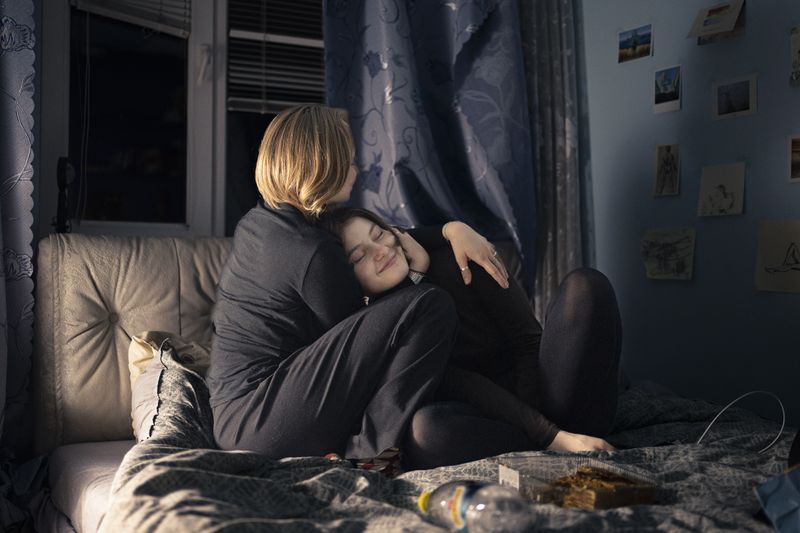
Sasha N. and her friend Olena are lying in each other's arms on Sasha's bed. The two have known each other for many years and are best friends. Olena is currently studying in Germany, while Sasha continues to work here in Lviv.

© Sitara Thalia Ambrosio - On Sasha N.'s shelf next to her bed there are Polaroid photos from the time before war.
i

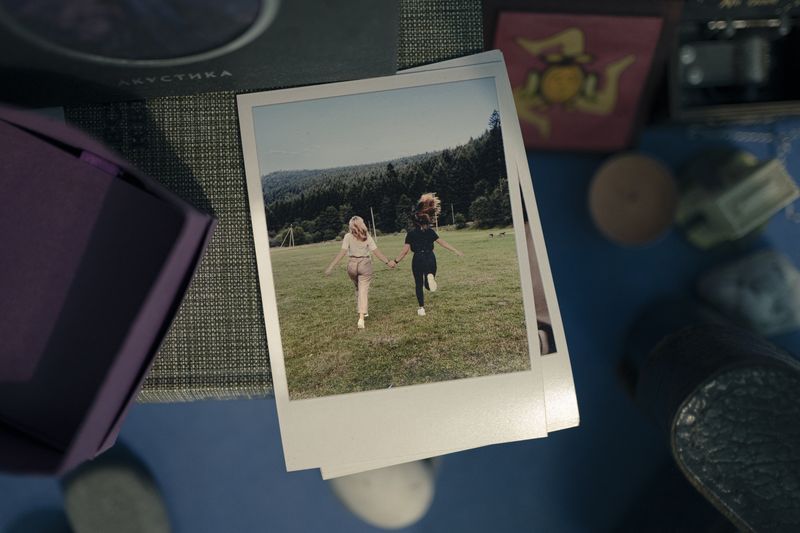
On Sasha N.'s shelf next to her bed there are Polaroid photos from the time before war.

© Sitara Thalia Ambrosio - Image from the Fragile as Glass: LGBTQ+ people in the Russian invasion against Ukraine. photography project
i

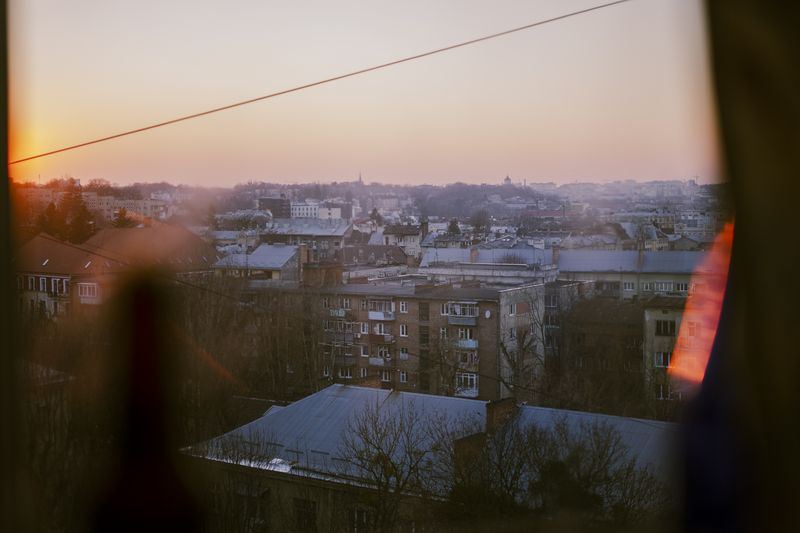
A sunset in front of the kitchen window of Yeva Lotta Y.'s apartment. At the beginning of the Russian invasion in March, she had housed acquaintances and friends in the apartment who had to flee from the East.

© Sitara Thalia Ambrosio - Image from the Fragile as Glass: LGBTQ+ people in the Russian invasion against Ukraine. photography project
i

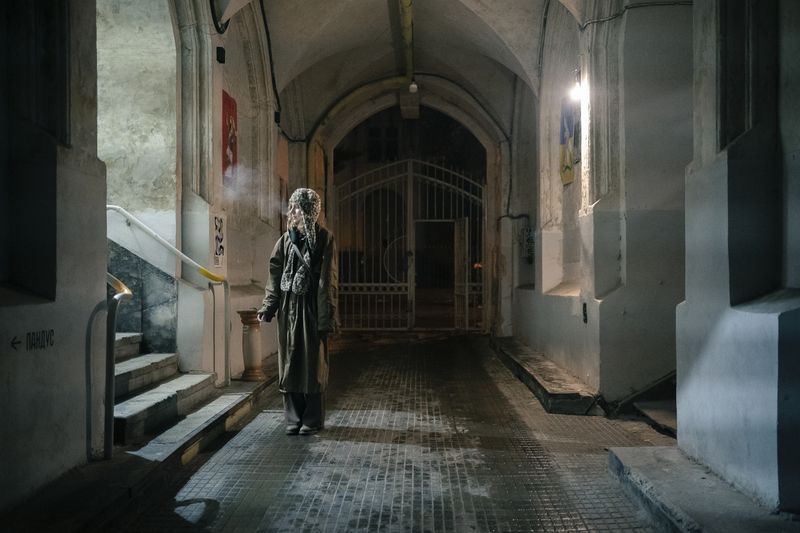
Yeva Lotta Y. stands outside one of her favorite cafés in Lviv and smokes. The café is a place for art and always has changing exhibitions. Thanks to a power generator, there usually is electricity even during blackouts. Yeva Lotta emphasizes that art is very important to her because she can express herself in this way.

© Sitara Thalia Ambrosio - Image from the Fragile as Glass: LGBTQ+ people in the Russian invasion against Ukraine. photography project
i

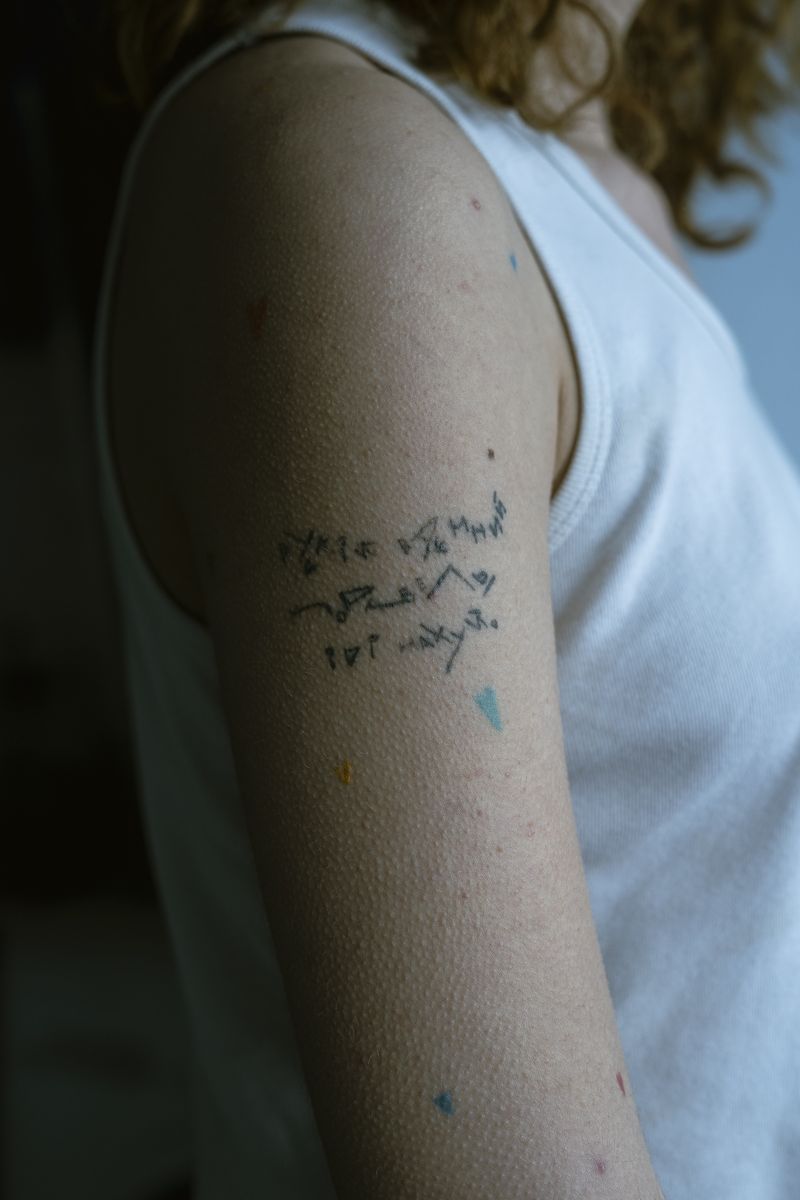
A friend stung Yeva-Lotta a tattoo the first weeks of the war. Translated, it says something like "Russian war ship go and fuck yourself." The phrase is well known in Ukraine because it was the final message sent to the Russian missile cruiser Moskva by Border Guard Roman Hrybov on February 24, 2022, during the Russian attack on Snake Island in Ukrainian territorial waters.

© Sitara Thalia Ambrosio - Image from the Fragile as Glass: LGBTQ+ people in the Russian invasion against Ukraine. photography project
i

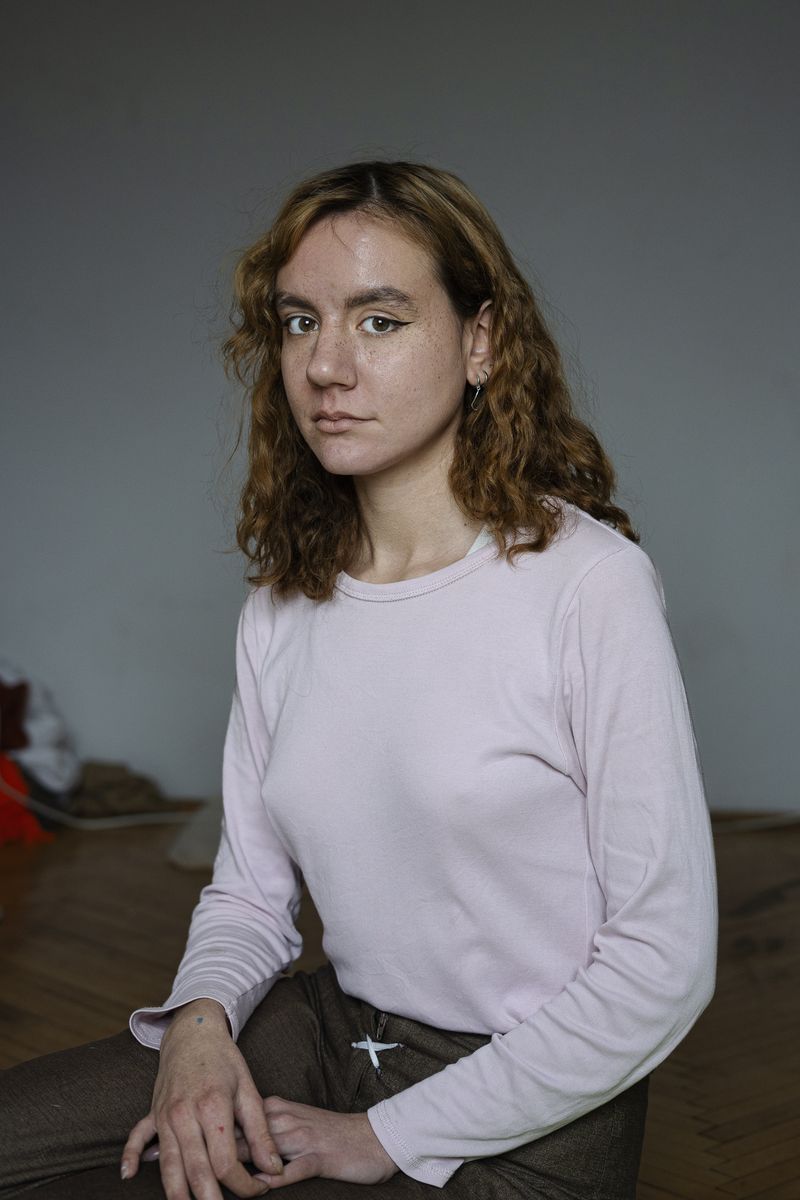
Yeva Lotta Y, 19 years old. Lviv, March 2022: “Putin‘s occupation of our territories would mean not only the loss of the land itself but the forfeiture of everything we hold dear as a nation, first and foremost our freedom. I see no reason to continue living without my freedom, as most Russians do. I don’t want anyone else to dictate decisions for me. I want to make them myself."

© Sitara Thalia Ambrosio - Image from the Fragile as Glass: LGBTQ+ people in the Russian invasion against Ukraine. photography project
i

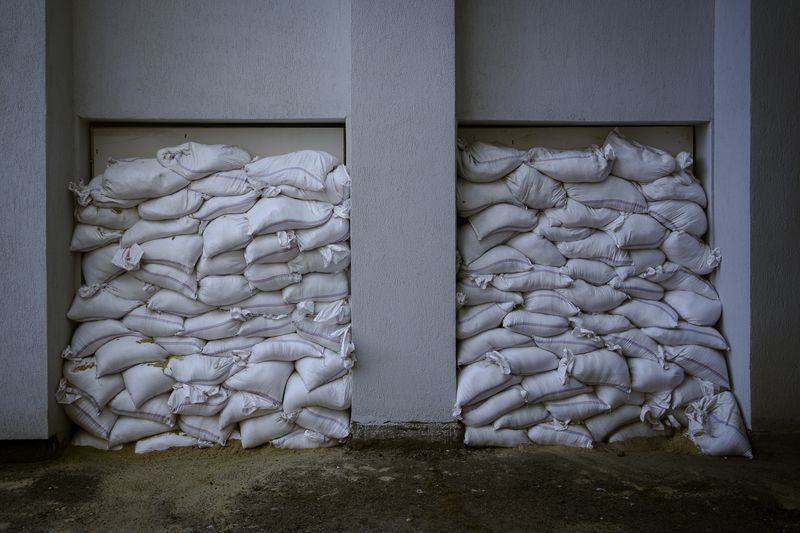
In large parts of the country sandbags protect buildings from splinters of possible missile impacts. This is also the case in front of the children's hospital in Lviv.