Four to the Dirt
-
Dates2023 - 2025
-
Author
- Location Apulia, Italy
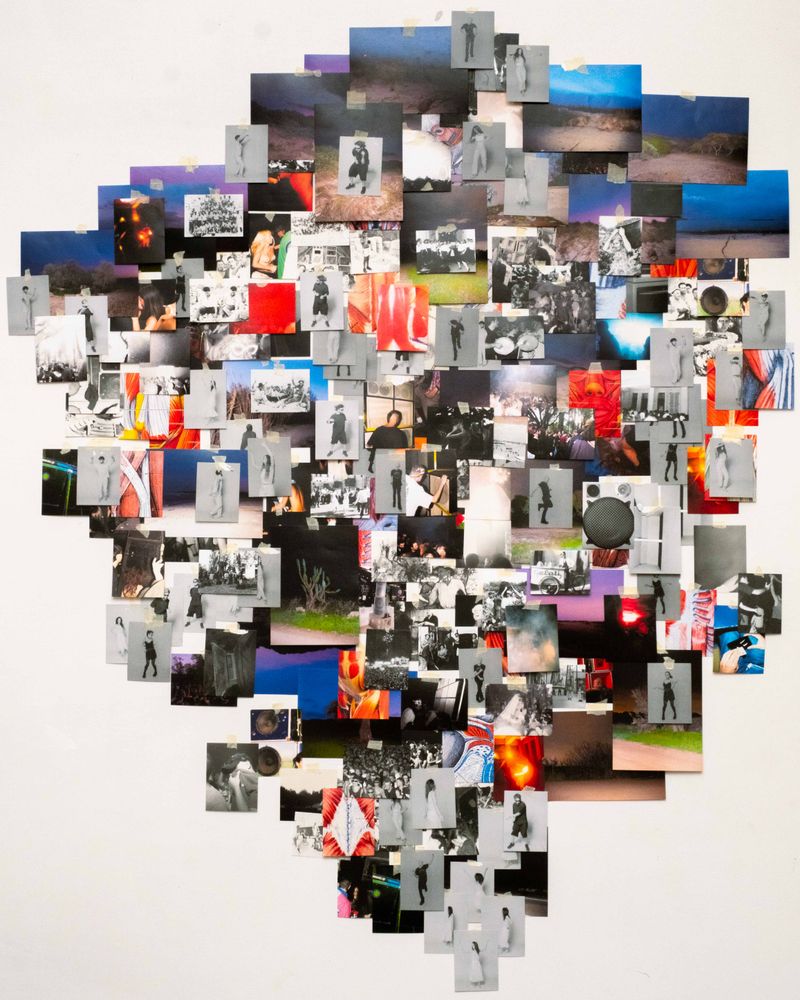
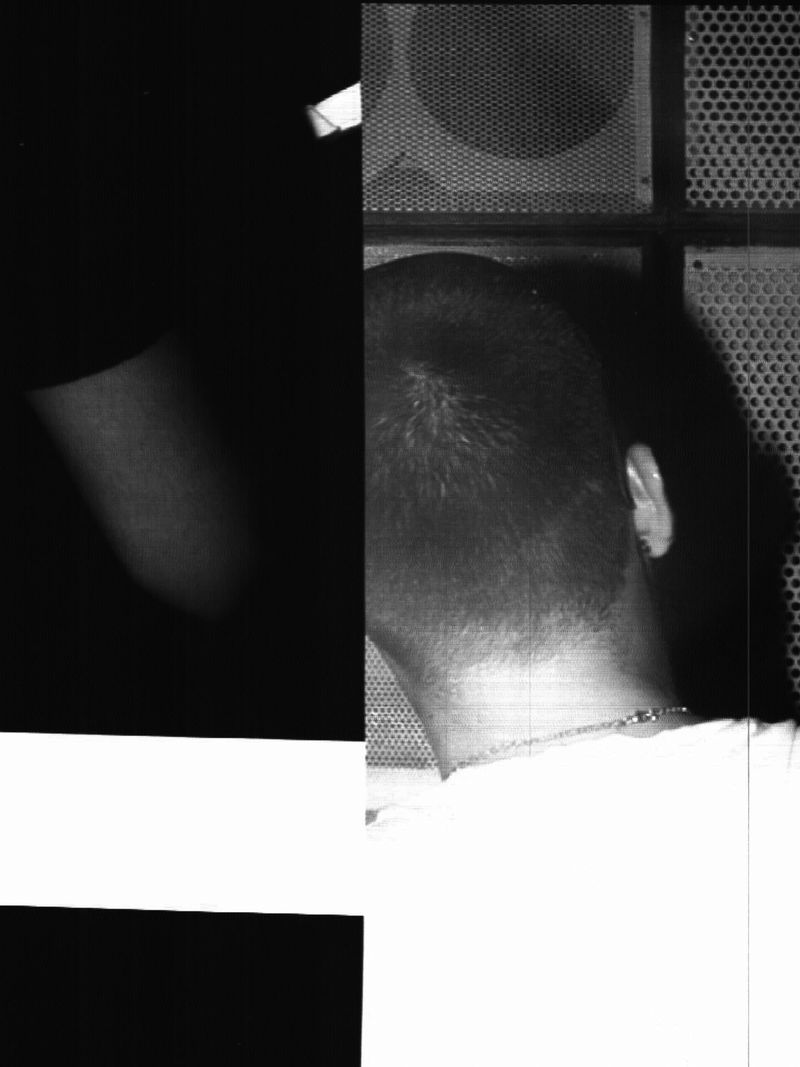
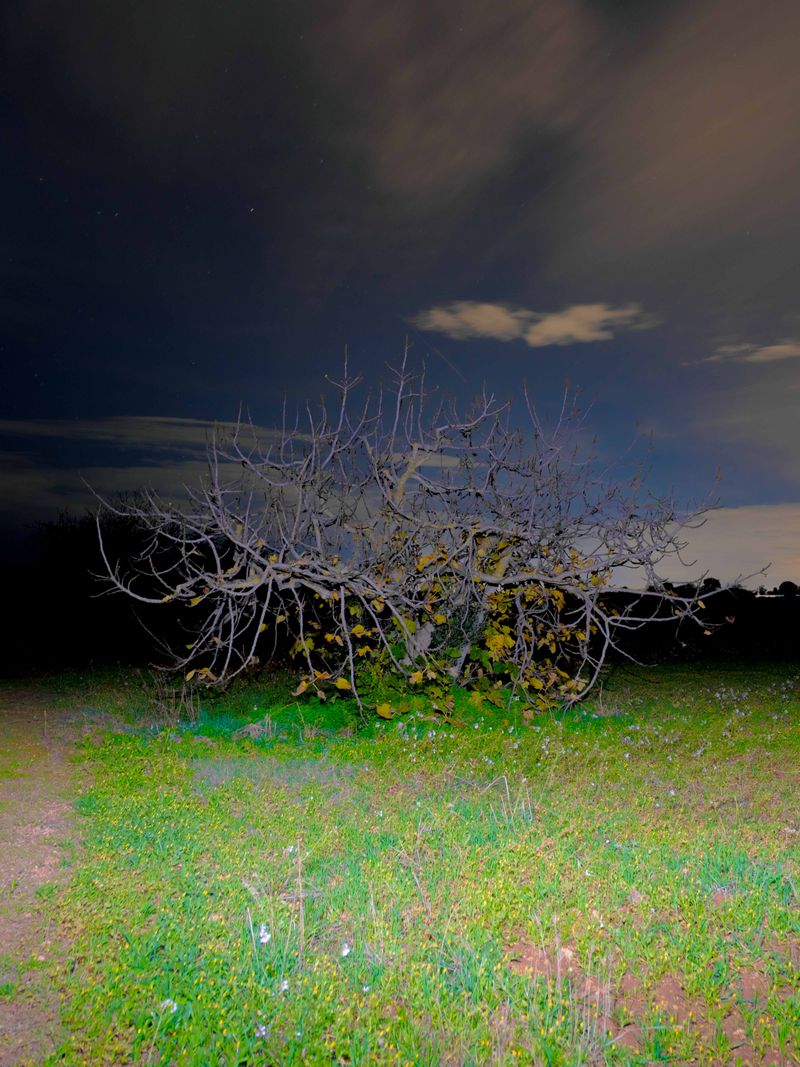
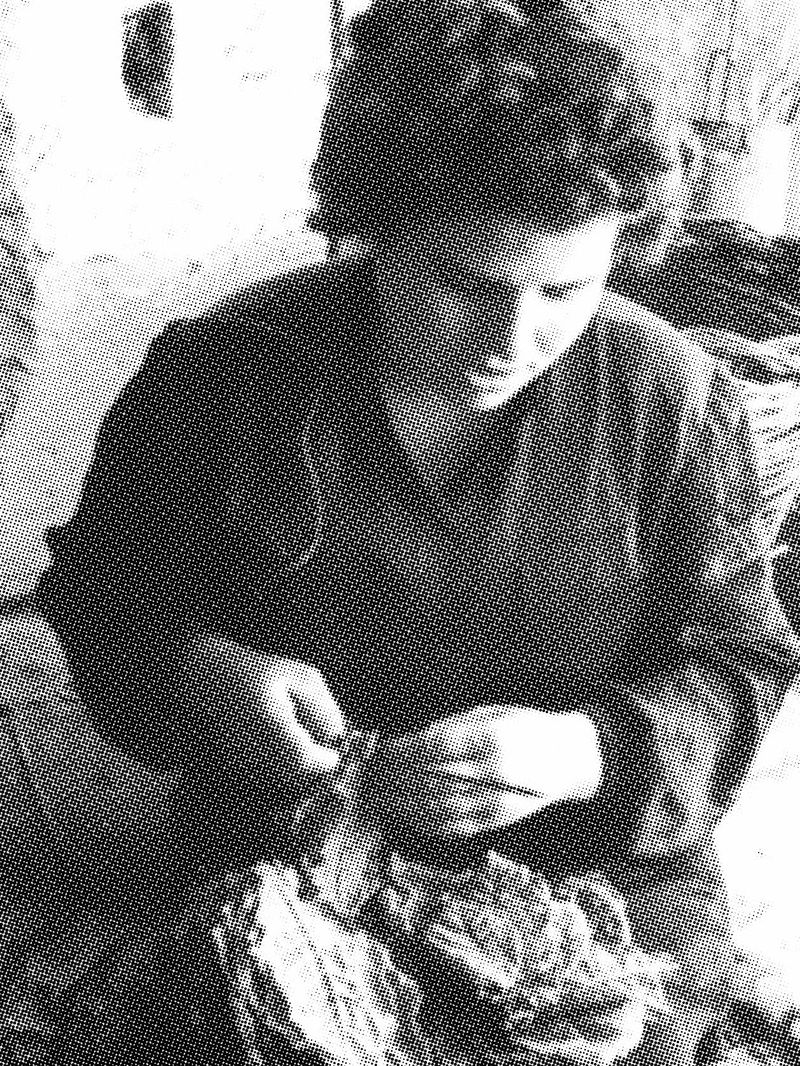
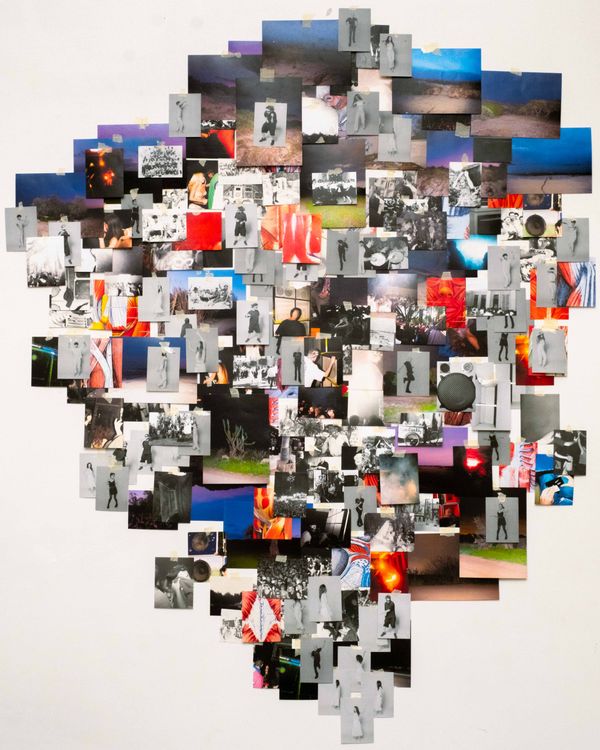
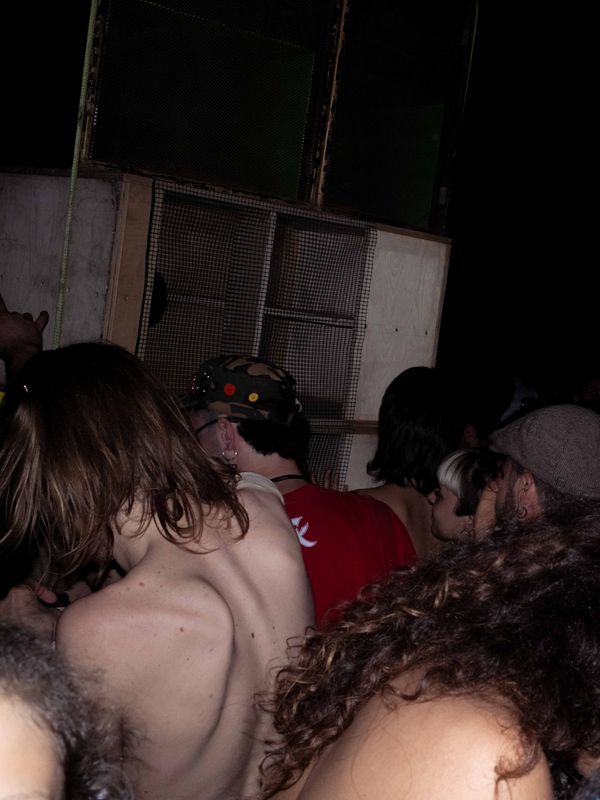
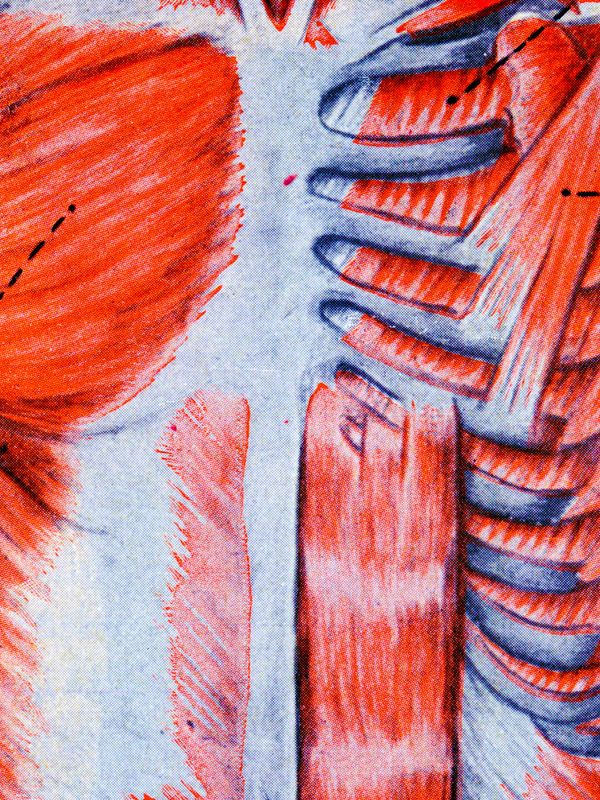
A visual research of catharsis concept, exploring the collective ritual of Southern Italy’s Tarantism in dialogue with Free Party culture.
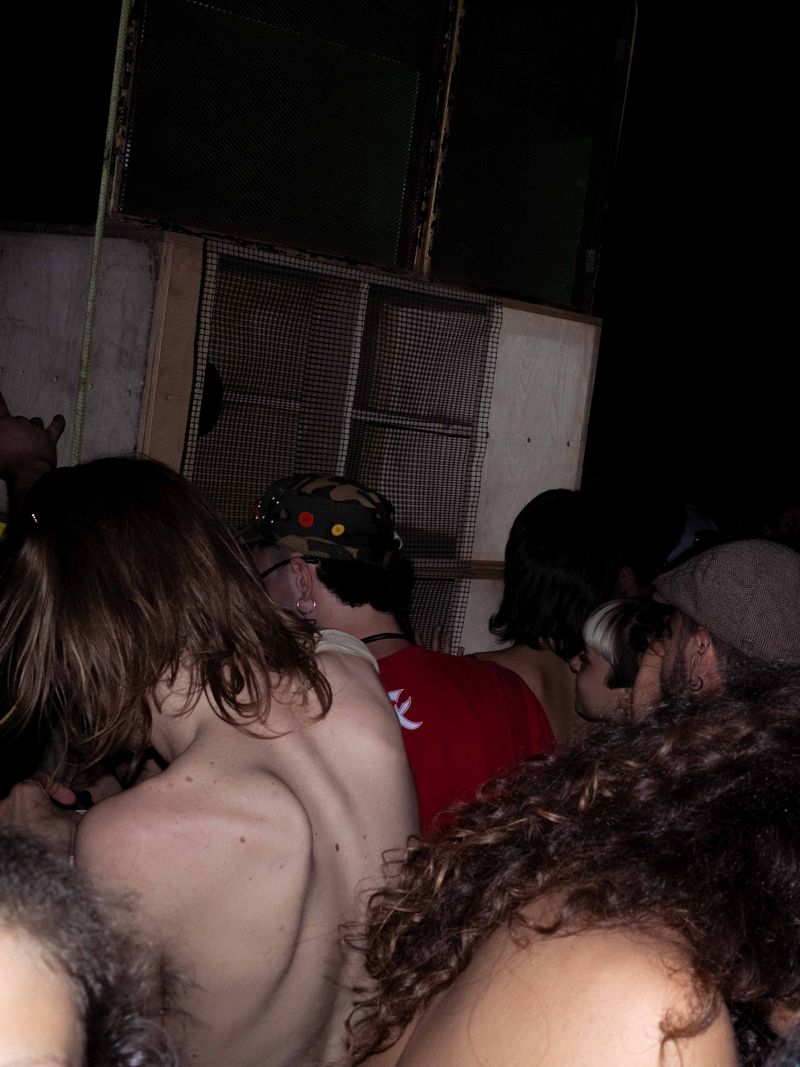
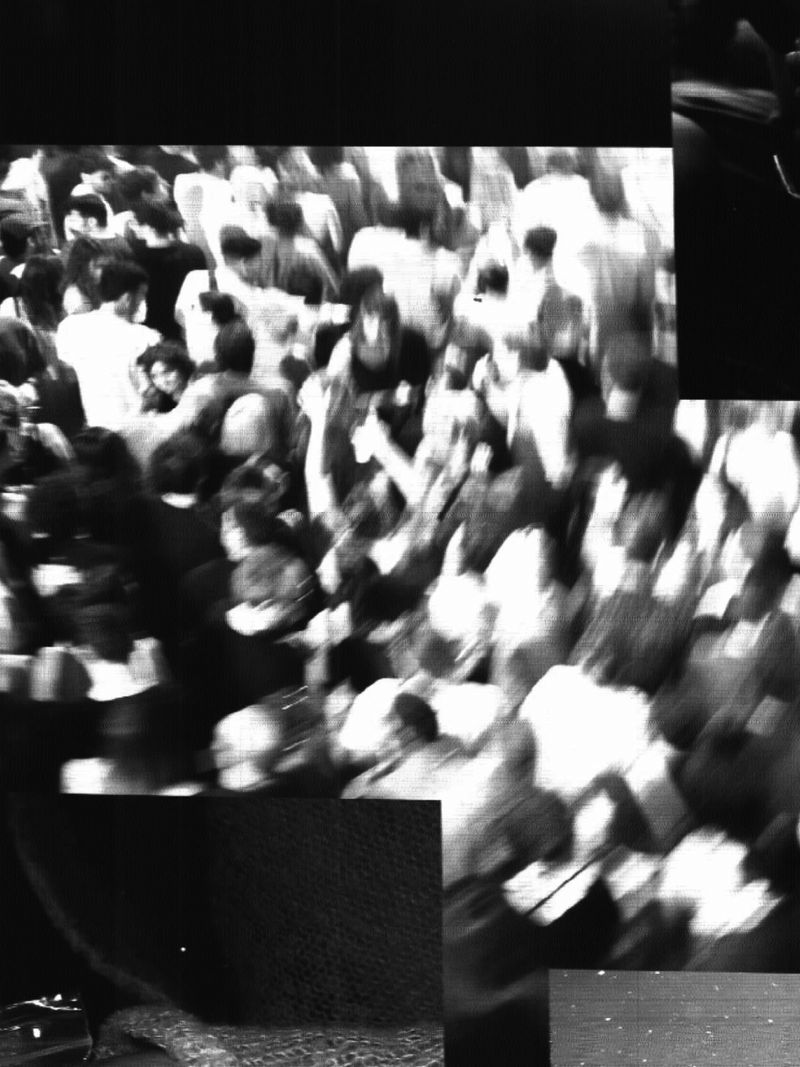
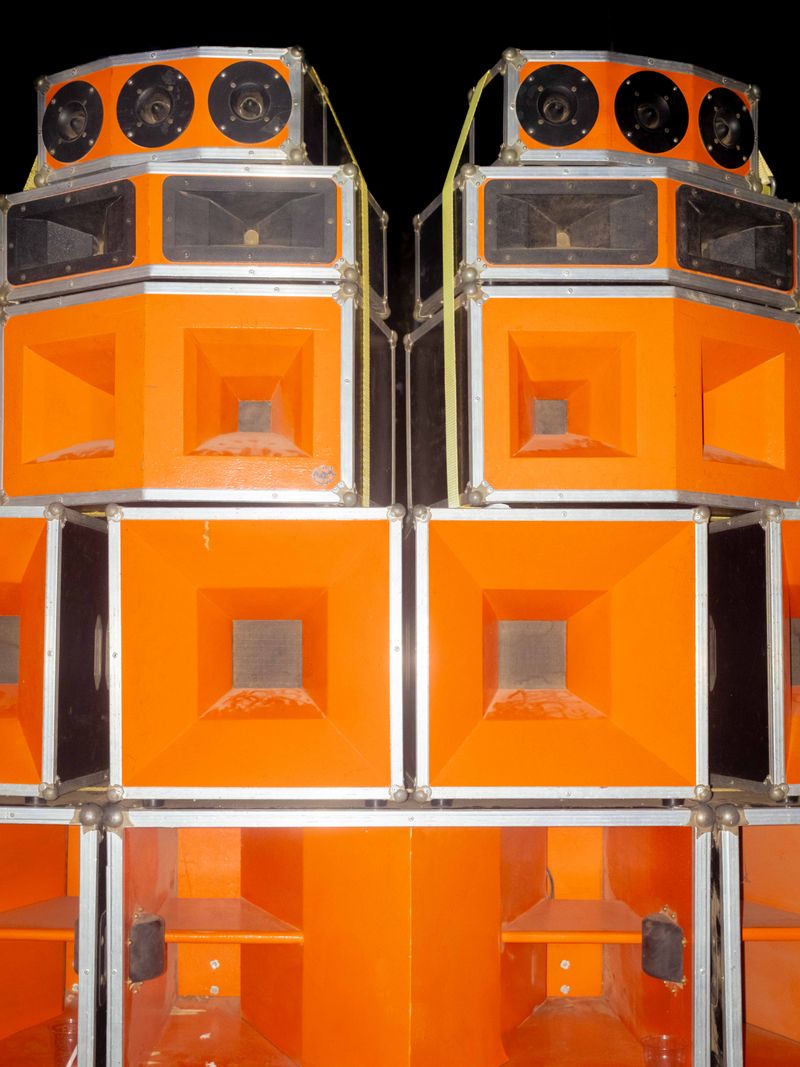
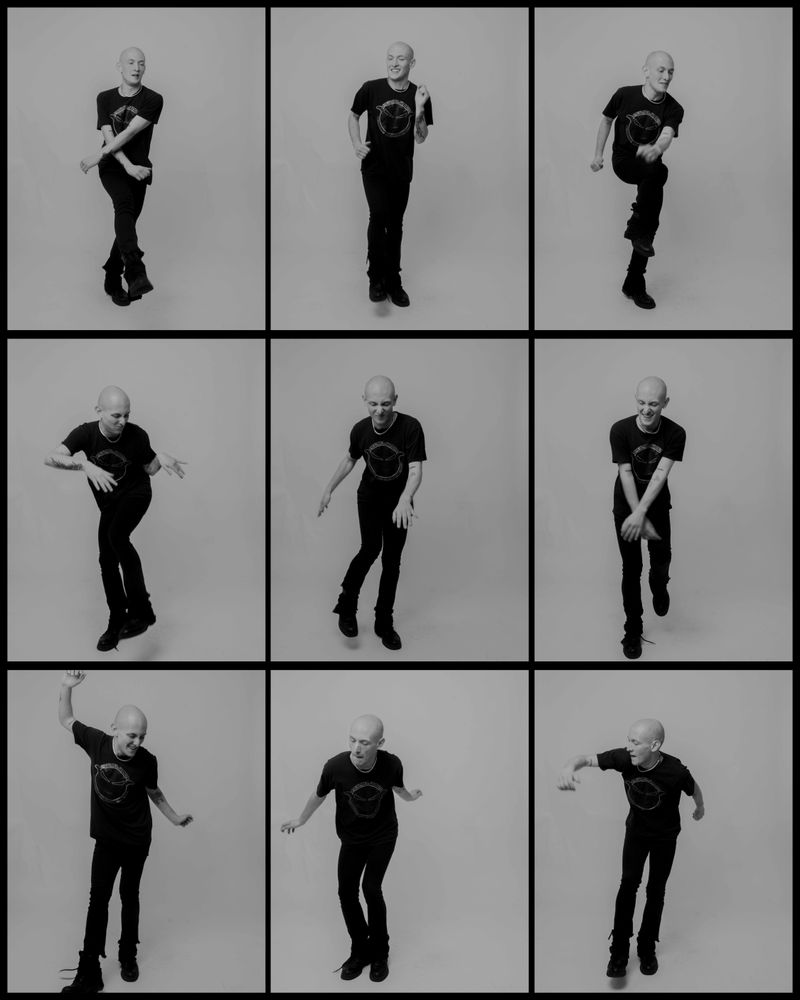
Throughout the centuries, collective celebrations and rituals have always played a central role in people’s lives, becoming true moments of liberation. Since ancient times, people have gathered to share emotions, take a break from daily struggles, and feel part of a community. These events were not just an opportunity to have fun but also a way to leave behind the stress of everyday life—whether it was to celebrate the harvest, honor deities, or simply be together. If we look at ancient Greece or traditional festivals in Southern Italy, we can see that these moments perfectly embodied this very idea. In the modern world, the need for these shared experiences has certainly not disappeared; on the contrary, it has become even more evident, rebellious, and generationally defining. Our fast-paced lives and the alienation we often feel in today’s individualistic society push us to seek a sense of belonging. However, the ways in which this need manifests have changed. Movements like Free Parties (or Raves) have become acts of defiance against a system that isolates us, trapping us in the dynamics of work and consumerism. These “rituals” are a concrete attempt to rediscover the essence of collective living—an opportunity to reconnect with the value of togetherness and to break free, even if only for a while, from the chains of daily oppression. The music, the dancing, and the rebellion that unfold in these settings are not random; they are powerful political tools for freeing oneself from the social and psychological constraints that shape our behavior. When people gather at a free party, immersed in an atmosphere of hypnotic sounds, wild dancing, and psychoactive substances, individual identity dissolves. One becomes part of a mass—a fusion of bodies experiencing a form of collective freedom that exists beyond norms and limits. It is in these moments that authentic connections are created, where the boundary between the individual and the group fades, making space for a deep experience of liberation. This research aims to explore precisely this phenomenon: how the experience of celebration in postmodern society, alongside the ritual and musical traditions of “pizzica” in Salento, has evolved over time. From traditional festivities tied to the land, labor, and religion to more modern collective expressions such as raves, the essence of these experiences remains unchanged—a search for freedom within a world dominated by technology and alienating capitalism. The desire for belonging and community is still alive and strong, manifesting in these moments of shared experience, where, even if only for an instant, one can break away from the isolation of daily life.