Forge, Forging, Forgery: Living in a Made World
-
Dates2025 - Ongoing
-
Author
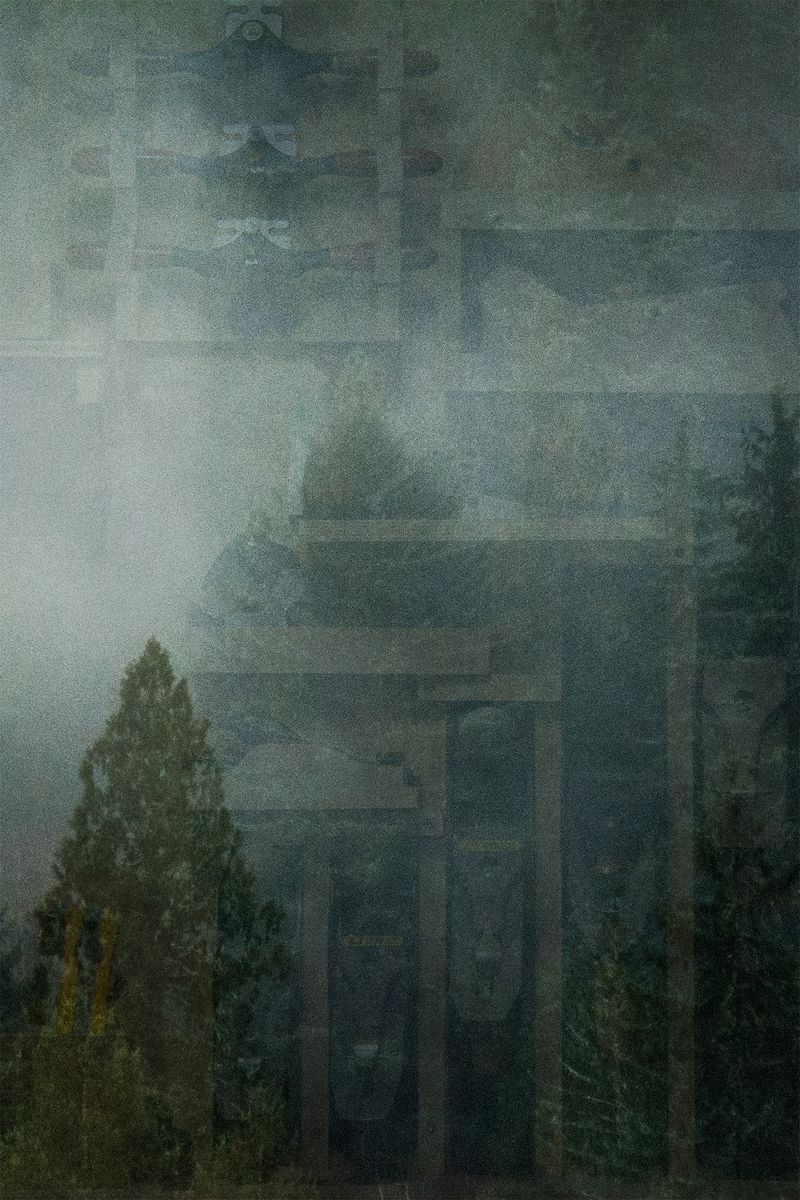
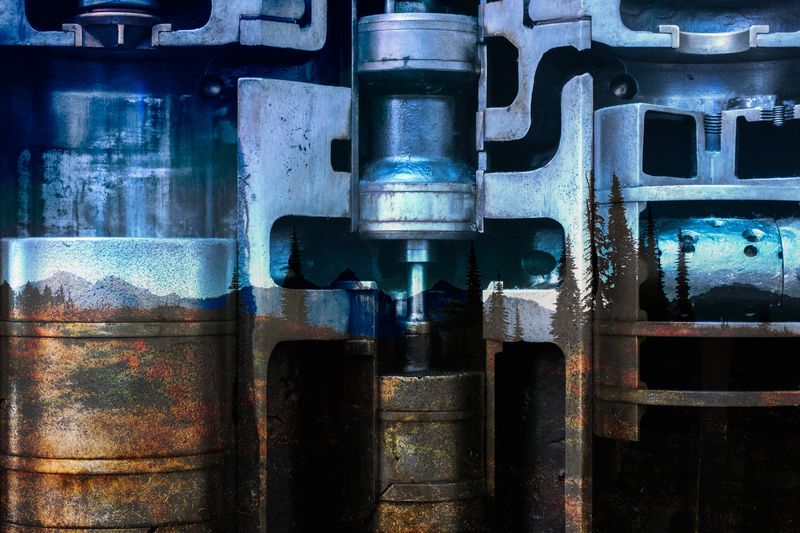
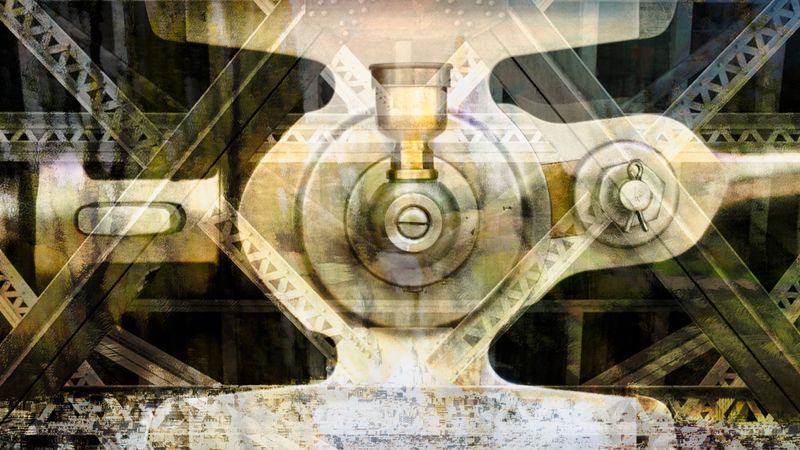
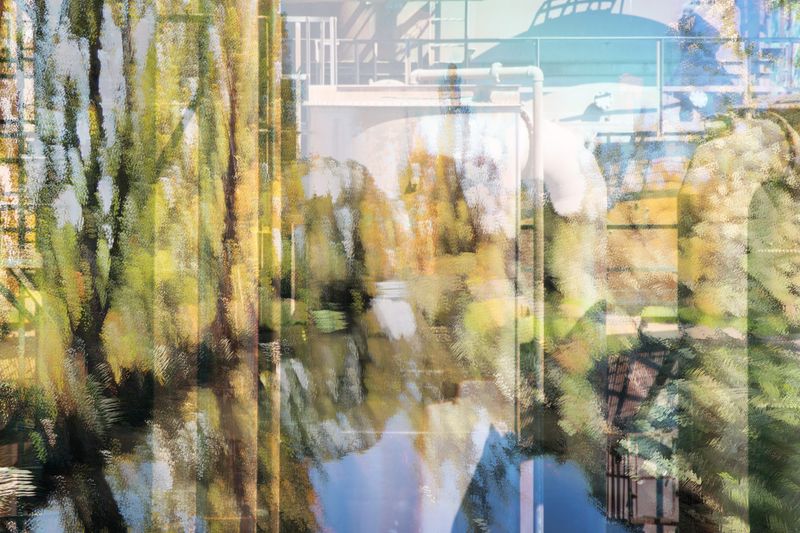
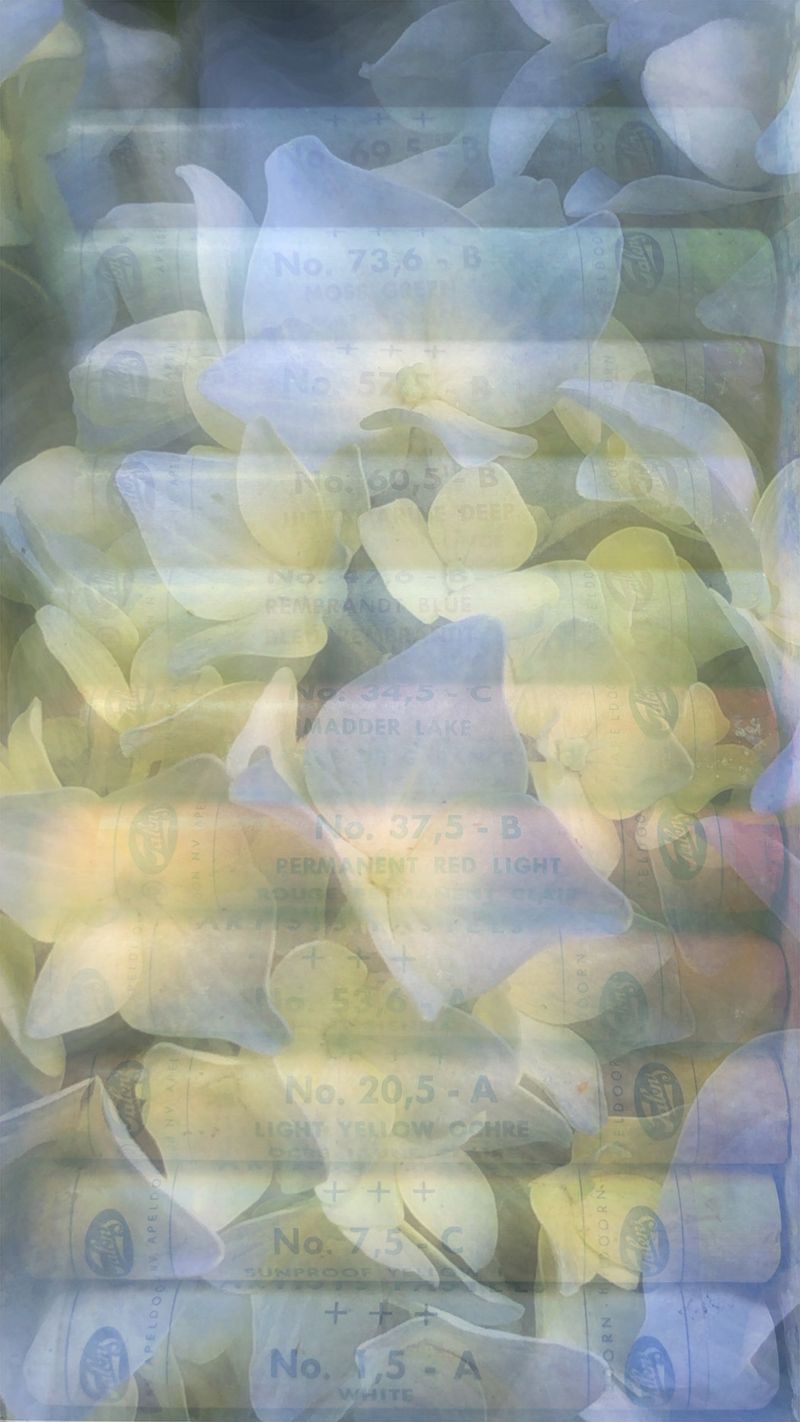
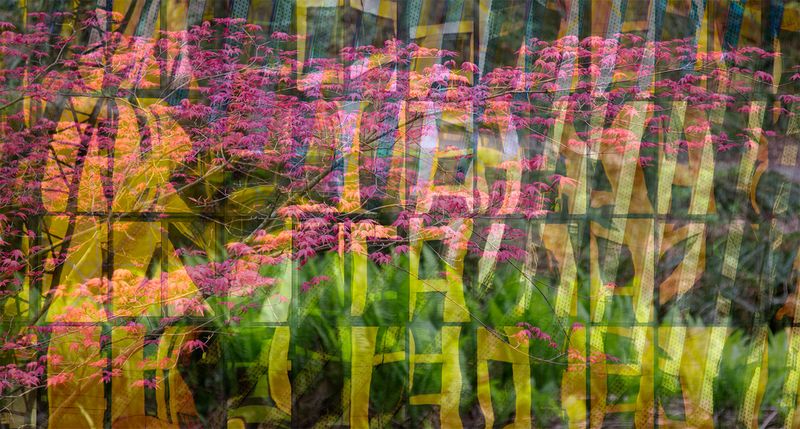
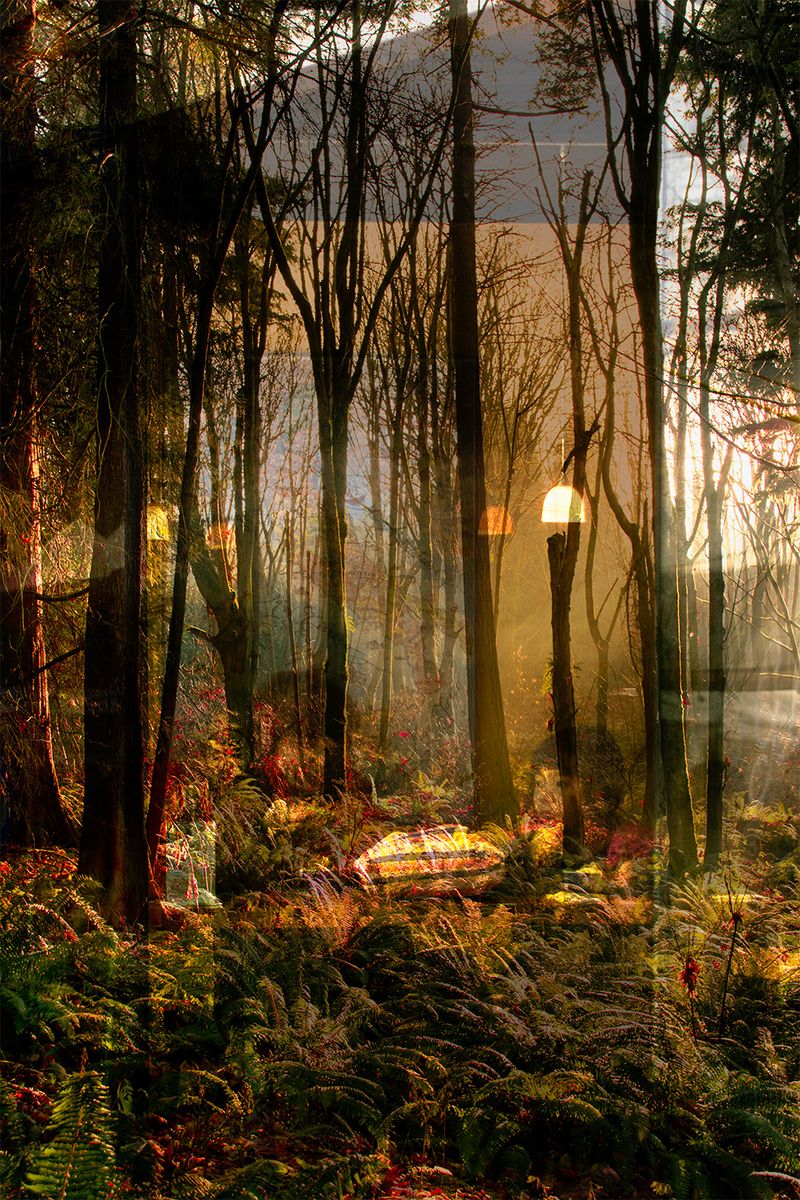
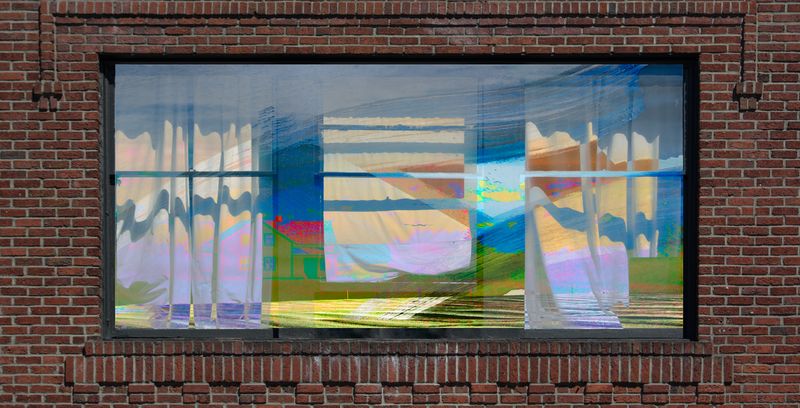
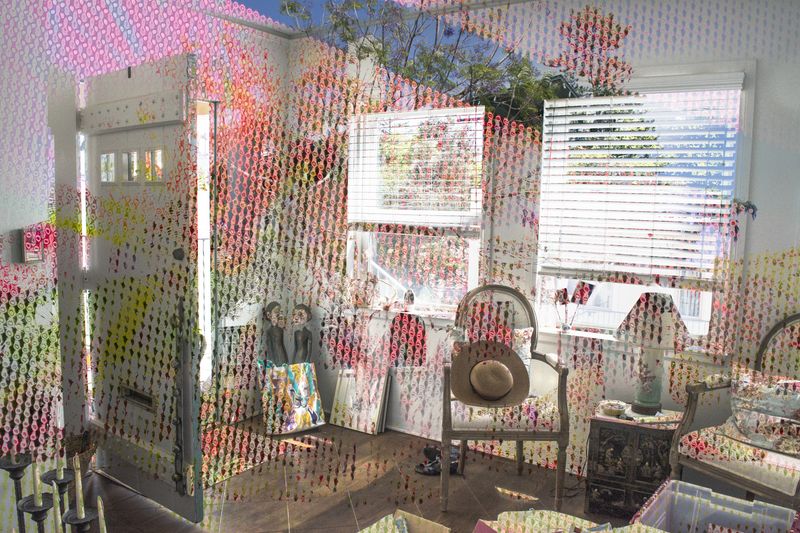
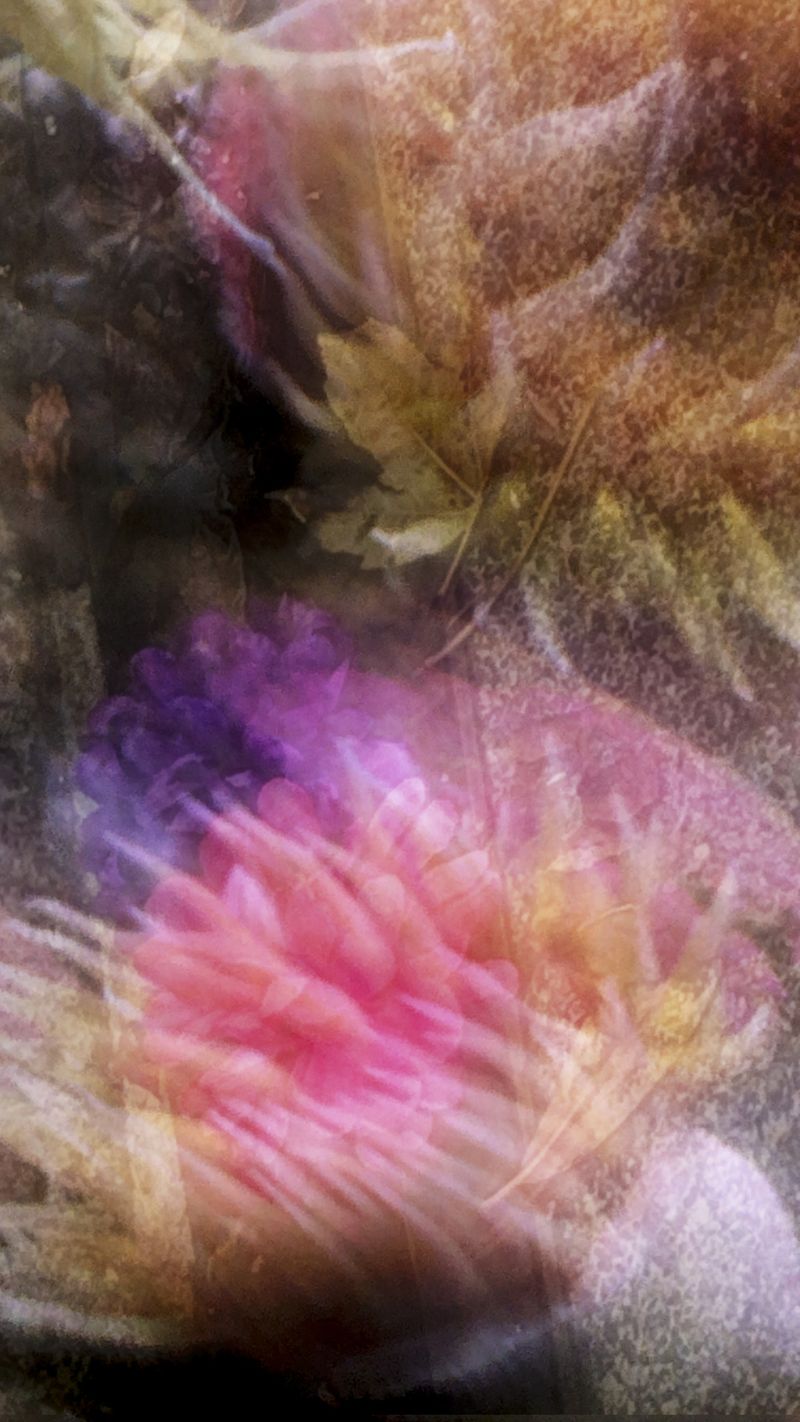
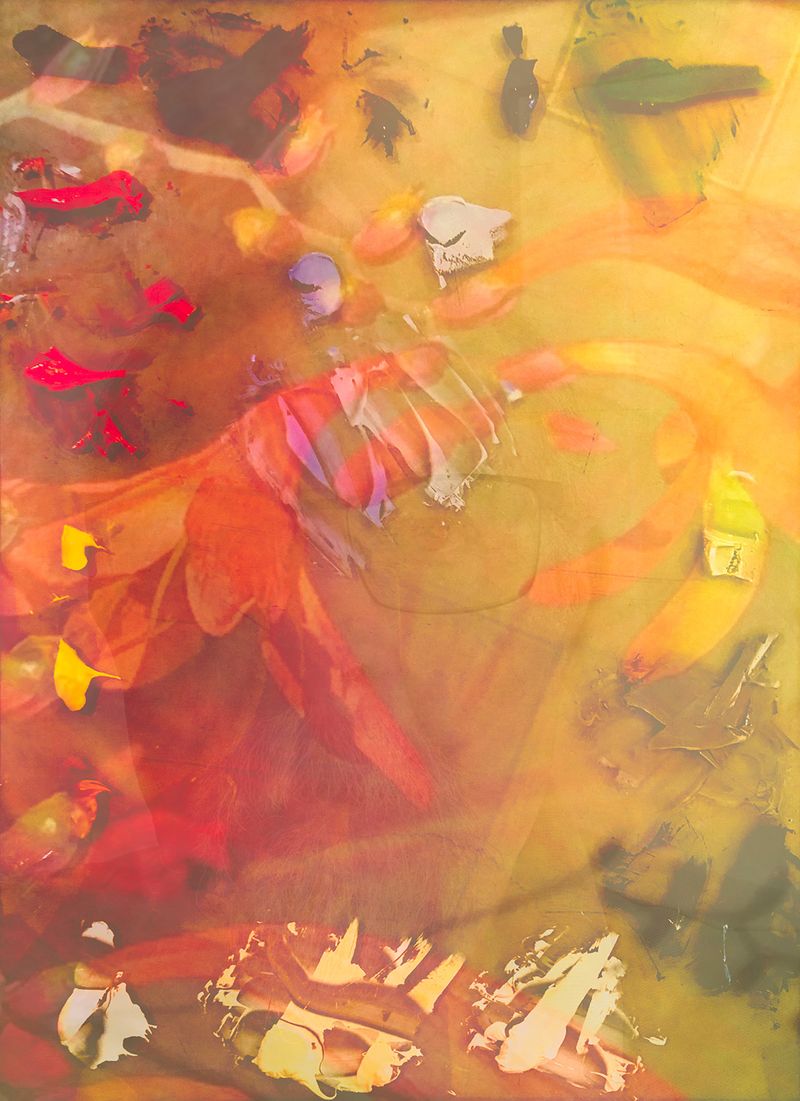
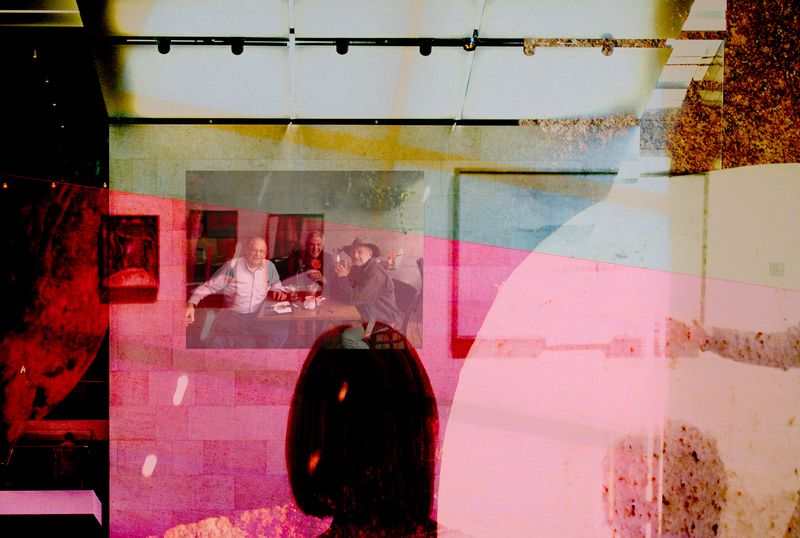
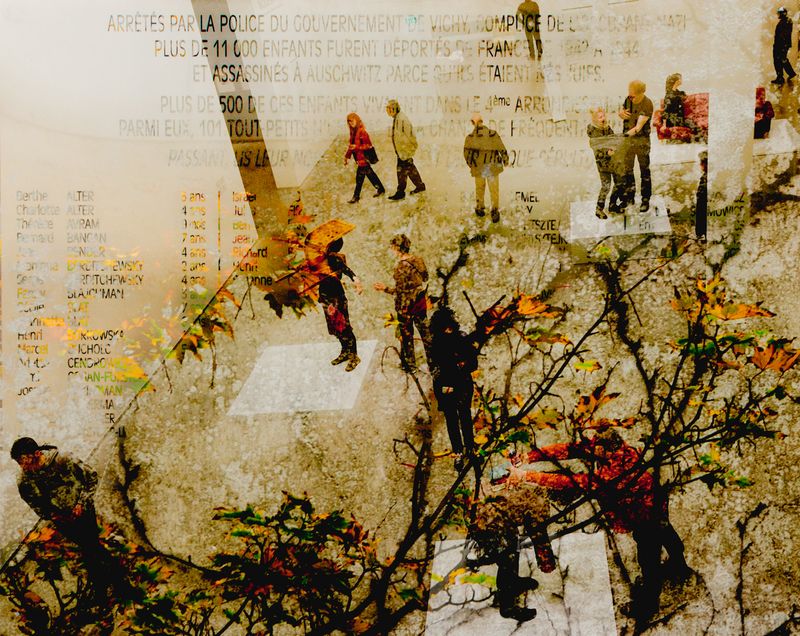
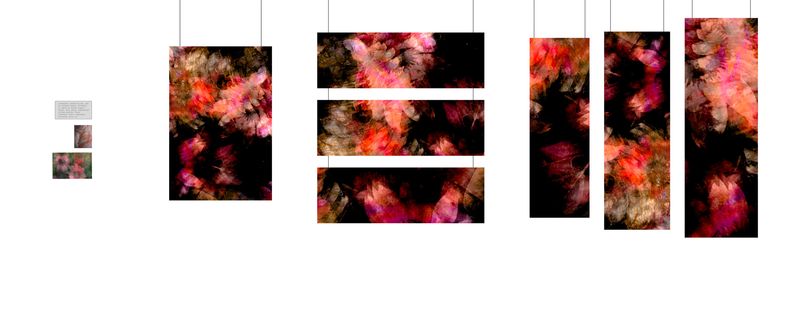
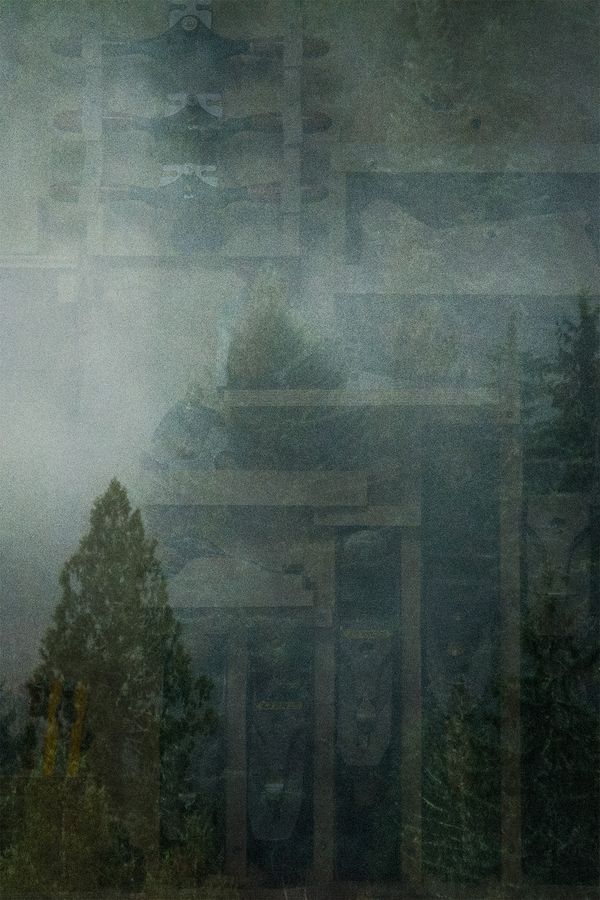
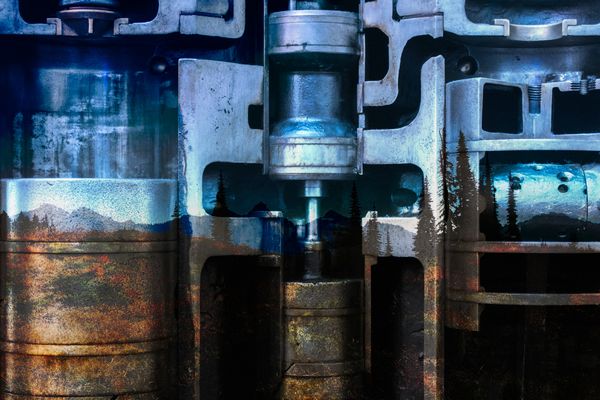
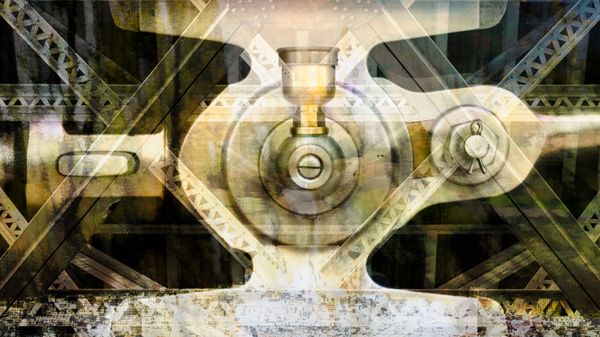
These works boast of their madeness as they examine the madeness our physical and conceptual worlds and of our perception of them. The layered images seek to question why we do not recognize this pervasive madeness and its impacts on our understanding.
Photography loves telling its big lie: it captures. Photos, it boasts, are life preserved, visual nuggets of truth, the superfoods of seeing the world as it is. It wants you to believe that photography presents, where art merely represents.
Bah!
Everything we see is a made thing. Take that landscape, so sublime, and wild, and exquisitely natural. It is a made thing—even if it has never been touched by any human hands. When we see it in person we are viewing something that has been shaped by our actions, by our inactions, by the tales we have told around communal fires or turned into song or cave painting or book, by how we surrounded it or cut it off or fouled what it relies on. This madeness isn’t just about nature but about everything we encounter and seek to understand.
My project examines the madeness of our perception and of our physical and conceptual worlds themselves. It questions why we recognize neither this pervasive madeness nor its impacts on our understanding—and on our cultures. It seeks to place this within the context of the multiple meanings of forging, from making to misleading to leading forward—and to our constant yet unnoticed contributions to the collective curation of our shared world view.
The layering within the work has both thematic and aesthetic components and its detail rewards, or so I hope, attentive viewers with more entry points into the work. I balk at calling my multilayered photographic work altered or manipulated. Like other art it is intentional—and I want it to at least whisper that it was made and thus requires questioning and interpretation—and that it is up to viewers to weigh its meaning, its reliability, and how it connects with their lives.
This approach meshes well with my discomfort with today’s emphasis on storytelling in visual art. I believe that the focus would work against my desire to promote deeper observation and to prompt observers to create their own narratives from connection points in the work. I balk at calling my multilayered photographic work altered or manipulated. Like other art it is intentional—and I want it to at least whisper that it was made and thus requires questioning and interpretation—and that it is up to viewers to weigh its meaning, its reliability, and how it connects with their lives.