Folding News
-
Dates2015 - Ongoing
-
Author
- Location London, United Kingdom
A response to the abundance of the everyday and everywhere Image.
I was once invited to the BBC news studios to be interviewed about a protest march I’d been involved in. Alone in the green room waiting to be invited before the camera I began reading one of the available newspapers. It stuck me that the article I had settled on was written by the same person who was currently being interviewed. His face was there, present on multiple silent monitors live screening news as it unfolded. I returned and finished his piece. As I placed the newspaper onto the table, looking up, I was startled to suddenly make eye contact with the writer who was standing directly in front me.
On my way home from the news studio I picked up a ‘free’ newspaper discarded on the trains floor. With over one million of these distributed every weekday in London, Folding News began as a response to this abundance of imagery in my everyday environment.
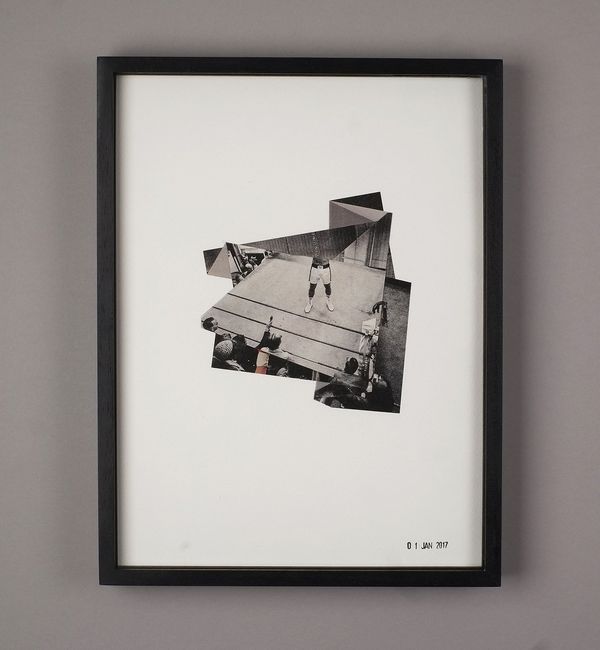
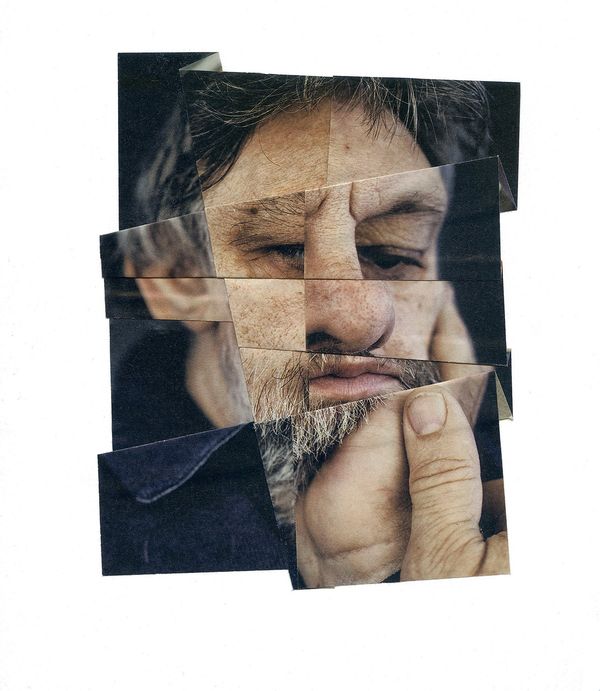
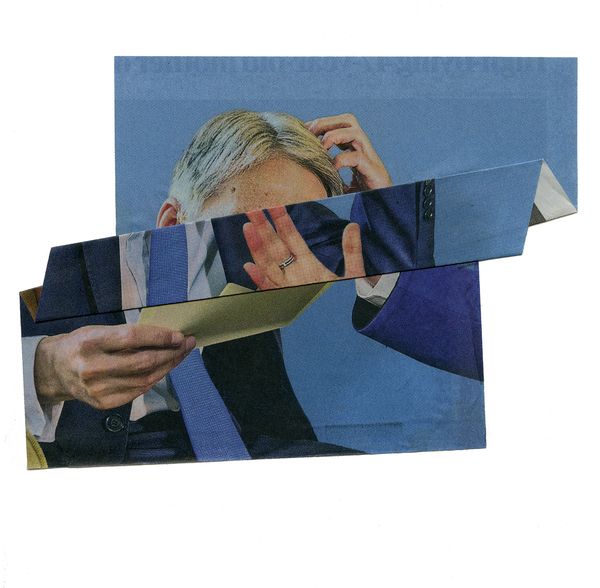
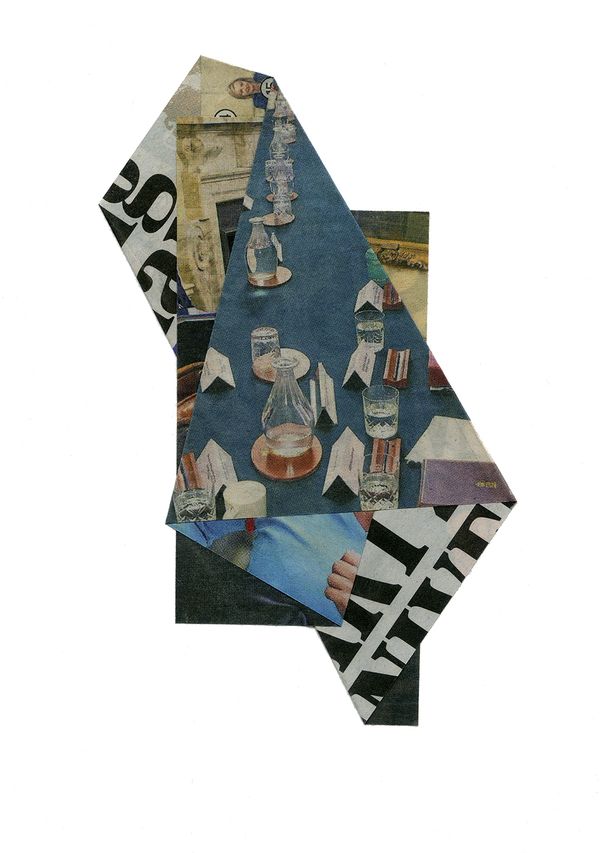
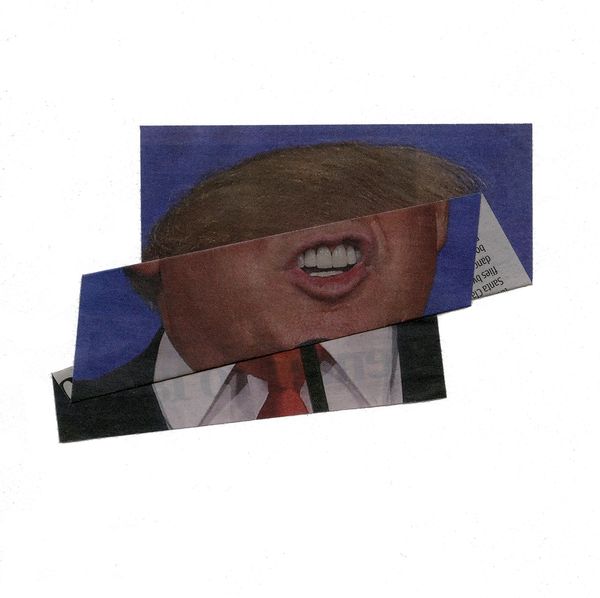
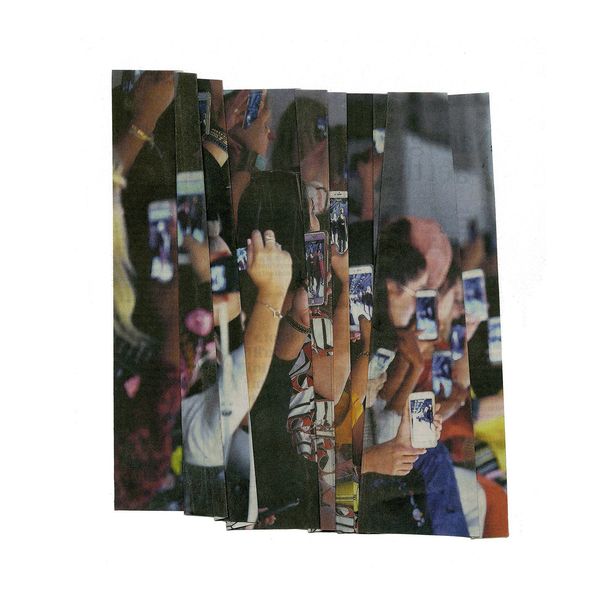
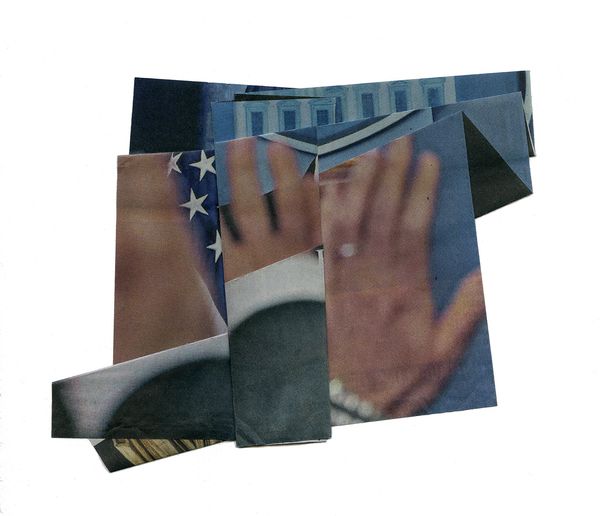
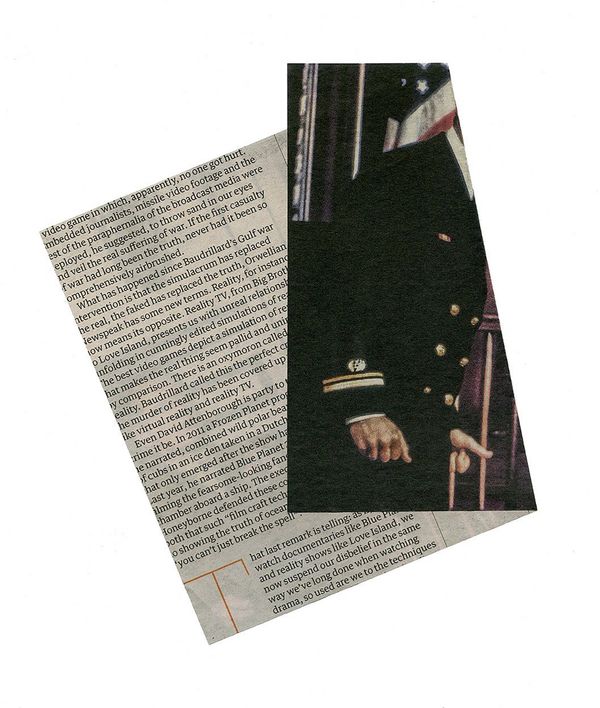
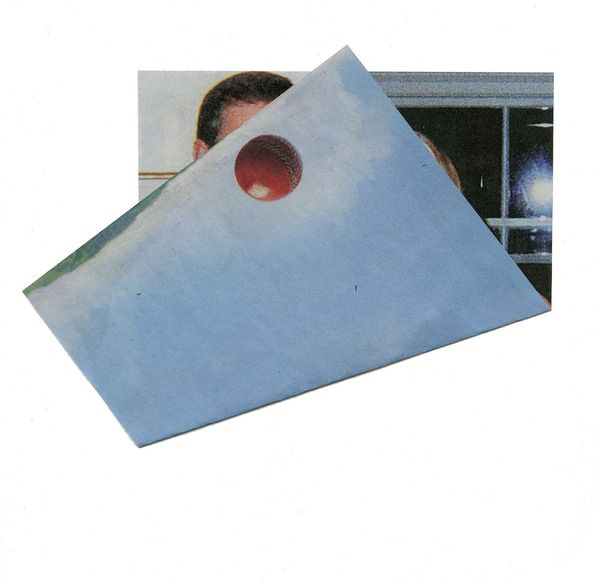
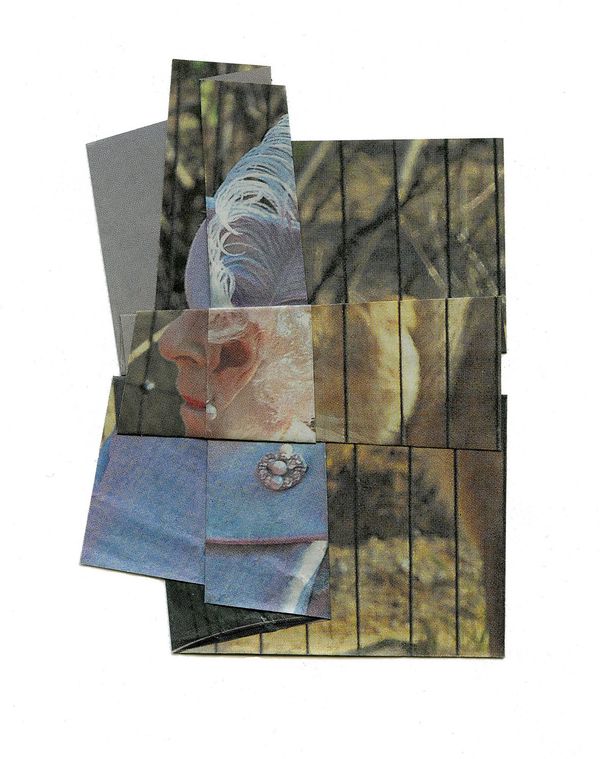
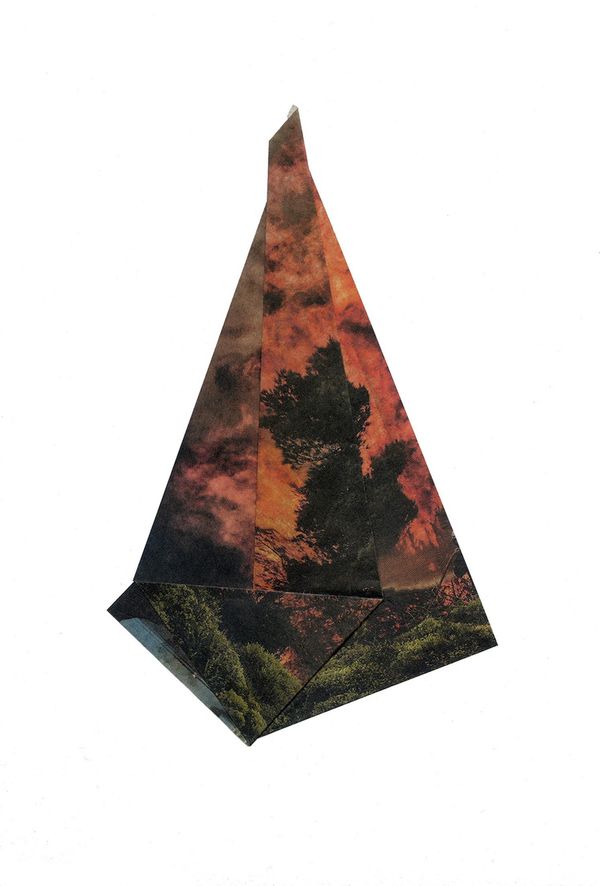
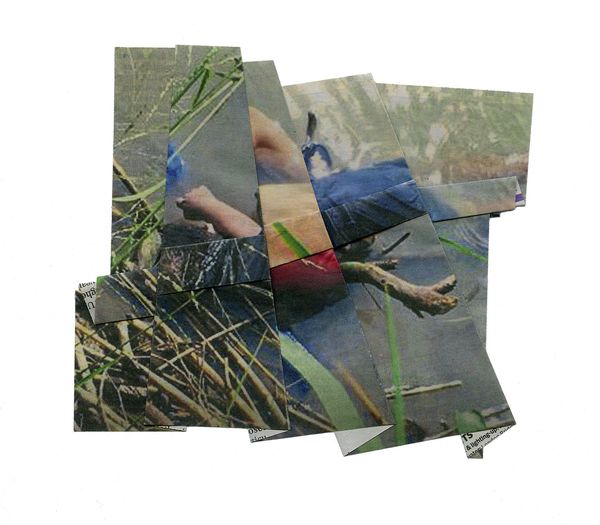
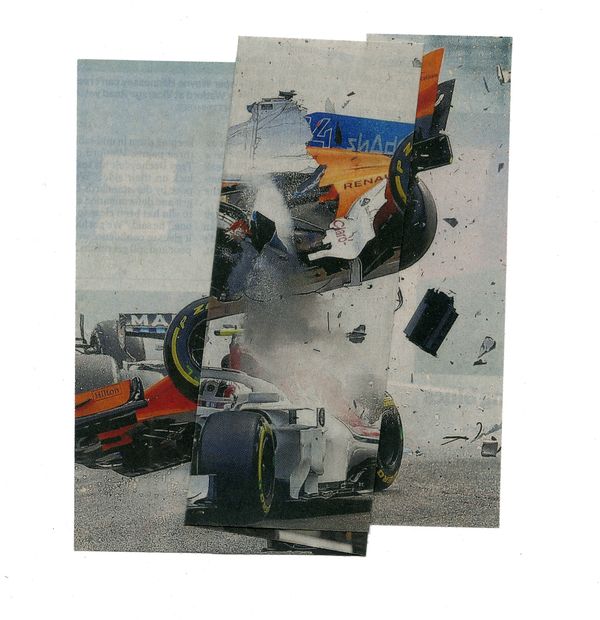
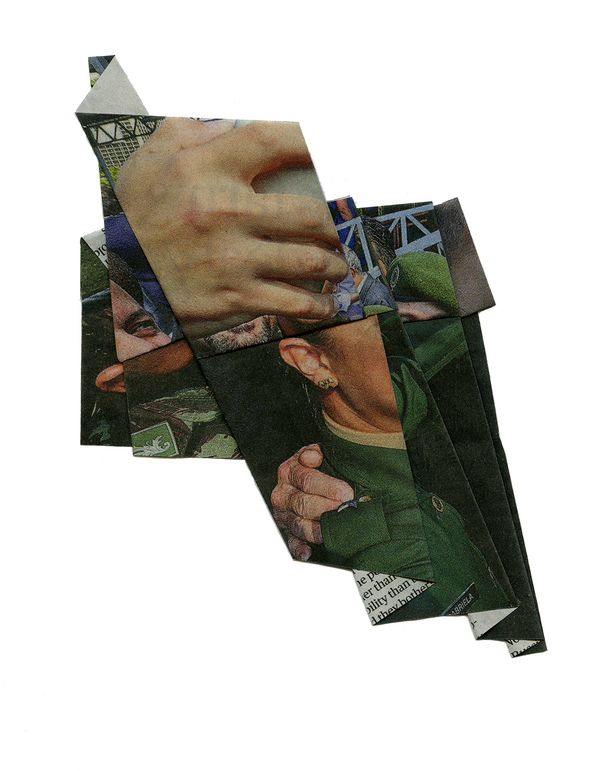
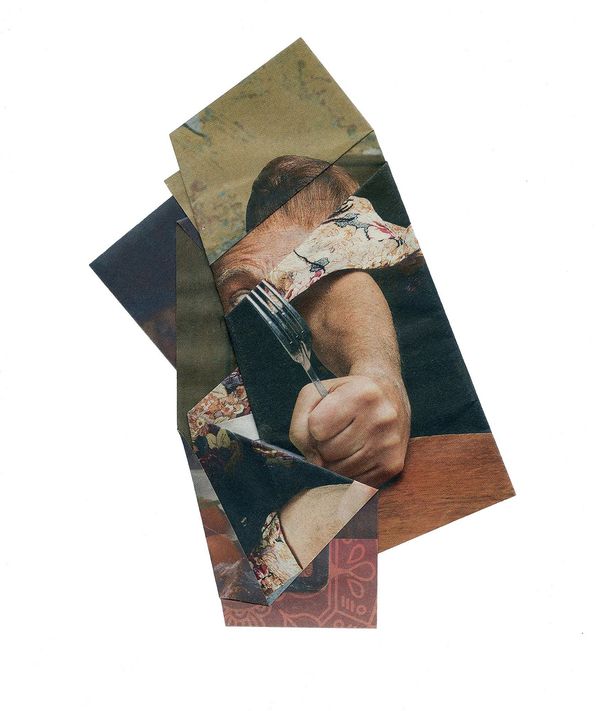
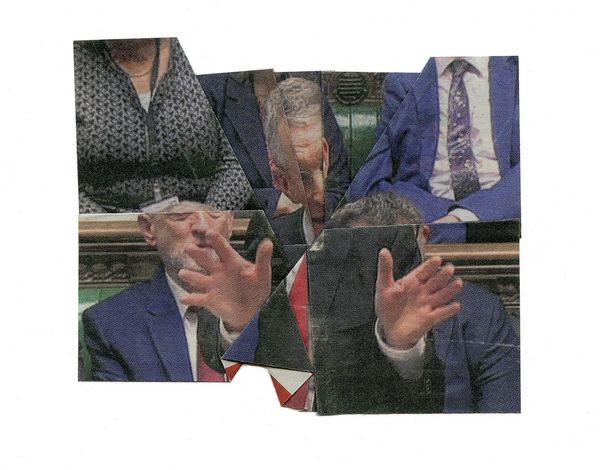
I began by cutting out single newspaper images; folding, date stamping and cataloguing each one in turn. Since 2015, I’ve accumulated over 70,000 of these.
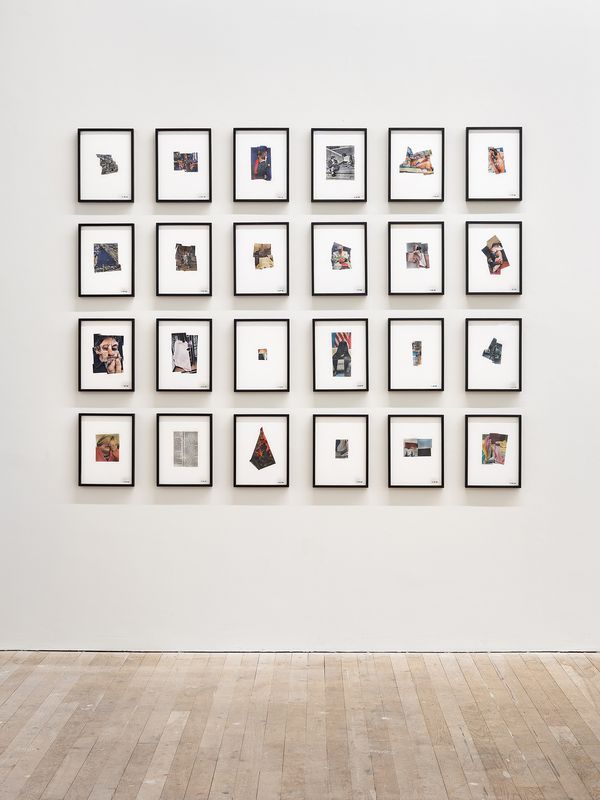
In its fully installed form Folding News consists of three different considerations of the same object, the press photograph.
1)The Folds. Framed and presented in grids. Each fold connects the intimacy of daily habits – the action of a hand – with the materiality of the depiction of prescribed events. Folding calls into question the parts we see and the assumptions we make by all that’s hidden underneath.
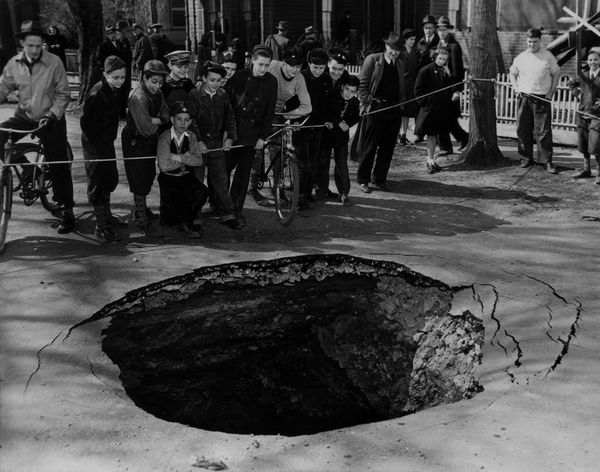
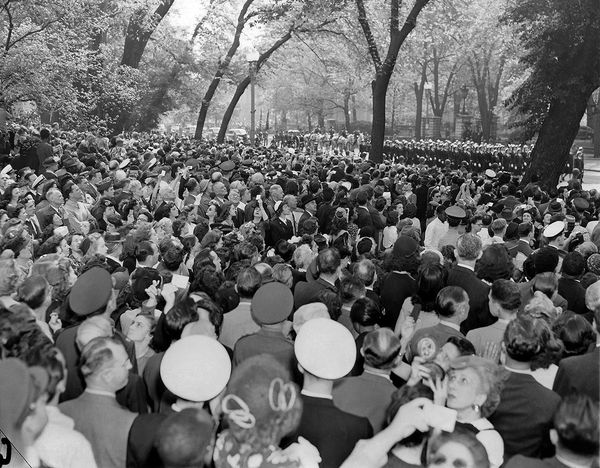
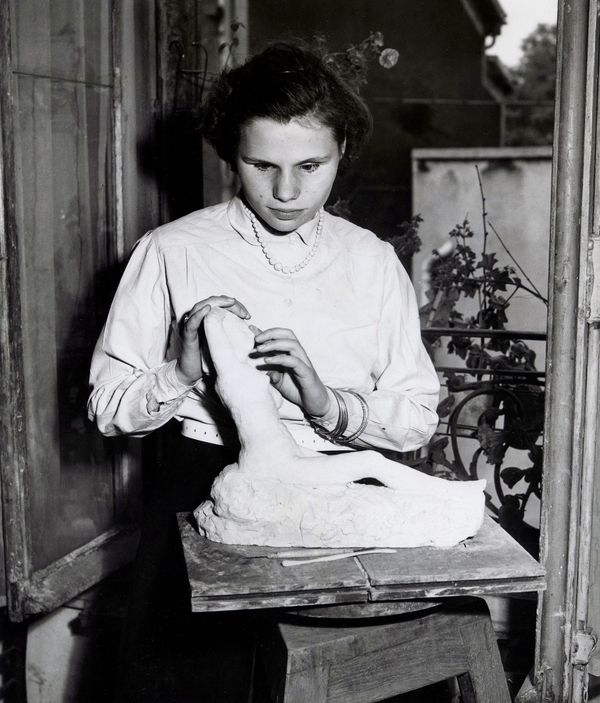
2) The History Of The Future. A gathering of greatly enlarged old press photographs. Reaching back, they hint towards a time when the authority of the news held more assurance. These are divided into two main categories, pictures of crowds and those depicting blind people.
3) One Day The Day Will Come When The Day Won’t Come. Digitally projected deaths: a collection of 25 archival news images of various crashes (road, rail and air) condensed into one second on a continuous loop where in each photograph at least one person has died in the original scene. Purchased from the archives of news outlets, now closed as they couldn’t keep pace with a changing information landscape, the original is thrust into digital uncertainty at a cost to its own substance.
The news image no longer serves as a site of contemplation, in its accessible abundance: its role now is to distract. Folding News considers these everyday and everywhere images, the ones that briefly hold our attention, the images we quickly discard, the images that cloud our recognition of the whole, that part hidden beneath the bit we assume we can see.