Flow (Tok)
-
Dates2020 - 2023
-
Author
- Topics Daily Life, Social Issues, Contemporary Issues
Flow is a story of a transitional city - once marked by migration and industrial production. This transitory nature, which once implied movement and an orientation toward the future, is today reduced to a cyclical wandering between center and periphery.
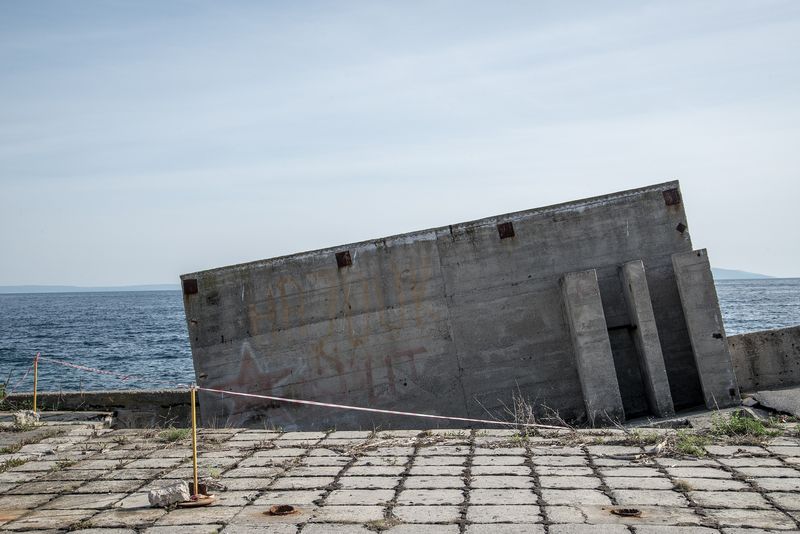
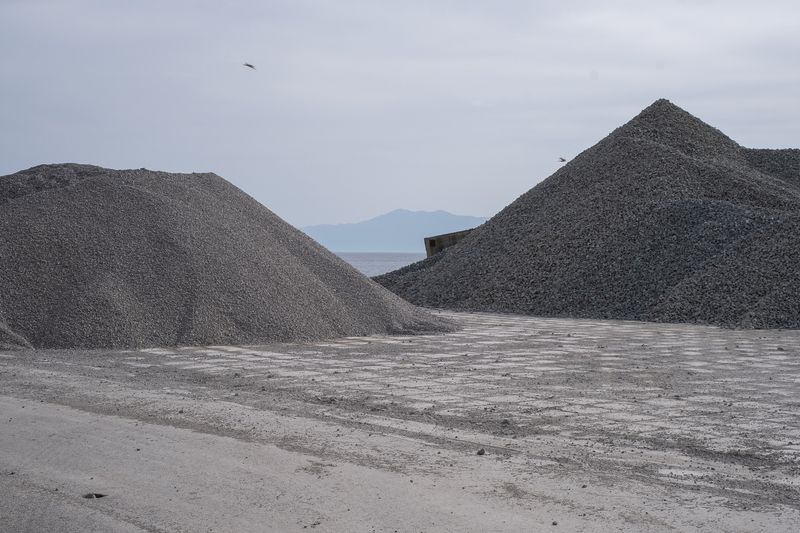
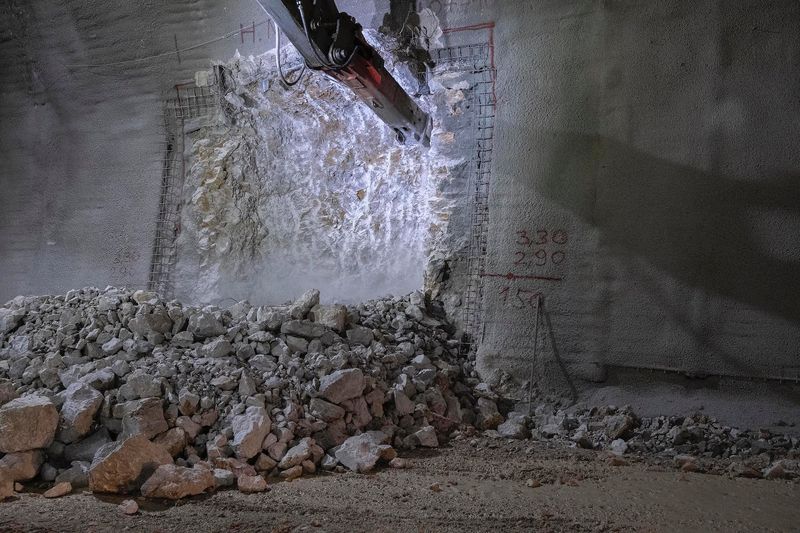
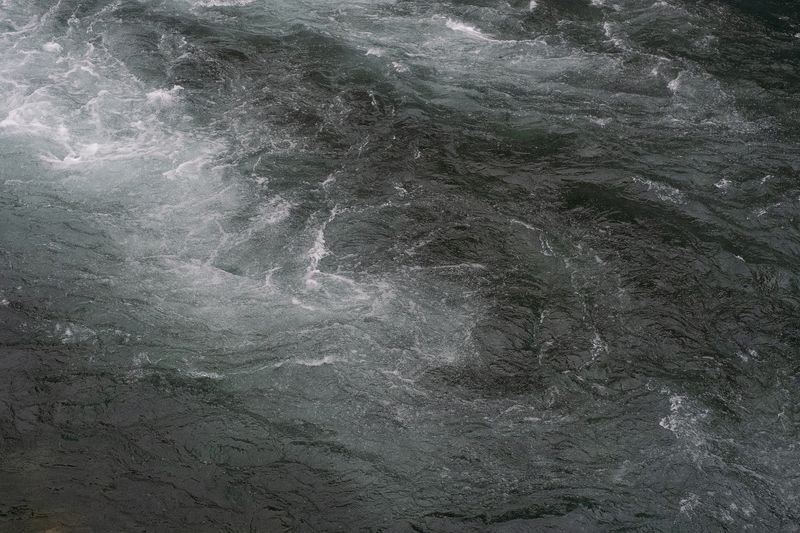
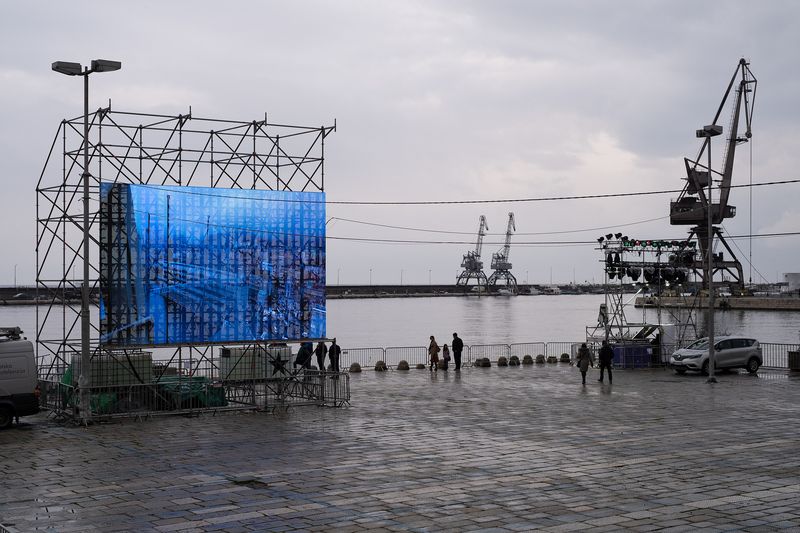
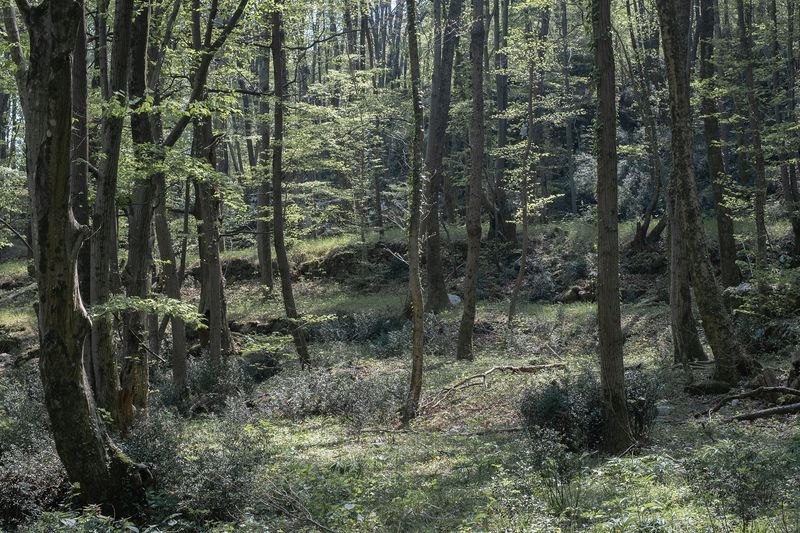
In the photo-video work Flow, I attempt to frame the space and time of an inert city from the perspective of a seemingly impartial observer, exploring the dynamics between human presence and the surrounding environment. Flow is also a story of a transitional city - once marked by migration and industrial production. This transitory nature, which once implied movement and an orientation toward the future, is today reduced to a cyclical wandering between center and periphery. In this fragmentary essay, I juxtapose the static and the dynamic, treating the moving image as an expanded photograph. Through both form and content, the work contrasts duration and instant, motion and stillness, past and present, decay and disappearance— evoking the current flow of a city transformed into a daily waiting room for change and unfulfilled social aspirations. The work consists of video projections and photographs displayed in lightbox cases.
City Gallery Striegl, Sisak (HR), 2020
Multimedia Cultural Center, Split (HR), 2022
Gallery Kortil, Rijeka (HR), 2023
Curatorial text by Jasna Gluić, the curator at Multimedia Culture Center, Split
The destinies of industrial cities are linked to the economic cycles of their products and industries. After shutting factories down and moving them to cheaper production areas, these cities are often left to themselves and to the belief that the potential for their own self-regeneration can save them. Except for a lack of money in the bank, they sometimes also do not have plans for the future, which makes their transformation more difficult. The search for change and clearing a space to be ready to welcome a new beginning is basically a "utopian impulse, the quest for an ideal city which today has grown progressively weaker and gradually has been supplanted by the fascination of tourism" (Groys, Art Power, 2008, p. 102). The eased mobility of residents among cities has radically changed our attitude toward them as well as cities toward themselves. The utopian character of the city is slowly disappearing today, as is the future as a site of utopia.
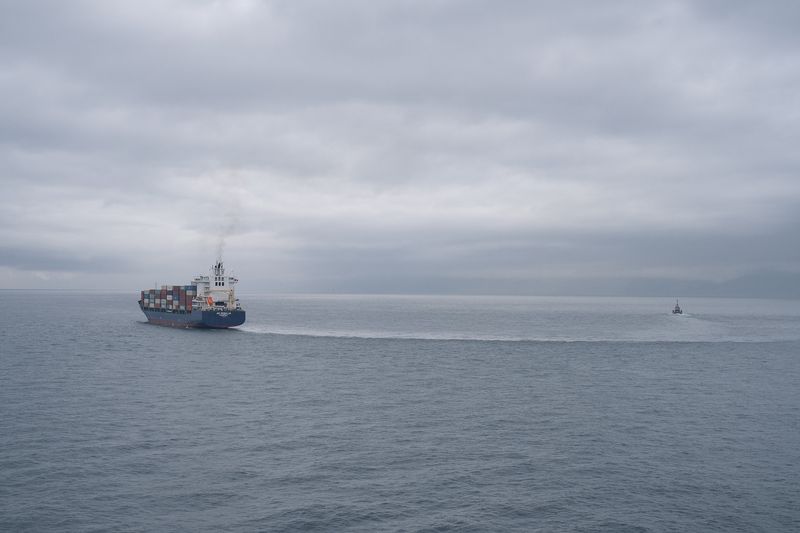
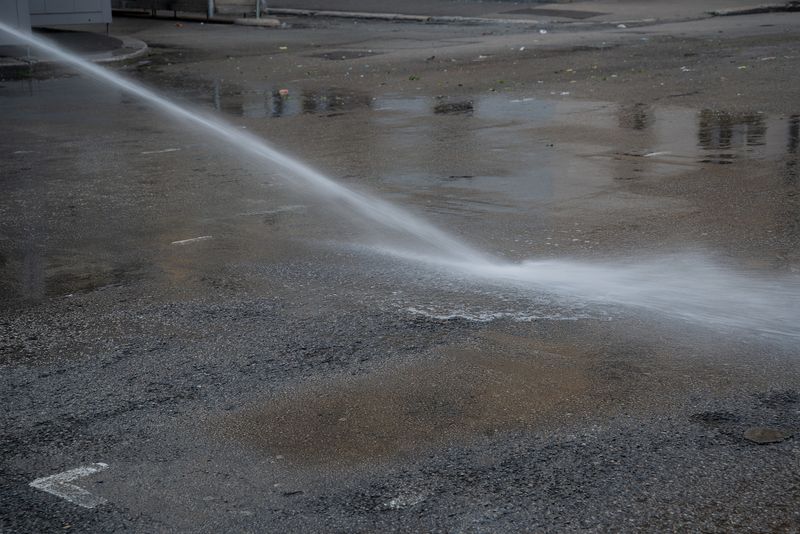
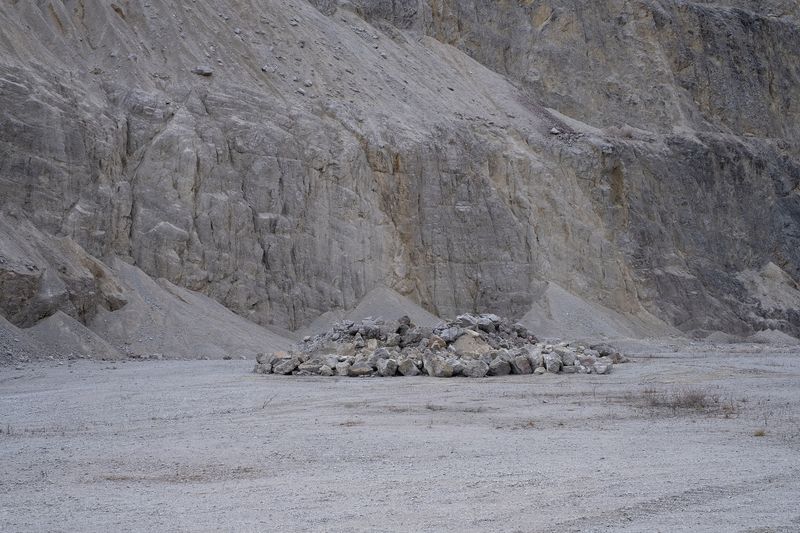
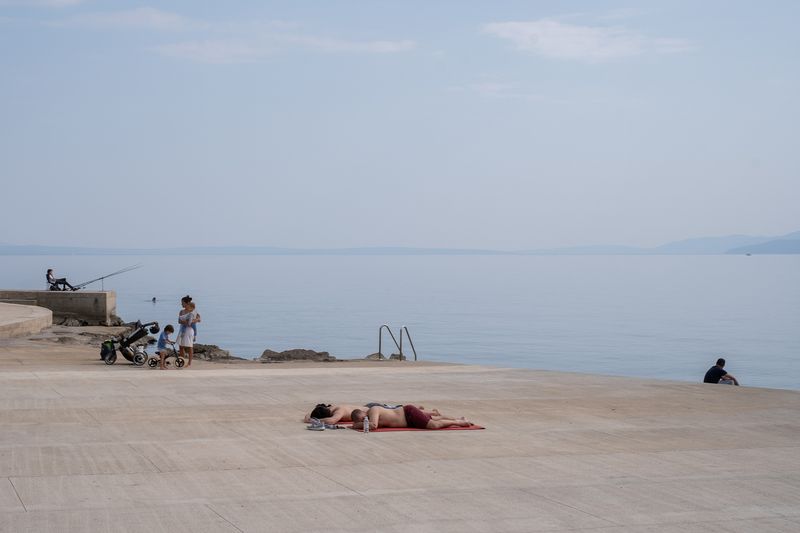
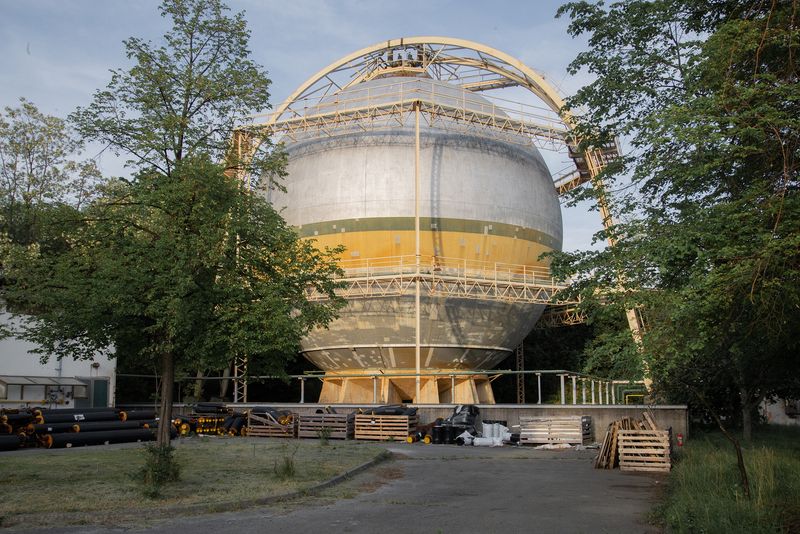
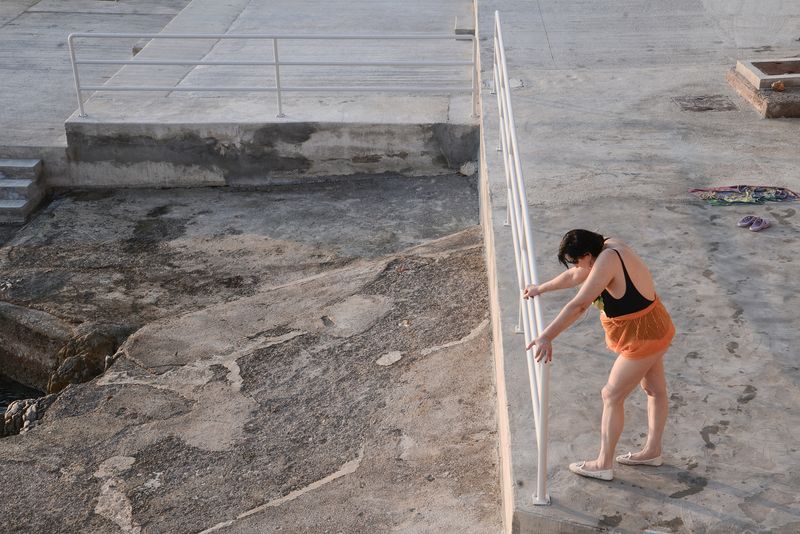
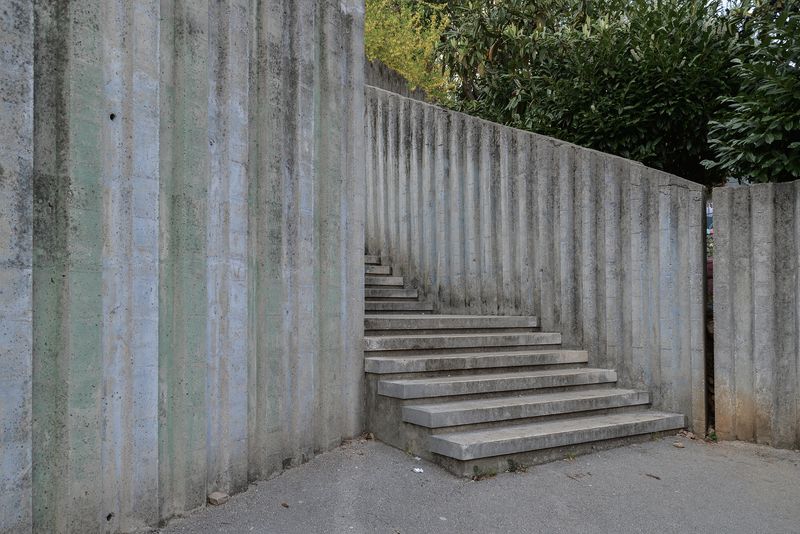
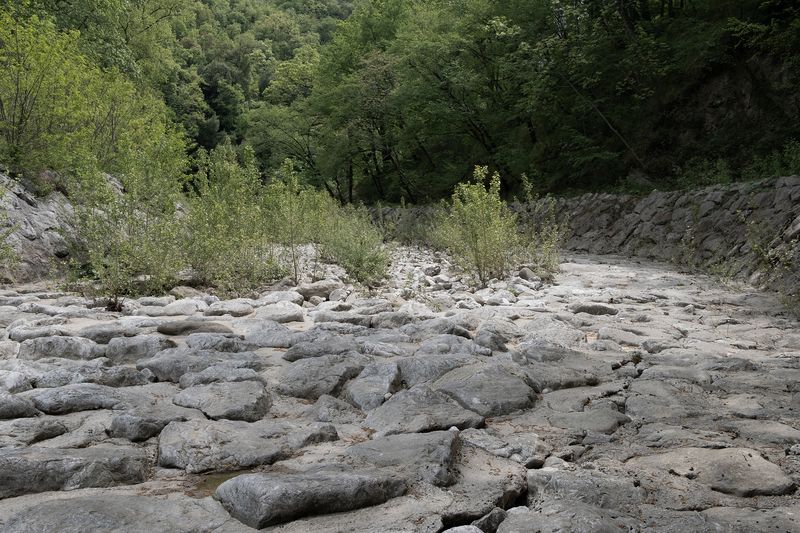
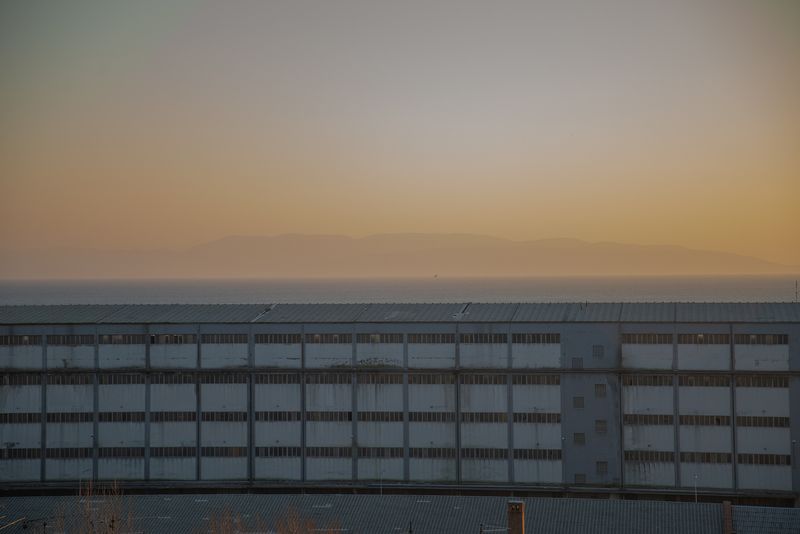
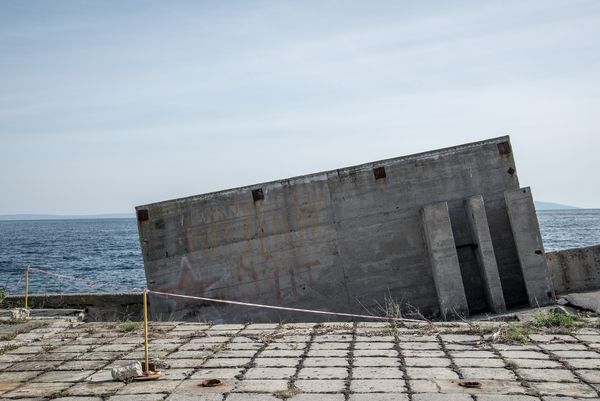
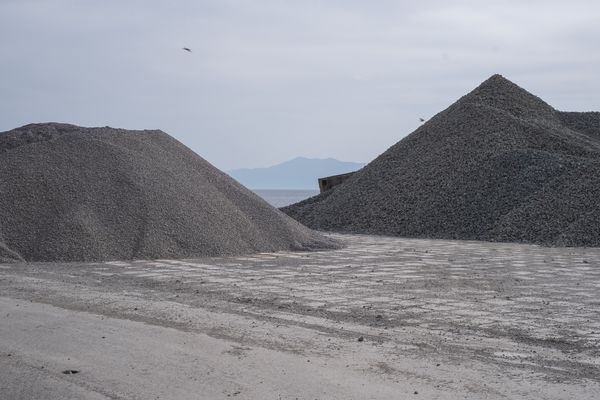
In her work Flow Nika Petković starts from the perception and recording of everyday life situations in a post-industrial city through the lens of photo and video cameras, building an open concept of essayistic display in the form of a gallery installation. Without identifying exactly the city by name, the artist addresses her work to all those cities which have outgrown the industrial phase of their development and found themselves in the unstable time of transition. A fragmentary visual structure highlights the process of isolating small segments of space-time, situations that make up the true life of the city. These scenes reveal the post-industrial landscape, the remnants of a once-developed technological network that still intersects the structure of the city with its basic urban functions of housing, transport, and recreation. We notice working factories in the background, forgotten mounds of materials, abandoned buildings, freight transport unusual for a cityscape… Not much happens in these images of city life, but we are still surprised by the lack of urban dynamics. Even the movement of vehicles and pedestrians is slow, almost orchestrated. They are a reflection of the real city slumber and the inert present. As the title of the exhibition suggests, this is about recording the current course of the city, which although it contains the idea of movement, actually radiates a static quality, suggesting, the artist says: "how it has turned into a daily waiting room for change and the unfulfilled hopes of society."
The video image treated as an extended photograph also contributes to such an experience of the whole work. Using a static camera, with editing reduced to a few cuts determined by the movement of people entering or leaving the frame, the video scenes look like just barely moving photographic recordings. By using two media in parallel, whose fundamental difference is in focusing on the moment in opposition to the passage of time, the artist achieves a tension between the idea of movement and its numb static quality, a hidden feeling of immobility. The recorded material appears to be from the position of an impartial observer whose goal is to document the city, but is in fact the subtle handwriting of the artist, who is relying on the power of the invisible; of what is hidden in the tension between an objective document and subjective authorial speech and reflections, which as Biemann explains: "is not about documenting realities but about organizing complexities" (Stuff It! The Video Essay in the Digital Age, 2004, p. 83), while also possessing the power of social critique.Nika Petković talks about a post-industrial city which does not seek transformation in the form of the renovation and architectural revitalization of abandoned industrial edifices. With the shutdown of production, there also disappears the migrations of the population who represents the real energy of the city. Population flow makes up the essence of the city while insularity is a trait contrary to its development, a problem that prevents its natural ability to grow. The image of the city lacks the dynamics of movement, as well as having its loud acoustic elements reduced to a quiet atmospheric sound. The absence of the sounds expected from a bustling city propagates an atmosphere of sadness; it is as if the silence were the response of the inhabitants themselves to their present circumstances, which they silently accept, adapting to reality, while waiting for some new, brighter, utopian picture of the future.