Finstere Zeiten (Dark Times)
-
Dates2018 - 2018
-
Author
Finstere Zeiten (Dark Times) chronicles my personal experience of Brexit as a European. I am interested in documenting moral shifts in society, changes which are initially almost imperceptible then slowly lead a society into a different direction.
Finstere Zeiten (Dark Times)
Frederike Helwig
2018/2020
Dummy
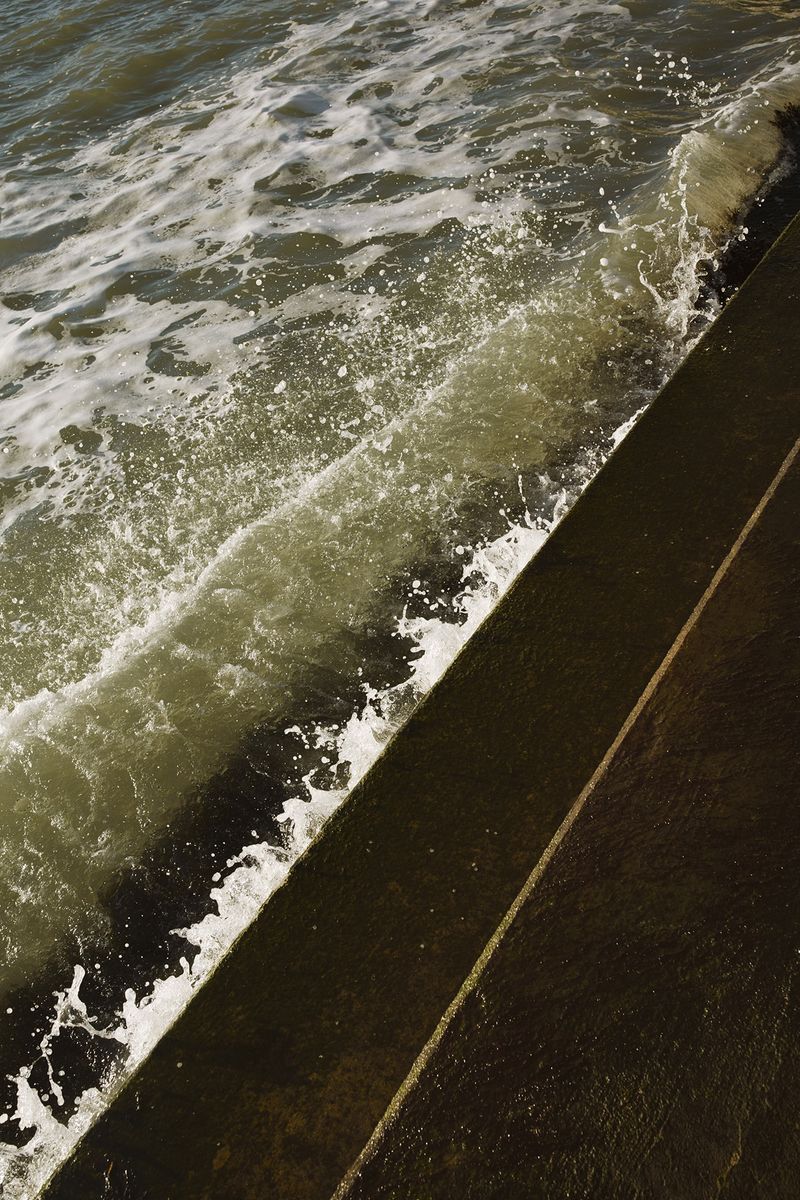
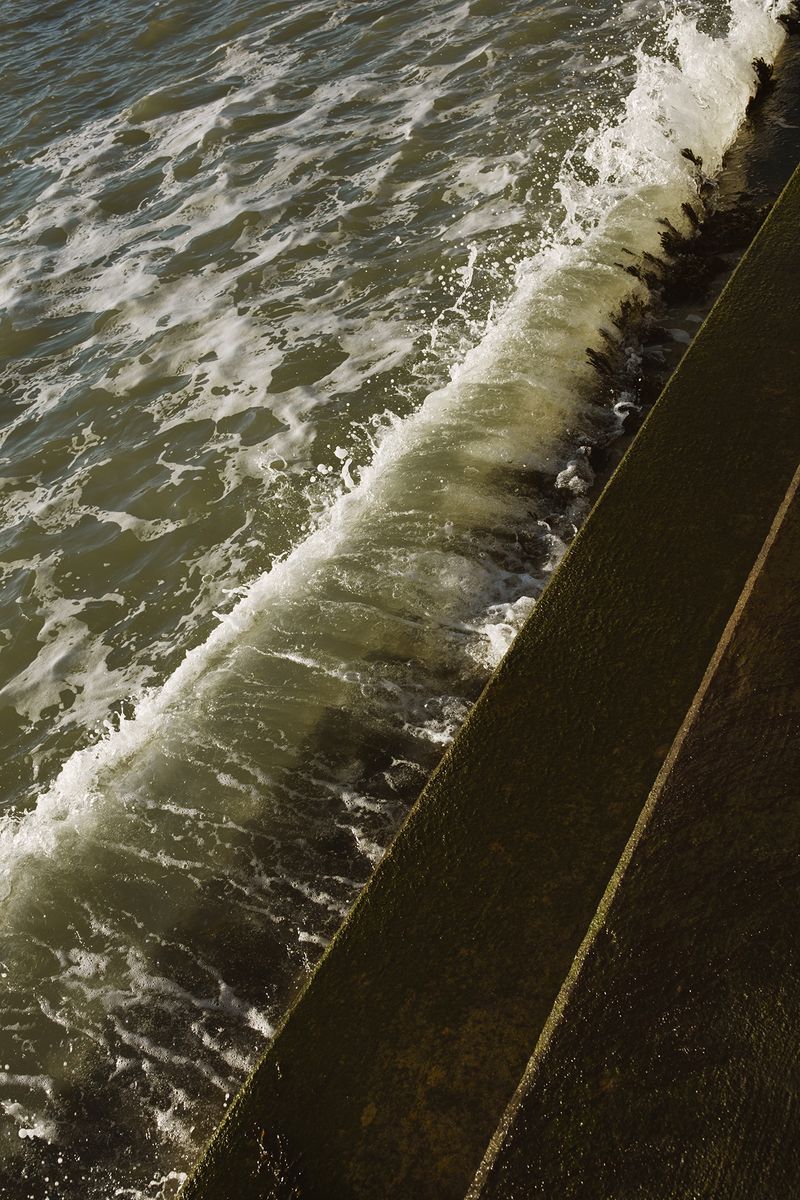
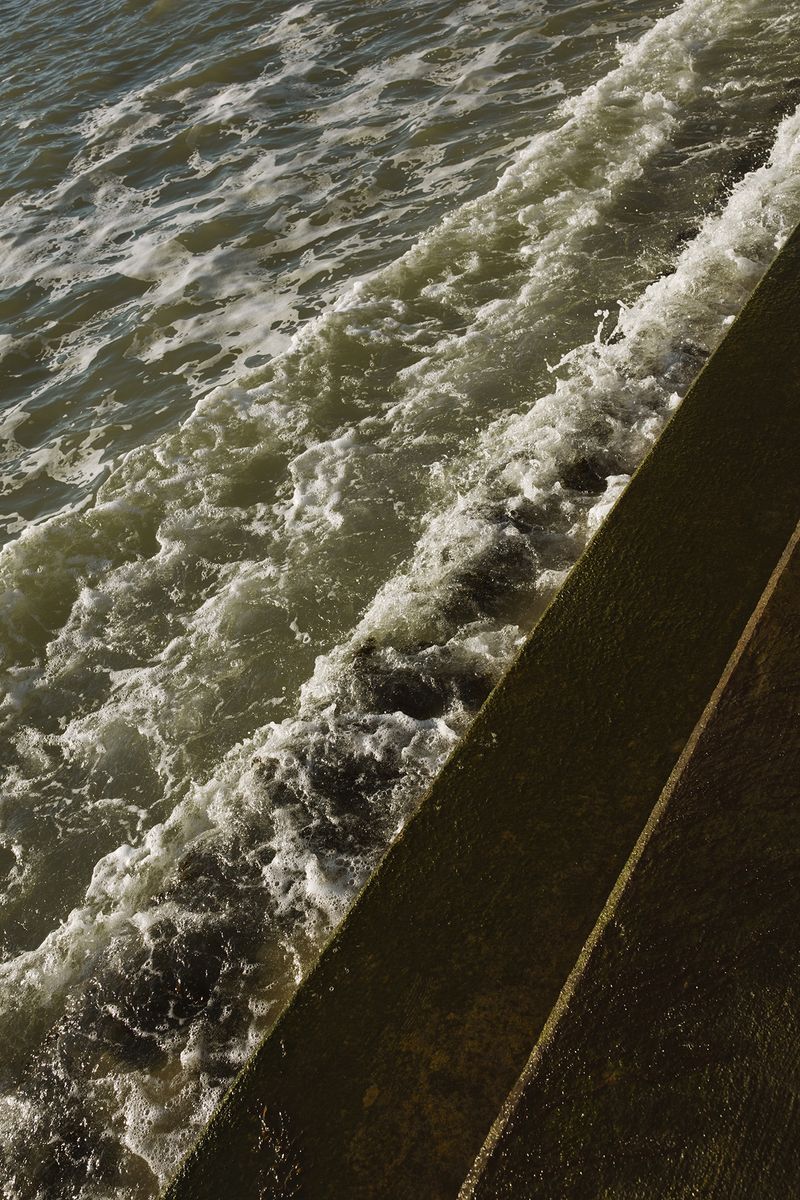
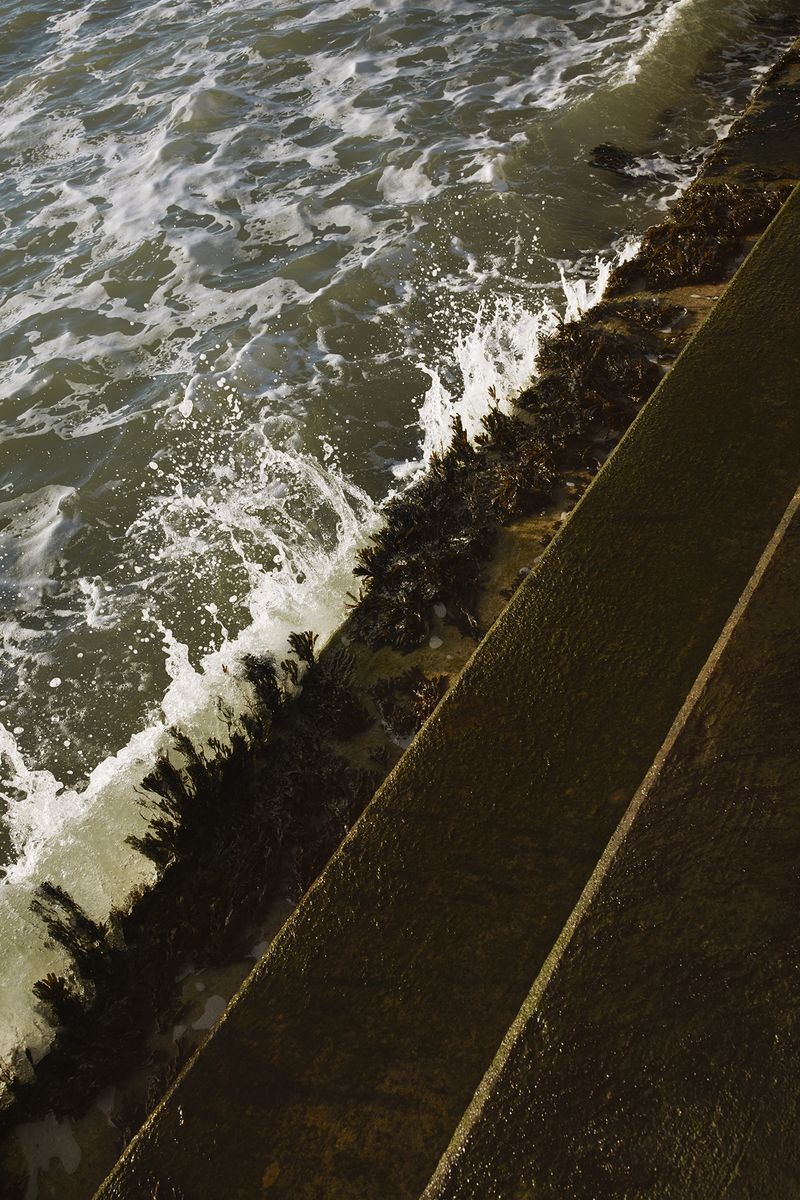
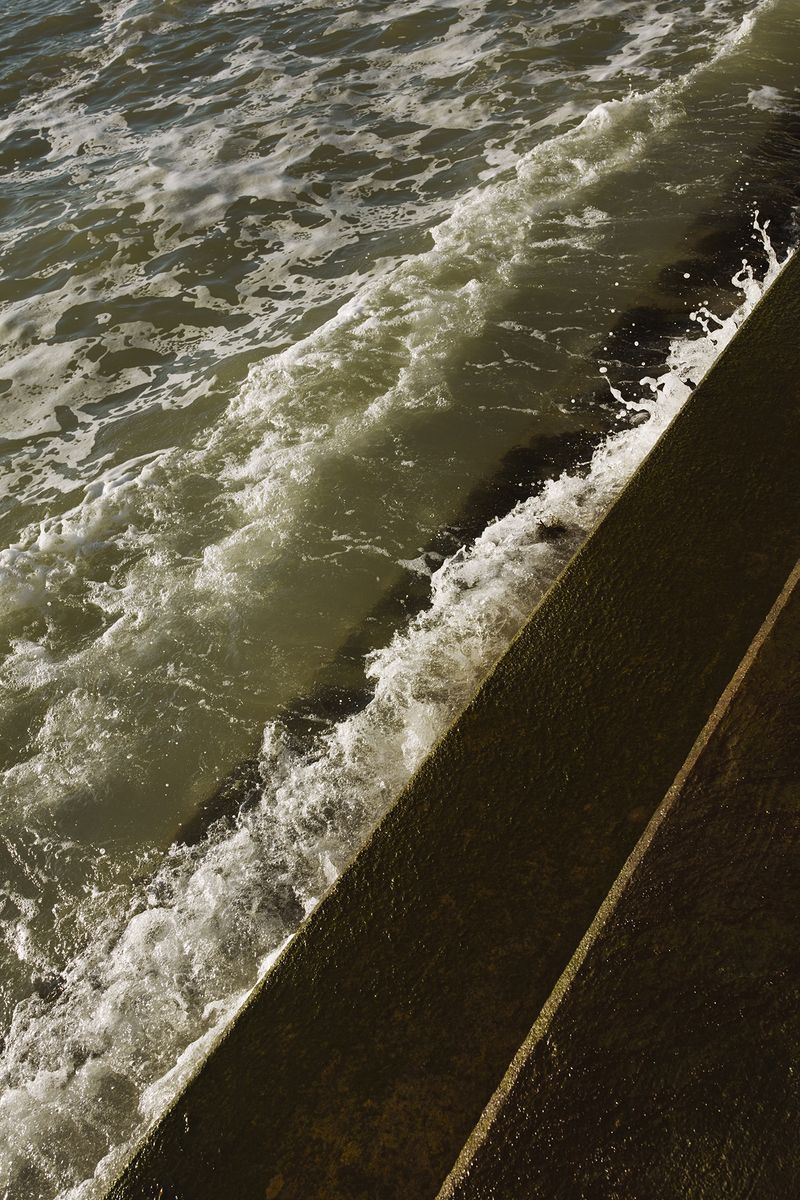
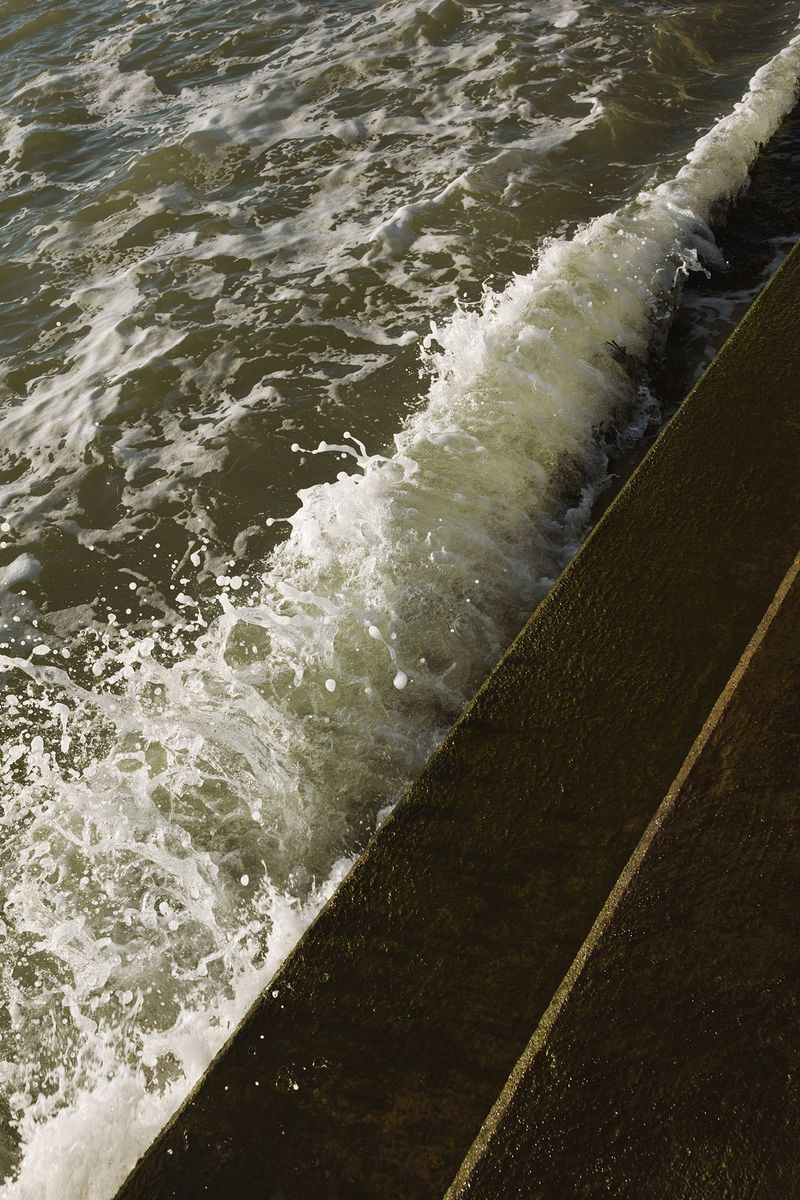
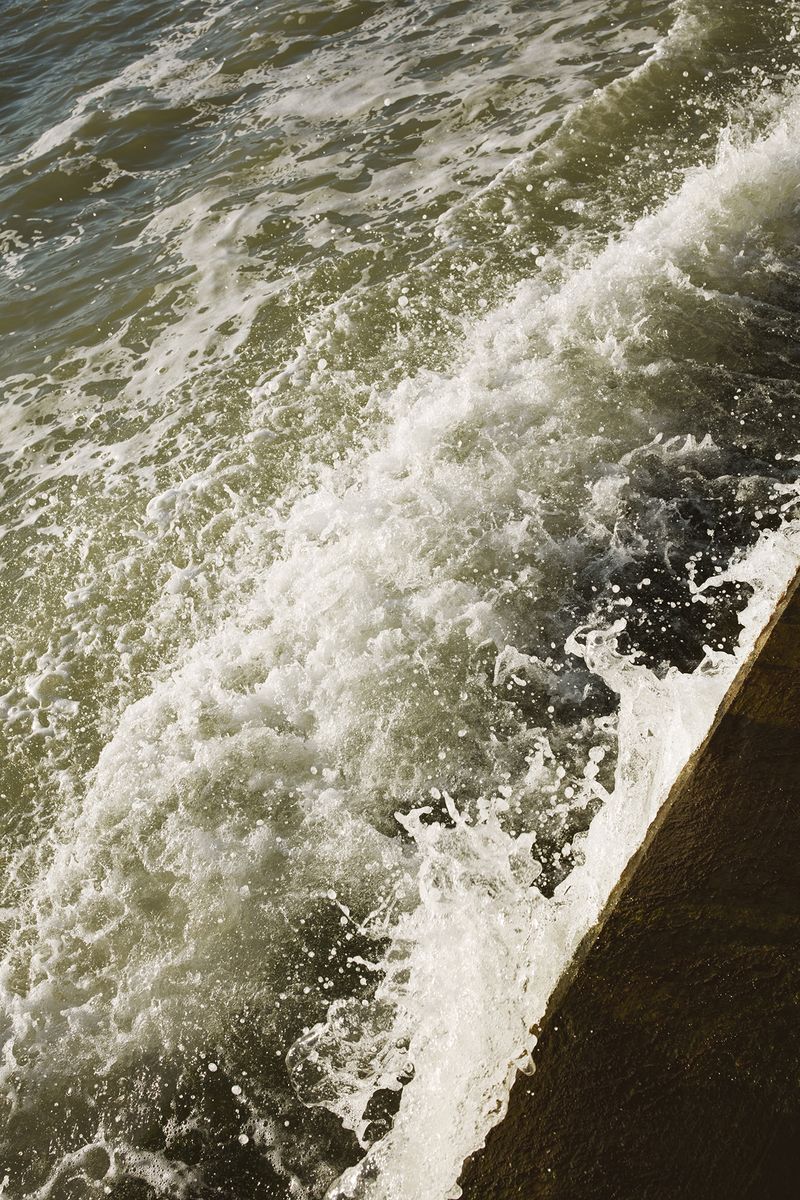
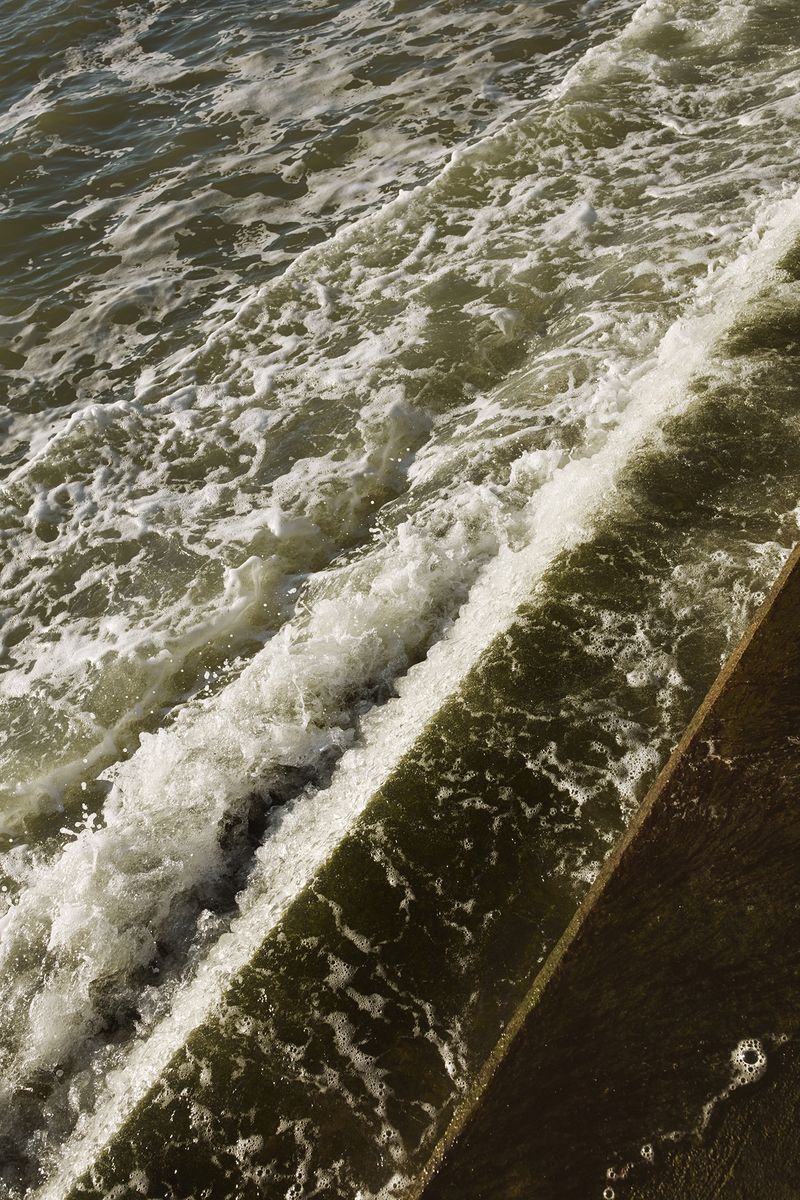
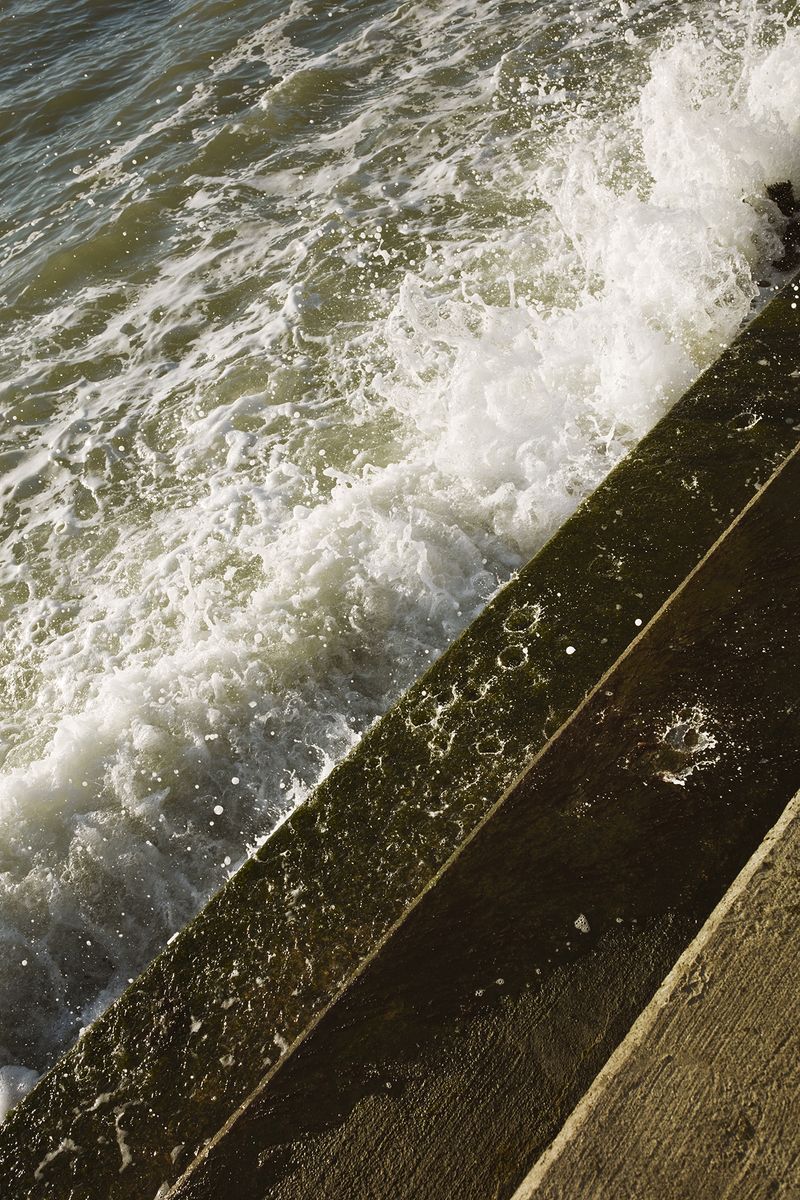
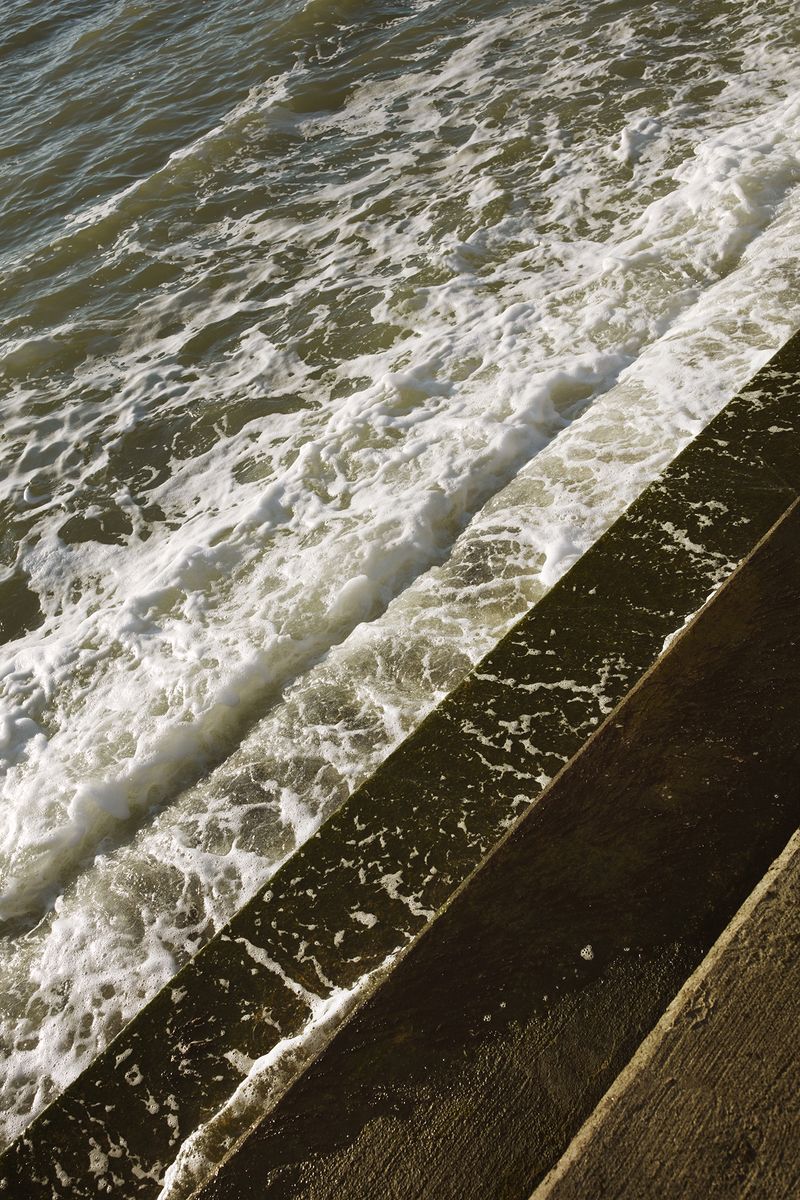
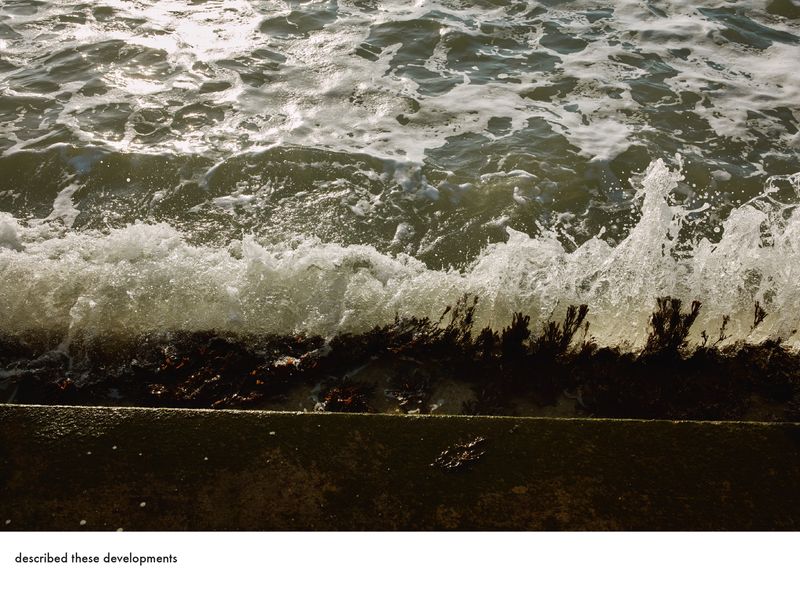
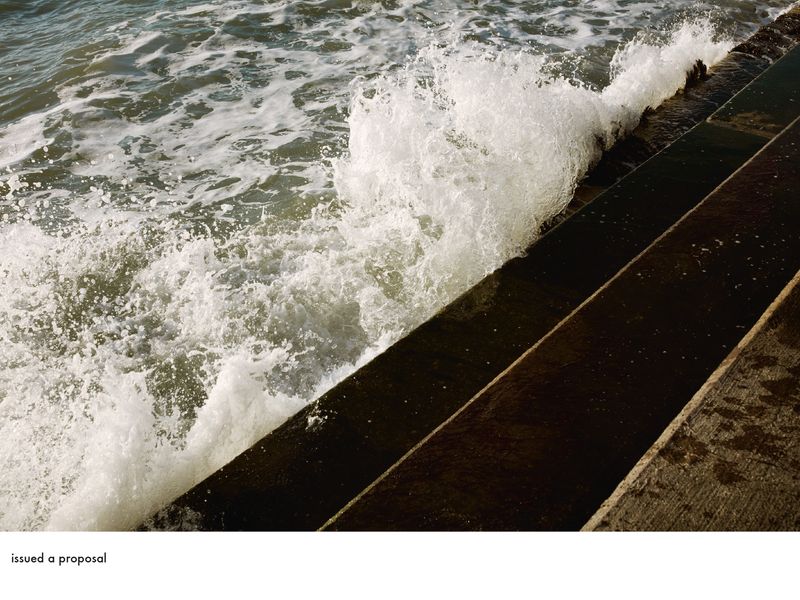
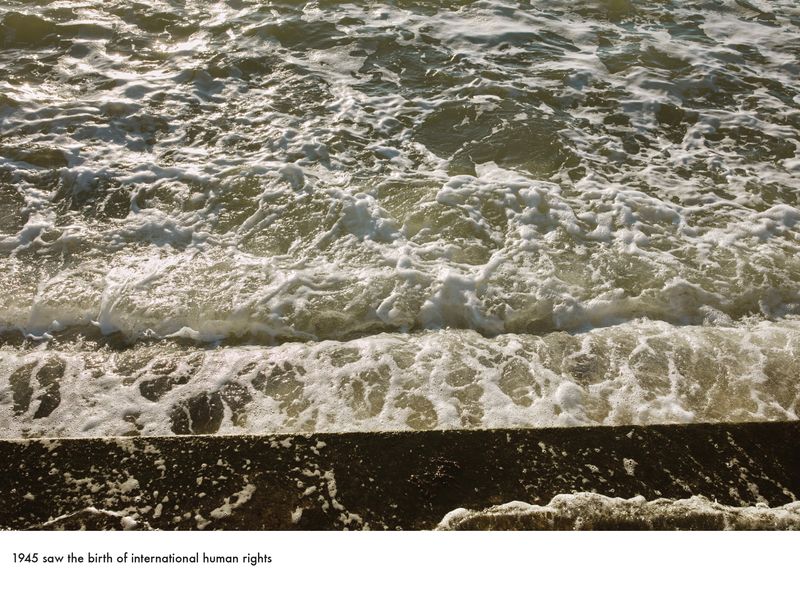
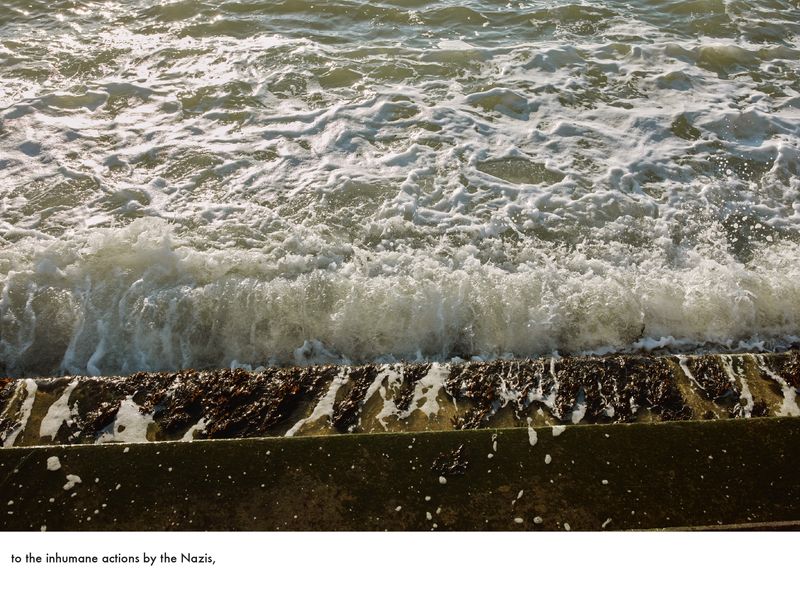
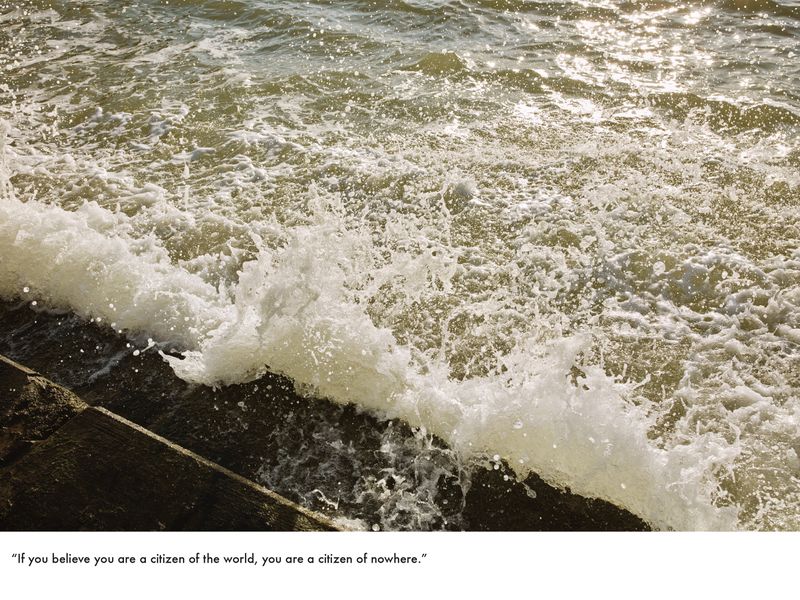
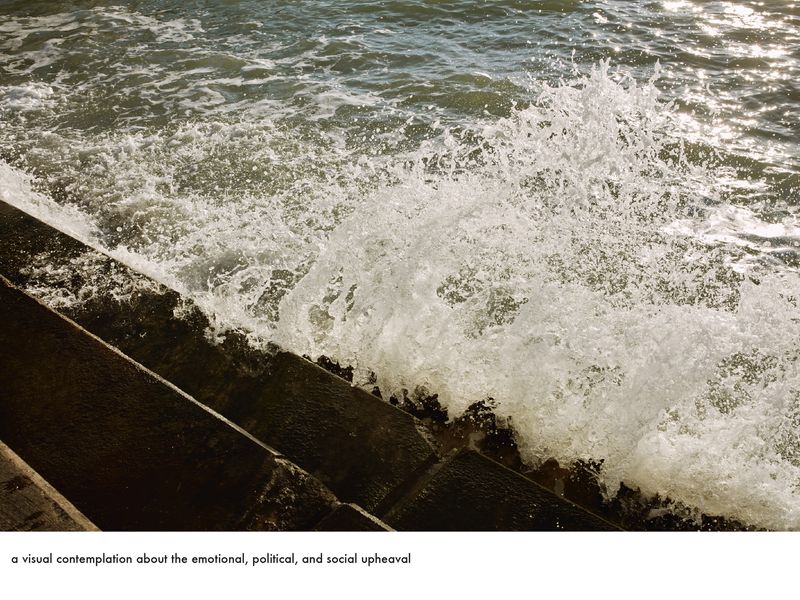
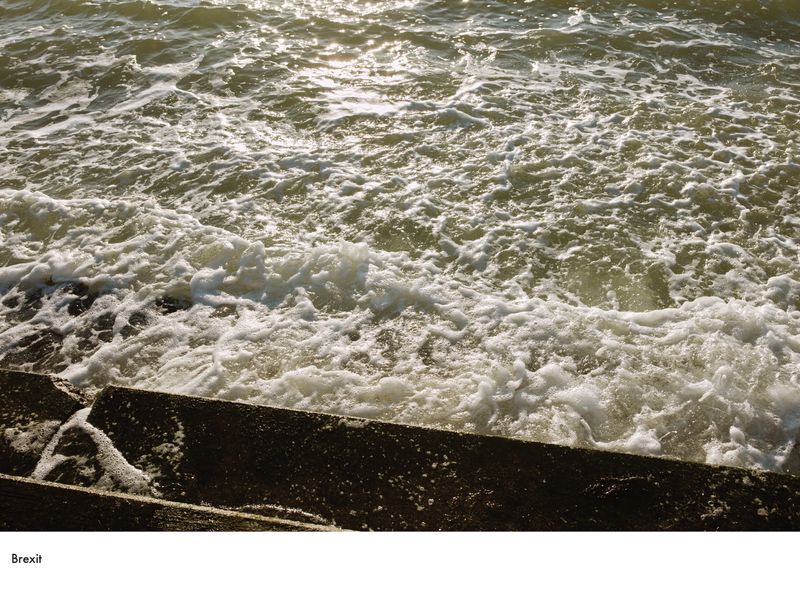
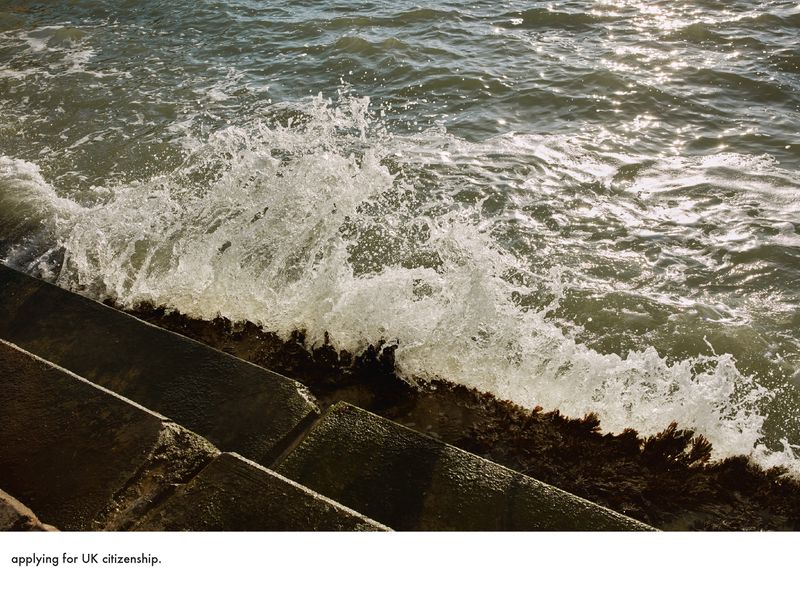
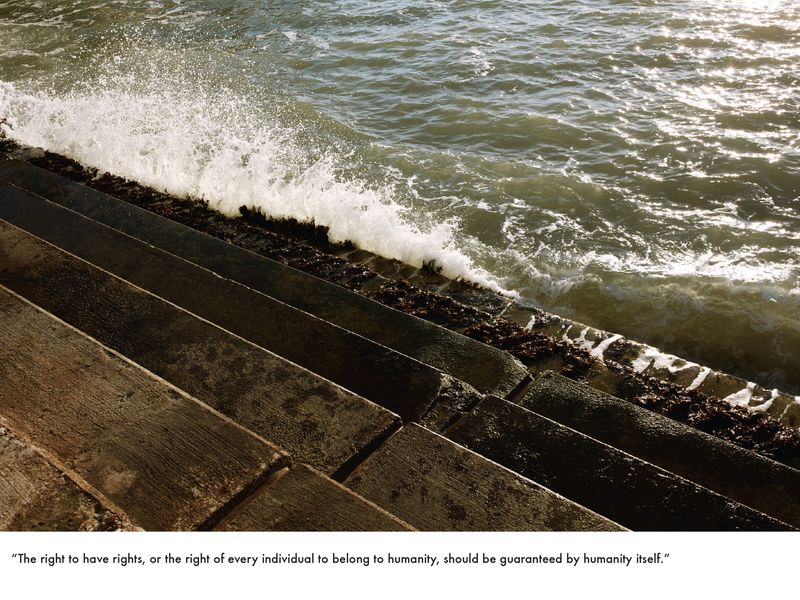
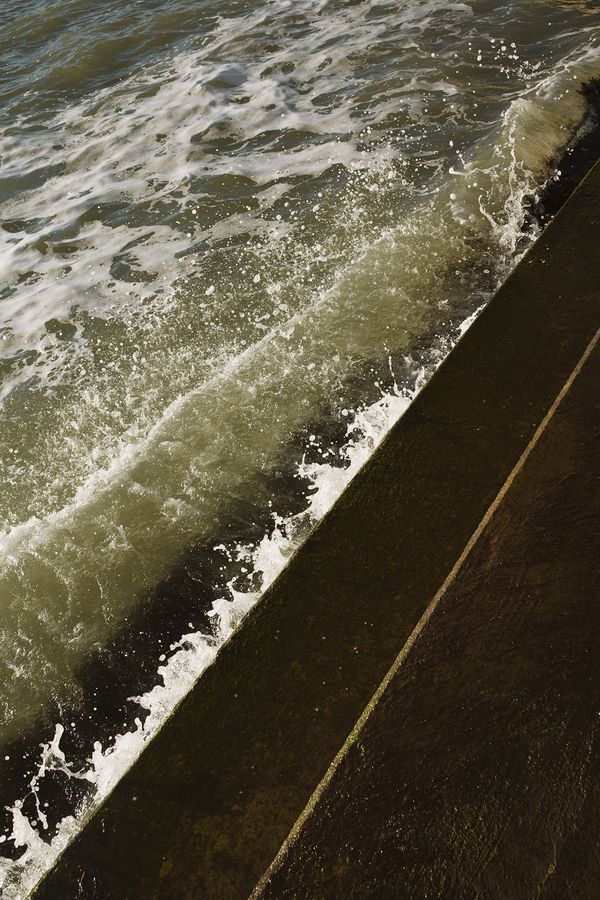
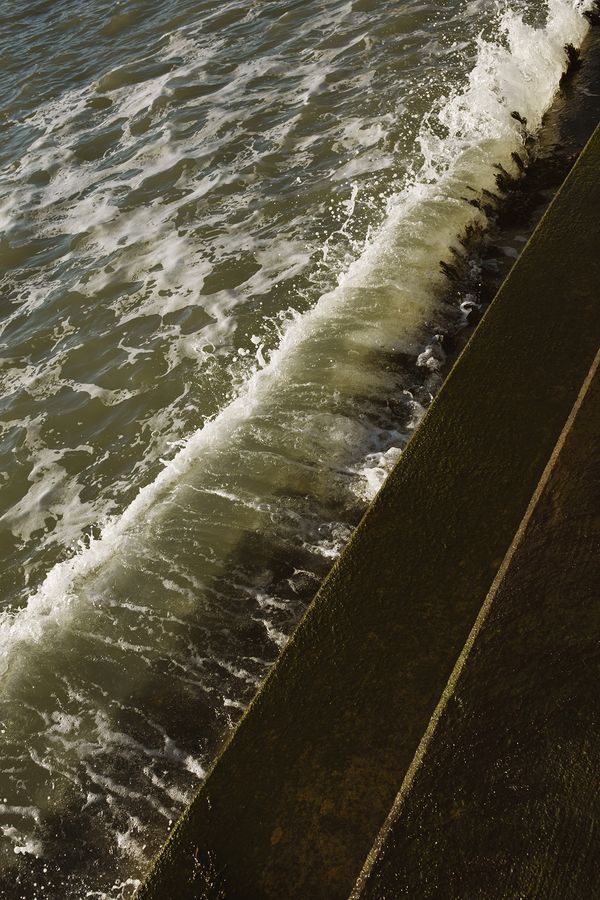
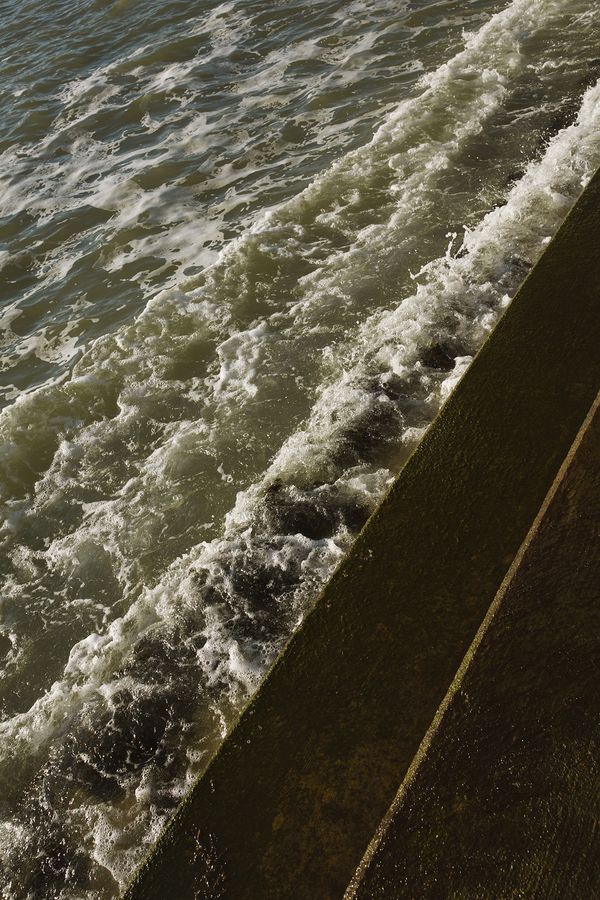
In December 2018, I stood on the steps to the channel at Dover and photographed the sea. Showing waves crashing into concrete, these images express the emotional turmoil I experienced during Brexit. In Finstere Zeiten [Dark Times], I have combined these shots with text drawn from newspapers, books, and personal experience, which illustrate the intensity of the division and debate in Britain at this time. I am interested in documenting moral shifts in society, changes which are initially almost imperceptible then slowly lead a society into a different direction; over the last decade, Britain has undergone a profound change.
I was born in Germany but have lived in the UK for the last 28 years, free to do so as a European citizen. That changed after the referendum on 23 June 2016, when Britain voted to leave the European Union. Faced with losing my right to stay I applied for British citizenship, and was halfway through this process when I shot Finstere Zeiten. With it came an unexpected sense of anxiety and loss of belonging. Driven by populist politics and new technology, attitudes towards citizenship and nationality that would once have been unacceptable are now commonplace in Britain.
When Theresa May became Prime Minister in 2016, she gave a speech stating: “If you believe you are a citizen of the world, you are a citizen of nowhere”. She went on to verbally oppose UK membership of the European Convention of Human Rights, and her government proposed British companies be made to list their foreign employees. May’s statements and these proposals have been compared to Nazism by opponents in the press. In Finstere Zeiten, I contrast this nationalism with something more open-ended.
The title of my project comes from Hannah Arendt’s book, Men in Dark Times, which argues that “of all the specific liberties which may come into our minds when we hear the word freedom, freedom of movement is historically the oldest and also the most elementary”. The images focus on the sea, an ever-moving body that flows from place to place. The channel isn’t owned by a single country and, while it serves as a frontier, it’s also always facilitated travel.