Filling in the Gaps
-
Dates2015 - 2025
-
Author
- Location Sweden
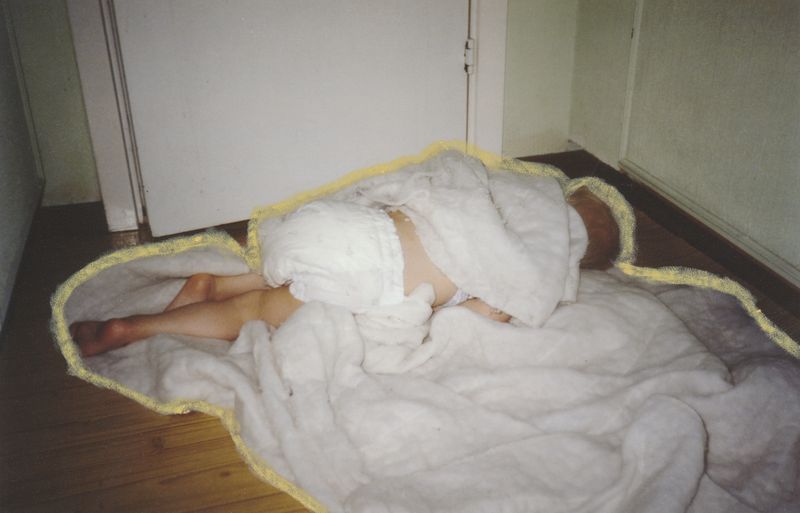
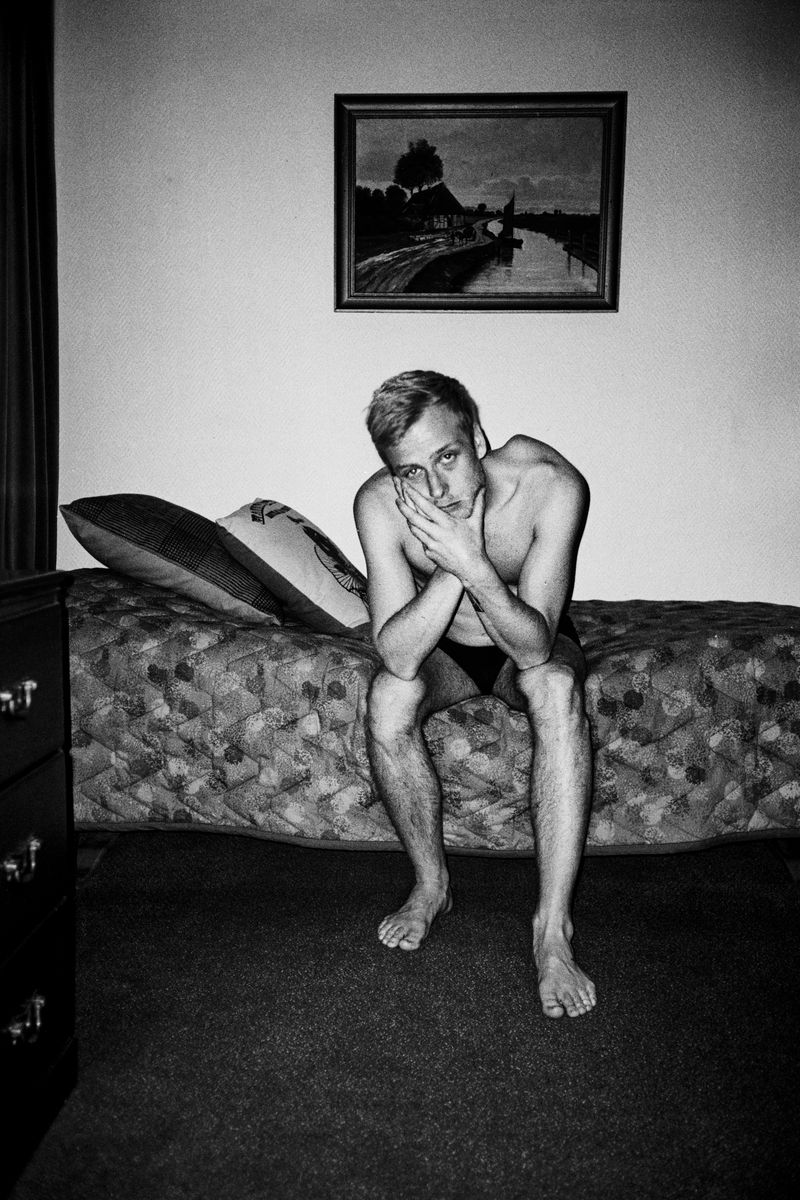
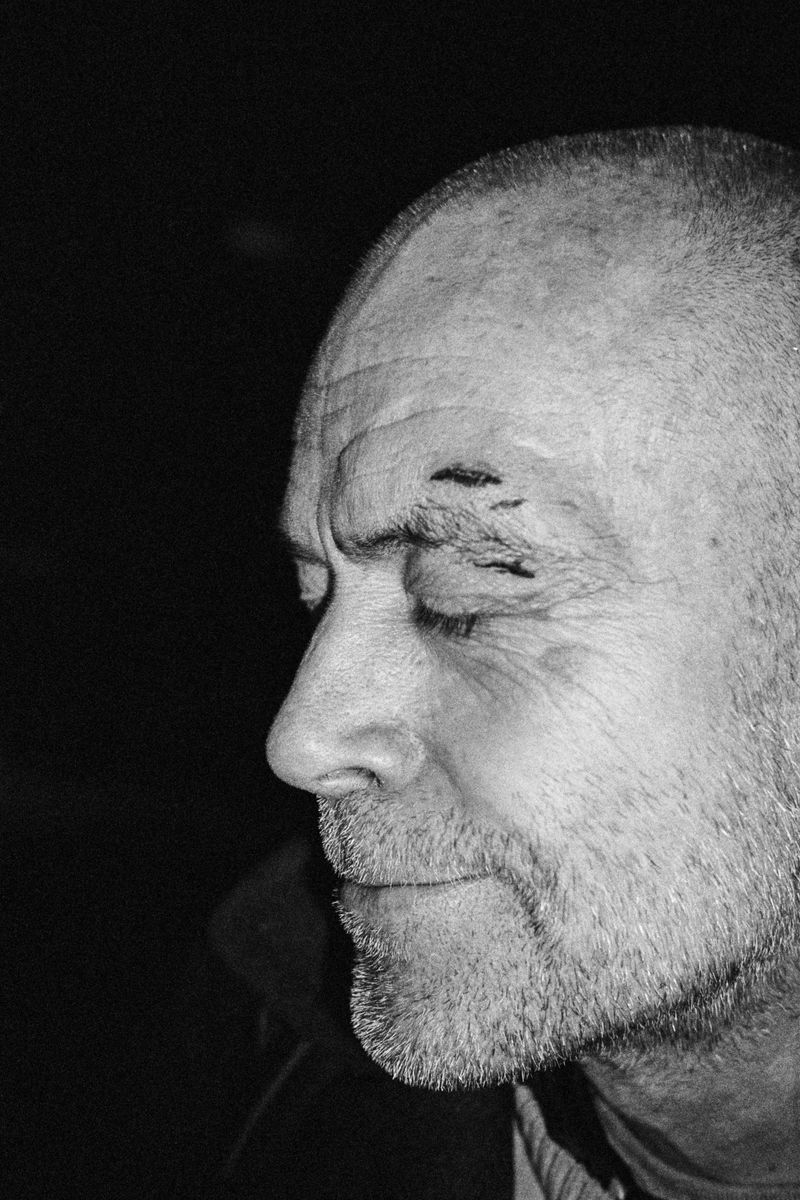
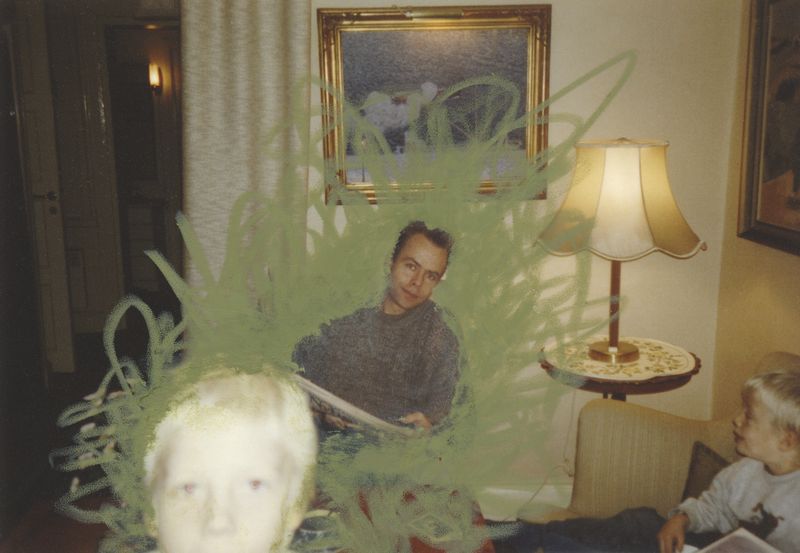
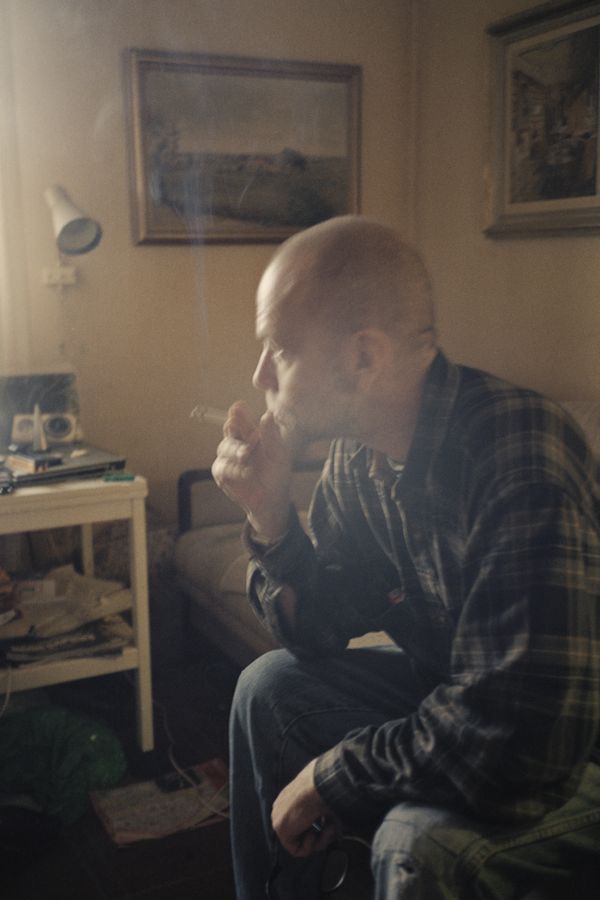
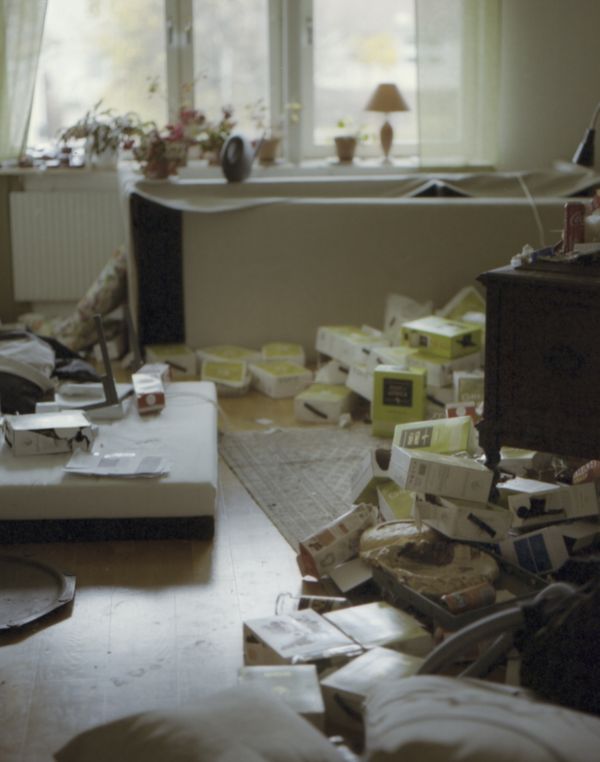
In 'Filling in the Gaps', Marcus explores his father’s alcoholism and its impact on his family. Using photography and altered archival images, he reclaims fragmented memories, creating a deeply personal narrative of trauma, healing, and reconciliation.
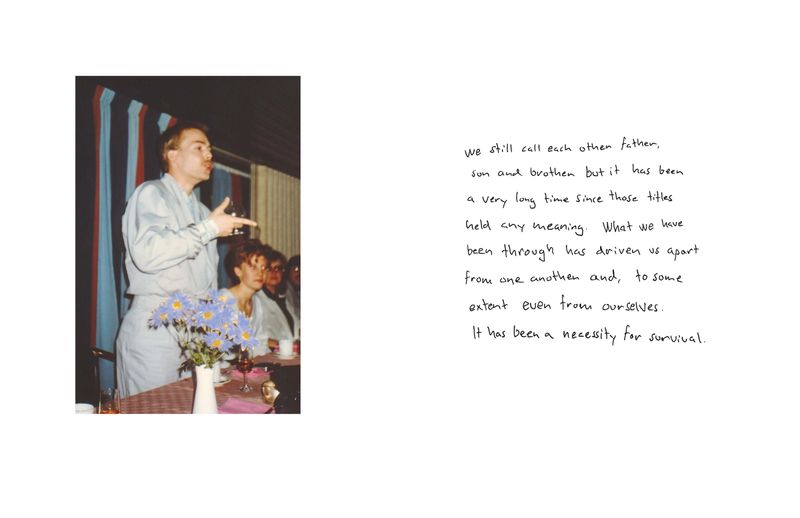
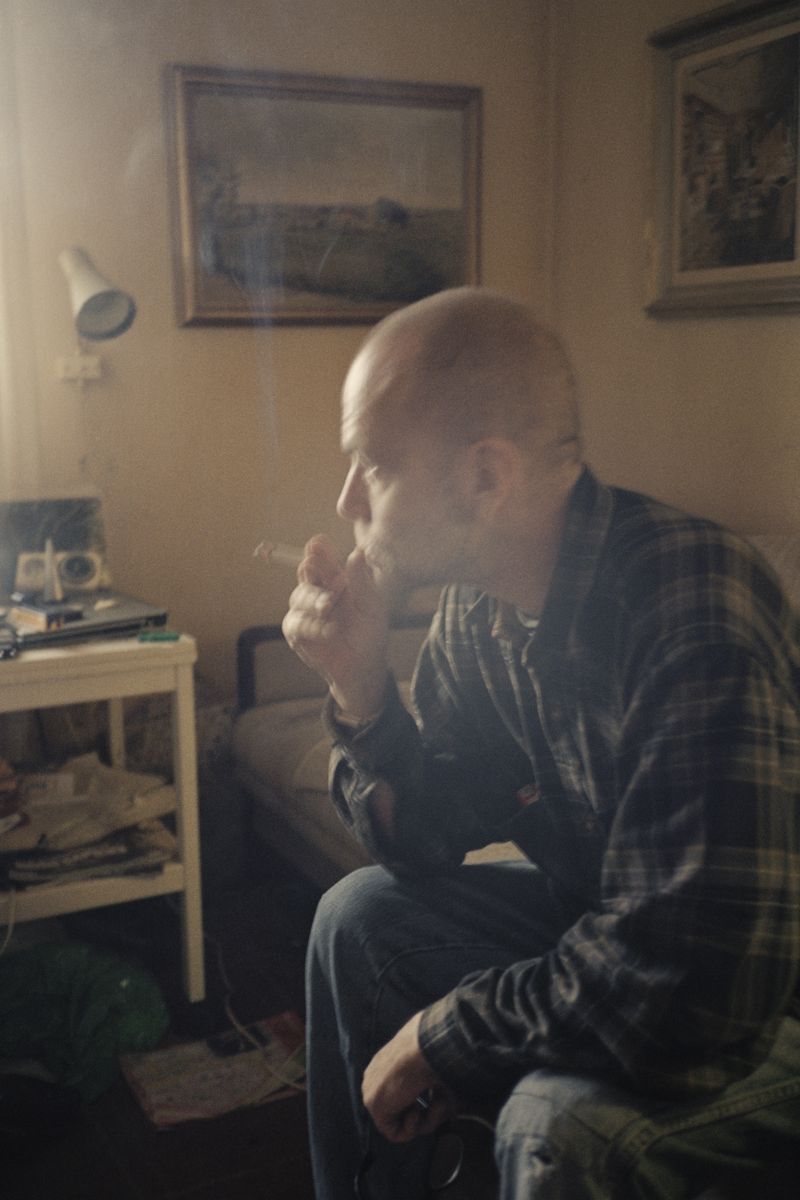
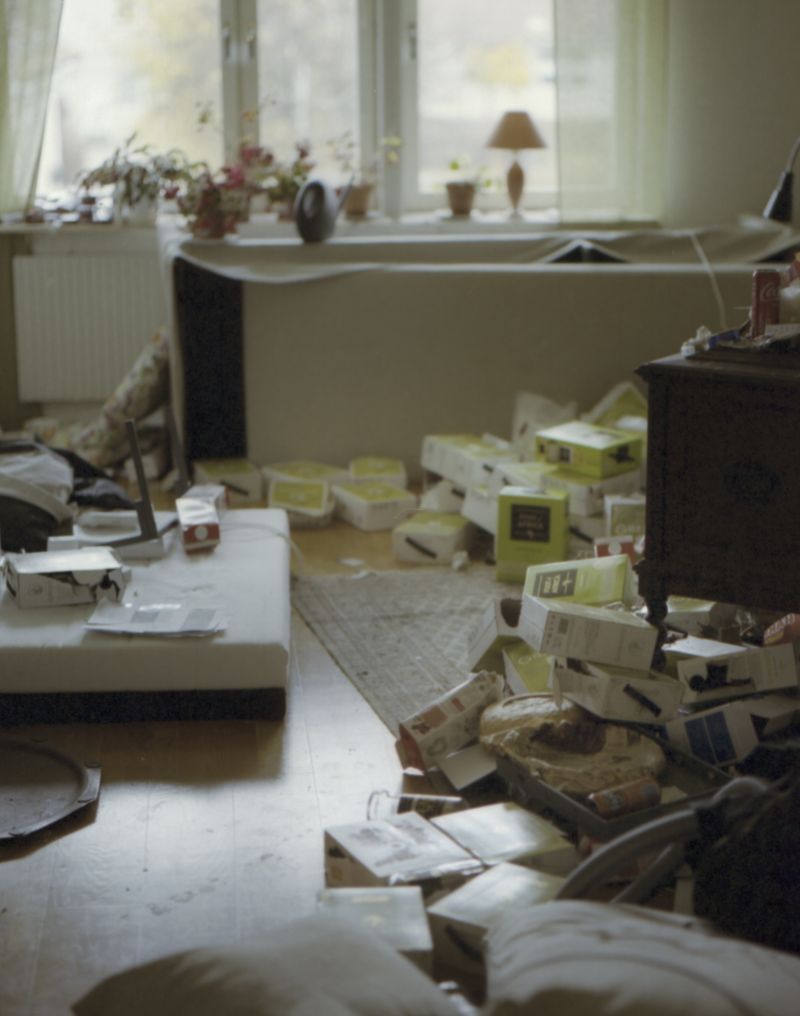
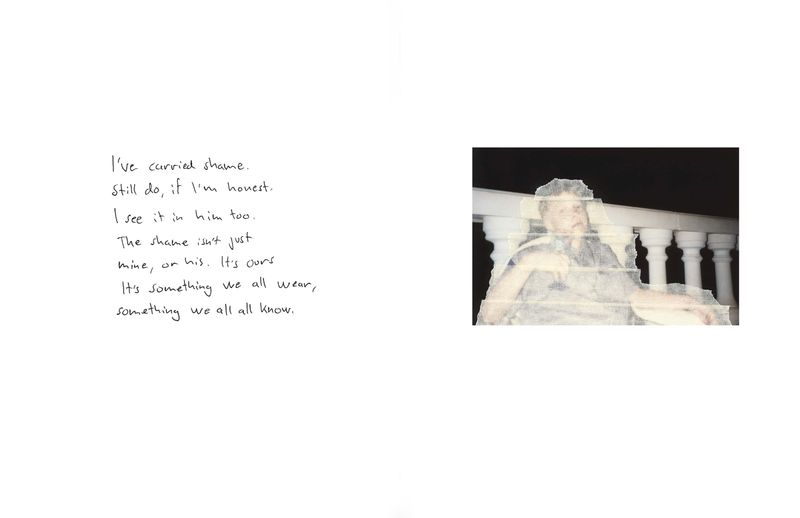
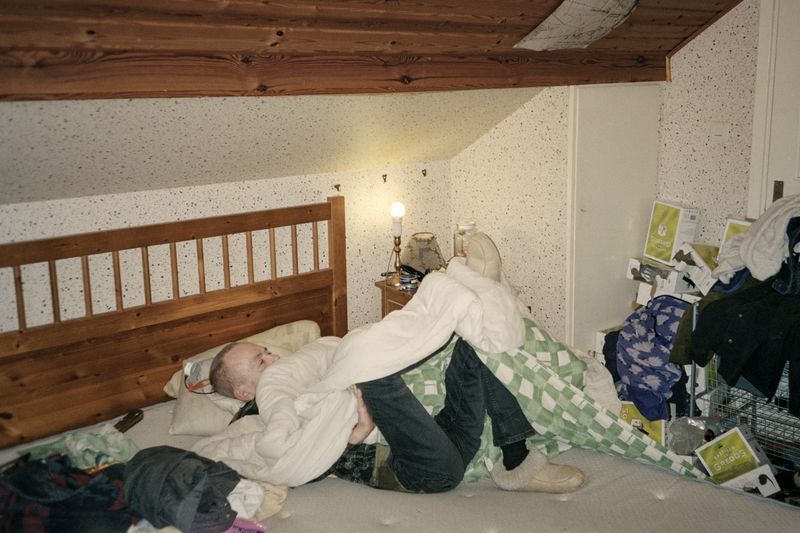
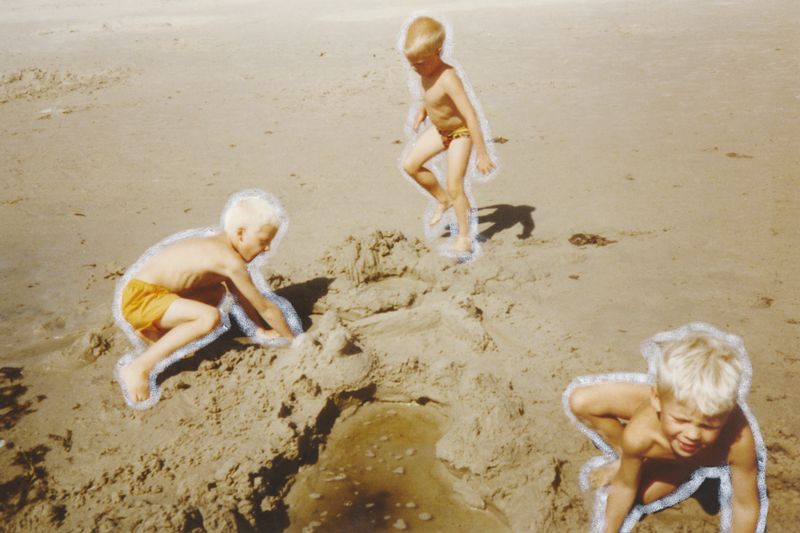
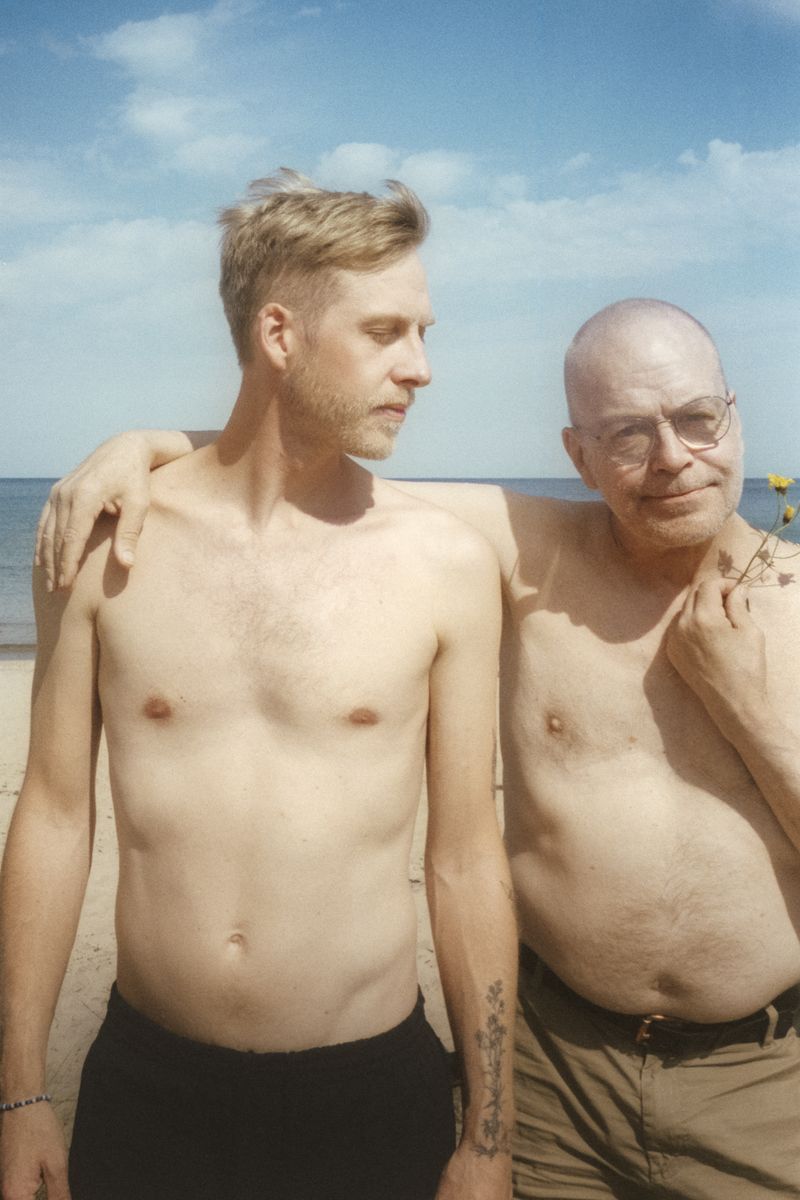
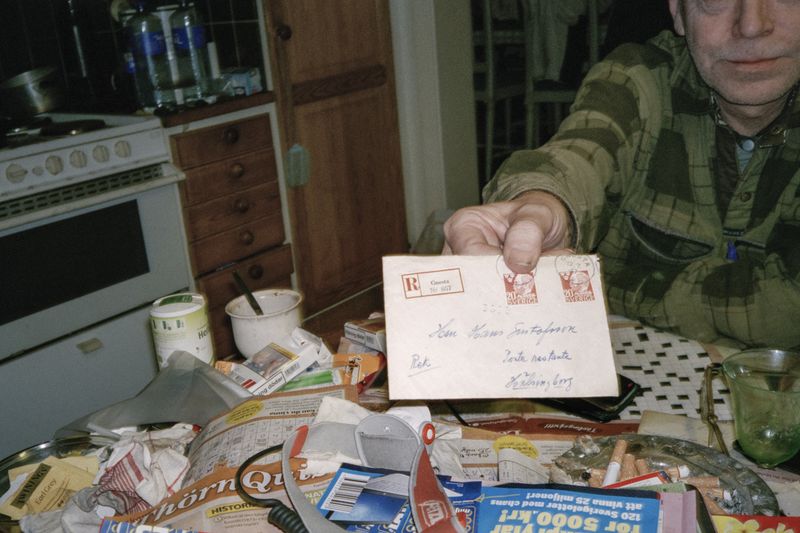
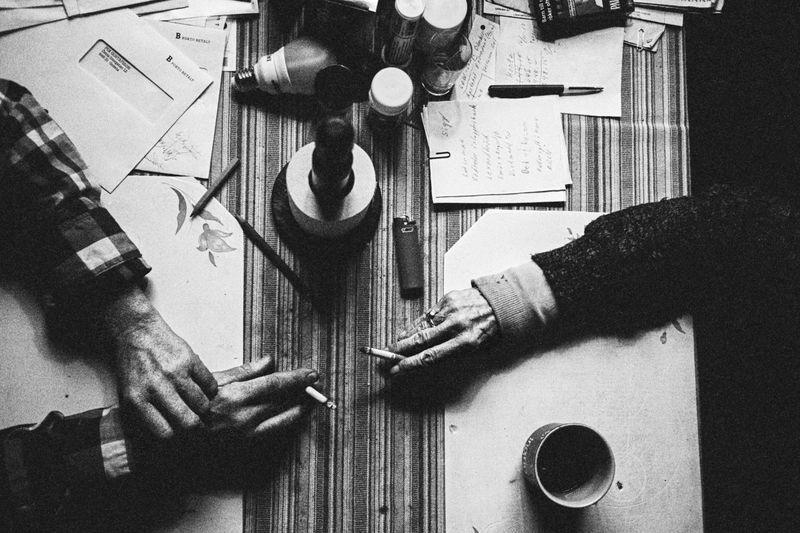
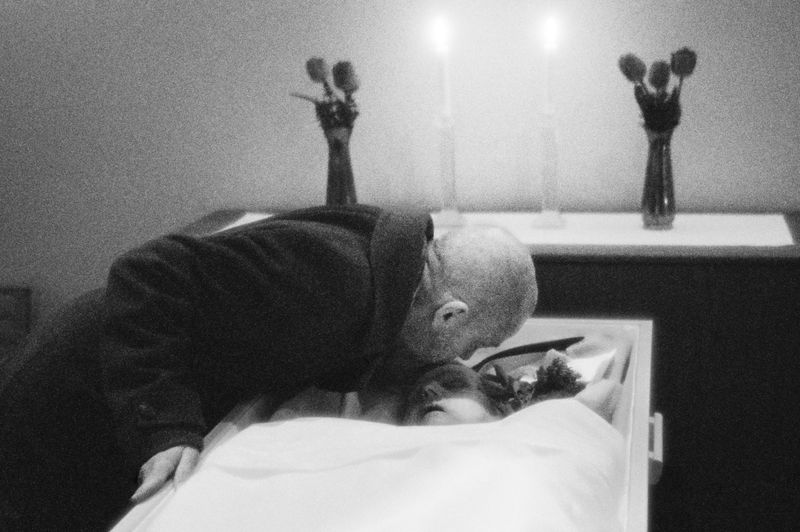
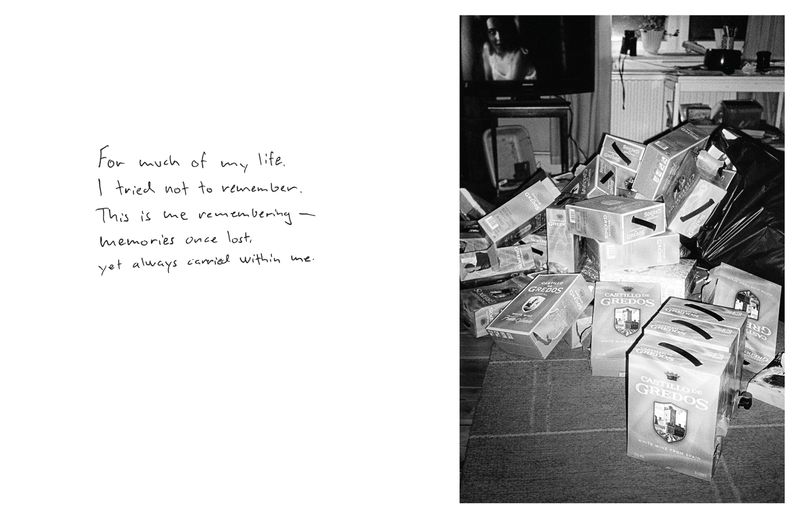
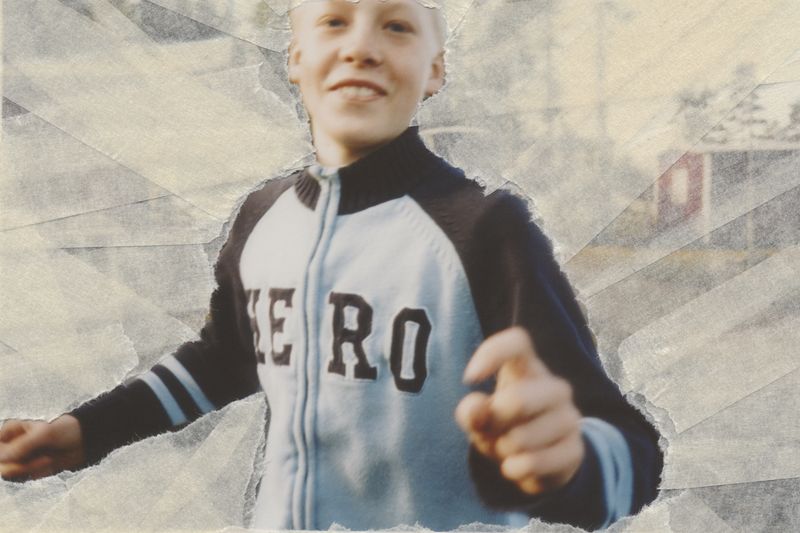
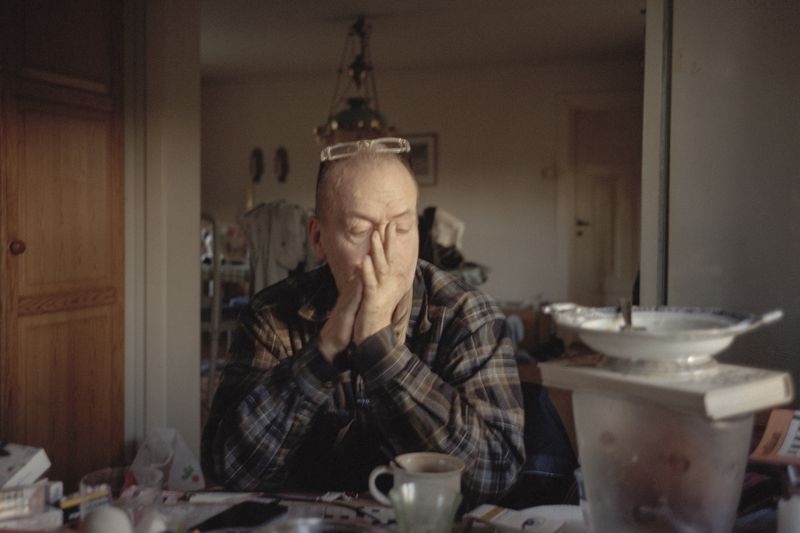
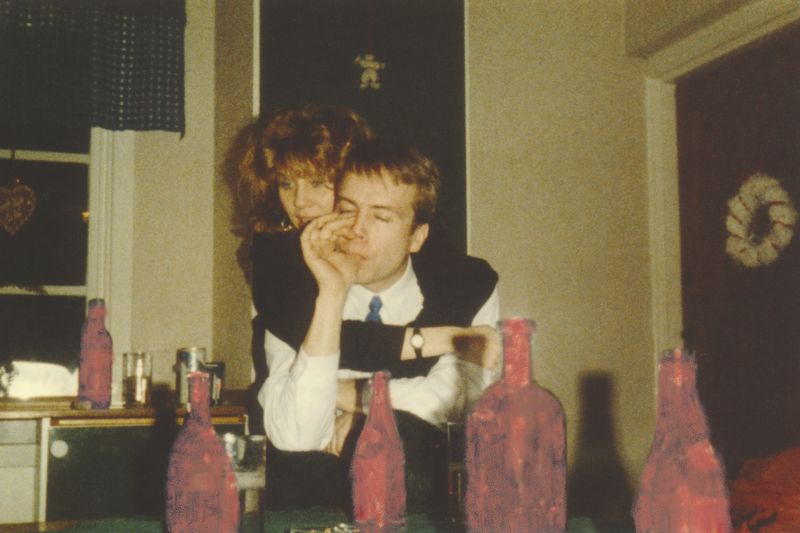
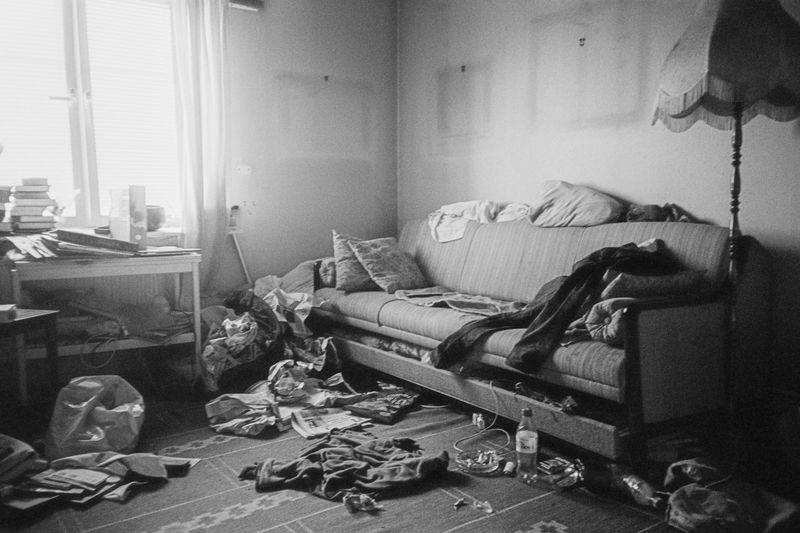
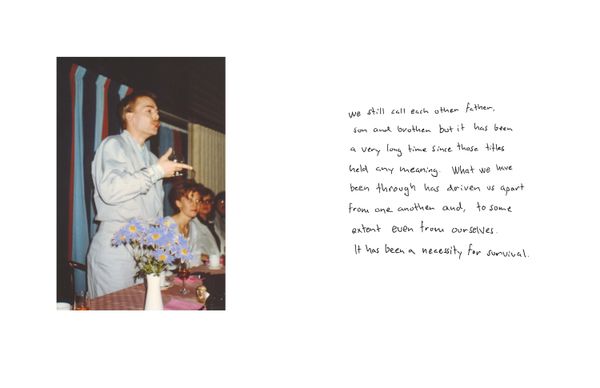
In Filling in the Gaps, Marcus Gustafsson explores a deeply personal and complex narrative of his father’s alcoholism and its impact on himself, his family, and his father. This project is an attempt to reconcile fragmented memories—his own and those of others—to better understand the circumstances that have shaped his life and relationships. The work is also an effort toward healing, as Marcus seeks to restore a connection with his fractured family. The project confronts the duality of growing up with an alcoholic parent: the struggle to break free while being bound by a shared history, and the void left behind when the family’s unifying figure is gone. It examines how addiction alters family dynamics, leaves lasting marks, and challenges the possibility of moving forward. Marcus uses photography as his primary medium, combining his own images of his family with archival photographs from the family’s photo albums. His visual language is characterized by an uncensored depiction of his surroundings, unafraid to confront discomfort. His work balances between the documentary and the stylized—at times stripped-down and raw, at times almost beautified. Through this duality, he reflects the emotional tension that defines his relationship with his father and family. It is a contrast between the real and the subjective, where his images become reflections of both the external and the internal. The archived family photographs are physically altered through painting, taping, and drawing. This manipulation transforms them into intimate acts of reclamation and spaces for inquiry. Through a childlike approach, Marcus symbolically reclaims memories that originally belonged to others, infusing them with his own voice. The process mirrors a vulnerable yet powerful reinterpretation of the family’s shared history, filtered through his own experience. Filling in the Gaps is an emotional exploration of trauma that highlights how delving into painful memories can serve as a step toward reconciliation. It also demonstrates how art can help us understand and make peace with the past.