Fearless Flowers
-
Dates2021 - 2023
-
Author
- Location South Korea
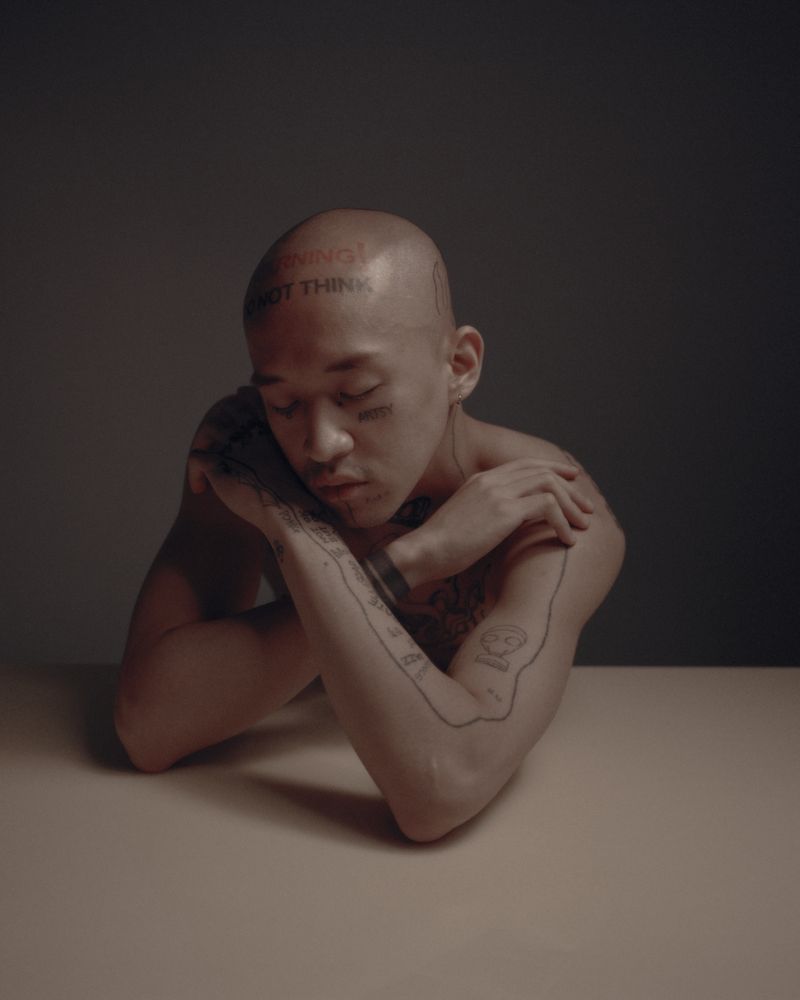
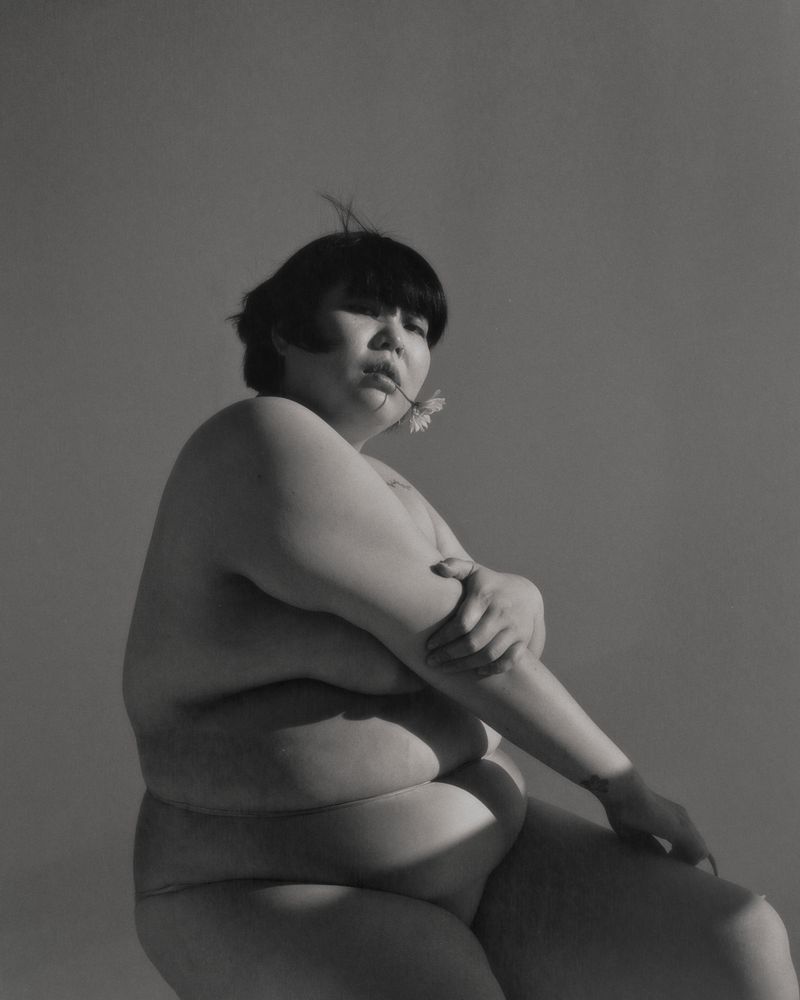
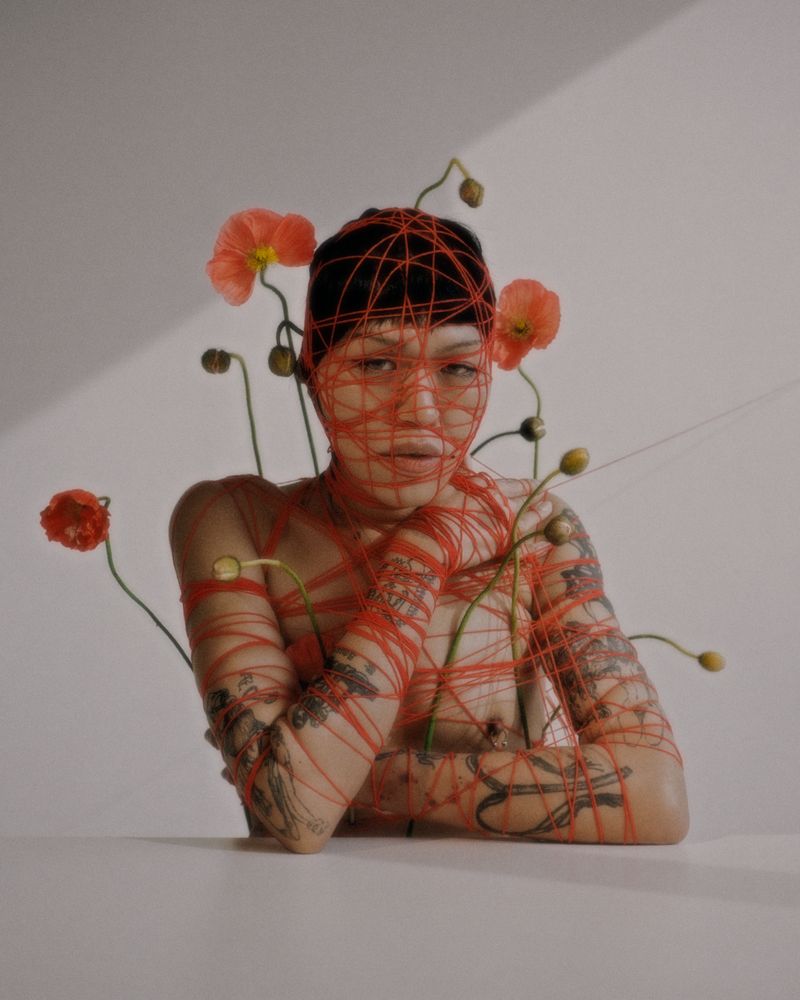
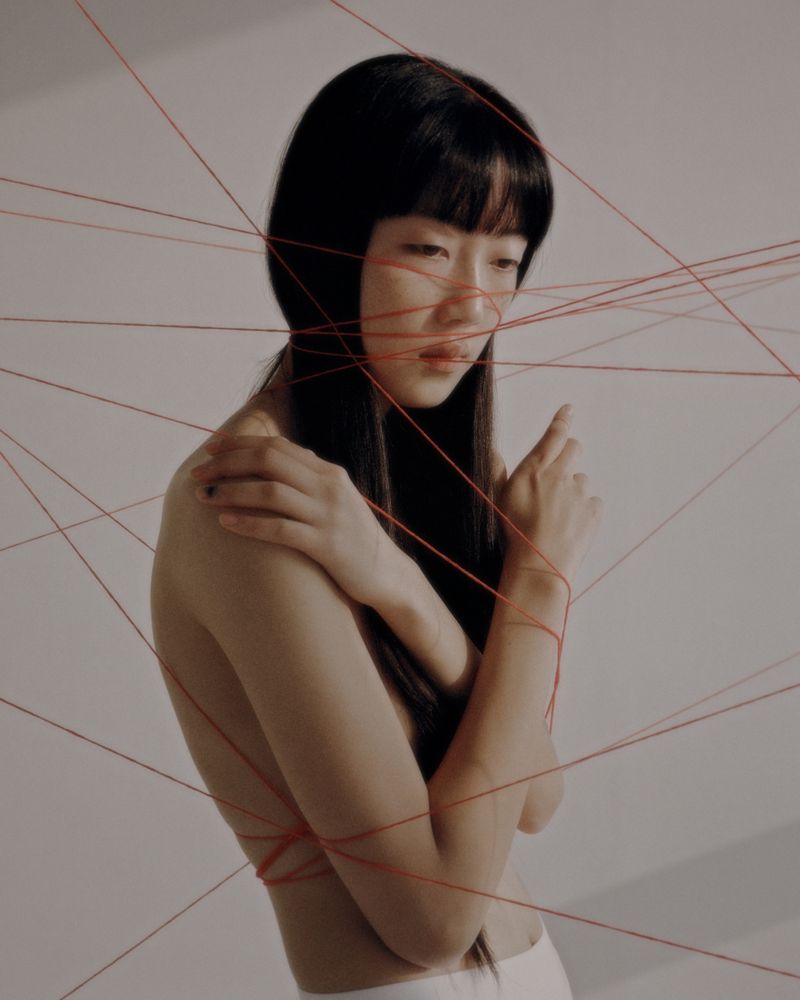
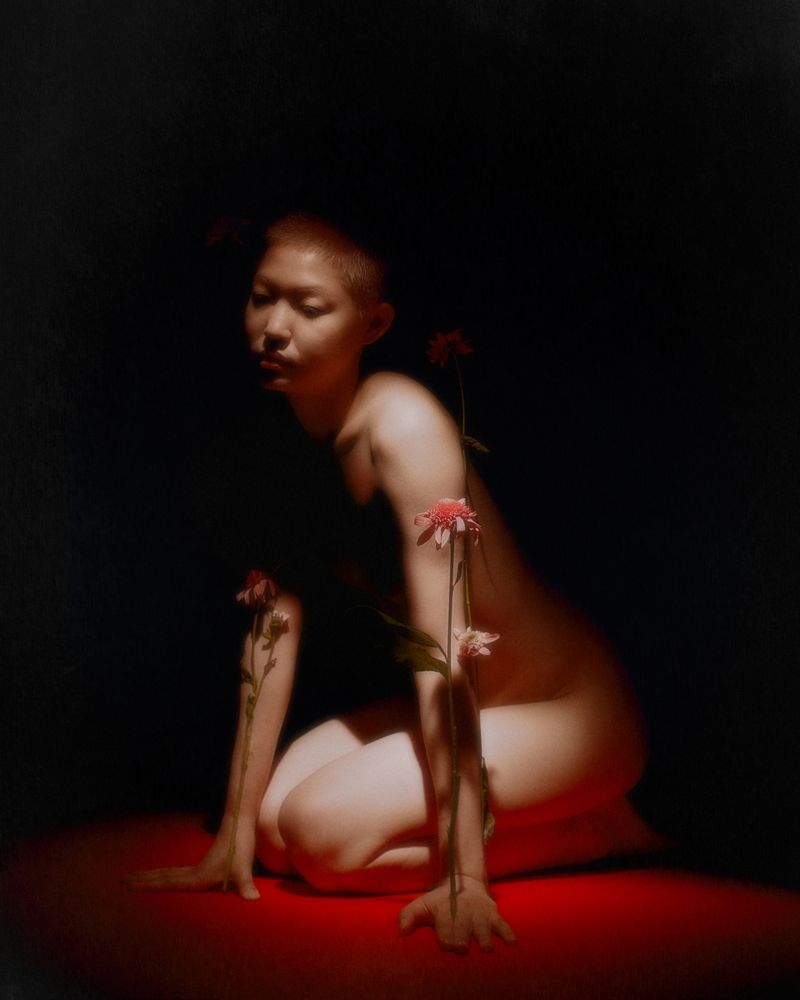
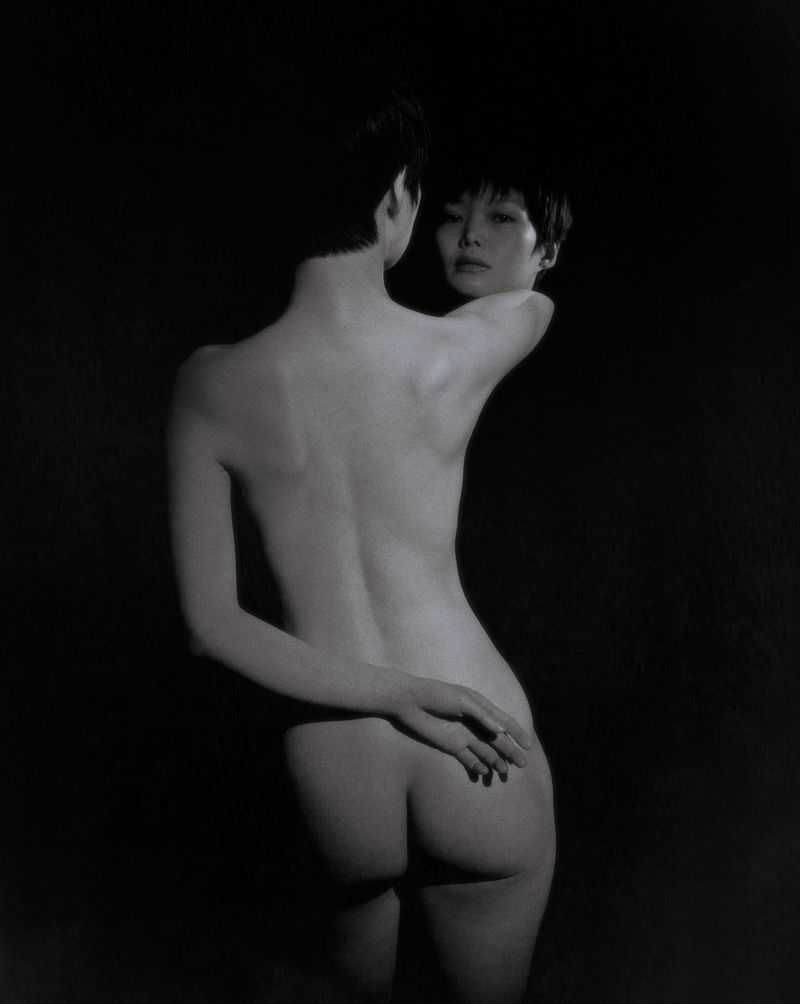
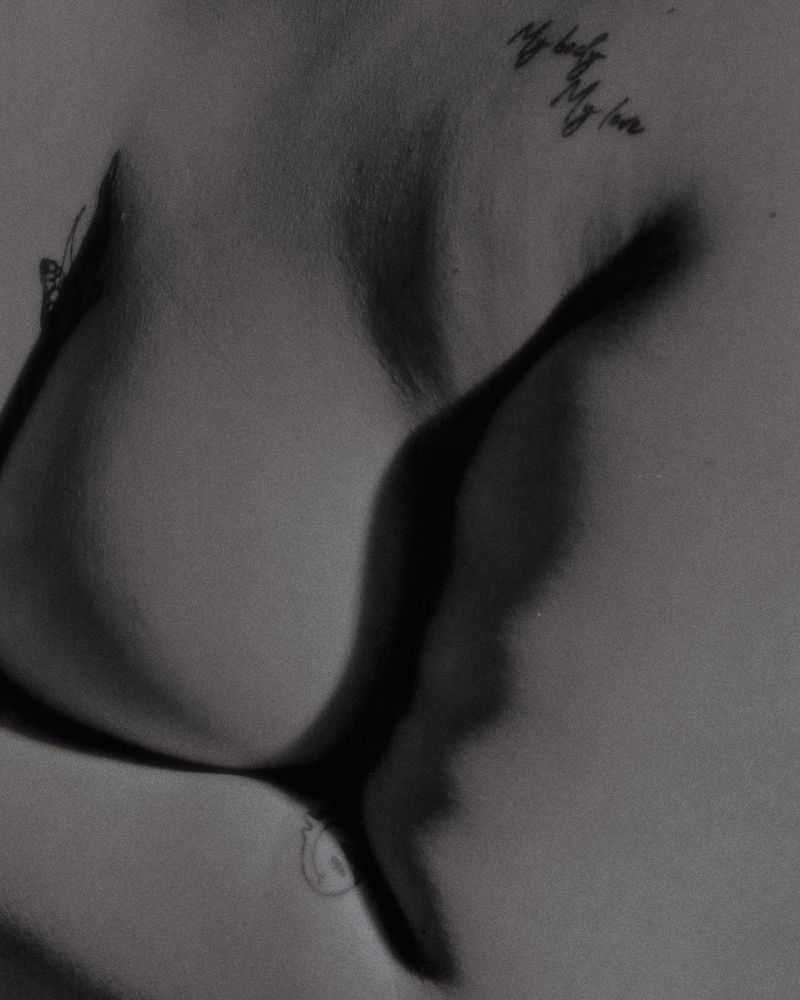
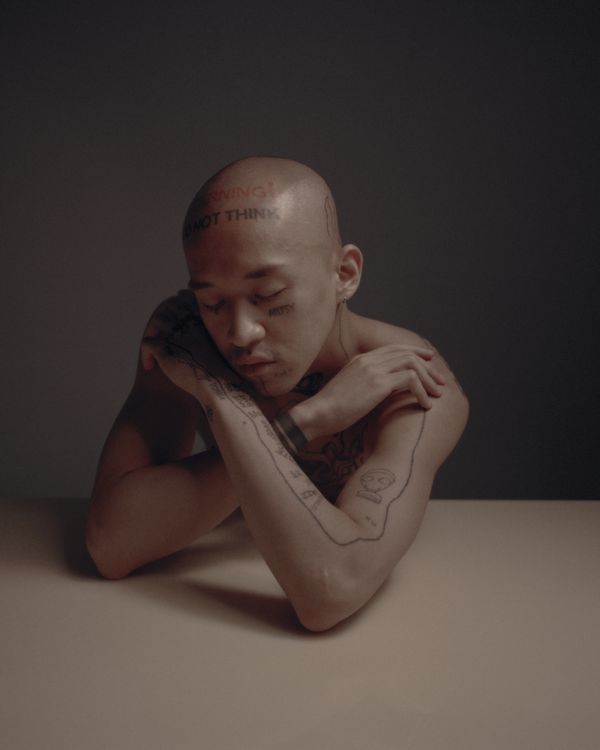
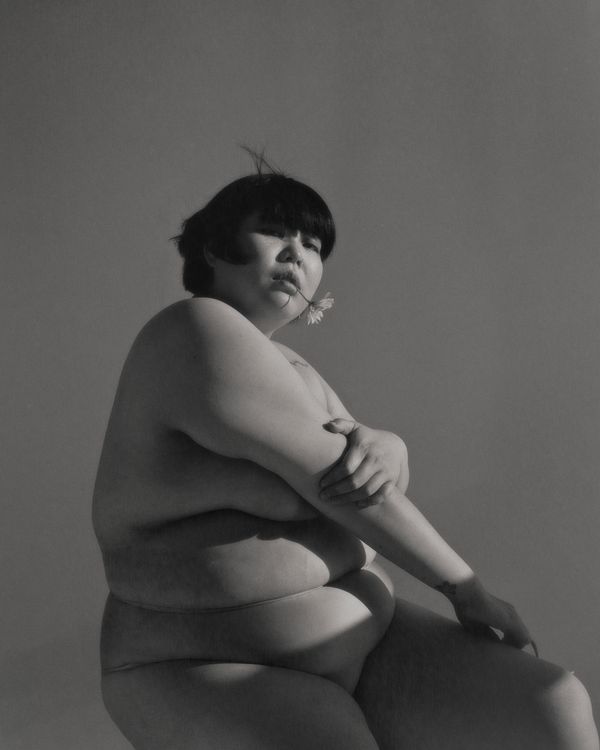
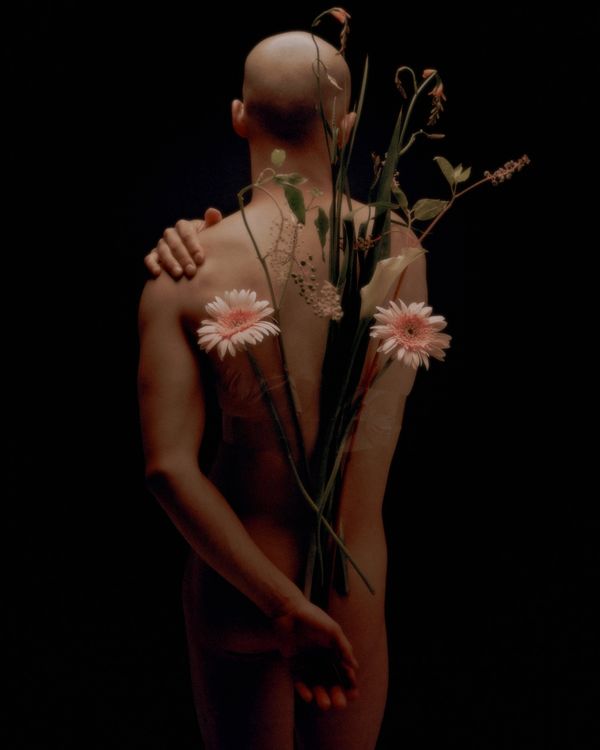
Fearless Flowers is a portrait series on identity as fluid and evolving. Created in South Korea, it explores how bodies, gender, and sexuality are negotiated between visibility and concealment—revealing intimate struggles that resonate across cultures.
Fearless Flowers emerges from a tension between what can be seen and what must remain hidden. Developed over two years in Seoul with twenty-three participants, the project reflects on how bodies, gender, and sexuality are experienced within a social environment where visibility is often both desired and risky.
Rather than seeking to define identity, the work approaches it as something unstable and in constant formation. Each participant inhabits their own position—shaped by personal history, social expectation, and moments of resistance—while remaining connected to broader, shared conditions. The images do not attempt to resolve these complexities; instead, they hold space for ambiguity, contradiction, and change.
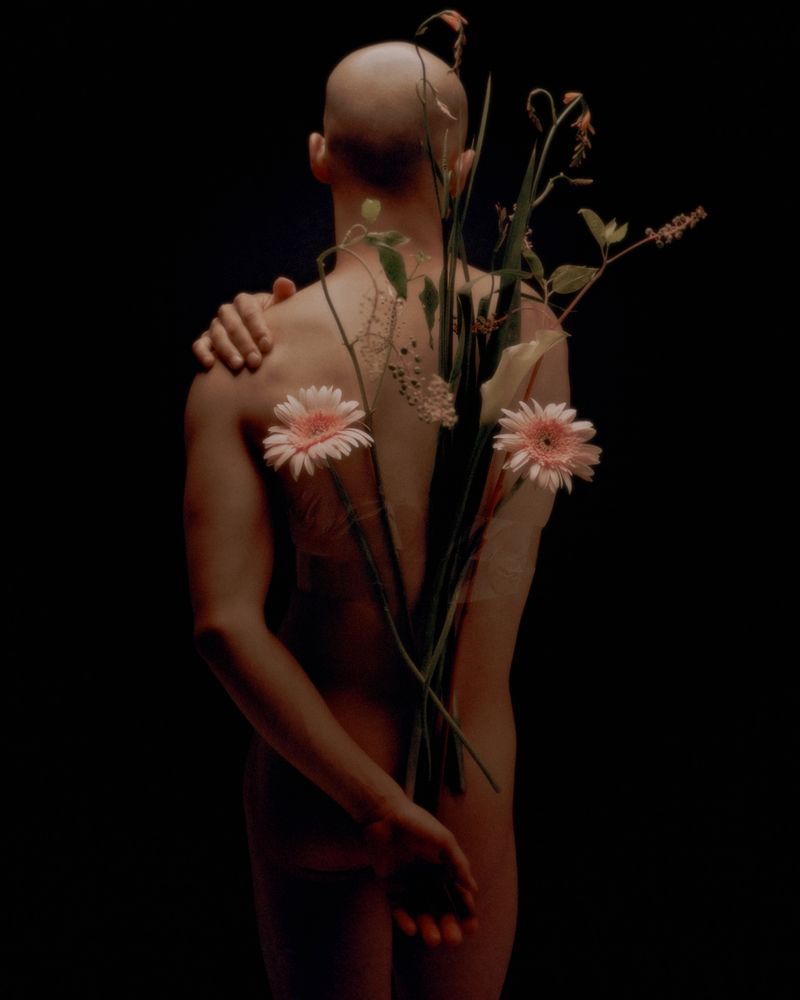
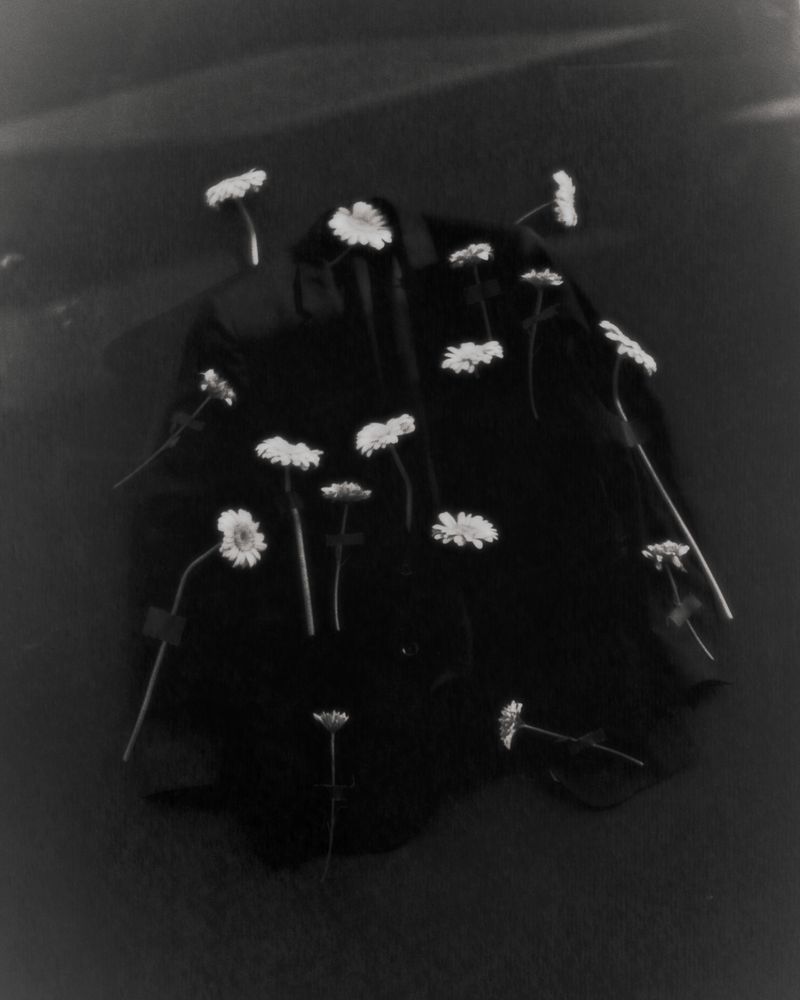
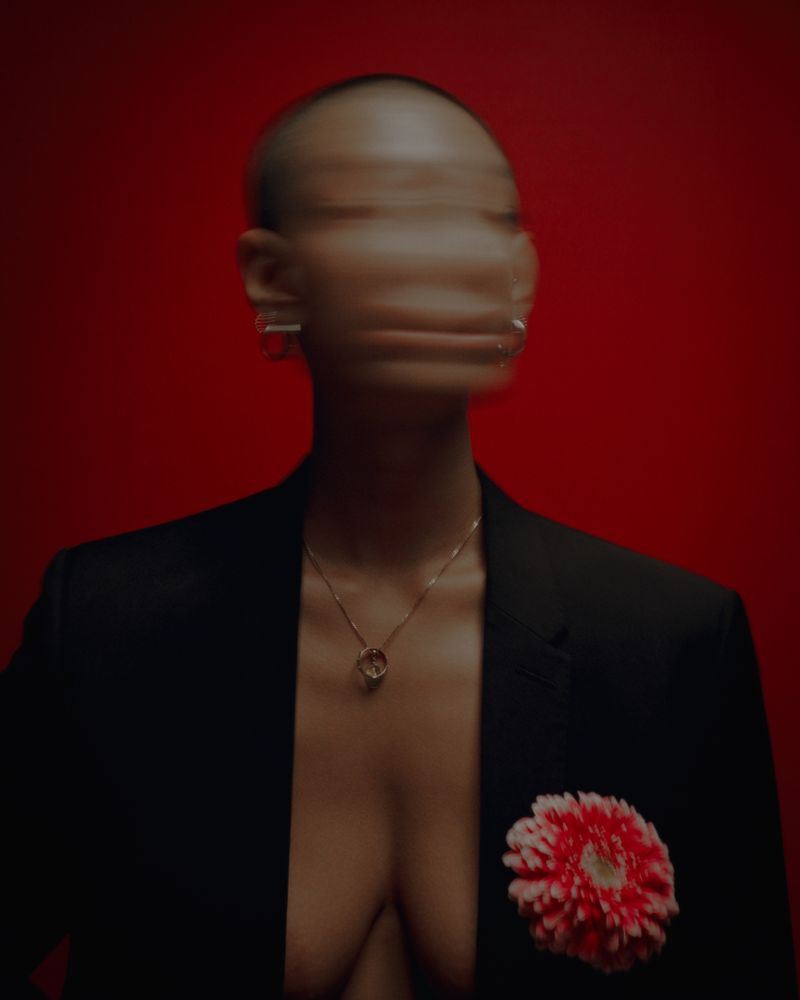
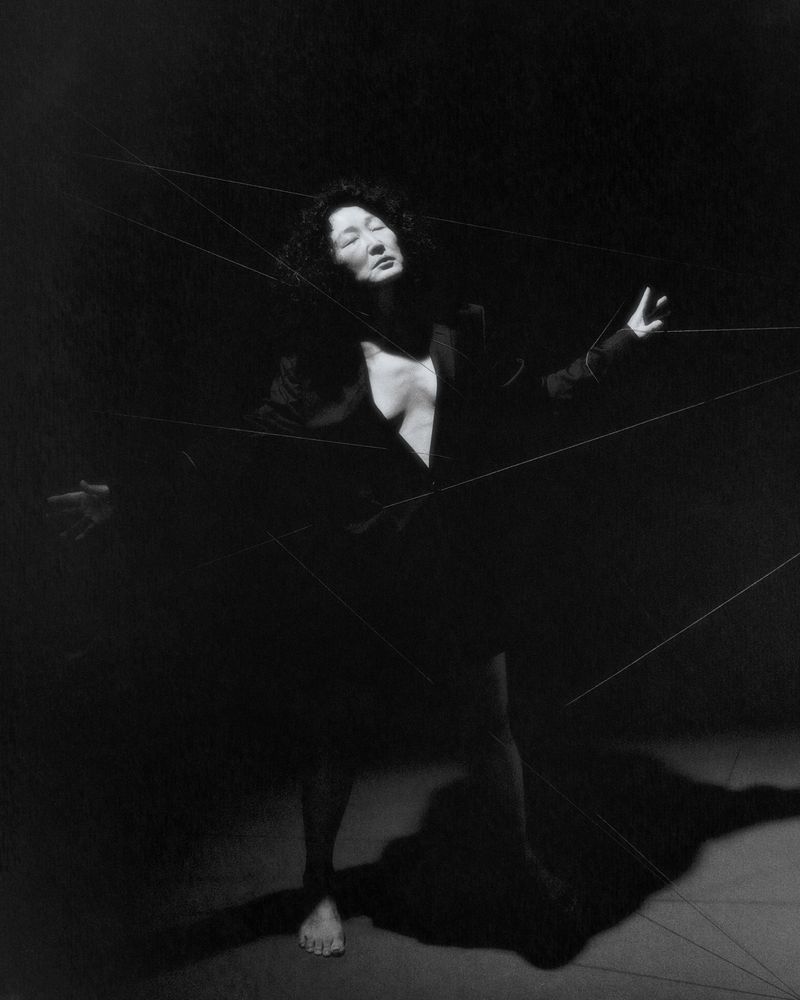
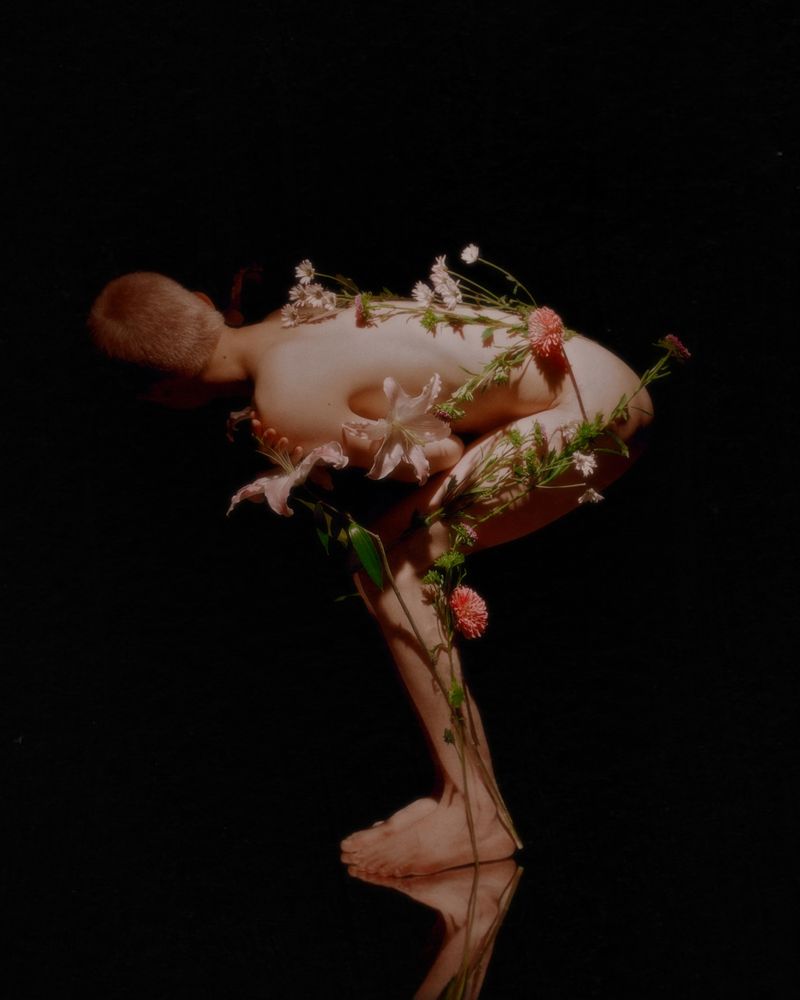
Flowers placed on skin, or against a black garment resembling a social uniform, act as shifting symbols. They move between tenderness and defiance, decoration and protection, suggesting identities that are neither fixed nor fully revealed. In this space, vulnerability becomes a deliberate act—one that challenges the expectation of coherence or legibility.
The project is grounded in a slow, relational process. Conversations, repeated encounters, and attentive listening precede the making of each photograph. Textual elements—letters, fragments, and personal accounts—run alongside the images, expanding the work beyond the visual. One participant’s letter about the desire to come out, for instance, becomes both an intimate expression and a shared point of reflection within the project.
Together, these elements form a layered and subjective body of work that resists singular narratives. Fearless Flowersquestions what it means to see and to know someone through photography, particularly in contexts where being visible can carry consequences.
While rooted in experiences in South Korea, the project speaks to broader conditions in which individuals navigate the pressure to conform and the uncertainty of self-expression. It ultimately proposes photography not as a tool for fixing identity, but as a space where it can remain open, negotiated, and continuously reimagined.