FEAR OF THEM
-
Dates2025 - 2025
-
Author
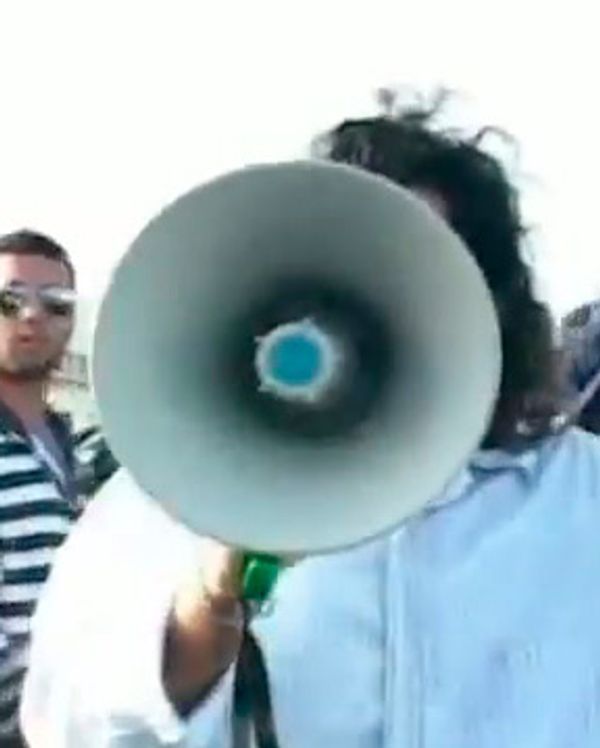
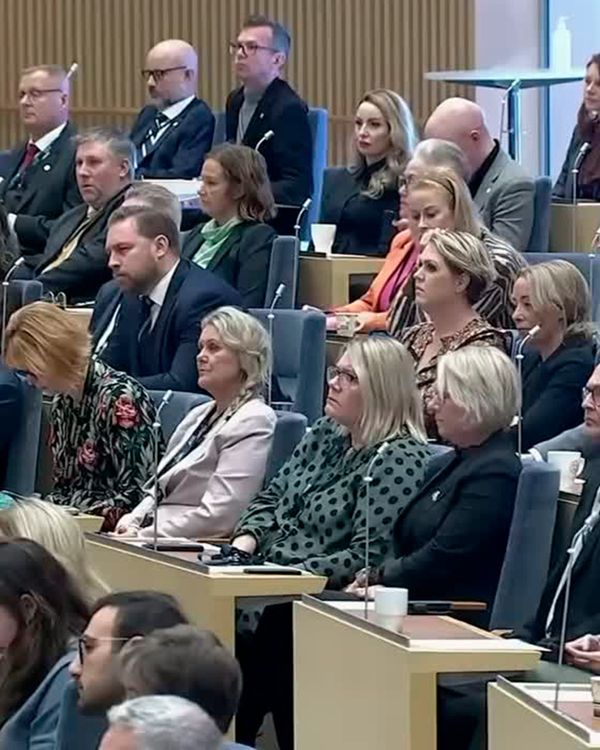
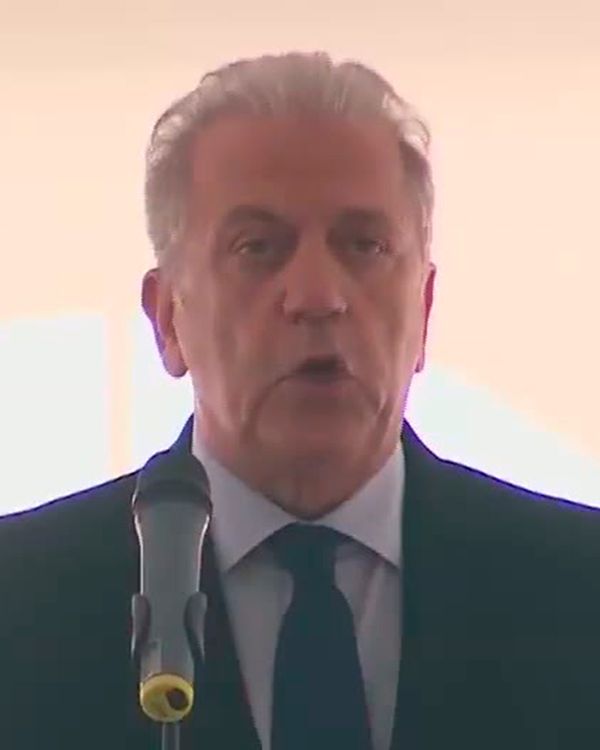
Fear of Them examines the role of images in shaping perceptions, emotions, and collective imaginaries. Through media imagery related to migration, the project investigates the persuasive power of contemporary visual culture in the age of post-truth.
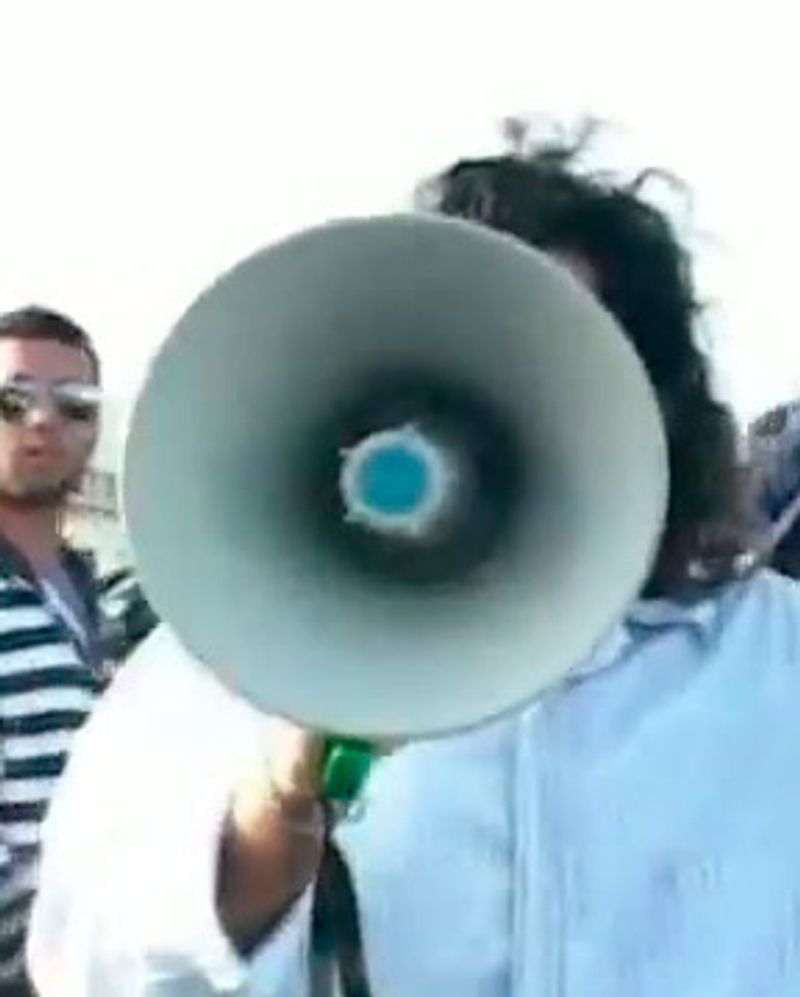
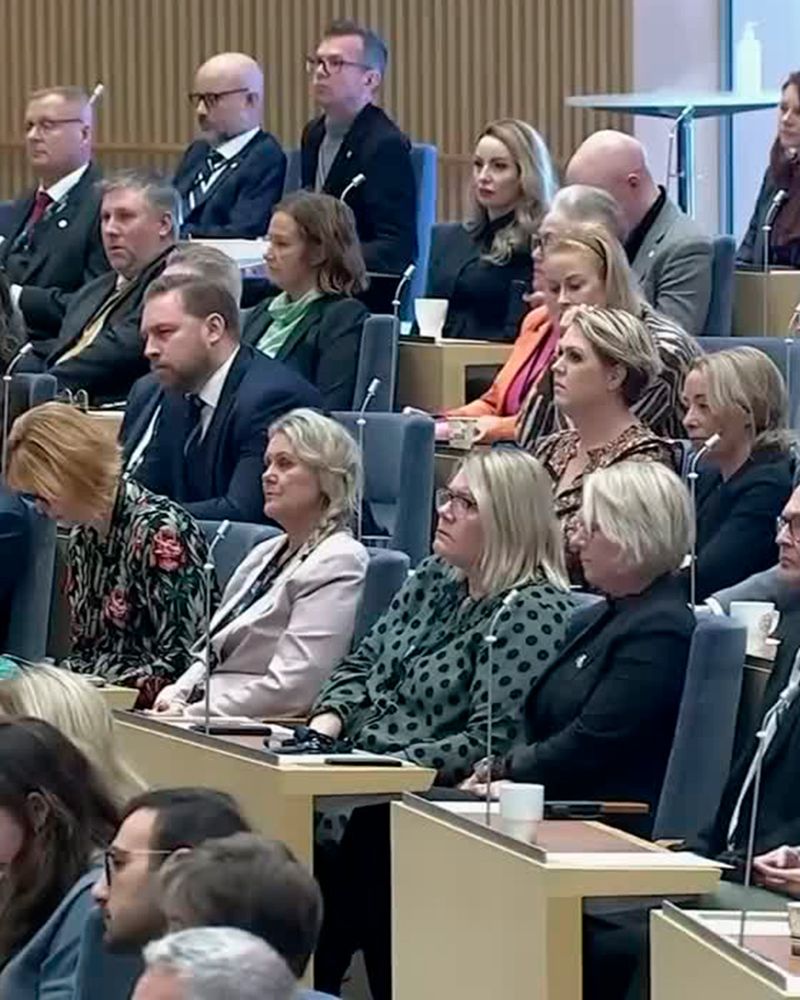
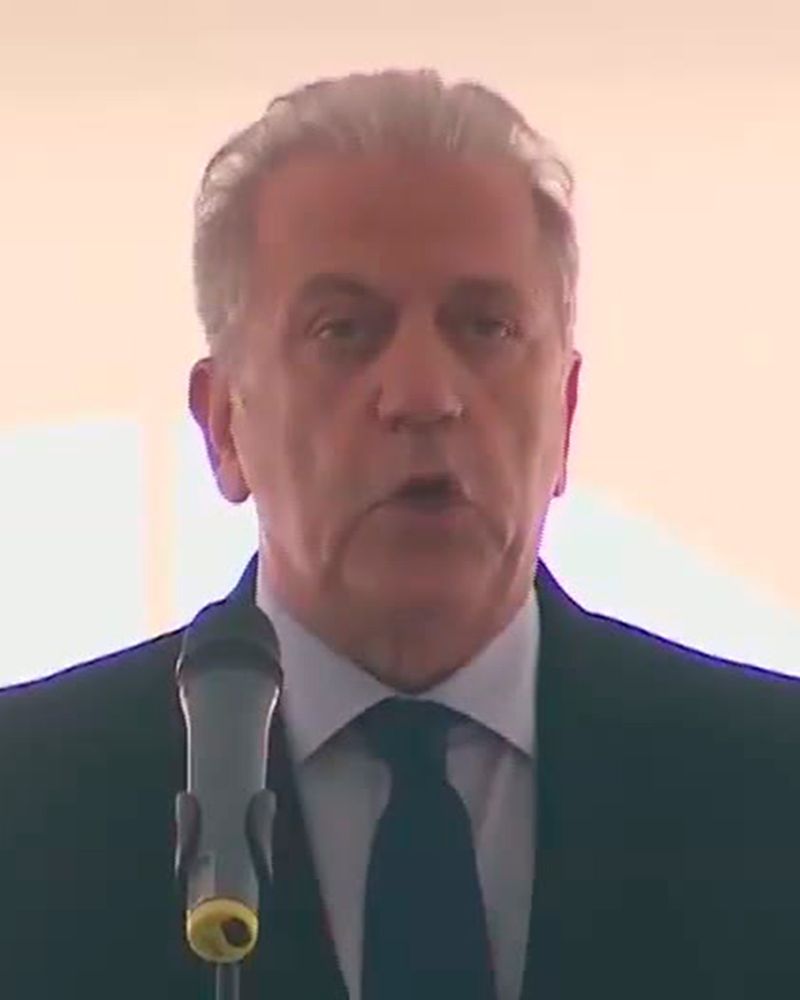
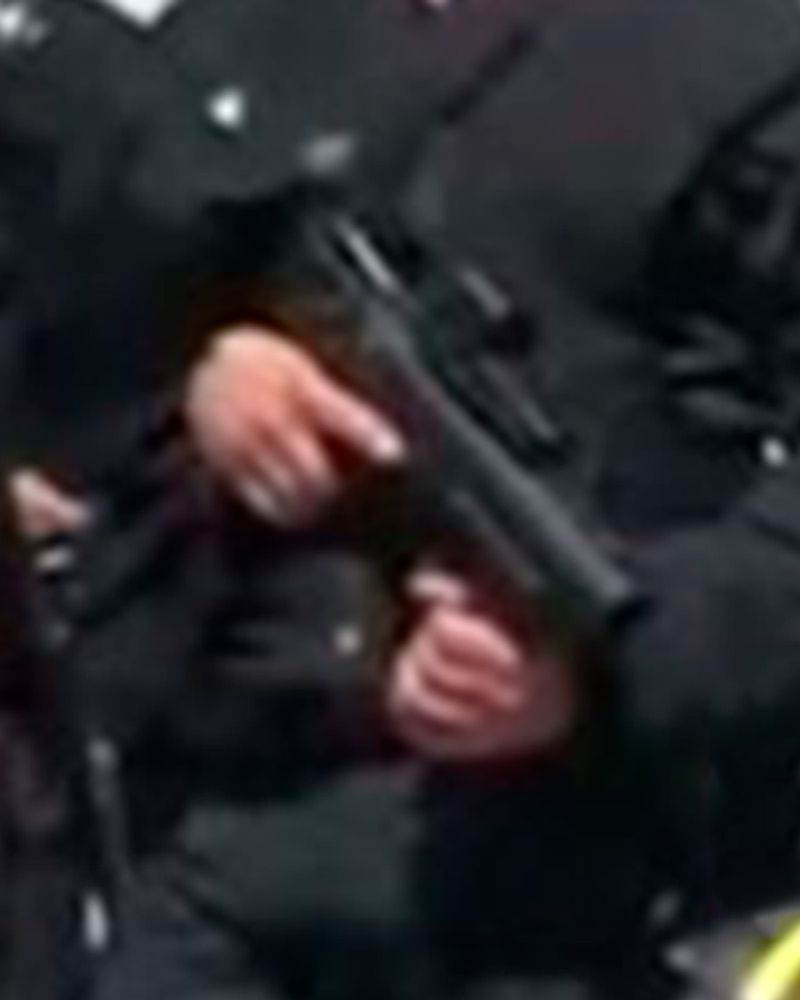
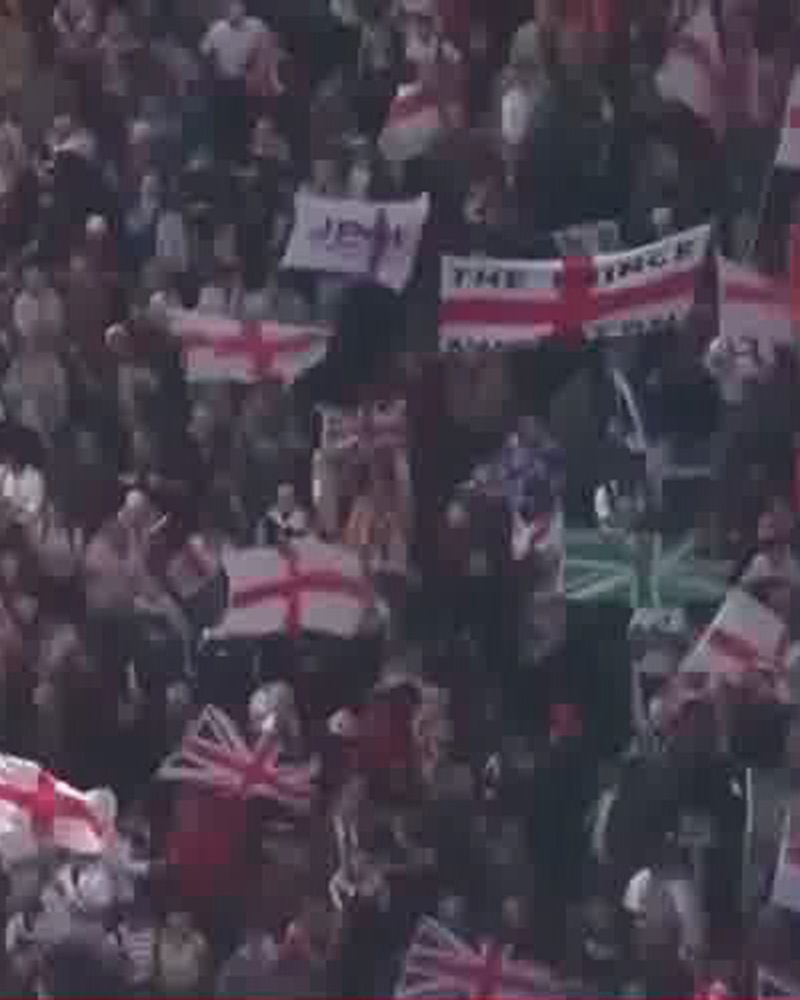
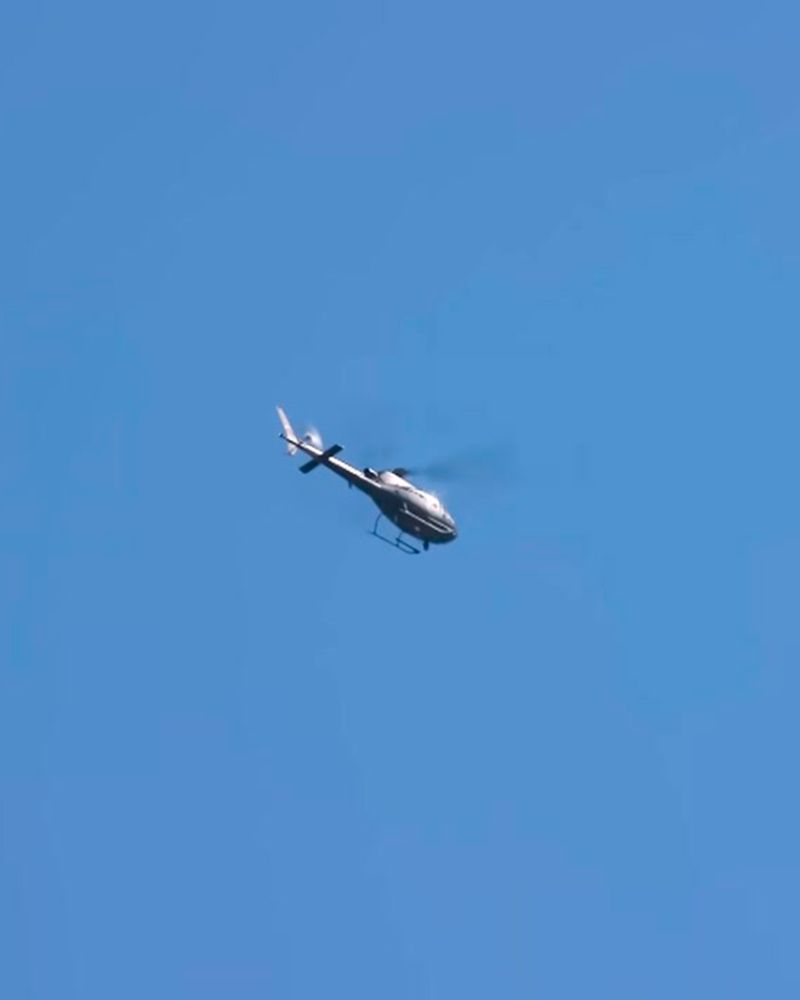
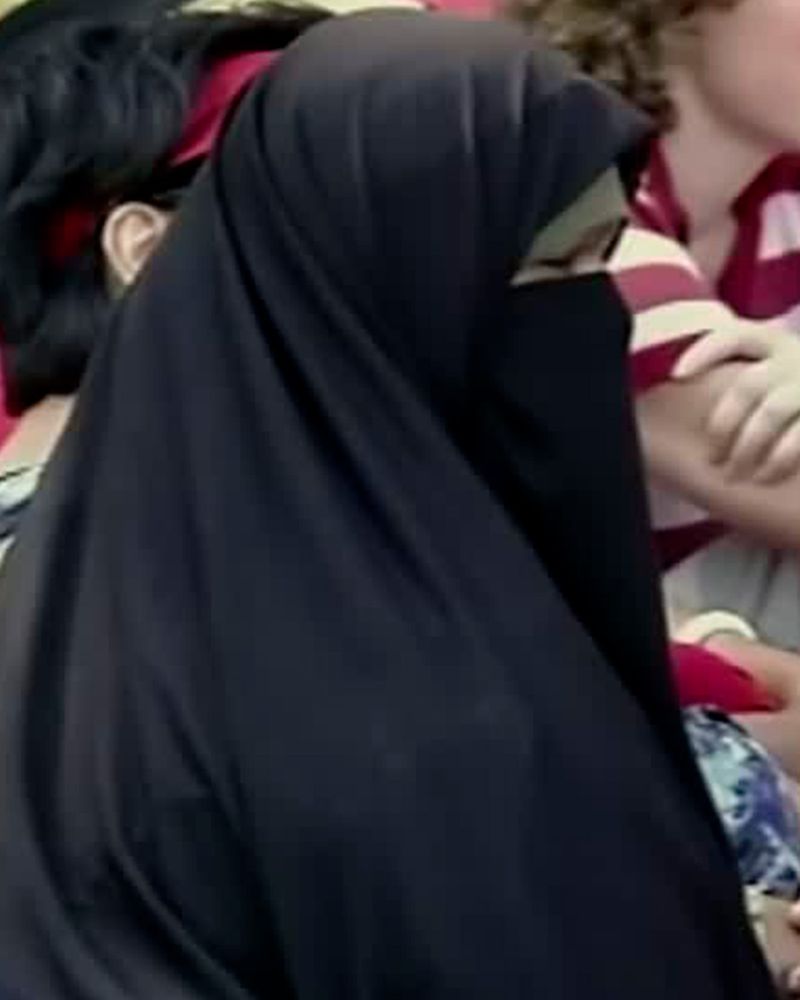
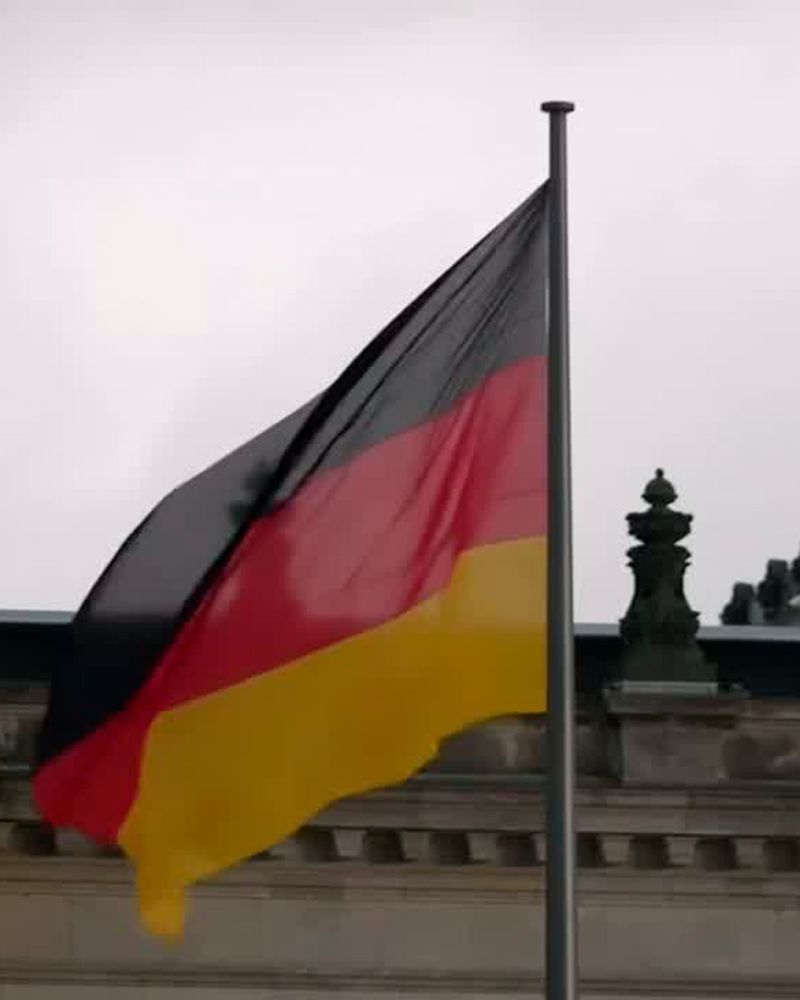
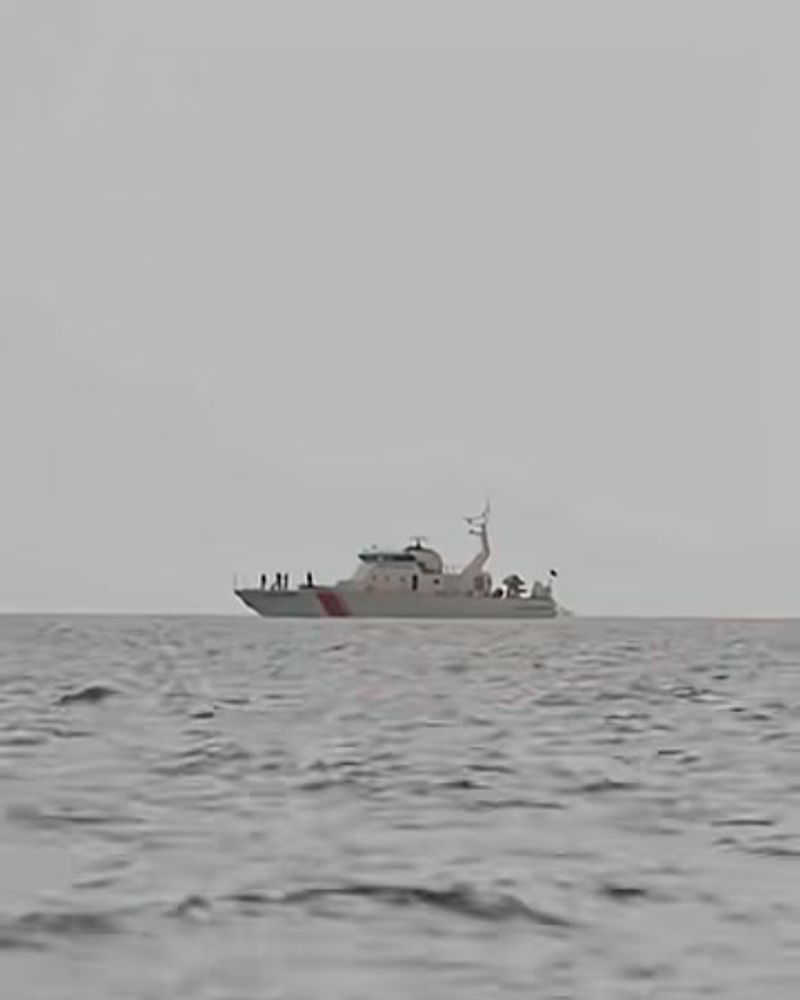
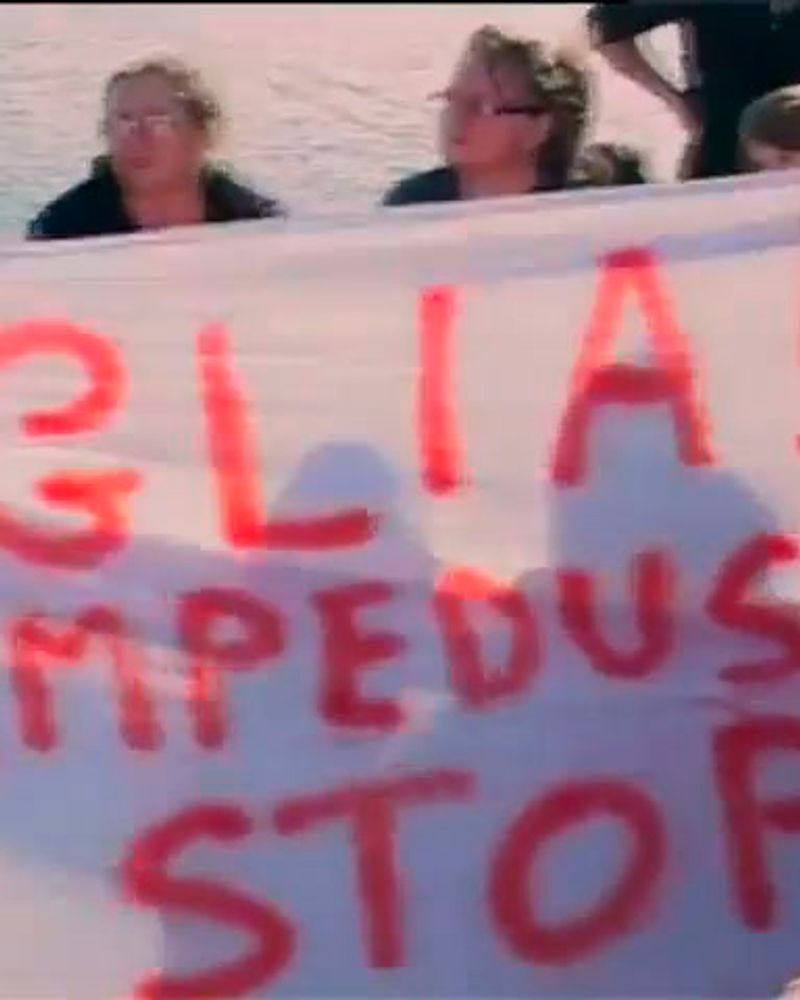
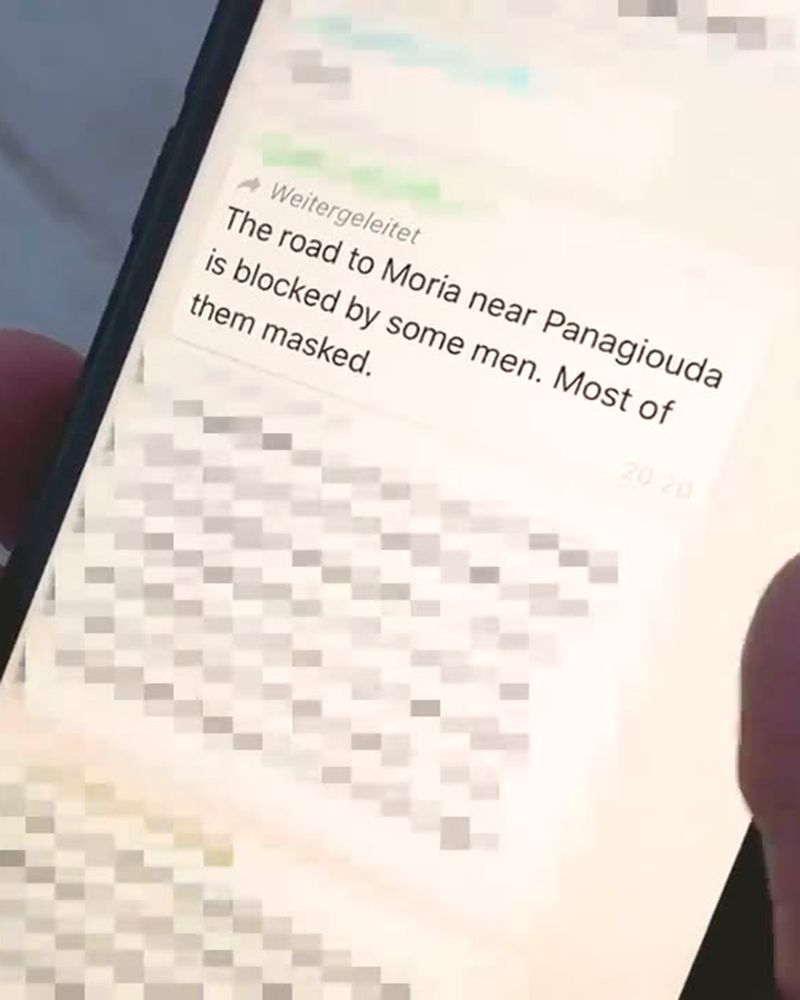
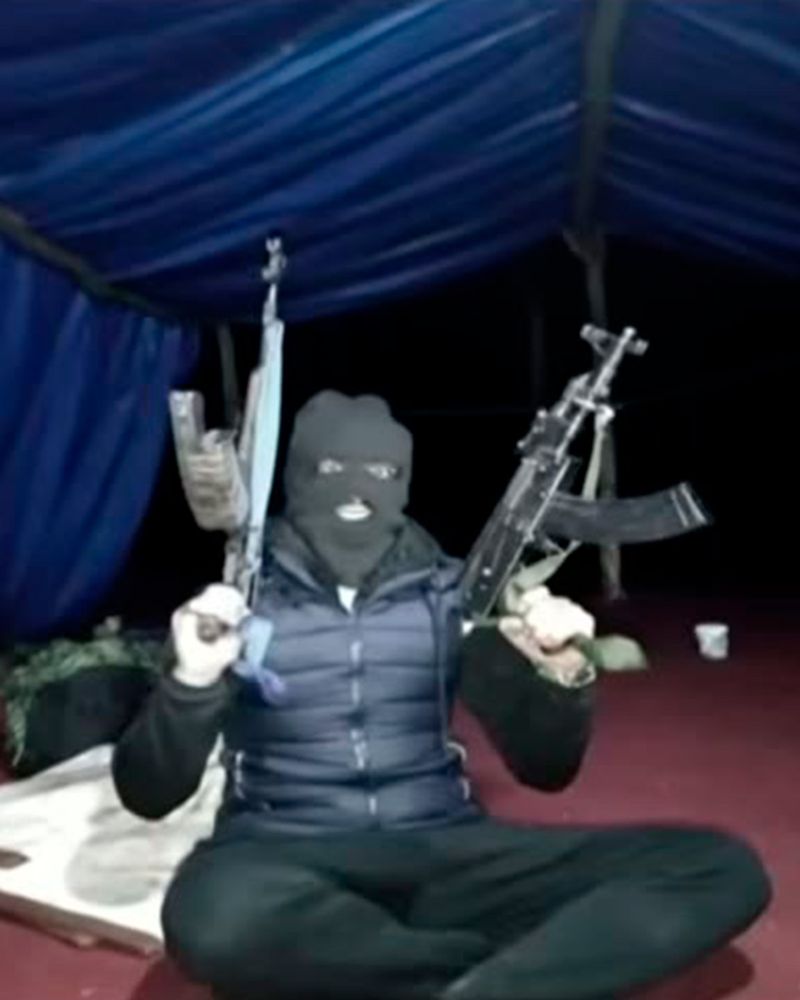
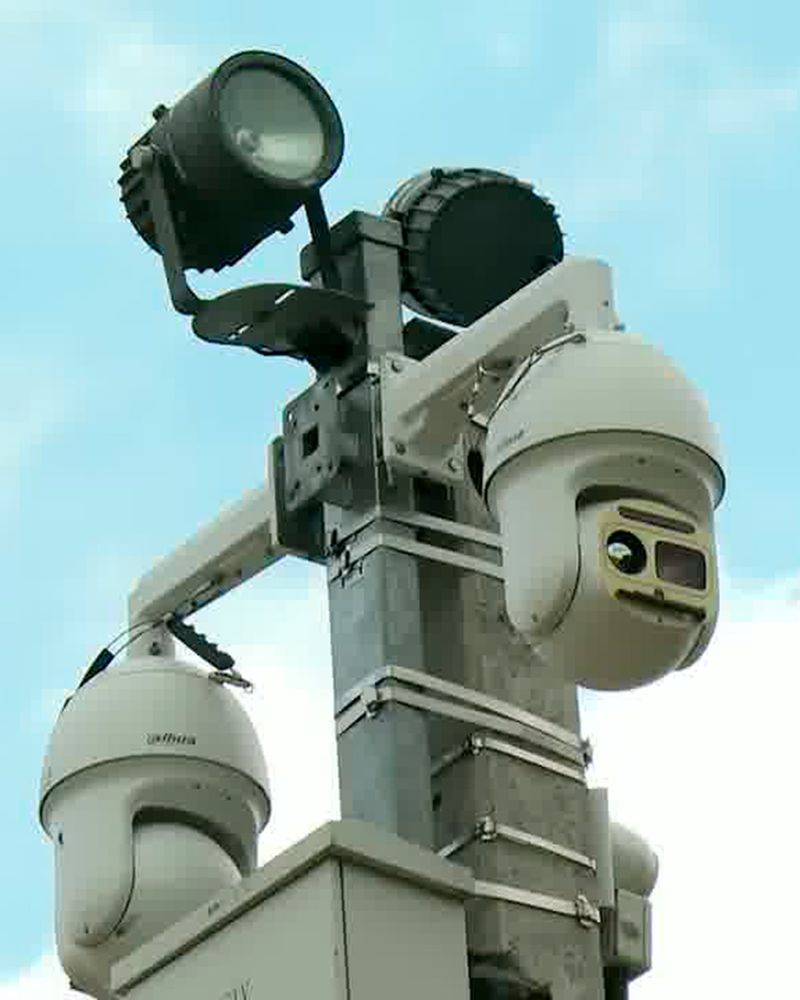
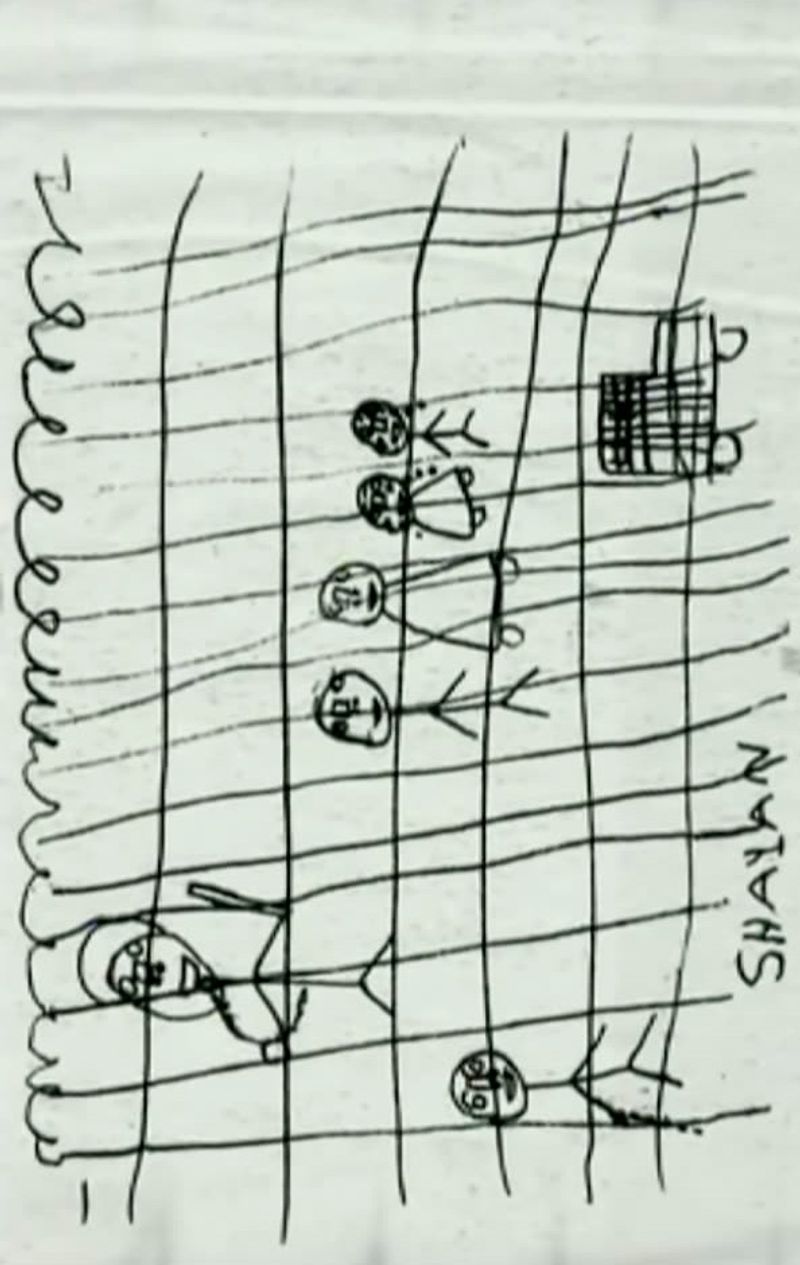
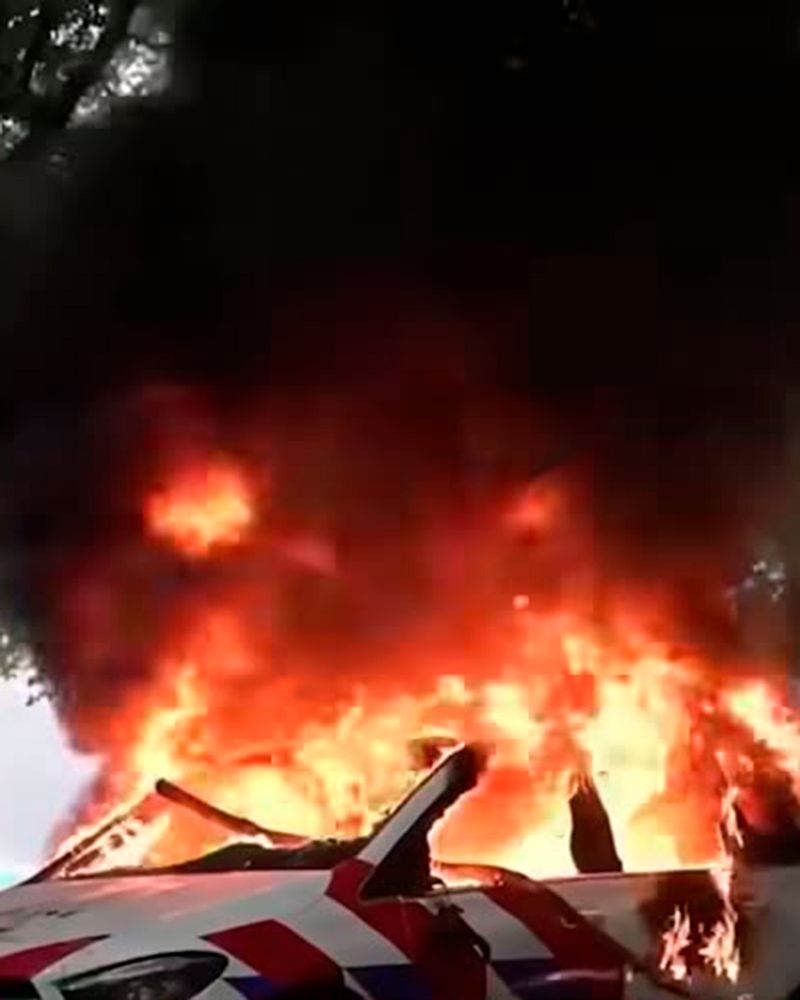
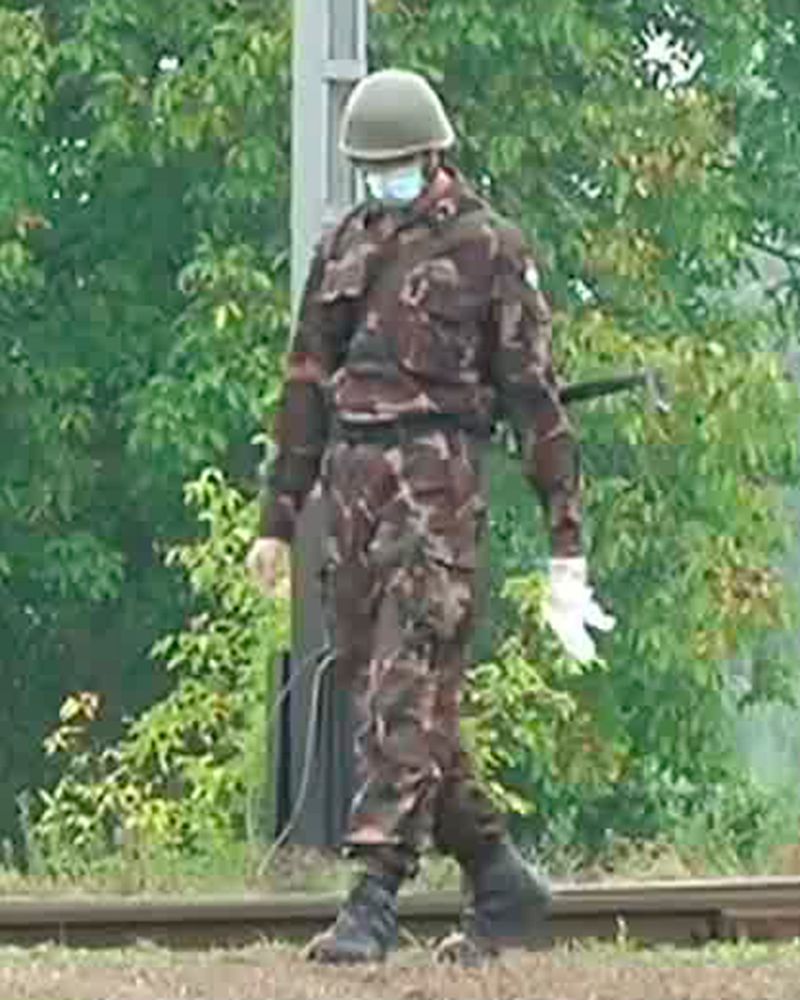
Fear of Them originates from a reflection on the ways images shape our experience of the world, influencing thoughts, emotions, and systems of values. In contemporary society, characterized by constant visual overexposure, the gaze absorbs images rapidly and often automatically, making it increasingly difficult to distinguish between information, interpretation, and emotional effect. The project is situated within a theoretical framework related to visual culture studies and the concept of post-truth. Drawing on the work of authors such as Nicholas Mirzoeff and Lee McIntyre, images are understood not as neutral representations of reality, but as devices capable of operating on a perceptual and emotional level, influencing the construction of opinion and collective imaginaries more through sensations and reactions than through verifiable facts and data. Within this context, migration is adopted as a case study, as one of the most recurrent and emotionally charged topics in the Italian and European media landscape of recent years. An analysis of the flow of images associated with this subject reveals the presence of a dominant visual narrative, constructed through repeated iconographic patterns that tend to generate feelings of alarm, fear, and distance toward the figure of the “other.” Fear of Them is developed exclusively from pre-existing images sourced online, drawn from journalistic outlets and social media platforms. The work does not consist in the production of new images, but in a process of collecting, selecting, cropping, and recontextualizing visual material. Through these interventions, images are removed from their original informational context in order to expose their emotional functioning and their capacity to influence perception. Cropping and isolating visual fragments reduces the narrative legibility of the images while increasing their perceptual ambiguity. In this way, attention shifts from what an image “communicates” to what it “produces” in the viewer. Images are not presented as documents, but as elements of an unstable and reiterated archive that reflects the nature of the contemporary media flow. The project does not aim to offer an explanatory reading or an ideological position, but proposes a critical device that invites a slowing down of the gaze and a reflection on the relationship between images, emotions, and the construction of meaning. Fear of Them is not a project about migration itself, but about the power of images within contemporary visual culture and their ability to influence—often invisibly—our ways of perceiving and interpreting reality.