Fear Not, for you have Sons in Europe
-
Dates2022 - Ongoing
-
Author
- Locations Bosnia and Herzegovina, Republika Srpska
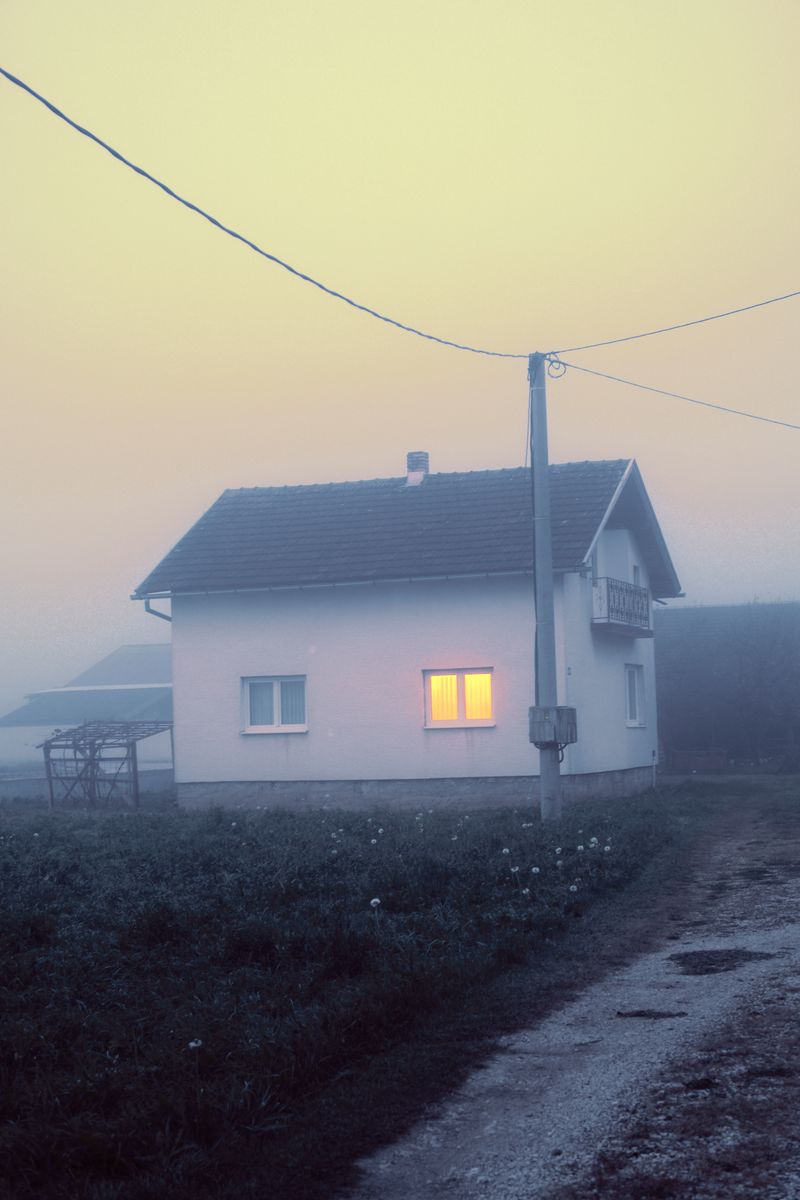
Many watched their children leave for a better future outside, hoping they'd one day return. But what happens if our place of belonging is no longer upheld by physical structures? Embracing decay—dream and reality—we might find nourishment for rebirth.
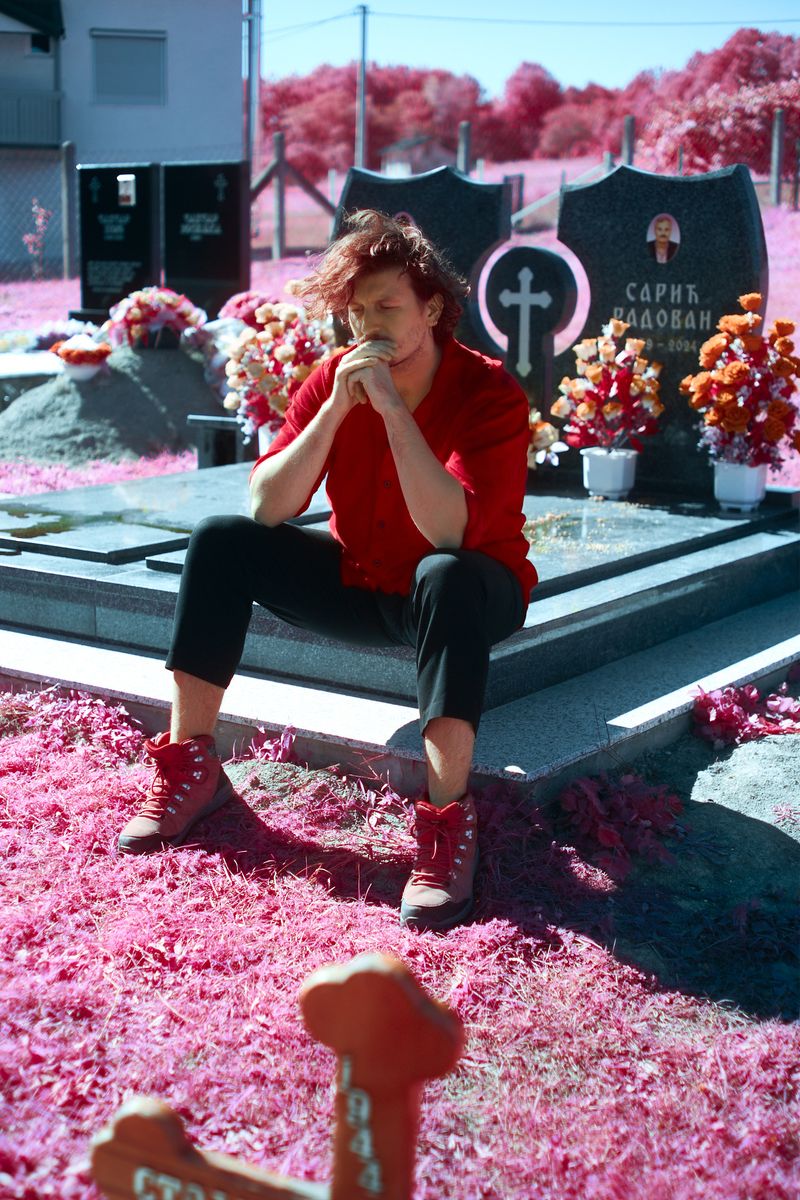
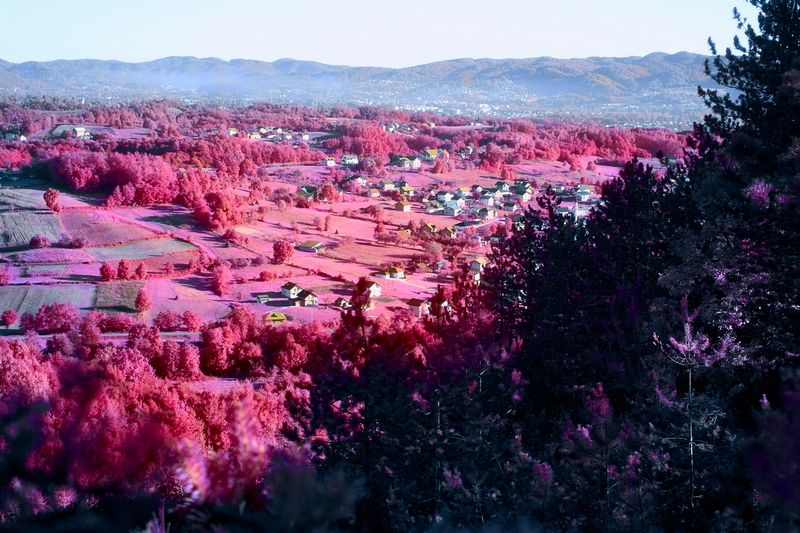
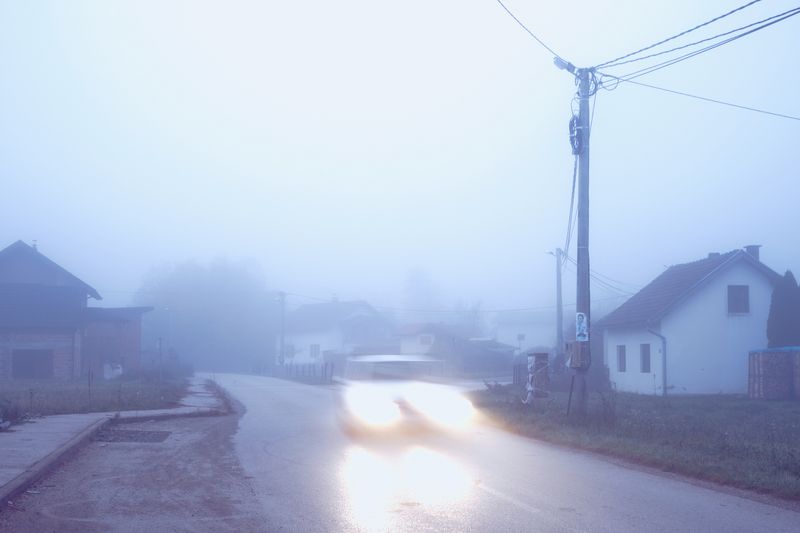
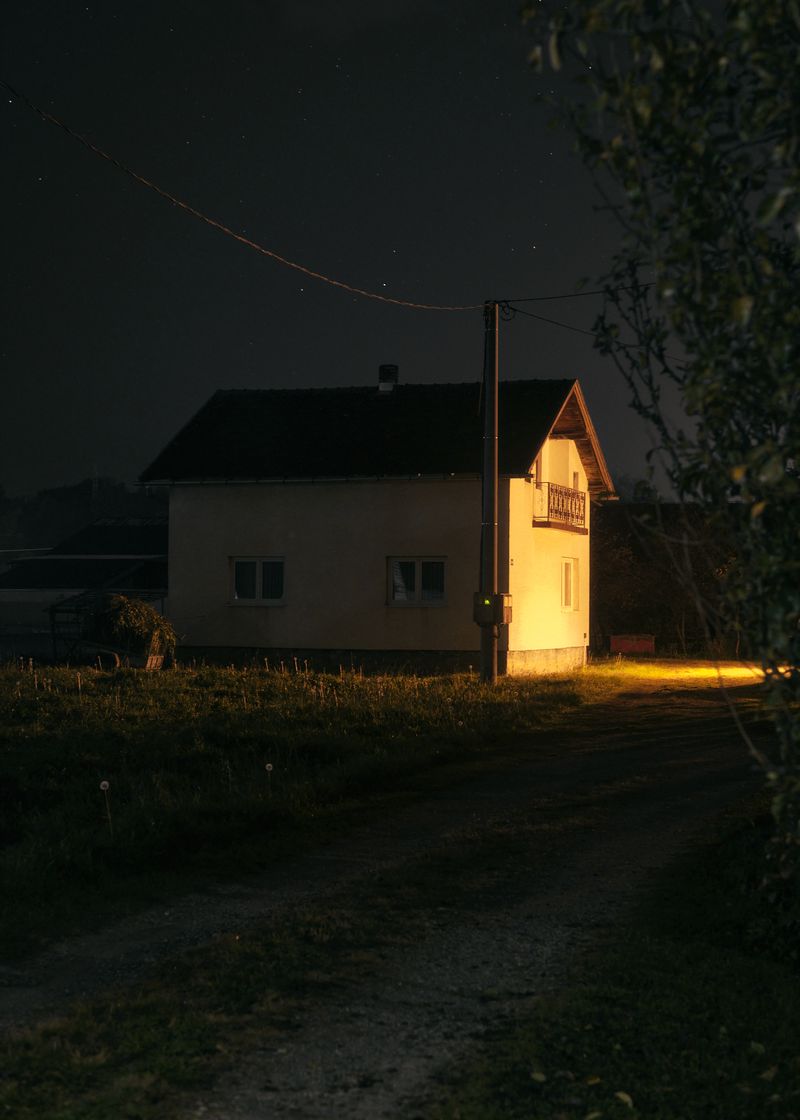
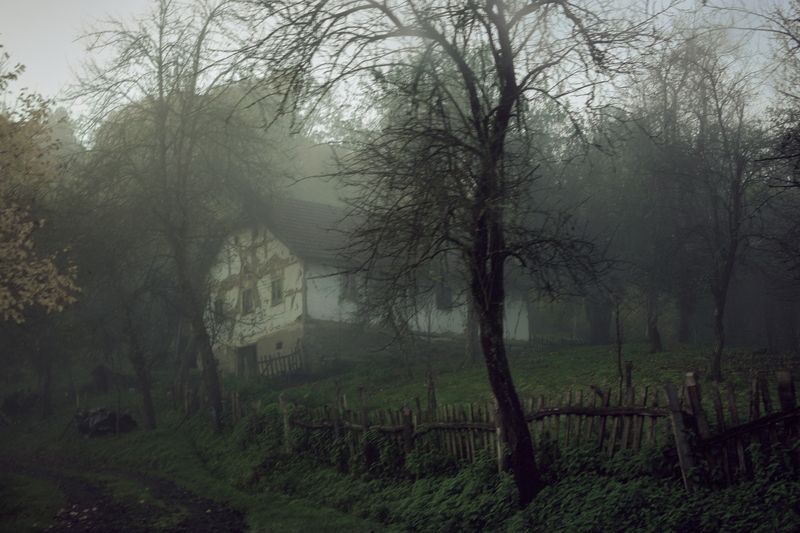
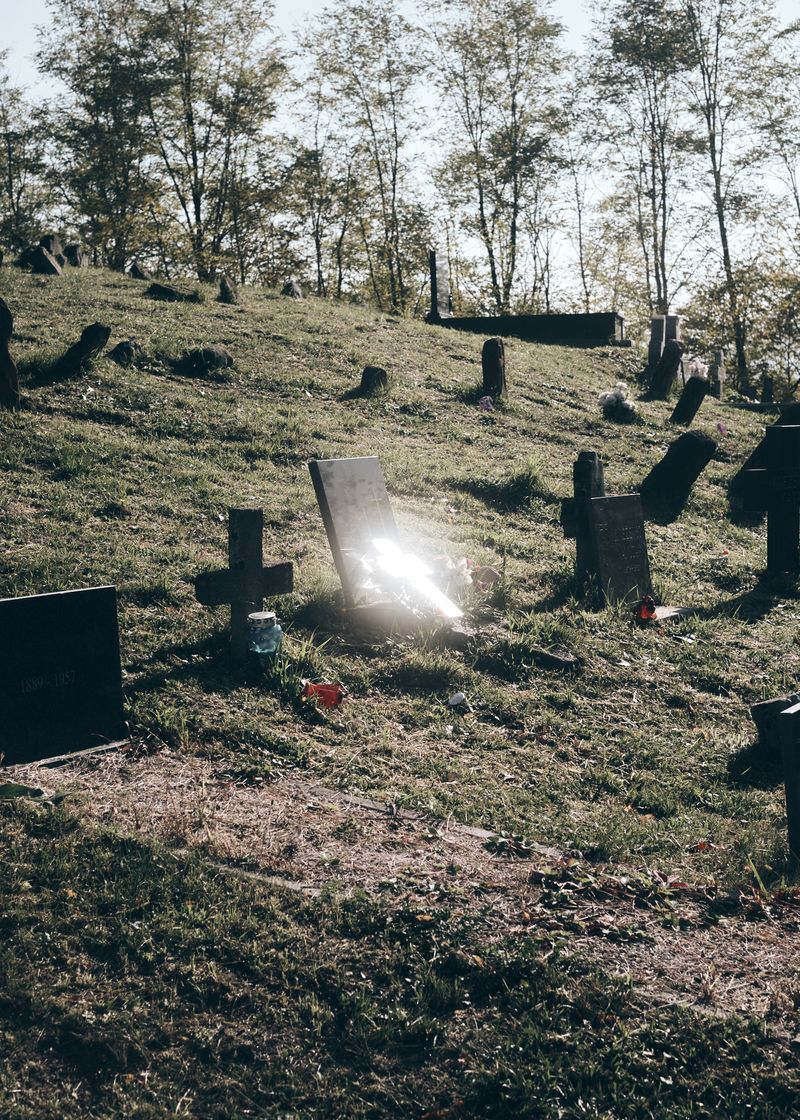
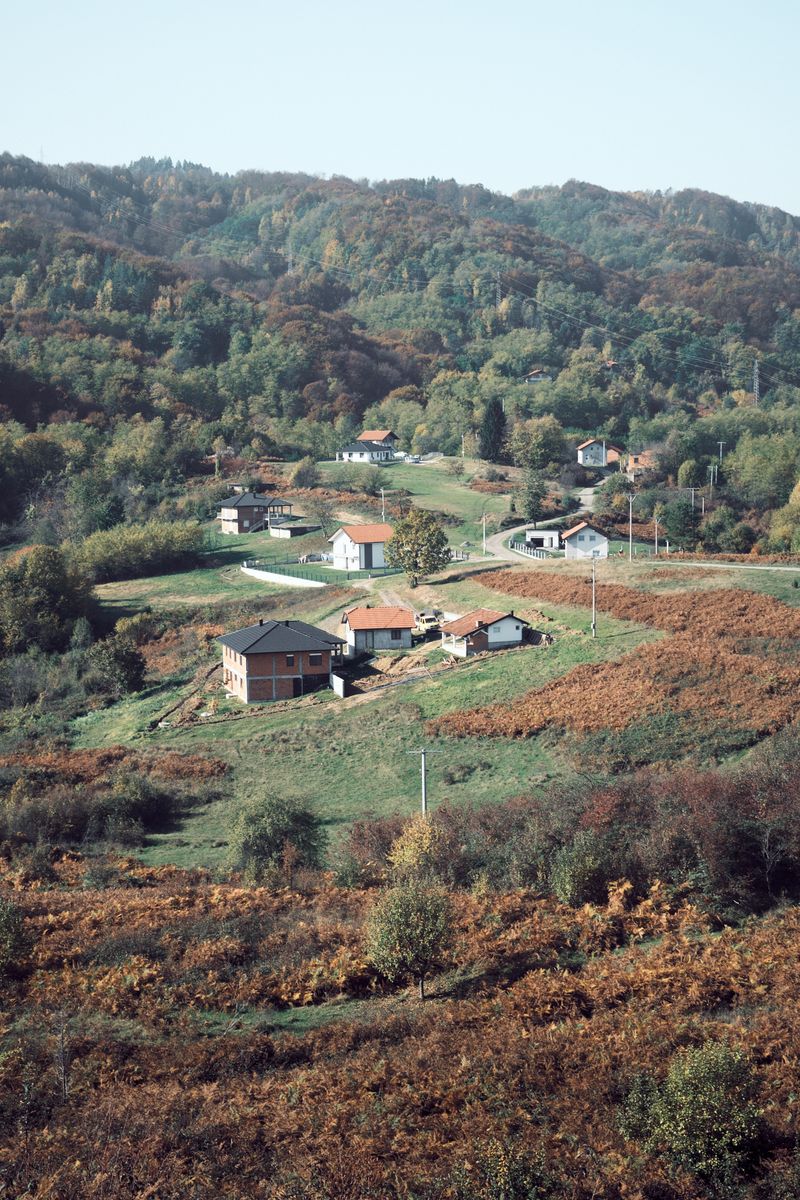
''Fear Not, For You Have Sons in Europe'' is a search for roots and meaning from the perspective of the Yugoslav diaspora. A project that came into being after seeing the decay that had dissipated my mother’s birth village, together with my final grandparents passing. As I saw my final link with Yugoslavia severed, the aftermath of war and migration, had now caught up to my own place of birth.
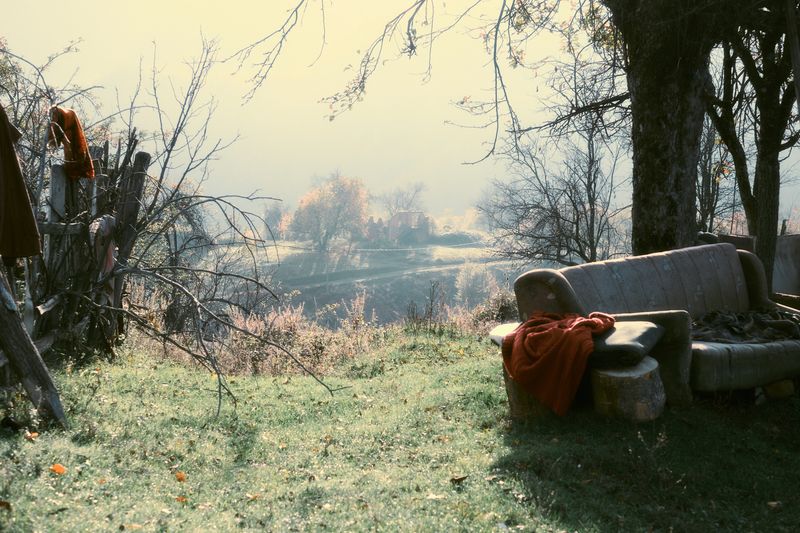
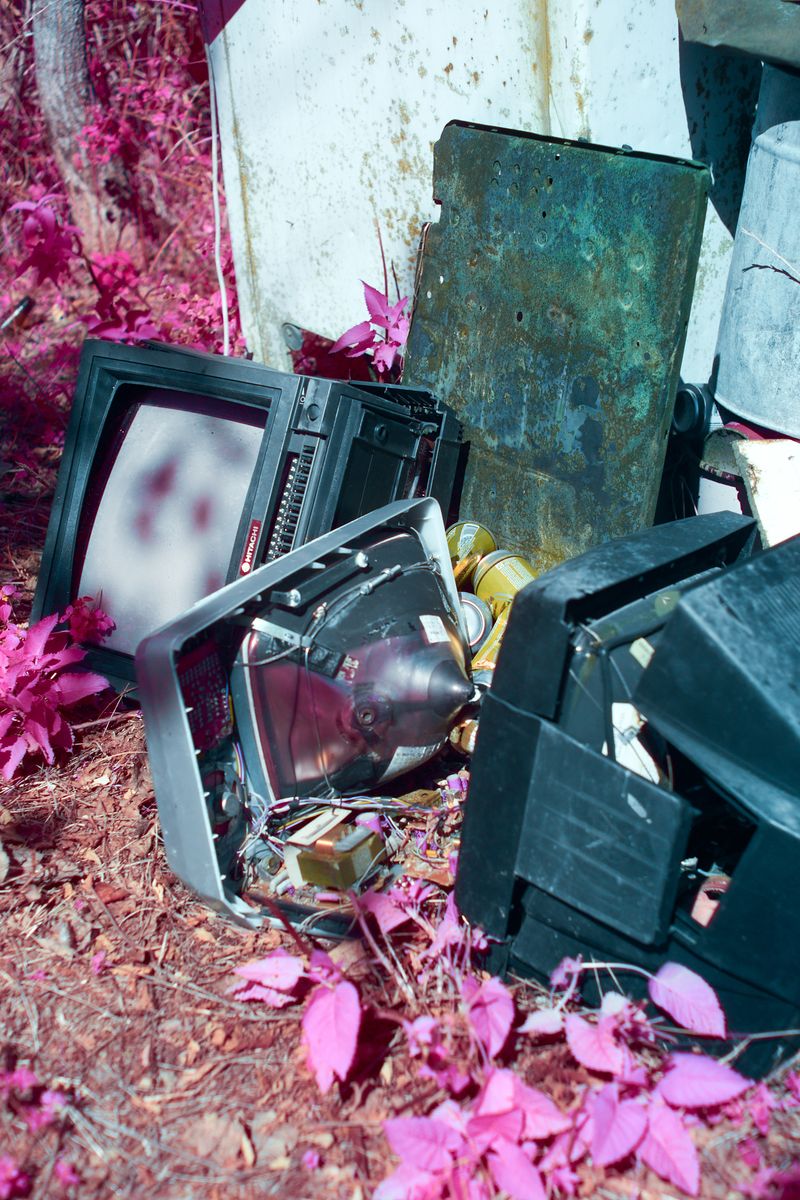
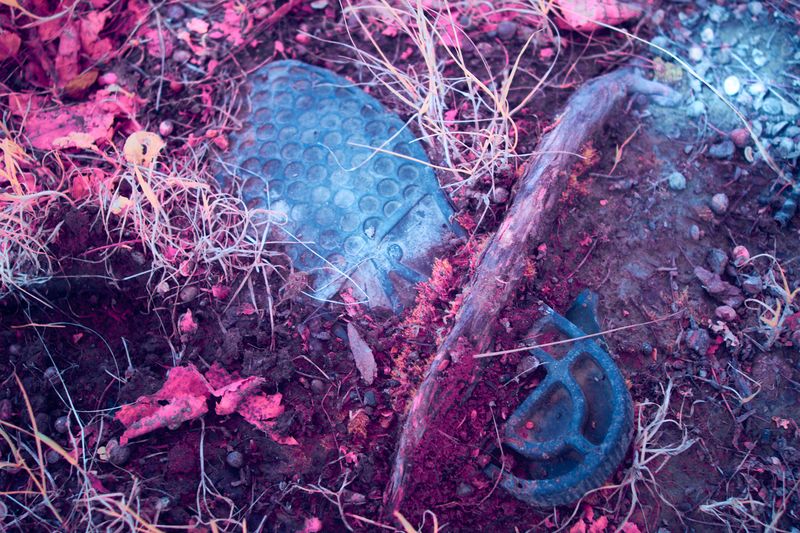
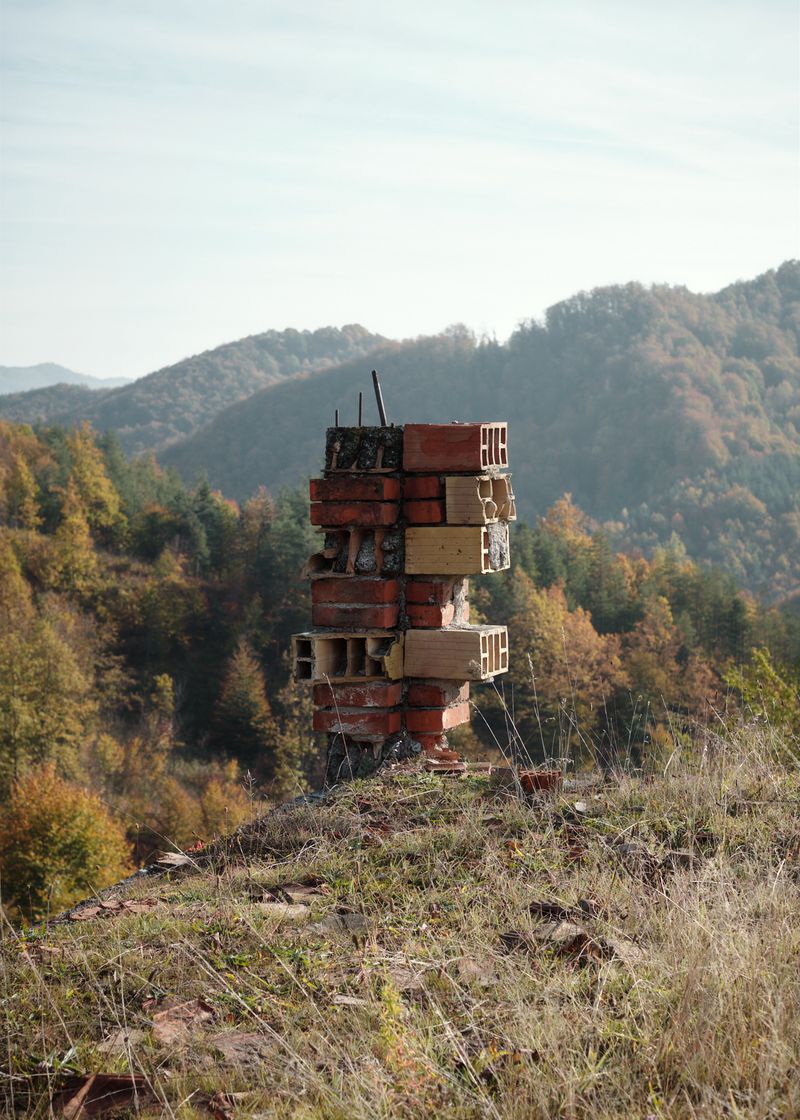
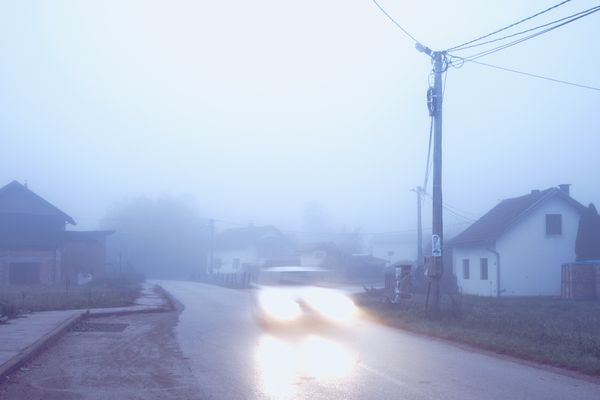
When we leave our home country, the pictures, stories, and nostalgia we have towards this place remain untouched. But untouched, space itself decays - leaving us no place to return to. How do we relate to this dichotomy of migration? What happens when our ideological place of belonging is no longer upheld by physical structures?
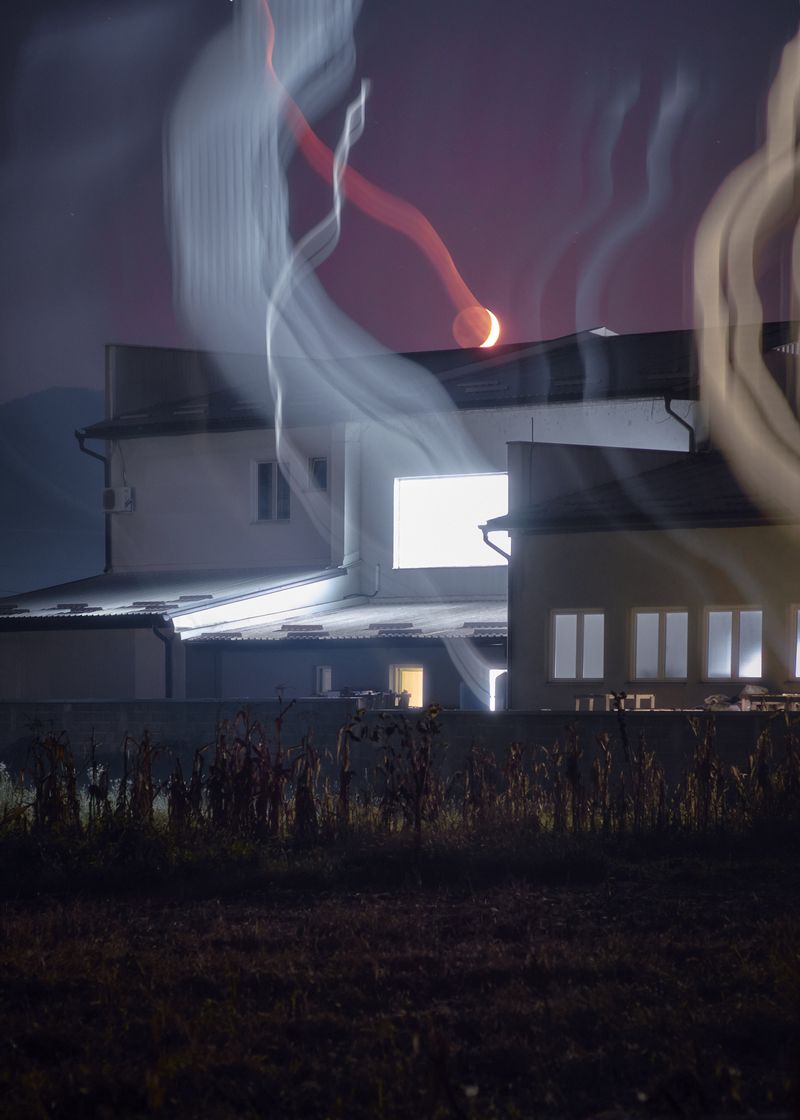
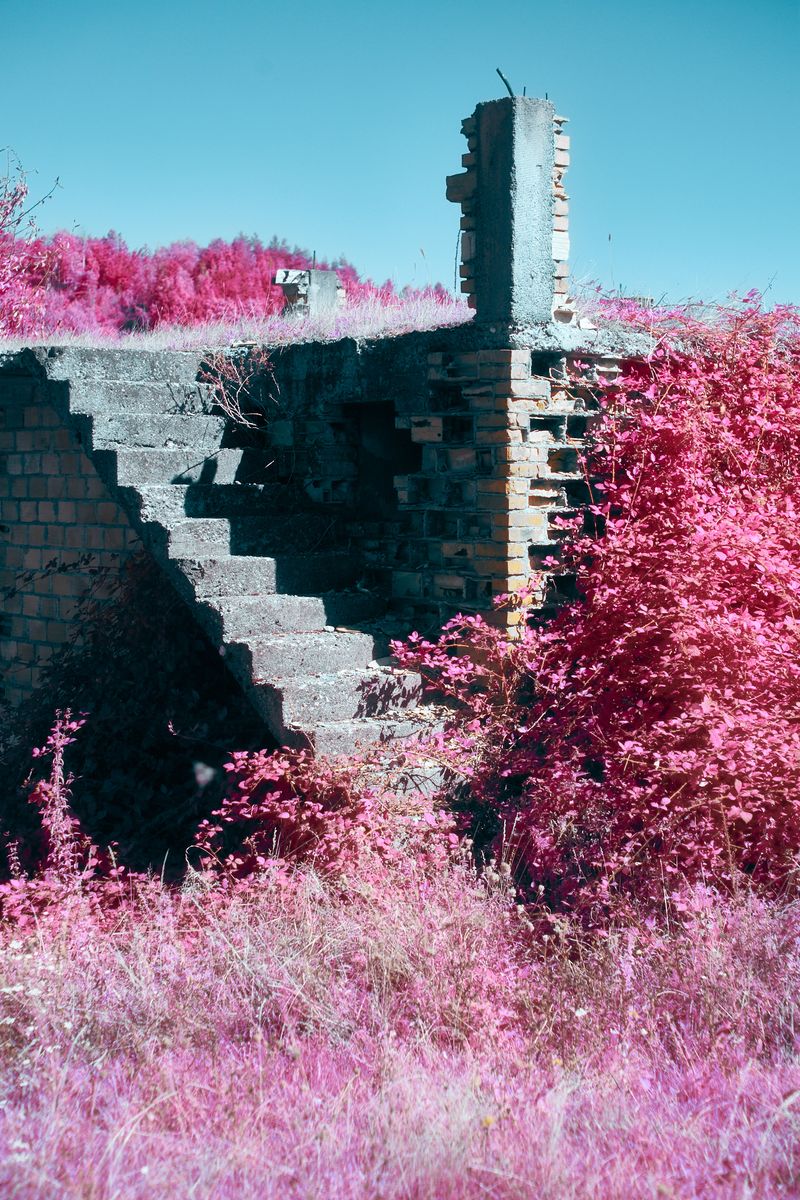
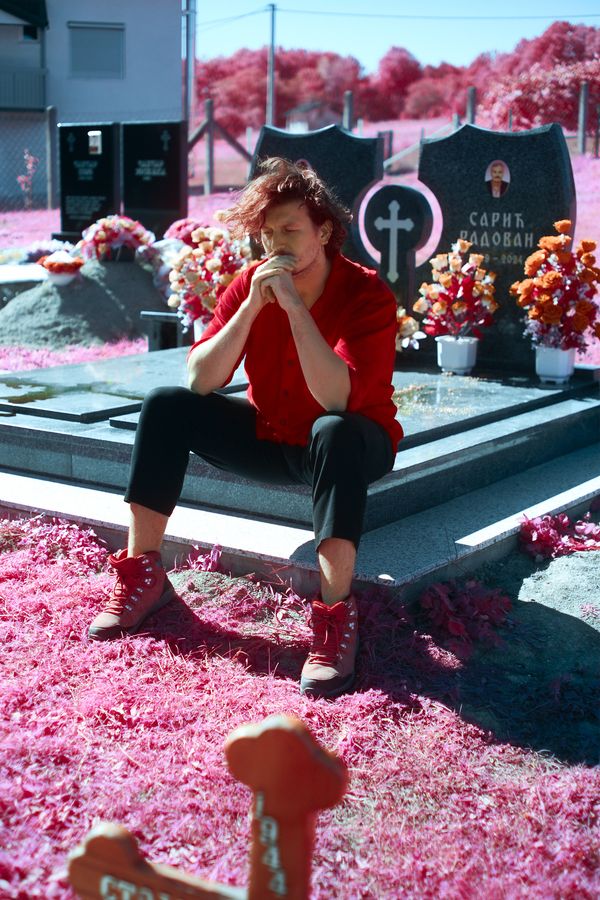
When we are haunted by a past we cannot return to, and a future that seems ever out of reach, we linger between what was, and what could have been. In exploring these spaces of decay, longing, and nostalgia, the project finds itself in a place between fantasy and reality, questioning the threshold between the two. To what degree does our longing towards home correspond to the one that has been left in ruins?
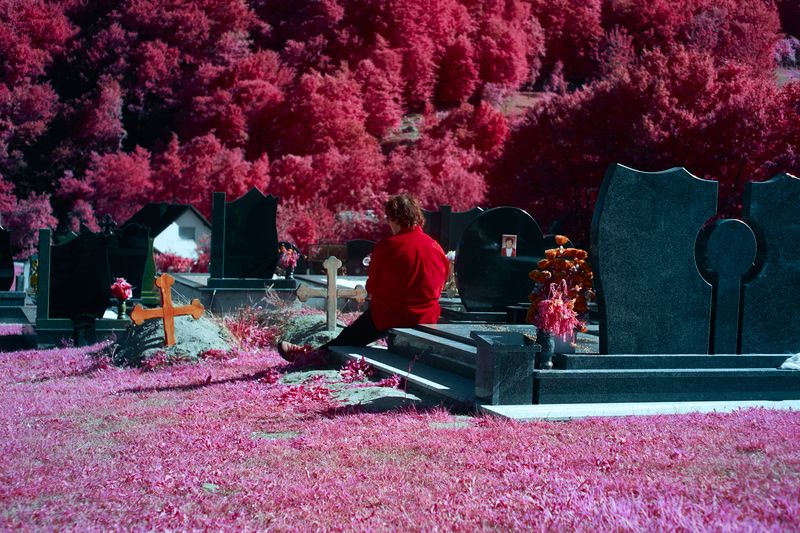
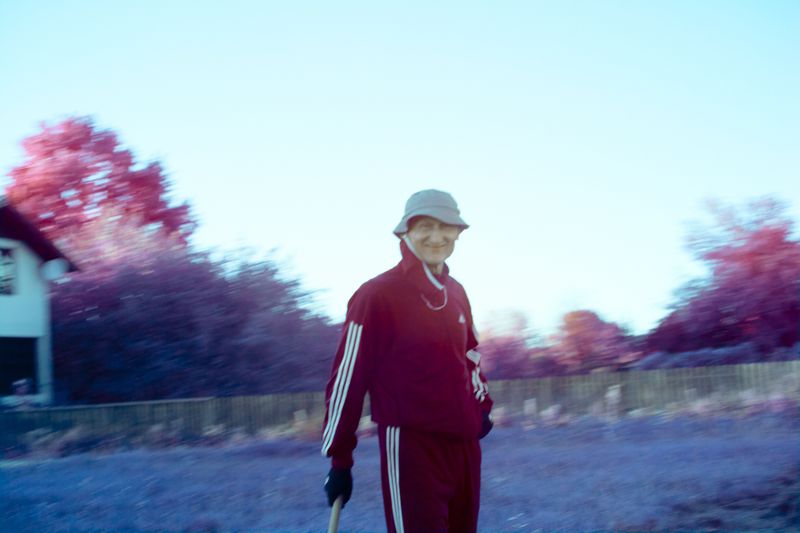
Many people, including my grandparents, watched their children leave for a better life outside, together with the silent hope that they’d one day return. The title ''Fear not, for you have sons, in Europe'' is a biblical pun that embodies that hope: a silent, wish bestowed on those those who left for a better future. For even those who never returned: we may have left Yugoslavia, but has it ever left us?
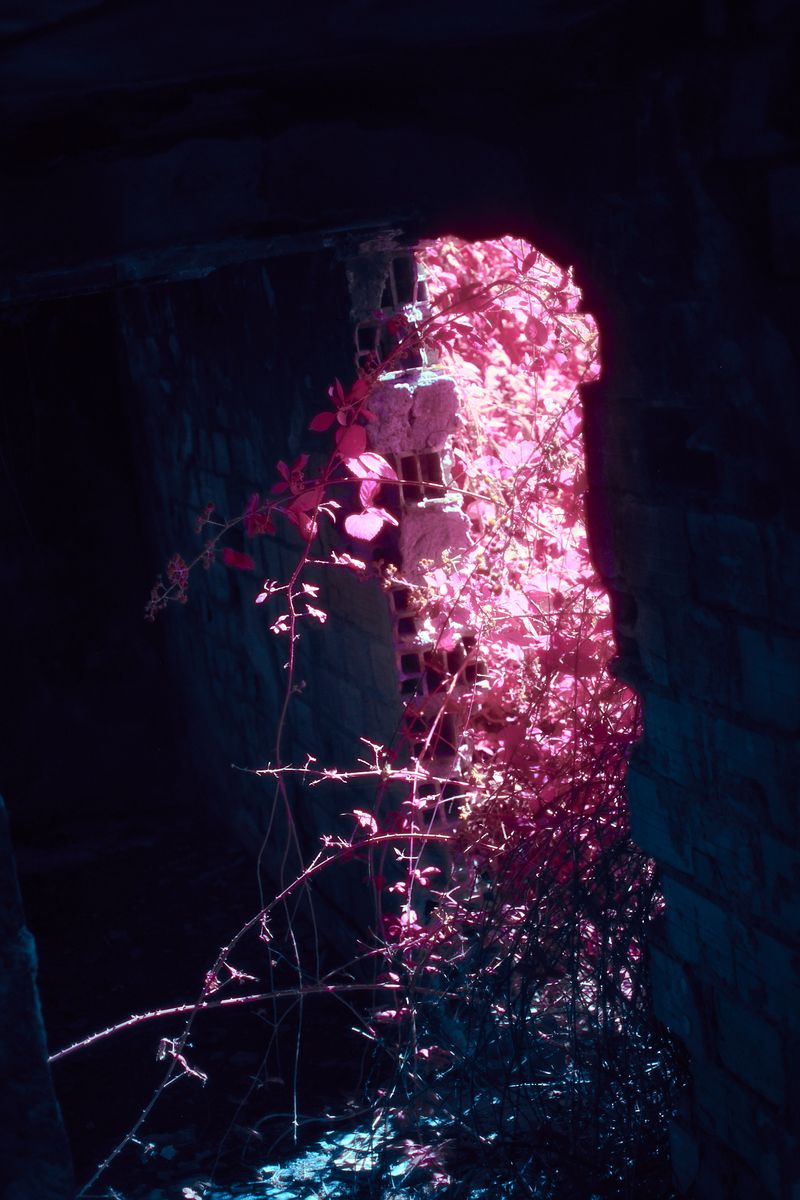
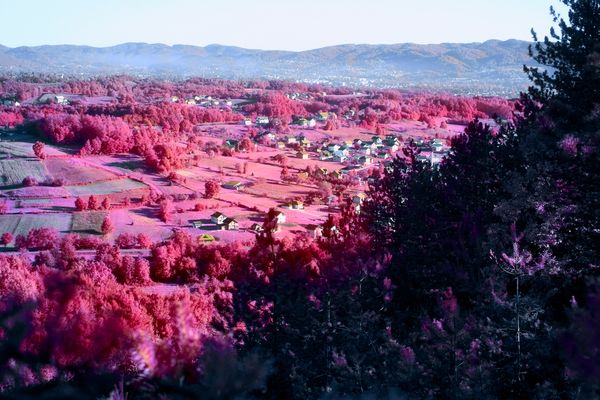
By combining infrared images, family archives, and contemporary images, ''Fear Not, For You Have Sons in Europe'' becomes not only a testimony to the reality of a Yugoslav diaspora, but a global question and call for empathy toward other diasporas, and cases of forced emigration throughout the world. In embracing the aftermath of decay, we might find our nourishment for rebirth: re-establishing the threshold of where we are, where we came from, and where we wish to go next.