fArsta
-
Dates2023 - Ongoing
-
Author
- Topics Contemporary Issues, Documentary, Photobooks
- Location Farsta, Sweden
fArsta is a long-term photographic project exploring how stigma, fear, and media narratives shape our sense of place and belonging. Through portraits and everyday scenes, it challenges stereotypes and highlights complexity.
"fArsta" is a long-term photography project exploring how stigma, fear, and mediated stories shape
the way we understand place and belonging. The project grew out of my own move to Farsta after
living more than twenty years in neighboring areas. Despite being so close geographically, my
impression of the place was largely shaped by media portrayals focused on violence, crime, and
social unrest.
This work begins with that experience and asks how images—both internal and external—move us, shape
our gaze, and influence how we physically navigate public spaces. By intentionally walking through
the neighborhood at night and in the evening, especially in places that initially felt unsafe, the
project has become an exploration of how the relationship between place, body, and perception can
be redefined through presence, attention, and dialogue.
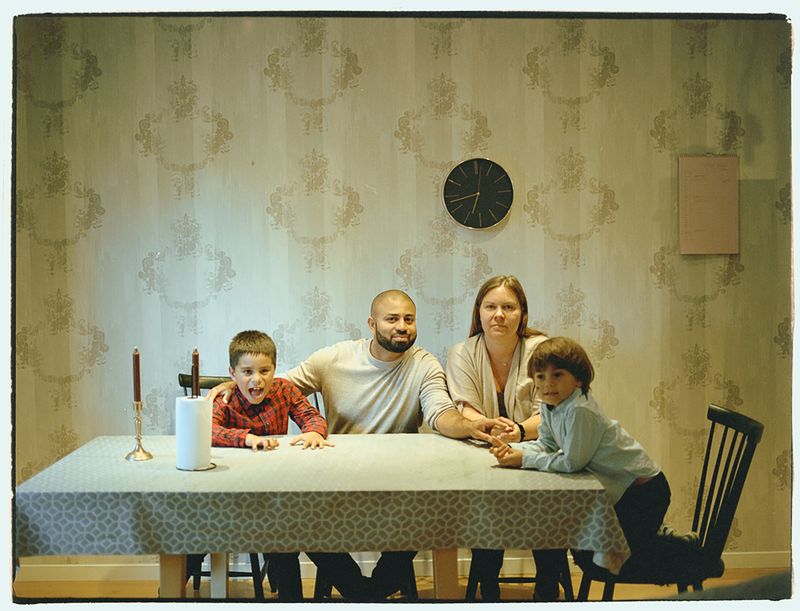
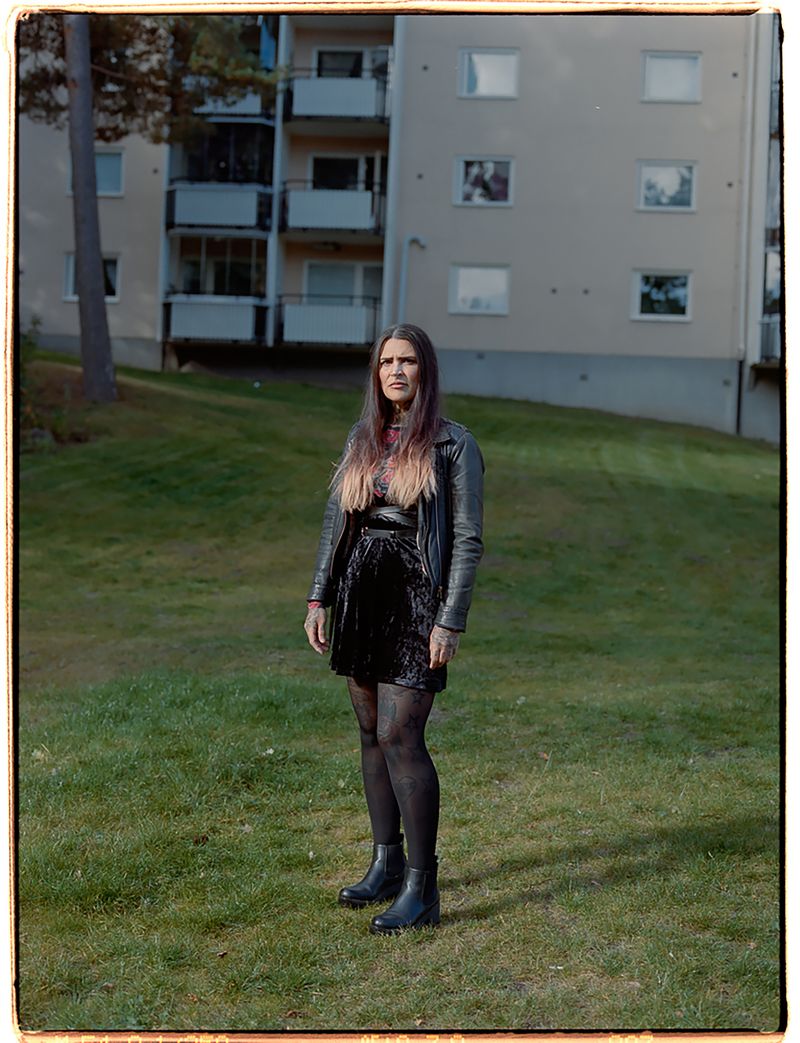
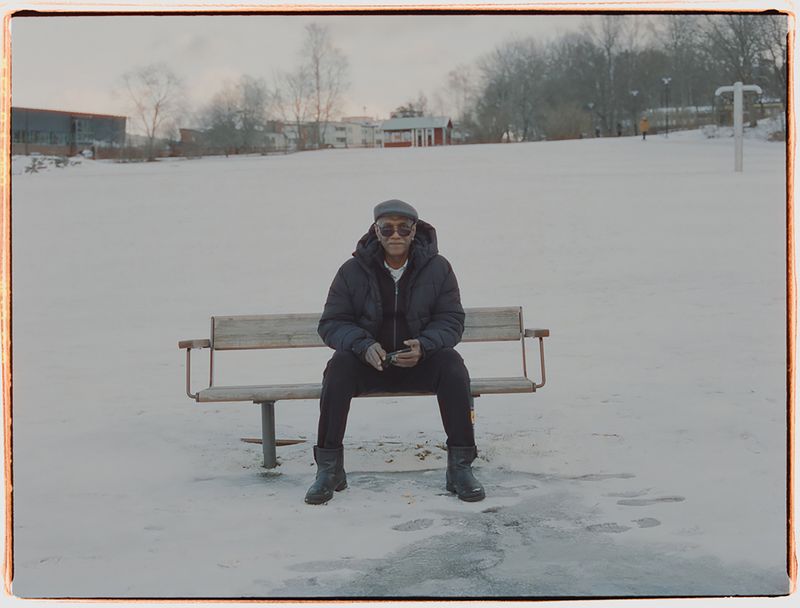
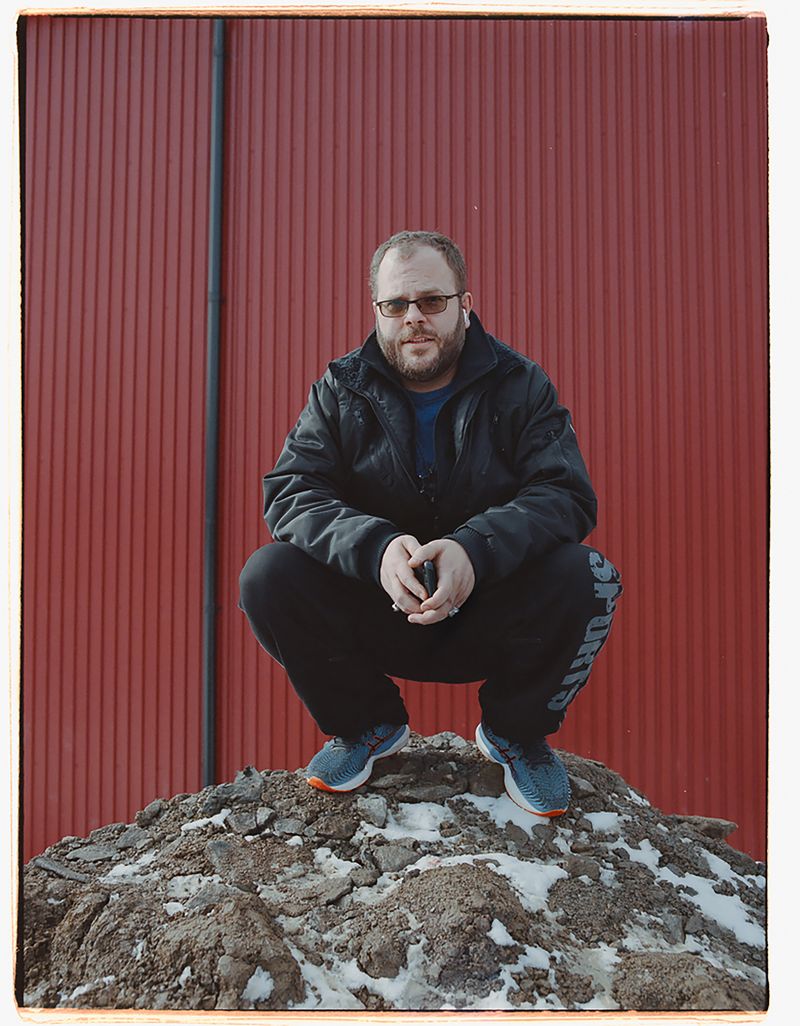
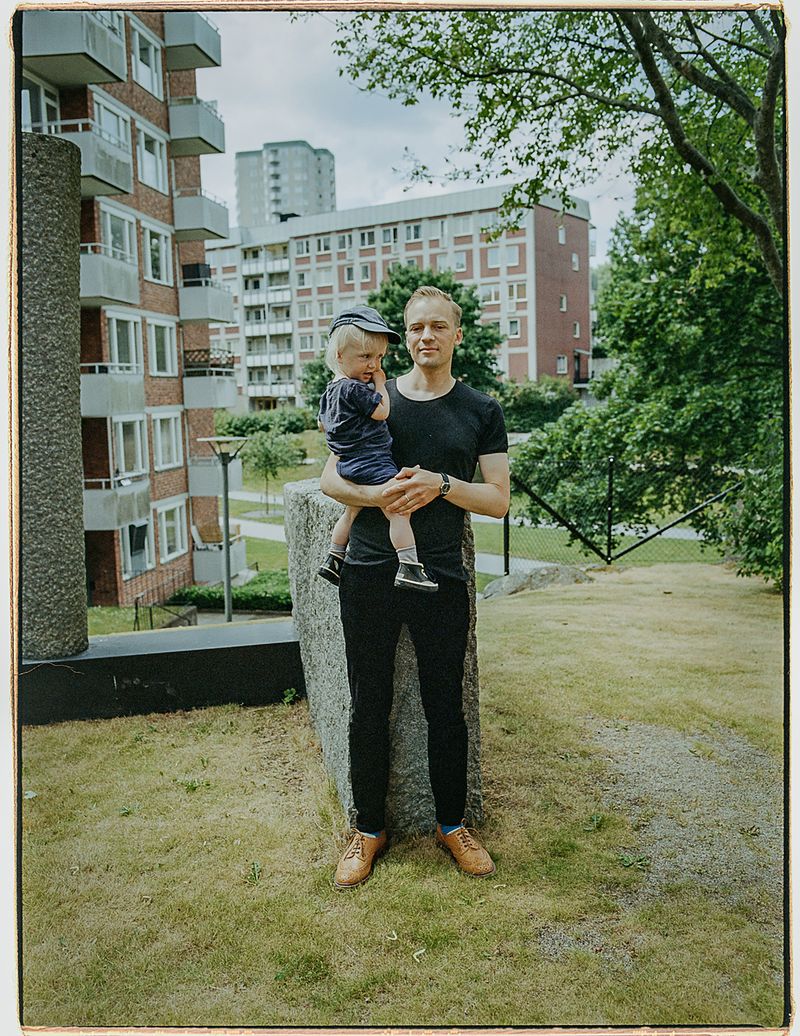
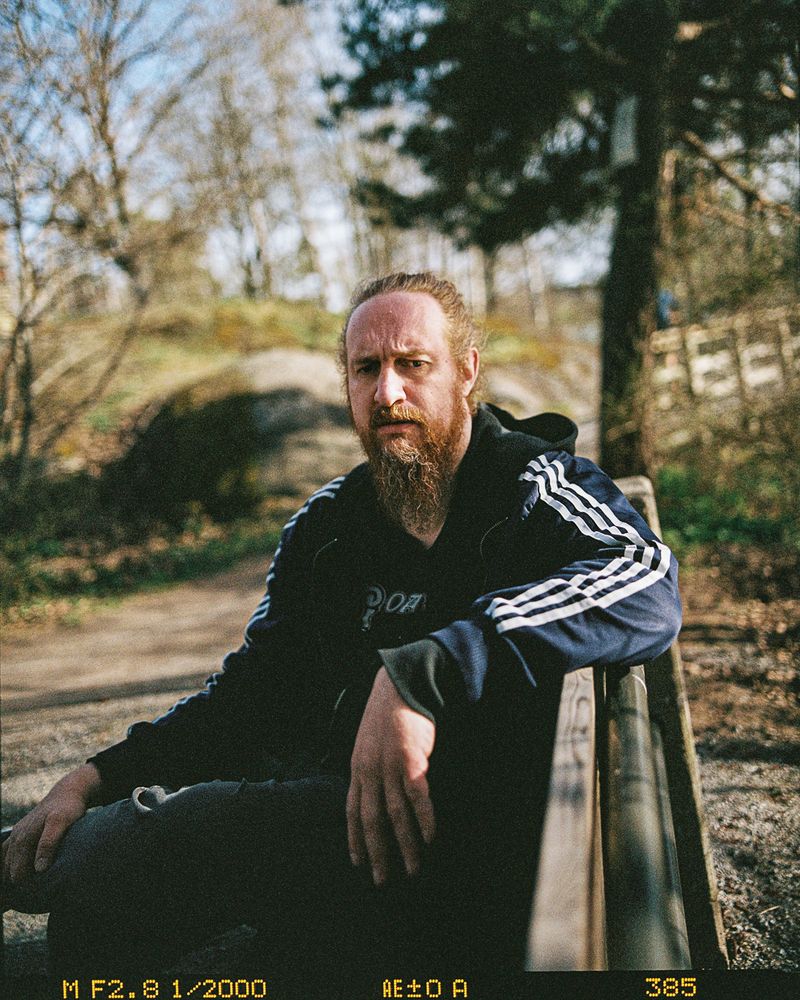
At the heart of this project are portraits. Every photograph is preceded by a conversation,
creating a mutual exchange rather than a one-sided documentation. The portraits are deliberately
stripped of dramatic lighting and staging to avoid reinforcing stereotypes. The people photographed
are presented without biographical explanations; each image is meant to work as a direct encounter
between viewer and individual, rather than as a representation of a social category.
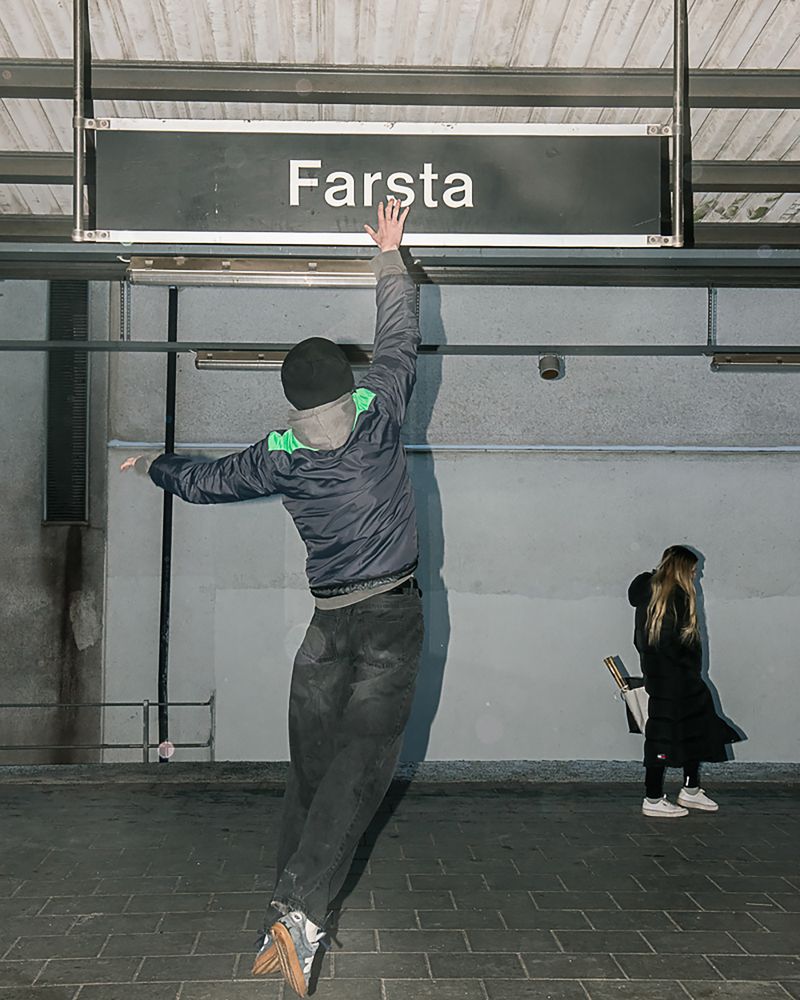
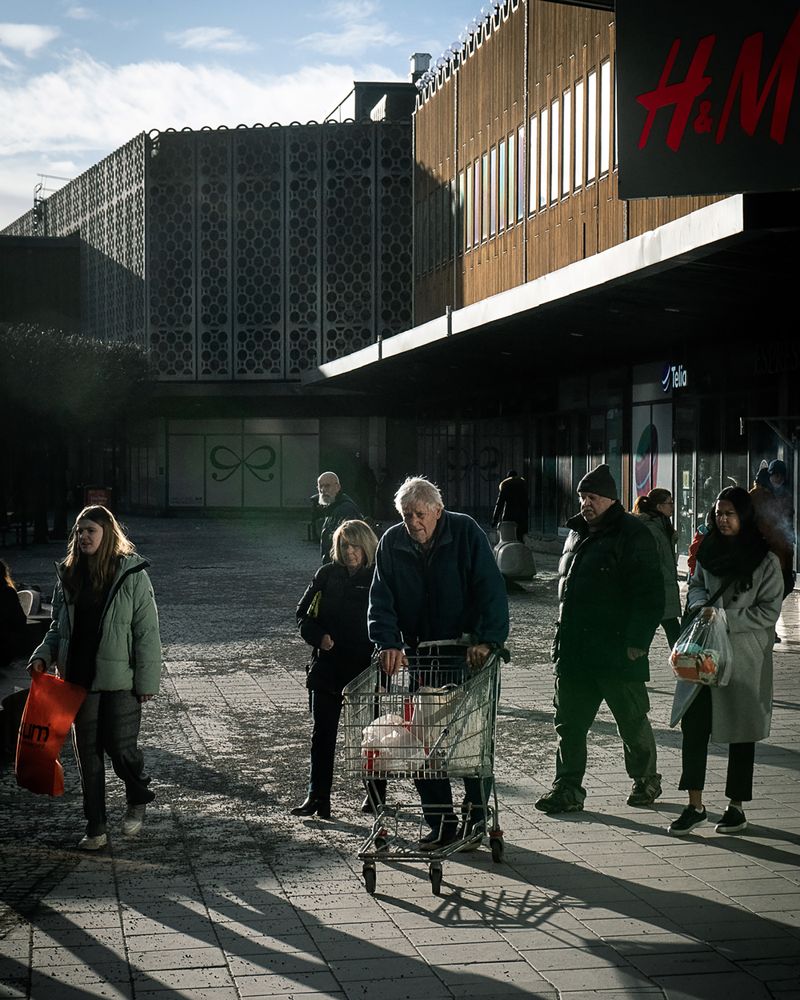
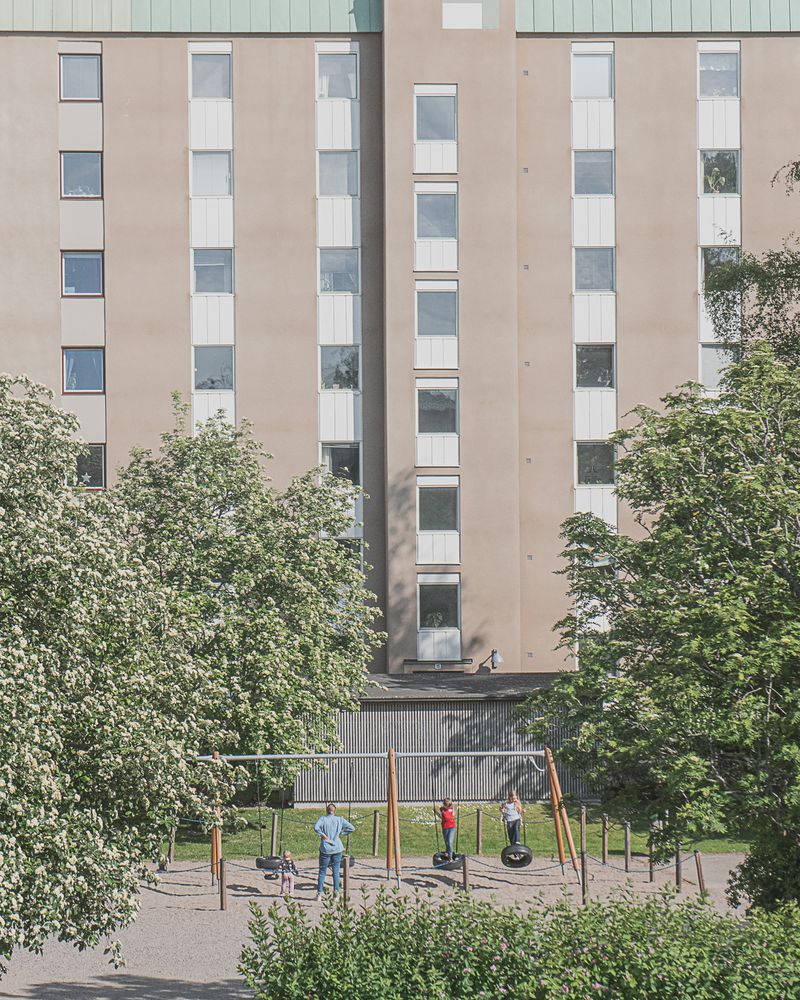
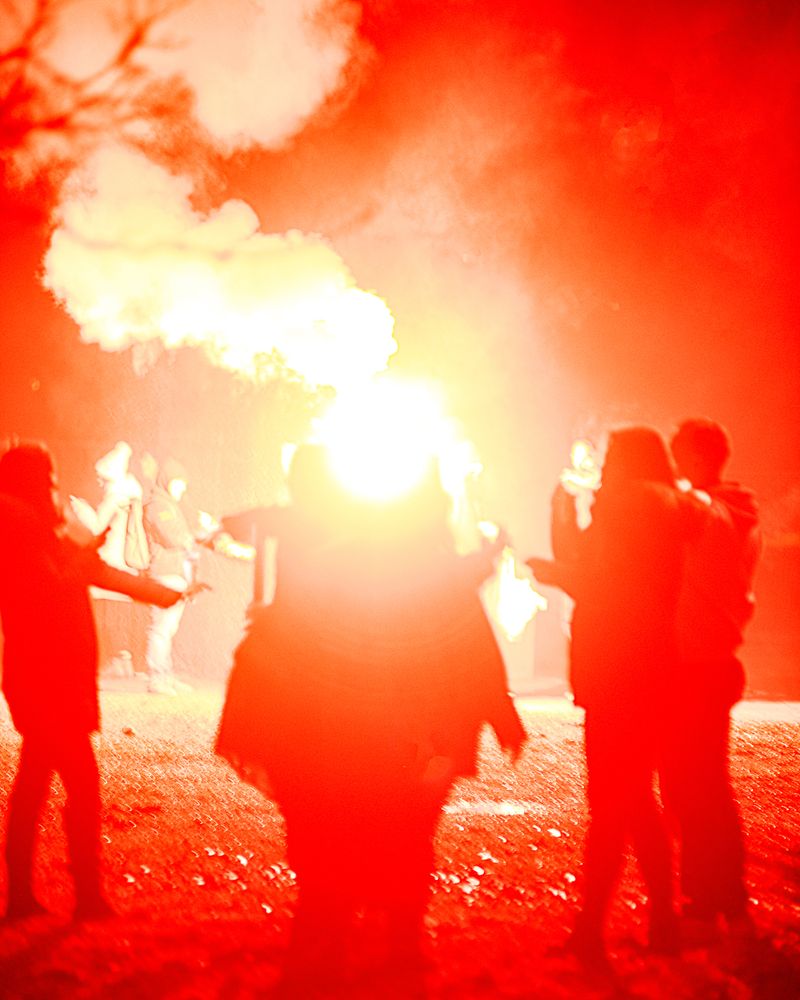
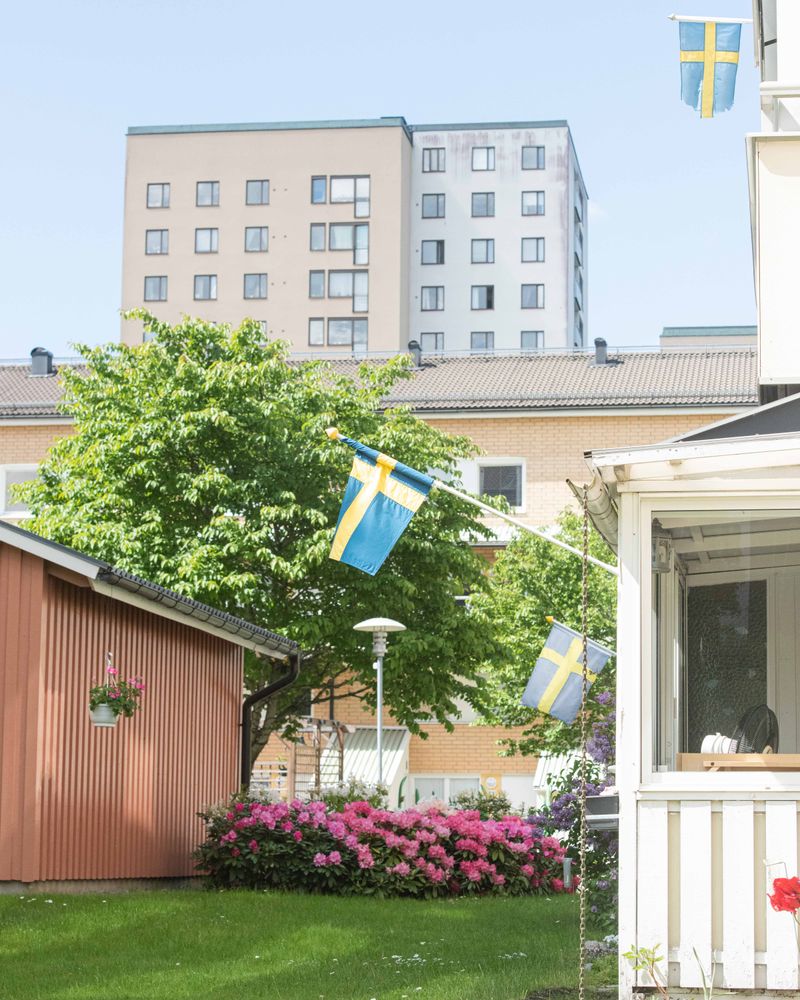
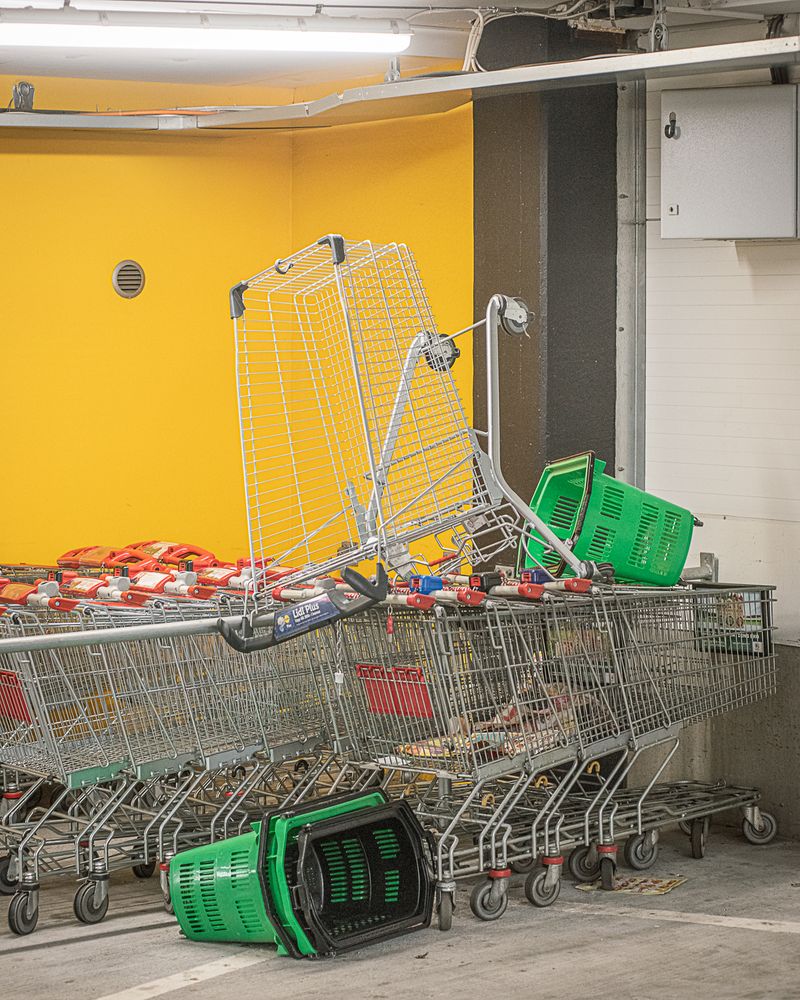
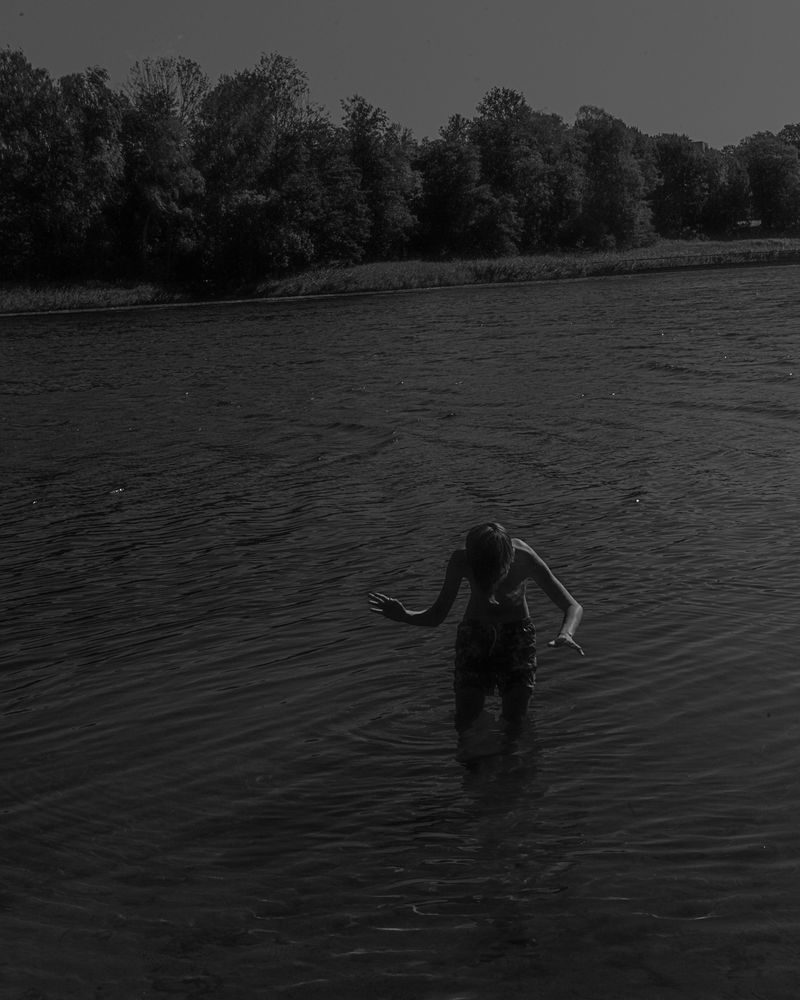
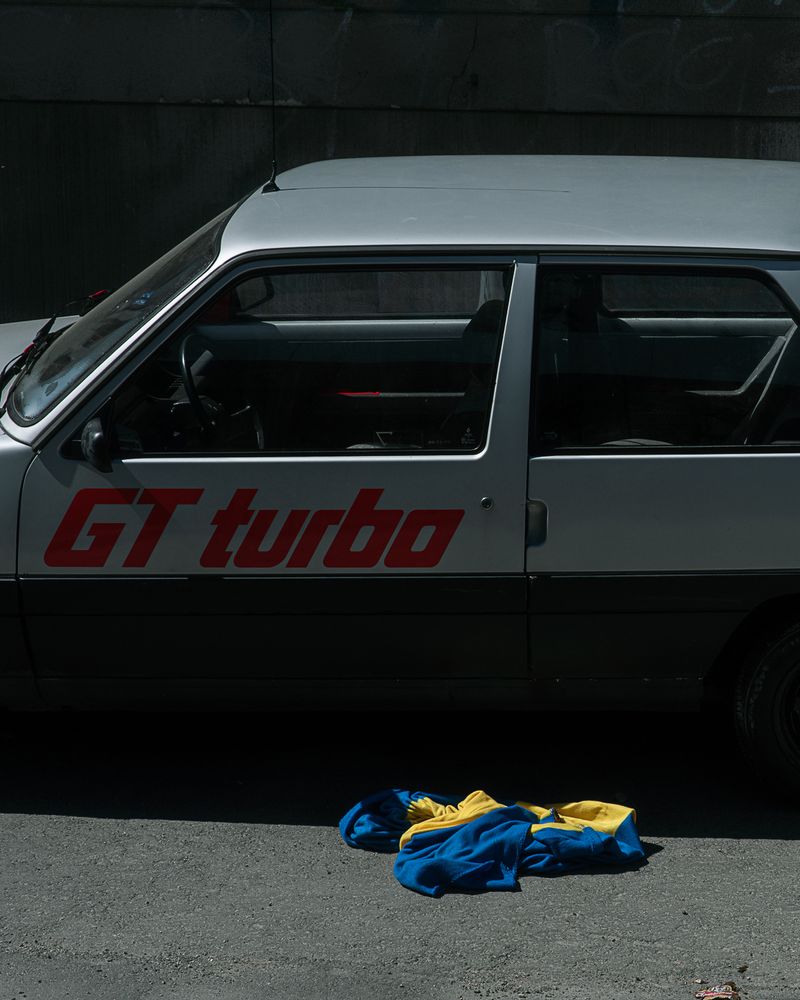
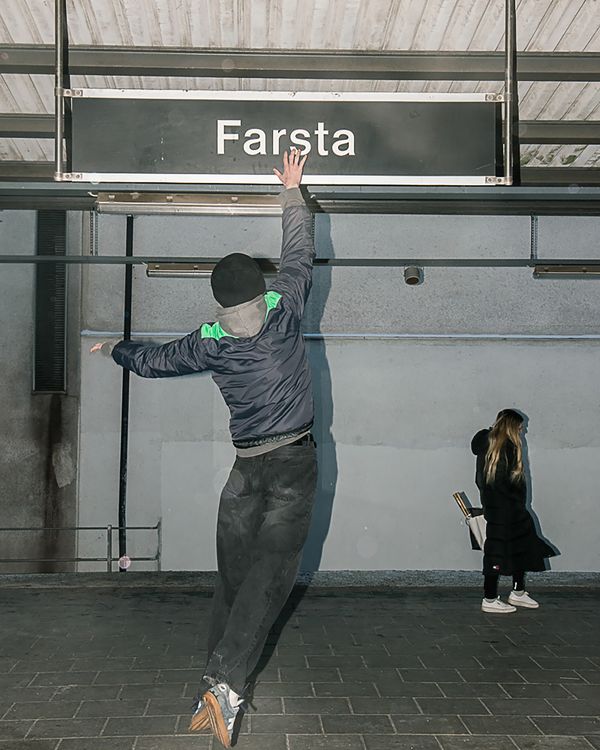
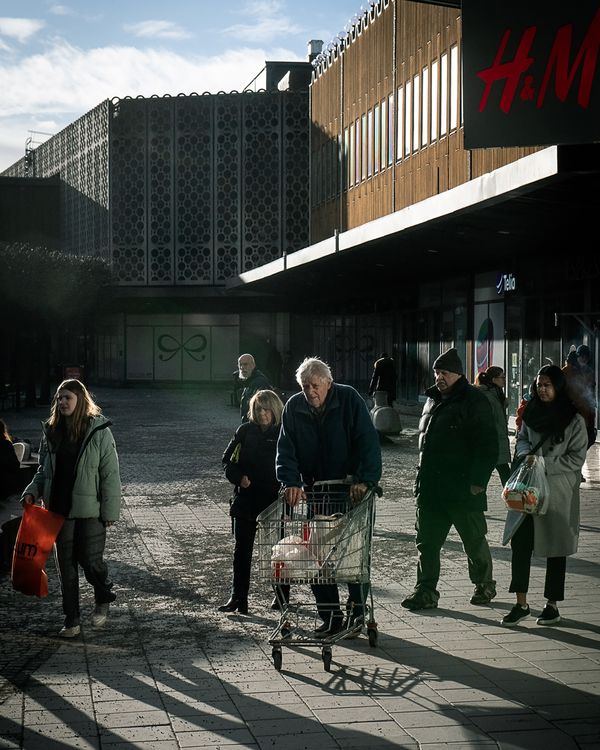
Alongside the portraits, I also capture everyday moments, architecture, and spontaneous situations.
Farsta is approached with the same visual and methodological principles as any Swedish small town.
This shifts the perspective from what’s extraordinary to what’s ongoing, from the dramatic to the
everyday.
This project is also rooted in a wider contemporary context. Discussions about segregation,
integration, and so-called ‘mixing’ have been central in political and media debates in recent
years. Yet, a simplified and geographically distant view of the suburb is often repeated, painting
it as solely problematic. Farsta doesn’t aim to swap one narrative for another, but rather to
emphasize complexity. By allowing space for presence and daily life, the social and cultural
diversity already present becomes visible, as does the place’s inherent resilience and potential.
By consistently focusing on the local, Farsta opens up a broader conversation about how we see,
talk about, and imagine each other and the places we call home.