Faces That Remain

Faces That Remain is a portrait series from Dolab Cemetery in Tehran, showing gravestone photos of displaced Armenians, Poles, Russians, and others. By isolating these faces, it reflects on memory, identity, and how photography preserves presence beyond d

 Faces That Remain

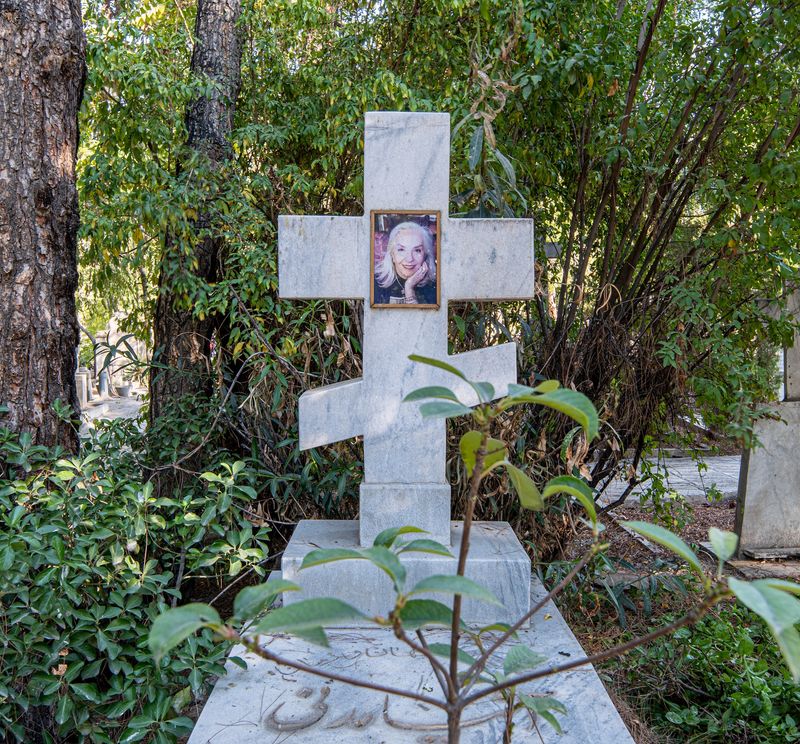
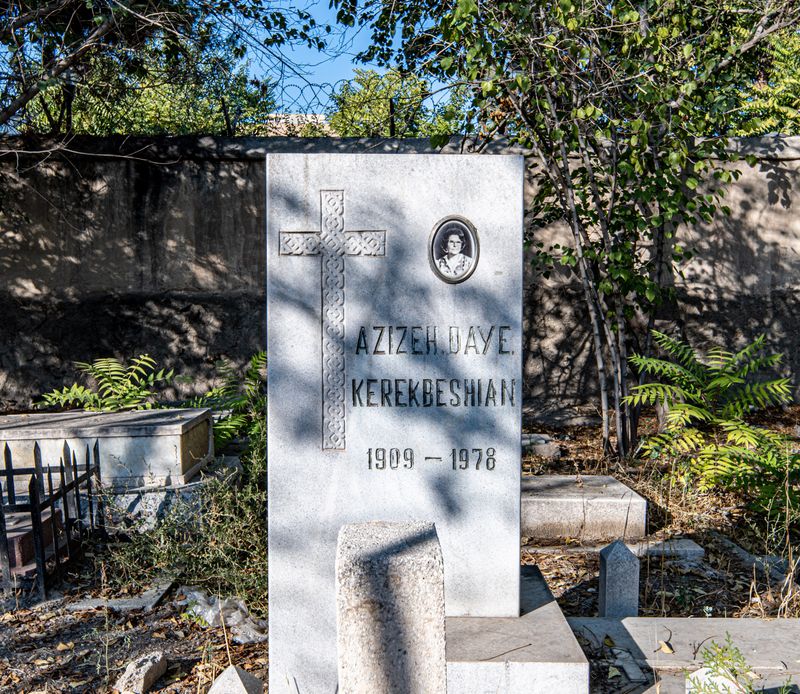
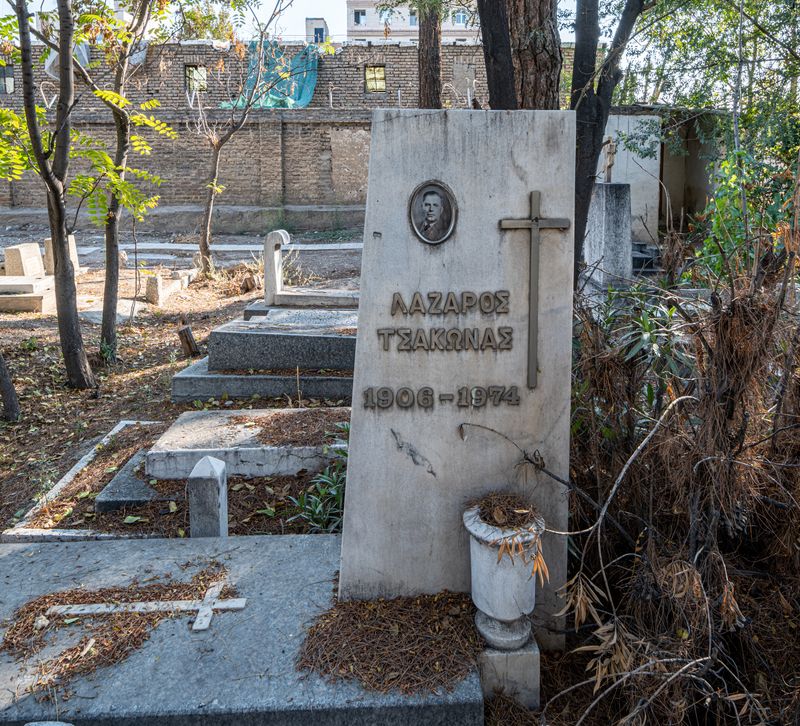
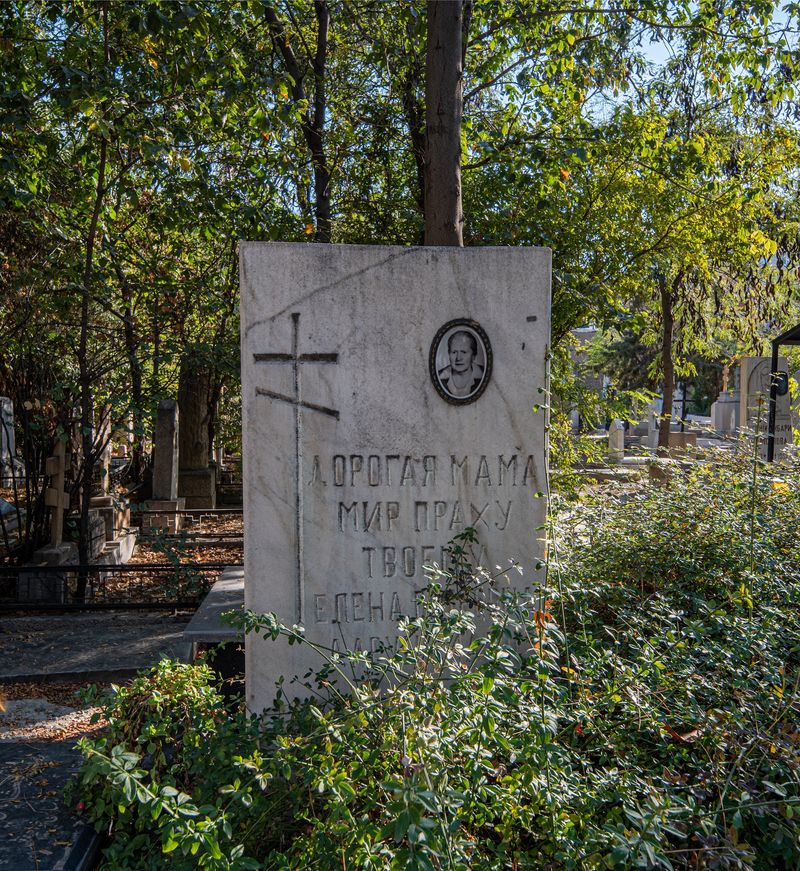
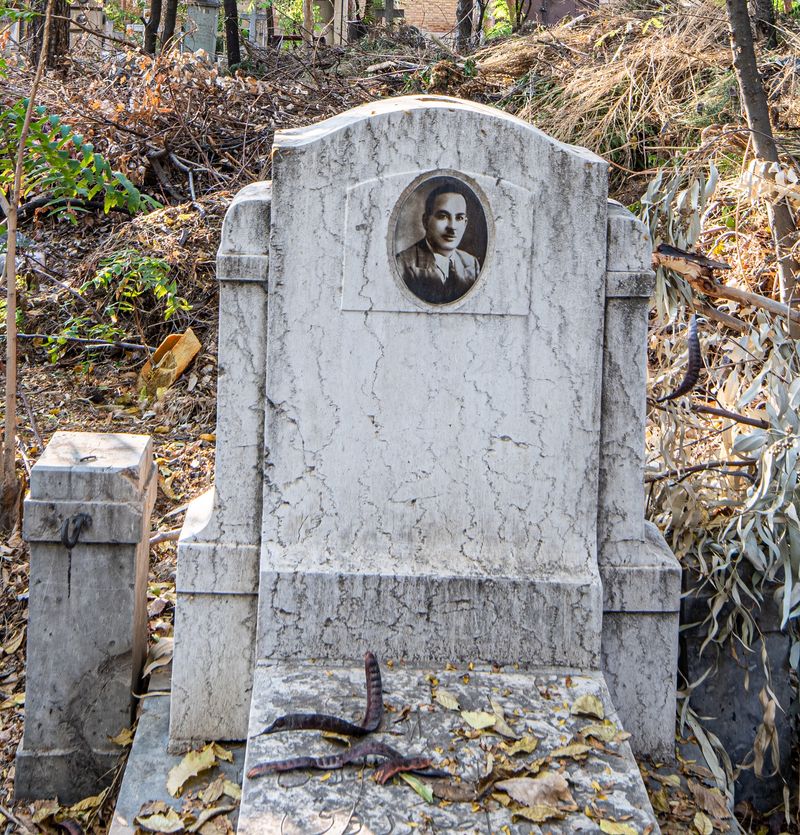
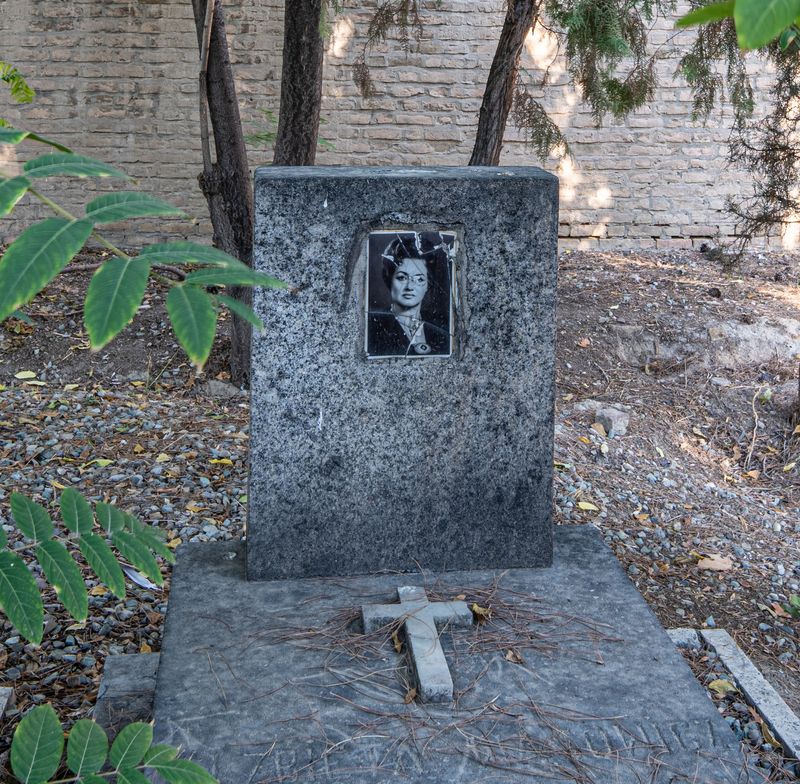
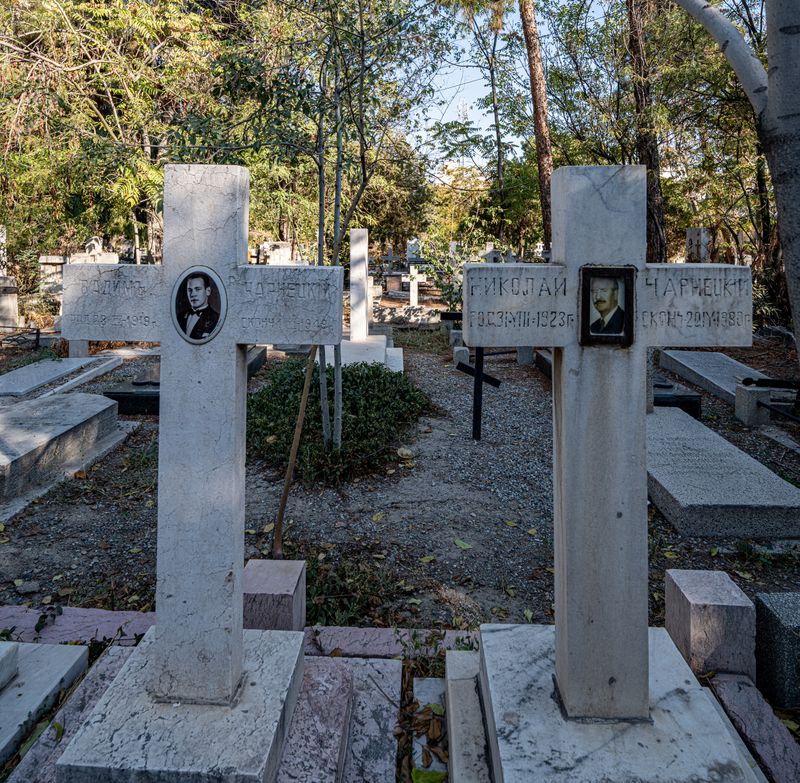
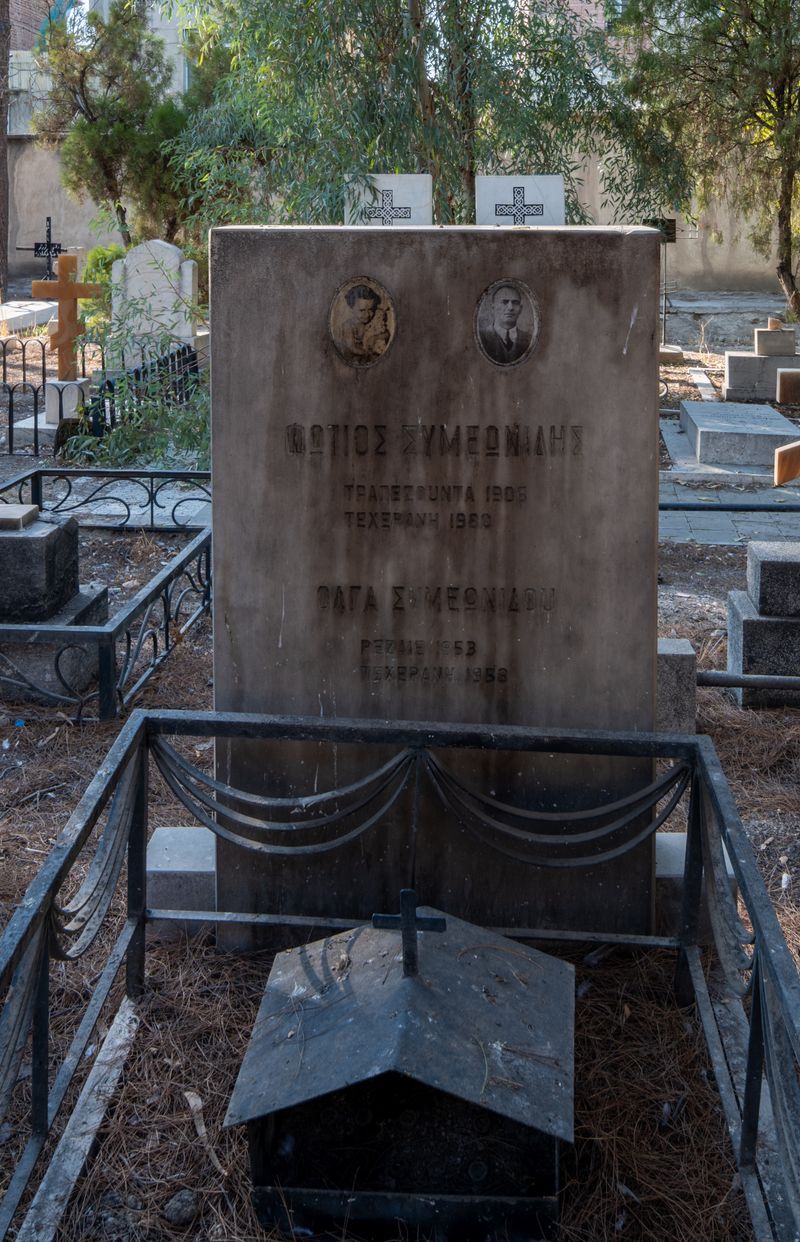
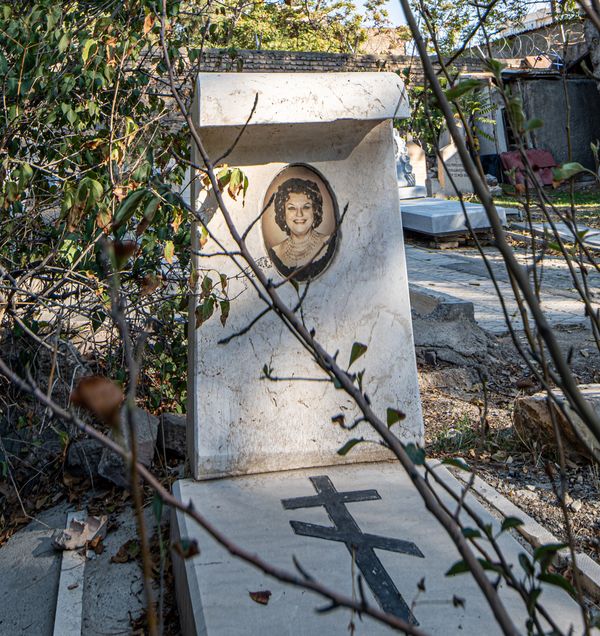
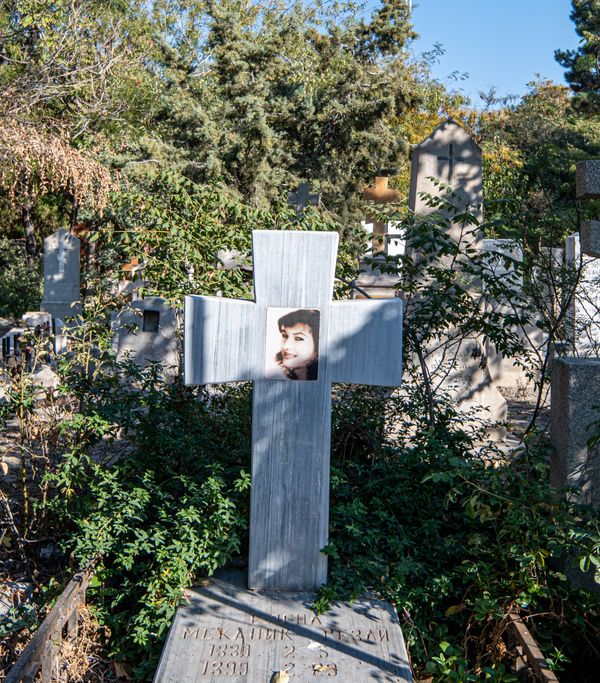
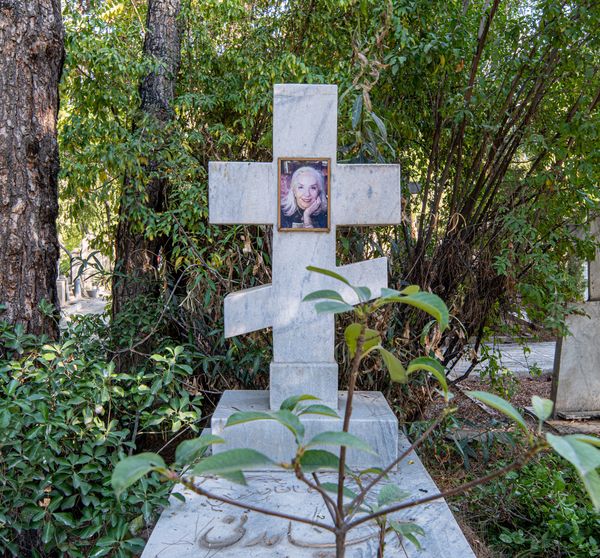
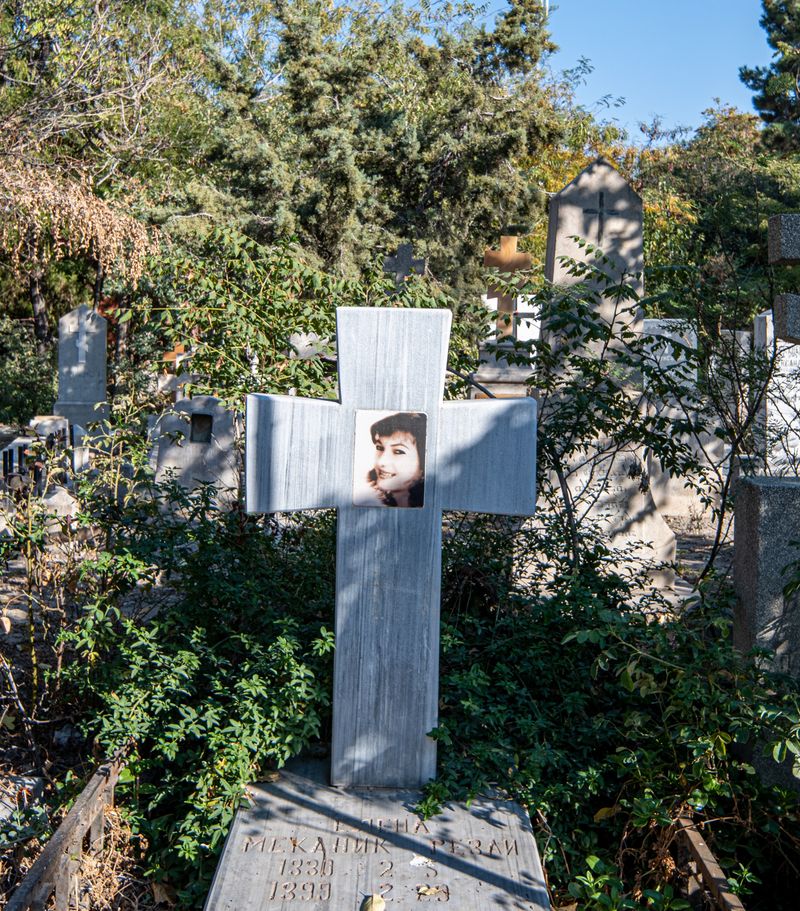
Faces That Remain is a portrait series photographed in Dolab Cemetery, Tehran a burial ground of Armenians,Poles,Russians and other European communities who died far from their homelands,many during World War II.

These images focus on the photographic portraits embedded in gravestones: faces carefully posed, dressed, and remembered. Removed from their historical context, the photographs begin to resemble studio portraits rather than markers of death.

By isolating these faces, the project reflects on memory, displacement, and how photography preserves identity beyond life,nationality, and time.
© Morteza Beiglou - Image from the Faces That Remain photography project
i

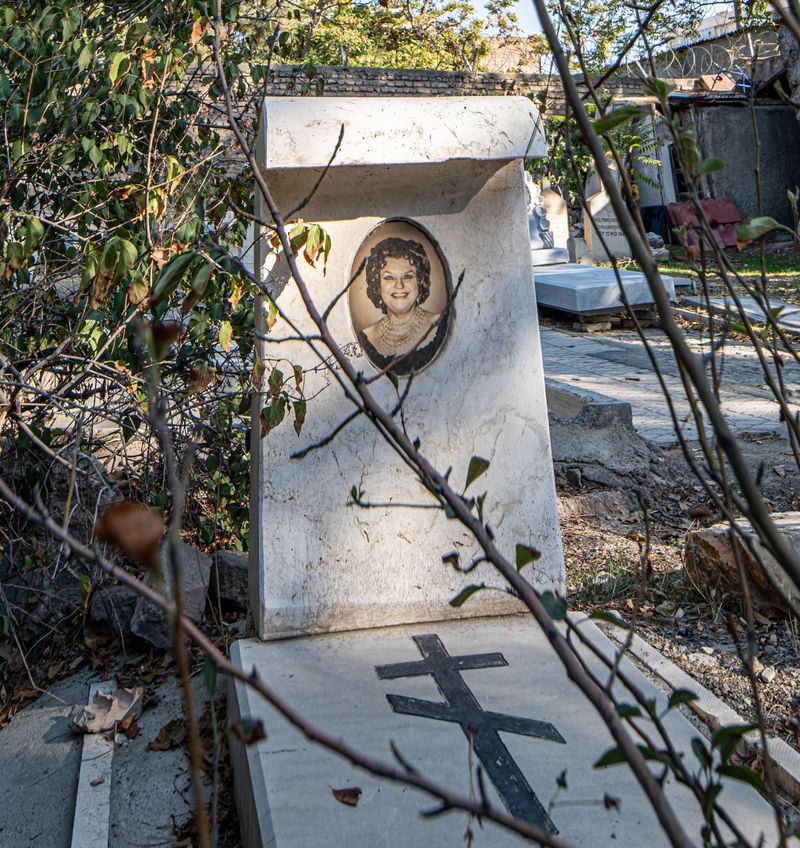
A formal portrait of a woman preserved on a gravestone. Framed by stone and time, her image remains steady, offering a quiet presence within the cemetery.

© Morteza Beiglou - Image from the Faces That Remain photography project
i

This photograph focuses on a woman’s portrait embedded in a grave marker. The image feels carefully composed, as if intended to endure beyond the life it represents.

© Morteza Beiglou - Image from the Faces That Remain photography project
i

A woman’s face appears within the stone, bordered by weathered textures. The portrait suggests dignity and intention, resisting erasure through its formal pose.

© Morteza Beiglou - Image from the Faces That Remain photography project
i

Set into the gravestone, this female portrait resembles an archival photograph. Time has altered the surface, but not the clarity of her gaze.

© Morteza Beiglou - Image from the Faces That Remain photography project
i

A solitary female image remains fixed within the grave structure. The framing recalls studio portraiture, now relocated to a space of memory and absence.

© Morteza Beiglou - Image from the Faces That Remain photography project
i

This image shows a woman remembered through a photographic insert on stone. The contrast between fragile image and solid material defines the tension of the site.

© Morteza Beiglou - Image from the Faces That Remain photography project
i

A male portrait appears within a cross-shaped grave marker. The photograph suggests formality and order, echoing the conventions of early studio photography.

© Morteza Beiglou - Image from the Faces That Remain photography project
i

This gravestone carries a lone male portrait, carefully placed and preserved. The image feels deliberate, maintaining identity within a shared burial landscape.

© Morteza Beiglou - Image from the Faces That Remain photography project
i

Two male portraits are placed side by side on a single grave. Their pairing implies connection, while the symmetry of the composition reinforces a sense of shared history.

© Morteza Beiglou - Image from the Faces That Remain photography project
i

A paired portrait of an adult man and a child appears on the gravestone. The image suggests lineage and continuity, held together through stone and photograph.

Faces That Remain by Morteza Beiglou

Prev Next Close