EX VOTO
-
Dates2022 - 2025
-
Author
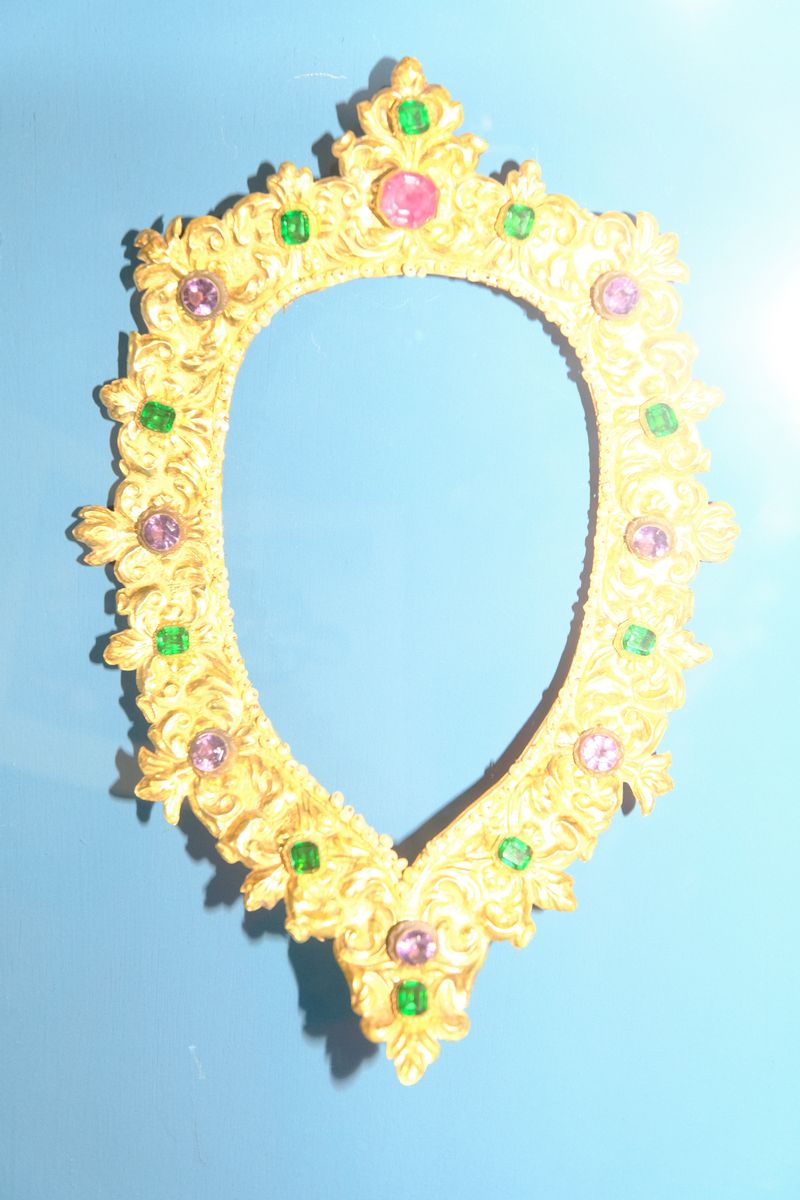
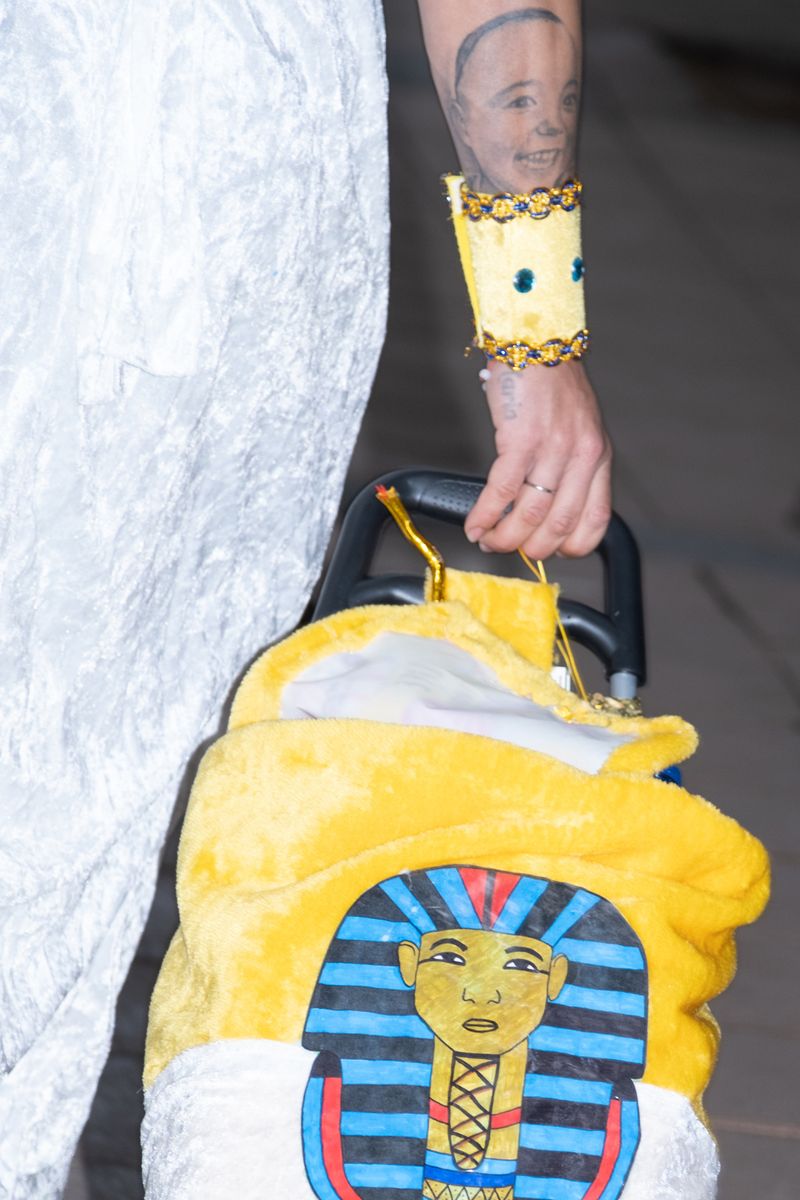
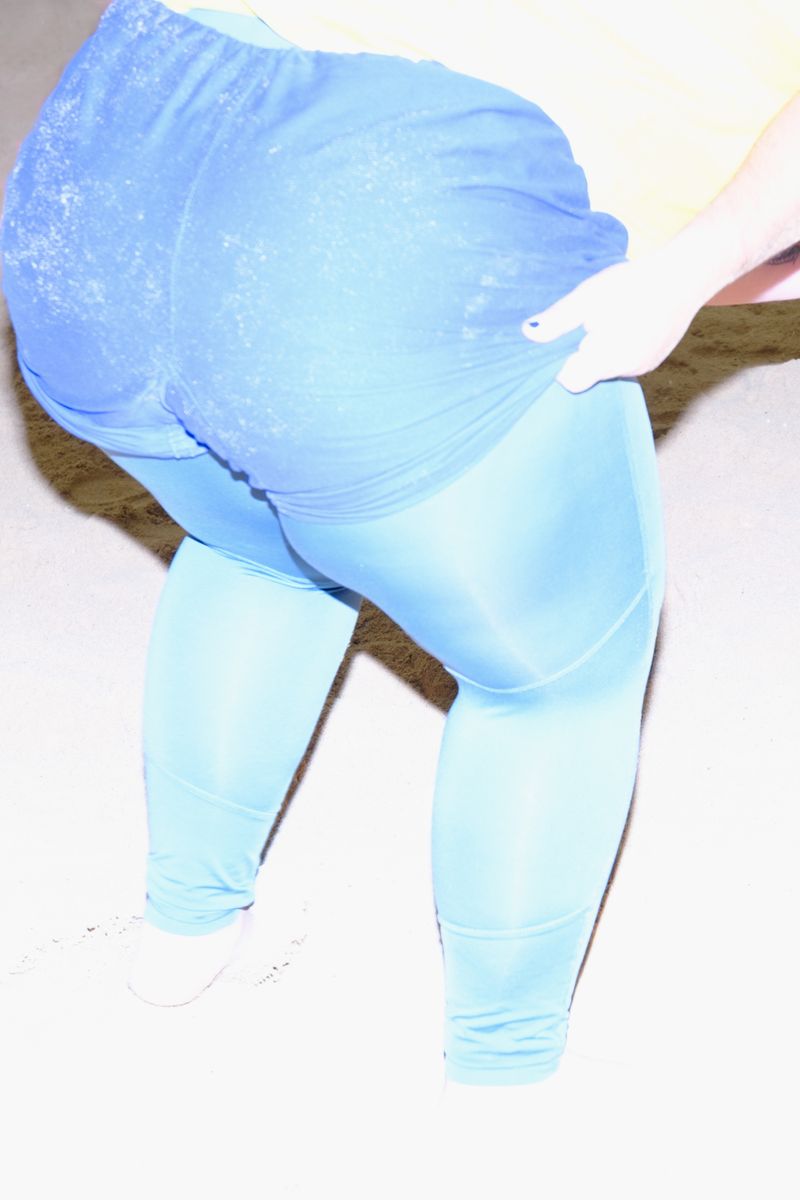
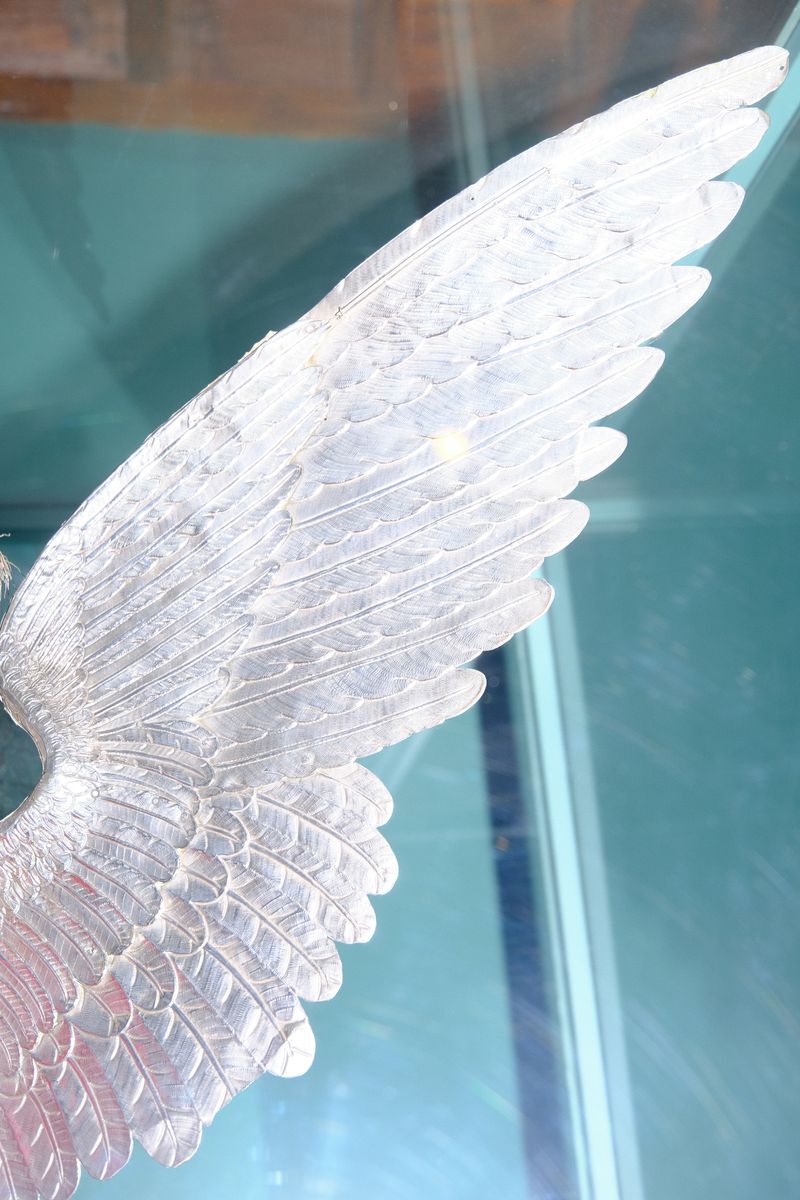
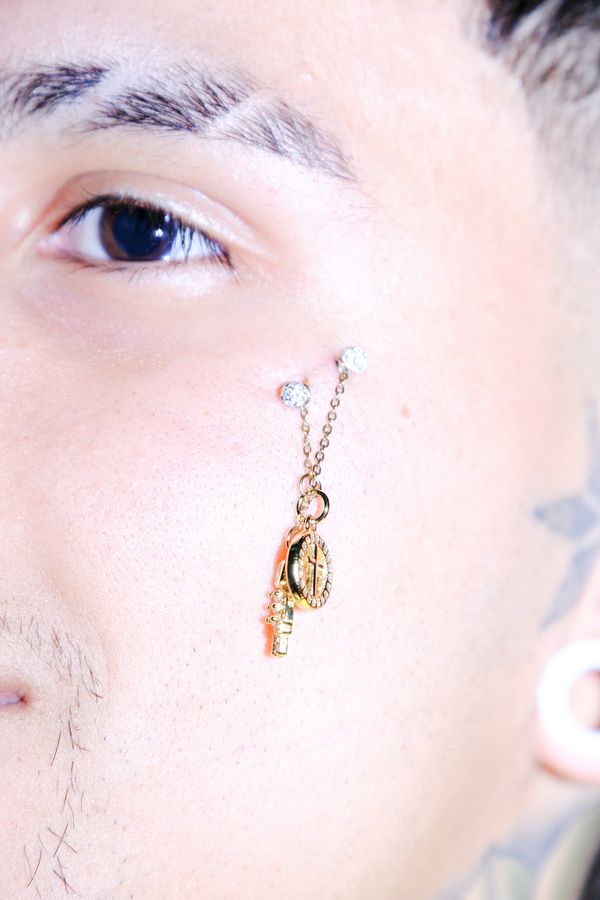
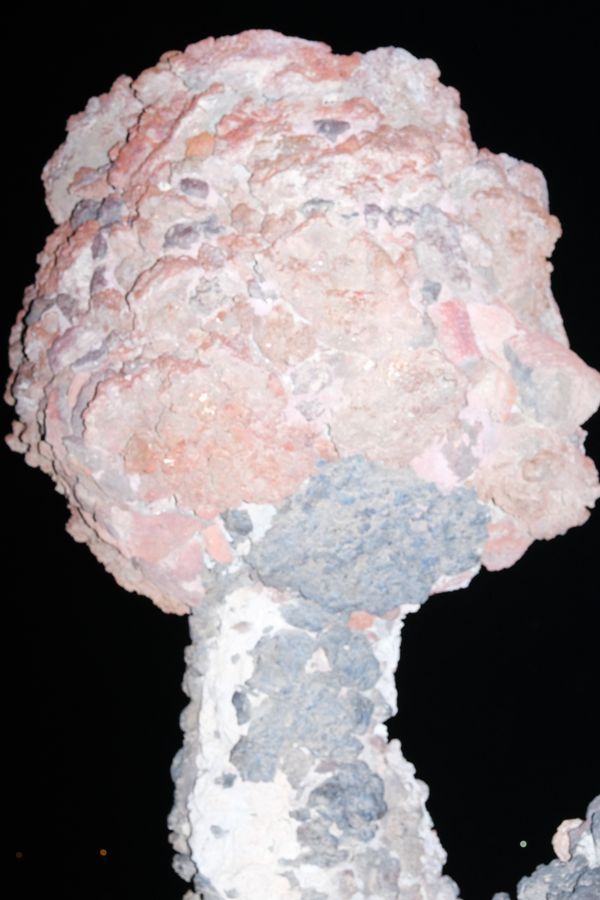
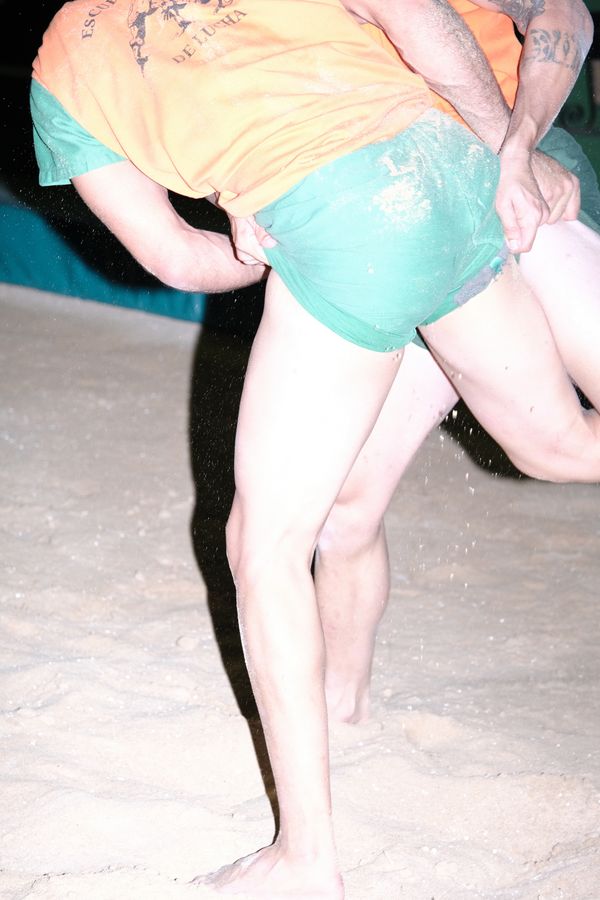
Ex Voto (photos & ceramics) celebrates the sporting bodies and festive bodies, interweaving them in a fictional ritual: a syncretic and jubilant trance that brings together different strata of civilizations and temporalities of the Canary Islands.
This book project is supported by the publisher Samantha Millar-Hoppe @ Rue du Bouquet,
in collaboration with the graphic designer Valentine Thébaut, with the contributions of the French poet Hélèna Villovitch & the Canarian anthropologist Pablo Estèvez-Hernández.
The publishing project by photographer Céline Guillerm (www.celineguillerm.fr):
"The Ex Voto are organic [...]. They travel through time. They are common to very disparate civilizations. They ignore the cleavage between paganism and Christianity. In reality, this very diffusion constitutes their mystery and singularity...."
Georges Didi Huberman Ex Voto: Image, Organ, Time.
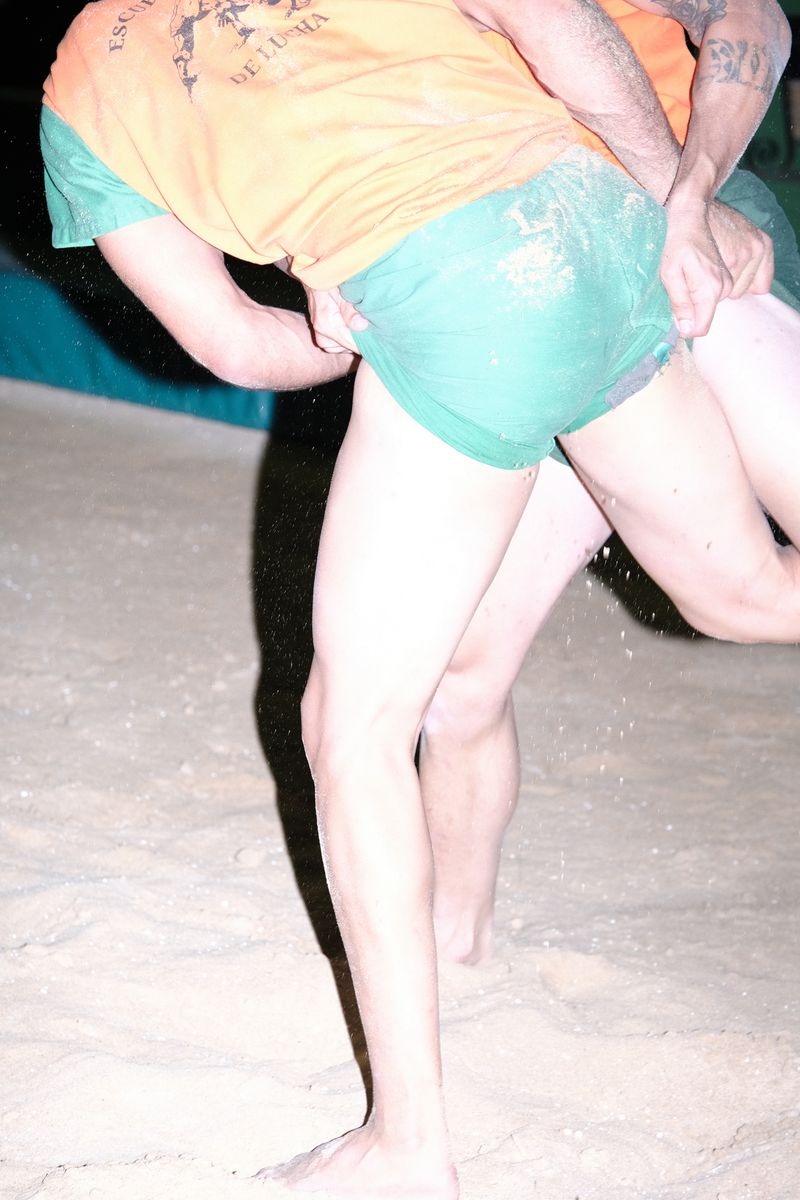
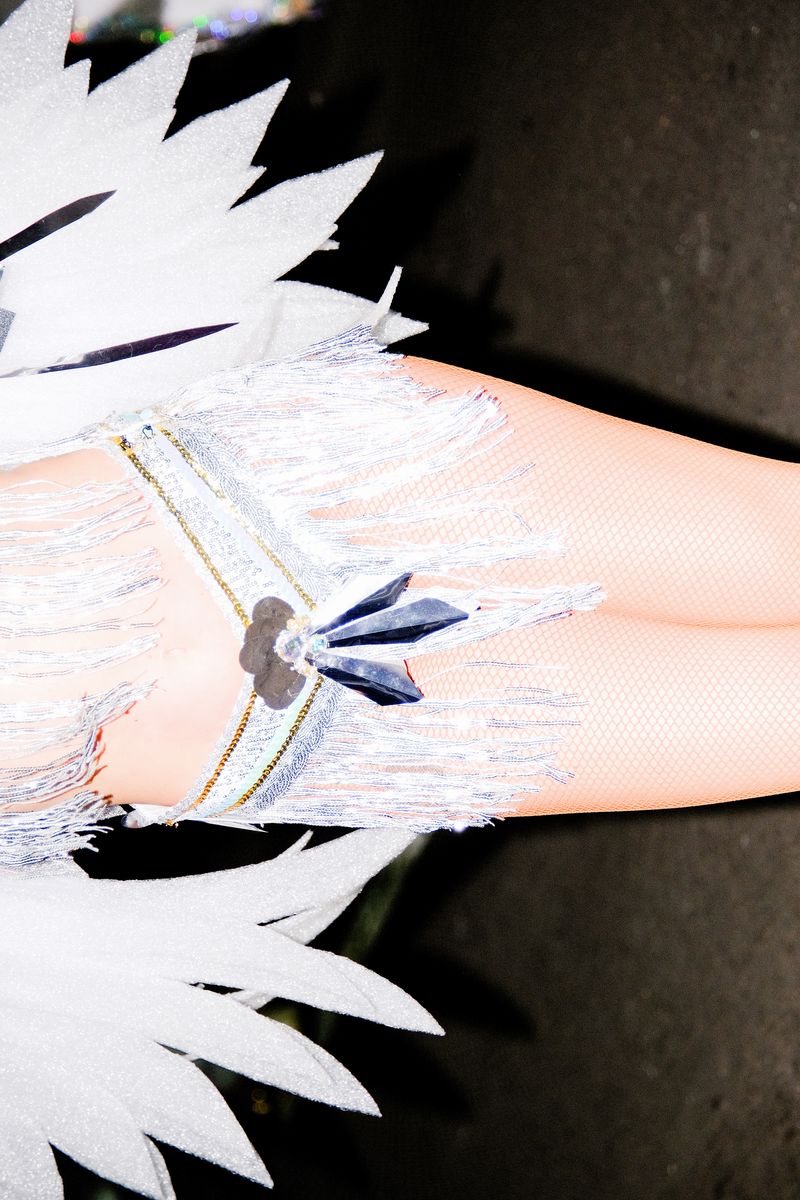
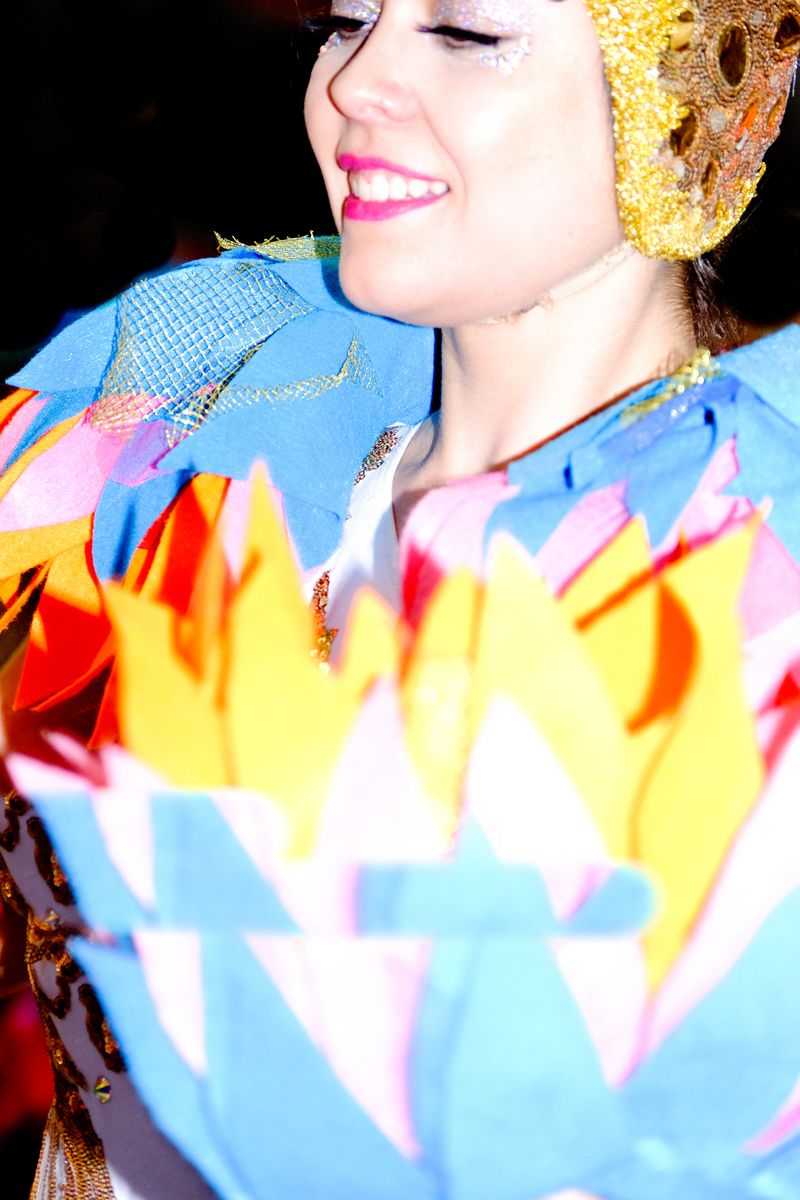
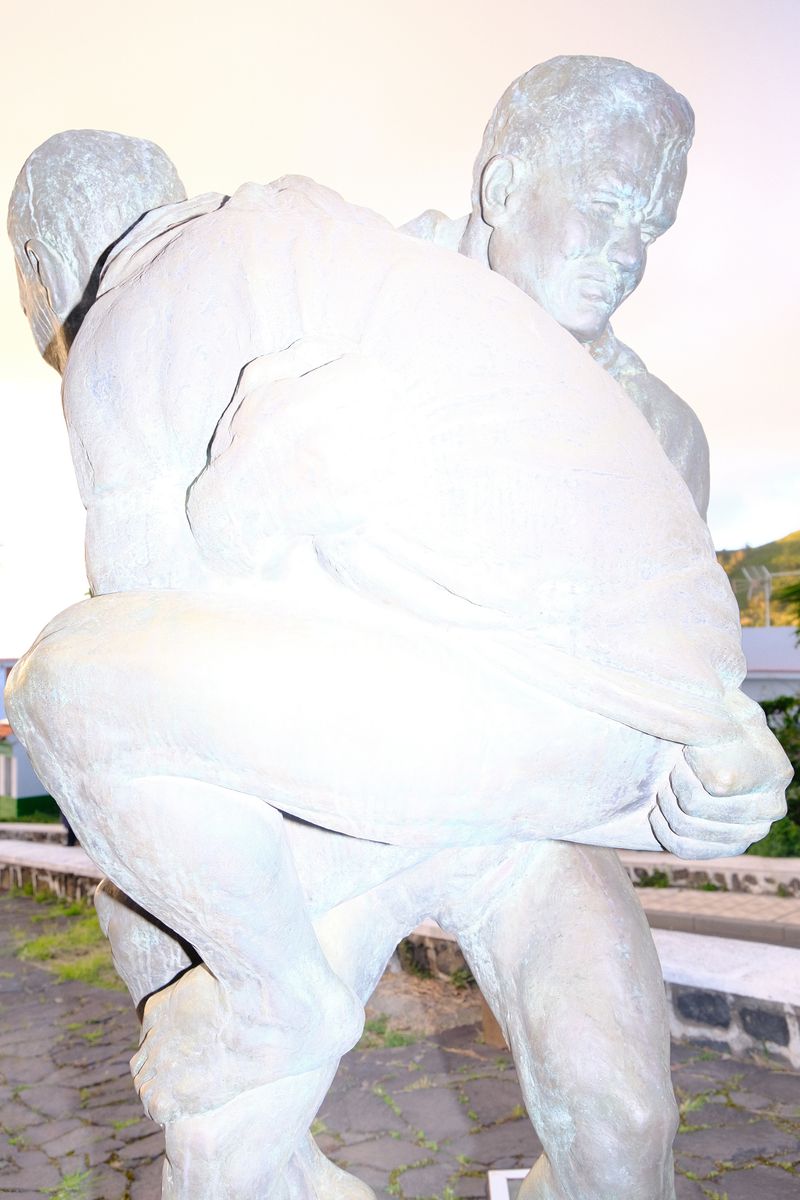
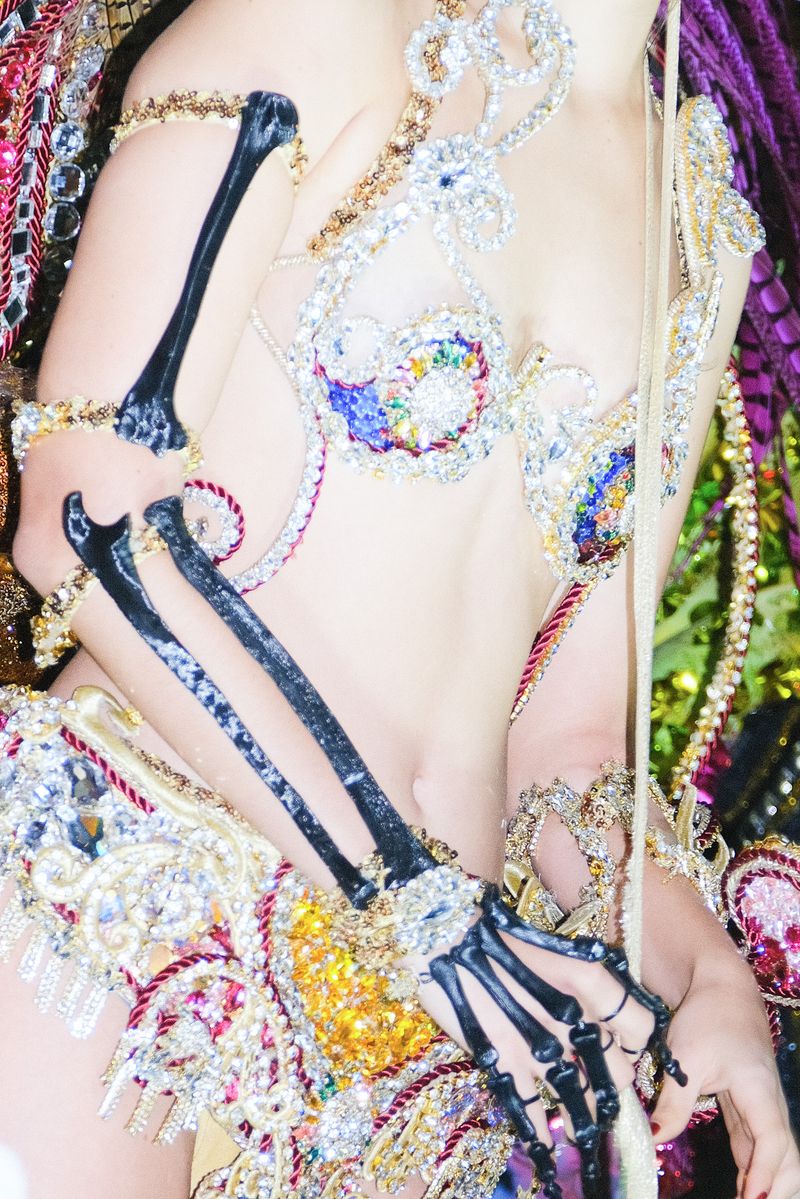
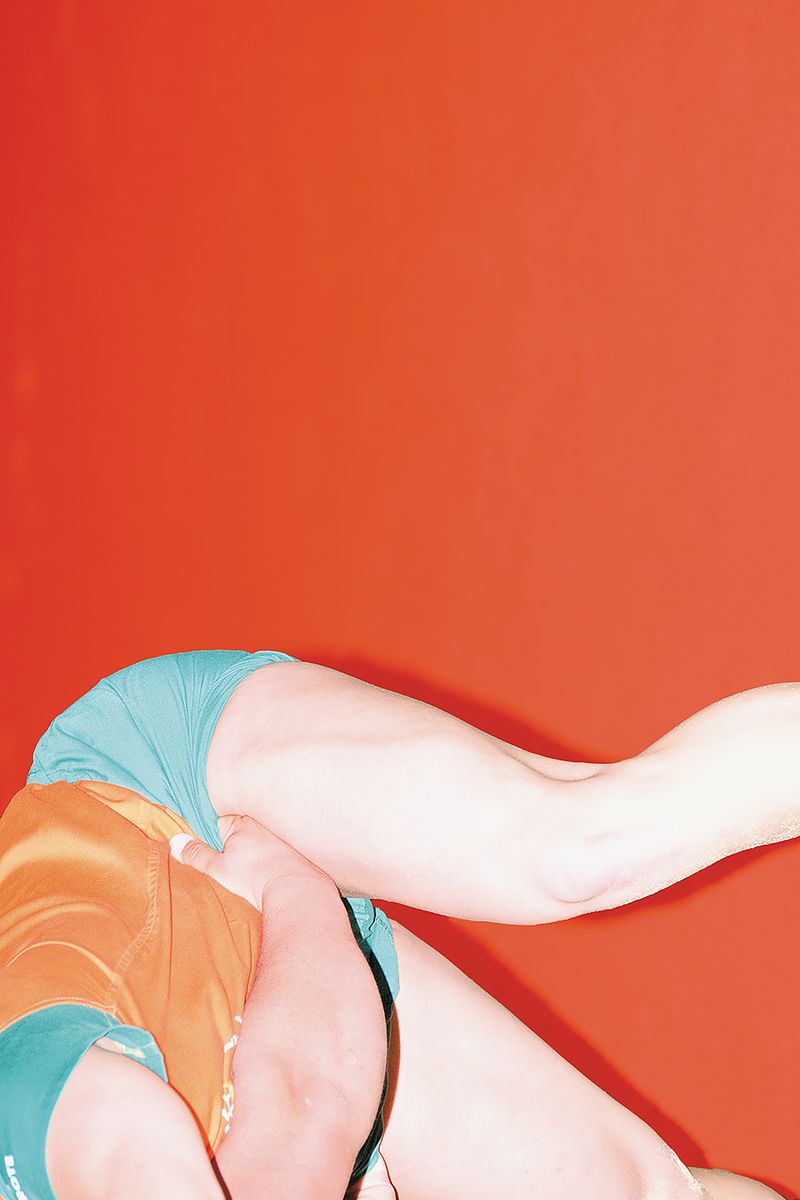
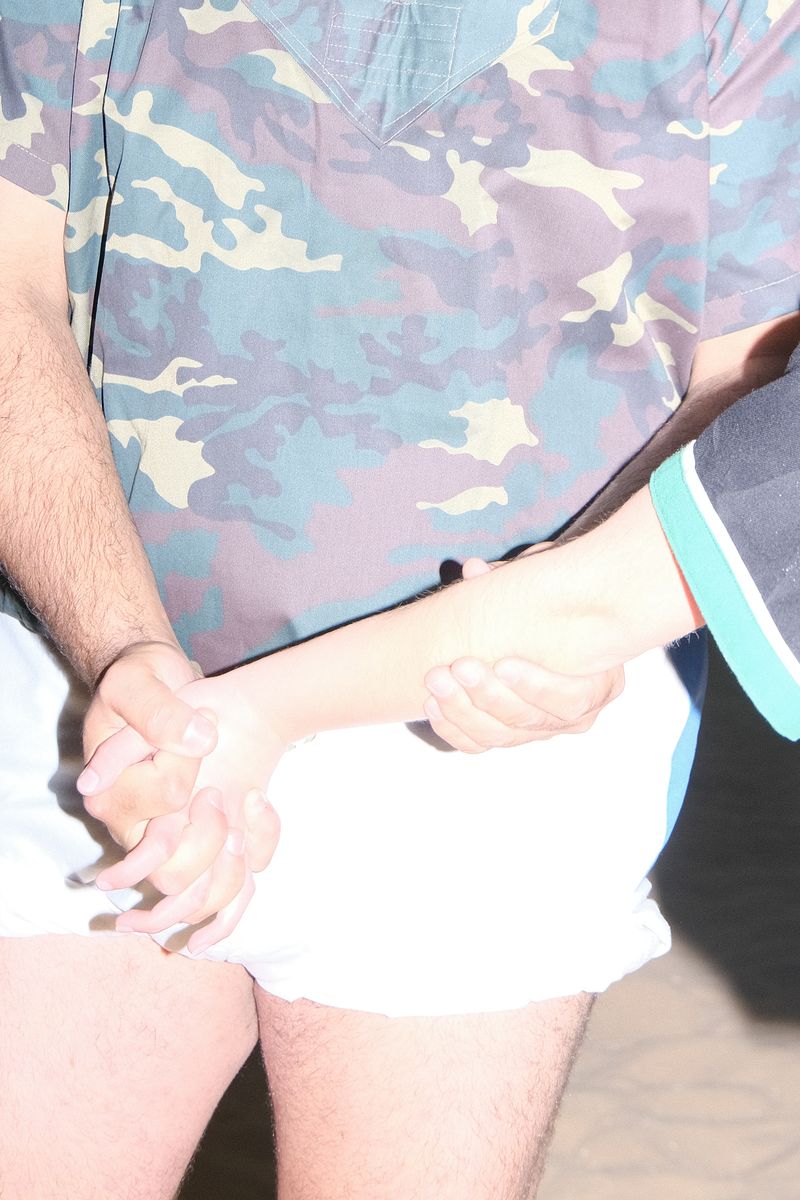
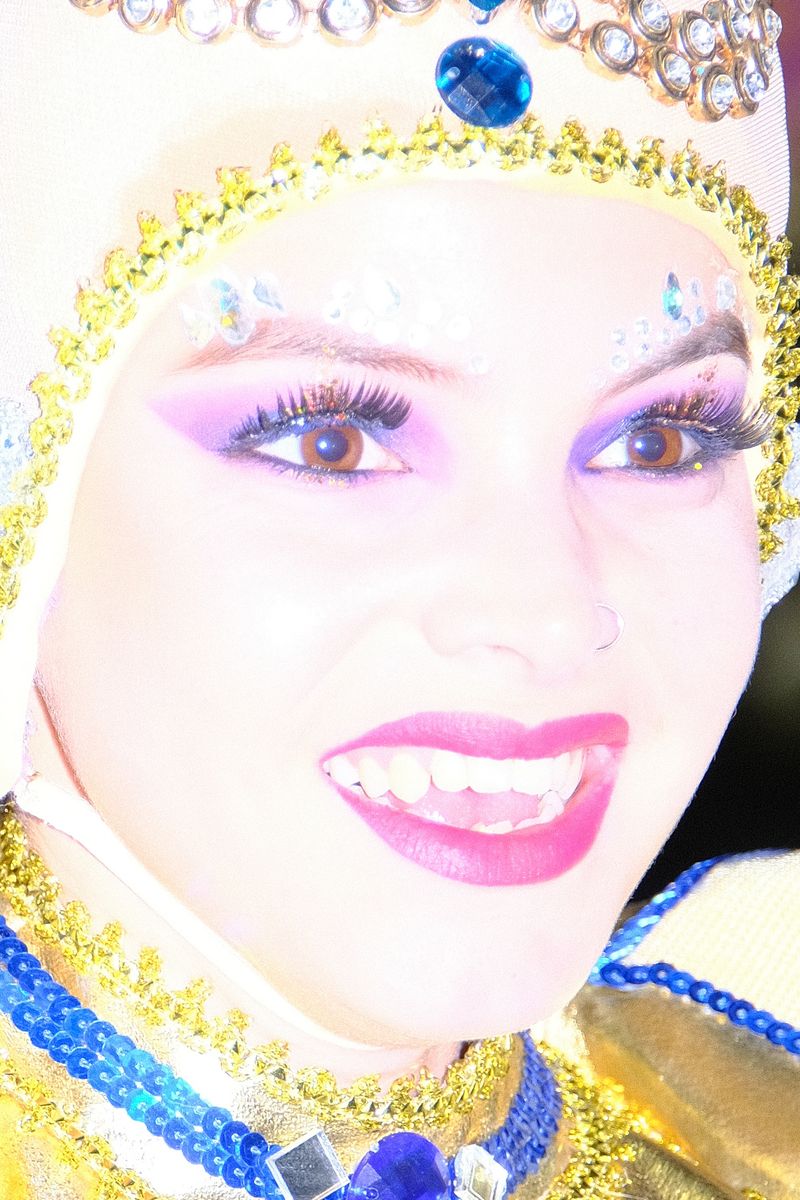
Wrestling and carnival are very lively and popular rituals in the Canary Islands. They reflect different time periods and civilizations. Wrestling (lucha canaria) originates from the Guanches, the first people of the archipelago, now extinct. The great annual carnival originates from the Conquistadors.
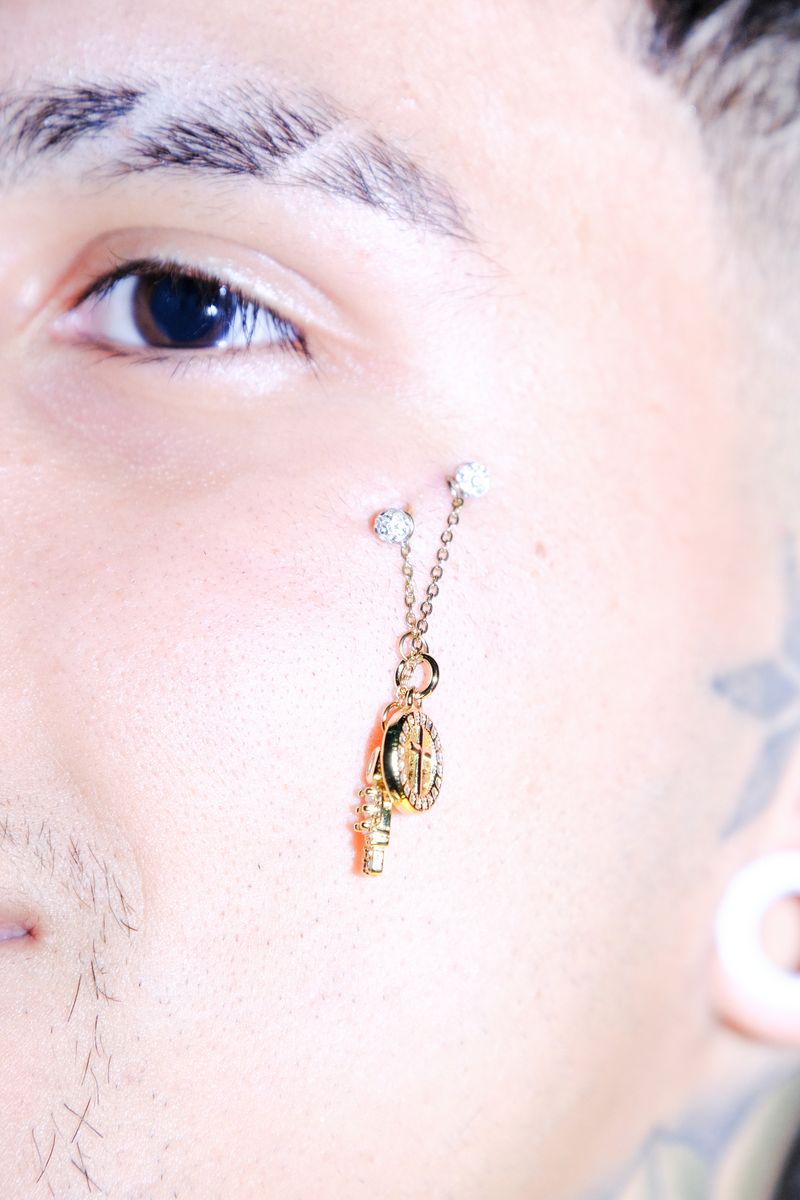
The Ex Voto series highlights the physical involvement of these two rituals, which have survived through time. It seeks to place the viewer at the heart of the ceremony, to make them experience its sensuality and communion.
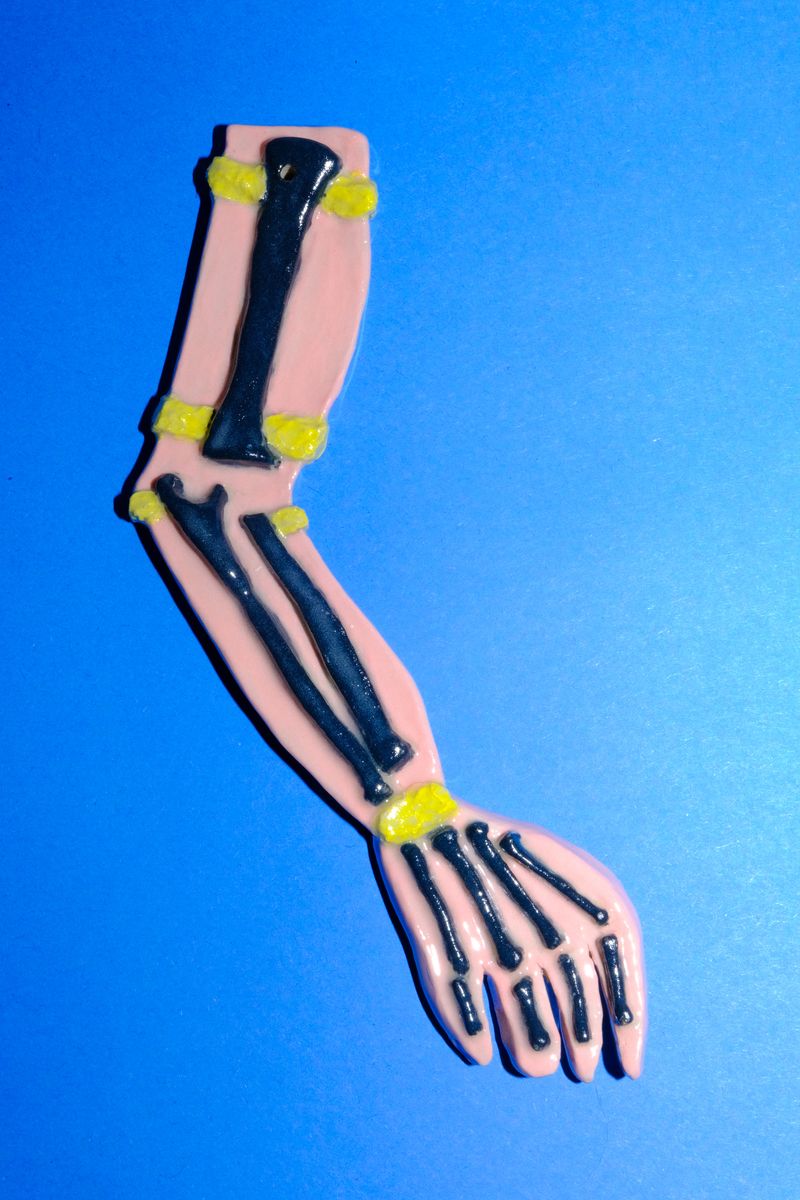
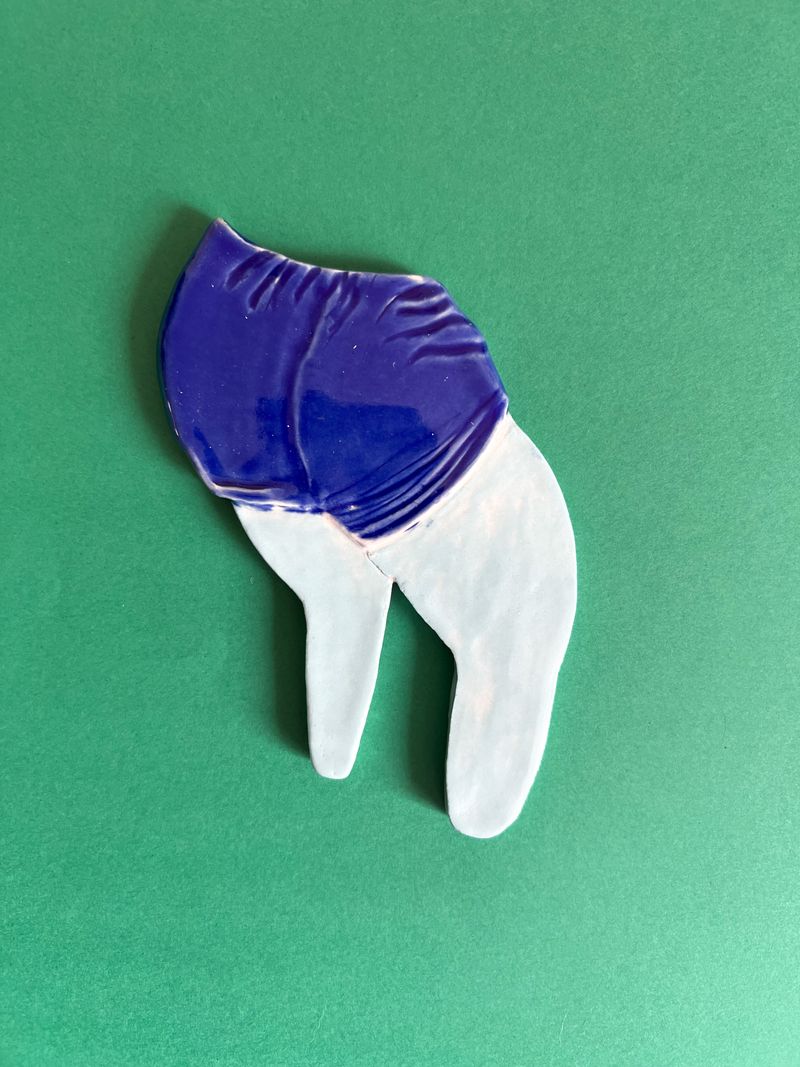
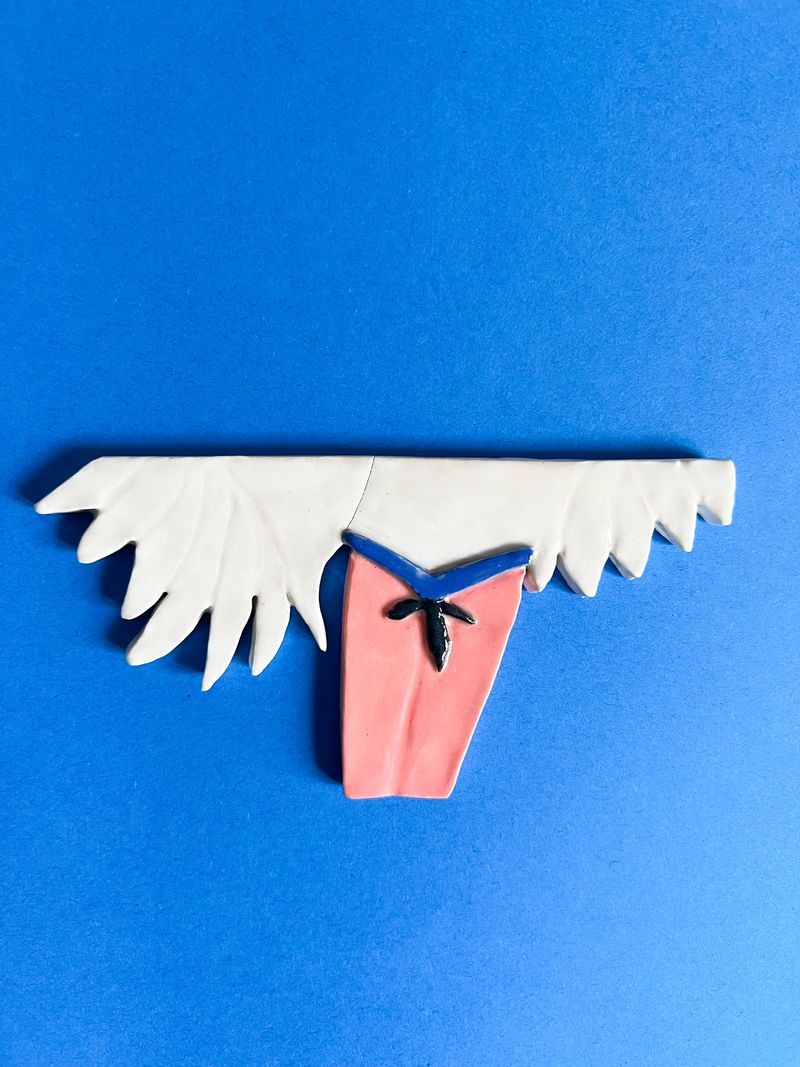
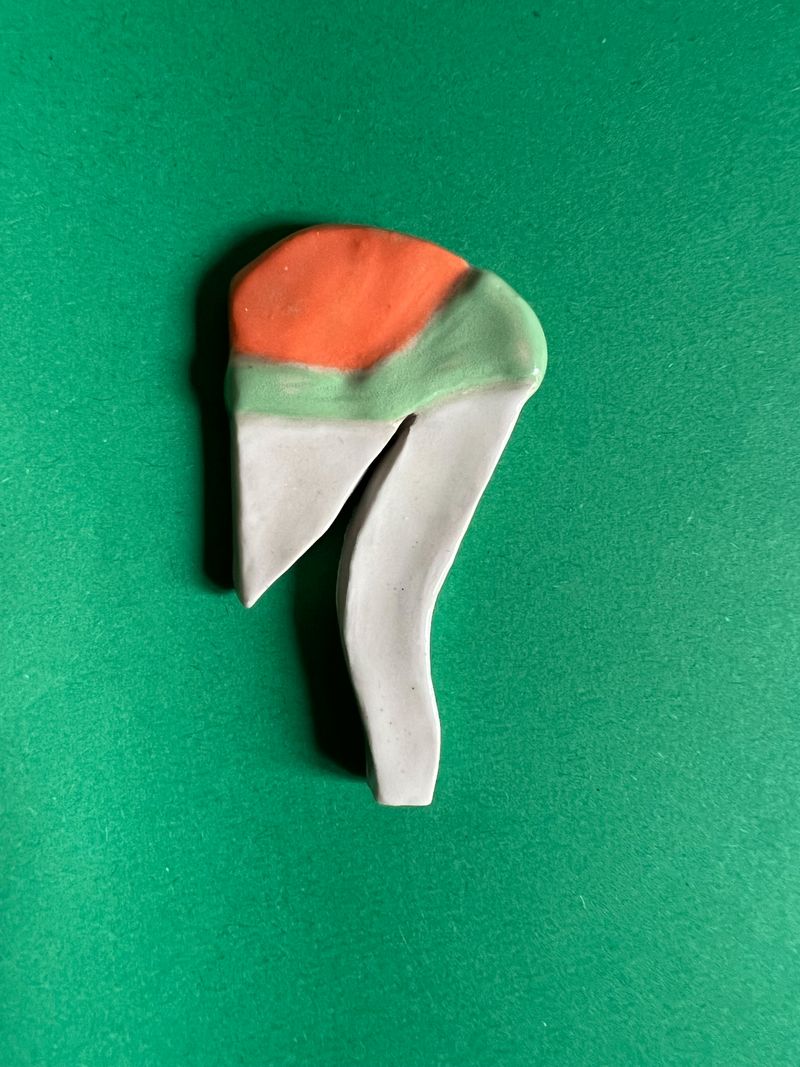
The tight framing allows for a closer look at the flesh and the sensation. They create fragments (cheek, body, arm) that evoke anatomical Ex Votos.
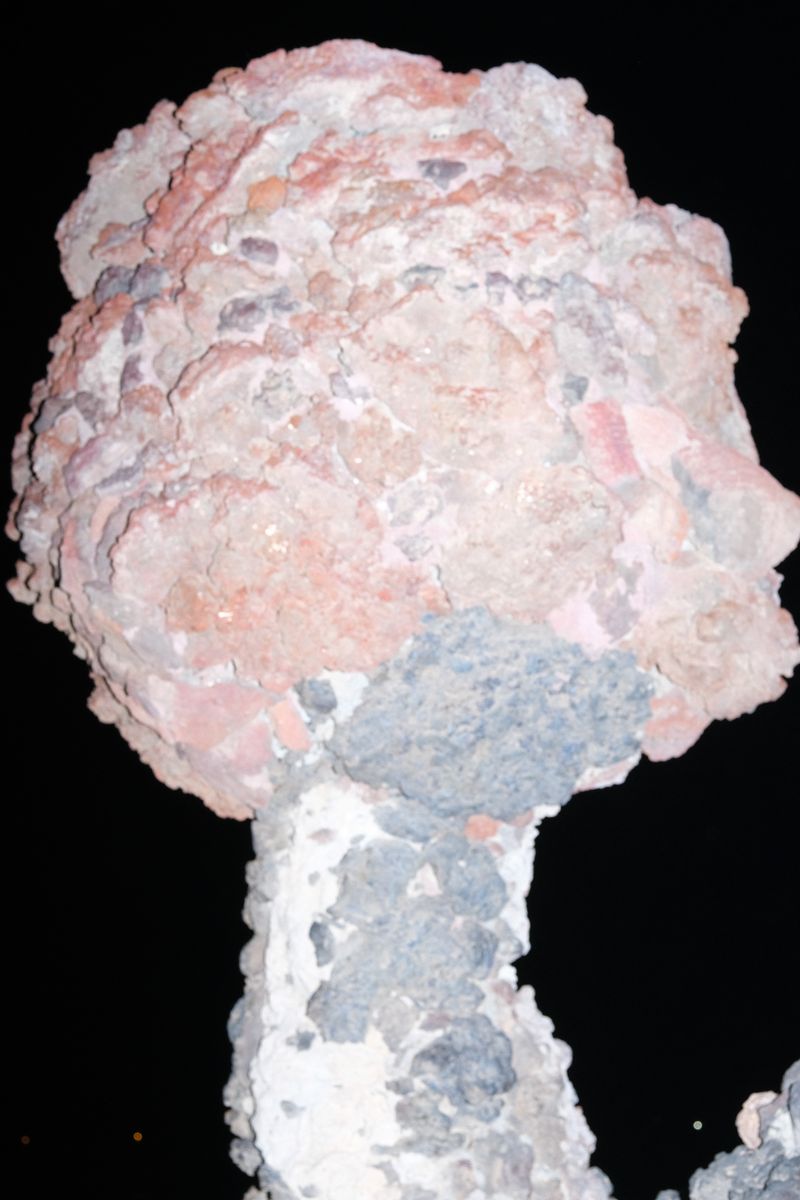
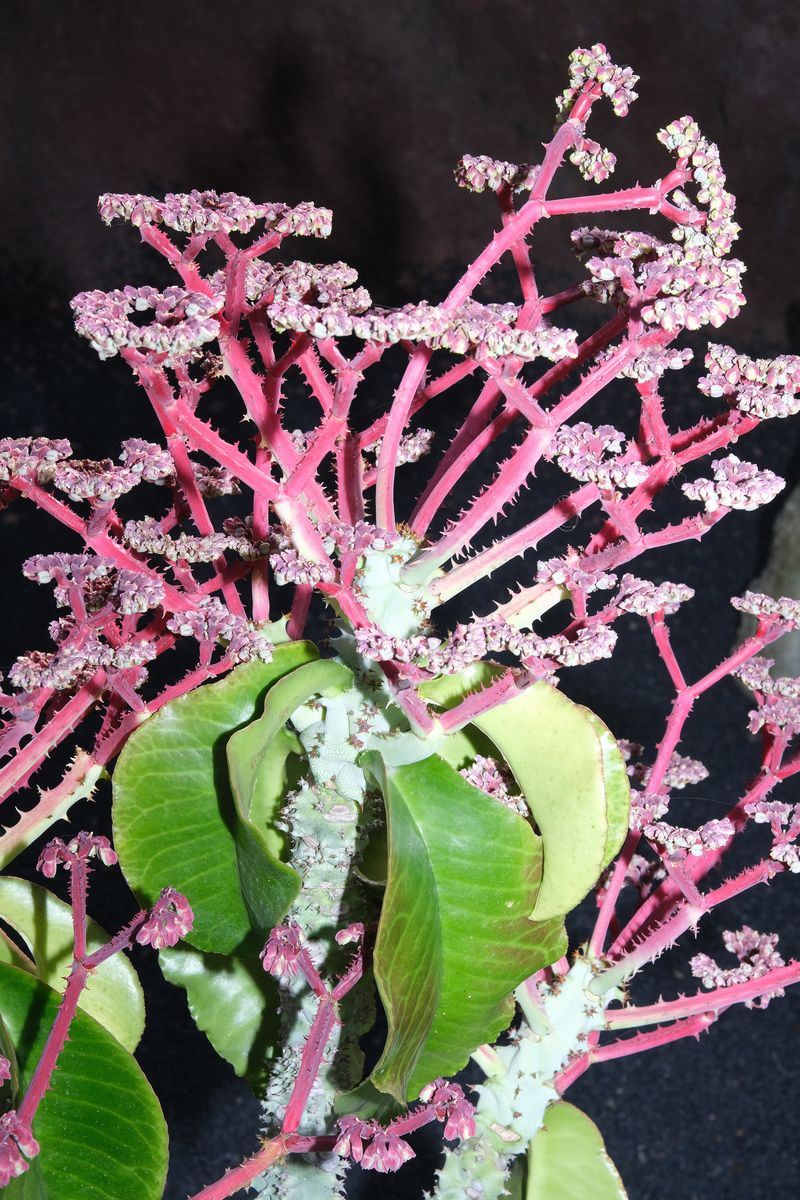
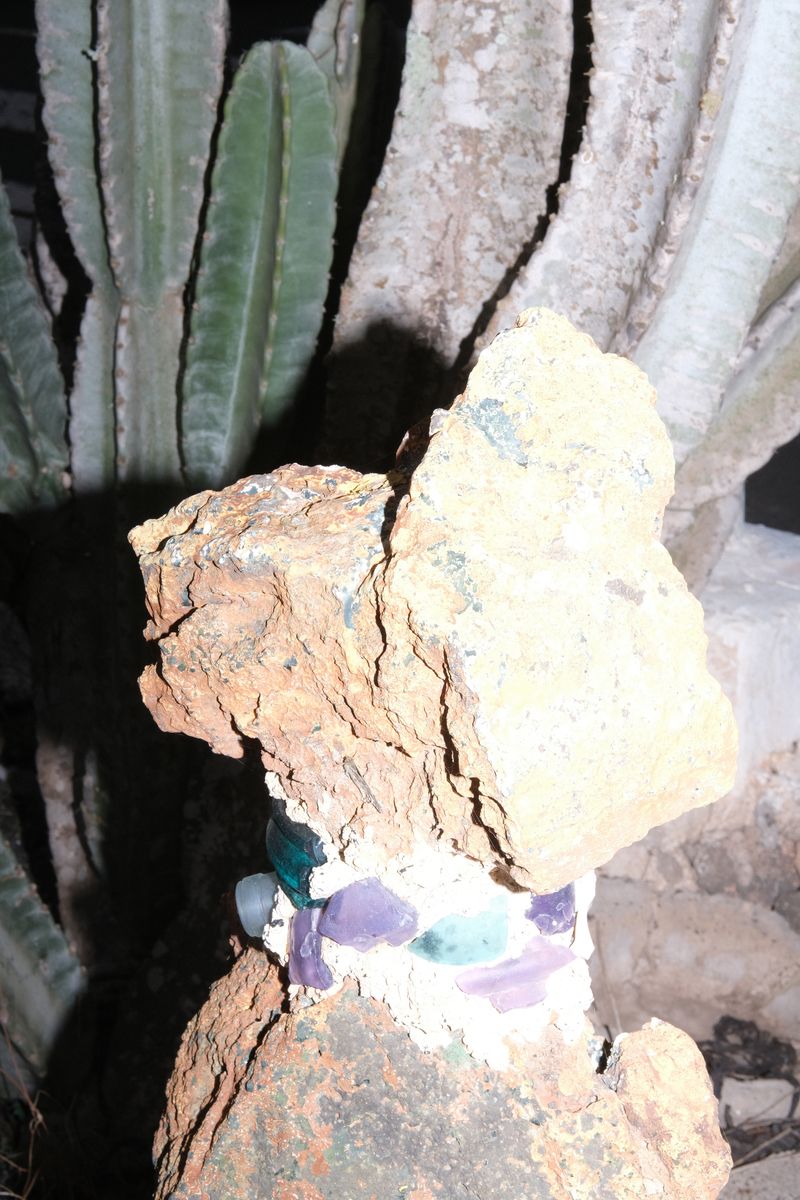
I created ceramic Ex Votos from this photo series, which constitute an augmented version of the visuals, a re-materialization of the photographed subjects. It responds to the rituals of wrestling and carnival with another ritual, that of the Ex Voto which, according to Georges Didi Huberman, concentrates "image, organ and time."
I thus formulate the wish (literally Ex Voto) for a celebration of bodies.
The publishing project by publisher Samantha Millar-Hoppe:
My interest in this project is driven by several fundamental aspects. First, as with each of my books, the encounter with the photographer. Second, the discovery of Céline's images aroused a particular fascination in me. Her photographs stand out from current standards through their audacity and originality; they question and provoke; there is something there that almost borders on retinal persistence. The vivid, almost garish colors of her body of images are striking in their intensity. Observing them, I felt a veritable sensory explosion. These vibrant hues, although they could be described as strident if we borrow terms from the world of sound, are in no way pejorative. On the contrary, they evoke a unique visual experience, a chromatic trance. The main challenge of this book will be to translate these sensations into the object, to transcribe the noise, the trance, and the vibrations that Céline's photographs evoke. It will be about capturing the movement and energy of bodies, transposing visual intensity into a global experience.
As a publisher, I am fully committed to support Céline Guillerm in the realization of her project through the entire editorial process, from the conception to the distribution of the book. This book, alongside the others in my catalog, will be a unique object, visually and narratively coherent, with a strong focus on the graphic design. The textual content—which will be available in three languages: French, English, and Spanish—will be driven by sociological and literary texts to bring multiple perspectives to the images.
Presentation of the publishing house Rue du Bouquet (www.ruedubouquet.fr):
An independent publishing house founded in 2016 by Samantha Millar Hoppe, Rue du Bouquet is dedicated to creating photography books, working closely with photographers, graphic designers, and authors. Each book, born from a desire to showcase the work of the selected photographers, is designed as a unique object with distinctive graphics and reflects an editorial approach that prioritizes collaboration between artists.
Poem by Hélèna Villovitch (excerpt):
"There were bodies and there was wrestling.
The wrestling scene extended from the gym to the street and, ultimately, forbade itself of few forms. There was spectacle. There was carnival.
Instead of smashing everything with a hammer, Guillerm framed what struck her. She framed it tightly. Laurels and nipples, thighs and tattoos, tunics and tights, latex and half-open mouths, teeth and gold crowns, false eyelashes, diamond body jewelry, votive offerings and bare feet.
In Guillerm's photos, each color followed a protocol.
Example: the wall is blue like an orange.
Another example: pink isn't pink isn't pink isn't pink.
Another: everything white disappears for good.
There were other rules that we would discover ourselves.
(...)
Writing was reading, photographing was looking.
In Guillerm's images there was also the miraculous, there was also the sacred. Some photographs meant: "I would like to thank." "
Essay by the Canarian anthropologist Pablo Estèvez-Hernández (excerpt) :
"Are the gestures that emerge from the photographs somehow ancestral? Do they react to rituals practiced for so long that they still retain the possibility of a political consciousness? «I am interested in the transmission of ancestral gestures», confides Céline to me in the email where she proposes to write on her photos. In my way of blurring things – as in this essay – the sentence could turn into: "I am interested in the possibility of imagining political alternatives transmitted through gestures." "