Everyone In Florida Has A Pool
-
Dates2020 - Ongoing
-
Author
- Location Miami, United States
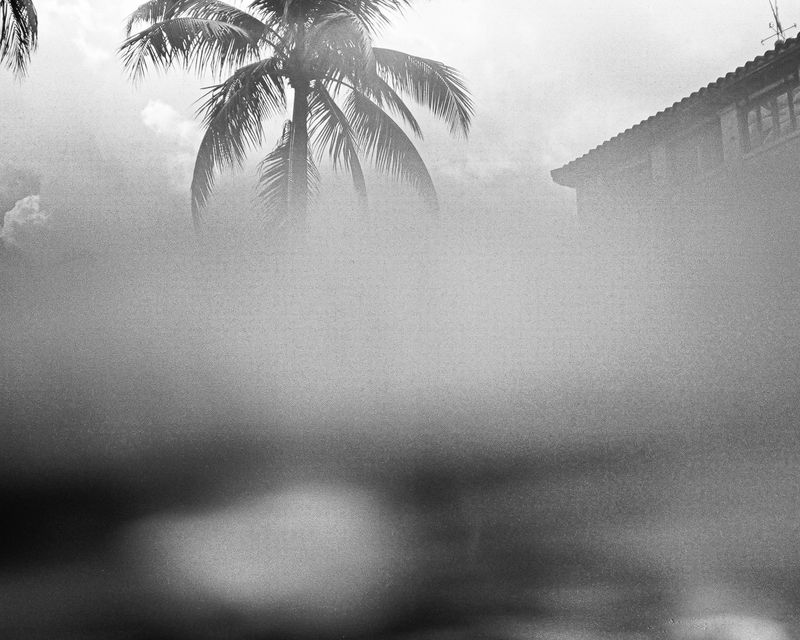
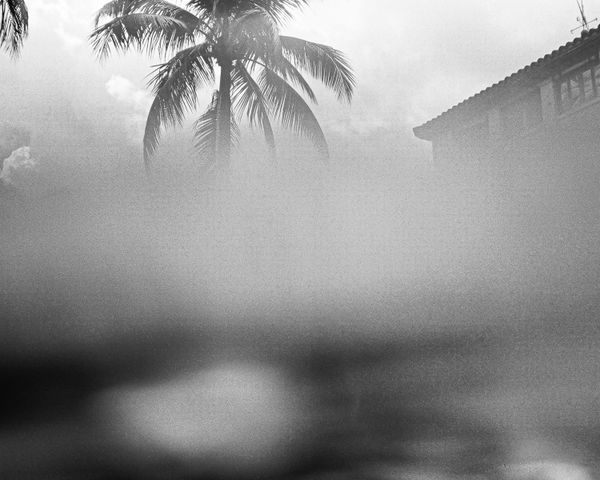
In Florida, pools are everywhere, backyards filled with turquoise rectangles, markers of stability, of family life, of the dream of permanence. I never had one, and maybe I never will. For me, the pool has always been a symbol of both grief and resistance
This project was created over five years, beginning during the isolation of COVID and continuing through a profound personal transition. I was raised in a culture steeped in Catholic values, compulsory monogamy, and the expectation of traditional marriage. Fairy tales, family stories, and the values passed down by my mother and grandmother reinforced this system of belief. Yet, as a third-generation divorced woman, I found myself both continuing a family pattern and breaking one: while I did not “succeed” in the traditional sense of sustaining marriage, I did carve out financial instability and a life as an artist and single mother.
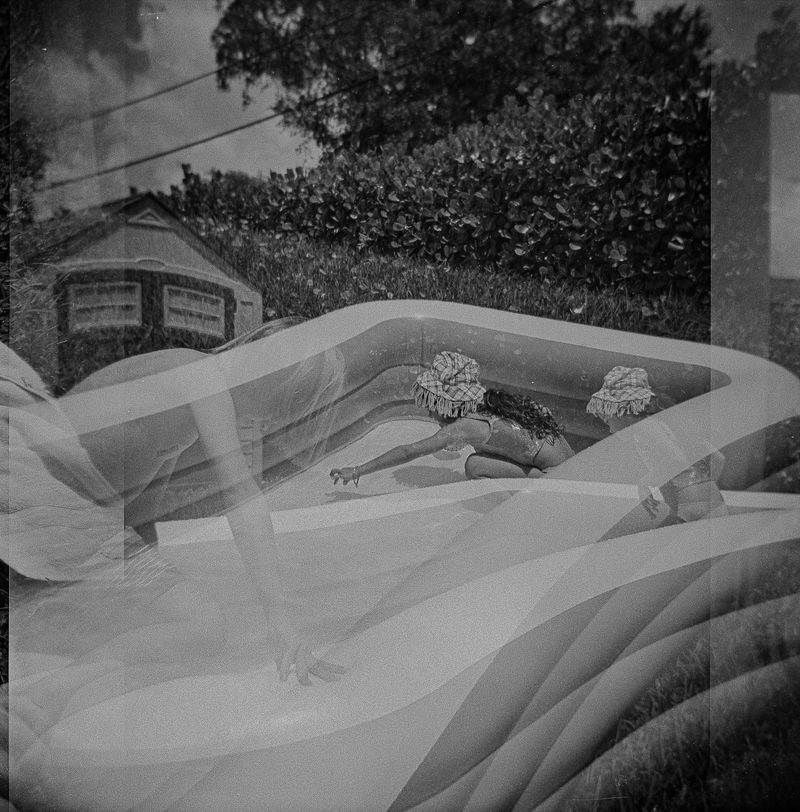
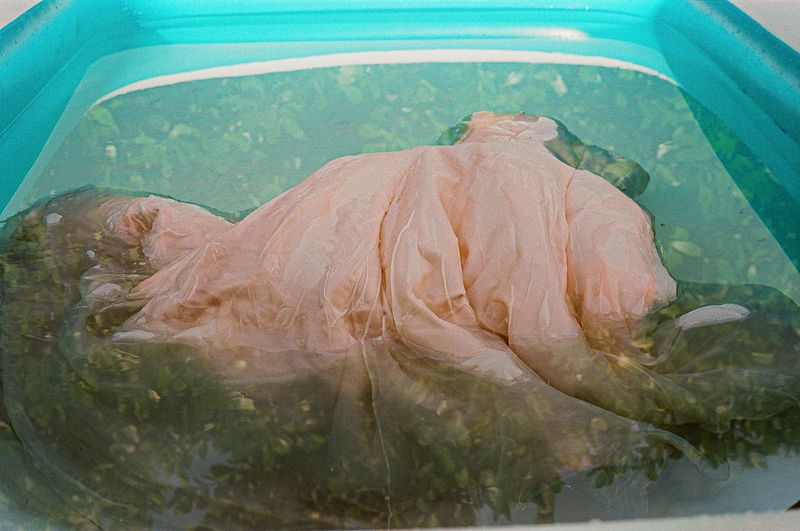
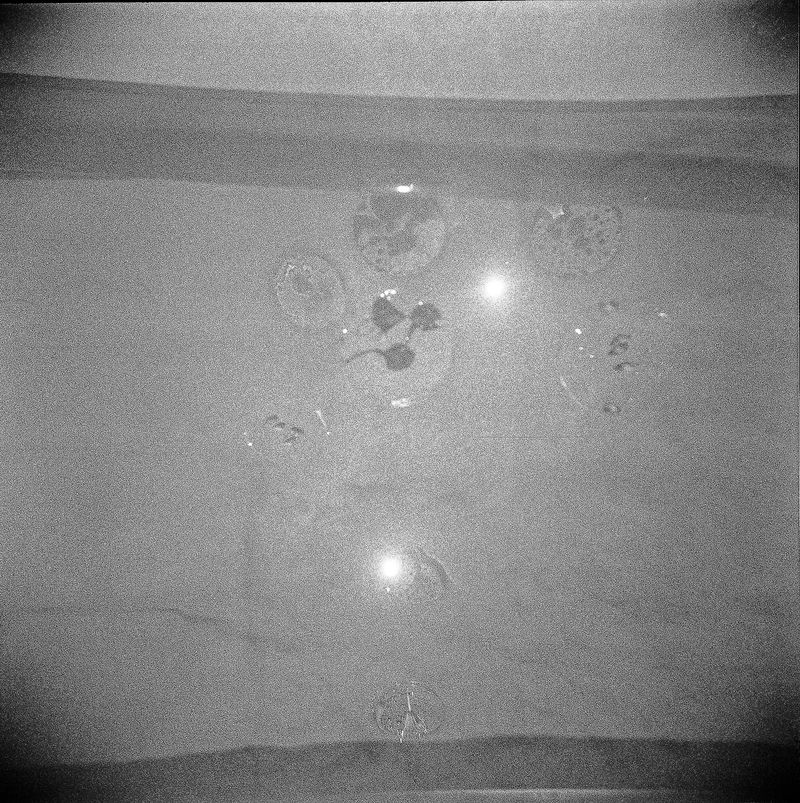
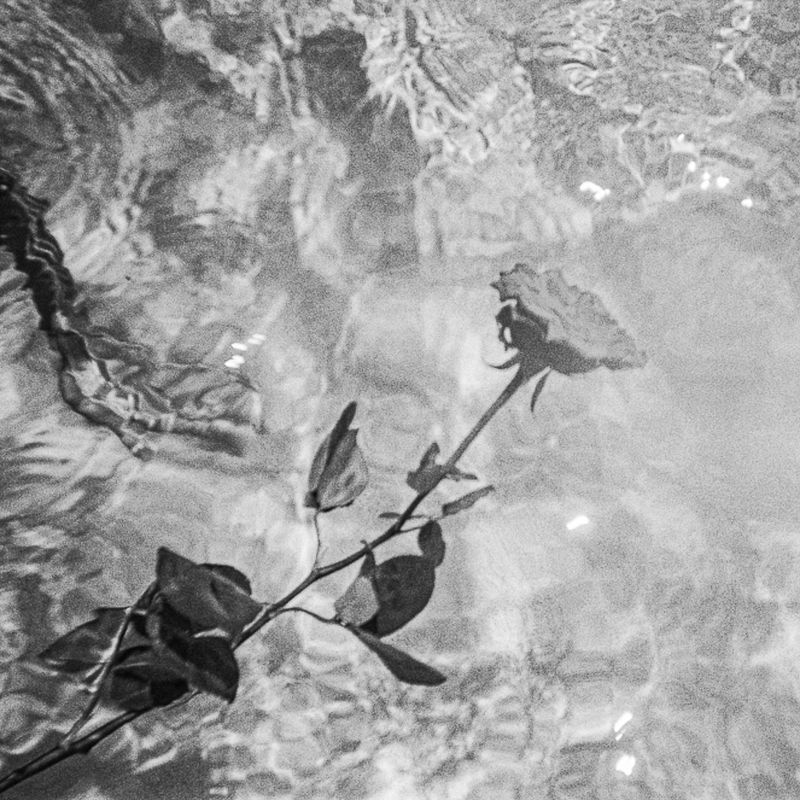
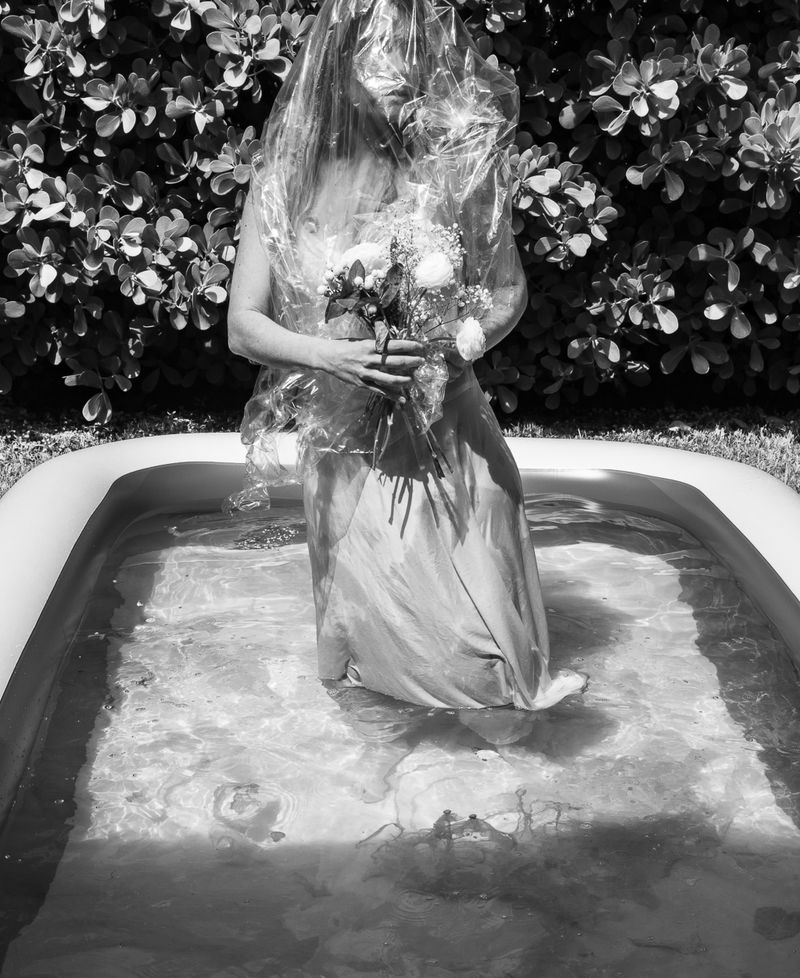
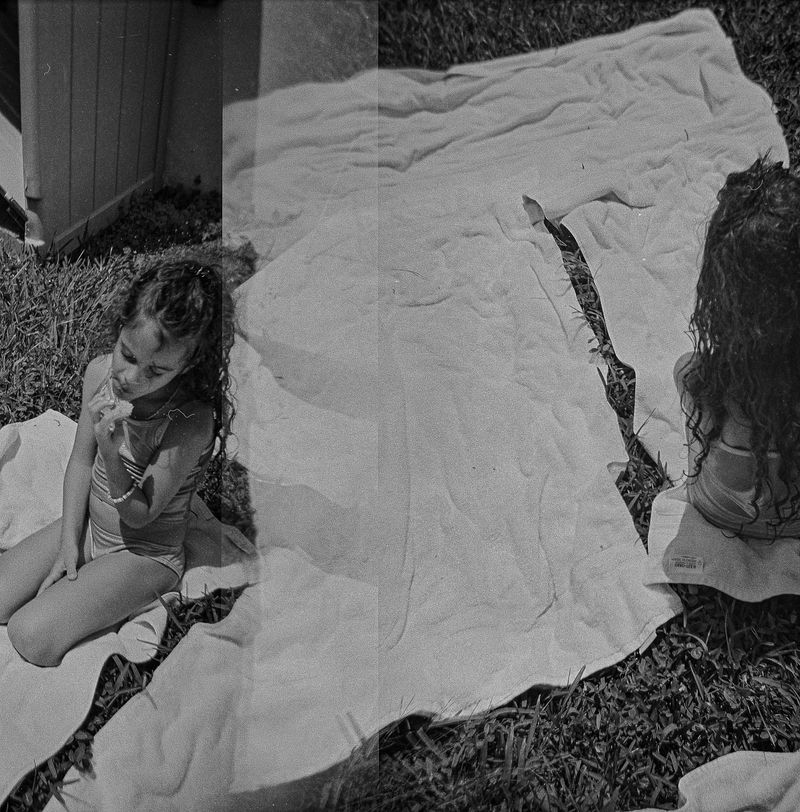
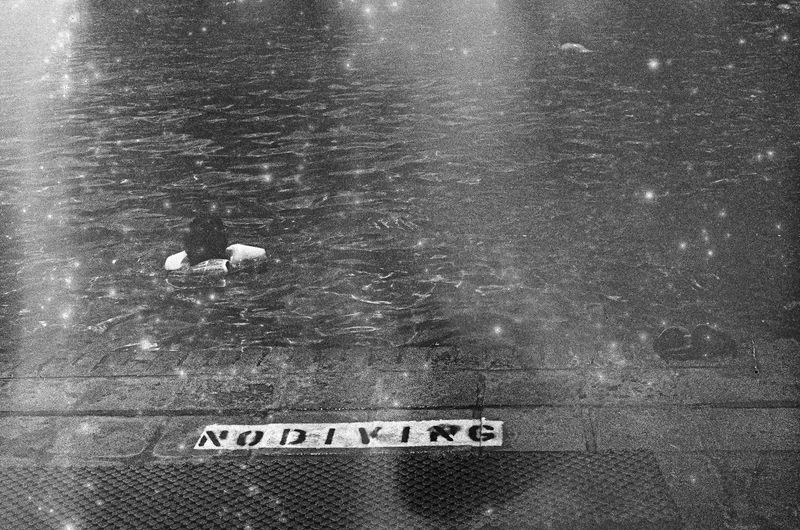
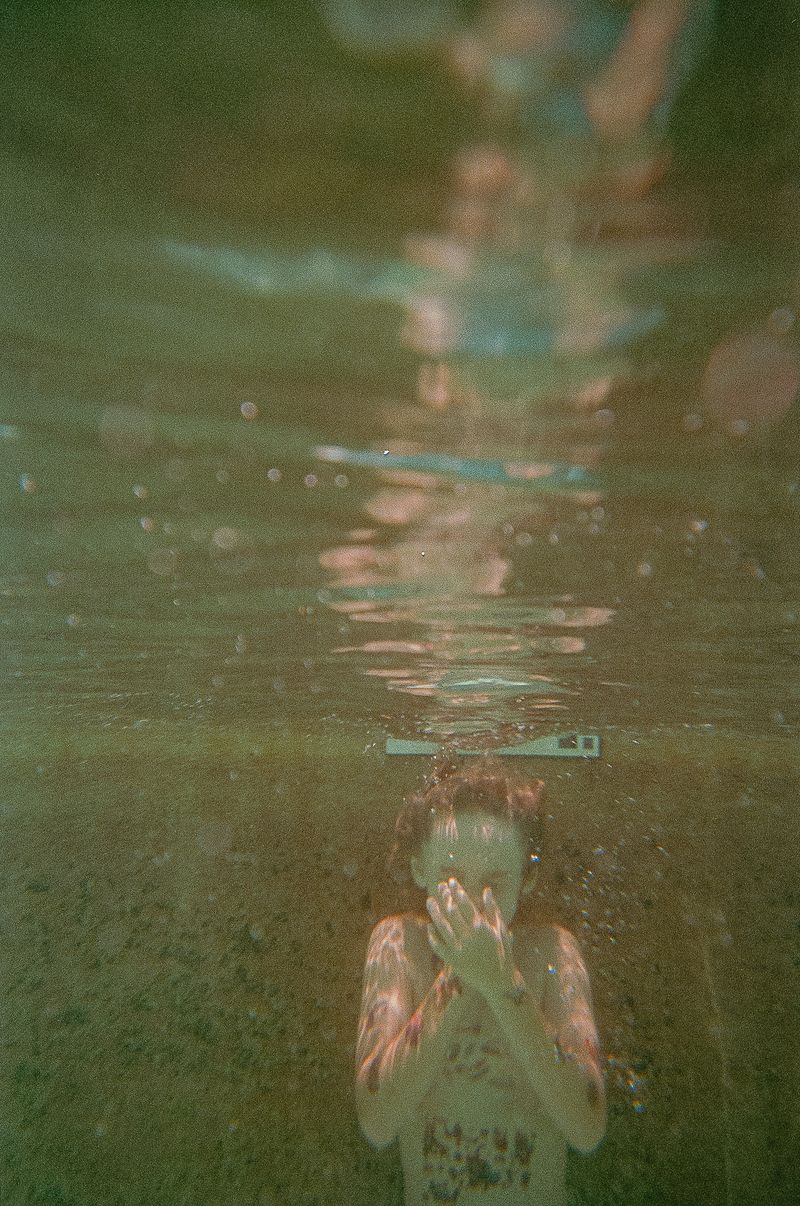
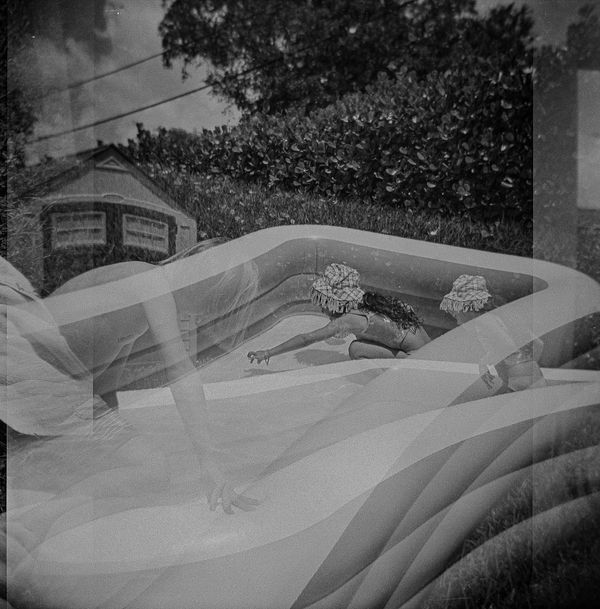
Everyone in Florida Has a Pool grows from this conflict between inherited values and lived reality. For me, water and specifically the pool became both a symbol and a stage. When I was a child, the pool represented an escape, an abstraction from reality, a space where play and imagination offered freedom. For my children the inflatable pool, has become the same: a place of refuge and invention in a family that no longer conforms to Catholic ideals of permanence and tradition. An inflatable pool is what I can provide.
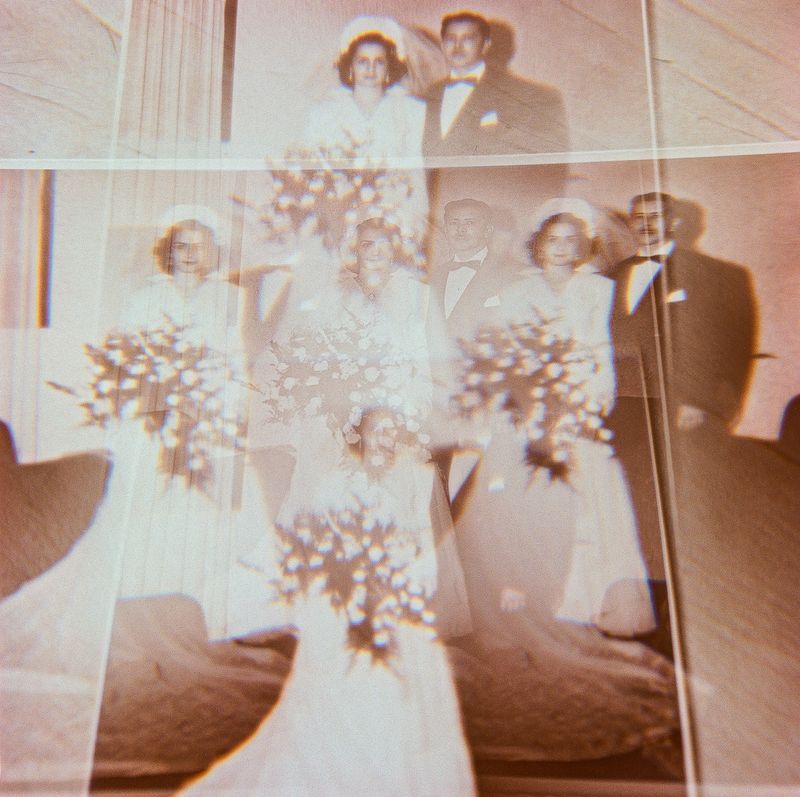
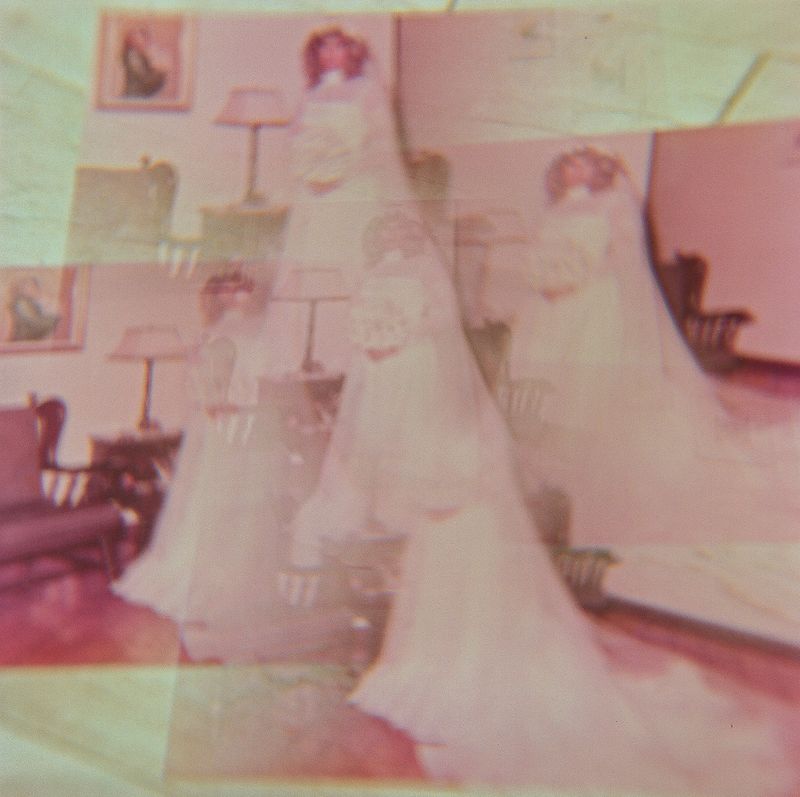
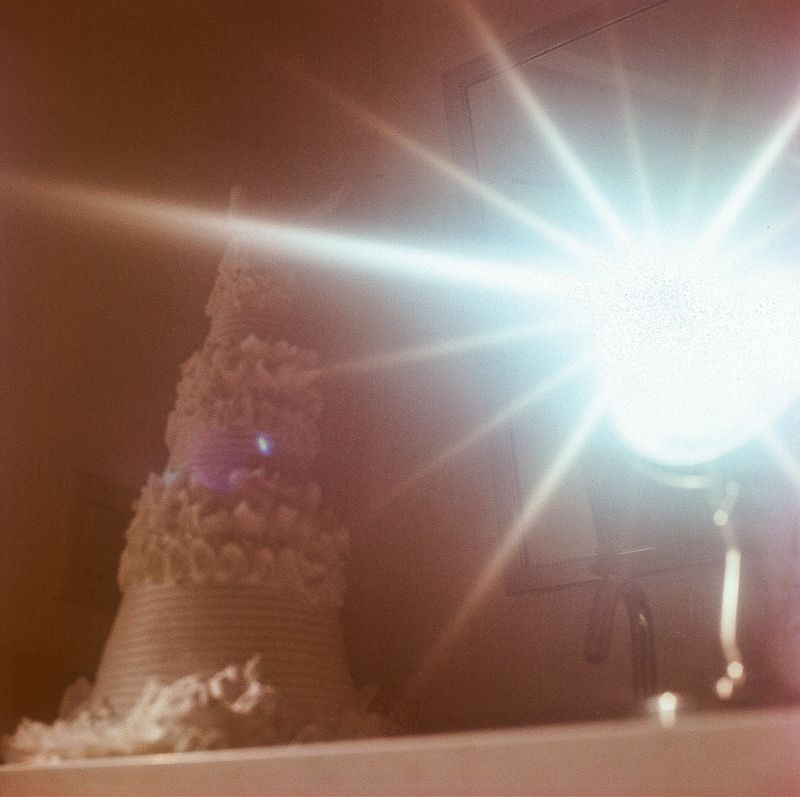
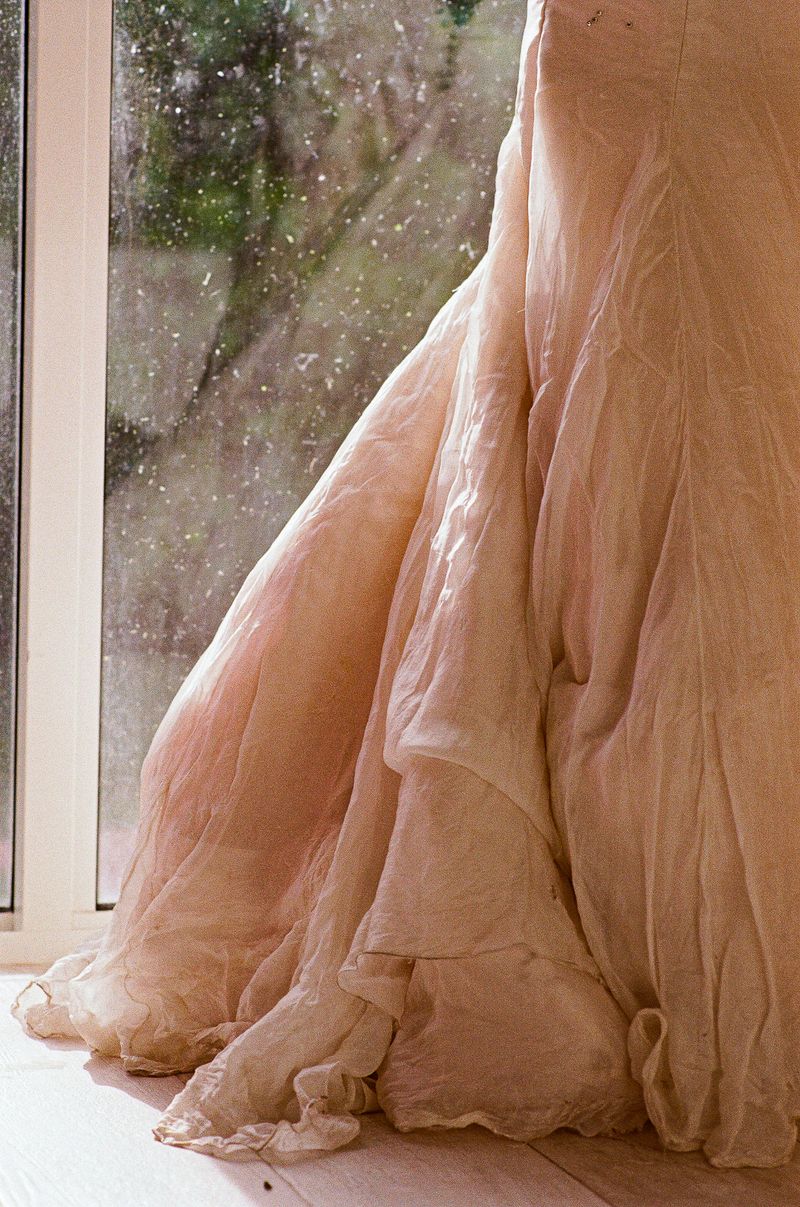
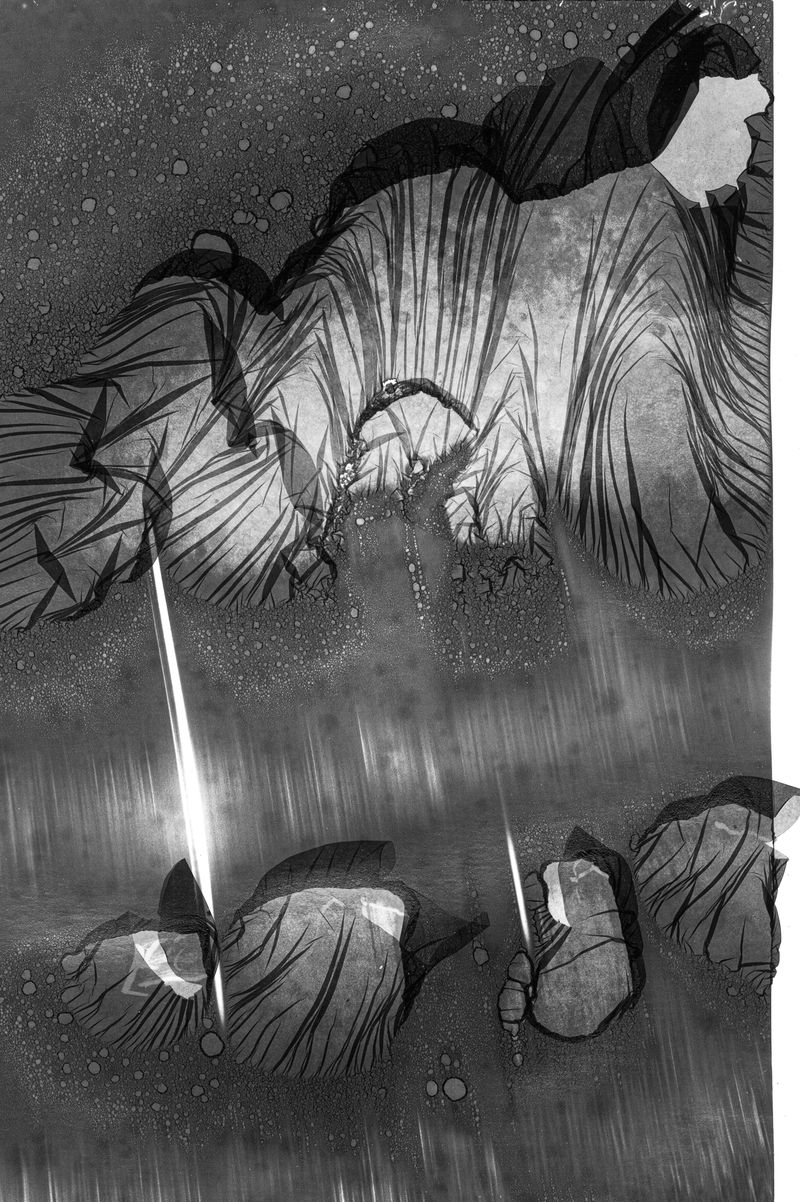
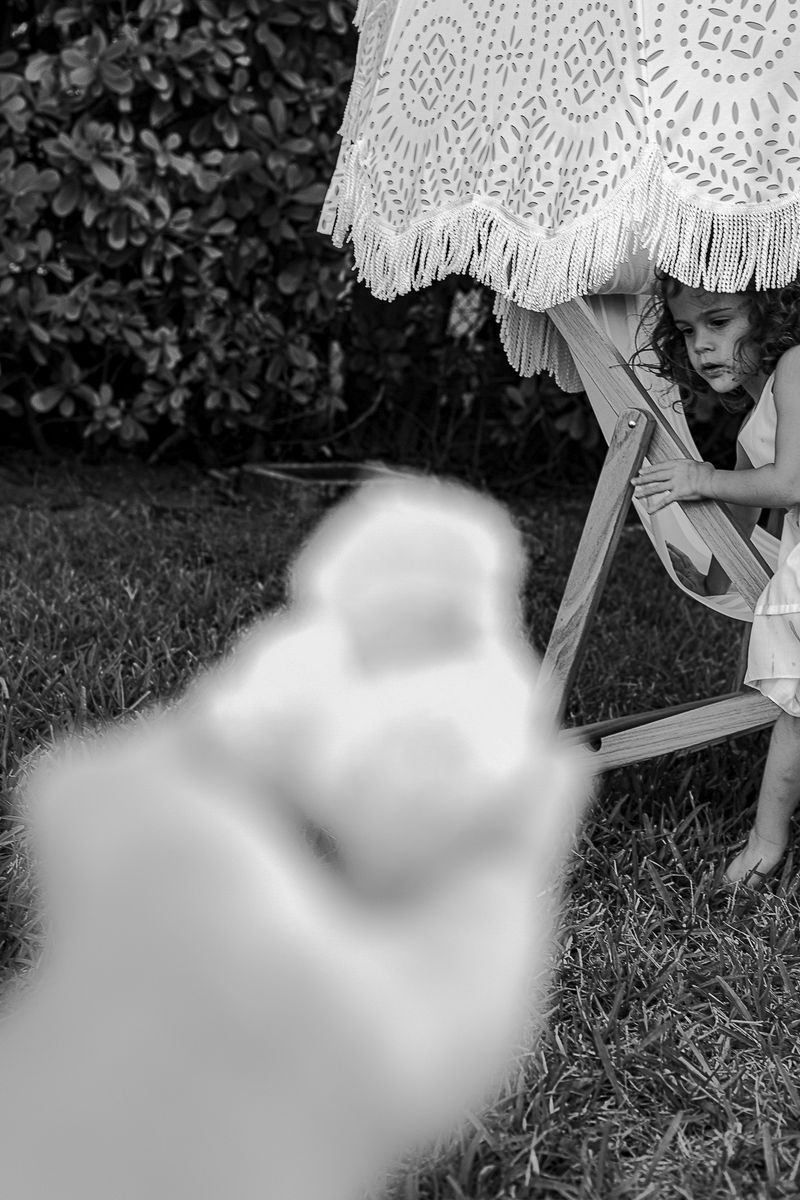
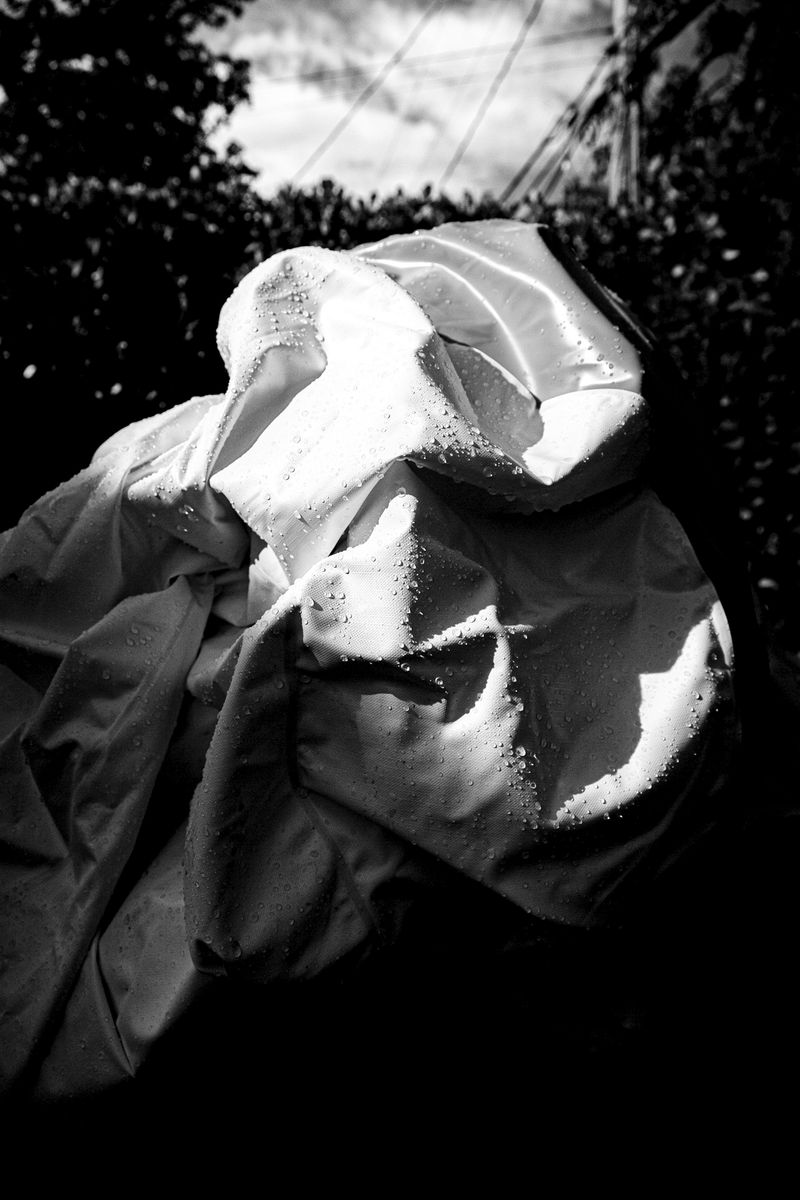
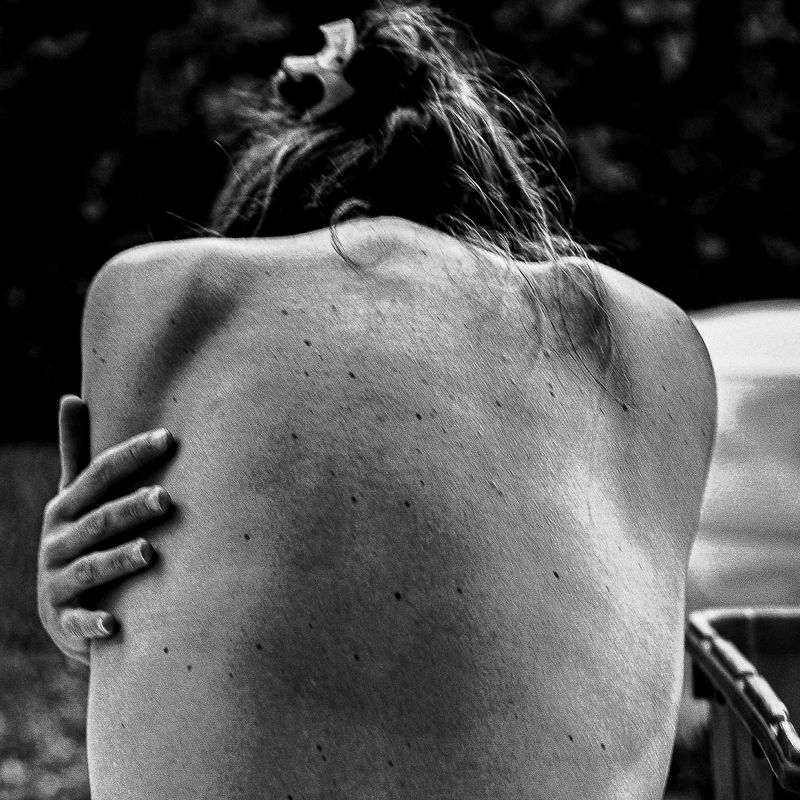
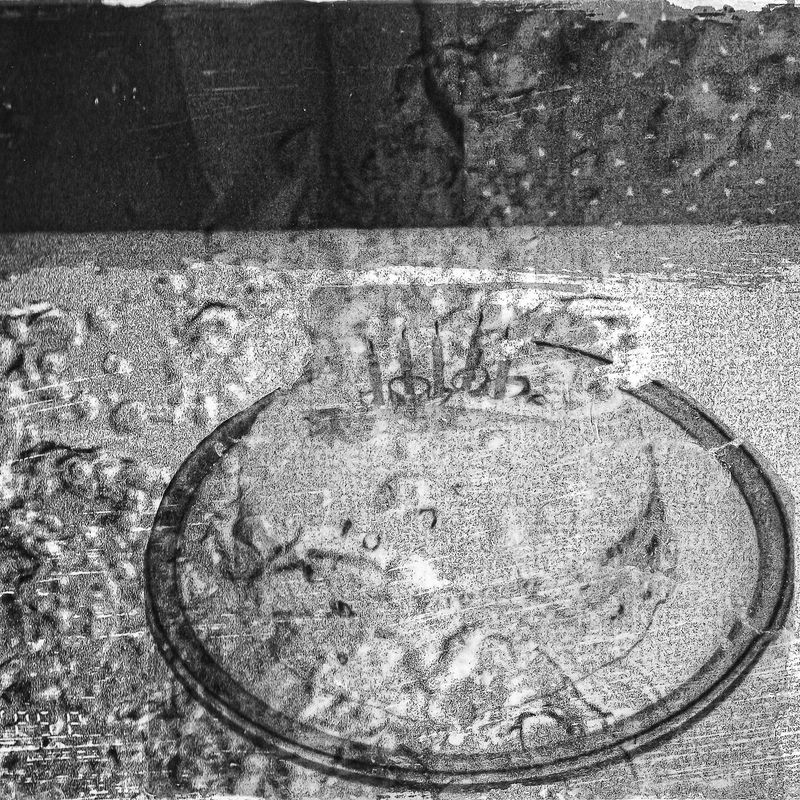
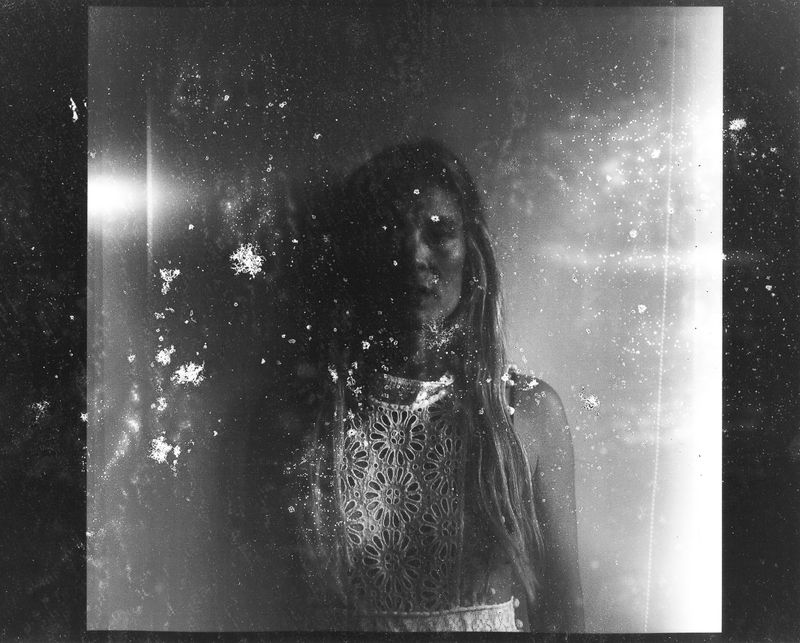
Throughout this period, I moved through grief, guilt, and shame: emotions deeply rooted in the Catholic structures of my upbringing. At the same time, I sought to resist the ostracism that often surrounds single mothers within such frameworks. My photographs emerge as acts of resistance, attempts to deconstruct and unpack the weight of compulsory monogamy, the rituals of matrimony, and the symbolic objects that reinforce them: the wedding dress, the cake, the heirloom photograph. These are the relics I examine, distort, and reinterpret in order to claim a new narrative.
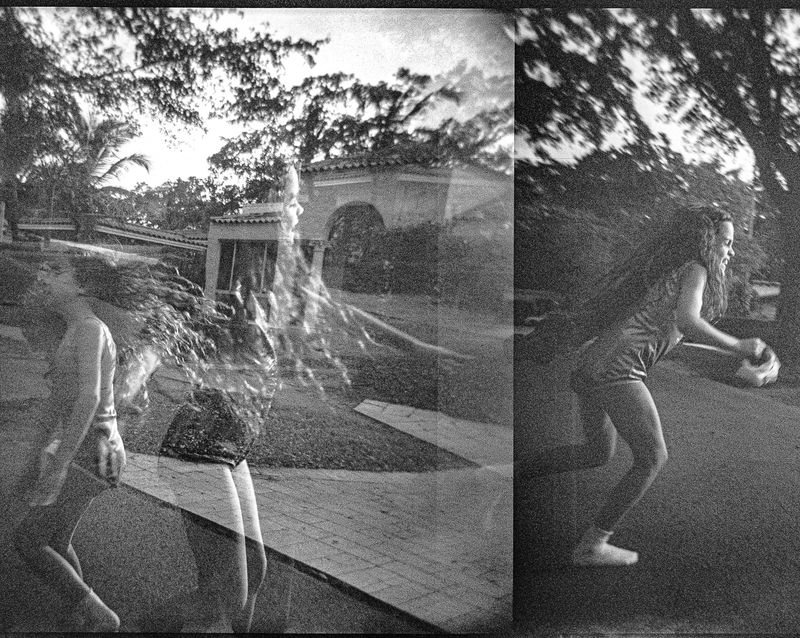
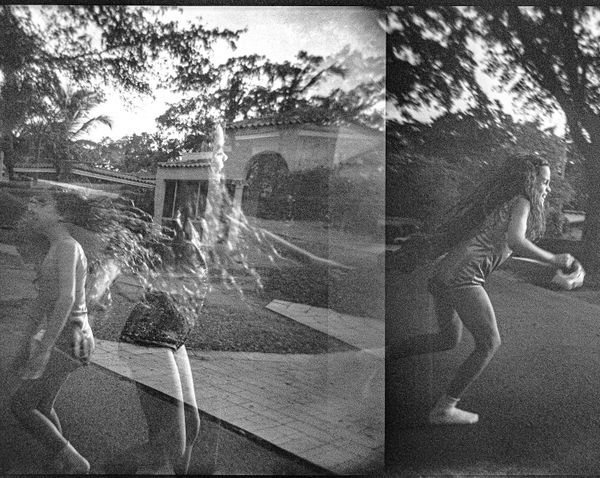
The project was made with different cameras over time, a reflection of its long gestation and my shifting circumstances. Each image is part of an evolving archive, an heirloom for my children, but also a record of breaking away from traditions that no longer serve me and us. By returning to the pool, I find both freedom and tension, water as escape, as resistance, freedom, the only way I know.
In Everyone in Florida Has a Pool, I transform symbols of Catholic matrimony into materials for questioning, grieving, and rebuilding. Definitely there is a lot to unpack through these complex feelings, ideas and torn reality, I try as a photographer and observer to understand what took place and as an ongoing process of a new ostracized lifestyle. This body of work resists the shame of divergence and instead insists on survival, reinvention, and the quiet strength of reimagining family on one’s own terms against all which society and community expects.