Every Time They Ask, We Say We’re Waiting
-
Dates2022 - Ongoing
-
Author
- Location United Kingdom
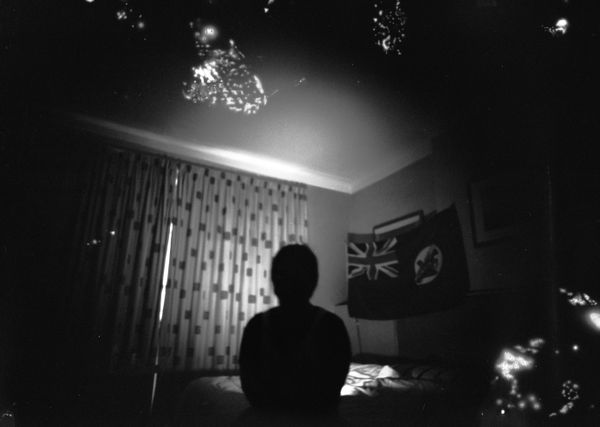
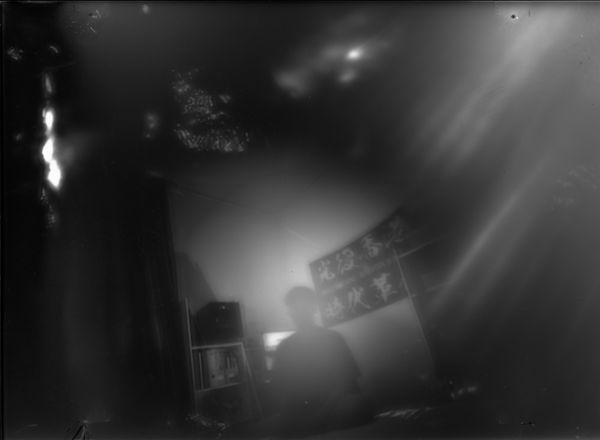
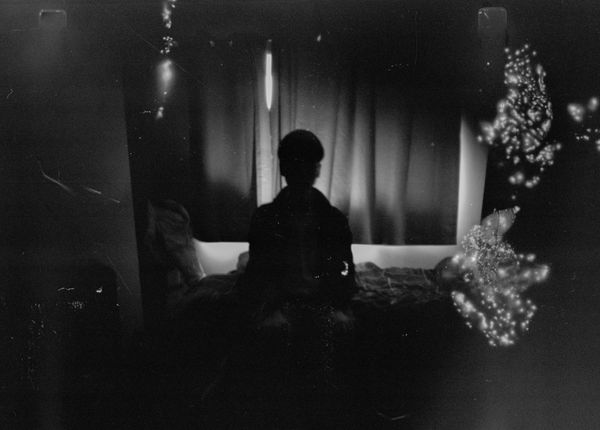
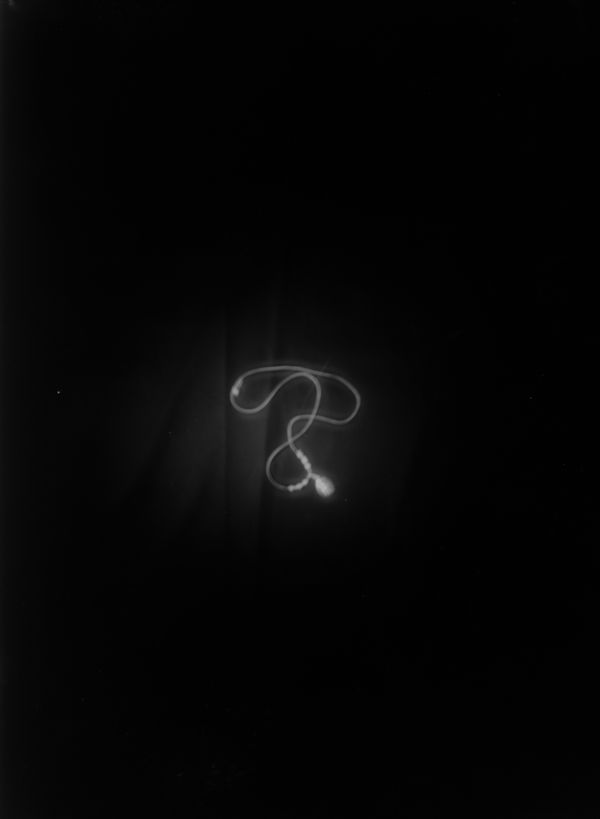
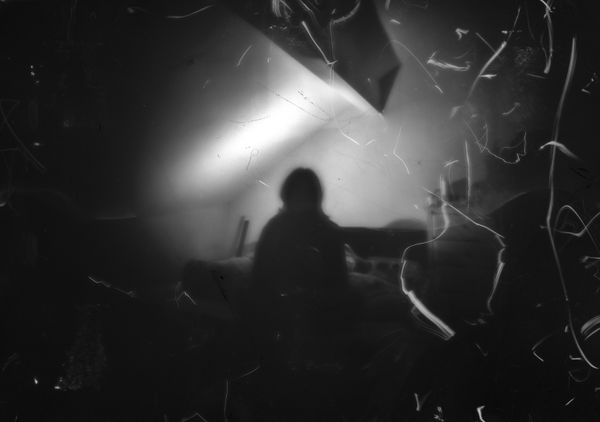
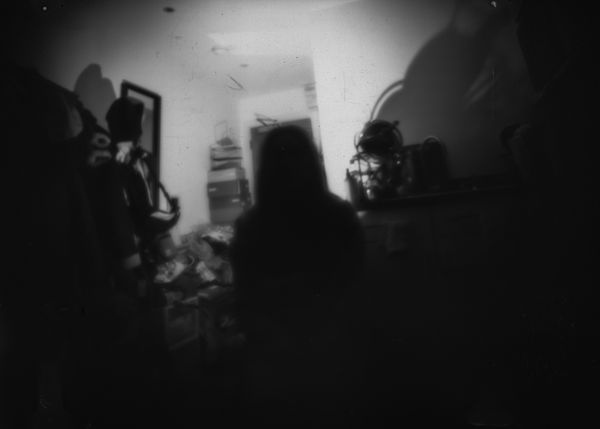
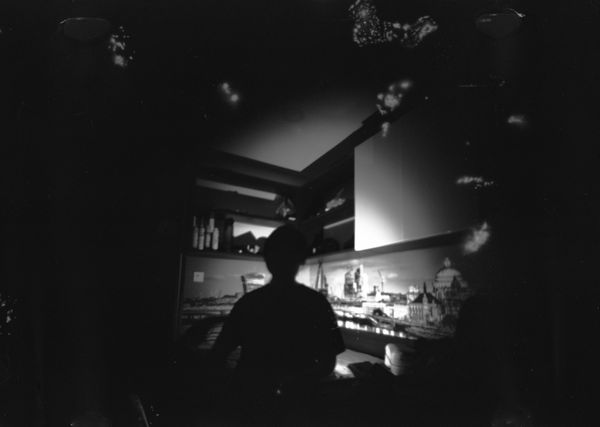
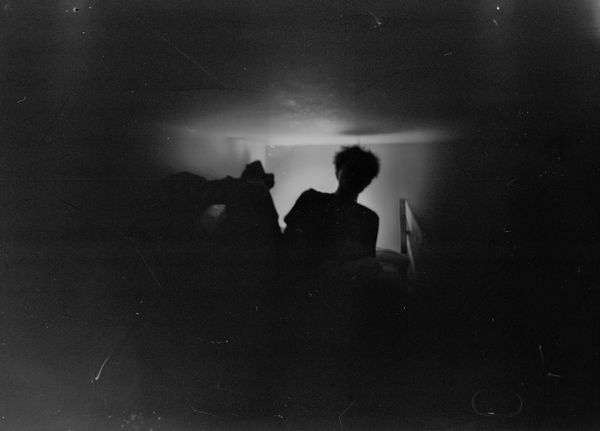
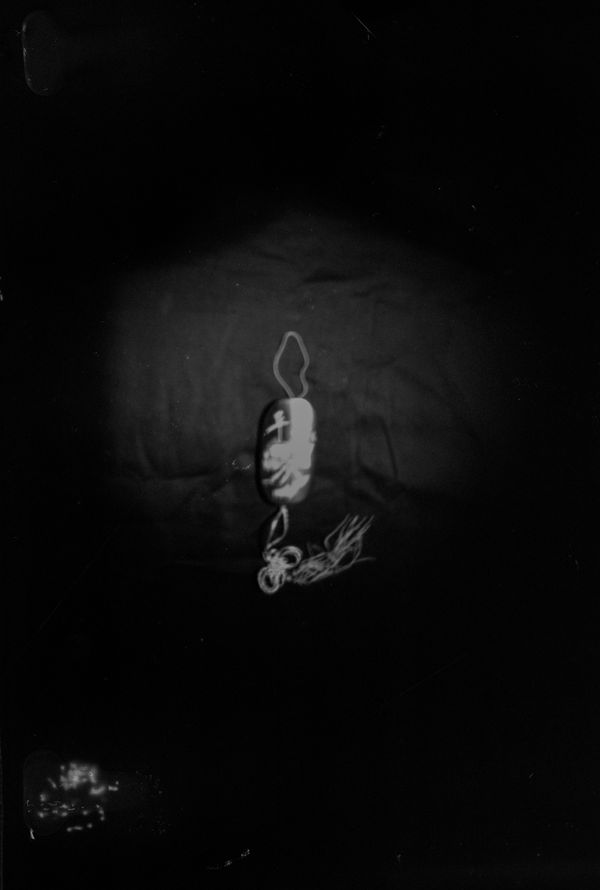
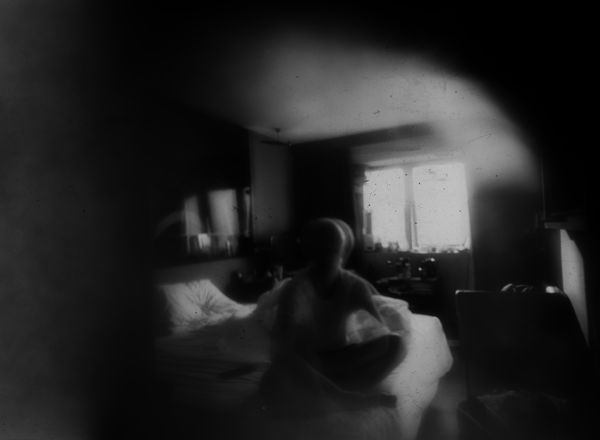
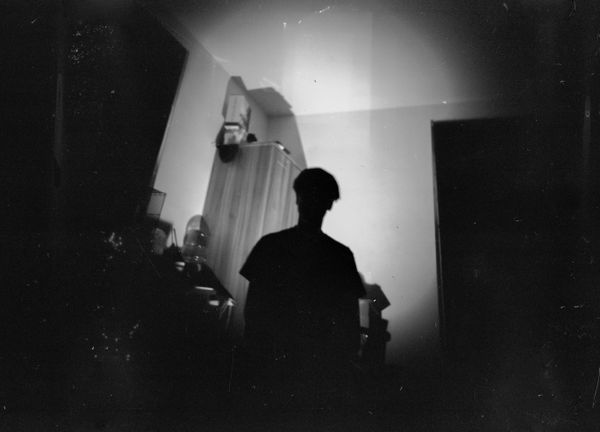
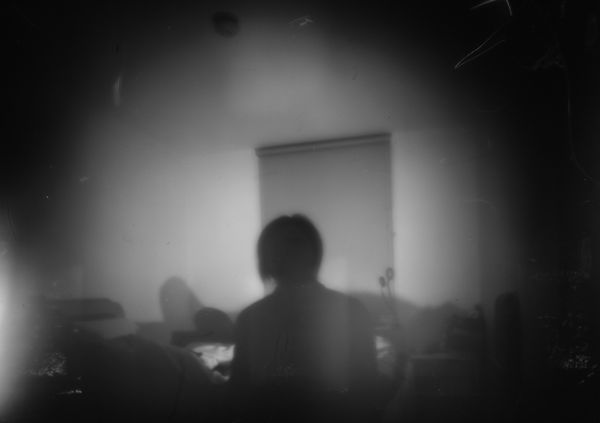
Every Time They Ask, We Say We’re Waiting documents the lives of Hong Kong asylum seekers in the UK, using a pinhole camera made from a suitcase. It sheds light on their overlooked stories through portraits, personal belongings, and memories of Hong Kong.
Every Time They Ask, We Say We’re Waiting transforms a suitcase from Hong Kong into a pinhole camera to document the stories of young Hong Kong asylum seekers in the United Kingdom. The project focuses on individuals aged 15–25 who grew up during Hong Kong’s mass protest movements but are legally excluded from the British National (Overseas) visa. Born after the 1997 handover, these young people were forced out of education to seek asylum and endure a state of prolonged, bureaucratic waiting—often alone and without additional financial support. As the 2020 National Security Law silences local media coverage of their stories, the work serves as an archive of a generation whose presence is being erased from both their homeland and their new host country.
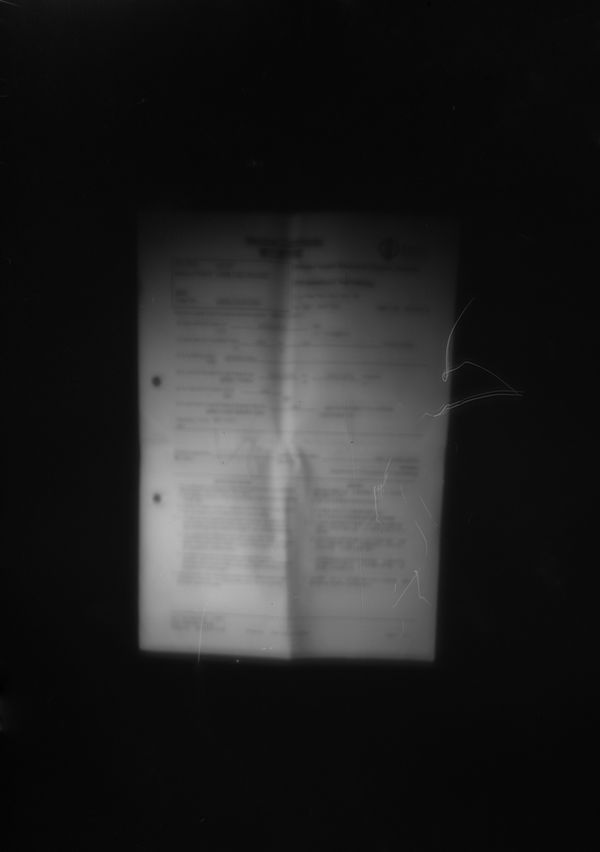
Much of the lives of these asylum seekers is managed by the UK Home Office, which classifies this demographic as a "legal gap" due to their birth after July 1, 1997. While the BN(O) visa implies a humanitarian pathway, the 1997 handover date acts as a hard border that excludes the youth most active in the 2003, 2012, 2014, and 2019 protest movements. These individuals are located in temporary housing across the UK, waiting years for status in a system that bars them from the very education they were forced to leave behind. This exclusion is rooted in the unresolved historical relationship between the UK and China—a systemic failure that leaves the most active participants of the 2019 protests in a state of statelessness within the borders of their former sovereign power.
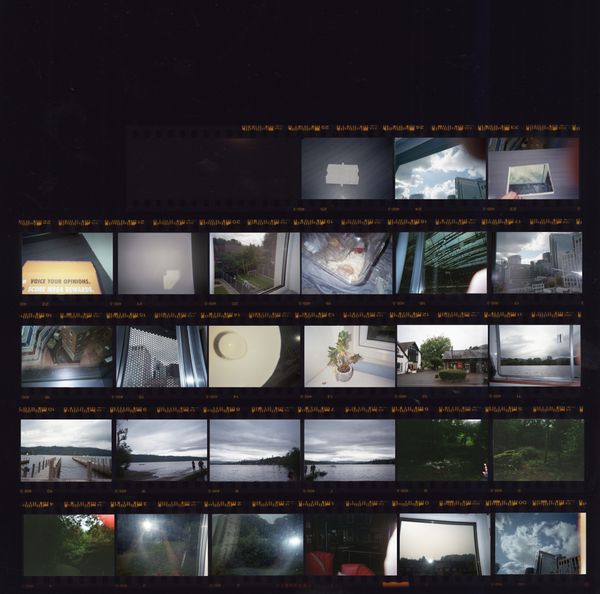
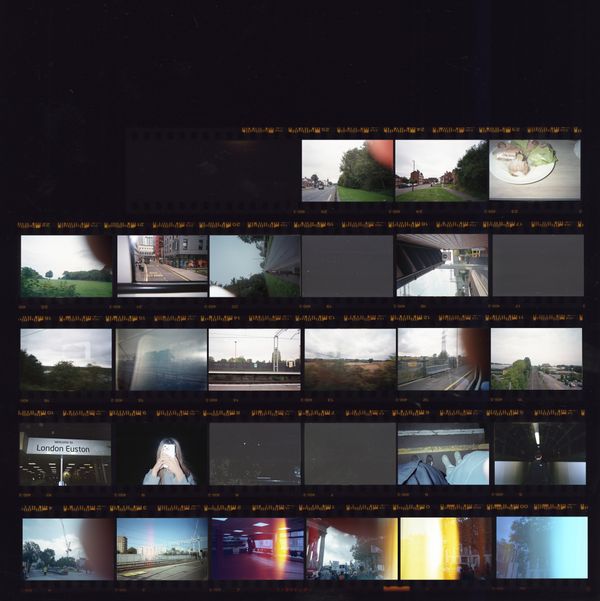
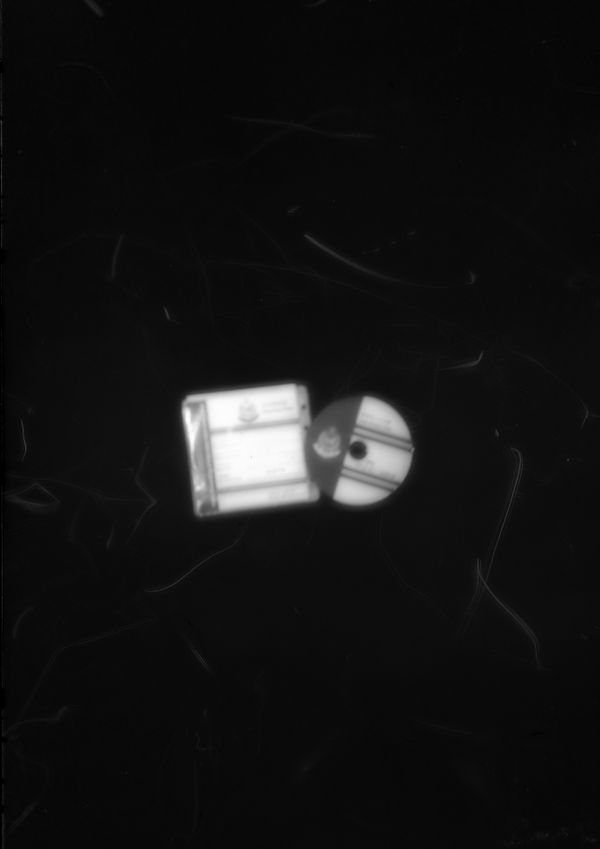
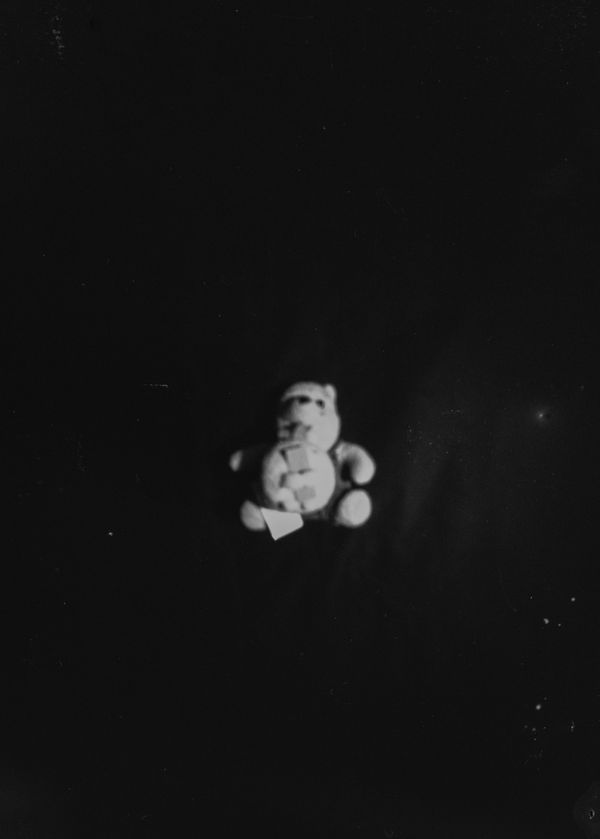
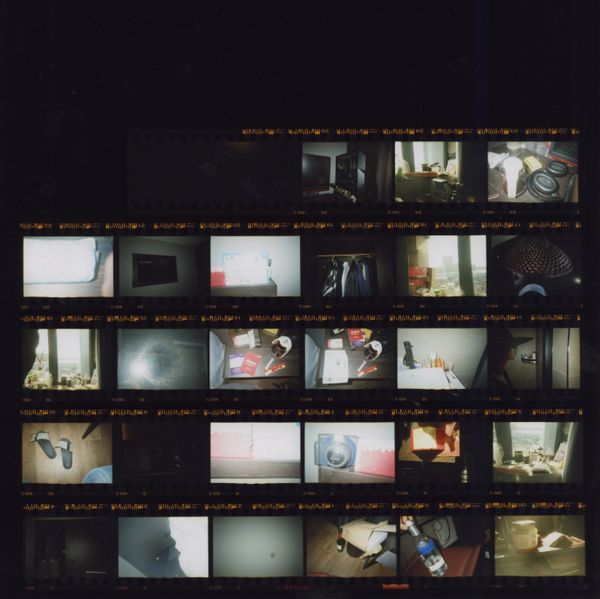
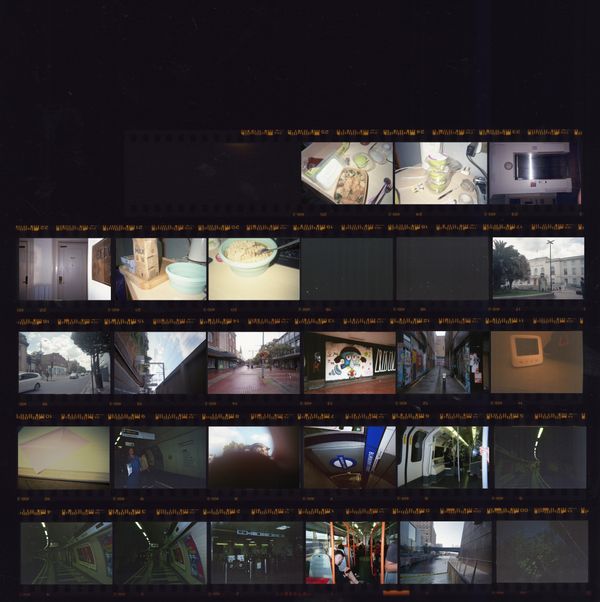
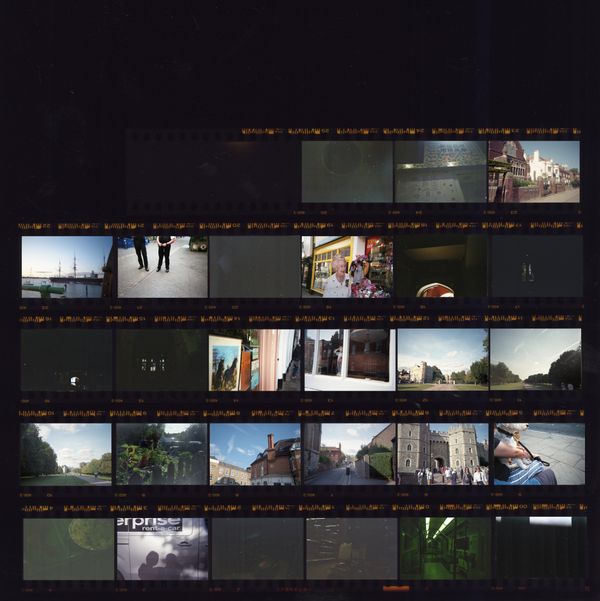
To document the asylum seekers’ individual stories, a suitcase from Hong Kong transformed into a pinhole camera to photograph their portraits and personal belongings. Alongside these images are the participants’ hand-drawn memories of home, written daily routines, and disposable camera photos of their new lives. Each person also responded to the same set of 10 questions — including: What does time mean to you? Who do you miss the most? If you could return to Hong Kong for a day, what would you do? Together with text describing how they arrived in the UK and their reflections, the book explores loss, forced displacement, and memory, asking how we carry on when the home is taken away and becomes a place of no return.