Eskawata Kayawai

A journey into the heart of the Brazilian Amazon Rainforest where the self-claimed Huni Kuin (meaning true people) are undergoing a remarkable cultural renaissance.

This project is an immersive journey into the heart of the Brazilian Amazon Rainforest, where the Huni Kuin—self-proclaimed as the "true people"—are experiencing a profound cultural renaissance. After enduring decades of slavery and oppression, during which they were forbidden to live their true identity, the Huni Kuin have spent the past 20 years reviving their ancient ways under the guidance of spiritual leader Ninawá Pai da Mata and other revered figures. Within the Humaitá Indigenous Land, these communities have not only strengthened their culture but also begun to share their story of resilience and spiritual strength with the world. This narrative, told by the Huni Kuin themselves, speaks to the power of cultural preservation and the universal need for reconnection with one’s true nature. Two decades after the revival began, the Huni Kuin have achieved a better quality of life, opening opportunities to share their culture, knowledge, and medicine abroad, inspiring others to reconnect with their own values. This is a story of resistance, strength, and the profound impact of indigenous wisdom on a global scale.
© Lucía Alonso Garrido - 4am and the rainforest is waking up heralded by birdsong, thick fog, and a short fleeting coolness in the air.
i

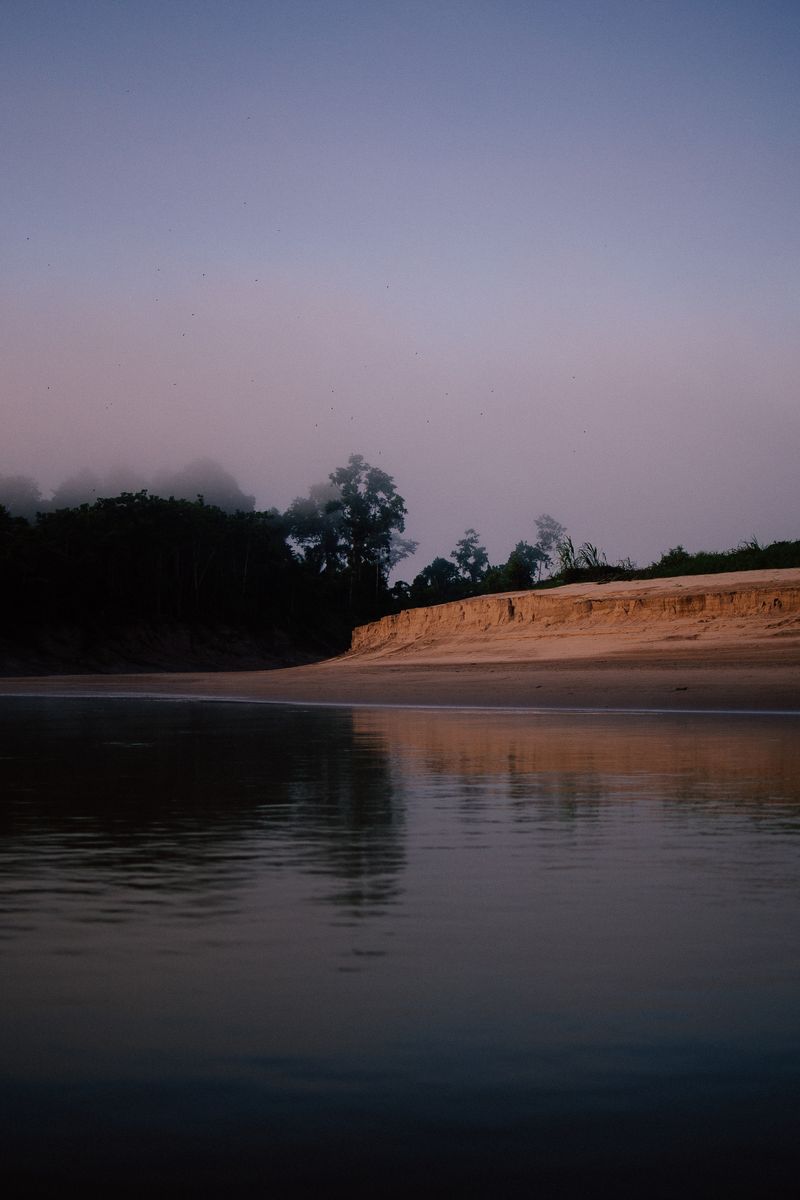
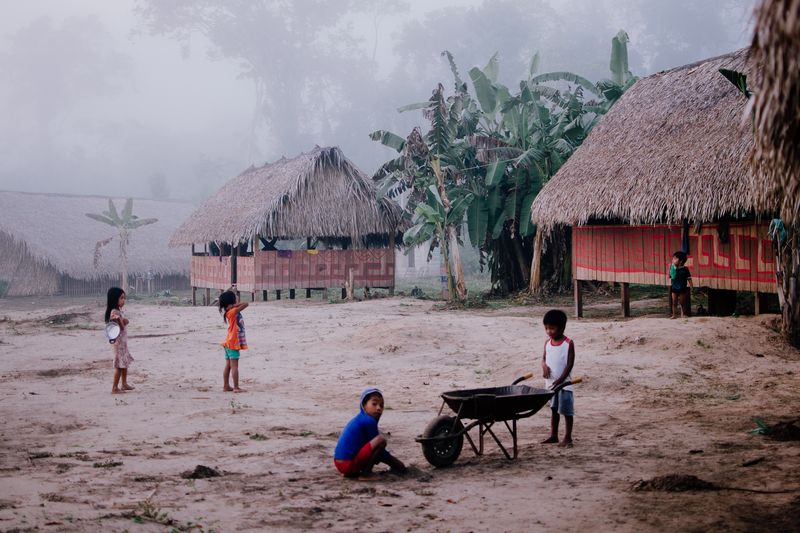
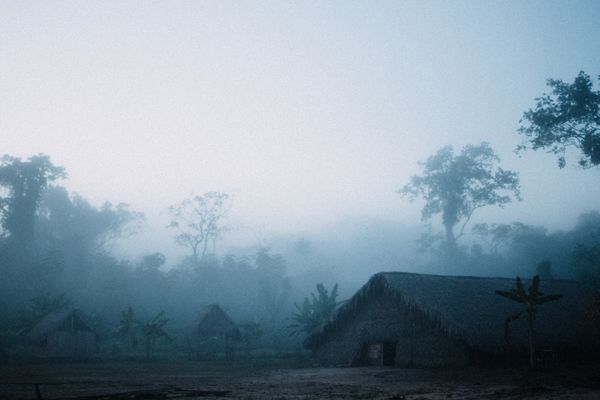
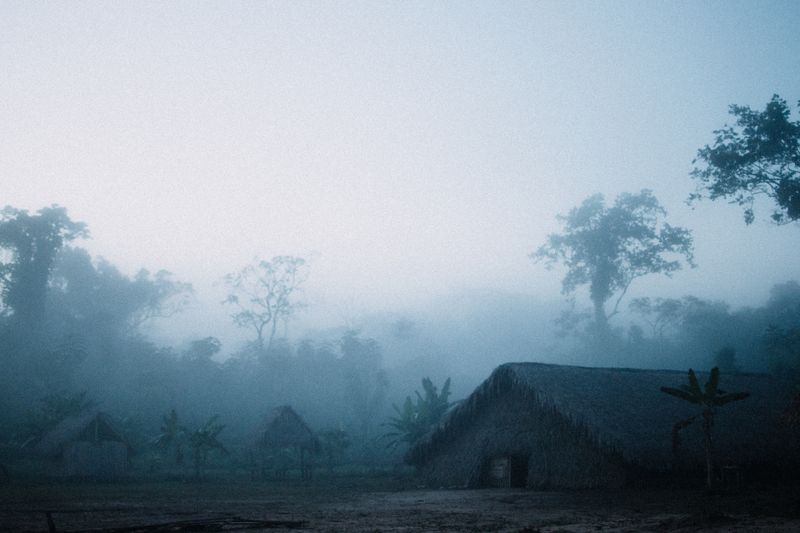
4am and the rainforest is waking up heralded by birdsong, thick fog, and a short fleeting coolness in the air.

© Lucía Alonso Garrido - Image from the Eskawata Kayawai photography project
i

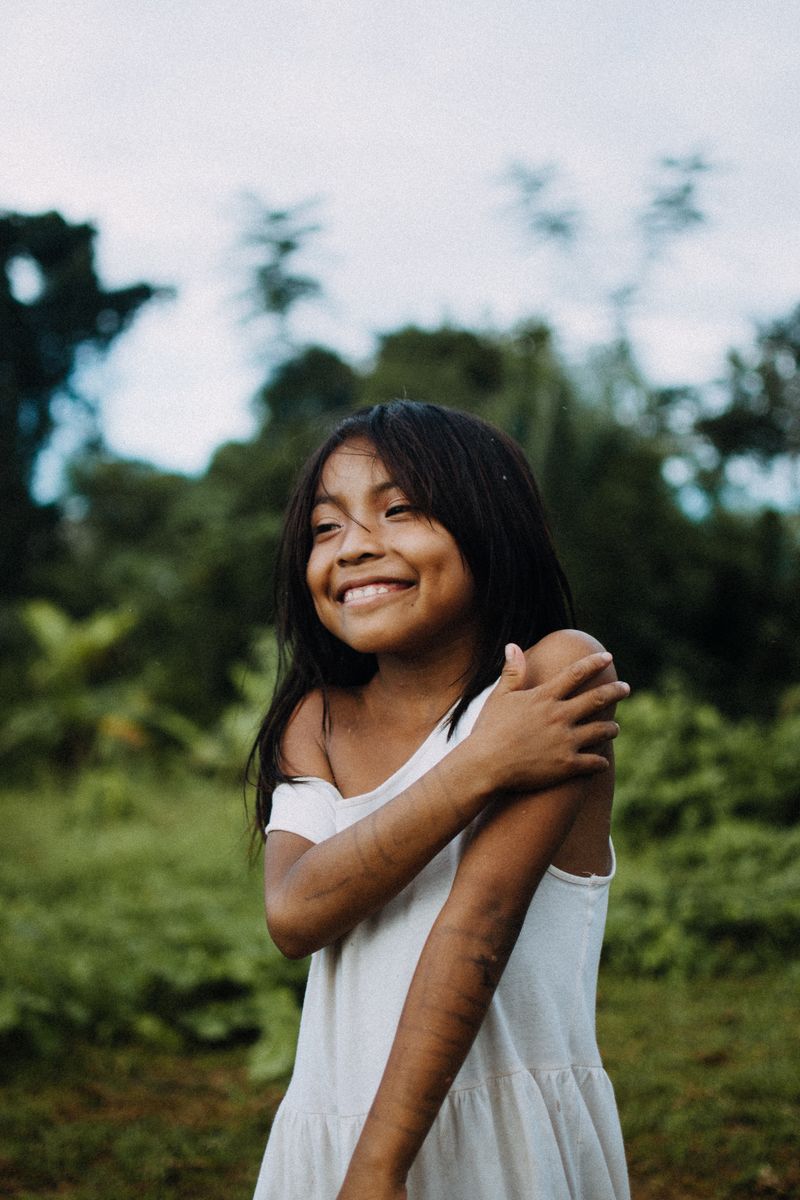
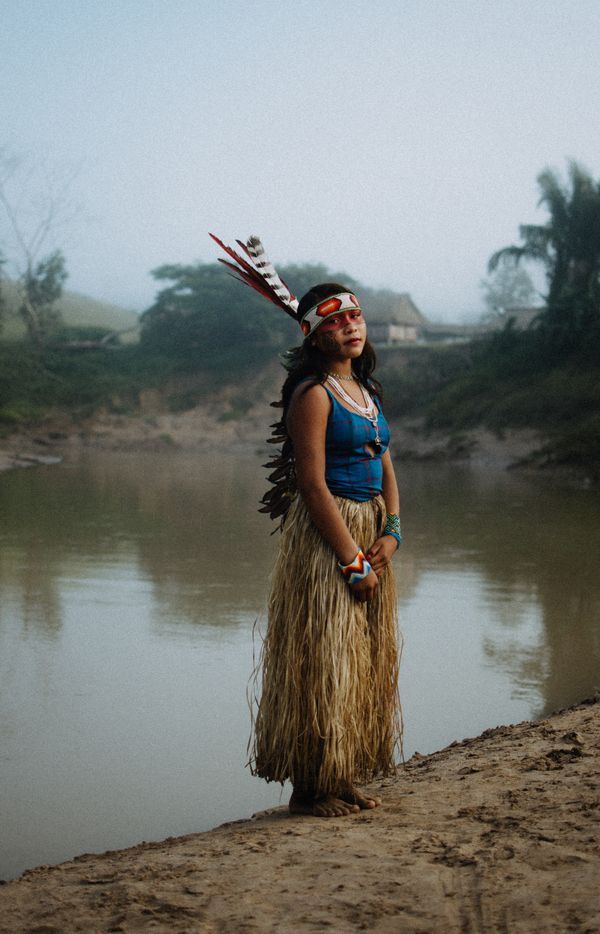
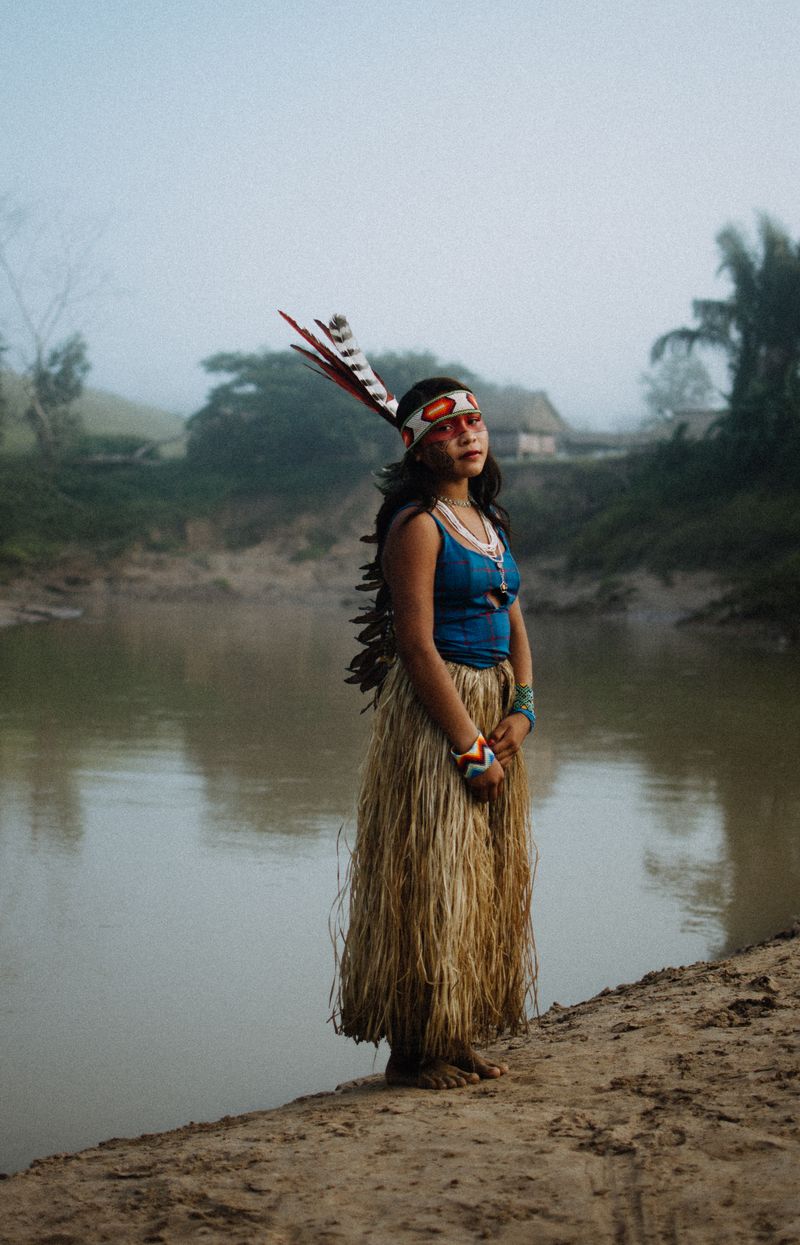
The strength of the forest is reflected in the Huni Kuin youth. Nowadays the youth is aligned with their tradition and from an early age they learn to practice their culture and duty serving and being helped by the community. This young girl is dressed in traditional attire alongside elements from the outside world. While the influence of the non-indigenous world is clear in this community, the Hu

© Lucía Alonso Garrido - Image from the Eskawata Kayawai photography project
i

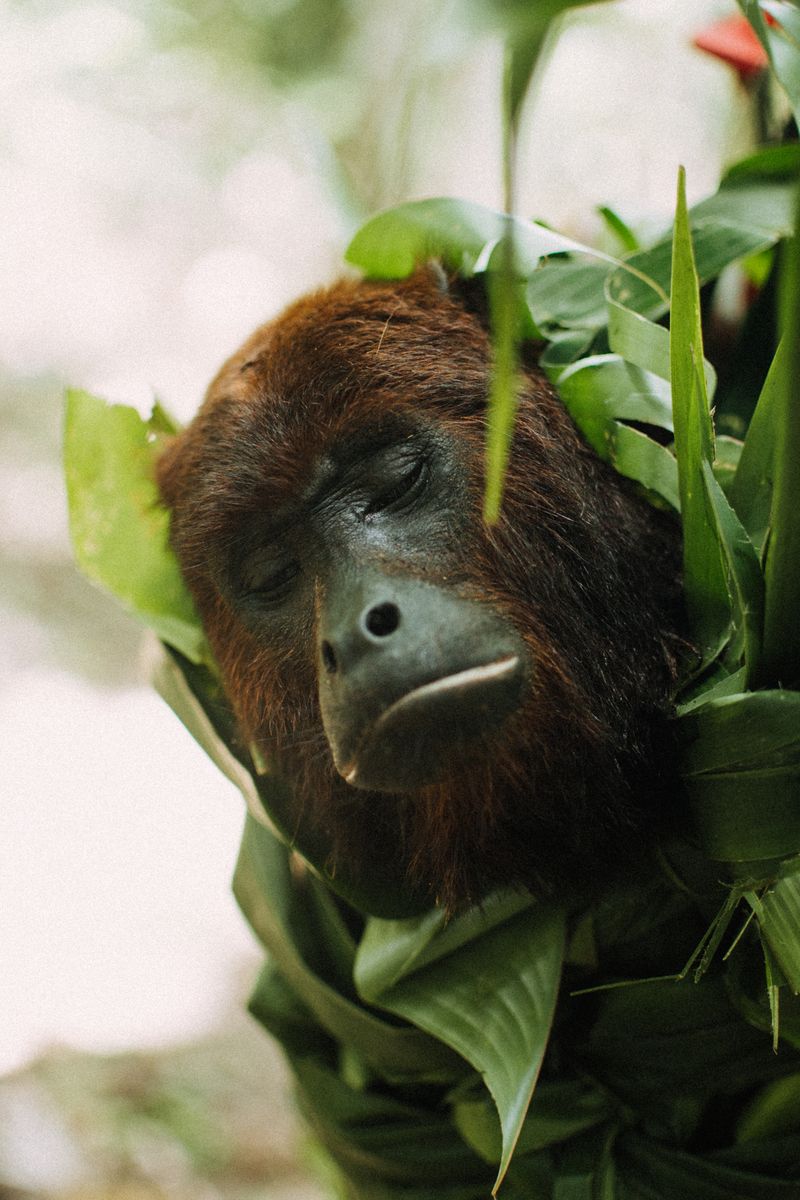
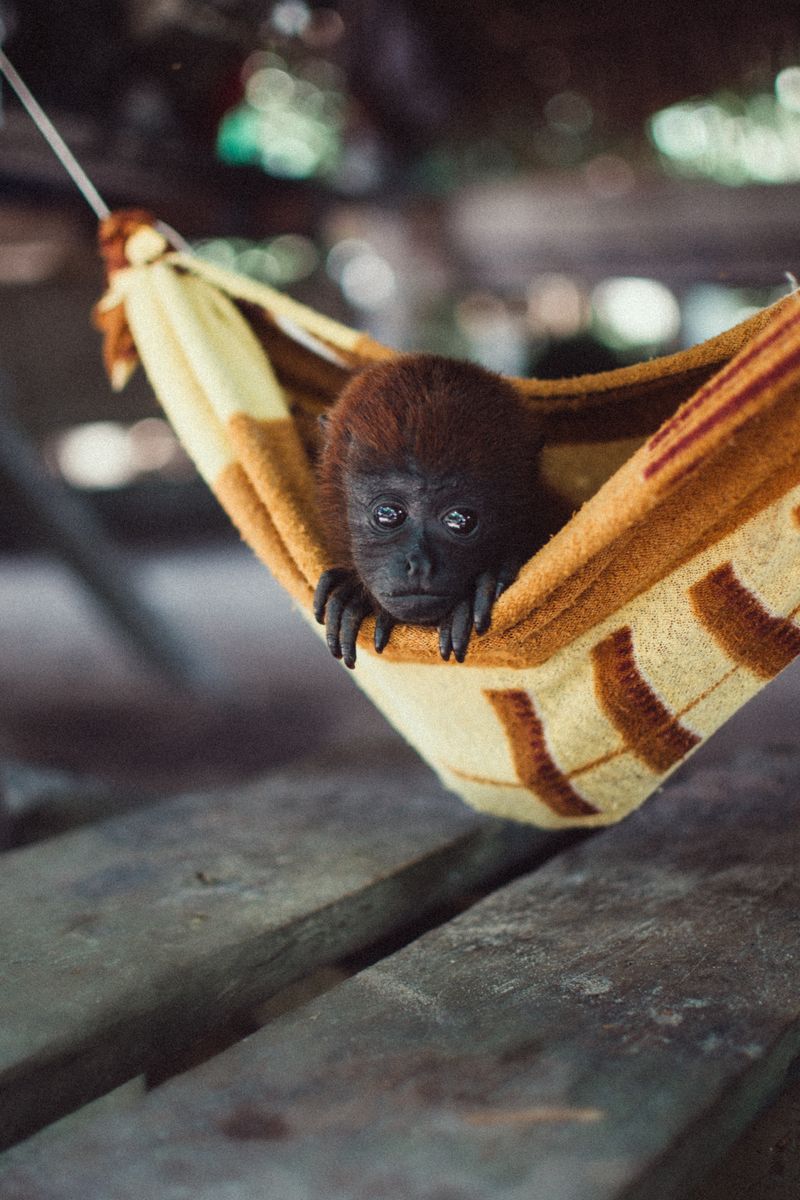
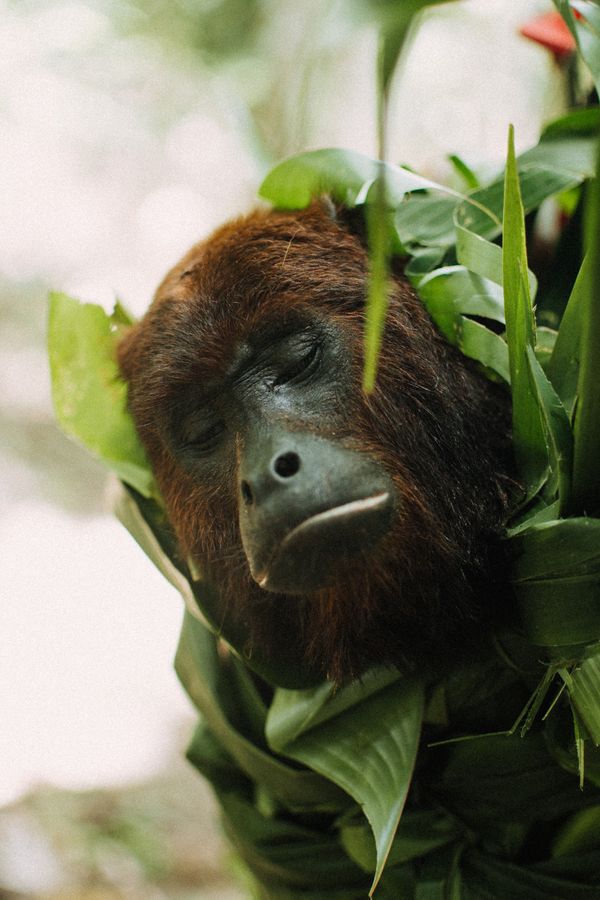
This monkey has a unique and poignant history. She was high in a tree with her baby when she was shot, and both fell to the ground. The mother was then used to feed the community, while the orphaned baby is being raised by the very people who took her life. Such is the cycle of life in the jungle, a system that has functioned this way for centuries and, within this context, seems to work just fi

© Lucía Alonso Garrido - Image from the Eskawata Kayawai photography project
i

The only way to reach the village of Novo Futuro is by small motorized canoes or small planes. Our journey took four days traveling up the river to reach our destination. During the trip, the landscape transformed dramatically. For the first three days, as we approached the indigenous area, the Amazon rainforest seemed all but vanished, replaced by cattle ranches and soy plantations. However, on t

© Lucía Alonso Garrido - The newest houses on the village, made to receive friends and family who travel during many days to get there
i

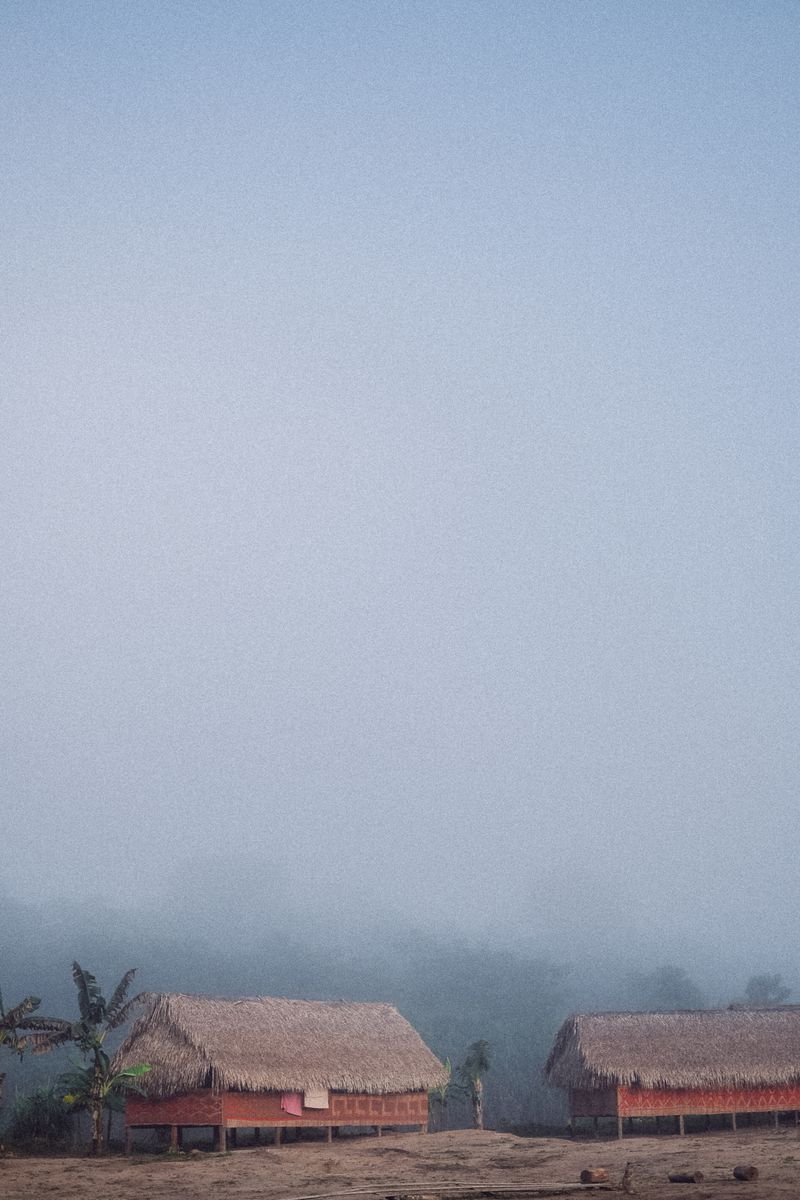
The newest houses on the village, made to receive friends and family who travel during many days to get there

© Lucía Alonso Garrido - Image from the Eskawata Kayawai photography project
i

In indigenous villages, the concept of "privacy" is almost nonexistent; one is always accompanied by or under the watchful eyes of at least the younger members of the community.

© Lucía Alonso Garrido - Image from the Eskawata Kayawai photography project
i

The birds and the children are always the first to wake up in the village.As the first light of day touches the village, the children are the first to rise from their hammocks and start their day. The younger ones typically help with chores like washing dishes or looking after their siblings before and after school. Children hold a significant role in the village, representing the continuation of

© Lucía Alonso Garrido - Image from the Eskawata Kayawai photography project
i

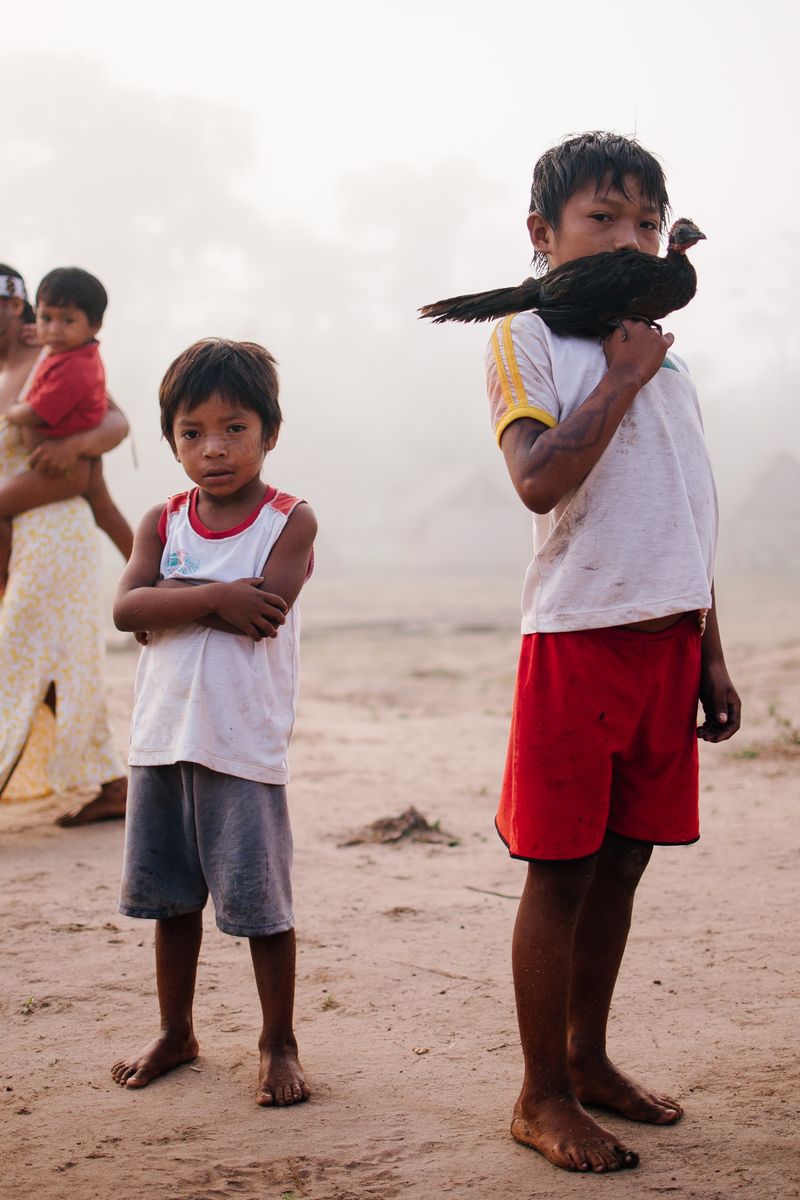
It is often said that the first friends a photographer makes in a new setting are children. In many villages, there is a strong inclination to shield children and women from outsiders, as they are considered vital and vulnerable members of the community. Having the chance to interact with all members of the community and earn the trust of the children and the adults has proven to be an incredibly

© Lucía Alonso Garrido - A recently rescued parakeet has brought newfound joy and excitement to the children.
i

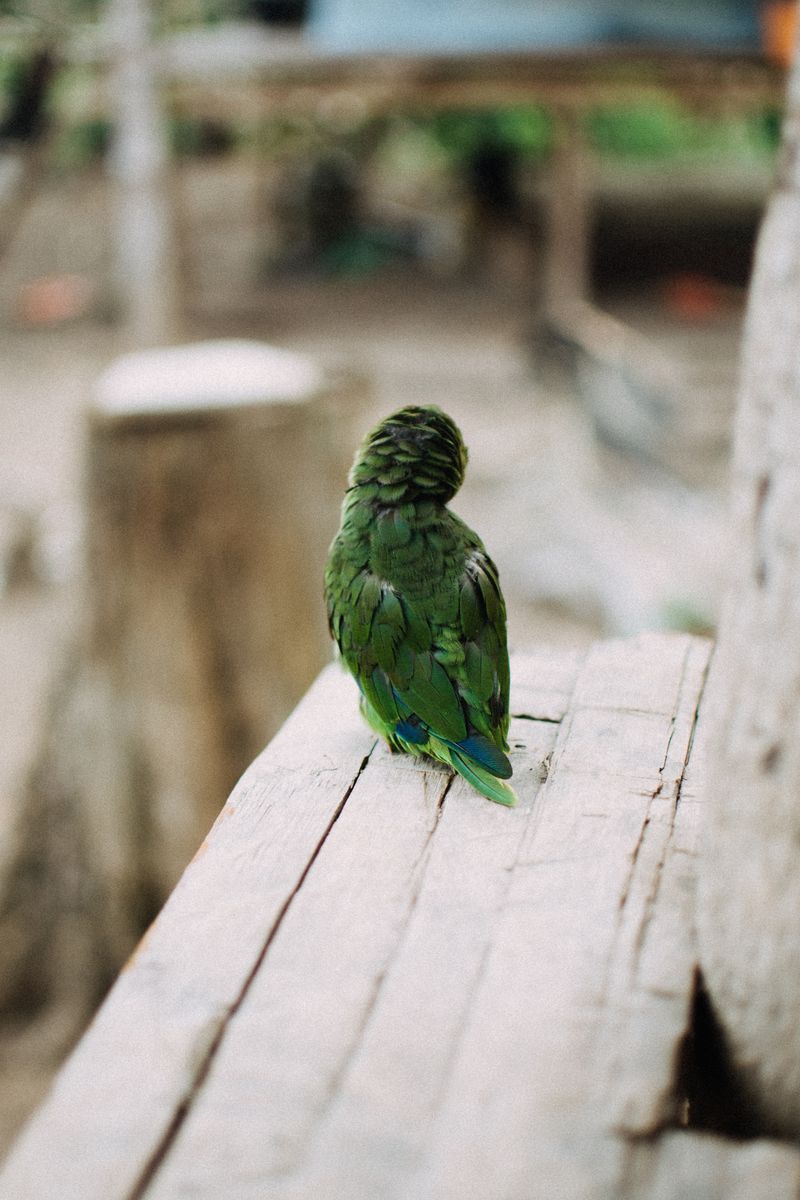
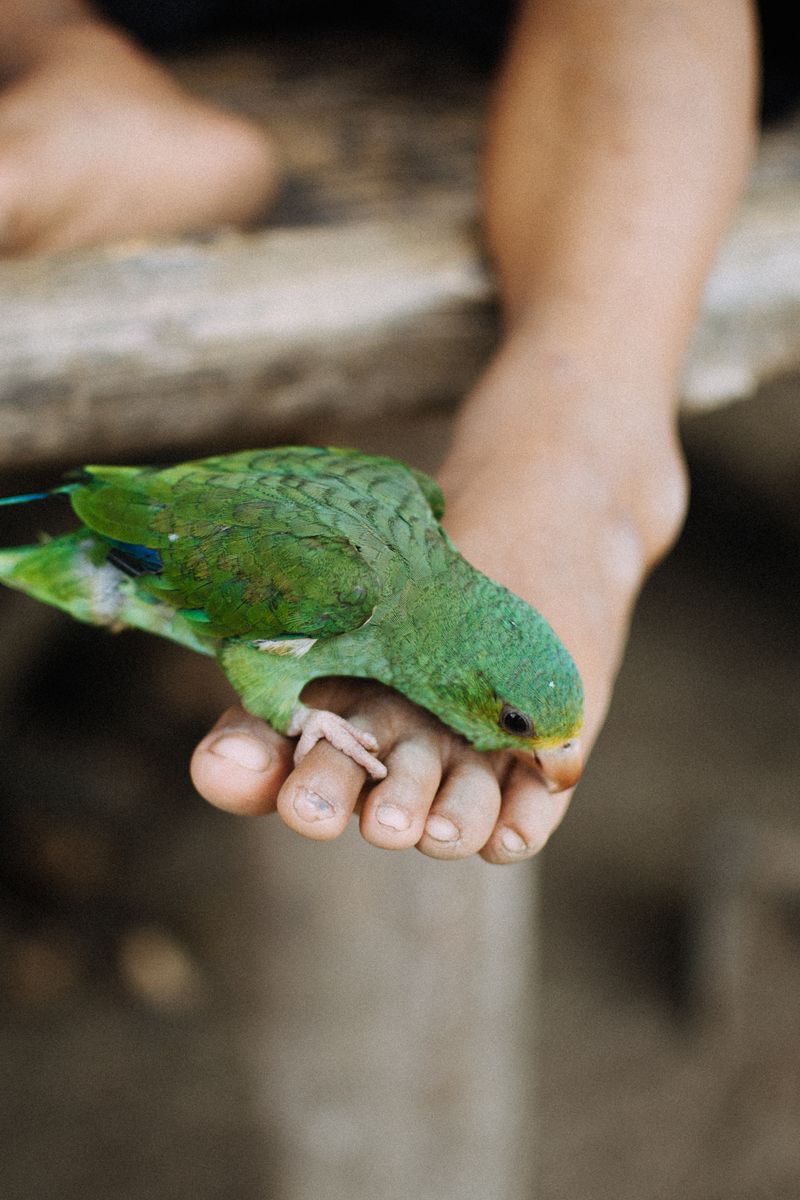
A recently rescued parakeet has brought newfound joy and excitement to the children.

© Lucía Alonso Garrido - Image from the Eskawata Kayawai photography project
i

The Humaitá River is a lifeline for the community, providing essential transportation to neighboring villages, a vital source of food through fishing, a place for daily hygiene, and a natural playground for all. However, as the river winds its way to the community, it passes through unprotected areas where agricultural toxins are used, contaminating the water. This pollution results in increasingl

© Lucía Alonso Garrido - Image from the Eskawata Kayawai photography project
i

This small creature has a unique and poignant history. It was clinging to its mother high in a tree when she was shot, and both fell to the ground. The mother was then used to feed the community, while the orphaned baby is being raised by the very people who took her life. Such is the cycle of life in the jungle, a system that has functioned this way for centuries and, within this context, seems t

© Lucía Alonso Garrido - Image from the Eskawata Kayawai photography project
i

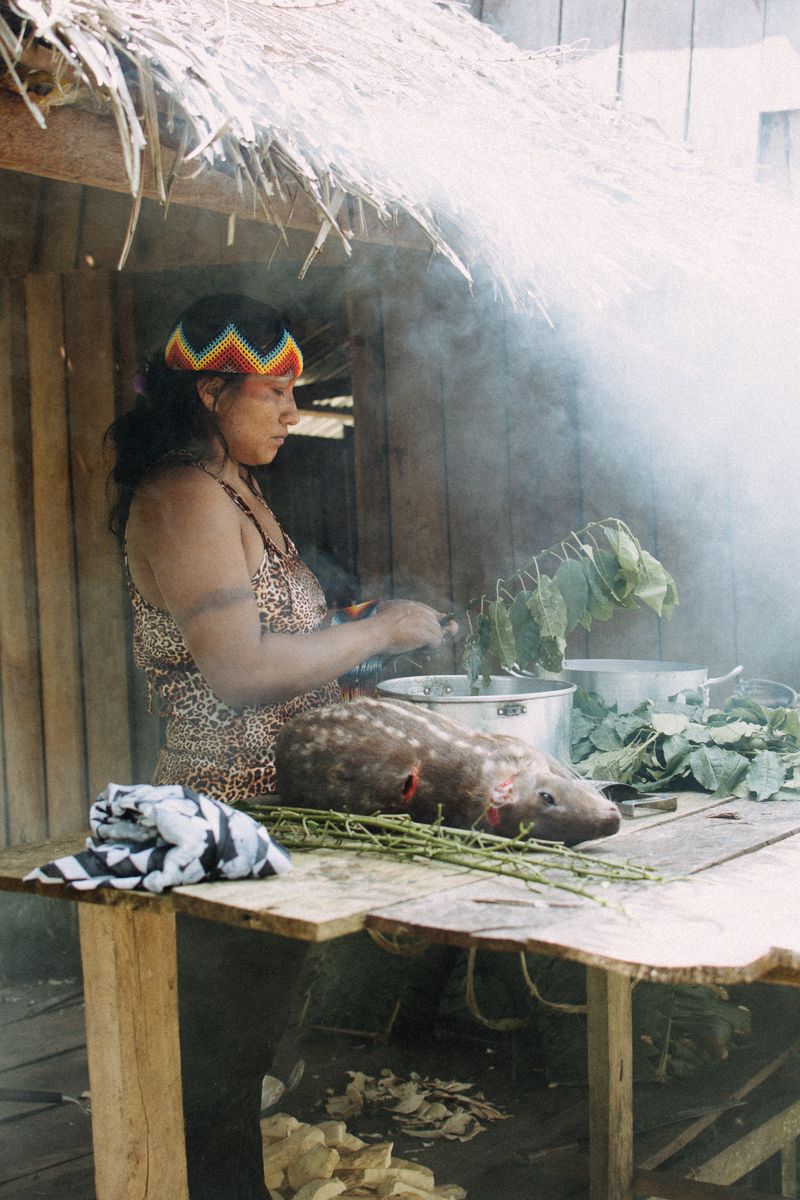
In the village, activities are typically divided by gender. Men take on the responsibilities of hunting and fishing, while women are usually tasked with preparing food, tending to the crops, caring for the children, and engaging in crafting.

© Lucía Alonso Garrido - Image from the Eskawata Kayawai photography project
i

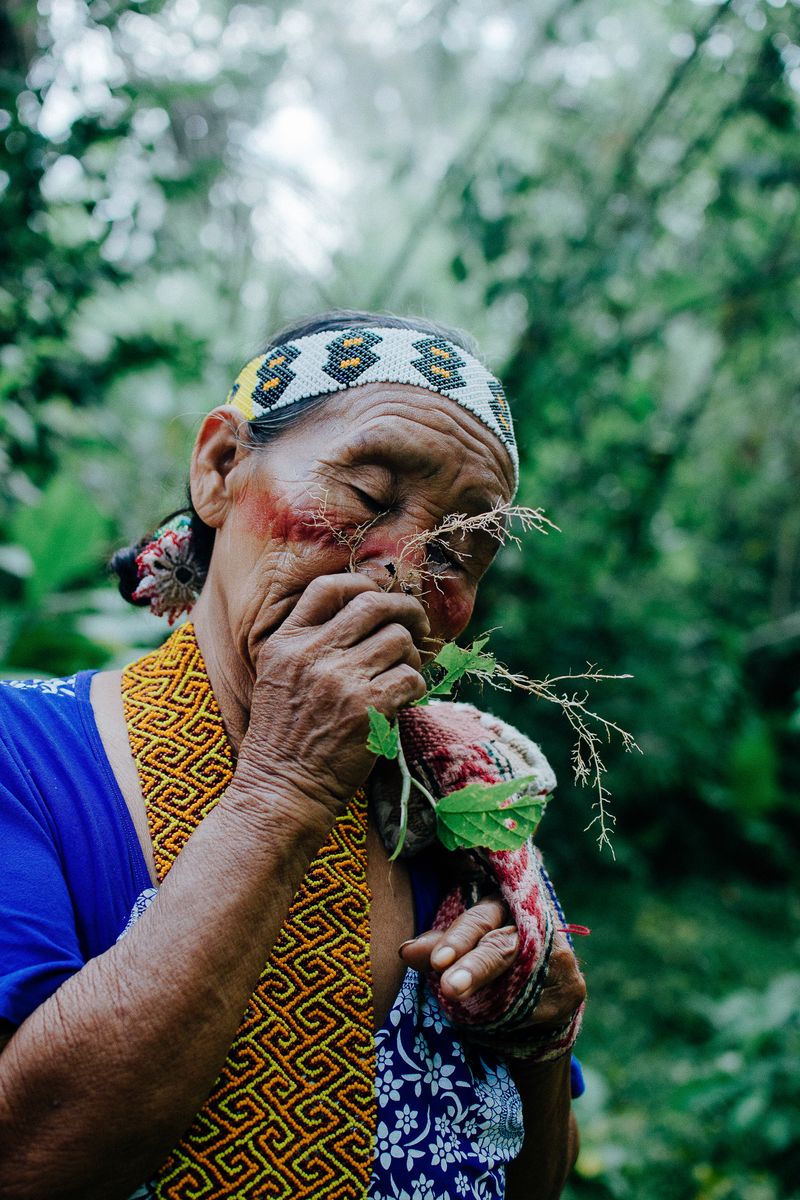
The elderly are "Living Libraries" in the Huni Kuin villages, connecting us with our ancestors' efforts, struggles, and victories.In the photo, Biruany, the last elder of Novo Futuro village, collects medicinal herbs. She speaks to the plants in a language I don't understand, with a sweet, loving tone. She tells the plants she recognizes their healing power and needs them to care for her people.

Eskawata Kayawai by Lucía Alonso Garrido

Prev Next Close