ENCLOSURE
-
Dates2020 - Ongoing
-
Author
THE ENCLOSURE ACTS
Enclosure describes the legal process through which common rights over land are terminated and common land converted to the exclusive property of a landowner. This project starts from a belief that a deeper understanding of the Enclosure Acts, primarily of the 17th, 18th and 19th centuries, along with the industrial revolution and the American and Caribbean plantation system, is vital to having a critical understanding of the systems and politics that we inhabit now.
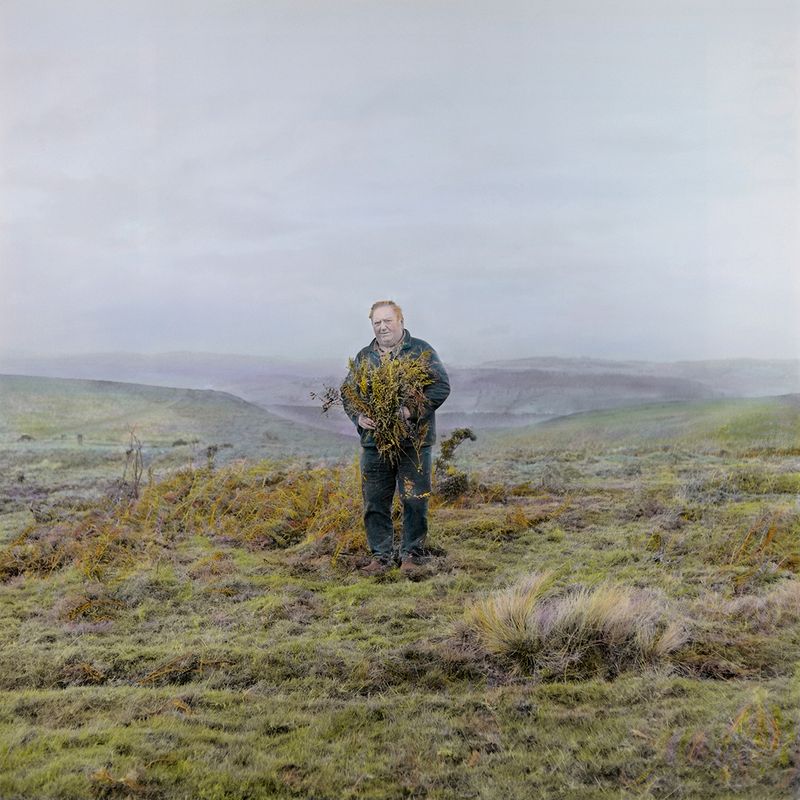
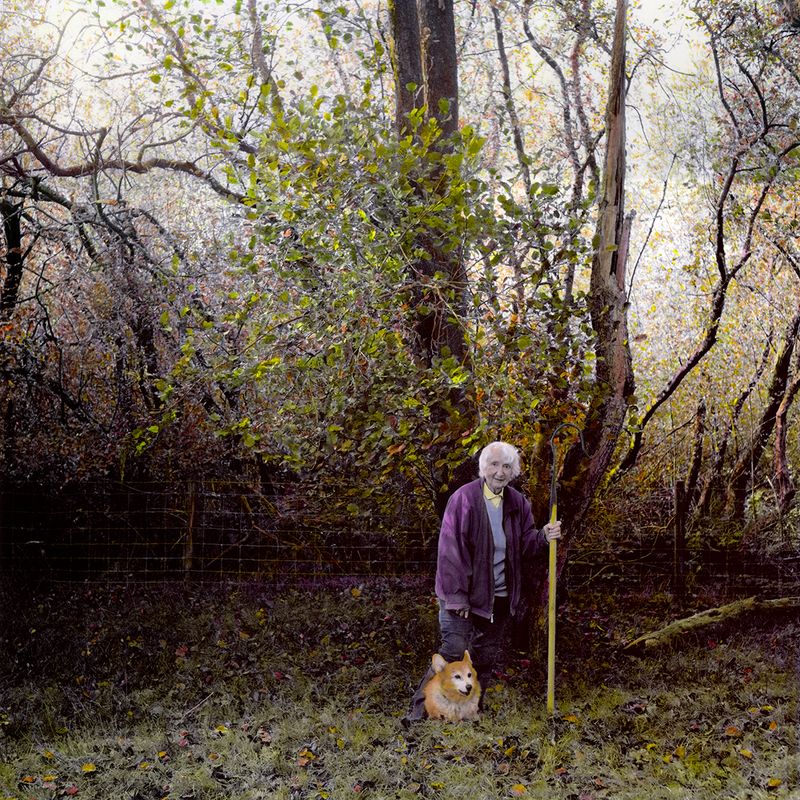
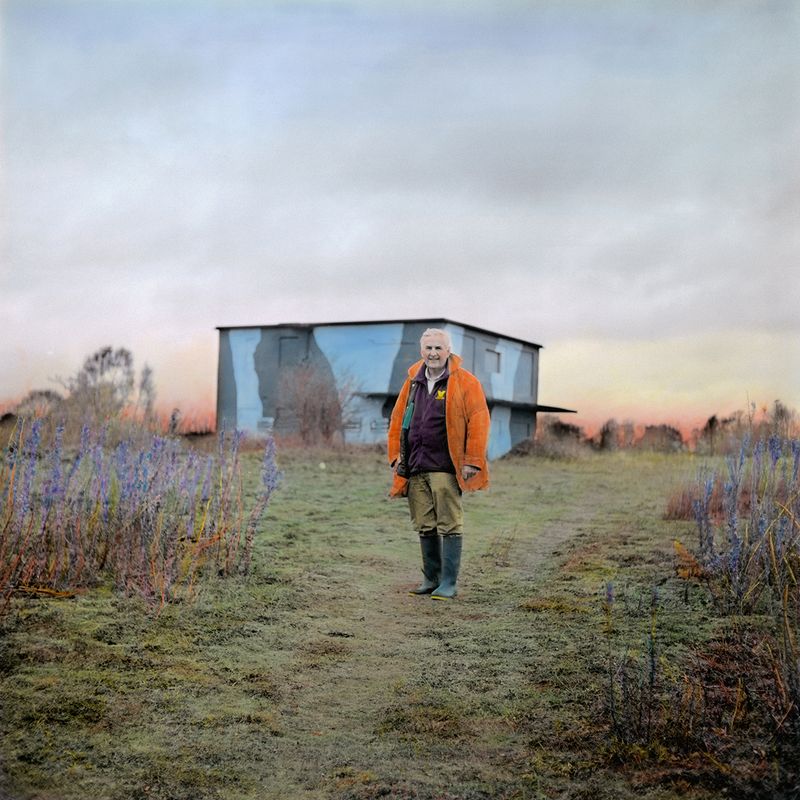
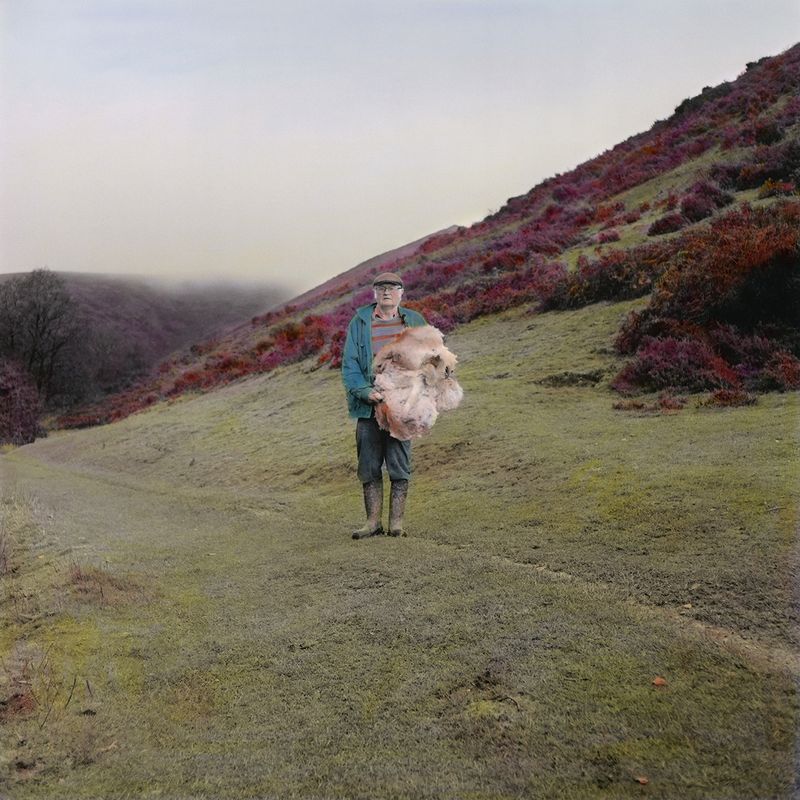
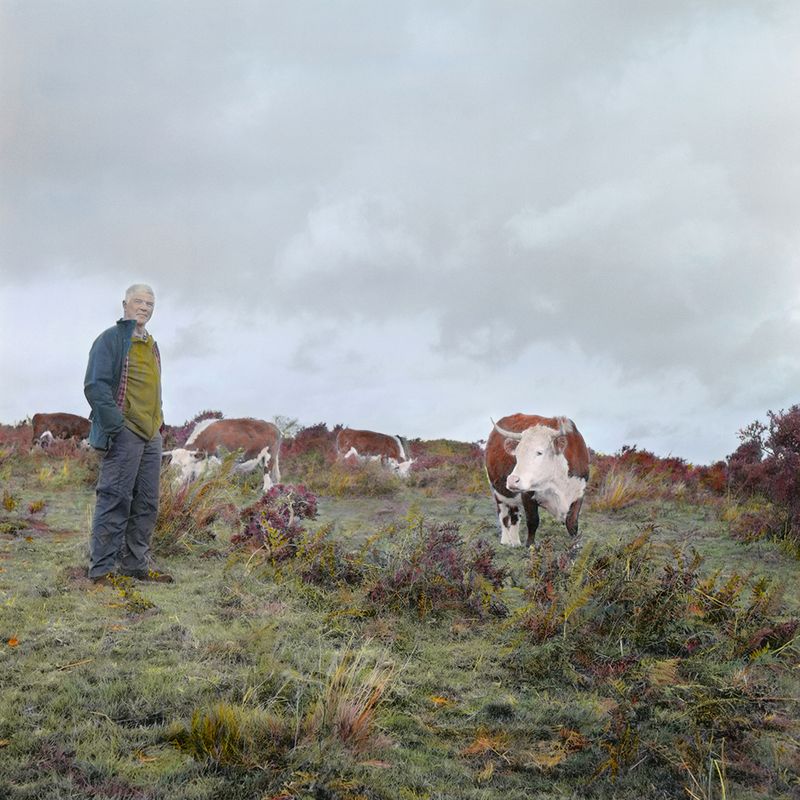
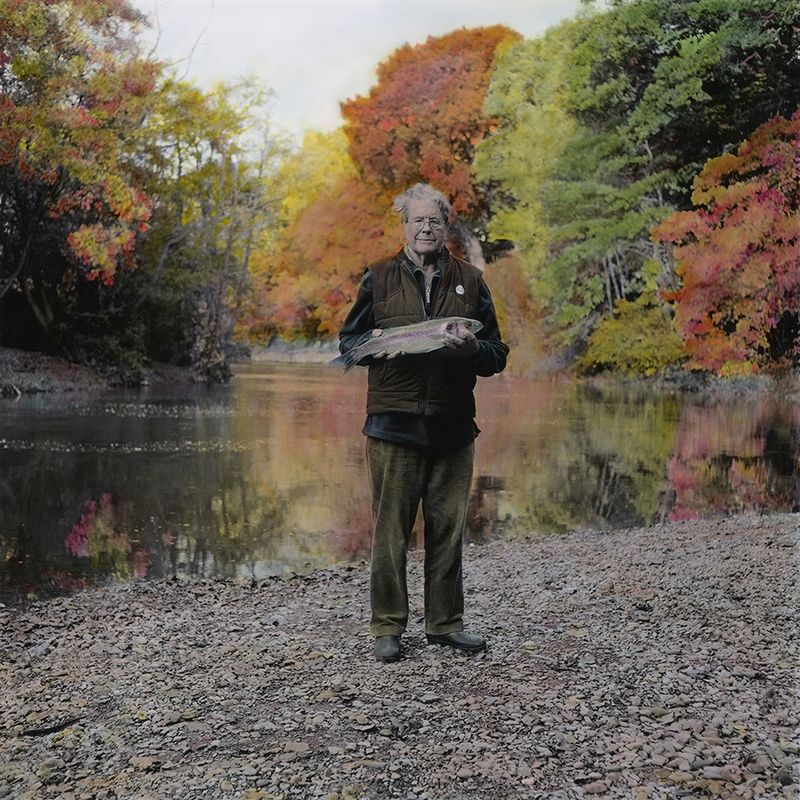
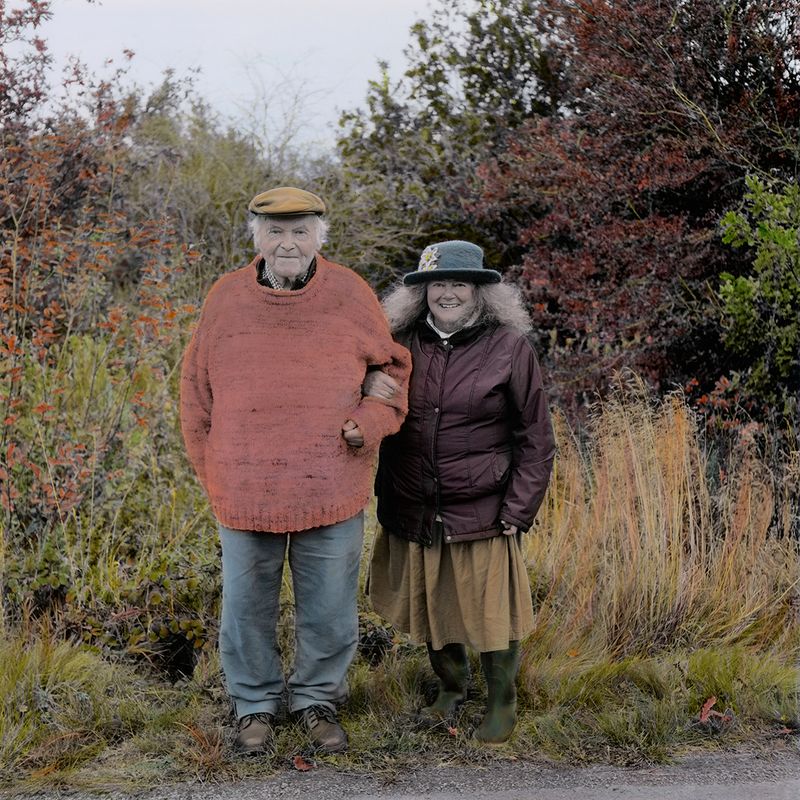
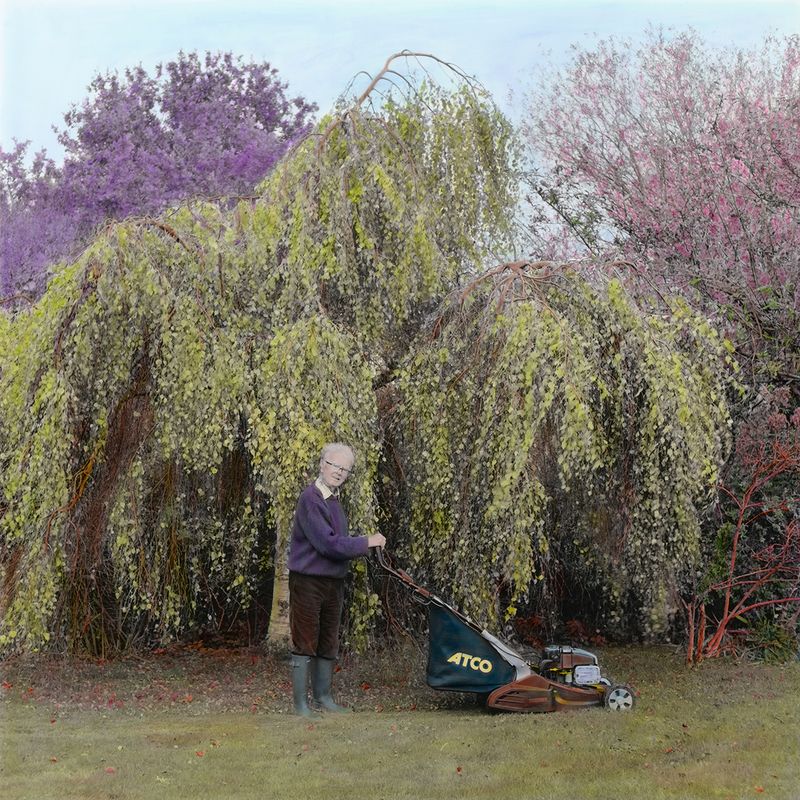
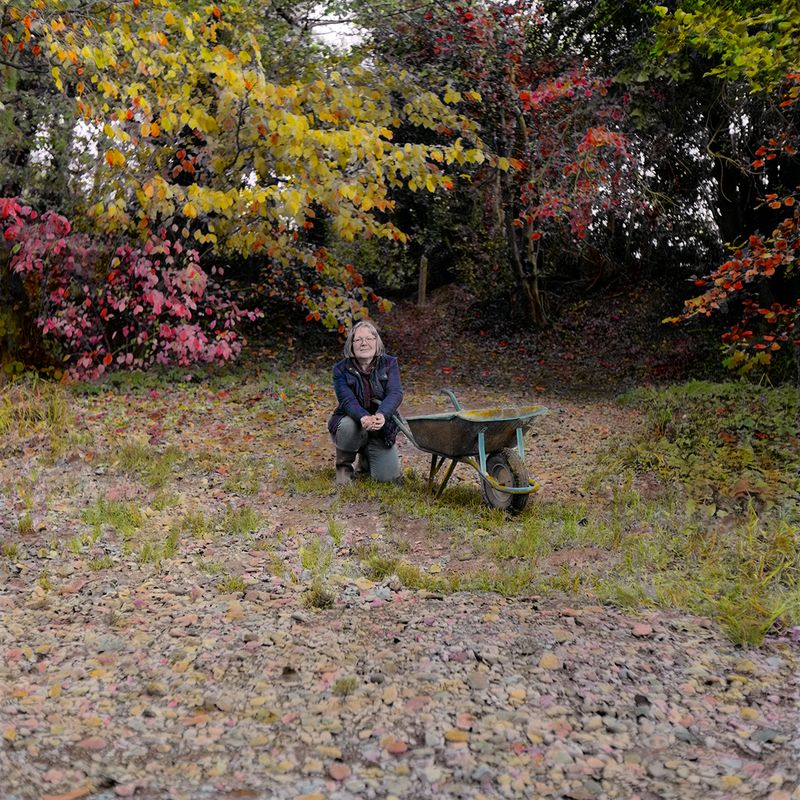
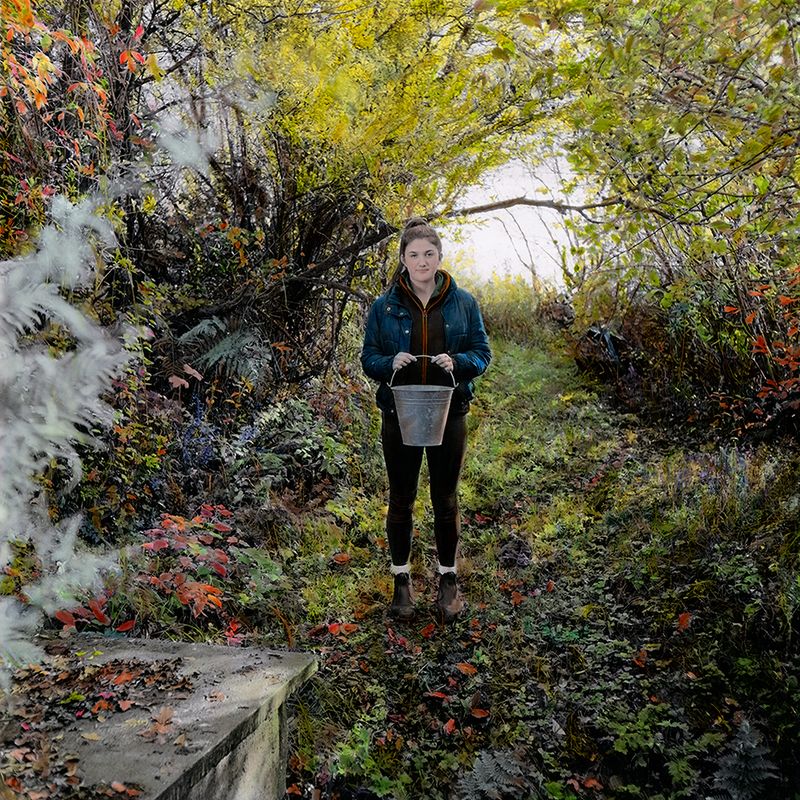
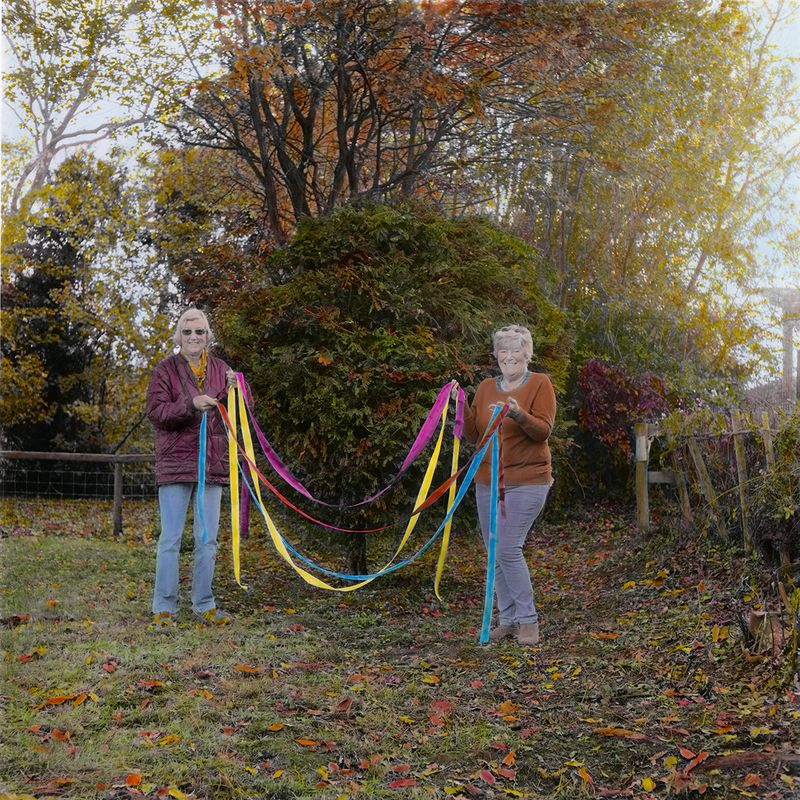
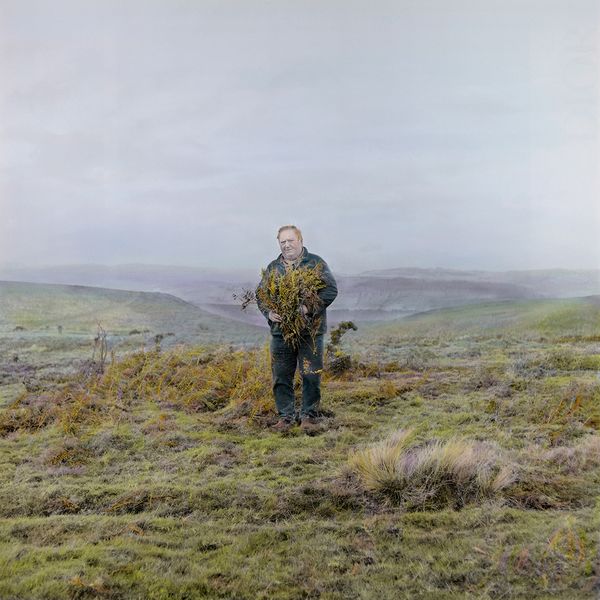
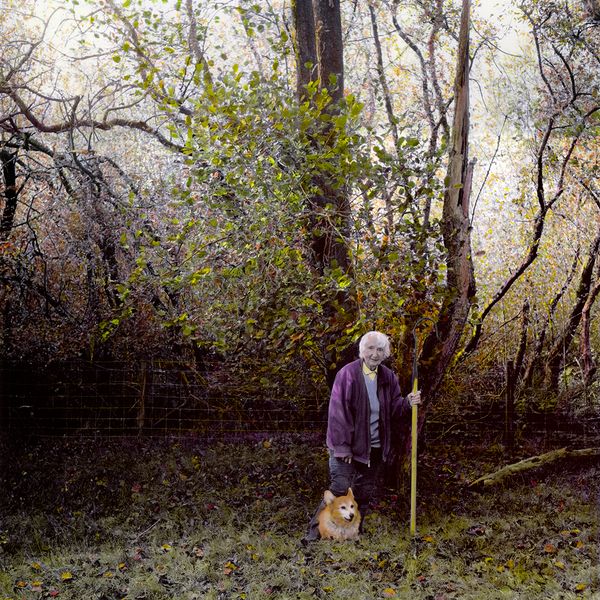
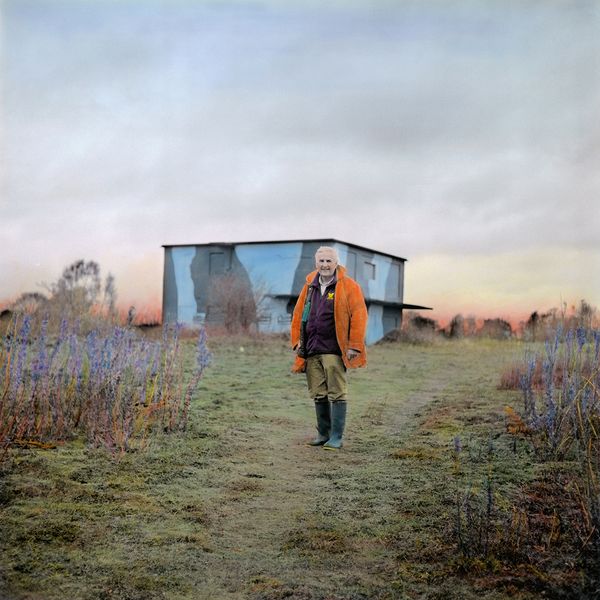
To date, small pockets of common land that still exist in Shropshire and the Welsh borders have been identified contact made with people that still hold common rights to learn how they exercise their various rights. Photographic portraits are made of the commoners on their commons and they are interviewed to discover their personal stories, commoners’ status and to learn any historic stories they knew about the land. These stories and images hope to be a compelling mechanism for understanding the historic legacy of enclosure.
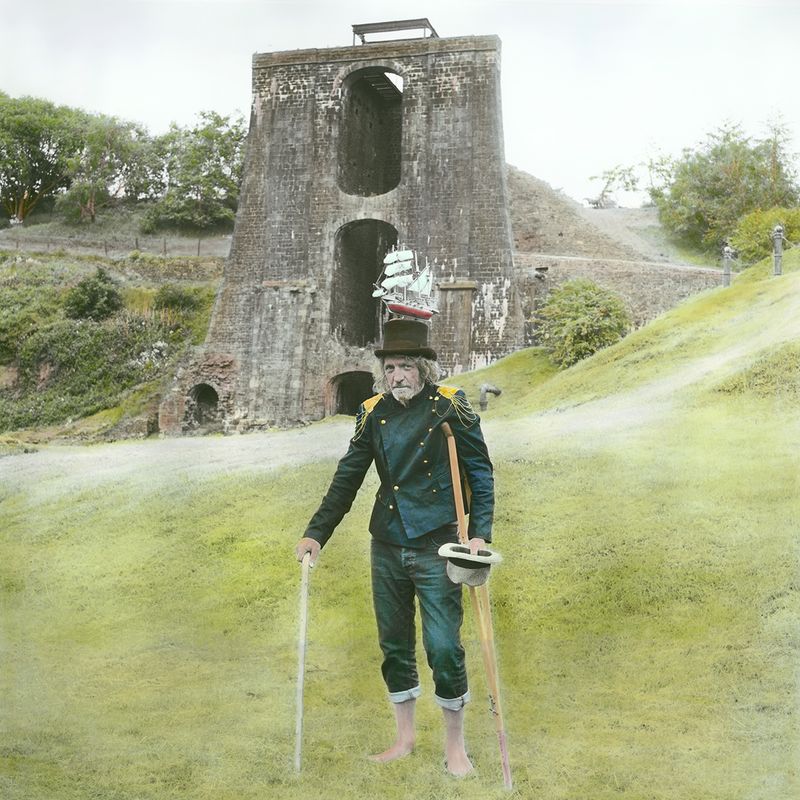
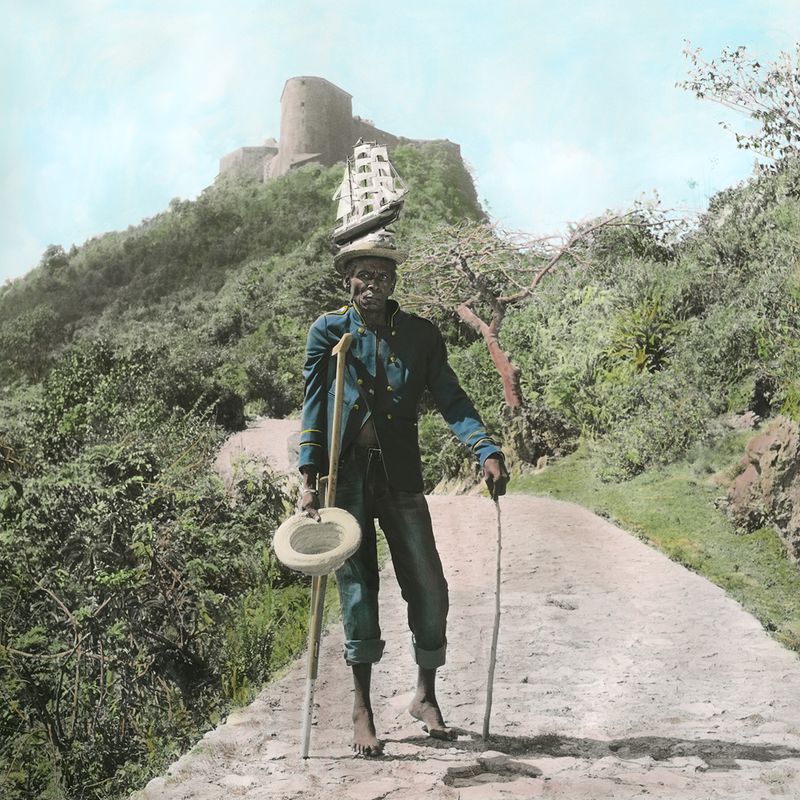
The decision was made to take the photographs on an analogue medium format camera with black and white film and the subsequent prints are hand-tinted using traditional photographic dyes. This process enlivens the landscapes, through colour, with a form of magical realism to invoke a lost, deeper, more mystical, often matriarchal and less mercantile connection to the land. It is through the breaking of this more spiritual relationship with the land which Italian feminist historian, Silvia Federici, argues was central to the capitalist expansion and loss of commons.
Eleven portraits of commoners are already produced but more are needed in order to represent further types of rights (such as more unfamiliar rights such as estovers, turbary, pannage and piscary) which will enable us to create a more representative imaginary of pre-enclosure lifestyles, cultures and economics. efficiently and to cover a larger geographical spread of Shropshire and the Welsh Borders.
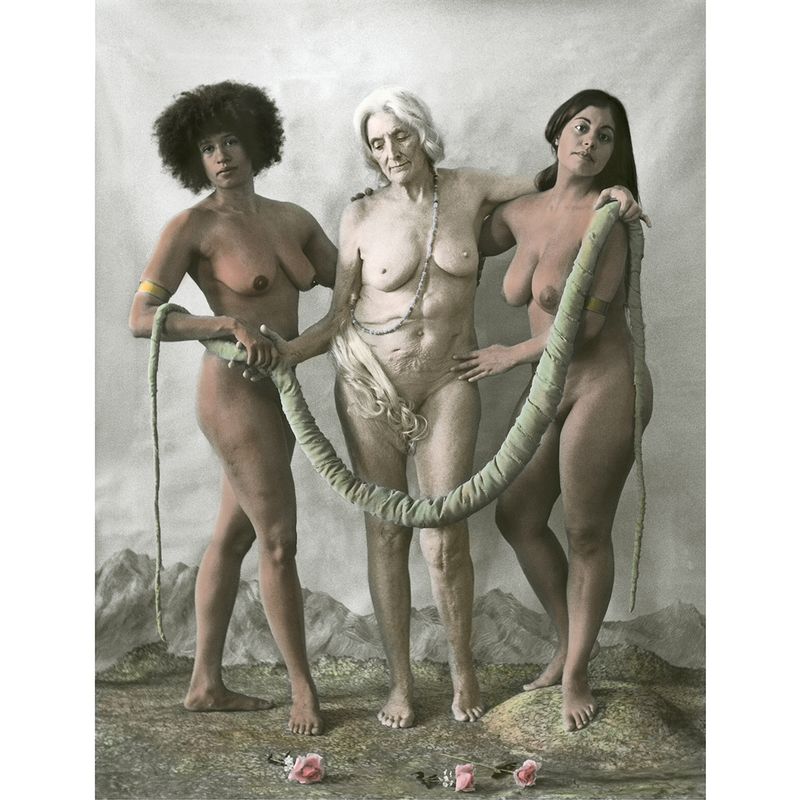
In the next stage of the project, the illustrations by John Thomas Smith (1766-1833), a colleague of William Blake, for his book, ‘Vagabondiana, or Anecdotes of Mendicant Wanderers through the Streets of London’ (1817) will be used as starting points for constructed portraits to highlight the miserable prospects for the dispossessed peasants many of which had bleak choices between harsh factories or begging. These portraits will also be shot using black & white film and hand-tinted, but in this case the affect will be more naturalistic alluding to both the watercolour illustrations of the 17th century.