Empacado

EMPACADO (PACKAGED) uses the visual language of product photography to present Mexican everyday and ritual objects as packaged commodities, asking what is lost when something made to be lived begins to exist primarily to be seen.

EMPACADO is my first authorial body of work and emerges directly from my experience as a professional product photographer.

For several years, I learned to use light, color, composition, and precision to make objects desirable and capture the consumer’s attention. With EMPACADO, I began using that same visual language to formulate questions of my own.

The series presents objects, foods, and materials connected to everyday life, memory, and ritual in Mexico. Corn, chiles, fruit, ceramics, copal, flowers, and other culturally familiar elements appear wrapped, sealed, contained, or displayed through materials associated with packaging and commercial presentation.

Things that were originally meant to be used, touched, eaten, or experienced over time appear here intact, protected from themselves. But the packaging does not simply protect them; it also isolates them from their function, their context, and their lived meaning.

I am interested in this contradiction between protection and isolation, preservation and containment. What happens when something that carries memory, identity, or cultural meaning begins to exist primarily as an image?

Mexico is central to the project, not as decoration or folklore, but as the raw material from which these questions emerge. I have also observed how, in contemporary Mexico, certain cultural elements have been removed from their original context, stylized, and repackaged to circulate as easily consumable products. In that process, what is presented as a way of preserving or celebrating an identity can also simplify it, transform it, or separate it from the experience that originally gave it meaning. I work with objects and symbols from my own visual and cultural environment to explore precisely this tension.

The series also has a personal dimension. For a long time, I have felt the tension between being seen and living freely: the need to present myself in a way that feels acceptable, desirable, or “beautiful” to others, and the risk of ultimately constructing myself around that gaze. EMPACADO consciously emerges from this parallel: objects prepared, protected, and controlled in order to be seen, and the ways in which we sometimes do the same with ourselves. I am interested in what happens when, in seeking approval, we protect our image so carefully that we leave out what also makes us human: vulnerability, contradiction, error, change, and the possibility of simply living. From there, my research expands toward the gaze, exposure, identity, and the tension between what we choose to reveal and what we protect.

In essence, EMPACADO asks:

What is lost when something or someone begins to exist to be seen rather than to be lived?
This project is a candidate for PhMuseum 2026 Women Photographers Grant

Learn more Present your project
© Varel Quintero - Image from the Empacado photography project
i

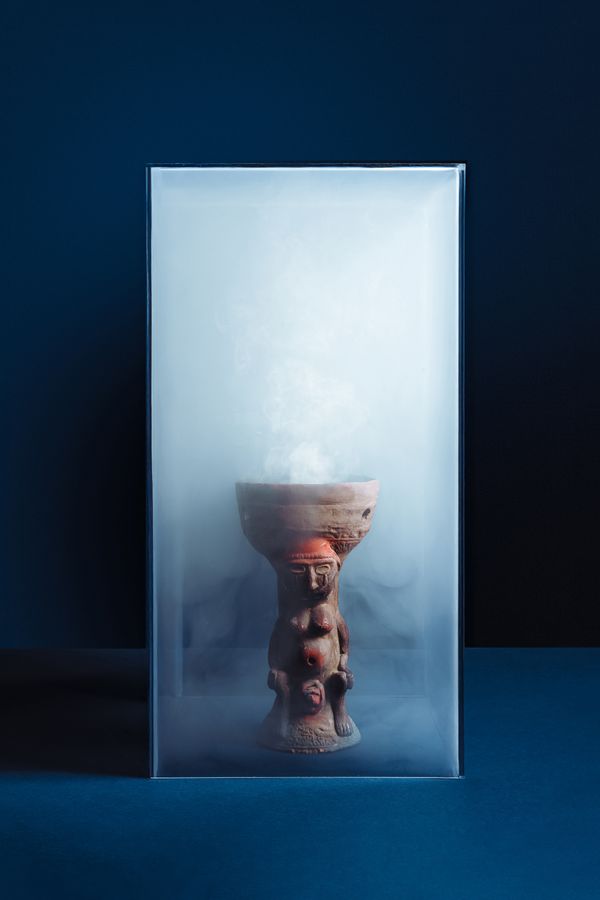
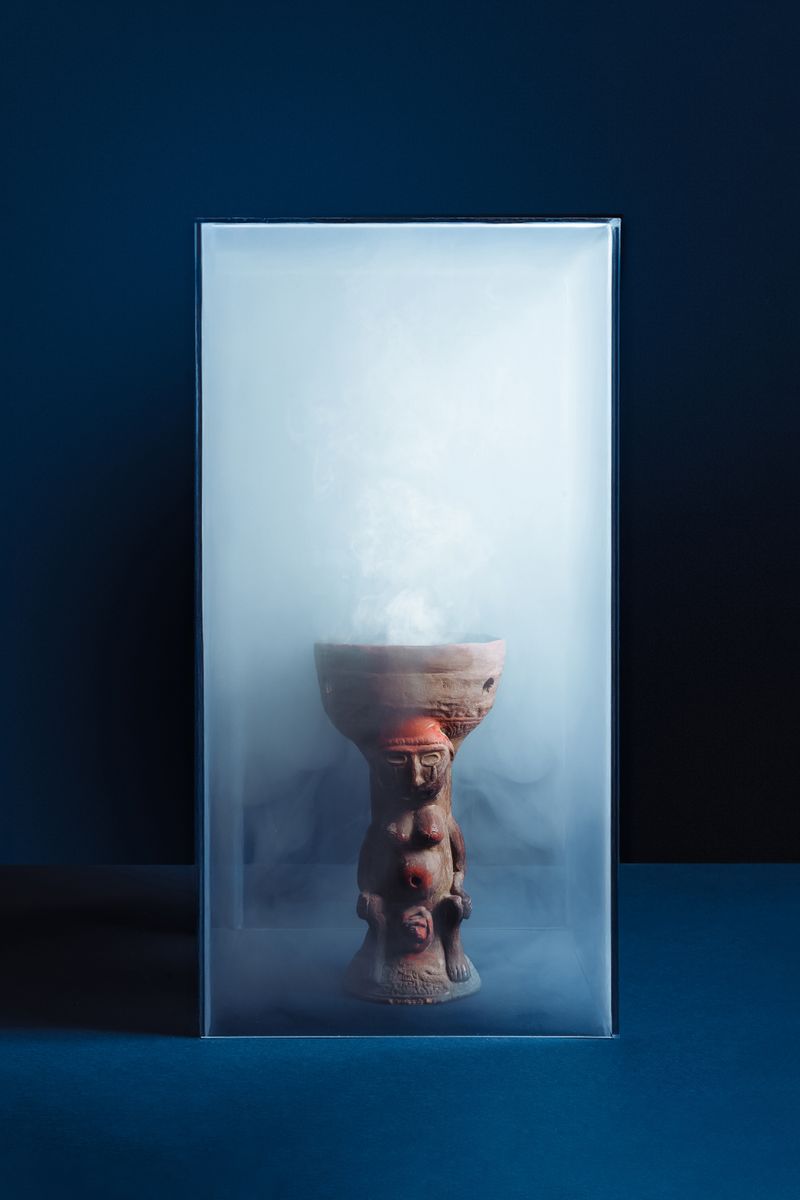
Contained Ritual: A lit pre-Hispanic copal burner is enclosed in glass as its smoke begins to take the shape of its confinement. The work contrasts the organic freedom of smoke with the rigid geometry of display, questioning what happens when a living ritual is preserved for viewing rather than experienced.

© Varel Quintero - Image from the Empacado photography project
i

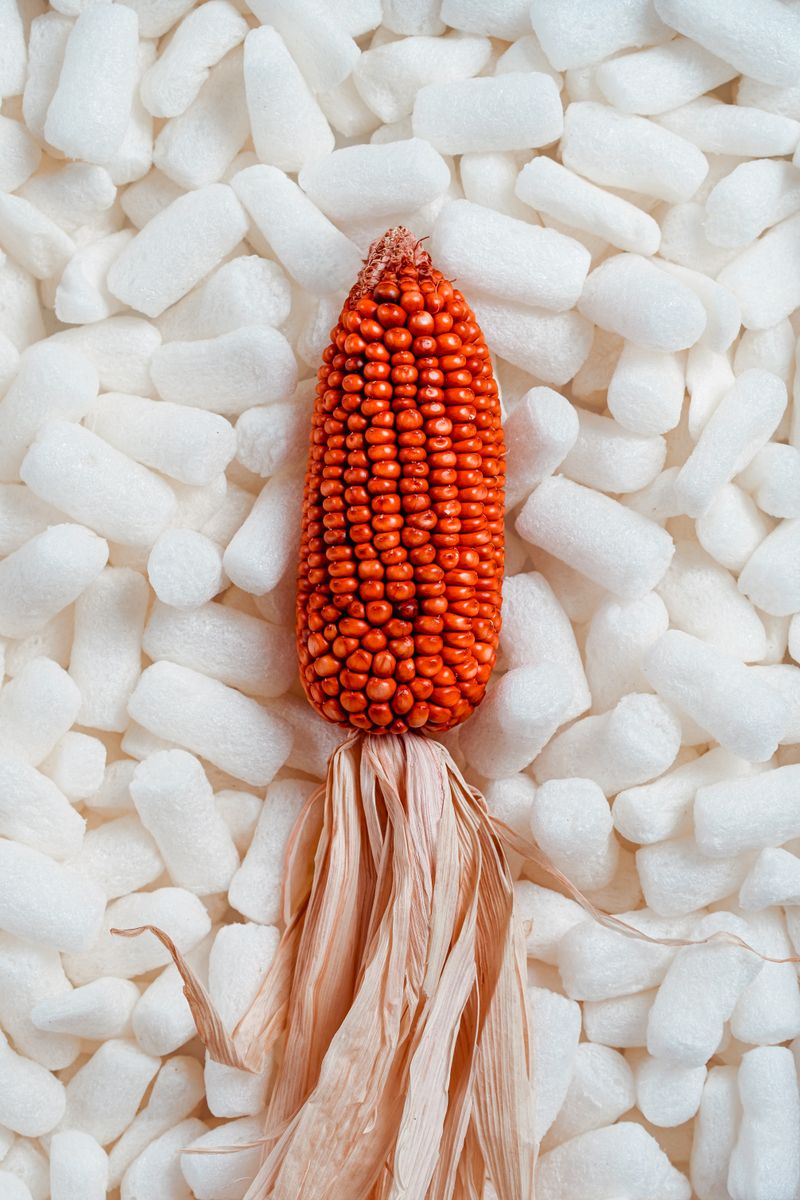
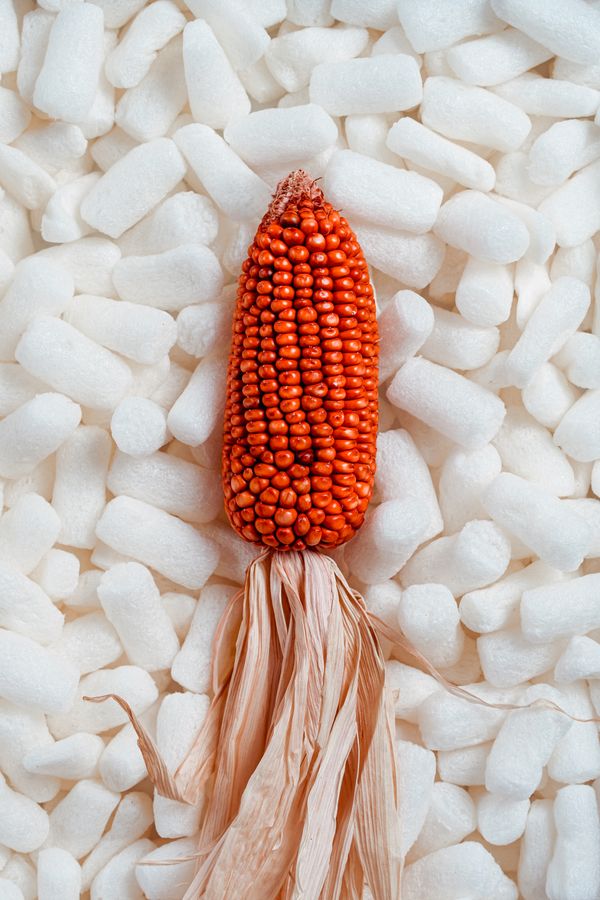
Raw Material: Red maize is surrounded by white packing fillers that visually resemble puffed grains. A crop deeply connected to Mexican food, ritual, and cultural memory is placed within the visual language of shipping and commerce, blurring the boundary between nourishment, packaging, origin, and commodity.

© Varel Quintero - Image from the Empacado photography project
i

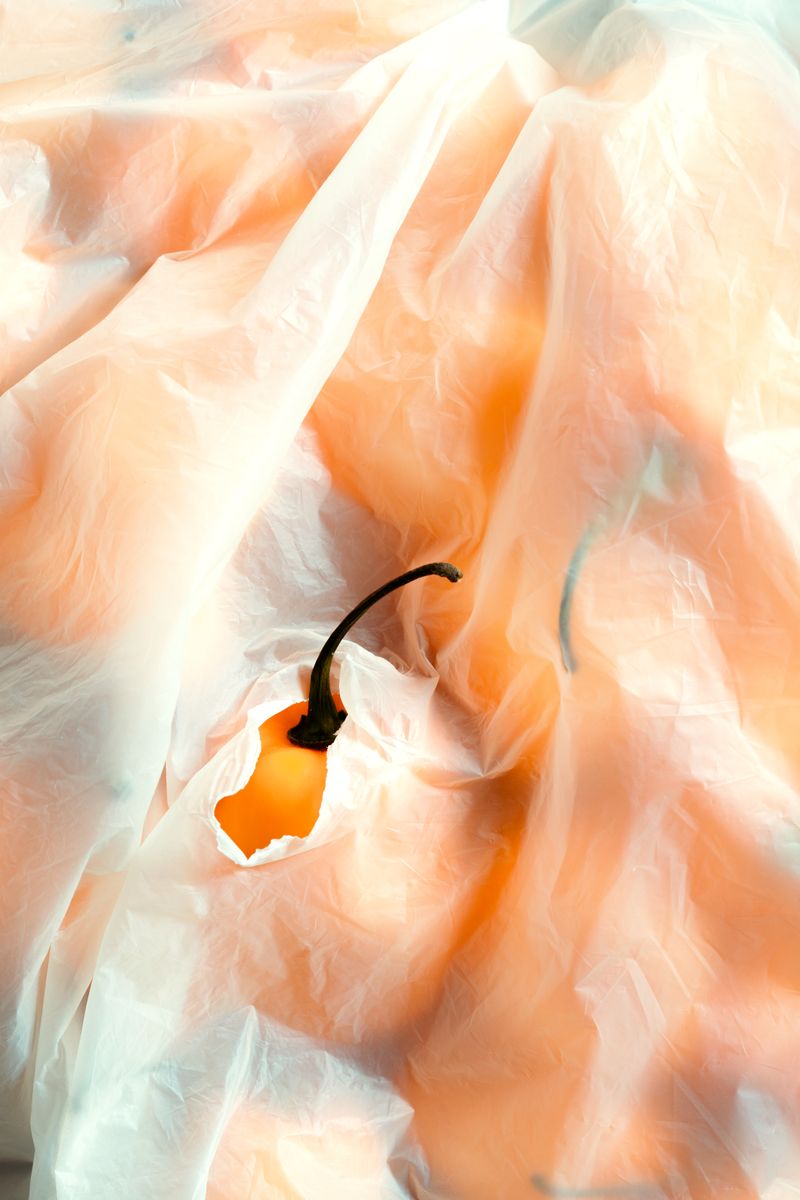
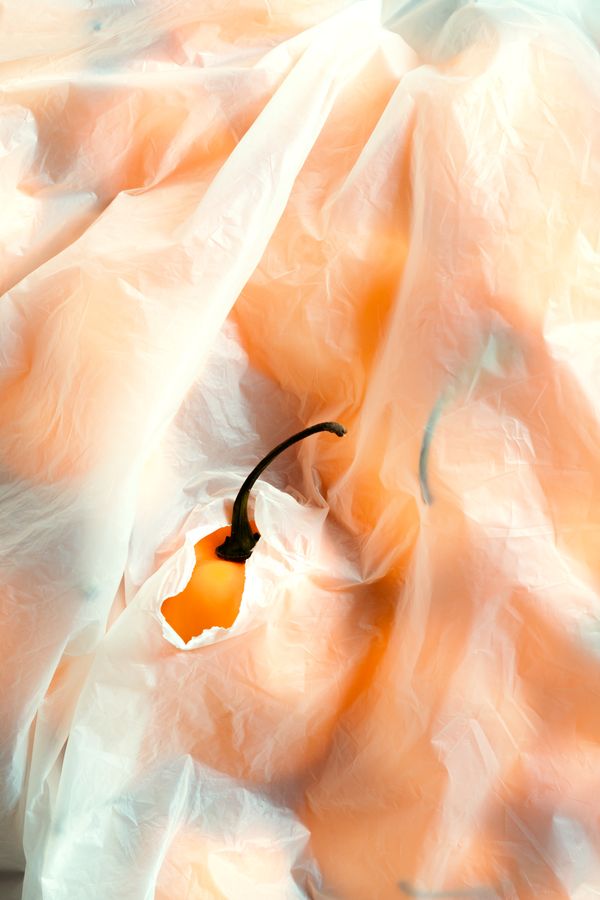
Accidental Rupture: Manzano peppers are wrapped in polyethylene film until the sharp tip of a stem accidentally punctures its surface. The rupture emerges from the encounter between an organic form and an industrial membrane, exposing the limits of a material designed to contain and protect.

© Varel Quintero - Image from the Empacado photography project
i

Abuelita: A volcanic temazcal stone, “little grandmother” in Spanish, because in México they are considered to be the oldest elements on Earth, traditionally activated by fire and water, is partially wrapped in bubble wrap. An object made to withstand intense heat and transformation is treated as something fragile, creating a tension between ancestral use, protection, and contemporary display.

© Varel Quintero - Image from the Empacado photography project
i

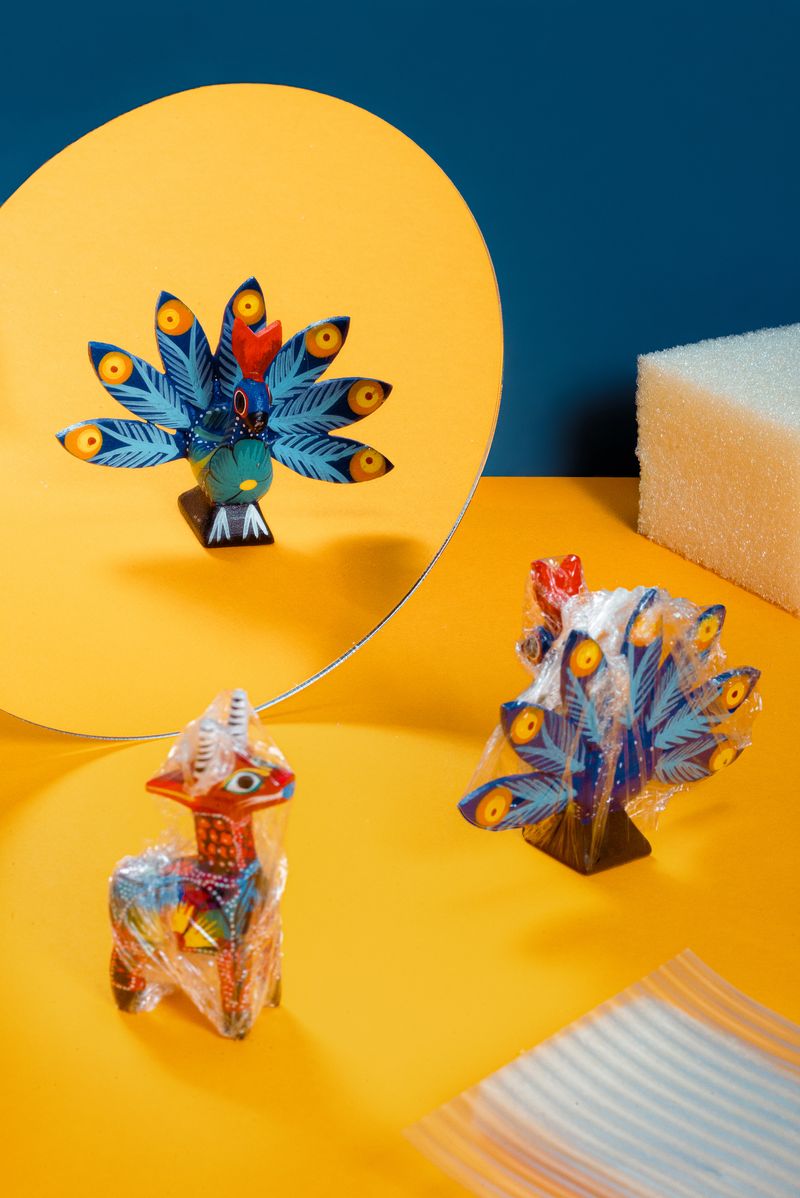
Original Reflection: A wrapped alebrije faces a mirror where it appears free of packaging. The reflection reveals the object before intervention, creating a split between physical containment and an unaltered image. The work explores how identity can persist even when a cultural object is protected, isolated, and reframed.

© Varel Quintero - Image from the Empacado photography project
i

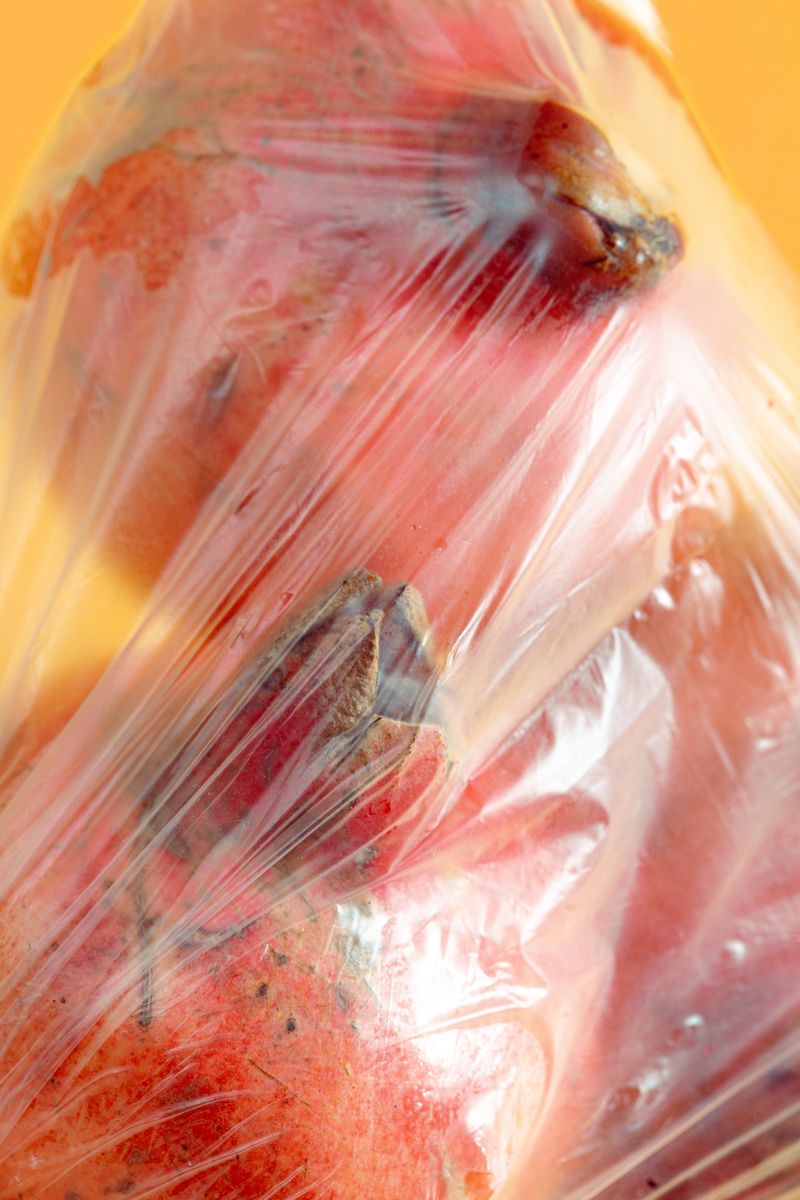
By the Kilo: Pressed tightly against the plastic, the pomegranates lose the lush, seductive presence usually associated with fruit. Their forms flatten and distort under pressure, suspended in a bag that isolates as much as it contains. By the Kilo turns abundance into compression: beauty becomes weight, tension, and something almost breathless.

© Varel Quintero - Image from the Empacado photography project
i

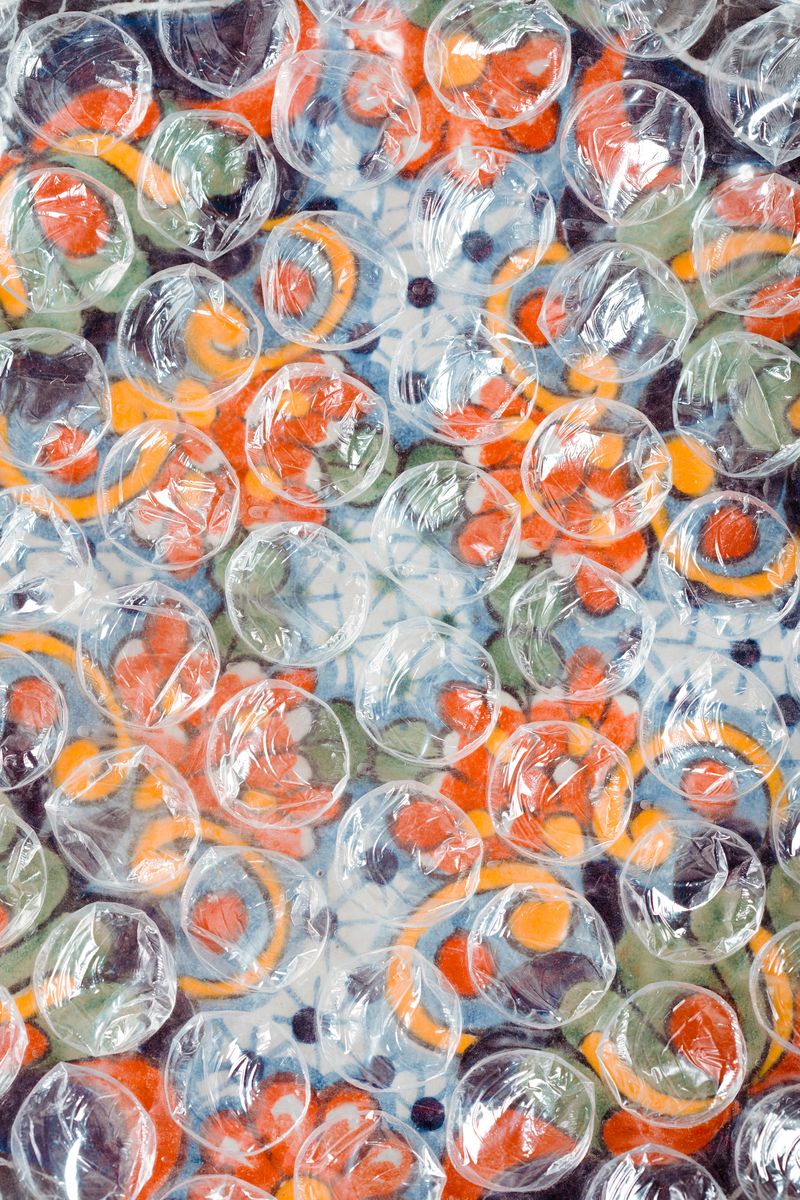
Out of Use: A Talavera ceramic piece is enclosed in industrial air-cushion packaging and protected to the point of becoming unusable. The work turns preservation into separation, asking what happens when an object made to be touched and used becomes inaccessible and exists primarily to be seen.

© Varel Quintero - Image from the Empacado photography project
i

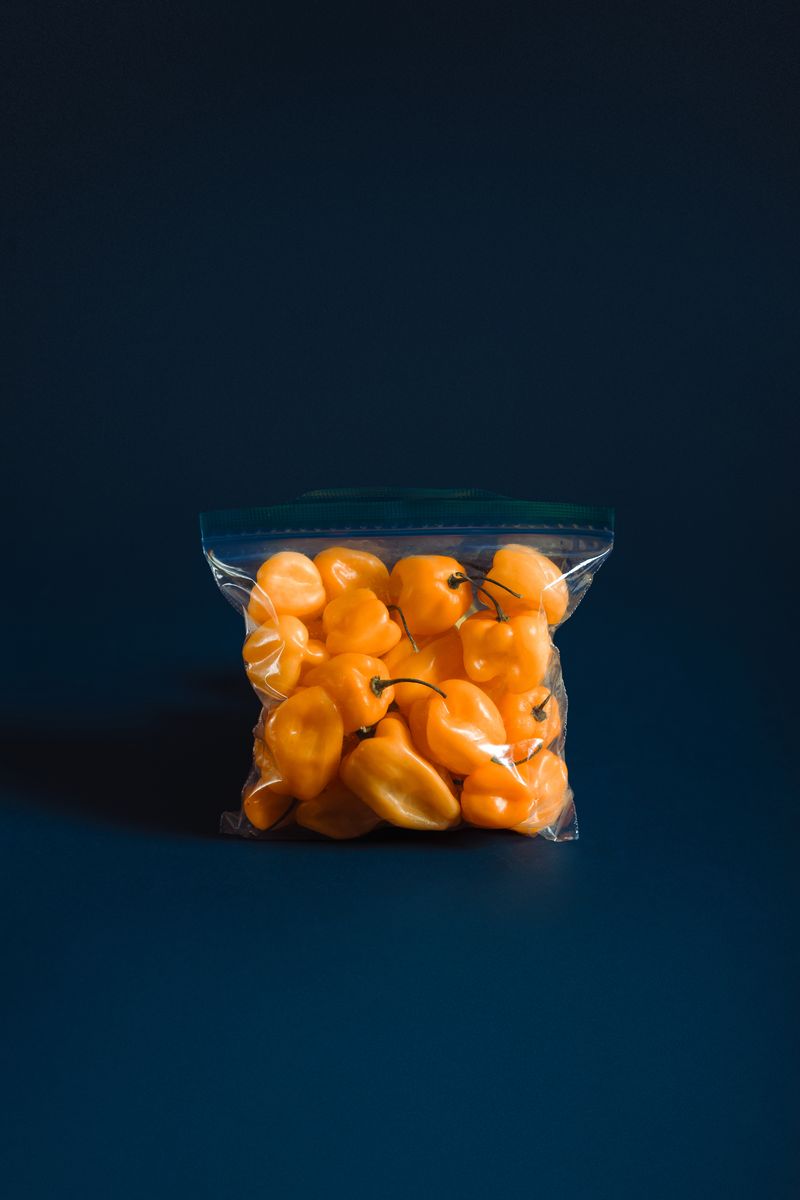
In Bulk: Habanero peppers are compressed inside a transparent resealable bag and photographed like a commercial product. Removed from origin and context, they become units of quantity and consumption. The work examines how containment can transform food, sensory experience, and cultural identity into standardized commodity.

© Varel Quintero - Image from the Empacado photography project
i

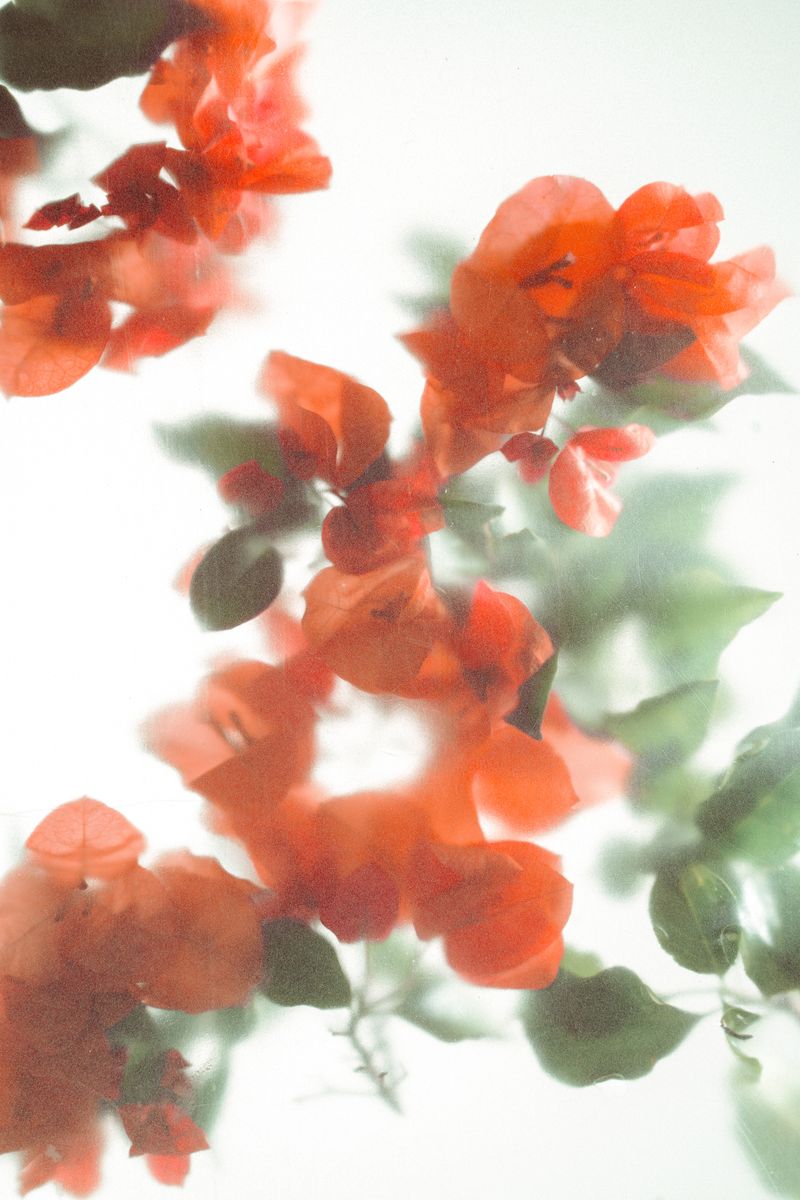
Bougainvillea: In Mexico, bougainvillea exists between ornament and traditional remedy. Here, its flowers are sealed inside a transparent acrylic enclosure. Still vivid but cut off from air, touch, growth, and use, the plant becomes an image to contemplate rather than a living presence to experience.

© Varel Quintero - Image from the Empacado photography project
i

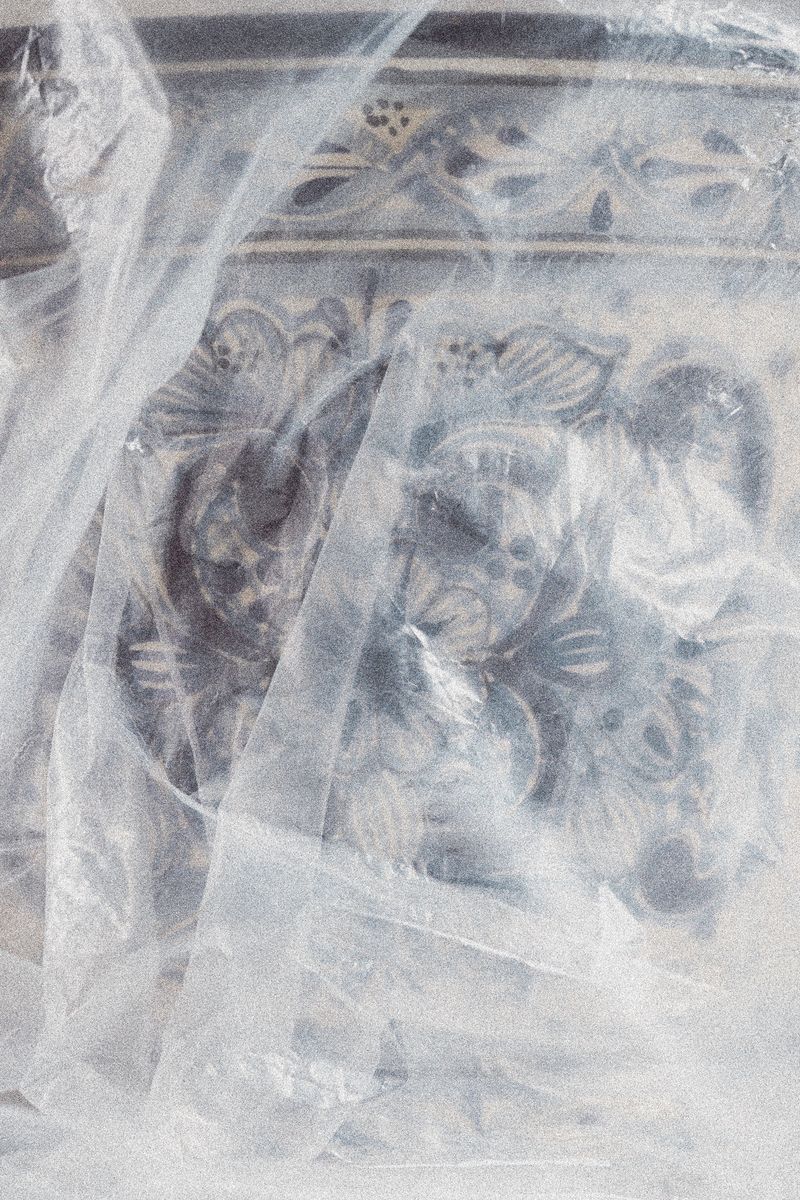
Interference: A Talavera vase remains visible beneath translucent polyethylene, but never fully accessible. Plastic, grain, and surface noise interfere with its ornament without completely erasing it. The work explores how layers of protection and representation can preserve culture while simultaneously distancing us from it.