El modo en que habitamos
-
Dates2019 - Ongoing
-
Author
- Topics Landscape, Daily Life, Social Issues
- Location Argentina
Through archives and images from Latin American cities, this project investigates how urban forms, materials, and memories create emotional geographies that shape our perception, ways of dwelling, and collective culture.
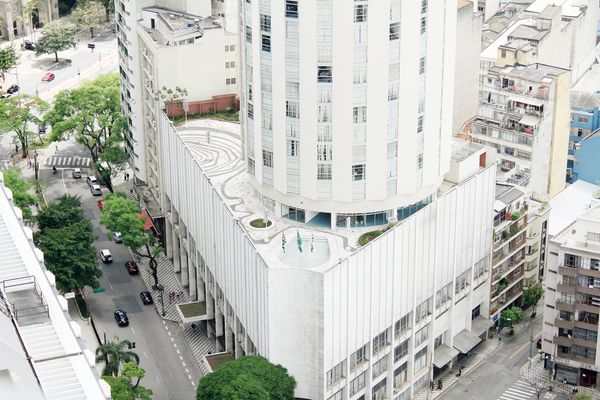
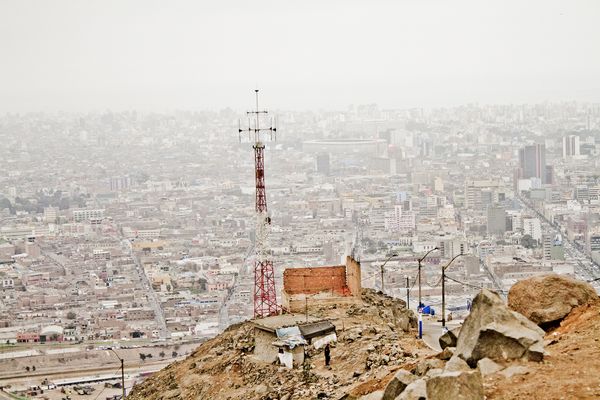
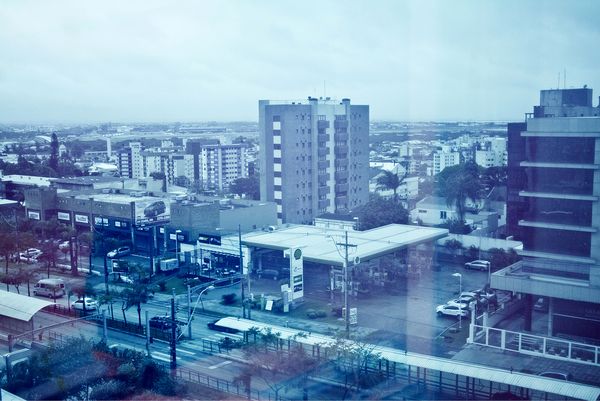
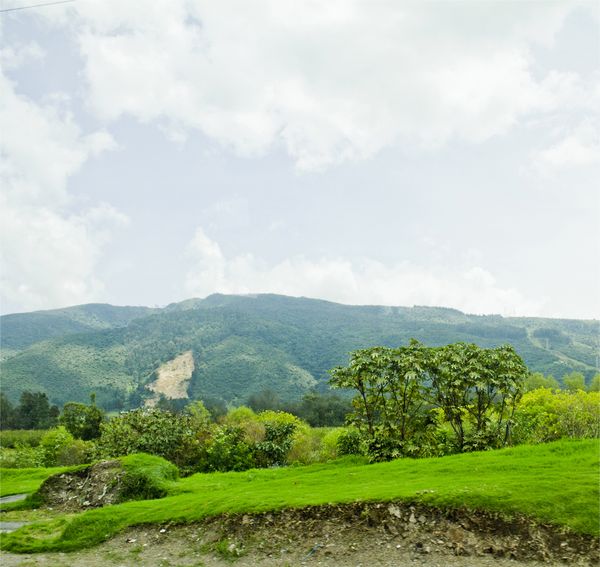
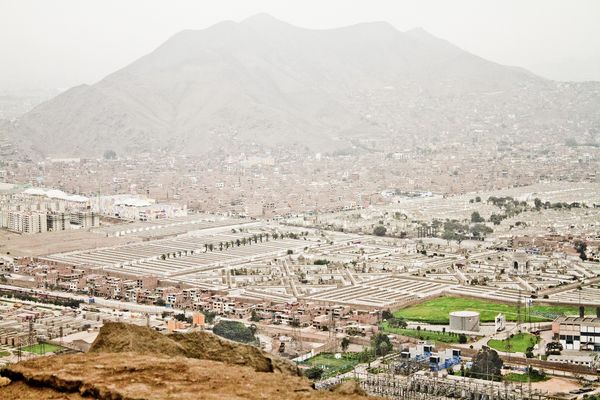
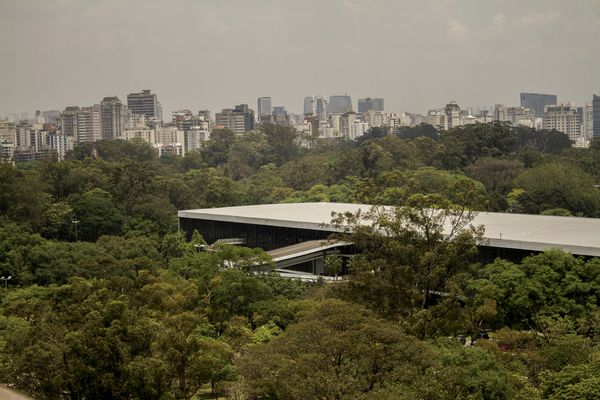
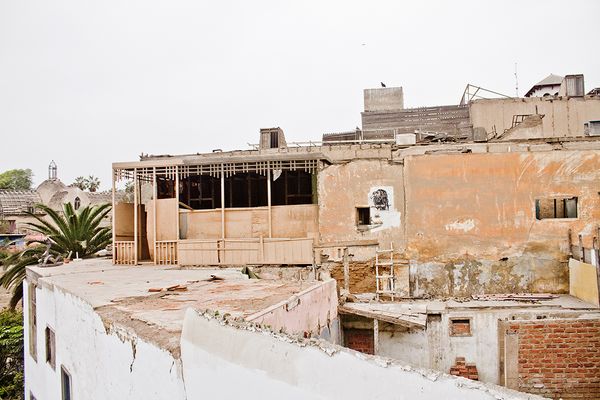
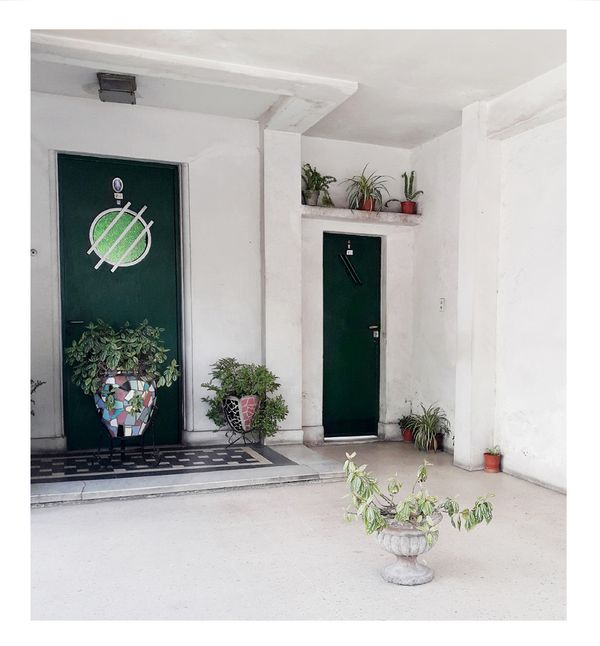
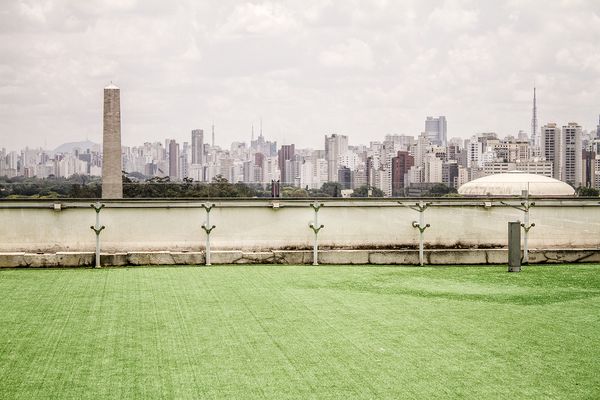
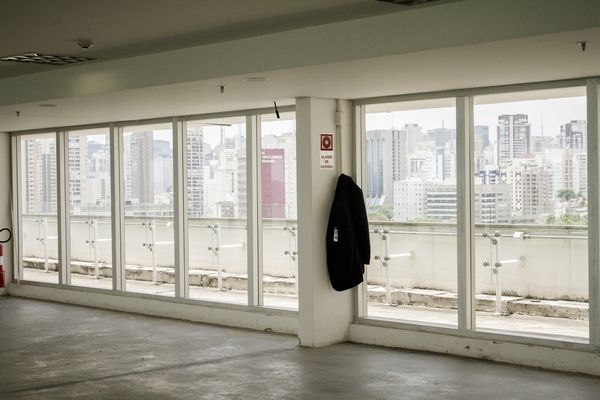
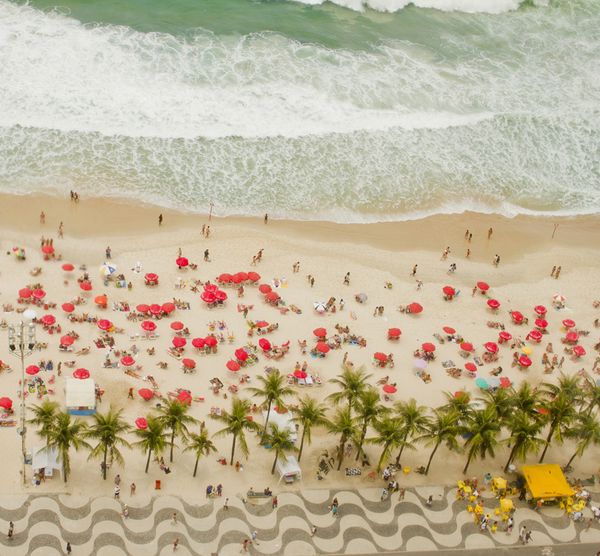
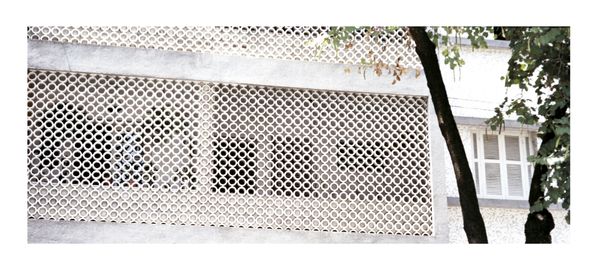
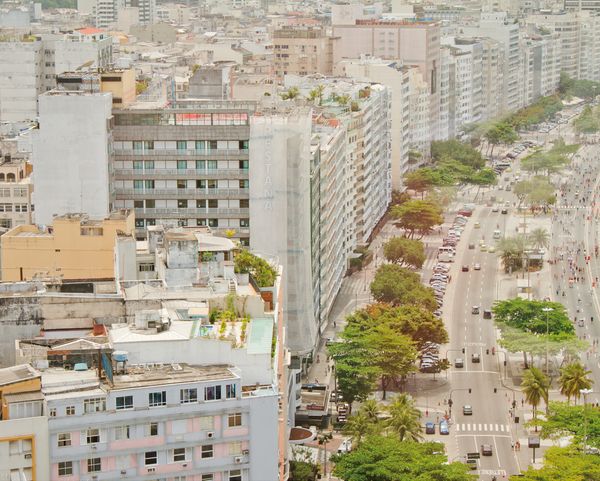
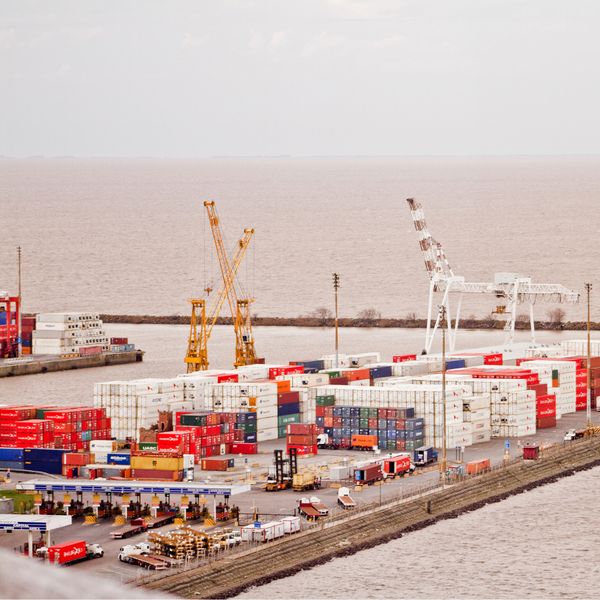
El modo en que habitamos hoy. (The way we inhabit Today) is a photographic and research project that explores the relationship between architecture, urban space, and affective experience in Latin American territories. It brings together visual archives and urban practices from more than five cities: Lima (Peru), Rio de Janeiro, Porto Alegre, and São Paulo (Brazil), Bogotá (Colombia), Buenos Aires (Argentina), and Santiago de Chile (Chile).
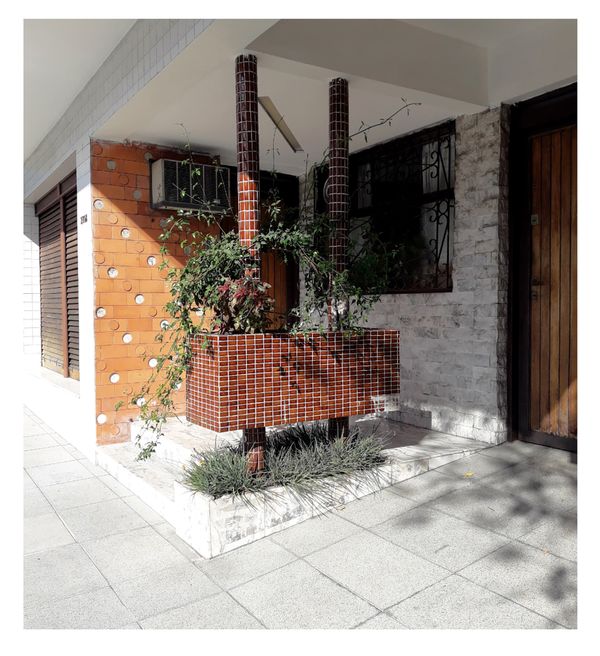
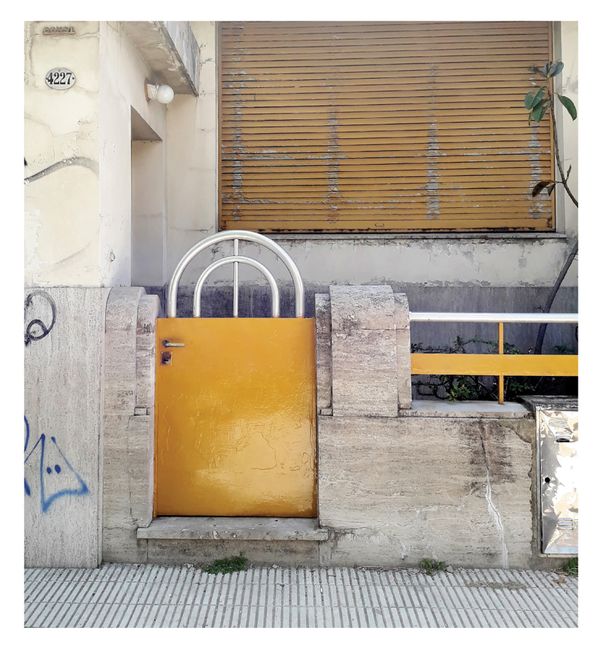
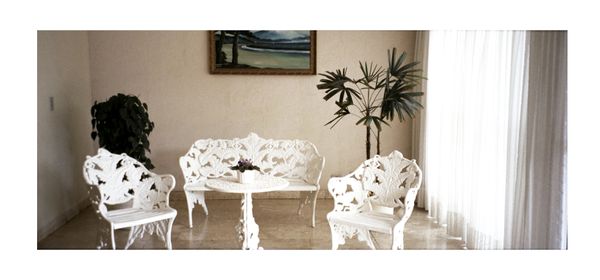
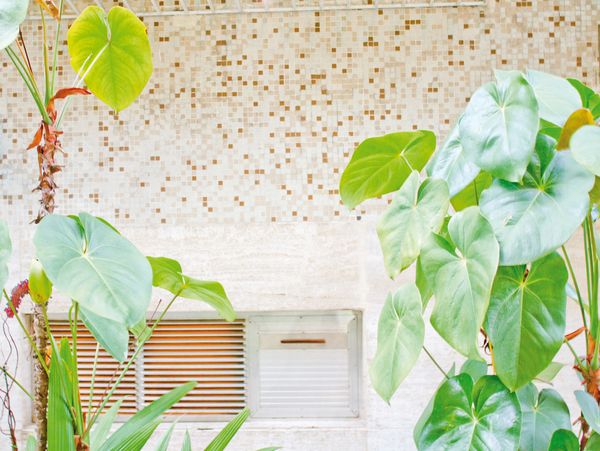
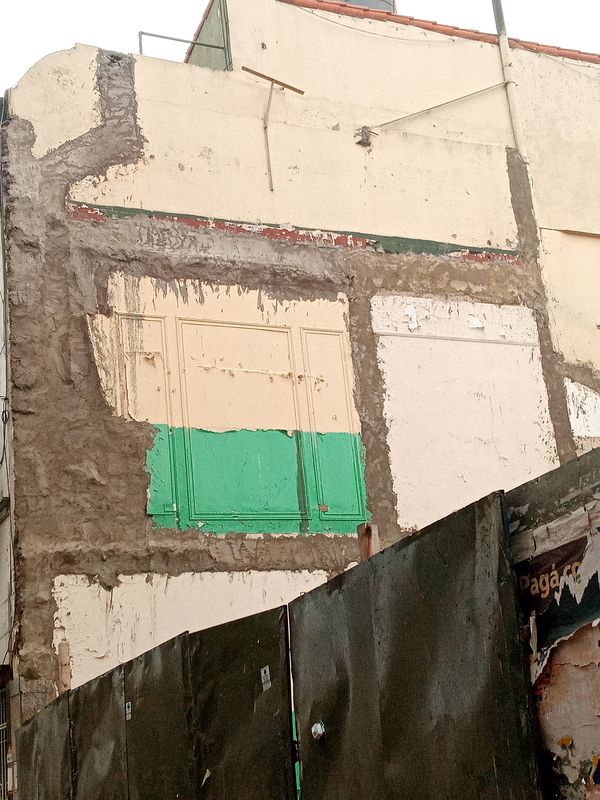
The images document the symbolic and emotional dimension of architecture, showing how urban spaces shape perception and human relationships, offering new perspectives on the experience of inhabiting the city.
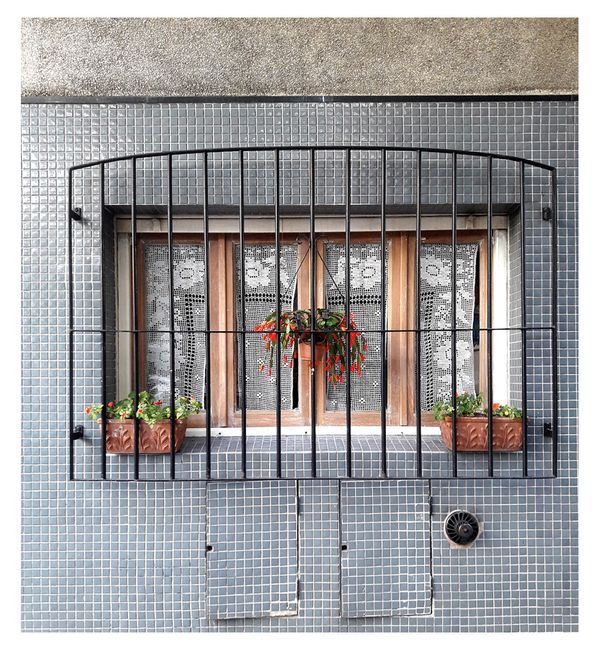
The project approaches the territory through different scales, materials, and aesthetics to reflect on contemporary ways of inhabiting urban space in its affective and symbolic dimension. It conceives urban environments as architectures of emotions, where forms, materials, and objects configure ways of dwelling, feeling, and perceiving the world.
Inspired by Lina Bo Bardi and Gilles Deleuze’s studies on affects, the series shifts the gaze beyond the rational logic of architecture to investigate the subjective bonds that emerge between bodies and spaces. The images reveal how senses, memories, and crafts leave imprints on the built environment, and how the urban fabric becomes a sensitive map articulating tensions between public and private, center and periphery.
Within this framework, my photographs are conceived as open scenographies: records of how architecture shapes experience and how emotional capitalism redefines our cities and culture.